Best Fishing Spots on the St. Joseph River
Trying to figure out where to cast your line on a river as diverse and productive as Michigan's St. Joseph River can feel a bit overwhelming, especially when you're hoping to land some of its legendary fish. It's easy to get lost in the sheer miles of water, wondering which bends hold the steelhead, where the walleye lurk, or how to even approach the famous fish ladder. This guide is here to cut through that confusion, helping you pinpoint the absolute best fishing spots along the St. Joe, ensuring your next trip is productive and enjoyable.
Understanding the St. Joseph River's Diverse Fishery
The St. Joseph River, or "St. Joe" as it's affectionately known by local anglers, is a true gem in Michigan's fishing landscape. It stretches for an impressive 206 miles, winding its way through southwestern Michigan and northern Indiana before finally emptying into Lake Michigan at St. Joseph, Michigan. This incredible journey through various landscapes means the river offers a vastly different fishing experience depending on where you are.
A River of Many Faces: From Upper Reaches to Lake Michigan
Imagine starting your fishing adventure near the headwaters; you'd find a smaller, more intimate river, perhaps better suited for wading and targeting smaller species. As you move downstream, the river gradually widens, deepens, and transforms. It flows through agricultural lands, past charming towns, and eventually becomes a substantial waterway influenced by the mighty currents of Lake Michigan. This transition means the habitat changes dramatically, offering everything from shallow riffles and deep pools to wide, slow stretches and bustling harbors. Each section presents unique challenges and rewards, catering to different fishing styles and target species. Whether you're a fly angler seeking solitude or a boater looking for offshore action, the St. Joe has a "face" that will appeal to you.
Key Species You'll Encounter
The St. Joe is a fantastic multi-species fishery, but a few stars truly shine here, drawing anglers from all over the region. Understanding what's available and when is crucial for planning your trip.
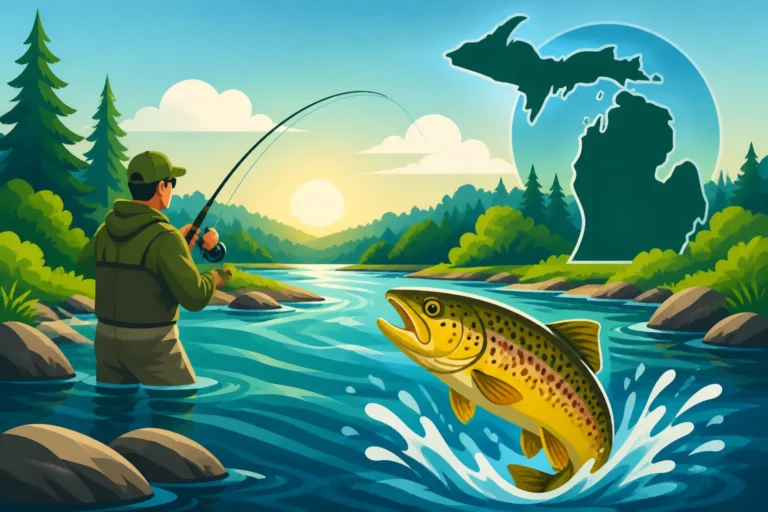
- Steelhead (Migratory Rainbow Trout): Without a doubt, steelhead are one of the biggest draws to the St. Joe. These powerful, silver-sided acrobats run up the river from Lake Michigan to spawn, offering incredible fishing opportunities from late fall through spring. They are incredibly strong fighters, making them a prime target for many.
- Salmon (Chinook and Coho): The fall salmon runs are spectacular. Chinook (King) salmon and Coho (Silver) salmon charge upriver, providing some of the most exciting and physically demanding fishing experiences. These fish are big, aggressive, and offer a fantastic challenge, especially in the lower river sections. You can learn more about the different Michigan Salmon Species Explained in our dedicated guide.
- Walleye: While the St. Joe is renowned for its migratory species, it also boasts a healthy population of resident walleye. These elusive, tasty fish are sought after year-round, particularly in the deeper, slower sections of the river. Night fishing can be especially productive for walleye. Our guide on Walleye Fishing in Michigan goes into more detail.
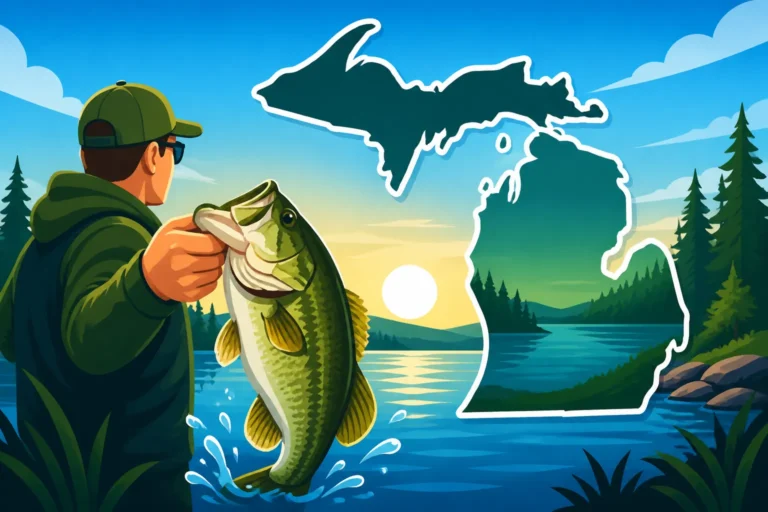
- Smallmouth Bass: Pound for pound, smallmouth bass are one of the hardest-fighting freshwater fish, and the St. Joe has plenty of them. They thrive in the rocky, current-heavy stretches throughout the river, offering explosive strikes and thrilling battles, especially in warmer months. Dive deeper with our guide on Smallmouth Bass Fishing in Michigan.
- Largemouth Bass: In the slower, weedier backwaters and oxbows, you'll find healthy populations of largemouth bass. These ambush predators provide excellent topwater action and are a blast to catch on various lures and baits.
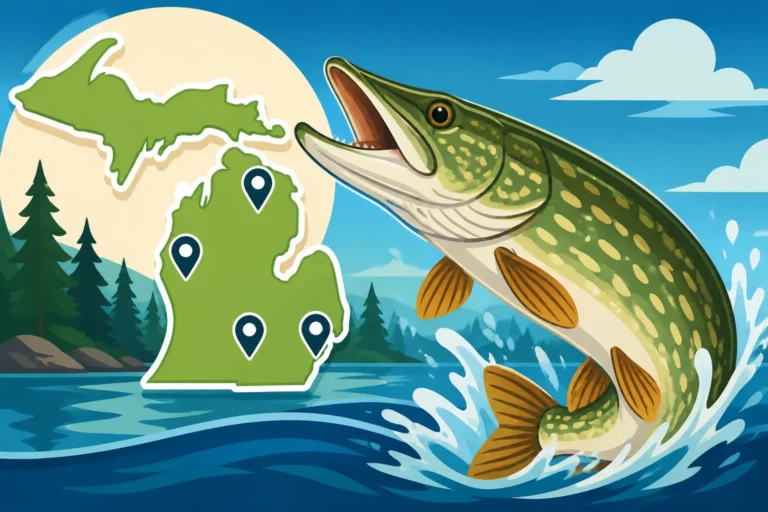
- Northern Pike: Aggressive and toothy, northern pike inhabit many of the St. Joe's shallower, vegetated areas. They're fun to target with large spoons, spinnerbaits, and swimbaits, particularly during the spring and fall.
- Panfish (Bluegill, Crappie, Perch): For a more relaxed day of fishing, or to get kids hooked on the sport, the river's numerous backwaters and slower sections are brimming with panfish. They provide consistent action and are excellent table fare.
Each of these species presents different challenges and requires specific techniques, making the St. Joe a fantastic training ground for anglers of all skill levels. Remember to consult the Michigan Fishing Seasons Explained to know when each species is most active and legal to pursue.
Prime Fishing Locations on the St. Joseph River
Now, let's get down to the nitty-gritty: where exactly should you go to find these fantastic fish? The St. Joseph River offers a plethora of access points, from bustling city parks to secluded riverbanks. Here are some of the most consistent and productive spots that anglers frequent.
Buchanan and Niles Area: Steelhead and Salmon Heaven
The stretch of the St. Joe around Buchanan and Niles is a premier destination for steelhead and salmon anglers, especially during their migratory runs. The river here offers a mix of riffles, runs, and deeper pools, creating ideal holding water for these powerful fish.
Just upstream from the city of Buchanan, you’ll find several public access points. One popular spot is near Pears Mill Dam. While fishing immediately below a dam can sometimes have restrictions, the public access areas here provide excellent opportunities to intercept fish moving upstream. The waters below the dam concentrate migratory fish, creating fantastic staging grounds. Anglers often employ drift fishing techniques with spawn bags, beads, or small spinners here. Wading can be excellent when water levels permit, but always exercise caution due to strong currents. This area is particularly hot during the fall salmon run and the spring steelhead run. Many anglers even find success using specialized gear, and exploring options on platforms like FishingBooker can connect you with local guides who are experts in these specific techniques.
Further downstream, as you approach Niles, Riverfront Park offers convenient access. While it's a city park, the river here still maintains good character for fishing. Look for deeper channels and current seams where fish might hold. Casting spoons, crankbaits, or even fly fishing can be productive. The beauty of this area is its accessibility; you can often park close and be fishing within minutes. Local bait shops in Niles are also great resources for up-to-the-minute reports on what's biting and what gear is working best.
Berrien Springs Fish Ladder and Dam: A Migration Bottleneck
When talking about fishing the St. Joseph River, you absolutely cannot overlook the Berrien Springs Fish Ladder and Dam. This spot is, without exaggeration, a legendary location, especially for migratory salmon and steelhead. The dam acts as a natural barrier, concentrating hundreds, if not thousands, of fish as they attempt to move upstream to spawn.
Below the dam, the churning water and deep pools are a magnet for staging fish. Anglers flock here during the peak of the fall salmon run and spring steelhead migration. You'll see a variety of techniques employed, from heavy-duty float fishing with large spawn bags or beads to casting massive spoons and crankbaits. The sheer volume of fish can be astounding, and the possibility of hooking into a trophy-sized Chinook or a chrome bright steelhead is very real. Access is generally good, with public parking and pathways. It's a busy spot, so expect company, but the action often makes it worthwhile.
Above the fish ladder, once fish have ascended, the river continues to offer excellent opportunities. While the immediate area above the ladder can be productive, many anglers choose to spread out further upstream, seeking out less pressured water. This is where guide services often shine, taking you to lesser-known spots. Booking a trip through platforms like FishingBooker ensures you get an experienced captain who knows the subtle nuances of these waters, maximizing your chances of a successful day. Remember, specific regulations often apply immediately around fish ladders and dams, so always check the latest Michigan Fishing Regulations Every Angler Should Know.
Benton Harbor/St. Joseph River Mouth: Great Lakes Influence
Where the St. Joseph River finally meets Lake Michigan, you'll find the bustling twin cities of Benton Harbor and St. Joseph. This area is a significant fishery, heavily influenced by the Great Lakes, offering diverse opportunities for both boat and shore anglers.
The St. Joseph North Pier and South Pier are iconic fishing structures. These piers extend out into Lake Michigan, providing incredible access to migratory fish staging before their upstream journey or feeding on baitfish. During late summer and fall, salmon and steelhead congregate here. Anglers cast spoons, crankbaits, or drift spawn under bobbers. The piers also offer excellent perch fishing throughout much of the year, with occasional catches of walleye and brown trout. It’s an exciting place to fish, with the chance of hooking into a truly massive Great Lakes salmon right from shore. Our guide on Michigan's Great Lakes Fishing Guide has more details on pier fishing.
For boat anglers, the St. Joseph Harbor itself is a fantastic staging area. Early morning and evening sees many boats trolling the harbor mouth and the immediate river for salmon and steelhead. As the season progresses, these fish move further into the river. Beyond the mouth, Lake Michigan proper offers exceptional charter fishing opportunities for Chinook, Coho, and Lake Trout. Many experienced captains operate out of the St. Joseph marina, offering guided trips that are especially popular for those looking to experience offshore trolling. You can easily find and book these experienced guides through services like FishingBooker, ensuring a seamless and productive Great Lakes adventure.
Inland Stretches for Bass and Walleye: Less Pressured Waters
While the lower St. Joe gets much attention for its migratory runs, the river's inland stretches, particularly upstream from Berrien Springs, offer fantastic, often less-pressured fishing for resident species like smallmouth bass, largemouth bass, and walleye. These areas provide a different kind of angling experience, focusing on structure, current breaks, and varied bottom contours.
Areas around Three Rivers and Constantine are excellent starting points for targeting smallmouth and walleye. The river here is narrower than its lower sections, with more prominent rock formations, gravel beds, and timber – all prime smallmouth habitat. Casting tube jigs, Ned rigs, or small crankbaits parallel to current breaks and submerged structure can be highly effective. For walleye, look for deeper holes, current seams, and submerged timber, especially during low-light conditions. Jigging with live bait (minnows or nightcrawlers) or slow-trolling crankbaits are proven techniques. These stretches also hold good numbers of northern pike in weedy bays and quieter eddies.
Access in these inland areas can be a mix of public boat launches, roadside pull-offs, and sometimes private land access (always secure permission if on private property). Kayak and canoe anglers particularly enjoy these sections, as they can navigate shallower waters and access spots that larger boats cannot. This peaceful, scenic fishing offers a wonderful contrast to the often-crowded lower river.
Essential Tips for Fishing the St. Joseph River
Success on the St. Joseph River, like any great fishery, often comes down to preparation, knowledge, and a respectful approach. Here are some key tips to ensure you have the best possible experience.
Navigating Regulations and Seasons
Michigan's fishing regulations are designed to protect fish populations and ensure fair chase. The St. Joseph River, especially given its migratory runs, often has specific rules that differ from statewide general regulations. It's not uncommon for sections to have different bag limits, size restrictions, or even tackle restrictions, particularly around the fish ladder at Berrien Springs.
- Always Check the DNR Digest: Before heading out, make it a habit to check the latest Michigan Fishing Regulations Digest. You can find this online on the Michigan DNR website or pick up a physical copy at most bait shops and sporting goods stores. Pay close attention to the specific regulations for the St. Joseph River, which are usually listed under special regulations. Our guide to Michigan Fishing License Guide for Residents and Nonresidents is a great place to start before you even hit the water.
- Know Your Seasons: Understanding the peak seasons for different species is crucial. While steelhead offer opportunities from fall through spring, salmon are primarily a fall target. Walleye and bass fishing are great during warmer months but also have specific peak times. Refer to our Michigan Fishing Seasons Explained article for a comprehensive breakdown. Knowing these dates helps you target the right fish at the right time.
- Bag and Size Limits: Don't forget to familiarize yourself with the Michigan Daily Bag Limits by Species and Michigan Statewide Minimum Size Limits. These limits are in place for a reason and contribute to the health of the fishery.
Gear Up for Success
Having the right gear makes all the difference, especially when you're targeting powerful fish like Great Lakes salmon and steelhead. Your setup will vary significantly depending on what you're chasing.
- Steelhead and Salmon: For these hard-fighting migratory fish, especially in the river's faster currents, a medium-heavy to heavy action spinning rod (8-10 feet) paired with a robust spinning reel (3000-4000 series) spooled with 10-15 lb test monofilament or braid (with a fluorocarbon leader) is a popular choice. For more specialized techniques like centerpinning or fly fishing, specific long rods and appropriate lines are necessary. Our guide on Best Rods and Reels for Michigan Fishing can help you make an informed choice. Popular baits include spawn bags, beads, small crankbaits, and drifted flies.
- Walleye: For walleye, a medium-light to medium action rod (6-7 feet) with a sensitive tip is ideal for detecting subtle bites. Spinning reels in the 2500-3000 series spooled with 8-10 lb test line are common. Jigs tipped with minnows or nightcrawlers, crankbaits, and blade baits are excellent choices. Check out our recommendations for Best Bait for Michigan Walleye.
- Bass (Smallmouth and Largemouth): A medium action rod (6.5-7 feet) paired with a 2500 series spinning reel or a baitcasting setup with 10-12 lb test line is versatile for both species. Topwater lures, spinnerbaits, crankbaits, and various soft plastics are all effective.
- Waders and Footwear: For river fishing, a good pair of waders (neoprene for colder weather, breathable for warmer) and sturdy wading boots with good grip are indispensable for safely accessing prime spots.
- Safety Gear: Always carry a life jacket, especially if you're fishing from a boat or wading in swift currents. A basic first-aid kit, a pair of pliers for hook removal, and a net suitable for the size of fish you expect to catch are also essential.
Safety and River Etiquette
Fishing the St. Joe is a fantastic experience, but safety and respect for the environment and fellow anglers are paramount.
- Be Aware of Currents: The St. Joseph River, especially below dams and in constricted areas, can have strong and unpredictable currents. Always assess the water flow before wading, and never wade alone if possible.
- Watch the Weather: Michigan weather can change rapidly. Be prepared for sudden shifts in temperature, rain, or wind, especially if you're on the lower river near Lake Michigan.
- Leave No Trace: Pack out everything you pack in. Dispose of fishing line, bait containers, and other trash properly. Let's keep the St. Joe beautiful for everyone.
- Respect Other Anglers: Popular spots, especially during peak runs, can get crowded. Give other anglers ample space, avoid cutting lines, and keep noise to a minimum. A little courtesy goes a long way in ensuring everyone has an enjoyable experience. If you're using a guide service found on FishingBooker, they will often advise on local etiquette.
Remember, fishing is about enjoying nature and the thrill of the catch. By following these tips, you're set for a memorable adventure on the St. Joseph River.
| Species | Best Time to Fish | Primary Location/Habitat | Recommended Lures/Bait |
|---|---|---|---|
| Steelhead | Fall, Winter, Spring | Berrien Springs, Buchanan, Lower River Riffles | Spawn bags, Beads, Small Crankbaits |
| Chinook Salmon | Late Summer, Fall | Benton Harbor Piers, Berrien Springs, Buchanan | Spoons, Large Crankbaits, Spawn |
| Coho Salmon | Fall | Benton Harbor Piers, River Mouth, Lower River | Spoons, Smaller Crankbaits, Flies |
| Walleye | Spring, Summer, Fall | Inland Deeper Pools, Current Seams | Jigs w/minnows, Crankbaits, Worms |
| Smallmouth Bass | Spring, Summer, Fall | Rocky Riffles, Current Breaks, Structure | Tube jigs, Ned Rigs, Crankbaits |
| Largemouth Bass | Spring, Summer | Weedy Backwaters, Stagnant Bays | Topwater, Spinnerbaits, Soft Plastics |
| Northern Pike | Spring, Fall | Weedy Margins, Slack Water | Large Spoons, Spinnerbaits, Swimbaits |
Disclaimer
Fishing conditions and regulations in Michigan can change. Always consult the latest Michigan Department of Natural Resources (DNR) regulations before heading out. This guide provides general information and recommendations based on common angling practices and publicly available data.