Michigan Smallmouth and Largemouth Bass Daily Limit
It can be incredibly frustrating to head out for a day of fishing, excited to chase some feisty bass, only to realize you’re not entirely sure about the exact rules for what you can keep. Michigan’s fishing regulations, while designed to protect our precious fisheries, can sometimes feel like a labyrinth of specific dates, sizes, and daily limits, especially when it comes to popular species like smallmouth and largemouth bass. This comprehensive guide is here to clear up all that confusion, helping you understand the combined daily limits for bass in Michigan so you can fish confidently and stay on the right side of the law.
Navigating the Nuances of Michigan Bass Fishing Regulations
Michigan offers incredible bass fishing opportunities, from the vast expanse of the Great Lakes to countless inland lakes and winding rivers. However, these diverse habitats mean the regulations aren't always a one-size-fits-all situation. Many anglers often assume a single rule applies everywhere, which can lead to inadvertent violations. Understanding the core principles, and then knowing when and where to look for exceptions, is key to a successful and legal bass fishing experience. It’s not just about the numbers; it’s about respecting the lifecycle of these incredible game fish.
The Statewide Standard for Largemouth and Smallmouth
When it comes to the majority of Michigan's waters, the Department of Natural Resources (DNR) has established a clear, unified standard for both largemouth and smallmouth bass. This simplifies things for anglers who frequent various bodies of water without having to memorize a new set of rules for every single lake or river. This foundational regulation is what most anglers will encounter most often, providing a consistent framework across much of the state.
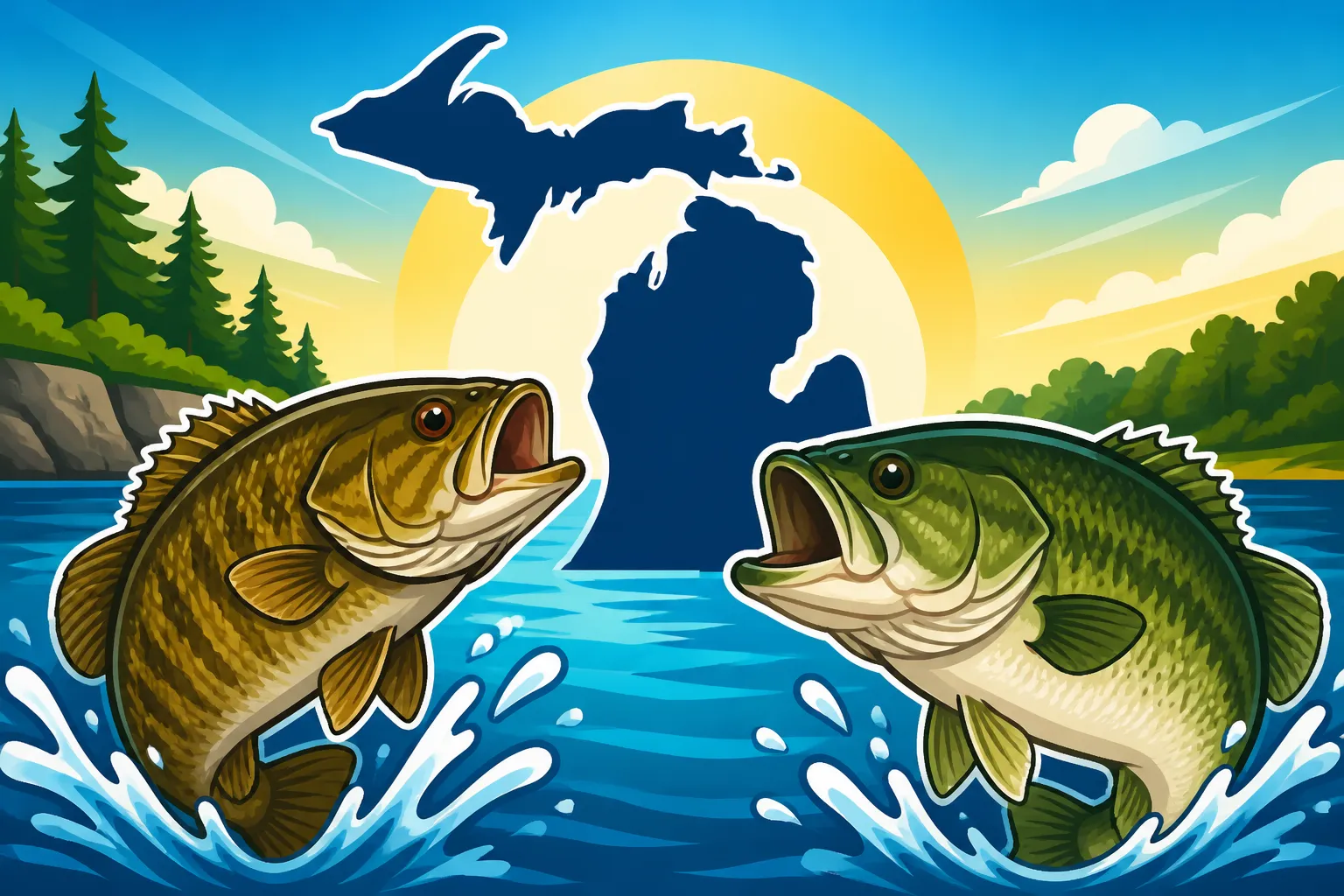
Generally, the statewide daily possession limit for largemouth and smallmouth bass combined is five fish. This means that whether you catch five largemouth, five smallmouth, or any combination adding up to five, that's your maximum for the day. Furthermore, there's a minimum size limit of 14 inches for any bass you intend to keep. This 14-inch rule is incredibly important for protecting juvenile fish and allowing them to grow to a mature, spawning size before they can be harvested. Many a proud angler has had to carefully measure a seemingly large bass, only to find it just shy of the mark, necessitating a gentle release. This combined limit and size restriction are pillars of Michigan's bass management strategy, aiming to ensure sustainable populations for years to come. Remember, these are the rules for possession, meaning fish you intend to take home.
The Crucial Difference: Catch-and-Release vs. Possession Seasons
One of the most common areas of confusion for bass anglers in Michigan revolves around the fishing seasons, specifically the distinction between catch-and-immediate-release and the open possession season. It's not simply that you can fish for bass all year; how you can fish for them and what you can do with them changes significantly depending on the time of year and the specific body of water. Missing this detail can easily lead to a violation, even if you’re just trying to enjoy a spring day on the water.
For most inland lakes and rivers in Michigan, the bass fishing season typically opens with a catch-and-immediate-release period starting on the last Saturday of April. During this time, you can certainly target bass, enjoy the fight, and hone your skills, but any bass caught must be promptly and carefully returned to the water unharmed. This is a critical period that coincides with much of the bass spawning activity, giving the fish a chance to reproduce without harvest pressure. The actual possession season, when you can keep your legal limit, doesn't usually open until the third Saturday in June. This split season ensures that the bass population has a robust spawning period, leading to healthier future generations. Contrastingly, on the Great Lakes and their connecting waters like Lake St. Clair or the Detroit River, the bass season is generally open year-round for both catch-and-release and possession, provided you adhere to the daily and size limits. Knowing these seasonal nuances is just as vital as knowing the daily limit itself. You can find more detailed information in the article, Michigan Fishing Season Dates and Rules.
Understanding the "Combined Species" Rule and Size Limits
The term "daily limit" might seem straightforward, but when it comes to bass in Michigan, the nuance of "combined species" and specific size minimums can trip up even experienced anglers. It’s not just about counting five fish; it’s about understanding which fish count towards that number and ensuring they meet the legal length requirements. This level of detail is crucial for responsible angling and for helping to maintain the health of our bass populations.
What "Five Bass Combined" Really Means
Let's break down the "five bass combined" rule a bit further, because it's where many misunderstandings occur. When the Michigan DNR states a daily limit of five bass combined, it means the aggregate total of both largemouth and smallmouth bass you possess cannot exceed five fish. It doesn't mean five largemouth and five smallmouth. This is a common mistake that can easily lead to exceeding your limit.
Imagine you're out on a beautiful inland lake, perhaps Houghton Lake, known for its excellent largemouth fishing. You land three nice largemouth bass, all over the 14-inch minimum, and decide to keep them. Later in the day, you move to a different area of the lake and start catching smallmouth. You can only keep two more bass, regardless of whether they are largemouth or smallmouth, to reach your combined total of five. If you keep three largemouth and then two smallmouth, you've hit your limit. Any additional bass caught must be released immediately. This regulation ensures that pressure is spread across both species, preventing overharvesting of one type of bass while the other remains relatively untouched. For a broader overview of harvest regulations, check out Michigan Daily Bag Limits by Species.
The Importance of the 14-Inch Minimum
The 14-inch minimum size limit isn't an arbitrary number; it's a carefully determined measure based on biological data about bass growth and reproduction. For both largemouth and smallmouth bass in Michigan, reaching 14 inches generally means the fish has had several years to grow and, crucially, has likely had at least one or more opportunities to spawn. Protecting these younger, reproductively active fish is vital for the long-term health of the bass fishery.
Think of it this way: if anglers were allowed to keep smaller bass, the population of breeding adults could quickly diminish, leading to fewer successful spawns and, eventually, a noticeable decline in the overall bass population. This 14-inch rule acts as a safeguard, ensuring that a significant portion of the bass population contributes to the next generation before being eligible for harvest. This is part of the larger strategy discussed in Michigan Statewide Minimum Size Limits. Always carry a reliable measuring device with you. Many sporting goods stores and online retailers like Amazon offer simple, durable fish measuring boards or tape measures that can be easily attached to your boat or tackle box. When you catch a bass that's close to the limit, lay it flat on the measuring device. Pinch the mouth closed against the bump at the zero end and measure to the tip of the tail. If it's even a fraction under, back it goes! There's no room for "close enough" when it comes to legal measurements.
Exploring Local Exceptions and Specific Waterbody Rules
While the statewide regulations provide a good baseline, Michigan's diverse aquatic ecosystems necessitate specific, localized rules for certain bodies of water. Ignoring these exceptions can inadvertently lead to violations, even for well-intentioned anglers. It’s vital to understand that a rule you know for one lake might not apply to another, especially in areas with unique ecological pressures or specific management goals.
Great Lakes and Connecting Waters: A Different Ballgame
The sheer size and ecological complexity of the Great Lakes and their connecting waters mean that bass regulations can, and often do, differ from those on inland lakes and rivers. These massive water systems can support different population dynamics and are often subject to different fishing pressures. For instance, the waters of Lake St. Clair are famous worldwide for their smallmouth bass fishing, and while the daily limit of five fish (combined species) often holds true, the season itself is typically open year-round for both catch-and-release and possession. This differs from the split season found in most inland waters.
Consider the Straits of Mackinac or various bays of Lake Michigan and Lake Huron; these vast expanses of water often have a year-round bass season with the same 5-fish, 14-inch minimum. However, an angler transitioning from a small inland pond where they've only been allowed to catch-and-release in spring might be surprised, and potentially confused, by the year-round possession season on the Great Lakes. Always consult the Michigan DNR's current fishing guide for the specific Great Lakes body of water you plan to fish. Details regarding these waters can be found in our comprehensive Michigan Great Lakes Fishing Regulations Guide.
Inland Lake and River Hotspots with Unique Regulations
Beyond the Great Lakes, certain inland lakes and rivers in Michigan have their own set of distinct bass regulations. These exceptions are typically put in place to address specific conservation needs, enhance trophy fisheries, or manage unique population characteristics. For example, some lakes might have a 12-inch minimum size limit instead of 14 inches, or perhaps a slot limit where fish between certain sizes must be released to protect prime breeding stock.
A prime example is the section of the Kalamazoo River in Allegan County, which historically has had unique bass regulations, sometimes including a 12-inch minimum or special slot limits to manage its fishery. Similarly, specific tournaments or designated "trophy" waters might impose stricter rules or catch-and-release only policies for a period. It's not uncommon to find a lake with a protected slot, meaning bass between, say, 14 and 18 inches, must be released, while those under 14 inches or over 18 inches can be kept (up to the daily limit). These specific rules are designed to allow certain size classes of fish to thrive, ensuring a balanced ecosystem and enhancing fishing quality for those seeking larger fish. Always, always double-check the rules for the specific body of water you intend to fish.
How to Find Specific Waterbody Regulations
With so many potential variations, knowing where to find accurate, up-to-date information for your chosen fishing spot is paramount. Relying on outdated information or hearsay is a recipe for trouble. The Michigan DNR is the authoritative source for all fishing regulations.
The best place to start is the official Michigan Fishing Regulations Digest. This publication is updated annually and is available both online on the DNR website and in physical form at most Michigan fishing license retailers, bait shops, and DNR customer service centers. When you download the PDF version of the digest, you can easily search for specific lakes, rivers, or counties. The digest typically includes a comprehensive table or list of waters with special regulations, clearly outlining any deviations from the statewide rules for bass, walleye, pike, and other species. Additionally, the Michigan's DNR Hunt Fish App for Licenses and Reporting is an invaluable tool for on-the-go access to regulations, as well as for purchasing licenses and reporting harvests. Familiarizing yourself with how to read and interpret the digest, as detailed in Reading the Michigan Fishing Regulations Digest, will save you a lot of headaches and keep you compliant.
Here's a simplified table illustrating common bass regulations in Michigan, noting that exceptions apply and should always be verified with the current DNR digest:
| Regulation Type | Statewide Inland Waters (General) | Great Lakes & Connecting Waters (General) | Example Exception (Kalamazoo River, Allegan Co. – verify current) | Example Exception (Specific Tournament/Trophy Water – verify current) |
|---|---|---|---|---|
| Daily Limit (Combined) | 5 Bass | 5 Bass | 5 Bass | Often 0 (Catch & Release Only) |
| Minimum Size Limit | 14 inches | 14 inches | Historically 12 inches (or slot limits) | Varies (e.g., 18-inch minimum, or protected slot) |
| Season Type | Split (C&R then Possession) | Year-Round Possession | Split (C&R then Possession, dates may vary) | Varies, often C&R only for specific periods or year-round |
| Possession Season Start | Third Saturday in June | Year-round | Third Saturday in June (or specific dates) | Varies |
Note: This table is for illustrative purposes only. Always consult the current Michigan Fishing Regulations Digest for the most accurate and up-to-date information.
Why Conservation Drives Michigan's Bass Limits
The regulations concerning daily limits and size restrictions for bass in Michigan aren't arbitrary rules designed to make life difficult for anglers. Instead, they are carefully crafted conservation tools based on scientific research and population data, all with the overarching goal of maintaining healthy, sustainable bass fisheries for current and future generations. The health of our fish populations directly impacts the quality of our fishing experiences, and these limits play a critical role in that balance.
Protecting Spawning Stock and Future Generations
One of the primary drivers behind Michigan's bass limits, especially the season dates and minimum size limits, is the protection of spawning bass. Both largemouth and smallmouth bass are known to build nests and guard their eggs and fry, making them particularly vulnerable during their reproductive period. The spring catch-and-immediate-release season on inland waters is a direct response to this vulnerability.
By delaying the possession season until mid-June, the DNR ensures that the majority of bass have completed their spawning cycles, laid their eggs, and that the fry have dispersed from the nests. This allows the adult bass to reproduce successfully without the added pressure of being harvested. The 14-inch minimum size limit further reinforces this by ensuring that most harvested bass have had at least one, if not multiple, opportunities to spawn. Mature, larger fish are often the most prolific spawners, contributing significantly to the genetic diversity and overall health of the population. By letting these fish contribute to the gene pool, we're not just protecting individual fish; we're actively investing in the long-term vitality of the entire bass fishery. This critical aspect of management is part of the larger framework of Michigan Fishing Regulations Every Angler Should Know.
Managing Pressure on Popular Fisheries
Michigan is home to some truly world-class bass fishing, drawing anglers from across the state and beyond. With this popularity comes increased fishing pressure, which, if left unchecked, could quickly deplete even robust fish populations. Daily limits and size restrictions serve as essential management tools to distribute harvest pressure and prevent overfishing, particularly in easily accessible or highly productive waters.
Without these limits, a few successful anglers could, in theory, remove a disproportionately large number of fish, especially during peak feeding times or in easily accessible areas like piers or boat launches. The combined species limit of five bass encourages anglers to be selective and mindful of their harvest, rather than simply catching as many as possible. This approach helps maintain a healthy population structure, ensuring there are enough fish of all sizes to provide exciting angling opportunities year after year. It's a delicate balance: providing opportunities for harvest while safeguarding the resource. These regulations allow the DNR to adapt to changing environmental conditions, population trends, and angler behavior, ensuring that Michigan's bass fishing remains exceptional for generations to come.
Practical Strategies for Staying Compliant and Ethical
Understanding the regulations is one thing, but consistently applying them on the water requires practical strategies and a commitment to ethical angling. It’s about more than just avoiding a ticket; it’s about participating in the conservation efforts that keep Michigan’s fisheries thriving. Equipping yourself with the right tools and knowing how to use them effectively are key components of responsible fishing.
Essential Gear for Measuring and Releasing Bass
To consistently comply with size limits, a reliable measuring device is non-negotiable. Don't rely on your estimation or the length of your tackle box. A legal measurement can be the difference between a successful outing and a violation. You have several options available, and many are quite affordable.
A simple, rigid fish measuring board is often the easiest and most accurate tool, especially for bass. These boards usually have a "nose stop" or "bump" to ensure the fish's mouth is at the zero mark, and clear markings for inches. They are easy to use in a boat or even from shore. Flexible tape measures are also an option, though they require a bit more care to get an accurate measurement, as the fish needs to be perfectly straight. Regardless of your choice, ensure it's made from durable, waterproof material. Many anglers attach these rulers to their boat gunwales or to their tackle box lids for quick access. Beyond measuring, proper catch-and-release practices are crucial, especially for bass that are undersized or caught during a catch-and-release only season. Having a pair of long-nosed pliers or a dehooking tool can help you quickly and safely remove hooks, minimizing stress to the fish. Also, a quality landing net with a rubberized, knotless mesh is ideal, as it protects the fish's slime coat and fins better than knotted nylon nets, ensuring a healthy release. These items are readily available at most fishing tackle stores or through online retailers like Amazon, making it easy to equip yourself properly.
Utilizing the DNR Hunt Fish App and Official Resources
In today's digital age, staying informed about fishing regulations is easier than ever, thanks to technology and readily available online resources. The Michigan DNR has invested in tools to help anglers, and it's up to us to use them. These resources are your best defense against inadvertently breaking the rules.
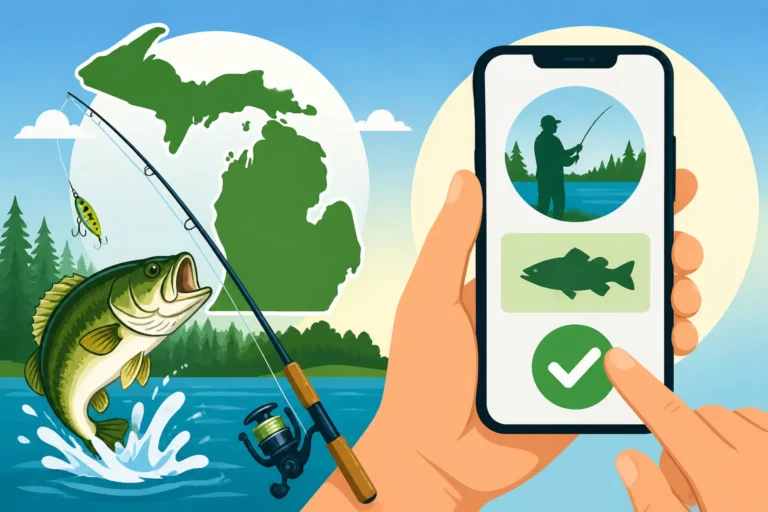
The Michigan's DNR Hunt Fish App for Licenses and Reporting is an absolute game-changer for anglers. Available for both iOS and Android devices, this app allows you to purchase and store your fishing license digitally on your phone, eliminating the need for a physical paper copy. More importantly, it provides direct access to the most current fishing regulations, often searchable by waterbody. Before you even head out, you can check the specific rules for the lake or river you plan to fish, including any special bass regulations, season dates, and size limits. Beyond the app, the official Michigan DNR website is a treasure trove of information. You can download the latest Michigan Fishing Regulations Digest PDF, which is updated annually. Always make it a habit to check these official sources before your trip, especially if you're exploring new waters or if it's a new fishing season. Regulations can, and sometimes do, change year to year, and staying current is your responsibility as an angler. For details on how to acquire your license, see How to Buy a Michigan Fishing License.
Common Misunderstandings and Avoiding Costly Mistakes
Even with the best intentions, misunderstandings about fishing regulations can lead to unfortunate circumstances, including fines and potential loss of fishing privileges. Michigan's bass rules have specific nuances that, if overlooked, can easily lead an angler astray. Being aware of these common pitfalls is the first step in avoiding them.
Mistaking Great Lakes Rules for Inland Waters
One of the most frequent mistakes anglers make regarding bass regulations in Michigan is applying the Great Lakes rules to inland waters, or vice-versa. As discussed earlier, the Great Lakes and their connecting waters often have a continuous, year-round possession season for bass, while most inland waters observe a split season with a distinct catch-and-release period followed by a possession season.
Imagine an angler who typically fishes Lake St. Clair where they can keep bass all year. They then decide to visit a popular inland lake like Torch Lake or Higgins Lake in May, assuming the same year-round possession rules apply. If they keep a legal-sized bass during May on one of these inland lakes, they would be in violation, as May is typically still within the catch-and-immediate-release season for inland waters. The penalties for such violations can range from significant fines to confiscation of fishing gear and even suspension of fishing privileges. This is a crucial distinction that emphasizes the need to check specific regulations for every body of water you intend to fish. Understanding the context provided in Nonresident Fishing in Michigan: What the Law Requires can also be helpful for out-of-state anglers navigating these rules.
The Pitfalls of "Estimating" Fish Size
Another common, yet easily avoidable, mistake is trying to estimate the length of a fish rather than using a proper measuring device. That "looks like 14 inches" feeling can often lead to keeping an undersized fish, which is a direct violation of the regulations. Bass that are just under the minimum size limit are often still growing rapidly and are vital to the future of the fishery.
Holding a fish up to your rod, using your shoe, or simply guessing its length from experience might seem convenient in the moment, but it's an unnecessary risk. Conservation Officers are trained to accurately measure fish, and if your "estimate" is wrong, you will face consequences. The small investment in a reliable measuring board is well worth the peace of mind. Furthermore, when measuring a fish, ensure it is laid flat, with its mouth closed against the measuring device's nose stop, and the tail is gently squeezed to achieve its maximum length. Sometimes, a fish's tail might be slightly frayed or uneven, making an exact measurement tricky, but always err on the side of caution. If there's any doubt, release the fish. It’s always better to release a legal fish than to keep an illegal one. This proactive approach supports the principles outlined in Michigan's Combined Largemouth and Smallmouth Bass Limit.
Disclaimer
Please remember that fishing regulations are subject to change. While this guide aims to provide accurate and comprehensive information, it is the angler's responsibility to consult the most current Michigan Department of Natural Resources (DNR) Fishing Regulations Digest before heading out on the water. This guide is for informational purposes only and does not constitute legal advice.