Michigan’s Lake Trout and Splake Combined Limit
Navigating Michigan's fishing regulations can sometimes feel like trying to untangle a particularly stubborn knot in your fishing line. Between different species, varying water bodies, and seasonal changes, it's easy to get confused about what you can keep. One common area of misunderstanding for many anglers revolves around the combined daily possession limit for lake trout and splake. This guide is here to clear up that confusion, helping you understand these specific rules so you can enjoy your time on the water without worry.
Getting to Know Lake Trout and Splake in Michigan Waters
Before we dive into the nitty-gritty of limits, let's take a moment to appreciate the fish we're talking about. Michigan is truly blessed with incredible cold-water fisheries, and lake trout and splake are two prime examples. Understanding what makes them unique will make it easier to grasp why their regulations are sometimes grouped.
The Magnificent Lake Trout: A Michigan Native
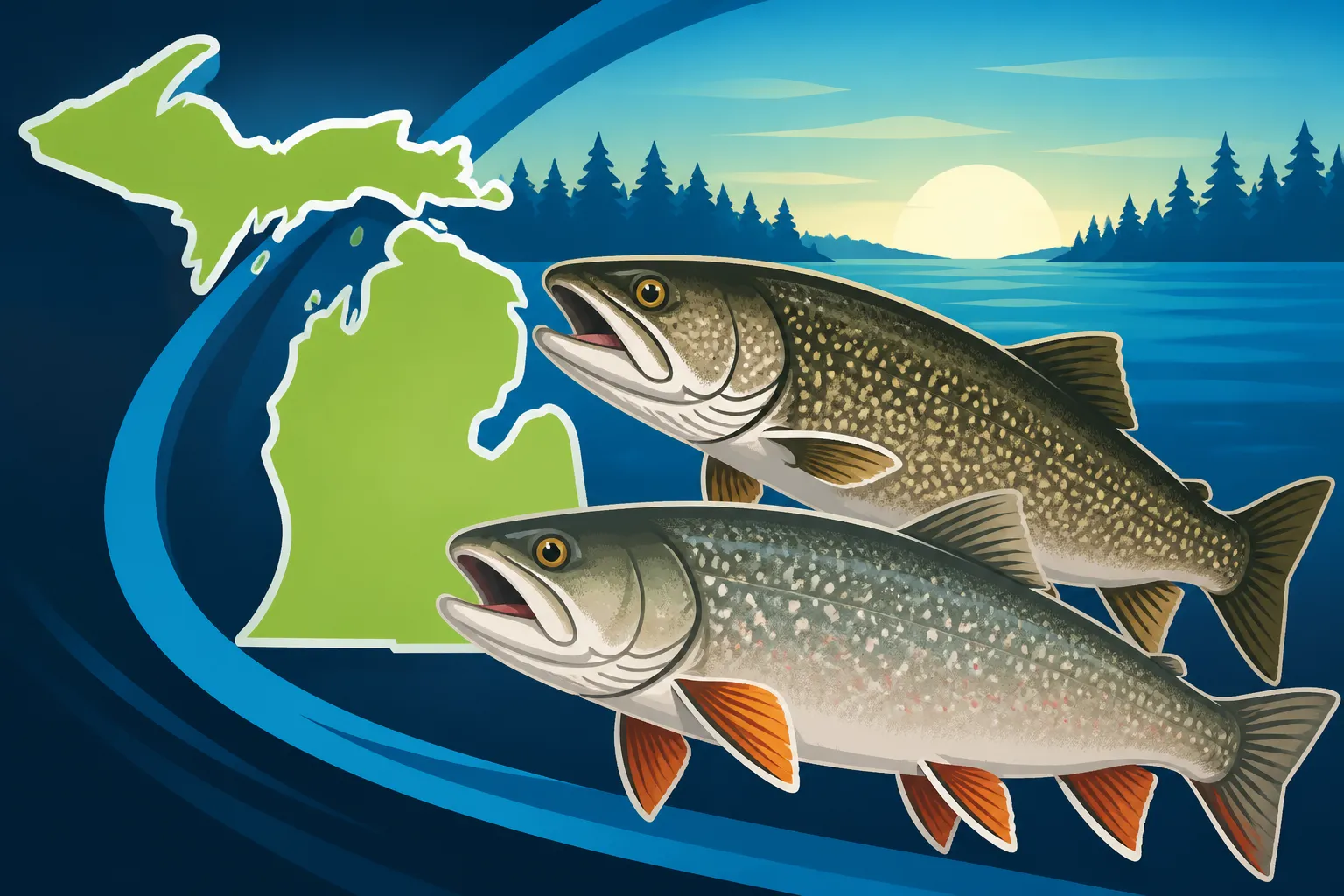
Lake trout are true titans of Michigan's deep, cold waters, particularly abundant in the Great Lakes and some of our deepest inland lakes like Torch Lake or Higgins Lake. These native fish are slow-growing, long-lived, and incredibly powerful, making them a prized catch for many anglers. They are characterized by their deeply forked tails and light spots on a darker body, often appearing silvery, gray, or olive green, depending on their habitat. Fishing for these beauties often involves deep trolling in the summer months or ice fishing in winter, pushing you to truly test your skills.
The deep, clear waters of Lake Superior and Lake Michigan, especially the northern reaches, are strongholds for healthy lake trout populations. These fish are more than just a sportfish; they're an integral part of the Great Lakes ecosystem, acting as apex predators. Their slow growth rate and relatively late maturity mean that their populations can be vulnerable to overfishing, which is precisely why strict regulations are so vital. It’s a conservation effort that ensures future generations of anglers can experience the thrill of catching a Michigan lake trout.
The Unique Hybrid: Splake Explained
Splake are a fascinating fish, often causing a bit of a head-scratching moment for anglers when they first encounter one. They aren't a native species but a hybrid, a cross between a male brook trout and a female lake trout. The Michigan Department of Natural Resources (DNR) introduced splake into various inland lakes to fill a specific niche – providing a cold-water fishery in lakes that might not be deep enough or cold enough to support natural lake trout populations year-round, but are too warm for brook trout to thrive exclusively. They grow faster than brook trout but typically don't reach the immense sizes of lake trout.
Identifying a splake can be tricky because they often exhibit characteristics of both parent species. They generally have a body shape that's more streamlined than a lake trout but less stout than a brook trout. Their tail is usually only moderately forked, distinguishing them from the deeply forked tail of a lake trout and the nearly square tail of a brook trout. You might also notice vermiculation (worm-like markings) on their back, similar to a brook trout, but with a color palette that leans more towards the lake trout's gray or greenish hues. If you're struggling with identification, a good fish identification guide, which you can easily find on Amazon, can be a lifesaver to keep in your tackle box. These stocked fish offer a fantastic angling opportunity, especially in the Upper Peninsula and some northern Lower Peninsula inland lakes.
Deciphering Michigan's Combined Daily Possession Limit
It's one thing to know your fish, but it's another to know how many you can legally keep. The concept of a "combined daily possession limit" can be a bit of a head-scratcher, particularly for those new to Michigan's diverse fisheries. It’s a regulation designed with good intentions but can certainly lead to confusion if not clearly understood.
The "Why" Behind Combined Limits
Why does Michigan have combined limits for species like lake trout and splake? The core reason is conservation and effective fisheries management. As we discussed, lake trout and splake share similar habitats and can sometimes be difficult to distinguish, especially for less experienced anglers or in challenging lighting conditions. If there were separate, higher limits for each, it could inadvertently lead to overharvest of one or both species. By establishing a combined limit, the DNR aims to simplify enforcement, prevent excessive take, and protect the populations of these valuable cold-water fish.
Imagine you're out on the lake, having a fantastic day, and you catch a couple of fish that look very similar. Is it a splake? Is it a small lake trout? Sometimes, even seasoned anglers pause to make a definitive identification. A combined limit removes the pressure of needing absolute certainty on the water for every single fish, as long as you adhere to the total count for the group. It's a pragmatic approach to managing species that share ecological niches and physical similarities, reducing the risk of accidentally exceeding individual species limits. It's also a way to manage the overall pressure on the cold-water fishery without overly complex rules for every single body of water.
The Core Rule for Lake Trout and Splake
Alright, let's get to the brass tacks. For most Michigan waters, the general rule is that the combined daily possession limit for lake trout and splake is two fish. This means that regardless of whether you catch two lake trout, two splake, or one of each, your daily limit is capped at two. It’s important to clarify that this is a daily limit, meaning it's the maximum number of these fish you can harvest in a 24-hour period, and a possession limit, meaning it's the total number you can have on your person, in your boat, or stored in your vehicle at any given time, regardless of when they were caught.
This rule is pretty consistent across many of the larger waters where these fish are found, including the Great Lakes themselves. However, as with almost all fishing regulations, there can be specific exceptions and special regulations for certain bodies of water. Always, and I mean always, consult the most current Michigan Fishing Regulations Digest before heading out. This digest is your bible on the water, available physically at most bait shops or sporting goods stores, and digitally on the DNR website. You can also quickly access key information through the Michigan's DNR Hunt Fish App for Licenses and Reporting on your phone, making it super convenient.
Understanding "Daily Possession Limit" in Detail
This is where some anglers truly get tripped up. The term "daily possession limit" isn't just about what you keep from today's fishing trip. It's about the total number of fish you have in your possession at any given time. Let's break down what that really means with a scenario:
Imagine you go fishing on a Friday morning, catch two beautiful lake trout, and decide to keep them for dinner. You head home, put them in your cooler, and plan to fillet them later that evening. You've met your combined daily possession limit for that day. Now, let's say Saturday morning rolls around, you still haven't eaten or processed those two fish from Friday, and you decide to go fishing again. If you catch another lake trout or splake on Saturday, you cannot legally keep it because you already have two fish from the previous day in your possession. Your possession limit carries over until those fish are consumed, processed, or transferred to another person (who also abides by their own limits).
This rule is designed to prevent people from continuously topping off their coolers day after day, leading to an excessive harvest over a short period. It emphasizes responsible take and consumption. It can be a frustration for anglers on extended trips, where cooler space and fresh fish are abundant, but it's a critical part of the conservation strategy. To manage this, some anglers on longer trips might process and freeze their catch daily, or consume it, to reset their "possession count" for the next day's fishing. Having a good, large cooler for your catch, which you can easily find on Amazon, is always a good idea for any multi-day fishing adventure.
Navigating Water-Specific Regulations and Exceptions
Michigan's diverse geography means that a "one-size-fits-all" approach to fishing regulations simply wouldn't work. The rules for a vast Great Lake often differ significantly from those governing a smaller, inland body of water. This is particularly true when it comes to species like lake trout and splake, which inhabit both environments.
Great Lakes vs. Inland Waters Specifics
While the general combined limit for lake trout and splake is two fish, the specifics can indeed vary when you move between the Great Lakes and certain inland waters.
Great Lakes Waters: The main Great Lakes (Superior, Michigan, Huron, and Erie's Michigan waters) generally adhere to the two-fish combined limit for lake trout and splake. However, even within the Great Lakes, specific zones or bays might have slight modifications, particularly regarding minimum size limits or open seasons. For instance, Lake Superior often has its own set of detailed regulations, which can differ even from Lake Michigan, especially for specific species like brook trout or even lake trout in certain management units. It’s not uncommon to find areas with higher minimum size limits or even catch-and-release only periods. Consulting the Michigan Great Lakes Fishing Regulations Guide is essential for any angler planning a trip on these vast bodies of water.
Inland Waters: Many of Michigan's inland lakes are stocked with splake, and some also contain naturally reproducing lake trout populations, particularly in the northern Lower Peninsula and Upper Peninsula. For these inland waters, while the two-fish combined limit is common, you might encounter exceptions. Some lakes could have a higher or lower combined limit, or even different minimum size limits, all designed to manage local populations effectively. For example, some heavily stocked splake lakes might have a more liberal limit to encourage harvest, while a sensitive lake trout fishery might have a stricter one. Always double-check the "Exceptions to General Regulations" section in the Michigan Fishing Regulations Digest for the specific lake you plan to fish. Often, the regulations are listed alphabetically by county and then by water body.
Size Limits and Protected Slots
It's crucial to remember that the combined daily possession limit is almost always paired with specific size restrictions. You might be allowed to keep two fish, but only if they meet the minimum length requirement. For lake trout and splake, these minimum size limits can vary. For example, a common statewide minimum might be 15 inches, but certain lakes could have a 24-inch minimum for lake trout, or even a protected slot limit where fish between certain sizes (e.g., 18-23 inches) must be immediately released.
These size and slot limits are incredibly important conservation tools. Minimum size limits allow fish to reach sexual maturity and reproduce at least once before being harvested, helping to sustain the population. Slot limits often aim to protect prime breeding-size fish while allowing for the harvest of smaller, younger fish and larger, older fish that may have already contributed significantly to reproduction. Ignoring these can lead to fines and penalties. Just like with the possession limit, it's vital to have a reliable measuring device on hand. A simple, flexible measuring tape, again, easily purchased from retailers like Amazon, can save you a lot of grief. Remember, if you catch a fish that falls within a protected slot or is under the minimum size, it must be released immediately and with as little harm as possible. This is particularly important for delicate species. To broaden your understanding of these specific limitations, you might want to look into Michigan Bag and Size Limits Explained, which provides a broader view of these regulatory complexities.
Staying Updated with the DNR
Michigan's fishing regulations are dynamic. While the core rules tend to remain stable for a while, changes can occur annually or in response to biological data, angler pressure, or environmental factors. Relying on outdated information is a sure-fire way to accidentally violate a regulation.
The most reliable sources for up-to-date information are the Michigan DNR website and the official Michigan Fishing Regulations Digest. The digest is updated annually, usually in late winter or early spring, to reflect any changes for the upcoming fishing year (which runs from April 1st to March 31st). Before any trip, especially to a new body of water or after the annual regulation update, take the time to review the current digest. It's often free at license retailers or available for download as a PDF. The DNR's mobile application, the Hunt Fish App, is another fantastic resource, allowing you to quickly check regulations on your phone even while out on the water, assuming you have cell service. It's worth remembering that ignorance of the law is not an excuse, so staying informed is entirely the angler's responsibility.
Practical Strategies for Anglers
Understanding the rules is one thing, but applying them effectively on the water is another. Navigating combined limits, especially when targeting similar-looking fish, requires a bit of strategy and conscientious practice.
Identification is Key
The most direct way to ensure you're compliant with the combined lake trout and splake limit is to be confident in your fish identification skills. As mentioned, distinguishing between the two can sometimes be challenging. Here are some key features to focus on:
- Tail Shape: This is often the most reliable indicator. Lake trout have a deeply forked tail. Splake have a moderately forked tail, more so than a brook trout but less than a lake trout.
- Body Shape: Lake trout tend to be more cigar-shaped, while splake are often a bit more "chunky" or brook trout-like in their mid-section.
- Coloration and Markings: Lake trout typically have light spots on a darker body, lacking the vivid red or blue halos often seen on brook trout. Splake might show some of the worm-like markings (vermiculation) on their back, reminiscent of a brook trout, but their overall color often aligns more with lake trout. The spots on a splake may also be more pronounced.
- Pectoral Fins: On a brook trout, the leading edge of the pectoral, pelvic, and anal fins usually has a white margin, often followed by a black stripe. Splake might exhibit a faint version of this, but it's rarely as prominent as on a pure brook trout. Lake trout typically lack this feature.
When in doubt, especially if you're close to your limit, it's always best to err on the side of caution and release the fish unharmed. This ensures you stay within the legal limits and contributes to the health of the fishery. Many experienced anglers carry a laminated fish identification card or use their phone's DNR app to quickly cross-reference features. If you still have trouble, researching "How to Tell a Splake From a Lake Trout" might be helpful before your next trip!
Responsible Angling Practices
Beyond just knowing the rules, practicing responsible angling helps ensure a sustainable fishery for everyone. When dealing with combined limits and potentially sensitive species like lake trout and splake, these practices become even more critical.
- Plan Your Catch: If you're targeting both species, or fishing in waters where both are present, keep a mental tally (or even a written one) of what you've kept. Once you've retained two fish that fall into the lake trout/splake category, you're done for the day for those species, even if you could legally catch and keep other types of fish like walleye or bass. This is part of Michigan's Combined Trout and Salmon Possession Limit, which groups various species for management.
- Careful Handling for Release: If you're planning to release fish, or if you catch an undersized fish or one that pushes you over your limit, handle it with extreme care. Use a rubberized net to minimize slime coat damage, keep the fish in the water as much as possible, and use de-hooking tools for quick release. For deeper-caught fish, especially lake trout, barotrauma can be an issue. Being prepared with a venting tool or a descending device can greatly increase a fish's survival chances.
- Know Your Water: Research the specific body of water you're fishing. Some lakes have unique regulations or highly sensitive populations. For example, some inland lakes might have different regulations for lake trout than the Great Lakes. Knowledge of the particular fishing spot is as important as knowing the general state rules.
Essential Gear and Resources
Having the right tools can make all the difference in complying with regulations and practicing ethical angling.
- Measuring Device: A simple, flexible measuring tape is a must-have. Keep it easily accessible in your boat or tackle bag. For longer fish, a bump board is even better for quick and accurate measurements.
- Digital Scale: While not strictly for compliance with combined limits, a digital scale is great for tracking your catch, especially if you're trying to beat a personal best. It's a nice addition to any tackle box.
- DNR Regulations Digest/App: We can't stress this enough. Have a current copy of the Michigan Fishing Regulations Digest (physical or digital) readily available. The DNR's Hunt Fish App is perfect for on-the-go checks.
- Proper Cooler/Livewell: If you intend to keep fish, a good cooler with ice or a functioning livewell is crucial for maintaining the quality of your catch. This also helps with the "possession limit" rule by allowing you to keep fish properly. You can find excellent, durable coolers of all sizes on Amazon.
By taking the time to understand Michigan's combined daily possession limit for lake trout and splake, along with the nuances of water-specific rules and responsible angling practices, you're not just avoiding a potential citation. You're contributing to the long-term health and enjoyment of Michigan's incredible cold-water fisheries. Happy fishing!
Disclaimer
Please note that fishing regulations are subject to change. While every effort has been made to provide accurate and up-to-date information in this guide, it is ultimately the angler's responsibility to consult the most current official Michigan Fishing Regulations Digest or the Michigan Department of Natural Resources (DNR) website before heading out to fish. This guide is for informational purposes only and should not be considered legal advice.