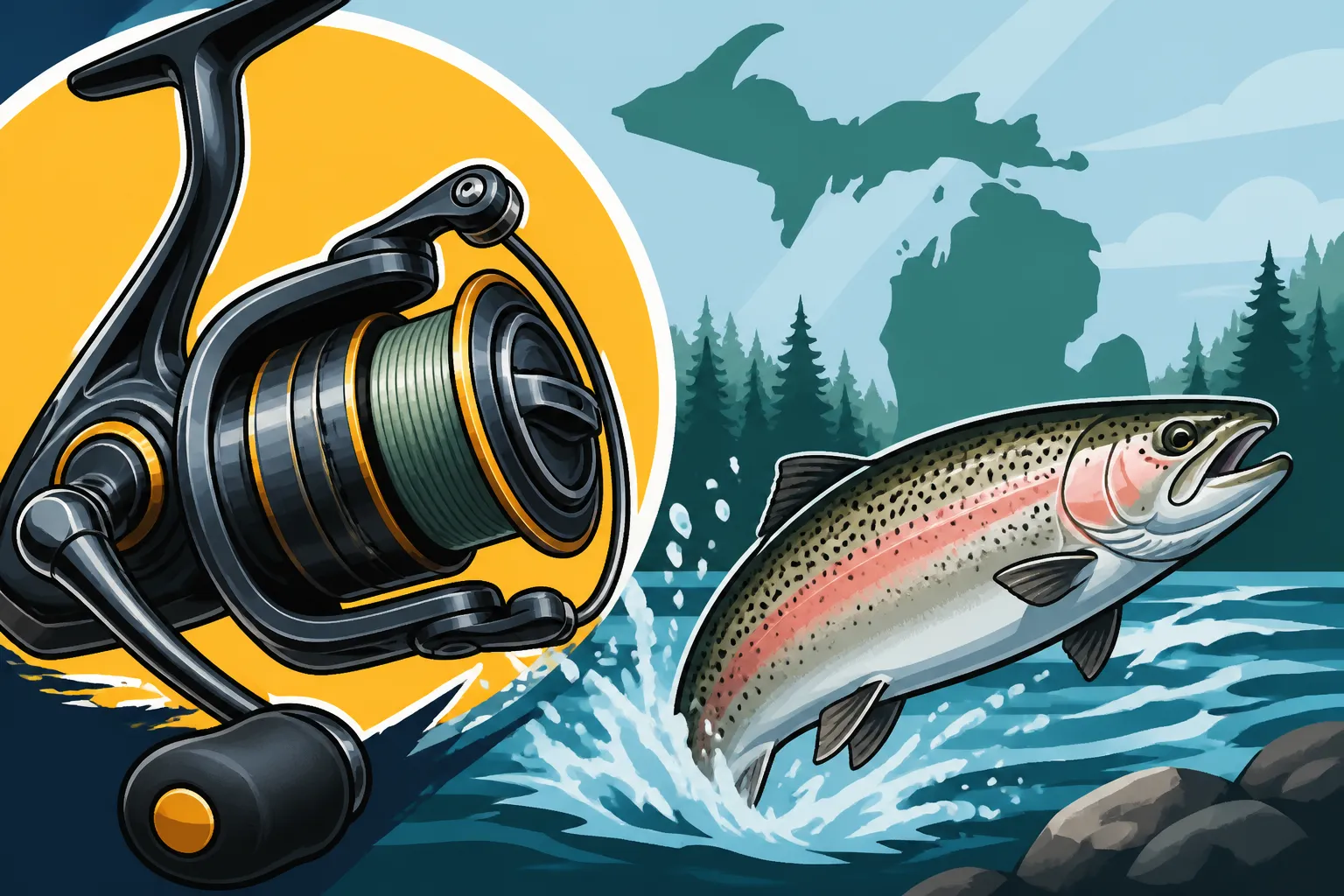
Best Reel for Steelhead Fishing
Anyone who's ever hooked into a hard-fighting Michigan steelhead knows that these powerful fish demand a lot from an angler's gear. With strong, line-stripping runs and a penchant for challenging river conditions, choosing the right reel isn't just a preference—it's absolutely essential for success and for truly enjoying the battle. This comprehensive guide will cut through the noise, helping you understand the critical features and types of reels that will stand up to Michigan's magnificent steelhead.
Understanding the Steelhead Challenge and Why Your Reel Matters
Before we dive into the nitty-gritty of reel features, it's crucial to appreciate what makes steelhead fishing such a demanding pursuit. These aren't your average panfish; they are anadromous rainbow trout, meaning they spend years growing large in the Great Lakes before migrating into rivers to spawn, bringing with them incredible size and strength. A reel that can't handle this unique combination of power and environment will quickly become a source of frustration.
The Power of a Running Steelhead
Imagine this: you've made a perfect cast on the Manistee River Steelhead and Salmon Fishing in Michigan, your float dips, and you set the hook. Suddenly, your line screams off the spool as a chrome torpedo rockets upstream, then turns and peels off fifty yards of line in seconds, heading for a log jam. This isn't a hypothetical scenario; it's a common experience for Michigan steelhead anglers. These fish are renowned for their explosive, long runs and aerial acrobatics. They will test your drag system to its absolute limit, challenging your line capacity and the overall structural integrity of your reel.
Without a reel specifically designed to handle this kind of force, you risk several things: a broken line due to an inconsistent or sticky drag, a reel frame flexing under pressure, or simply not having enough line to let the fish run when it needs to. The battle with a large steelhead is a marathon, not a sprint, and your reel needs to be a reliable partner through every intense moment.
Diverse Michigan River Conditions
Michigan's steelhead rivers present their own set of challenges, from the swift, deep currents of the Muskegon River Michigan Steelhead Run Timing to the tight, snag-filled stretches of smaller tributaries. You might be wading through icy spring runoff, casting in sub-zero winter temperatures, or battling humidity in a fall rain. All these conditions impact your gear, especially your reel.
A good steelhead reel needs to be robust enough to withstand accidental bumps against rocks, splashing water, and even being submerged briefly. Corrosion resistance is paramount, especially when fishing in rivers that are fed by the Great Lakes, where fine silts and minerals can ingress into delicate mechanisms. Furthermore, the reel's performance shouldn't degrade in freezing temperatures, where cheaper greases and materials can stiffen, rendering your drag ineffective right when you need it most.
Essential Features for a Top-Notch Steelhead Reel
When you're sifting through the seemingly endless options for fishing reels, certain features become non-negotiable for steelhead. These aren't luxury add-ons; they are fundamental requirements for a reel that will perform reliably when a big steelhead decides to make its move.
Smooth and Powerful Drag Systems
The drag system is arguably the single most important component of a steelhead reel. A sticky, jerky, or inconsistent drag is a recipe for disaster. When a steelhead makes a powerful run, the drag needs to pay out line smoothly and consistently, without any sudden jerks that can snap your line or break your leader. Conversely, it needs enough raw stopping power to slow down a fish heading for a snag or to turn its head when it's trying to get into heavy current.
Look for reels with sealed, multi-disc drag systems. Carbon fiber or high-quality felt washers are often preferred for their smoothness and heat dissipation, which is critical during those long runs. A sealed drag helps prevent water, grit, and ice from compromising its performance, a huge advantage in Michigan's varied weather. The ability to fine-tune your drag quickly and precisely, even with cold hands, is also a significant benefit.
Optimal Gear Ratio and Retrieve Speed
The gear ratio dictates how much line is retrieved with each turn of the reel handle. For steelhead fishing, particularly when using techniques like float fishing or drift fishing, a moderate to fast retrieve speed is generally preferred. A faster retrieve allows you to quickly pick up slack line, which is vital for maintaining contact with your float or lure, especially when the fish takes off towards you or changes direction rapidly. This also helps in resetting your drift efficiently.
Reels with gear ratios in the 5.0:1 to 6.2:1 range are common. While a super-high speed retrieve might seem appealing, it often sacrifices some cranking power, which you might need to apply pressure on a stubborn fish or to retrieve heavy rigs against current. The best choice balances efficient line pick-up with sufficient torque. You want a reel that can quickly recover line without feeling like you're fighting the reel itself when a fish is on the other end.
Durability and Corrosion Resistance
Steelhead fishing is not for the faint of heart, and neither is the gear. Your reel will be subjected to harsh conditions: cold temperatures, rain, snow, river spray, and the occasional accidental drop. Therefore, durability is paramount. Look for reels constructed with robust materials. Aluminum alloy bodies and rotors are excellent choices, offering a balance of strength and light weight. Magnesium is even lighter but can be more prone to corrosion if not properly sealed and maintained.
Beyond the frame, consider the internal components. Stainless steel bearings are a must for corrosion resistance, especially in the humid or wet environments common to river fishing. High-quality finishes and seals will protect the reel's inner workings from the elements. This attention to detail in construction means your reel will not only last longer but will also perform consistently under the kind of abuse that Michigan steelhead fishing can dish out.
Line Capacity and Management
Steelhead are known for their scorching runs, so having enough line on your spool is non-negotiable. Running out of line during a fish's initial surge is a heartbreaking way to lose a trophy. For most Michigan steelhead fishing, especially with techniques like float fishing or drift fishing on larger rivers, a reel that can hold at least 150-200 yards of 8-12 lb monofilament or fluorocarbon, or an equivalent diameter braid, is a good starting point. You might spool on What Line Weight for Michigan Steelhead that is heavier for certain situations, so ensure the reel can accommodate that too.
Effective line management also encompasses the spool design and bail system. A properly designed spool will allow line to peel off smoothly during a run and lay back evenly during retrieve, preventing tangles and ensuring consistent casting performance. A strong, reliable bail that snaps shut positively and doesn't bend under pressure is also critical, preventing frustrating line slips.
Comfort and Ergonomics
While often overlooked, how a reel feels in your hand over a long day of fishing can significantly impact your experience. A reel that is too heavy, poorly balanced, or has an uncomfortable handle can lead to fatigue and affect your sensitivity to subtle bites. Consider the overall weight of the reel, especially in relation to your rod. A perfectly balanced setup will feel like an extension of your arm.
The reel handle itself should be comfortable, offering a good grip even when wet or cold. Some anglers prefer larger, more ergonomic knobs, while others like a more traditional feel. Ambidextrous retrieve options are a bonus for many. Remember, you'll be cranking, fighting, and adjusting for hours, so investing in a reel that feels good in your hands is just as important as its technical specifications.
Exploring Reel Types for Steelhead Fishing
When it comes to steelhead, anglers in Michigan often choose from a few primary reel types, each with its own set of advantages and disadvantages. Understanding these differences will help you choose the best fit for your preferred fishing style and the conditions you typically encounter.
| Reel Type | Pros for Steelhead Fishing | Cons for Steelhead Fishing | Ideal Techniques for Steelhead |
|---|---|---|---|
| Spinning Reel | Versatile, easy to cast, good for various lures and baits, excellent drag systems common. | Can introduce line twist, less direct line control than centerpin. | Float fishing, drift fishing, jigging, spoon/spinner casting. |
| Baitcasting Reel | Superior casting accuracy and power, excellent for heavy lures, strong cranking power. | More prone to backlashes, requires practice to master, less ideal for light presentations. | Casting heavy plugs, spoons, or jigs in strong currents; short-line drifting. |
| Centerpin Reel | Unmatched natural drift, ultimate line control, incredibly smooth drag (spool tension). | Steep learning curve, limited casting distance, specialized technique. | Float fishing (trotting) for maximum natural presentation. |
Spinning Reels: The Versatile Workhorse
Spinning reels are probably the most common choice for steelhead anglers, and for good reason. They are incredibly versatile and relatively easy to learn, making them a fantastic option for beginners and seasoned pros alike. Their open-face design allows for smooth casting of a wide variety of baits and lures, from light jigs and beads to small spoons and spinners.
A good spinning reel for steelhead will feature a robust body, a smooth and reliable front drag system, and enough line capacity to handle long runs. Look for models with a strong bail and a well-balanced rotor to prevent wobbling under load. Many anglers find a 2500 to 4000 series spinning reel to be ideal, offering a good balance of size, weight, and line capacity. You can find excellent options for Best Spinning Rods for Michigan Walleye that could double for lighter steelhead applications, or specialized steelhead spinning reels from retailers like Bass Pro Shops or on Amazon, often at competitive prices.
Baitcasting Reels: Power and Precision
Baitcasting reels offer a different set of advantages, particularly for anglers who prioritize casting accuracy and power. While they have a steeper learning curve (think backlashes!), once mastered, they provide unparalleled control over your lure placement. This can be crucial when trying to hit a small pocket behind a specific rock or log. They also excel at handling heavier lines and lures, making them suitable for techniques like pulling plugs or casting heavier jigs in strong currents.
For steelhead, a low-profile baitcaster with a smooth magnetic or centrifugal braking system for casting control is often preferred. They typically have excellent cranking power, which is beneficial when fighting a fish in heavy current. Anglers using longer, stiffer Best Rod Length for Steelhead Fishing or a specific Best Rod for Steelhead Fishing designed for baitcasting will find these reels to be incredibly efficient for specific presentations.
Centerpin Reels: The Ultimate Drift Machine
For the dedicated float fishing enthusiast, the centerpin reel is often considered the pinnacle of steelhead fishing gear. Unlike spinning or baitcasting reels, a centerpin reel has no mechanical drag system, relying solely on the angler's thumb to control the line and the fight. This free-spooling design allows the line to peel off effortlessly with the current, creating an absolutely natural, drag-free drift for your float and bait. This natural presentation can be incredibly effective for enticing wary steelhead.
While they have a significant learning curve, especially for casting (often referred to as 'side-casting' or 'wallis casting'), the level of control and the ability to mend line without disturbing the drift is unmatched. Fighting a fish on a centerpin is a truly unique and exhilarating experience, demanding skill and finesse. If you're serious about Centerpinning for Michigan Steelhead, investing in a high-quality centerpin reel with ultra-smooth bearings is a must, and you'll find specialized models that stand out in this niche.
Matching Your Reel to Your Rod and Technique
Choosing the "best" reel isn't about finding a single, universally superior model. It's about finding the right reel for your specific fishing style, the rod you pair it with, and the techniques you employ most often on Michigan's steelhead rivers.
Achieving Perfect Balance
The synergy between your reel and your rod is fundamental. A perfectly balanced setup feels light in your hand, reducing fatigue and enhancing your sensitivity to subtle bites and changes in current. This balance isn't just about weight; it's about how the weight is distributed. When the reel is mounted on the rod, the ideal balance point is typically just forward of where your hand naturally grips the rod.
To test this, place your finger just above the reel seat when the reel is mounted. If the rod tips forward heavily, the reel might be too light; if it tips backward, the reel might be too heavy. A well-matched reel will allow the rod to rest almost horizontally on your finger. This balance is critical for maintaining control during long drifts, accurate casting, and minimizing strain during intense battles. Don't underestimate the importance of holding a prospective reel on your chosen rod before making a purchase.
Reel Choices for Popular Steelhead Techniques
Your primary fishing technique heavily influences the best reel choice. For example, if you primarily use Float Fishing for Michigan River Steelhead with a long, sensitive rod, a spinning reel in the 3000-4000 series is often a great choice due to its ease of use and ability to manage light lines for a natural drift. If you're exclusively float fishing and prioritize the most natural presentation possible, a centerpin reel is hard to beat, as it allows for truly drag-free drifts.
For anglers who prefer to cast spoons, spinners, or heavier plugs, a baitcasting reel often provides the power and casting accuracy needed to deliver these lures effectively in strong currents or to specific targets. If you're doing more generalized drift fishing with bottom-bouncing rigs or single egg presentations, a sturdy spinning reel with a smooth drag and good line capacity remains a highly versatile option. Consider how you'll be fishing most often when making your final decision on Essential Gear for Michigan Steelhead Fishing.
Budget and Brand Considerations
Let's be real, fishing gear can get expensive, and it's easy to get caught up in the hype. While high-end reels often boast superior materials, tighter tolerances, and more advanced drag systems, there are fantastic mid-range options that offer incredible value. Don't feel pressured to break the bank. Instead, focus on finding a reel that meets the critical feature requirements we've discussed within your budget.
Reputable brands are a good place to start, as they often have a track record of quality and customer support. However, newer brands sometimes offer innovative features at competitive prices. Read reviews, talk to other anglers, and if possible, handle the reel in person at a store like Bass Pro Shops or check specifications carefully on sites like Amazon. Remember, the best reel is one that performs reliably for you and stands up to the demands of Michigan's steelhead, season after season.
Maintenance and Longevity for Your Steelhead Reel
Even the best reel money can buy won't last if it's not properly cared for. Michigan's diverse conditions, from icy rivers in the Winter Steelhead Run in Michigan Rivers to muddy banks during the Fall Steelhead Run in Michigan Rivers, are tough on equipment. Taking a few simple steps for maintenance can drastically extend the life and performance of your steelhead reel, ensuring it's ready for that next trophy fish.
Post-Trip Cleaning and Inspection
After every fishing trip, especially if your reel has been exposed to rain, mud, or spray, take a few minutes to clean it. Wipe down the exterior with a damp cloth to remove any dirt or grime. Pay close attention to the line roller and bail arm on spinning reels, or the level wind system on baitcasters, as these areas tend to collect debris. If you've been wading in silt-laden rivers, it's wise to give the entire reel a light rinse with fresh water (never spray directly into seals or bearings with high pressure) and then allow it to air dry thoroughly before storing.
While cleaning, take the opportunity to visually inspect your reel for any signs of wear or damage. Check the bail for proper operation, ensure the handle turns smoothly, and give the drag a quick test to make sure it's still consistent. Early detection of issues can prevent bigger problems down the line. If you notice any unusual sounds or stiffness, it might be time for a deeper cleaning or professional service.
Lubrication and Storage Practices
Regular lubrication is key to keeping your reel's internal components moving smoothly. Consult your reel's manual for specific lubrication points and recommended types of oil and grease. Generally, a light fishing reel oil is used for bearings and moving parts that require free movement, while a heavier reel grease is used for gears to protect them from wear and corrosion. Avoid over-lubricating, as too much grease or oil can attract dirt and actually hinder performance.
When storing your reel for extended periods, such as between seasons or during travel, make sure the drag is completely backed off. Leaving the drag tightened for long periods can compress the drag washers, leading to inconsistent performance over time. Store your reels in a dry, temperate environment, away from extreme heat or cold, and ideally in a padded case or bag to protect them from physical damage. Proper storage ensures that when you're ready to hit the river, your reel is just as ready as you are.
Disclaimer
This article is for general informational purposes only and does not constitute professional advice. Laws, prices and regulations vary by location and change over time. Consult a qualified professional for guidance on your specific situation.