What Is the Penalty for an Unregistered Boat in Michigan
It's easy to get caught up in the excitement of heading out onto Michigan's beautiful waters, whether it's a vast Great Lake or a quiet inland gem. But amidst the planning for bait, tackle, and the perfect fishing spot, some crucial administrative details can slip through the cracks. One common oversight, often leading to unwelcome surprises, is proper boat registration. If you've ever worried about what might happen if your boat isn't up to snuff with Michigan's registration laws, you're in the right place. This guide will meticulously break down the potential penalties and complications you could face, helping you navigate the waters of compliance with confidence.
The Foundation: Why Michigan Boat Registration Matters So Much
Before we dive into the nitty-gritty of penalties, it's really important to understand why boat registration is even a thing in Michigan. It's not just another piece of bureaucratic red tape; it serves several critical purposes that benefit all of us who enjoy the waterways. Think of it as a layer of safety, a means of identification, and a contribution to the very resources we cherish. When you register your boat, you're not just getting a sticker; you're becoming part of a system designed to keep our lakes and rivers healthy and safe for everyone. Without proper registration, tracking ownership, responding to emergencies, or even understanding the sheer volume of watercraft on our lakes becomes incredibly difficult for authorities.
What Needs to Be Registered and What Gets a Pass
Michigan's boat registration requirements are fairly comprehensive, but there are a few exceptions that often trip people up. Generally, if your boat has a motor – any motor, electric or gas, even if it's just a tiny trolling motor – it needs to be registered. This applies whether it's a massive offshore vessel, a speedy bass boat, a pontoon for family cruises, or even a small fishing boat you paddle most of the time but occasionally attach an electric motor to. It’s not about the size of the boat or the horsepower; it’s about the presence of a mechanical propulsion device. So, if you've got a Does a Boat With a Trolling Motor Need to Be Registered?, the answer is almost certainly yes.
However, there are some notable exceptions. Canoes and kayaks, for instance, typically don't need to be registered unless they have a motor permanently or temporarily affixed. Rowboats, rafts, and other non-motorized vessels usually fall into the exempt category. Sailboats, if they're under 16 feet in length and don't have a motor, are also often exempt. The key here is "motorized." Even if you're just using a small battery-powered motor to get to your favorite fishing spot on a calm inland lake, that craft will likely need its papers in order. It's always a good idea to check the specifics because rules can be nuanced, and you don't want to find yourself in a situation where you thought you were exempt but weren't.
The Registration Process: Getting It Done Right
Getting your boat registered in Michigan isn't overly complicated, but it does require attention to detail. First-time registrations usually involve proving ownership (like a bill of sale or manufacturer's statement of origin) and filling out the necessary paperwork. You'll typically head to a Secretary of State branch office or sometimes even complete parts of the process online for renewals. Once processed, you'll receive a registration certificate and decals that need to be displayed correctly on your boat. Remember, this isn't a one-and-done deal; boat registrations, unlike some other licenses, are valid for a three-year period, expiring on March 31st of the third year. This means you'll need to remember to renew it regularly. It’s a common mistake to forget this renewal date, especially if you only use your boat seasonally. Keeping an eye on that expiration date is just as important as the initial registration.
The fees involved are usually modest and vary by boat length and type. These fees, much like those for Where Michigan Fishing License Money Goes, contribute directly to maintaining our waterways, improving access sites, and funding marine safety programs. It's a small investment that pays dividends for all Michigan anglers and boaters. You can usually find detailed information on the Michigan Department of Natural Resources (DNR) website or by visiting a local Secretary of State office. Many sporting goods retailers, like your local Bass Pro Shops, also have knowledgeable staff who can often point you in the right direction regarding licensing and registration questions.
Understanding the Penalties for an Unregistered Boat in Michigan
Now, let's get to the heart of the matter: what actually happens if you're caught operating an unregistered boat in Michigan? It's not usually a slap on the wrist. Michigan takes its boating regulations seriously, primarily for safety and resource management. The penalties can range from fines to more severe consequences, and they're designed to deter non-compliance. It's a situation no one wants to be in, especially when you're just trying to enjoy a peaceful day on the water.
Initial Fines and Citations
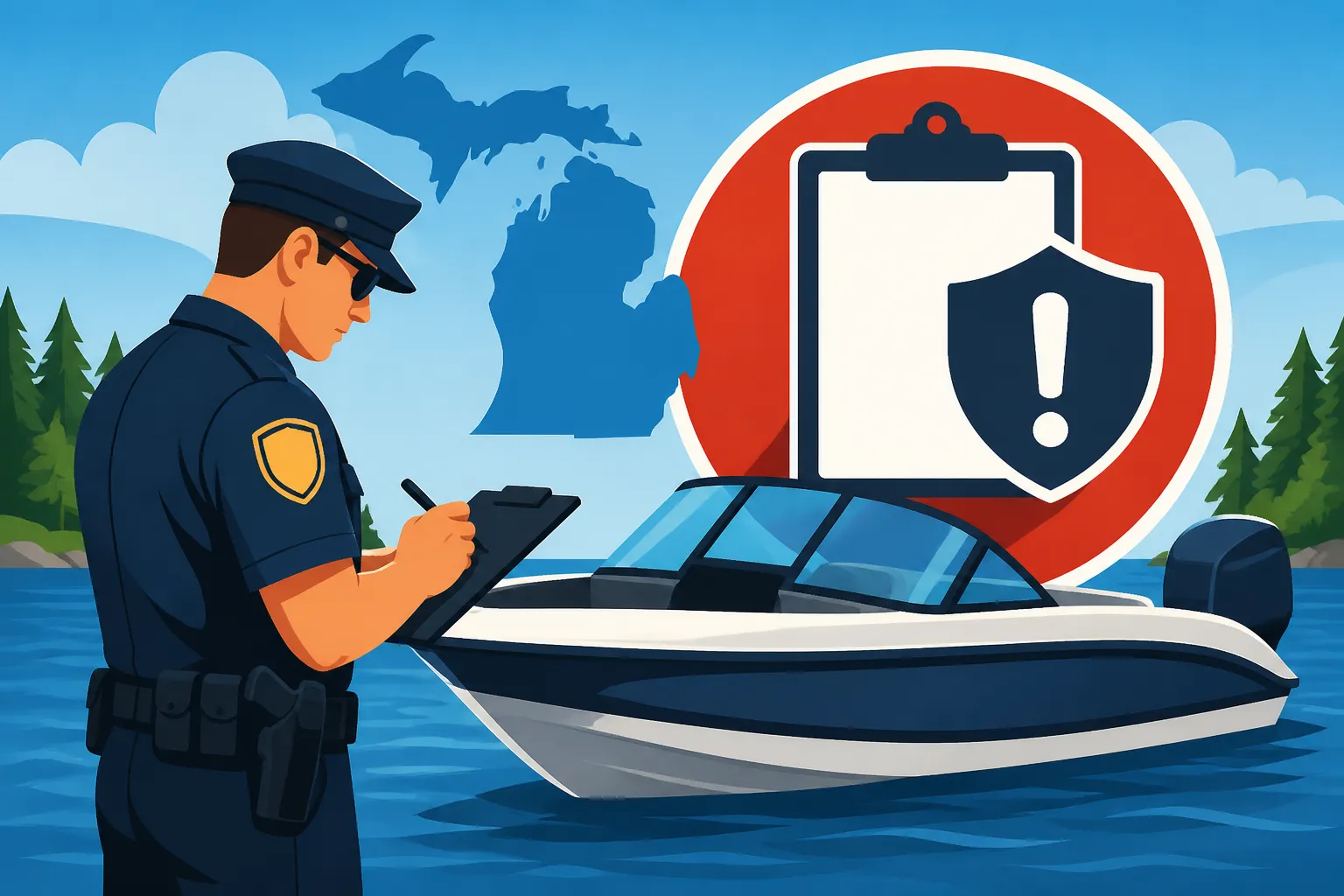
The most immediate and common consequence of operating an unregistered boat is a civil infraction citation, which comes with a fine. While I can't give you exact dollar amounts, you can expect the fine to be significant enough to make you wish you'd registered the boat in the first place. This isn't just a small parking ticket; it's a sum that can put a serious dent in your weekend budget. A conservation officer, sheriff's deputy, or Michigan State Police officer who spots you on the water without valid registration decals or proper numbers displayed will likely pull you over. They're usually pretty good at identifying these things even from a distance.
Beyond the monetary fine, receiving a citation is a hassle. It takes up your time on the water, can be embarrassing, and might even require a court appearance depending on the specifics of the charge or if you decide to contest it. Imagine you're out on the Best Fishing Spots on Lake Michigan with your family, and suddenly your day is interrupted by an officer informing you your boat isn't registered. It can quickly turn a fun outing into a stressful one. This initial fine is often just the beginning, as continued non-compliance or other related issues can lead to more serious repercussions.
Escalated Penalties and Further Complications
While a first offense might primarily involve a fine, repeated violations or operating an unregistered boat under aggravating circumstances can lead to escalated penalties. For instance, if you've been cited before for the same issue, the fine for a subsequent offense will likely be higher. Law enforcement agencies maintain records, and repeat offenders are not looked upon kindly. It shows a disregard for the regulations.
Even more significantly, if your unregistered boat is involved in an accident, the situation becomes far more complicated. Insurance companies may deny coverage or challenge claims if the vessel wasn't legally registered. This could leave you personally liable for damages, injuries, or even salvage costs. Imagine a scenario where your unregistered boat collides with another vessel on a busy day on Lake St. Clair. The legal and financial headaches that follow would be immense, far outweighing the cost and effort of registration. In some serious cases, an unregistered vessel could potentially be impounded, leaving you with the added costs of storage and the bureaucratic process of retrieving it, all while still needing to address the original registration issue and any associated fines. The authorities might even prevent you from operating the boat until you prove it's properly registered, effectively grounding your vessel indefinitely.
Additional Costs Beyond the Fine
The initial fine for an unregistered boat is often just the tip of the iceberg. There are several other potential costs that can quickly add up, making the whole experience much more expensive than simply paying the registration fee in the first place.
- Court Costs and Fees: If you have to go to court to address the citation, you could incur additional court fees and potentially even legal costs if you choose to hire an attorney, especially if the situation is complex or you're facing escalated charges.
- Impoundment and Storage Fees: As mentioned, your boat could be impounded. Retrieval from an impound lot can be expensive, with daily storage fees quickly accumulating. This means you’re paying for your boat to sit idly, unable to be used, while you scramble to resolve the registration issue.
- Time and Stress: While not a direct monetary cost, the time spent dealing with a citation – whether it's at the Secretary of State, in court, or simply researching how to fix the problem – is valuable. It's time you could be spending fishing, with family, or doing anything else you'd rather be doing. The stress and frustration of having to navigate these bureaucratic hurdles can also be considerable.
- Delayed Boating: Until your boat is properly registered and any fines are paid, you won't be legally able to use it. This means missed fishing trips, canceled outings, and general disappointment. The fun of Michigan fishing is definitely not worth the headache and expense of an unregistered boat.
Here's a quick look at the potential costs involved in an unregistered boat situation versus simply registering it:
| Item | Cost of Registering Annually (Approx.) | Cost of Unregistered Boat Penalty (Potential) |
|---|---|---|
| Registration Fee | Modest (varies by boat length) | N/A (this is the cost you avoided) |
| Initial Fine | $0 | Significant |
| Court Fees | $0 | Potentially high |
| Impoundment Fees | $0 | Daily storage fees, can be very high over time |
| Legal Representation | $0 | Potentially very high (if legal counsel is needed) |
| Time & Stress | Minimal | Substantial |
| Missed Boating | $0 | Days, weeks, or more |
| Insurance Complications | $0 | Denial of claims, personal liability |
As you can clearly see, the proactive step of registration is far less burdensome in every way.
Avoiding the Hassle: Simple Steps to Stay Compliant
The good news is that avoiding these penalties is incredibly straightforward. A little bit of awareness and proactive effort can save you a lot of headache, money, and time on the water. No one wants their fishing trip ruined by a preventable administrative issue. Staying on top of your boat's registration is just as important as checking your Michigan Fishing License Guide for Residents and Nonresidents or making sure your fishing gear is in order.
Checking Your Registration Status and Displaying It Correctly
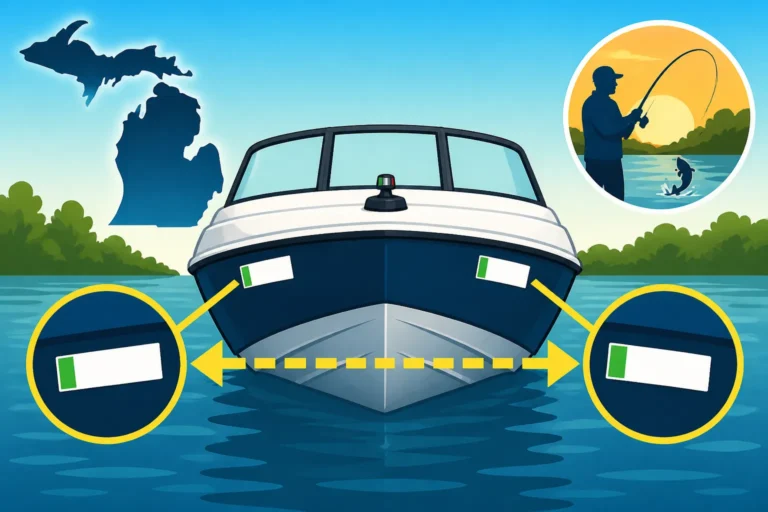
One of the easiest ways to ensure compliance is to simply check your boat's registration certificate and decals regularly. Make it a habit at the start of each boating season, or even after you've pulled your boat out of storage. Look at the expiration date on your registration card and the decal. Michigan boat registration decals are typically color-coded to indicate the renewal year, making it easier for law enforcement to quickly spot expired registrations. Your registration numbers also need to be clearly displayed on both sides of the bow in a contrasting color to the hull, and they need to be of a specific size. You can often purchase compliant numbering kits from retailers like Bass Pro Shops or even find them on Amazon.
If you can't find your registration certificate, or if you're unsure about the exact expiration date, contact the Secretary of State or consult the Michigan DNR website. They can usually help you verify your status or guide you through the process of getting a replacement. Don't assume you're covered if you're not sure.
Timely Renewal and Transfers
As mentioned, Michigan boat registrations need to be renewed every three years. Mark your calendar, set a reminder on your phone, or sign up for any email notifications the state offers. The renewal process is usually quicker and can often be done online or by mail, saving you a trip to a physical office. It's a small task that prevents big problems. Michigan Boat Registration Renewal Every Three Years makes it pretty clear you can't just set it and forget it.
If you've recently purchased a used boat, transferring the registration into your name is critical. The previous owner's registration is no longer valid for you. This transfer process often involves paperwork, proof of sale, and sometimes a new title if the boat is of a certain size or type. Don't put this off! Buying a boat is exciting, but the legal transfer of ownership and registration is paramount to avoiding future headaches. It’s also important to understand Michigan Boat Titling Requirements Over 20 Feet if you're acquiring a larger vessel.
Where to Get Help and Information
The good news is that you don't have to navigate Michigan's boating regulations alone. There are numerous resources available to help you stay compliant.
- Michigan Department of Natural Resources (DNR): The DNR website is a fantastic, comprehensive resource for all things fishing and boating in Michigan. You'll find detailed guides on regulations, licensing, and registration. They often publish an annual digest that summarizes all the rules, which you can typically find online or pick up at many license retailers.
- Michigan Secretary of State: Since boat registration is handled through the Secretary of State's office, their website and local branches are your primary points of contact for questions about the process, fees, and renewals.
- Sporting Goods Stores: Many larger sporting goods stores, like Bass Pro Shops, often have dedicated departments for hunting and fishing licenses and permits. The staff there are often very knowledgeable about state regulations and can guide you on where to find the correct forms or information. They're also great places to pick up those specific registration numbers you'll need for your hull.
- Online Retailers: For items like compliant boat registration numbers or other minor accessories, online platforms like Amazon can be a convenient source. Just make sure you're buying products that meet Michigan's specific display requirements for size and color contrast.
- Boating Safety Courses: Consider taking a boating safety course. These courses cover all aspects of safe boating, including regulations like registration, and can give you a much deeper understanding of your responsibilities as a boat operator. Many insurance companies even offer discounts for completing such courses!
Staying informed and proactive about your boat's registration is a simple yet crucial part of responsible boating in Michigan. It not only keeps you on the right side of the law but also ensures that you, and everyone else on the water, can enjoy Michigan's incredible fishing and boating opportunities safely and without unnecessary stress. Make sure your vessel is ready for the water by keeping its paperwork in order.
Disclaimer
This article is for general informational purposes only and does not constitute professional advice. Laws, prices and regulations vary by location and change over time. Consult a qualified professional for guidance on your specific situation.