Michigan Boat Titling Requirements Over 20 Feet
The thought of buying a new boat, especially a larger vessel that’s over 20 feet, often brings a wave of excitement—and then a quick crash back to reality when you remember all the paperwork. Navigating Michigan's boat titling requirements can feel like trying to untangle a fishing line after a strong current. It's confusing, the stakes are high, and getting it wrong can lead to headaches down the line. This comprehensive guide is here to clarify Michigan's specific boat titling requirements for vessels exceeding 20 feet, ensuring you're ready to hit the water legally and without a hitch.
Understanding Michigan's Boat Titling Mandate for Larger Vessels
When you invest in a boat over 20 feet, whether it's a sleek cruiser for Lake Michigan or a robust fishing vessel for Saginaw Bay, the titling process is a non-negotiable step. It's not just another hoop to jump through; it's a fundamental aspect of establishing clear ownership and ensuring your maritime adventures remain smooth and compliant with state law. Without a proper title, that dream boat can quickly become a legal quagmire.
Why Titling Matters: More Than Just a Piece of Paper
A boat title in Michigan serves as the official proof of ownership, much like the title for your car. It's a critical document that establishes who legally owns the vessel, which is absolutely vital for several reasons. Imagine you've saved up for years, found the perfect 25-foot cuddy cabin, and then, without a proper title, you find yourself unable to prove it's yours if it's ever stolen. The title is your ultimate legal protection against theft and disputes.
Beyond proving ownership, the title plays a crucial role in nearly every other major interaction you'll have with your boat. When you go to sell it, a clean title is paramount; no serious buyer will touch a boat without one. Insurance companies also rely heavily on a valid title to issue policies, as they need to verify ownership before covering your asset. Furthermore, if you ever need to finance your boat, lenders will require a title to secure their loan, often placing a lien directly on the document. It’s the bedrock of your boat’s legal existence.
The "Over 20 Feet" Threshold: What Defines a Larger Vessel?
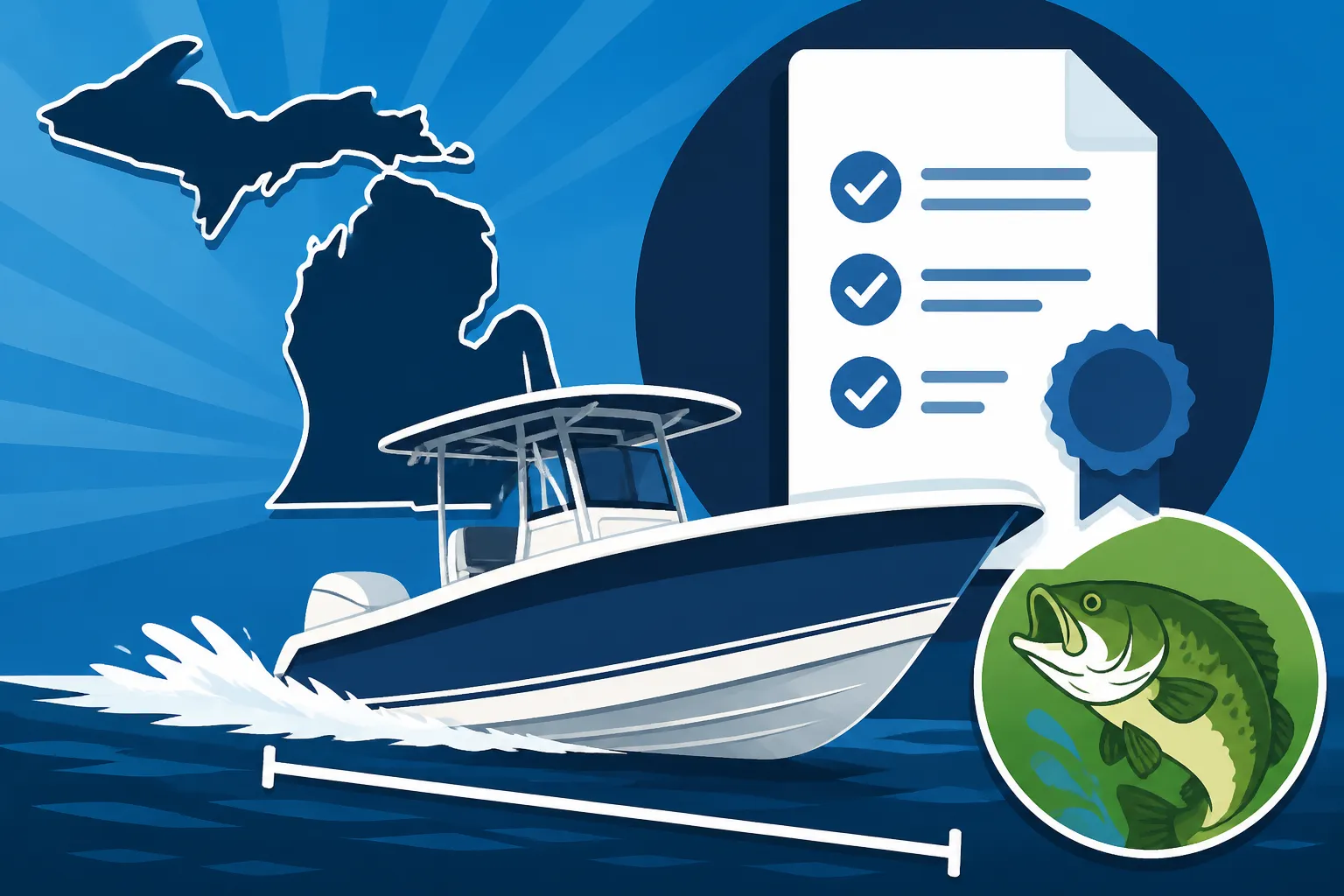
Michigan law specifically calls out boats over 20 feet in length for titling, and it’s important to understand how that measurement is taken. Generally, the length refers to the distance from the tip of the bow (front) in a straight line to the stern (back), excluding any bowsprits, outboard motors, or other attachments. It's the hull length that counts, and manufacturers typically provide this measurement. If you’re unsure, always check your boat's specifications or consult a marine professional.
This 20-foot threshold is where the state draws a line, recognizing that larger vessels typically represent a more significant investment and can pose different challenges in terms of theft, ownership transfer, and even environmental impact. Boats in this category often include larger fishing boats, cruisers, houseboats, and even some substantial pontoons. These vessels are more likely to be involved in complex transactions, require financing, and hold substantial value, making the titling requirement a sensible layer of protection for both owners and the state. It's a way to keep tabs on these bigger assets on Michigan's vast waters, from the Great Lakes to the larger inland lakes like Houghton or Torch Lake.
Step-by-Step Guide to Titling Your Large Boat in Michigan
The process of titling your boat might seem daunting, especially if you're not used to dealing with state bureaucracy. But by breaking it down into manageable steps, you'll find it's quite straightforward. Think of it like preparing for a big fishing trip: you need your gear, your plan, and then you execute.
Gathering Your Essential Documents
Before you even think about filling out a form, the very first step is to gather all the necessary documentation. This is where many people get tripped up, and nothing is more frustrating than making a trip to the Secretary of State only to find you're missing a crucial piece of paper. Having everything in order from the start will save you immense time and aggravation.
You'll typically need:
- Proof of Ownership: This is paramount. If you bought the boat new from a dealer, you’ll have a Manufacturer’s Statement of Origin (MSO) or Certificate of Origin (MCO). This document essentially proves the boat's birth and its first owner. If you bought the boat used, you’ll need the previous owner’s properly assigned title. This is why always ensuring a clean title transfer when purchasing a used boat, regardless of size, is so critical.
- Bill of Sale: This document details the transaction between you and the seller. It should include the boat's hull identification number (HIN), make, model, year, purchase price, date of sale, and the names and signatures of both the buyer and seller. Even if you have an MSO or a previous title, a clear bill of sale strengthens your proof of purchase. You can often find generic bill of sale templates online or sometimes even at marine dealerships like Bass Pro Shops.
- Photo Identification: Your valid driver's license or state ID will be needed to verify your identity.
Without these foundational documents, the titling process simply cannot move forward. Take the time to double-check everything, ensuring names match, signatures are present, and all boat details are accurate.
Completing the Application Process
Once your documents are in hand, the next step is to tackle the application itself. Michigan uses Form TR-11L, the "Application for Michigan Watercraft Title and/or Registration." Don't be intimidated; it's designed to be filled out with the information you've already gathered.
You'll fill in your personal details, the boat's specifications (HIN, make, model, length, hull material, propulsion type), and details about the purchase, including the purchase price and seller information. If there's a lienholder (a bank or credit union that financed your boat), their information will also need to be included. Accuracy is key here; any discrepancies can lead to delays. After completing the form, you'll need to submit it. Most people do this in person at a Michigan Secretary of State branch office, which allows for immediate review and correction if needed. However, you can also mail in your application, though this will naturally take longer. There will be a titling fee, which is a fixed charge, and potentially other fees related to registration if you're also registering the boat at the same time (which most people do). Payment methods typically include cash, check, money order, or credit/debit card, depending on the submission method.
Special Scenarios: Out-of-State Boats and Homemade Vessels
Not all boat purchases are straightforward, and Michigan law accounts for a few special circumstances. If you're bringing a boat over 20 feet into Michigan from another state, the process is slightly different. You'll still need proof of ownership, such as the boat's out-of-state title. The Michigan Secretary of State will need to see this title, often requiring a physical inspection of the boat to verify the HIN matches the documentation. This is a crucial step to prevent fraud and ensure the boat isn't stolen. They'll issue a new Michigan title once all requirements are met and the previous title is surrendered or transferred.
For those adventurous souls who build their own boats over 20 feet, the titling process is unique. Since there's no Manufacturer's Statement of Origin, you'll need to provide extensive documentation of your build, including receipts for materials, photographs of the construction process, and potentially an affidavit detailing the construction. The boat will almost certainly require a physical inspection by a law enforcement officer or a designated agent to verify the HIN (which you'll apply for and have assigned if one doesn't exist) and ensure the vessel meets safety standards. This ensures that even custom-built vessels are properly documented and can be tracked on Michigan's waterways.
Navigating Common Challenges and Misconceptions
Even with a clear understanding of the process, boat titling can still present a few curveballs. Knowing what to watch out for, and understanding the nuances between titling and registration, can prevent major headaches down the line. It's about being prepared for rough waters, even when the forecast looks clear.
The Perils of an Improperly Titled Boat
Fishing without a valid license can get you a ticket, but owning a boat over 20 feet without a proper title can lead to much more significant legal and financial troubles. The most immediate peril is the inability to legally prove ownership. If your boat is stolen, and you don't have a title, recovering it can be nearly impossible, as law enforcement has no official record connecting you to the vessel. This can be a devastating loss for any angler or boater who cherishes their investment.
Beyond theft, an improperly titled boat can lead to severe legal consequences. You could face significant fines for operating a non-compliant vessel. More practically, you'll find it impossible to sell your boat, as no reputable buyer or dealership will accept a boat without a clean title. This effectively renders your valuable asset unsellable. Furthermore, your insurance company might deny claims if they discover the boat isn't properly titled in your name, leaving you personally responsible for damages or losses. It's a ripple effect of problems that stem from a single oversight, highlighting why attention to detail in the titling process is so critical.
Distinguishing Between Titling and Registration
This is perhaps the most common point of confusion for new and even experienced boat owners. Many people use "title" and "registration" interchangeably, but in Michigan, they are distinct processes with different purposes. Think of it this way: the title is about who owns the boat, while the registration is about the right to operate it on public waters. Most boats in Michigan require both. You can't just get one or the other if you intend to use your boat regularly.
Here’s a quick breakdown to keep them straight:
| Feature | Boat Title | Boat Registration |
|---|---|---|
| Purpose | Proves legal ownership of the vessel. | Authorizes operation on public waters. |
| Issued By | Michigan Secretary of State | Michigan Secretary of State |
| Key Output | Paper document (title certificate) | Decals (affixed to hull), registration card |
| Requirement | Required for boats over 20 feet; optional for smaller boats with a motor or sail. | Required for most motorized vessels and all sailboats over 16 feet. |
| Validity | Permanent, until ownership changes. | Renews every three years. |
| What it Does | Establishes legal chain of custody; records liens. | Provides unique identifying numbers; contributes to waterway management. |
While the title establishes your ownership, the registration provides the unique numbers and decals that must be displayed on your boat's hull, allowing authorities to identify it when it's in use. Without proper registration, even a perfectly titled boat can't be legally operated on Michigan's waters. It's essential to understand that these are two separate, though often simultaneous, steps in becoming a responsible boat owner. You can learn more about the operational requirements in our guide, Michigan Boat Registration Requirements.
Understanding the Role of Liens and Encumbrances
For many larger boats over 20 feet, especially new purchases, financing is a common path. When you take out a loan to buy your vessel, the lending institution (like a bank or credit union) will want to protect their investment. This is where liens come into play. A lien is a legal claim placed on your boat's title by the lender, indicating that they have a financial interest in the vessel until the loan is fully paid off. The lienholder's name and address will be recorded directly on your boat's title certificate.
This means that while you possess and use the boat, the bank technically holds a claim to it. You cannot legally sell or transfer the boat to another party without the lienholder's permission and typically, the full repayment of the loan. Once you've made your final payment and the loan is satisfied, the lienholder is legally obligated to release the lien. They will usually send you a lien termination statement, which you then take to the Secretary of State to have the lien removed from your title, resulting in a "clear" title in your name alone. It's a crucial step to ensure full ownership and smooth sailing when it comes to future transactions.
Maintaining Your Boat's Title and Staying Compliant
Getting your boat titled is a significant accomplishment, but the responsibility doesn't end there. Just like maintaining your boat's engine or hull, you also need to maintain your title's accuracy and ensure you remain compliant with Michigan's regulations. Think of it as ongoing boat care, but for the paperwork.
When to Update Your Title: Transfers, Changes, and Lost Titles
Life happens, and sometimes your boat's title needs updating to reflect those changes. The most common scenario is a title transfer when you sell your boat. As the seller, you'll need to properly assign the title to the new owner, indicating the sale price and date, and both parties will typically need to sign. The new owner then takes this assigned title to the Secretary of State to get a new title issued in their name. Failing to correctly transfer a title can leave you liable for the boat even after you've sold it, so it's critical to ensure this step is completed thoroughly.
Other reasons to update your title include personal information changes, such as a name change due to marriage or a change of address. While not always strictly mandated for the title itself, it’s good practice to ensure all your official records are up to date. Perhaps one of the most frustrating situations is a lost or damaged title. If your title goes missing, you'll need to apply for a duplicate title through the Michigan Secretary of State. This usually involves filling out a specific form, paying a fee, and providing identification. It's always a good idea to keep your original title in a safe, secure place, not on the boat itself where it could be lost or stolen. Our guide on Michigan Boat Titling Rules offers even more detail on these specific requirements.
Connecting Titling to Overall Boating Responsibilities
While the title focuses on ownership, it’s intrinsically linked to your broader responsibilities as a boater in Michigan. Owning a large vessel carries a weight of responsibility, not just for your own safety and enjoyment, but for the safety of others on the water and the protection of Michigan's natural resources. A properly titled boat is the foundation upon which all other regulations and safety measures rest.
This includes adhering to important safety equipment requirements, such as carrying enough life jackets for everyone on board and having the correct fire extinguishers. It also means understanding and following Michigan's Michigan Boating Laws for Anglers, including rules about safe operation, speed limits, and navigation lights. Furthermore, responsible boaters contribute to conservation efforts, often funded by registration fees and other boating-related revenue. From the perspective of the state, ensuring large vessels are properly titled allows for better tracking and enforcement of these broader responsibilities, making Michigan’s waterways safer and more enjoyable for everyone. Even when browsing for safety gear on sites like Amazon or at your local Bass Pro Shops, remember these items are part of a larger commitment to safe and legal boating.
Resources and Assistance for Michigan Boat Owners
Dealing with state paperwork can sometimes feel overwhelming, and it’s perfectly normal to have questions or need clarification. Fortunately, Michigan provides several resources to help boat owners navigate the titling process for vessels over 20 feet. The primary resource is the Michigan Secretary of State's office. Their website offers downloadable forms, detailed instructions, and frequently asked questions. You can also visit any Secretary of State branch office in person, where staff are available to assist with applications, review documents, and answer specific questions.
For more complex situations, such as unusual ownership transfers, estate-related boat transfers, or specific issues with out-of-state titles, it might be beneficial to consult with a marine dealer or a legal professional specializing in marine law. These experts often have experience with unique titling scenarios and can provide tailored advice. Remember, taking the time to understand and correctly complete the titling process is an investment in your peace of mind, ensuring your large boat brings you years of enjoyment on Michigan's beautiful waters without any unwelcome legal surprises.
Disclaimer
This article is for general informational purposes only and does not constitute professional advice. Laws, prices and regulations vary by location and change over time. Consult a qualified professional for guidance on your specific situation.