What Do Smallmouth Bass Eat in Michigan
Ever wonder what makes a smallmouth bass tick, especially when it comes to what they crave for dinner? If you're an angler struggling to entice these hard-fighting bronze beauties in Michigan's diverse waters, understanding their natural diet is your ultimate secret weapon. This comprehensive guide will dive deep into the diverse menu of Michigan smallmouth bass, revealing their favorite foods, how their eating habits change with the seasons, and how you can use this knowledge to your advantage to land more fish.
The Omnivorous Appetite of Michigan Smallmouth Bass
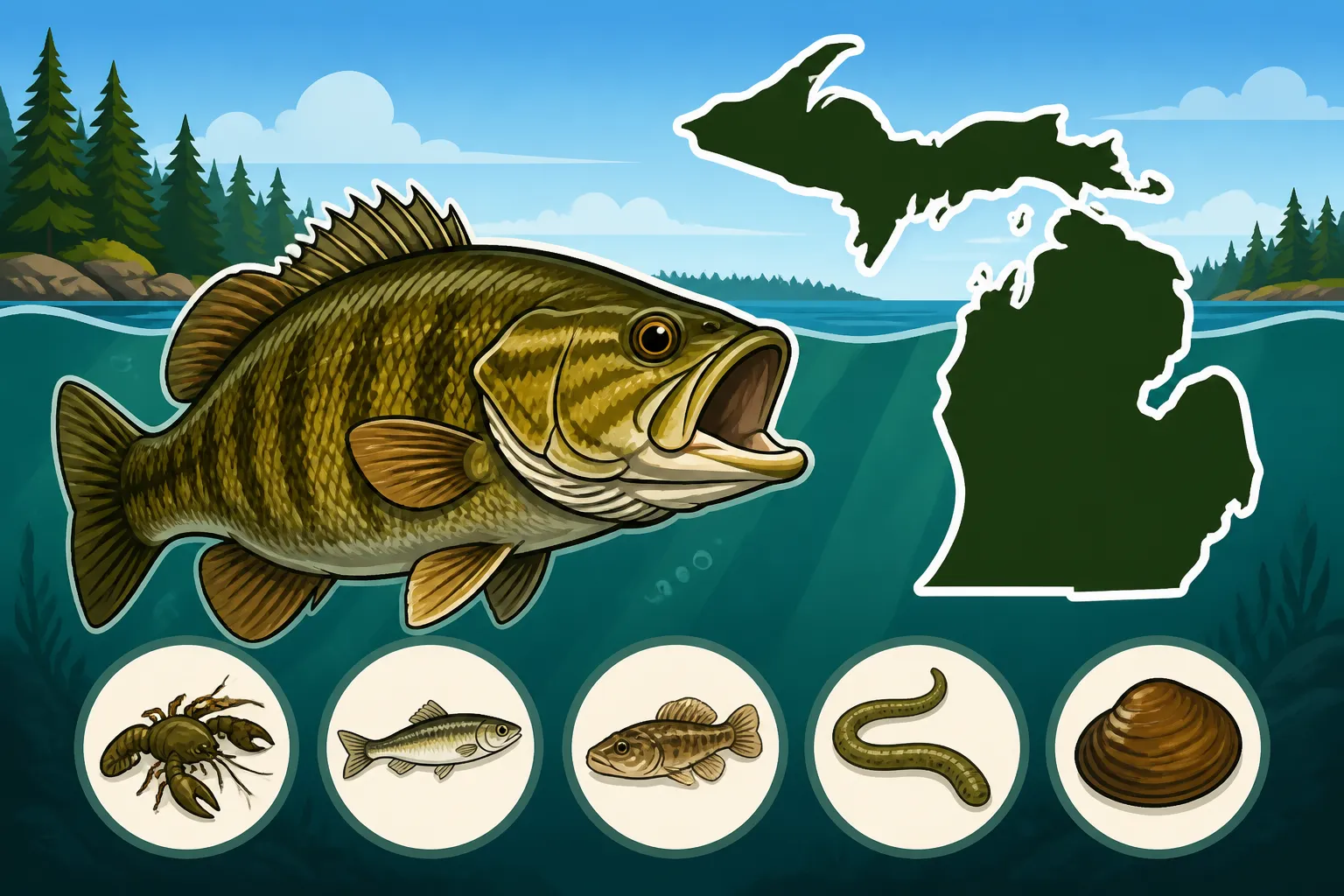
Smallmouth bass are opportunistic predators with a incredibly diverse diet, largely dictated by what's readily available in their environment. Unlike some pickier fish, a smallmouth will rarely turn down a meal if it looks like easy prey. They are not just hunters of small fish; they're experts at rooting around rocks and weeds for crustaceans and insects, making them truly omnivorous in their predatory approach. Understanding this broad appetite is the first step to becoming a more successful smallmouth angler in Michigan.
Crayfish: The Ultimate Smallmouth Delicacy
If there's one item on a smallmouth bass's menu that stands head and shoulders above the rest, it's crayfish. These crustacean morsels are an absolute staple in the diet of smallmouth bass across Michigan, from the clear waters of northern lakes to the rocky bottoms of the Great Lakes. Smallmouth actively hunt crayfish, flipping over rocks and poking into crevices to snatch them up. The protein-rich nature of crayfish makes them a highly desirable food source, especially for larger smallmouth looking to bulk up.
Anglers often observe smallmouth spitting out parts of crayfish when hooked, a clear indicator of their preference. When crayfish are abundant, smallmouth can become almost single-minded in their pursuit, ignoring other baitfish. This knowledge is crucial for any angler trying to "match the hatch." Think about how a crayfish moves – a short scuttle backward, a sudden stop, then another quick dart. Mimicking this erratic movement with your lure can be incredibly effective. Many popular bass lures are specifically designed to imitate crayfish, from soft plastic creature baits to crankbaits with a similar profile and color scheme.
Minnows and Forage Fish: High-Speed Protein
While crayfish might be the comfort food, minnows and other small forage fish represent a crucial, high-energy component of the smallmouth bass diet, particularly in open water and during certain times of the year. Smallmouth are agile and aggressive hunters, perfectly adapted to ambushing schools of baitfish. In Michigan's vast system of rivers, inland lakes, and the Great Lakes, smallmouth will feast on whatever smaller fish are abundant. This can include species like shiners, gobies, juvenile perch, ciscoes, and even small panfish.
When smallmouth are actively chasing baitfish, their behavior shifts. You might see them busting the surface in shallow areas or marking large schools on your fish finder in deeper water. These fish are often found near structure where they can ambush prey, like weed lines, drop-offs, or submerged timber. Understanding which baitfish are present in a specific body of water can give you a significant advantage. For instance, in the Great Lakes, gobies are a common prey, and using lures that imitate their dark, stout profile can be deadly. Similarly, if you know a lake has an abundance of emerald shiners, selecting a silver or iridescent bait that flashes like a shiner will often get a strike.
Insects and Other Aquatic Invertebrates: A Seasonal Buffet
Smallmouth bass aren't above snacking on the smaller things in life, especially when insect hatches are in full swing or other invertebrates are abundant. While perhaps not as significant a food source for trophy-sized bass as crayfish or baitfish, aquatic insects play a vital role in the diet of younger smallmouth and can be an opportunistic meal for larger fish. Think about emerging mayflies, stoneflies, caddisflies, or even terrestrial insects like grasshoppers and cicadas that accidentally fall into the water. These bugs represent an easy meal, especially in river systems and shallower lake areas where insects are plentiful.
Beyond insects, smallmouth will also consume other aquatic invertebrates such as leeches, worms, and even snails. These slower-moving or stationary food items are often found when smallmouth are rooting around on the bottom. During cooler water periods or when larger prey is scarce, smallmouth might shift their focus more towards these invertebrate snacks. Fly anglers, in particular, often capitalize on insect hatches, using meticulously tied patterns to mimic the natural bugs. Even traditional lure anglers can benefit from this knowledge by using smaller, subtle baits or soft plastics that resemble worms or grubs when targeting less aggressive or smaller smallmouth.
Seasonal Shifts and Environmental Influences on Smallmouth Feeding
The diet of smallmouth bass in Michigan isn't static; it's a dynamic menu that changes significantly with the seasons and is heavily influenced by environmental factors. What a smallmouth eats in the cold waters of early spring is often vastly different from their summer smorgasbord or their fall feast. Understanding these shifts is paramount to consistent fishing success, allowing you to adapt your approach and present the most appealing meal at the right time.
Spring Foraging: Post-Spawn Recovery and Energy Build-Up
As Michigan's waters slowly warm in the spring, smallmouth bass emerge from their winter lethargy with a singular focus: feeding. This period, particularly after the spawn, is crucial for them to recover energy lost during spawning and to build up reserves for the coming summer. In early spring, when water temperatures are still cool, smallmouth tend to be more sluggish. Their metabolism is slower, so they often prefer larger, slower-moving meals that require less energy to chase. Crayfish, still somewhat dormant from winter, become an easy target if found. Larger minnows or suckers, also moving slowly, are prime targets.
As spring progresses and water temperatures rise into the 50s and 60s Fahrenheit, smallmouth become more active and aggressive. They'll start chasing baitfish with more vigor, and a variety of insects begin to hatch. This is a transition period where they are open to many food sources. Knowing When Does Walleye Season Open in Michigan's Lower Peninsula often aligns with increasing activity levels for bass too, as many species become more active. Anglers might find success with jig-and-pig combinations mimicking crayfish, or jerkbaits that imitate struggling baitfish. The key is to present baits slowly enough for the cold-blooded bass to commit, but with enough action to trigger a strike.
Summer Feast: High Metabolism and Abundant Prey
Summer in Michigan brings warm water, a high metabolism for smallmouth bass, and an explosion of available food. This is often when smallmouth are at their most aggressive and opportunistic. With warmer temperatures, their digestion is fast, meaning they need to eat frequently and can chase down fast-moving prey. All the primary food sources – crayfish, baitfish, and a multitude of insects – are typically abundant during the summer months. Smallmouth might move into deeper, cooler waters during the hottest parts of the day, but they'll often venture into shallower areas during dawn, dusk, or overcast conditions to feed.
Insects like grasshoppers, crickets, and cicadas that fall into the water become easy pickings, especially in rivers and along shoreline structures. Smallmouth will eagerly strike topwater lures during low-light conditions, mimicking these terrestrial insects or struggling baitfish. In larger bodies of water like Lake St. Clair, where smallmouth bass fishing is legendary, they'll chase down schools of baitfish like shad or shiners, often ambushing them from submerged structures or weed edges. Best Time to Fish Lake St. Clair for Smallmouth Bass is often during these active summer months, when their diet is at its most varied and aggressive. Anglers often find success with fast-moving crankbaits, spinnerbaits, soft plastic tubes, and topwater lures.
Fall Bulk-Up: Preparing for Winter
As Michigan's autumn chill settles in, smallmouth bass enter a critical feeding period known as the fall bulk-up. With winter approaching, their primary goal is to consume as much high-calorie food as possible to build fat reserves for the lean, cold months ahead. Their metabolism, while starting to slow, is still strong enough for aggressive feeding, and they will gorge on the most substantial prey available.
Crayfish are still a significant part of their diet, especially as they become less active and easier to catch. However, baitfish often become an even more critical food source. Schools of minnows, shiners, and juvenile perch are also preparing for winter, often grouping up in larger schools, making them tempting targets for hungry smallmouth. You might find smallmouth congregating in deeper holes or along steep drop-offs, waiting to ambush these schools. Understanding the seasonal movements of baitfish is crucial during this time. Lures that mimic large baitfish, such as crankbaits, swimbaits, and even jigging spoons, can be incredibly effective. This period also coincides with other major fish migrations, like Fall Steelhead Run in Michigan Rivers, so there's a lot of activity in the water!
Matching the Hatch: Lures and Baits That Mimic Smallmouth Prey
Understanding what smallmouth bass eat is only half the battle; the real trick is translating that knowledge into successful fishing techniques. "Matching the hatch" means selecting lures and baits that closely resemble the natural food sources available to smallmouth bass in their current environment. This involves not only choosing the right shape and color but also imparting the correct action to mimic how that prey moves naturally. Whether you prefer artificial lures or natural bait, there's a wide array of options to fool even the wariest smallmouth.
Crayfish Imitations: Jigs, Tubes, and Creature Baits
Given the smallmouth's undeniable love for crayfish, a significant portion of an effective tackle box should be dedicated to imitating these crustaceans. Jigs, especially those with rubber skirts or weed guards, are incredibly versatile. Pair a jig with a soft plastic trailer that has claws or appendages, and you've got a convincing crayfish. Darker colors like brown, green pumpkin, and black/blue are excellent choices, mimicking the natural coloration of Michigan crayfish. Cast these near rocky bottoms, fallen timber, or weed edges, and work them with short hops and pauses, just like a real crayfish scuttling backward. You can find a huge variety of these jig trailers and soft plastics on platforms like Amazon.
Soft plastic tubes are another powerhouse for crayfish imitation. Their hollow bodies and tentacled ends create a lifelike profile when fished with a jig head inside. Dragging, hopping, or subtle shaking on the bottom makes them incredibly effective, especially in clearer waters where a realistic presentation is key. Creature baits, with their numerous appendages and bulky profiles, also do an excellent job of looking like a juicy crayfish meal. Experiment with sizes; sometimes a larger, bulkier offering will attract bigger smallmouth, while smaller versions might be better for less aggressive fish. Best Crankbait for Smallmouth Bass can also include shallow-diving models designed to deflect off rocks, mimicking a fleeing crayfish.
Baitfish Replicas: Jerkbaits, Crankbaits, and Swimbaits
When smallmouth are keyed in on minnows and other forage fish, you need lures that imitate their size, shape, and swimming action. Jerkbaits are fantastic for this, especially in cooler water or when bass are suspended. Their erratic, darting action after a twitch-pause retrieve perfectly mimics a wounded or panicked baitfish. Colors like chrome, silver, or natural shad patterns are often ideal. Many anglers attest to finding top-performing jerkbaits for Michigan fishing through online retailers like Amazon, thanks to wide selection and competitive pricing.
Crankbaits, especially those with a tight wobble, are excellent for covering water and finding active fish. Select diving depths that match where the baitfish are holding or where the smallmouth are feeding. Shallow-diving crankbaits work well in clearer, rockier areas, while deeper runners can probe submerged humps and drop-offs. Swimbait, whether hard-bodied or soft plastic, offer an incredibly realistic baitfish profile and swimming action. They can be retrieved steadily or worked with pauses, making them versatile for various conditions. For targeting areas where different bass species might overlap, understanding Michigan's Combined Largemouth and Smallmouth Bass Limit is important, as these baitfish presentations often appeal to both.
| Prey Type | Primary Habitat | Mimicking Lures/Baits | Key Action/Presentation |
|---|---|---|---|
| Crayfish | Rocky bottoms, submerged wood, weeds | Jigs with trailers, Soft Plastic Tubes, Creature Baits | Hops, drags, subtle shakes on the bottom |
| Minnows & Forage Fish | Open water, weed lines, drop-offs | Jerkbaits, Crankbaits, Swimbaits, Spinnerbaits | Erratic darts, steady retrieve, stop-and-go |
| Aquatic Insects | Surface, shallow water, emergent vegetation | Topwater poppers, small poppers, small jigs, fly patterns | Surface commotion, subtle twitches, slow drifts |
| Leeches / Worms | Bottom, organic debris | Wacky worms, soft plastic worms, Ned Rigs | Slow drag, short lifts, finesse retrieves |
Factors Influencing Smallmouth Foraging Behavior
While understanding their preferred diet is crucial, successful smallmouth bass fishing also requires considering the various environmental and physiological factors that influence when and how they feed. Smallmouth are incredibly sensitive to changes in their environment, and these changes directly impact their willingness to strike your lure. Being aware of these elements can help you predict their behavior and adjust your strategy accordingly.
Water Temperature: The Metabolic Regulator
Water temperature is perhaps the single most important factor influencing smallmouth bass activity and feeding. As cold-blooded creatures, their metabolism is directly tied to the temperature of the water around them. In colder water (below 50°F), smallmouth are sluggish. They digest food slowly and have less energy to expend on chasing prey. They’ll seek out larger, high-calorie meals and prefer slow, deliberate presentations. This is when deep-water jigging or slow-rolling a swimbait can be effective.
As the water warms into the ideal range (60-75°F), their metabolism speeds up dramatically. They become more active, aggressive, and willing to chase fast-moving prey. This is prime time for power fishing techniques like burning crankbaits or walking a topwater lure. In extremely warm water (above 80°F), smallmouth can become stressed and might seek out deeper, cooler refuge, becoming less active feeders during the day. Understanding these temperature preferences helps you not only select the right bait but also the right retrieve speed and even the best time of day to fish. For instance, How to Catch Bass in Cold Water will require a much different approach than summer fishing.
Water Clarity: Visual Hunting and Prey Selection
Smallmouth bass are primarily sight feeders, meaning water clarity plays a huge role in their hunting strategy and, consequently, their diet. In clear water, smallmouth rely heavily on their excellent vision to spot prey from a distance. This means your lures need to be highly realistic in terms of color, profile, and action. Finesse techniques, natural colors, and subtle presentations often excel in clear conditions. In such environments, smallmouth might be pickier, as they have ample time to scrutinize a bait.
Conversely, in stained or murky water, smallmouth still feed, but they rely more on other senses like their lateral line (to detect vibrations) and scent. In these conditions, lures with strong vibrations (like spinnerbaits or crankbaits with rattles), bolder colors (chartreuse, orange, black), and larger profiles can be more effective. Scented soft plastics or adding scent to your lures can also make a big difference. The clarity of the water you're fishing – whether it's a clear northern Michigan lake or a slightly turbid river – should always influence your lure selection.
Structure and Cover: Ambush Points and Food Factories
Smallmouth bass are intimately tied to structure and cover, using it for protection, current breaks, and most importantly, as ambush points for feeding. Different types of structure hold different food sources, directly influencing the smallmouth's diet in that area. Rocky reefs, gravel beds, and boulder fields are prime crayfish habitat, so you'll often find smallmouth heavily feeding on crustaceans in these locations. Submerged wood, docks, and bridge pilings provide cover for baitfish, making them ideal ambush points for smallmouth chasing minnows. Weed lines, especially those with access to deeper water, offer both cover and a diverse invertebrate population, attracting smallmouth seeking a varied diet.
Understanding how smallmouth relate to specific types of structure is key to finding them and presenting the right meal. For example, in a river, a smallmouth might sit in a current seam behind a boulder, waiting for an unsuspecting minnow to drift by. In a lake, they might patrol a deep weed edge, darting out to grab a passing perch. These areas act like natural food factories and hunting grounds. Targeting these "high-traffic" zones with baits that mimic the dominant prey in that specific type of structure will significantly increase your chances of success.
This article is for general informational purposes only and does not constitute professional advice. Laws, prices and regulations vary by location and change over time. Consult a qualified professional for guidance on your specific situation.