How Rare Is Lake Sturgeon in Michigan
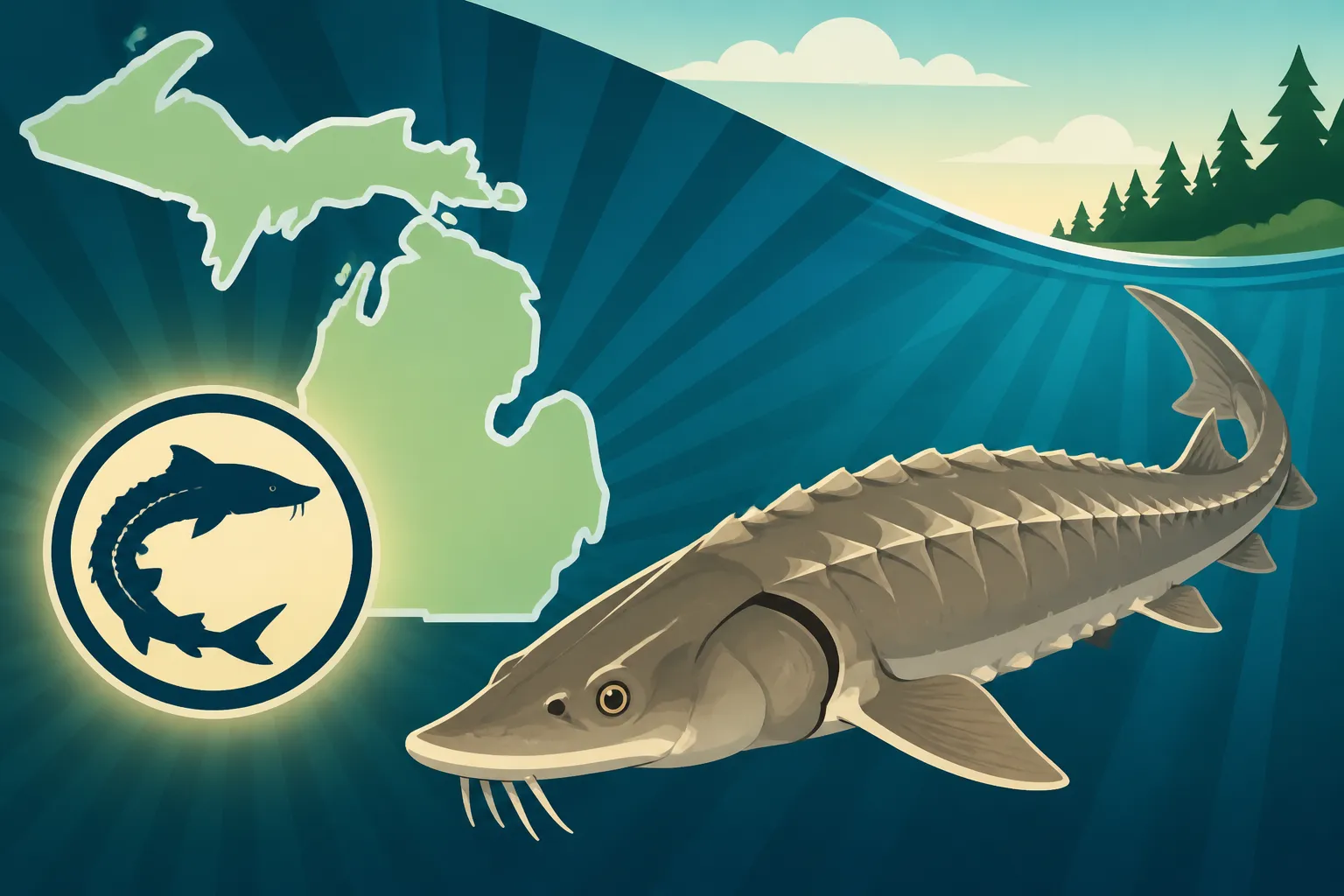
It's a question many Michigan anglers ponder when they hear whispers of giant, ancient fish lurking in our waters: just how rare are Lake Sturgeon here? The truth is, encountering a lake sturgeon is a truly special, often once-in-a-lifetime experience for most, a stark reminder of their historical struggle and the dedicated efforts ongoing to bring them back from the brink. This guide will dive deep into why these magnificent creatures are considered rare, their journey through conservation, and what their future might hold in the diverse waters of our beloved Michigan.
The Lingering Rarity: Understanding Lake Sturgeon's Historical Decline
To truly grasp the rarity of Lake Sturgeon in Michigan today, we need to rewind the clock. These incredible fish, often called "living fossils" due to their ancient lineage, were once incredibly abundant across the Great Lakes and many of Michigan's large rivers. Imagine a time when these waters teemed with sturgeon so plentiful that they were considered a nuisance, caught by the thousands and even piled up on shore.
From Abundance to Alarming Scarcity
Early accounts from the 19th century speak of immense sturgeon populations. They were so common that they were sometimes caught incidentally by commercial fisheries targeting other species and often discarded or used as fertilizer. Their tough hides were even used for leather, and their roe was a sought-after delicacy. However, this period of incredible abundance was short-lived. A perfect storm of factors led to a catastrophic decline, pushing them towards the brink of extinction.
One of the biggest culprits was overfishing. As demand for their meat and caviar grew, commercial fishing intensified dramatically. Lake Sturgeon are slow-growing, late-maturing fish, meaning they don't reproduce until they are quite old—sometimes 15-25 years for females. This slow life cycle makes them incredibly vulnerable to overharvesting, as populations simply cannot replenish themselves quickly enough.
Habitat Loss and Degradation: A Double Whammy
Beyond direct fishing pressure, the rapid industrialization of Michigan played a devastating role. Rivers were dammed to power mills and generate electricity, effectively blocking sturgeon from reaching their traditional spawning grounds upstream. Without access to these critical areas, reproduction plummeted. Many of these dams are still in place, segmenting rivers and preventing natural migration.
Furthermore, pollution from factories, logging, and agriculture fouled the waters where sturgeon lived and spawned. Their benthic lifestyle, feeding on organisms at the bottom, made them particularly susceptible to contaminants accumulating in sediments. The combination of rampant overfishing, irreversible habitat loss due to dams, and widespread water pollution created a perfect storm that decimated Lake Sturgeon populations across Michigan and beyond. By the mid-20th century, these once-abundant giants had become a ghostly rarity, a stark warning of humanity's impact on natural resources.
Michigan's Lake Sturgeon: A Story of Fragile Recovery
Despite the grim history, the story of Michigan's Lake Sturgeon is not one of complete despair. It's a testament to dedicated conservation efforts that these ancient fish are making a slow, albeit fragile, comeback in some areas. Their rarity today is a direct reflection of this ongoing recovery, a state of being where their numbers are low compared to historical levels, but they are no longer on the immediate brink of disappearance in all their former strongholds.
Protected Status and Strict Regulations
Recognizing the dire situation, Lake Sturgeon were granted protected status in Michigan. They are classified as a threatened species, leading to very strict regulations to ensure their survival. This means that for the vast majority of Michigan's waters, Lake Sturgeon fishing is entirely catch-and-release, and even then, often requires special permits or occurs only during very limited, controlled seasons. This is why you'll find extensive details on species-specific rules in resources like Michigan Fishing Regulations Every Angler Should Know. These regulations are crucial for allowing the few remaining populations to reproduce and for juvenile fish to grow without added pressure.
One of the most notable exceptions is the spearing season on Black Lake, an event that draws anglers from all over but is meticulously managed with a strict quota and highly controlled conditions. This unique fishery is an annual highlight and a vital part of data collection for researchers studying the population. You can learn more about this specific season in Sturgeon Fishing in Michigan.
Intensive Rehabilitation and Stocking Programs
The Michigan Department of Natural Resources (DNR), alongside various conservation groups and tribal organizations, has been actively engaged in Lake Sturgeon rehabilitation for decades. This includes a multi-pronged approach:
- Habitat Restoration: Efforts focus on removing obsolete dams or constructing fish passages to reconnect fragmented rivers, allowing sturgeon to access historical spawning grounds. Protecting and improving water quality is also paramount.
- Hatchery Programs: In some areas, sturgeon eggs are collected from wild spawners, reared in hatcheries, and then released into target waters. This boosts the survival rate of young sturgeon past their vulnerable early stages.
- Research and Monitoring: Scientists continually monitor sturgeon populations, tracking their movements, health, and reproductive success. This data is critical for adaptive management, ensuring that conservation strategies are effective. If you're looking for specialized gear for large fish, like heavy-duty nets for safe catch-and-release, you might browse options on Amazon.
These efforts, while slow to yield results due to the sturgeon's long lifespan, are showing signs of success. While still rare, dedicated anglers might occasionally encounter a juvenile or even a large adult in certain rivers and lakes, a truly inspiring sight.
Where the Giants Still Roam: Current Lake Sturgeon Hotbeds in Michigan
While Lake Sturgeon are still a rare sight across much of Michigan, there are specific areas where their populations are more robust, offering the best (though still challenging) chances of an encounter. Understanding these strongholds is key to appreciating their current distribution and the focus of conservation efforts.
Great Lakes and Connecting Rivers: The Last Bastions
The primary areas where you'll find Lake Sturgeon today are within the Great Lakes themselves and their major connecting river systems. These expansive waters offer the habitat diversity and size necessary to support scattered populations.
- Lake St. Clair and the St. Clair River/Detroit River: This system is arguably one of the most significant Lake Sturgeon strongholds, not just in Michigan but in all of North America. These rivers act as a vital spawning and nursery habitat, and anglers often report impressive catches, though strictly on a catch-and-release basis. The sheer volume of water and diverse bottom structure here provide excellent habitat. You can find more about fishing these rich waters in Lake St. Clair Muskellunge Fishing, as these areas often overlap with other popular species.
- Black Lake: Located in the northern Lower Peninsula, Black Lake is home to a unique and well-studied sturgeon population that supports the annual spearing season. It's a success story in focused management and community involvement.
- Menominee River (Michigan-Wisconsin border): This border river boasts a naturally reproducing population that has benefited from strong interstate conservation efforts.
- Burt Lake and Mullett Lake: Part of the Cheboygan River watershed, these lakes in the northern Lower Peninsula also host a recovering sturgeon population.
- Lake Superior: While more sparsely distributed, Lake Superior still holds some significant Lake Sturgeon populations, particularly in its western reaches and connecting rivers. Their numbers here are generally lower than in the lower Great Lakes, but the vast wilderness provides critical habitat. You can discover more about these waters in Lake Superior Brook Trout Fishing.
- Other Great Lakes Regions: Isolated pockets of sturgeon can be found in Lake Huron, Lake Michigan, and Lake Erie, often near major river mouths. Recovery is particularly slow in some of these areas due to historical impacts and persistent habitat challenges.
The Angler's Perspective: A Moment to Cherish
For an angler, hooking a Lake Sturgeon is an unforgettable experience. Their sheer size, powerful runs, and prehistoric appearance make them incredibly distinct from any other freshwater fish. It's a reminder of the wildness that still exists in our waters and the long road ahead for true recovery. If you're fortunate enough to catch one, remember the strict rules: keep it in the water if possible, handle it with extreme care, photograph it quickly, and release it gently. Investing in a quality large-landing net, often available on Amazon, can be incredibly helpful for safe handling.
The following table summarizes the general status and key conservation efforts for Lake Sturgeon in different Michigan waters:
| Water Body/Region | Current Status (General) | Key Conservation Efforts | Angler Opportunity (Catch-and-Release) |
|---|---|---|---|
| Lake St. Clair/St. Clair River | Strongest recovery | Habitat protection, spawning surveys | Higher |
| Black Lake | Stable, actively managed | Spearing quota, stocking, tribal partnerships | Seasonal, highly regulated |
| Menominee River | Recovering, shared management | Dam removal/fish ladders, habitat restoration | Moderate |
| Burt Lake/Mullett Lake | Recovering | Habitat work, population monitoring | Lower, but possible |
| Lake Superior | Sparse, but stable | Remote habitat protection, genetic studies | Very Low |
| Other Great Lakes/Inland Rivers | Rare, isolated populations | Targeted habitat restoration, stocking (limited) | Extremely Low |
Protecting the Future: How Anglers Can Support Lake Sturgeon Conservation
As responsible anglers and lovers of Michigan's natural heritage, we all have a role to play in the continued recovery of Lake Sturgeon. While they are still rare, our actions can ensure that future generations have the chance to witness these magnificent creatures.
Understanding and Adhering to Regulations
The first and most crucial step is to be intimately familiar with Michigan Fishing Regulations Every Angler Should Know, specifically those pertaining to Lake Sturgeon. This includes:
- Catch-and-Release Only: Outside of very specific, highly regulated seasons (like the Black Lake spearing season), Lake Sturgeon are strictly catch-and-release. This means no harvest, no keeping, and handling them with the utmost care to ensure their survival after release.
- Proper Handling: If you do hook a sturgeon, minimize its time out of the water. Use a large, knotless net if possible. Avoid handling them by the gills or tail; instead, support their body horizontally. Remove hooks gently and quickly. Using specialized tools like long-nose pliers or de-hookers, which you can easily find on Amazon, can make this process safer for the fish.
- Reporting Encounters: Many conservation agencies encourage anglers to report any Lake Sturgeon encounters. This helps scientists track populations, movements, and overall health. Information on how to register specific catches for other species, like in Michigan Muskellunge Harvest Reporting Rules, can often be a good template for understanding the importance of reporting rare species.
Supporting Conservation Efforts
Beyond direct adherence to regulations, there are many ways anglers can actively contribute to sturgeon recovery:
- Financial Support: Consider donating to organizations dedicated to Great Lakes sturgeon conservation. Your contributions can fund habitat restoration, research, and educational programs. When you purchase your Michigan Fishing License Guide for Residents and Nonresidents, a portion of those funds often go towards these critical efforts, so simply buying your license helps!
- Advocacy: Support policies and projects aimed at dam removal or fish passage construction. Attend public meetings, write to your representatives, and speak up for healthy aquatic ecosystems.
- Education: Share your knowledge with other anglers and the public. Help dispel myths and educate people about the importance of Lake Sturgeon and the challenges they face. The more people understand, the more likely they are to care and support conservation.
- Volunteering: Look for opportunities to volunteer with local conservation groups or the DNR on projects related to sturgeon habitat improvement or monitoring. Hands-on involvement can be incredibly rewarding.
The rarity of Lake Sturgeon in Michigan is a complex issue, rooted in historical exploitation and habitat loss, but brightened by decades of dedicated conservation. While still far from their historical abundance, every encounter with these majestic fish is a symbol of hope and a testament to what collective effort can achieve. By understanding their story, respecting the rules, and actively supporting their recovery, we can all contribute to ensuring that Lake Sturgeon continue to grace Michigan's waters for centuries to come.
Disclaimer
This article is for general informational purposes only and does not constitute professional advice. Laws, prices and regulations vary by location and change over time. Consult a qualified professional for guidance on your specific situation.