Best Bait for Michigan Bluegill
Oh, the humble bluegill! They might be small, but they bring so much joy to anglers across Michigan, whether you're a seasoned pro or just getting your kids hooked on fishing. But let's be honest, there's nothing more frustrating than sitting by the water, watching your bobber stay stubbornly still, while you know those feisty little panfish are down there somewhere. It leaves you wondering if you're using the right stuff to tempt them. This guide is all about cutting through that confusion, helping you understand exactly what baits bluegill absolutely can't resist, and boosting your confidence for your next outing on Michigan's beautiful waters.
Understanding Bluegill: Why Bait Matters So Much
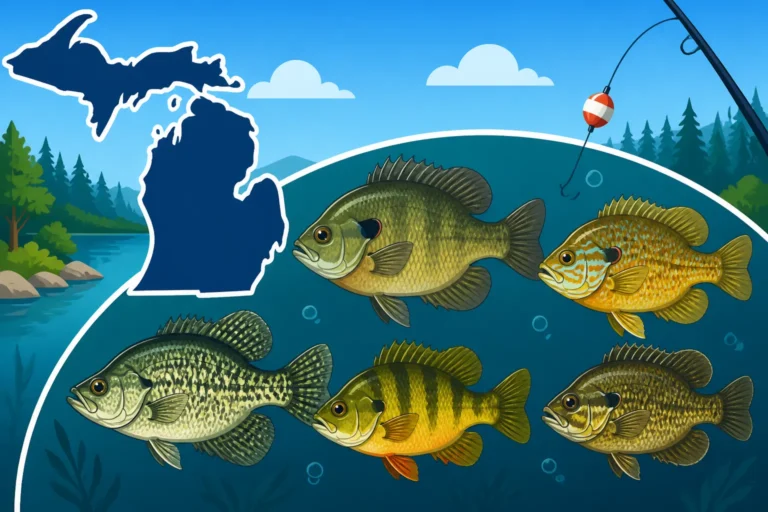
Bluegill, with their iridescent colors and aggressive feeding habits, are one of Michigan's most beloved panfish. They're often the first fish a child ever catches, and for good reason – they're abundant and usually willing to bite. However, saying they'll bite anything isn't quite accurate. While they can be opportunistic, understanding their natural behavior and diet is key to consistently filling your stringer. The right bait isn't just about what they can eat; it's about what they want to eat, and what triggers that instinctual strike.
Bluegill's Natural Diet and Habits
Think about where bluegill live: typically in clear, shallow waters of lakes, ponds, and slow-moving rivers, often around aquatic vegetation, fallen trees, and docks. This habitat dictates their menu. Their primary diet consists of small invertebrates like insect larvae, tiny crustaceans, snails, and worms. They also munch on aquatic plants and, surprisingly, even small fish eggs if they come across them. Their mouths are small, designed for picking off these tiny morsels, which is why bait size is incredibly important. A bait that's too large will often be ignored or nibbled at without a solid hookup.
During different times of the year, their diet can shift slightly. In the warmer months, when insects are plentiful, they'll be keying in on surface bugs or those that fall into the water. In cooler periods, or when they're deeper, they might be more focused on bottom-dwelling creatures. Being a prolific species, bluegill are also very competitive feeders. When one bluegill finds something tasty, others quickly move in, creating a feeding frenzy that makes them so much fun to catch. That's why if you catch one, there are often more to be had in the same spot!
How Water Conditions Influence Bait Choice
Just like us, bluegill's preferences can change with the weather and their environment. Water clarity and temperature play huge roles in what bait will be most effective. In crystal-clear lakes like Higgins or Torch Lake, bluegill rely heavily on sight. This means your bait needs to look natural and be presented subtly. Small, natural-colored jigs or realistic plastic worms, and of course, live bait, tend to shine here. The bluegill can scrutinize your offering, so realism matters.
Conversely, in murkier waters, perhaps after a rain shower in a smaller pond or in a river with a silty bottom, scent and vibration become more critical. Bluegill can't see as well, so they use their lateral line to detect movement and their sense of smell to track down food. This is where scented artificial baits or live baits that give off a lot of natural odor (like a freshly cut worm) can really excel. Best Bait for Michigan Crappie is often similar in this regard. Temperature also plays a part; in colder water, bluegill are less active and prefer slower-moving, high-protein baits, while in warmer water, they're energetic and will chase faster-moving presentations.
Classic Live Baits: The Unbeatable Favorites for Michigan Bluegill
When it comes to bluegill fishing in Michigan, live bait is almost always king. There’s something about the natural movement, scent, and texture of a living organism that just drives bluegill wild. If you're struggling to get bites, or fishing with kids and want guaranteed action, live bait is often your best bet. It mimics their natural food sources perfectly, tapping into their primal feeding instincts. Plus, it's often readily available and relatively inexpensive, making it a staple for many anglers.
Worms: The Universal Bluegill Magnet
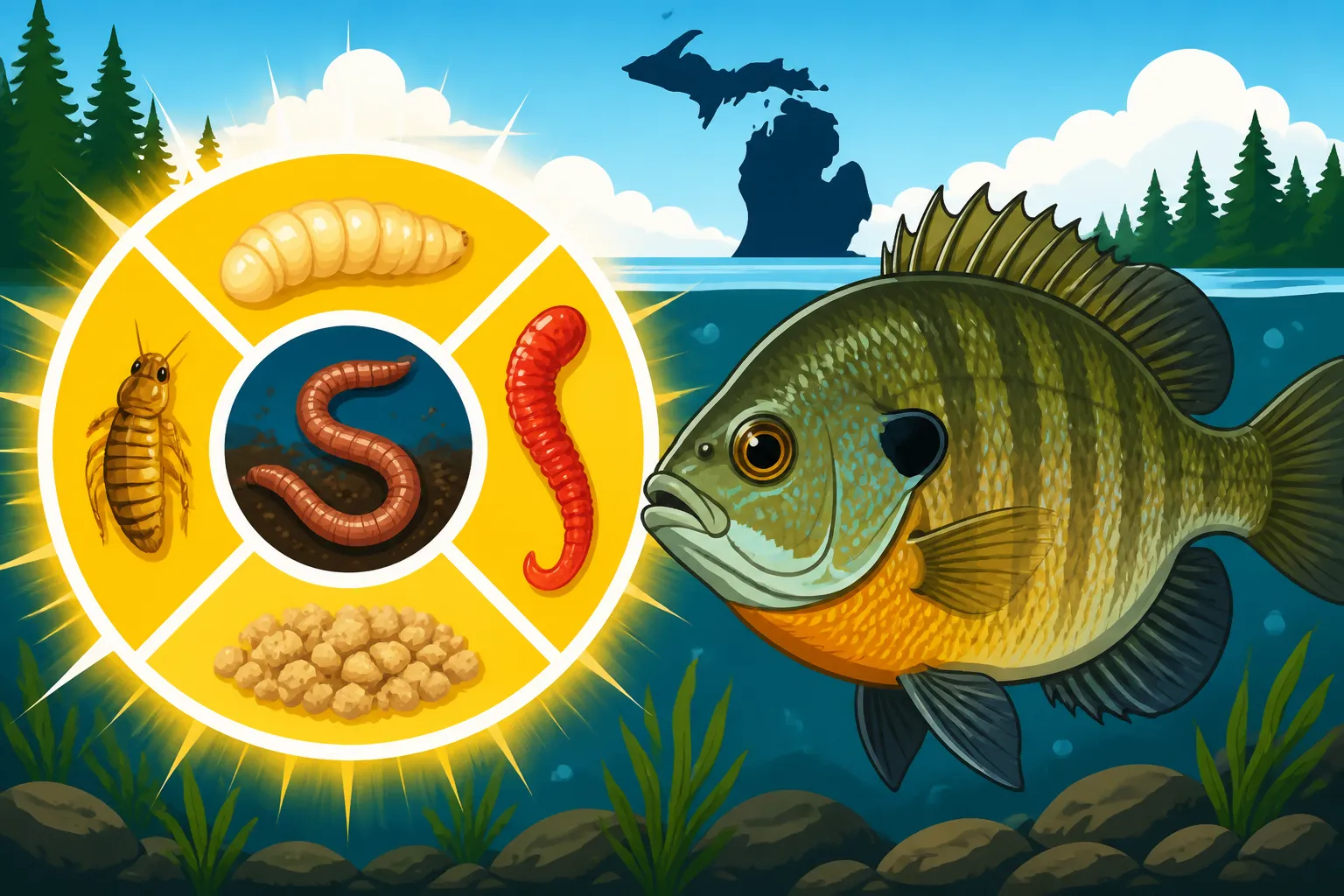
No discussion about bluegill bait is complete without mentioning worms. They are, without a doubt, the most universally effective bait for bluegill and many other panfish species. Their natural wiggling action and earthy scent are simply irresistible. You have a few options when it comes to worms:
- Red Wigglers (Manure Worms): These are perhaps the quintessential bluegill worm. They're smaller than nightcrawlers, making them a perfect size for bluegill's mouths. They also "wiggle" a lot on the hook, creating an enticing motion and scent trail in the water. You can often find them in compost piles or buy them at bait shops. Their vibrant red color and lively action are major attractants.
- Nightcrawlers: While larger, a piece of a nightcrawler can be incredibly effective. Just pinch off about a half-inch to an inch segment. The fresh-cut end releases a strong scent, and the wiggling piece is still plenty appealing. Nightcrawlers are excellent because they are easy to find and widely available at almost any gas station or bait shop, and they're durable enough to stay on the hook.
- Leaf Worms: These are similar to red wigglers but often a bit larger and found under leaf litter. They offer a good balance of size and activity.
When rigging worms, use a small hook (size 8 or 10 is usually ideal) and thread just enough of the worm to cover the hook point, leaving the ends to wiggle freely. A simple bobber rig or a tiny split shot rig fished near weed beds or submerged structure is often all you need to get bites. My kids absolutely love fishing with a simple bobber and a piece of red wiggler; the pure joy of watching that bobber dip is priceless.
Minnows: When Bluegill Get a Little More Aggressive
While worms are usually the top choice, don't underestimate the power of a tiny minnow, especially if you're targeting larger bluegill or other panfish mixed in, like crappie. Bluegill will eat small baitfish, particularly during colder months when they're looking for a more substantial meal, or if they're particularly aggressive.
- Small Fathead Minnows: These are probably the most common and accessible minnows for panfish. They're small, hardy, and have a good amount of flash and movement. Hook them lightly through the lips or just behind the dorsal fin so they can swim naturally.
- Shiners: Another excellent choice, shiners can have a very reflective flash that grabs a bluegill's attention, especially in clearer water.
Using minnows often requires a bit more finesse than worms. You'll want to use a small hook and a light line. A bobber is helpful to keep the minnow at the desired depth, often just above the weeds or structure where bluegill hide. This isn't usually my go-to for sheer numbers of bluegill, but if you're selectively targeting the biggest bluegill in a school, or find them in a more predatory mood, a lively little minnow can often entice that trophy panfish bite. These are particularly great if you're also hoping to hook into a crappie or even a small perch, as all these species will readily hit a small minnow. You'll find a good selection of these small minnows at most Michigan bait shops.
Crickets and Grasshoppers: Summer's Secret Weapons
When summer is in full swing and the air is buzzing with insects, crickets and grasshoppers become incredibly potent baits for bluegill. Bluegill are constantly looking up for insects falling from overhead branches or simply landing on the water's surface. This natural presentation is something they simply can't ignore.
- Crickets: These are fantastic because they're readily available at bait shops (and sometimes pet stores!) and relatively easy to keep alive. Their chirping sound might not be heard underwater, but their frantic kicking and wiggling once they hit the surface or sink slowly are irresistible. Hook them lightly through the collar of their body, just behind the head, making sure not to kill them. This allows them to stay active and enticing.
- Grasshoppers: If you're feeling adventurous and want to catch your own bait, grasshoppers are a phenomenal natural offering. They are larger than crickets, so they can attract bigger bluegill, and their robust bodies and powerful kicks make a lot of commotion. Use them in areas with overhanging vegetation where they might naturally fall into the water.
Fishing with crickets or grasshoppers is often best done with a very light setup, perhaps just a bare hook or a tiny split shot to get them down if you want them to sink slowly. A small bobber can also help with casting and detecting bites. The key here is the natural, struggling action these insects provide. It's a prime example of "matching the hatch" for bluegill, presenting them with exactly what they're looking for when terrestrial insects are abundant.
Artificial Baits and Lures: When Presentation is Key
While live bait often dominates the bluegill world, there are plenty of times and situations where artificial baits and lures can outshine their living counterparts. Artificials offer advantages like durability, ease of storage, and the ability to cover more water efficiently. Plus, for those who enjoy the challenge, fooling a bluegill on a tiny lure or fly can be incredibly rewarding. The key with artificials is often about the presentation: making that plastic or metal mimic the natural movements and appeal of live prey.
Tiny Jigs and Plastics: The Art of Finesse
For many serious panfish anglers, tiny jigs tipped with small plastic bodies are the go-to artificial bait. They are incredibly versatile and can imitate a wide range of bluegill forage, from insect larvae to small minnows. The finesse involved in presenting these effectively can make all the difference.
- Micro Jigs: These are jigs weighing anywhere from 1/64 oz to 1/16 oz, often with a bare lead head. The weight allows them to sink slowly, which is crucial for bluegill that often suspend in the water column or feed near the bottom. The hook size is also appropriately small.
- Panfish Plastics: The variety here is astounding! Think tiny tubes, grubs, crappie minnows, and insect imitations. Brands like Berkley, Mister Twister, and Johnson all offer fantastic options. Colors can range from natural browns, greens, and blacks to vibrant chartreuse, pink, and orange. Sometimes a bright color can trigger an aggressive reaction, especially in murky water, while a natural color excels in clear water.
- Presentation: The magic happens in the retrieve. A slow, subtle jigging motion is usually best. Think about what a tiny insect larva or an injured minnow would do – small twitches, pauses, and a slow fall. Many anglers fish these under a bobber to control depth and detect those incredibly light bluegill bites. You can find a huge variety of these tiny jigs and plastics on Amazon, making it easy to experiment with different shapes and colors to find what works best on your local lake.
Fishing jigs and plastics is also a great way to cover different depths. You can count them down to specific depths or let them sink slowly over weed beds. This technique is especially effective when bluegill are schooled up or holding tight to structure.
Small Spinners and Spoons: Flash and Vibration for Active Bluegill
Sometimes bluegill are aggressive and willing to chase. This is when small inline spinners and tiny spoons can be incredibly effective. The flash and vibration they produce mimic a fleeing minnow or an active insect, often triggering a territorial or predatory strike.
- Inline Spinners: Brands like Mepps and Panther Martin are classics for a reason. Their small blades spin rapidly in the water, creating both visual flash and a subtle vibration that bluegill can detect from a distance. The key is to use the smallest sizes, usually 00 or 0.
- Small Spoons: Tiny casting spoons, often designed for trout or panfish, flutter and wobble enticingly on the retrieve. Their erratic action can be just what's needed to provoke a bite from an otherwise hesitant bluegill. Again, size matters here; think spoons no bigger than your thumbnail.
- Presentation: A steady, slow retrieve is often all it takes for spinners. For spoons, a stop-and-go retrieve, allowing the spoon to flutter on the fall, can be deadly. These lures are best used when bluegill are actively feeding in shallower water, or when you need to cover a larger area to find them. They're also fantastic for fishing near the edge of weed lines or along rocky points where bluegill might be ambushing prey.
Spinners and spoons can be a blast to fish because you feel the lure working in the water, and the strikes can be quite definitive. They're also relatively snag-resistant compared to some other lures, which is a plus when fishing around cover.
Flies: For the Dedicated Fly Angler
For those who enjoy the art and challenge of fly fishing, bluegill offer endless opportunities. They are fantastic fish to target on a fly rod, often rising eagerly to dry flies or readily taking subsurface offerings. Fly fishing for bluegill is not just incredibly effective; it's a beautiful way to connect with the water and these charming fish.
- Dry Flies: When bluegill are rising to sip insects off the surface, a tiny dry fly can be absolutely lethal. Think small ant patterns, beetle imitations, or tiny caddis and mayfly patterns (size 14-18). The key is a delicate presentation and letting the fly drift naturally.
- Wet Flies and Nymphs: If bluegill are feeding subsurface, nymphs and wet flies are the way to go. Patterns like a Prince Nymph, Hare's Ear, or Pheasant Tail Nymph in small sizes (14-18) can imitate the aquatic insect larvae that form a large part of a bluegill's diet. A simple woolly bugger in black or olive (size 10-14) can also be incredibly effective, mimicking a leech or a small minnow.
- Poppers: For exciting topwater action, small panfish poppers are a blast. They create a "plop" and ripple on the surface, driving bluegill crazy. Fish them with short strips and pauses, mimicking a struggling insect.
Fly fishing for bluegill allows for a very subtle and precise presentation, especially in clear waters. It’s also incredibly engaging, as you’re constantly observing the water for rises and thinking about what the fish might be feeding on. Plus, it’s a fantastic way to hone your casting skills, as bluegill don’t require massive distances, but often reward accurate placement. You can find a fantastic array of bluegill flies and even beginner fly fishing setups on Amazon for a reasonable price to get started.
Scented Baits and Dough Balls: The "Easy Button" for Finicky Eaters
Sometimes, bluegill can be surprisingly finicky, or maybe you're fishing in water where visual cues are limited. This is where scented baits and homemade dough balls really shine. They provide an olfactory advantage, drawing fish in with smell even when they can't see your offering clearly. These can often be the "easy button" when other baits aren't producing, or for introducing new anglers to the sport with a higher chance of success.
Commercial Scented Baits: Boosting Your Chances
The fishing industry has come a long way, and many companies produce artificial baits infused with potent scents designed to attract fish. For bluegill, these can be incredibly effective, combining the convenience of artificials with the pulling power of scent.
- Berkley Gulp! Alive! and PowerBait: These are two of the most popular brands in scented artificials, and for good reason. Gulp! Alive! offers various small shapes, like tiny maggots, crickets, or worm segments, that are soaked in a powerful scent attractant. When bluegill nibble at them, they get a mouthful of enticing flavor, making them hold on longer. PowerBait also offers similar scented soft plastics and dough baits that are specifically formulated for panfish.
- Other Scented Soft Plastics: Beyond the big names, many smaller companies offer scented micro-plastics designed for panfish. These often come in natural shapes and colors but pack a punch with added attractants.
- How to Use Them: These baits are typically fished on a very small jig head, much like regular soft plastics. The difference is that the scent does a lot of the work. You can fish them slowly, with subtle twitches, or even let them sit on the bottom for a while. They're excellent in murky water or when bluegill are less active and need a little extra encouragement to bite. The convenience of not having to keep live bait alive, combined with the effectiveness of scent, makes them a favorite for many anglers. My tackle box almost always has a small container of Berkley Gulp! in a variety of colors, just in case the worms aren't cutting it. It's especially useful for What Tackle Do You Need for Ice Fishing Perch as scent is critical when the fish are sluggish.
Homemade Dough Baits: A Budget-Friendly Option
If you're on a budget or just enjoy the DIY aspect of fishing, homemade dough baits can be surprisingly effective for bluegill. The beauty is that you can experiment with different ingredients and scents based on what you have around the house. They tend to be soft, making them easy for bluegill to mouth and swallow, and they release a good scent trail.
- Basic Bread Dough: A simple ball of white bread, kneaded until sticky, can catch bluegill. Some anglers add garlic powder, vanilla extract, or even a bit of cheese to enhance the appeal. The bread is soft and easy for bluegill to take in, and it breaks down slowly, releasing scent.
- Corn: Canned corn is a classic for carp, but tiny kernels can also attract bluegill, especially in pressured waters where they might be used to seeing it. Thread a few kernels onto a small hook. The bright yellow color and sweet smell can be very enticing.
- Cheese Balls: A small piece of soft cheese (like Velveeta or processed cheese food) kneaded into a ball is another popular homemade bait. The strong dairy scent is a proven fish attractor.
The key with homemade baits is to get the consistency right so it stays on your hook but is still soft enough for bluegill to bite. You'll generally use these on a small hook with a bobber or small split shot. They might not be as durable as artificial plastics or as lively as live worms, but their low cost and customizable nature make them a fun and often effective option, especially for a casual afternoon of fishing. Many families enjoy making their own concoctions together, which adds another layer of fun to the fishing experience. You can find some great small hook assortments for panfish, perfect for these dough baits, on Amazon.
How to Present Your Bait for Maximum Bluegill Success
Now that we've covered the best baits, it's crucial to talk about how you present them. Even the perfect bait won't work if it's not put in front of the fish in an appealing way. Bluegill are curious but can also be shy, so a subtle and accurate presentation is key. Remember, they have small mouths, so think small in every aspect of your rigging. This makes a huge difference, especially for How Big Do Bluegill Get in Michigan as the larger ones are often more wary.
Simple Bobber Rigs: The Go-To for Most Anglers
For most bluegill fishing, especially with kids or beginners, a simple bobber rig is unbeatable. It's easy to set up, visually engaging, and highly effective.
- Components: You'll need a small float (clip-on or slip bobber), a few small split shots, and a small hook (size 8 or 10 is usually perfect).
- Setup: Tie your hook on, pinch one or two small split shots about 6-12 inches above the hook to get your bait down, and then attach your bobber. Adjust the bobber's depth so your bait is suspended just above any weeds or structure where bluegill might be hiding. For example, if you see a weed bed in 4 feet of water, set your bobber to fish your bait at about 3 feet.
- Action: The bobber holds your bait at a consistent depth and signals every bite. A gentle twitch, a slow pull, or even a subtle dip means a bluegill is investigating. Best Bobber Setup for Panfish is a great reference for more details. With a live worm, the natural movement will do most of the work. With artificials or dough baits, occasional small twitches of your rod tip can add enticing action.
This setup is versatile and allows you to fish effectively around docks, fallen trees, and weed lines, which are prime bluegill habitat.
Bottom Fishing and Light Tackle: When They're Deeper
Sometimes, especially in deeper lakes or during colder periods, bluegill will hold closer to the bottom. In these situations, a bobber might not be the most efficient way to reach them. This is when a light bottom-fishing rig comes into play.
- Components: A small hook (size 8-10), a small split shot or a tiny walking sinker, and perhaps a small swivel.
- Setup: Tie your hook to your line, and then crimp a split shot a foot or so above the hook. Alternatively, use a tiny walking sinker that allows your line to slide freely through it, tying on a swivel beneath the sinker and then a short leader (6-12 inches) to your hook. This "Carolina rig" style allows the fish to take the bait without feeling the weight of the sinker immediately.
- Action: Cast your bait out and let it sink to the bottom. Slowly reel in any slack, keeping a tight line so you can feel bites. Bluegill bites can be very subtle, feeling like a light tap or just added weight on your line. This technique is great for exploring drop-offs, deeper weed edges, or when fishing from a boat in deeper sections of Michigan's inland lakes.
Light tackle is paramount for bluegill. A light or ultralight spinning rod with 2-4 pound test monofilament or fluorocarbon line is ideal. This lighter setup allows for longer casts with small baits and makes even a small bluegill feel like a trophy.
Seasonal Considerations for Michigan Bluegill Fishing
Michigan offers fantastic bluegill fishing throughout the year, but their behavior and where you find them will shift with the seasons. Understanding these patterns will help you choose the best bait and presentation, maximizing your chances of a successful outing. This is where Best Season to Catch Panfish in Michigan comes in handy.
Spring Bluegill: Post-Spawn Hunger
As Michigan thaws and water temperatures begin to rise in spring, bluegill become increasingly active. After their spawning period (which typically occurs when water temperatures reach the upper 60s Fahrenheit), they'll be incredibly hungry, trying to regain energy.
- Where to Find Them: Look for bluegill moving into shallower, warmer waters, often around submerged vegetation, fallen logs, and brush piles in bays and coves that warm up quickly. They'll also be found near spawning beds in sandy or gravelly bottoms.
- Best Baits/Techniques: Live worms (red wigglers are excellent), small jigs tipped with scented plastics (like Berkley Gulp!), or tiny beetle spins are all highly effective. They'll be aggressive, so don't be afraid to try a slightly faster retrieve with artificials. A simple bobber rig fished around structure is a fantastic choice. Michigan Panfish Species Guide provides more detail on species-specific spring behaviors.
This is a prime time for sheer numbers of bluegill, as they're actively feeding and often schooled up.
Summer Bluegill: Active and Abundant
Summer in Michigan means abundant bluegill fishing. They are highly active and can be found in a variety of habitats, making them accessible to almost any angler.
- Where to Find Them: In early summer, they might still be shallow, particularly in the mornings and evenings. As waters warm, they'll often retreat to slightly deeper water during the heat of the day, seeking cooler temperatures and cover around deeper weed lines, submerged timber, or even under docks and lily pads.
- Best Baits/Techniques: This is when almost all the baits discussed above can shine. Live worms, crickets, and grasshoppers are hard to beat. Small jigs and plastics, tiny spinners, and even fly-fished poppers or nymphs are incredibly effective. Topwater action with poppers can be absolutely thrilling on calm summer evenings. Early mornings and late evenings are often the most productive times.
Remember that bluegill often congregate, so if you find one, there are likely more. Bluegill and Crappie Fishing in Michigan goes into more depth on summer panfish strategies.
Fall Bluegill: Feeding Up for Winter
As autumn arrives and water temperatures begin to drop, bluegill will start to feed heavily in preparation for winter. They become more focused on high-protein meals and can be found in slightly deeper water.
- Where to Find Them: They'll often school up and move towards deeper weed edges, drop-offs, and deep structure. They might still come shallow to feed on warmer days, but generally, you'll need to look a bit deeper than in summer.
- Best Baits/Techniques: Live worms and small minnows become very effective, as bluegill are looking for substantial meals. Small jigs tipped with plastic or commercial scented baits, fished slowly and deliberately, are also excellent. You'll want to focus on a slower presentation, as their metabolism slows with the cooling water. Finesse is often the name of the game in fall.
This can be a fantastic time to catch some of the largest bluegill, as they are actively bulking up.
Winter Bluegill: Ice Fishing Fun
Michigan's winter offers a unique opportunity to target bluegill through the ice. Michigan Ice Fishing Guide is a great resource. While they are less active, they are still catchable, and ice fishing for bluegill is a popular pastime.
- Where to Find Them: Bluegill will often congregate in deeper basins of lakes, near the bottom, or along deep weed lines. They seek areas with stable temperatures and available food. Look for structure like submerged humps or brush piles.
- Best Baits/Techniques: Tiny ice fishing jigs, often tipped with a single wax worm, spike, or a piece of a small worm, are the standard. Small commercial scented plastics can also work wonders. The key is to fish very slowly and subtly. Often, just holding the jig still, or making almost imperceptible quivering motions, is what triggers a bite. How to Catch Perch Through the Ice in Michigan often applies to bluegill as well, using similar baits and techniques.
Ice fishing for bluegill is all about patience and a delicate touch, but when you find a school, the action can be fast and furious!
| Bait Type | Pros | Cons | Ideal Conditions |
|---|---|---|---|
| Red Wigglers/Worms | Universal appeal, natural scent & action, widely available, durable | Can be messy, sometimes attract smaller fish | All seasons, any water clarity, consistent producer |
| Small Minnows | Excellent for larger bluegill, strong visual & scent appeal | Requires keeping them alive, can be too large for small bluegill | Colder water, aggressive bluegill, mixed panfish |
| Crickets/Grasshoppers | Highly effective natural presentation, especially in summer, lively | Seasonal availability, can be delicate to hook without killing | Summer, surface feeding, clear water, near overhanging vegetation |
| Tiny Jigs + Plastics | Durable, reusable, wide color/shape variety, good for covering water | Requires finesse, less natural scent initially | All seasons, varied depths, subtle presentation in clear water |
| Small Spinners/Spoons | Flash and vibration attract active bluegill, good for covering water | Less effective for passive/finicky fish, can be prone to snags | Active fish, shallower water, searching for schools |
| Flies (Nymphs/Poppers) | Highly engaging, natural presentation, especially for topwater bites | Requires specialized gear (fly rod), learning curve for casting | Clear water, surface feeding, sight fishing |
| Commercial Scented | Durable, strong scent, convenient, good for finicky fish | Can be pricier, less natural action than live bait | Murky water, slow bite, when live bait isn't available |
| Homemade Dough Baits | Inexpensive, customizable scents, soft for easy hookups | Can be messy, less durable on hook, may attract non-target species | Casual fishing, budget-friendly, often good for kids |
Final Tips for Bluegill Anglers in Michigan
No matter what bait you choose, a few general tips will always improve your bluegill fishing experience in Michigan. These little details can often turn a slow day into a memorable one.
- Think Small: Bluegill have small mouths. Using small hooks (size 8-10, sometimes even 12 for tiny jigs) and small baits is crucial for consistent hookups. Many anglers miss fish because their hook is too large or the bait is too bulky.
- Light Line is Key: Using 2-4 pound test line will increase your casting distance with light baits, provide a more natural presentation, and increase your sensitivity to subtle bites. Plus, it makes every bluegill feel like a monster!
- Locate Structure: Bluegill love cover. Look for weed beds, lily pads, fallen trees, docks, brush piles, and rock piles. These areas provide food, shelter from predators, and shade.
- Be Patient and Observe: Sometimes bluegill are cautious. Give your bait time to work, and watch your bobber or line carefully for any subtle movement. If one spot isn't producing, don't be afraid to move a few feet or try a different depth.
- Practice Catch and Release (Responsibly): Bluegill are prolific, and it's great to keep some for a delicious meal. However, practice responsible catch and release for smaller fish or if you've caught enough for dinner. Handling them gently ensures healthy populations for future generations of anglers.
With these tips and the right bait in your tackle box, you'll be well on your way to a successful and enjoyable bluegill fishing adventure anywhere in Michigan. Happy fishing!
Disclaimer
This article is for general informational purposes only and does not constitute professional advice. Laws, prices and regulations vary by location and change over time. Consult a qualified professional for guidance on your specific situation.