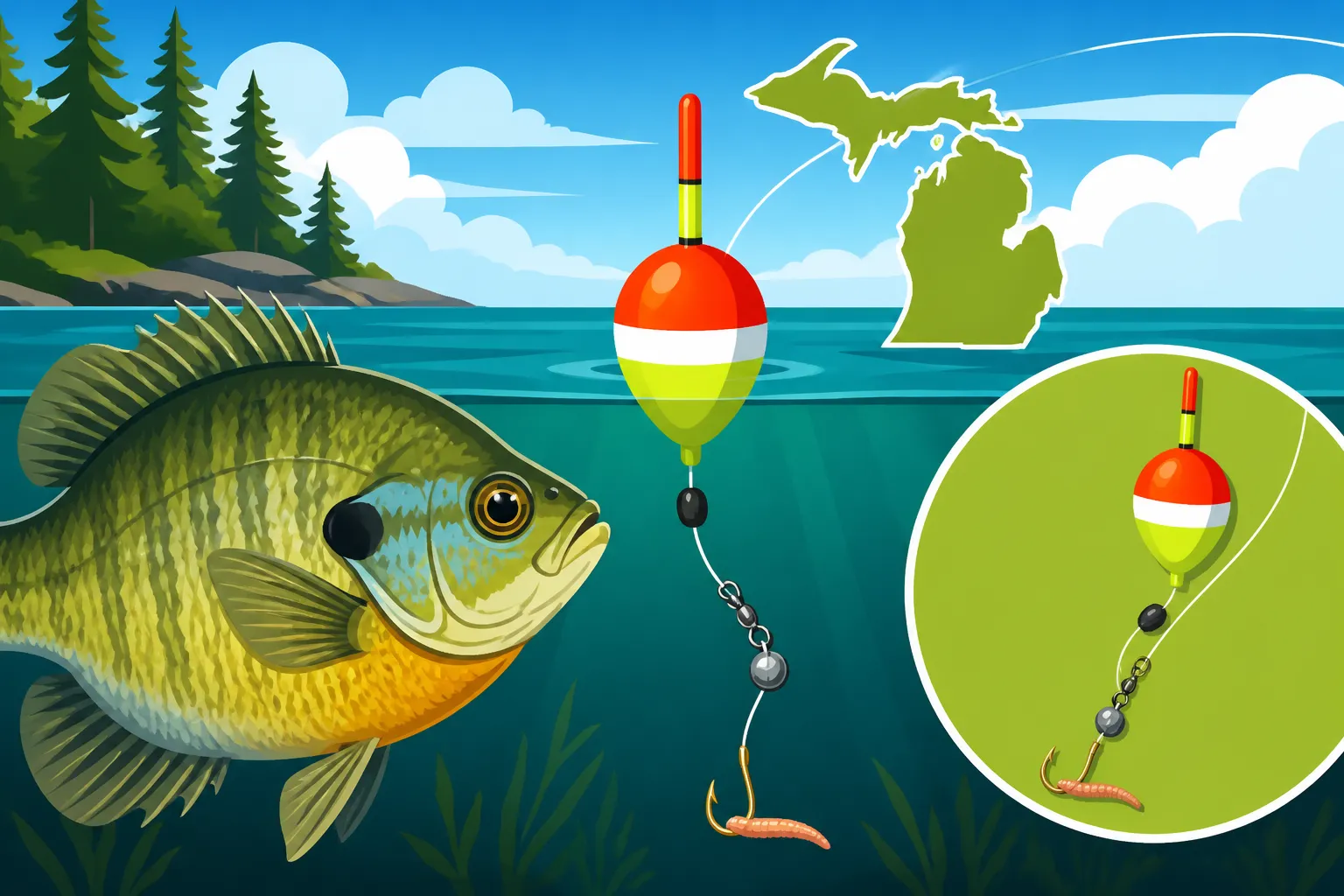
Best Bobber Setup for Panfish
Few things are as universally frustrating in fishing as missing those subtle bites, especially when you're targeting panfish. Whether you're trying to introduce a youngster to the joys of fishing or just want to relax and pull in a mess of tasty bluegill, crappie, or perch, getting your presentation right can make all the difference between a day of constant action and a day of frustration. This guide is all about helping you perfect your bobber setup for panfish, ensuring you not only detect those gentle nibbles but also land more fish.
Why a Dedicated Bobber Setup is Crucial for Panfish
You might think, "A bobber's just a bobber, right?" Oh, if only it were that simple! Panfish, by their very nature, are often tentative eaters. They might mouth the bait, peck at it, or suck it in ever so gently, especially if they're feeling pressured or the water is cold. Using the wrong bobber or an ill-suited rig means you'll miss a huge percentage of these bites, leading to those frustrating moments where your bait disappears, but you feel nothing. A proper bobber setup acts as a highly sensitive indicator, turning those almost imperceptible tugs into clear visual signals, letting you know exactly when to set the hook.
It's about more than just seeing the bite, though. A good bobber setup also controls your bait's depth and presentation. Panfish often hang out in specific depth zones, whether it's suspended under a dock, near a weed line, or just off the bottom. Your bobber allows you to consistently present your bait at that sweet spot, preventing it from sinking too deep into the weeds or floating too high above the fish. This precision is absolutely vital when you're trying to coax a finicky crappie or a schools of yellow perch into biting.
Understanding the Two Main Types of Bobbers for Panfish
When it comes to bobbers, anglers typically lean on two primary styles: fixed bobbers and slip bobbers. Each has its strengths and weaknesses, making them suitable for different fishing scenarios and personal preferences. Knowing which one to choose for your particular Michigan panfishing adventure can really up your game.
Fixed Bobbers: Simple and Effective for Shallow Water
Fixed bobbers are what most of us grew up with. They attach to your fishing line at a set point, usually with a small spring clip or a plastic peg. This means the depth at which your bait hangs below the bobber is fixed once you set it. They're incredibly simple to use, which makes them fantastic for beginners, kids, or anyone who just wants a straightforward approach to fishing.
The biggest advantage of a fixed bobber is its ease of use. You slide your line through, attach it, and you're ready to go. They’re great for shallow water fishing, say in depths up to about 5 or 6 feet. Think fishing off a dock for bluegill, casting along a lily pad field, or working a shallow cove for crappie in the spring. Because the bobber is always at a fixed distance from your hook, it provides very direct feedback on bites. When a fish pulls, the bobber moves. Many anglers prefer small, sensitive fixed bobbers, like pencil-style or teardrop shapes, which offer less resistance to the fish and show even the lightest tap. You can often find a good selection of these at your local Bass Pro Shops or browsing online.
The main drawback, however, is that casting in deeper water becomes cumbersome. If you want to fish 10 feet deep with a fixed bobber, you'd have 10 feet of line and leader dangling below the bobber when you cast, making it almost impossible to get any distance or accuracy. This is where the slip bobber shines.
Slip Bobbers: Versatility for Deeper Waters
Slip bobbers are a game-changer for versatility, especially when you need to fish deeper water or want more casting distance. Unlike fixed bobbers, a slip bobber slides freely up and down your main line. You control the depth of your bait by tying a small bobber stop knot on your line above the bobber. When you cast, the weight of your bait and sinker pulls the line through the bobber until it hits that stop knot, presenting your bait at the desired depth. This allows you to reel the bobber right up to your rod tip, making casting much easier and more efficient, regardless of how deep you're trying to fish.
For instance, if you're targeting yellow perch that are holding 20 feet down in Lake Huron or crappie suspended in a deeper basin of Houghton Lake, a slip bobber setup is truly indispensable. It lets you present your bait precisely at that depth without having an unwieldy amount of line dangling during the cast. Slip bobbers are also incredibly sensitive, as the line flows freely through them until a fish pulls. They come in various styles, from slim balsa wood models to weighted plastic designs, often with bright tops for easy visibility. When looking for quality slip bobbers and bobber stops, Amazon has a vast array of options that can be delivered right to your door.
The initial rigging can be a little more involved than a fixed bobber, requiring you to tie on a bobber stop, thread the line through the bobber, and then add your weight and hook. However, once you get the hang of it, the benefits of depth control and casting ease are well worth the minor extra effort.
Here's a quick comparison of fixed vs. slip bobbers:
| Feature | Fixed Bobber | Slip Bobber |
|---|---|---|
| Setup Ease | Very simple, quick clip or spring | Requires bobber stop knot, more threading |
| Casting | Excellent for shallow water | Excellent for all depths, longer casts |
| Depth Control | Fixed at one depth | Adjustable to any depth via stop knot |
| Sensitivity | Good, especially with smaller models | Excellent, line flows freely |
| Ideal For | Shallow ponds, docks, kids, simple setups | Deeper lakes, rivers, targeting suspended fish |
| Line Flow | Bobber stays in place | Line slides through bobber |
Rigging Your Panfish Bobber Setup: Components and Considerations
Getting the right components for your bobber rig is just as important as choosing the right bobber itself. Every element, from your line to your hook and sinker, plays a role in how effectively you present your bait and detect those subtle panfish bites.
Line: Light and Sensitive is Key
When fishing for panfish, sensitivity is paramount. This means using lighter fishing line. A good quality monofilament line in 4 to 6-pound test is usually ideal. Monofilament has a bit of stretch, which can be forgiving when a panfish makes a quick dart, and it's generally easy to handle for most anglers. It also floats, which can be an advantage with bobber fishing as it helps keep the line off the surface. Some anglers might opt for a very light braided line (e.g., 6-pound test with a 2-pound diameter), which offers even greater sensitivity and no stretch, but it can be less forgiving and harder to tie for beginners. For a good all-around choice for Michigan panfish, stick with a quality monofilament like Stren or Trilene. What Pound Test Line for Muskellunge is a much different topic, as you'd imagine!
Hooks: Small and Sharp
Panfish have small mouths, so using appropriately sized hooks is crucial. If your hook is too big, they'll just nibble the bait off or feel the resistance and spit it out. For bluegill, crappie, and smaller perch, a size 6 or 8 Aberdeen or baitholder hook is often perfect. These hooks have a relatively thin wire, which allows for better bait presentation and less weight. For larger crappie or perch, you might go up to a size 4. Always make sure your hooks are sharp! A dull hook won't penetrate those bony mouths easily. You can also consider small jig heads (1/32 to 1/16 ounce) under a bobber, especially for crappie and perch. These add a bit of flash and action and work wonderfully with small soft plastics or live bait.
Sinkers: Just Enough Weight
The goal with sinkers is to use just enough weight to get your bait down to the desired depth and to keep your bobber standing upright, but not so much that it makes your bobber sink. Small split shot sinkers are perfect for this. Start with one or two small split shots (like size BB or #7) placed about 6-12 inches above your hook. The ideal setup is when your bobber stands up nicely but still has enough buoyancy to show a light bite when a fish pulls it down. If your bobber is lying flat on the water, you don't have enough weight. If it's sinking, you have too much. It's a delicate balance that comes with a bit of practice. Remember, panfish are often very sensitive to resistance, so the less weight the better, as long as your bait gets to the fish.
Bait: Live is Often Best
While artificial baits can certainly work, especially for crappie, live bait is almost always a surefire winner for panfish. Worms, especially small pieces of nightcrawlers or red wigglers, are universally effective for bluegill and perch. For crappie, small minnows (crappie minnows or fatheads) are incredibly productive. Wax worms, maggots (spikes), and even small crickets can also be deadly. Best Bait for Michigan Bluegill and Best Bait for Yellow Perch in Michigan are topics that delve deeper into specific bait choices. The key is to use fresh, lively bait presented naturally. Remember, Michigan has specific rules on bait collection and use, so always check the latest regulations.
Practical Tips for Panfish Bobber Fishing Success
Even with the perfect setup, there are always little tricks and techniques that can help you turn a good day of fishing into a fantastic one. Panfish can be finicky, but they are also abundant and can provide fast action once you figure them out.
Reading Your Bobber: More Than Just "Up or Down"
Many novice anglers only wait for their bobber to completely disappear underwater before setting the hook. While that's often a good indicator, panfish bites can be much more subtle. Sometimes, the bobber will simply twitch, lay on its side, or just barely dip. These subtle movements are often signals that a fish is mouthing the bait. Practice watching for these nuances. A sudden twitch, a slow drag sideways, or a slight bob usually means a fish is investigating or taking the bait. Set the hook with a gentle, swift flick of the wrist rather than a huge heave, which can rip the hook out of their delicate mouths.
Depth Adjustment: Finding the Sweet Spot
Panfish are often depth-oriented. Bluegill might be cruising just under the surface in warm water, while crappie might be suspended over deeper structure. Your ability to adjust your bait's depth is critical. With a fixed bobber, this means repositioning it on your line. With a slip bobber, it's as simple as sliding your bobber stop up or down your line.
Start by fishing at various depths until you find where the fish are holding. If you're getting bites at 3 feet, try another cast at 3 feet. If the action slows, try going a foot deeper or shallower. Using a fish finder on your boat, if you have one, can help immensely in locating schools of What Are Common Panfish Species in Michigan and identifying their depth. Even without electronics, paying attention to your bites and making small adjustments will help you dial in the productive depth.
Stealth and Presentation
Panfish might be small, but they aren't stupid. They can be spooked by heavy handed approaches. Try to cast gently, especially when fishing clear, shallow water. Let your bait settle naturally. A slow, steady retrieve with a few pauses can often entice a hesitant fish. Sometimes, just letting your bait sit perfectly still is the best approach. If you're fishing from a boat or kayak, try to keep your movements quiet to avoid scaring off schools of fish directly below you.
Rod and Reel Pairing: The Right Tools for the Job
While you don't need highly specialized gear, pairing your bobber setup with the right rod and reel makes a difference. A light or ultralight spinning rod, typically 5 to 6.5 feet long, with a fast or moderate action, is perfect. This type of rod is sensitive enough to feel those light bites and has enough flex to absorb the fight of a feisty panfish without tearing the hook out. Match it with a small spinning reel (size 500 or 1000) spooled with your 4-6 pound test line. This light tackle combo is a joy to fish with and maximizes your fun. If you're just starting out or looking for a setup for the kids, a pre-spooled ultralight combo from Bass Pro Shops or an entry-level option on Amazon is a great choice. For more details on gear selection for new anglers, check out Best Beginner Fishing Setup for Kids.
Location, Location, Location
Even the best bobber setup won't help if there are no fish! Panfish love structure and cover. Look for weed lines, fallen trees, docks, brush piles, rocky points, and submerged humps. Early mornings and late evenings are often the best times, especially in warmer months, as panfish tend to be more active. In Michigan, lakes like Lake St. Clair are famous for their yellow perch, and many inland lakes offer fantastic bluegill and crappie fishing. Take some time to scout out good panfish spots near you, or consult local fishing reports.
Disclaimer
This article is for general informational purposes only and does not constitute professional advice. Laws, prices and regulations vary by location and change over time. Consult a qualified professional for guidance on your specific situation.