Best Bait for Michigan Crappie
One of the most rewarding aspects of fishing in Michigan is chasing panfish, and crappie hold a special place in many anglers' hearts. These elusive, slab-sided beauties can be frustratingly finicky, leaving you wondering if you’re using the right bait to entice a bite. This comprehensive guide will cut through the guesswork, helping you understand the best baits and techniques to consistently put Michigan crappie in your net, no matter the season or conditions.
Understanding Michigan Crappie: Behavior, Diet, and Habitat
Before you even think about what bait to tie on, it’s crucial to understand the fish you’re after. Crappie aren't just any panfish; they have specific preferences and behaviors that directly influence what bait they'll strike. Knowing their habits is like having a secret weapon in your tackle box.
Crappie Species in Michigan: Black vs. White
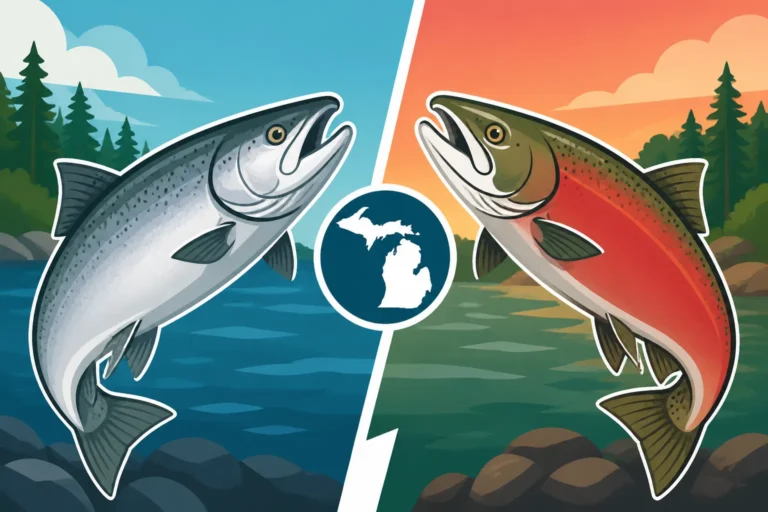
Michigan waters are home to two primary species of crappie: the black crappie and the white crappie. While they share many similarities, there are subtle differences in their appearance and preferred habitats. Black crappie tend to have an irregular pattern of dark spots scattered across their silvery-green bodies, almost like splashes of paint. They typically prefer clearer, cooler water with abundant vegetation and structure like submerged timber or brush piles. White crappie, on the other hand, usually display distinct vertical bars or stripes along their sides and often thrive in more turbid or silty waters, favoring slow-moving currents and areas with less dense aquatic plants.
Recognizing which species you're targeting, or which is more prevalent in your chosen lake or river, can sometimes fine-tune your bait selection. For instance, in very clear water where black crappie dominate, a more natural-looking bait might be preferred, while in murkier water, something with more vibration or a brighter color might grab a white crappie's attention. Both species are typically found schooling, so when you find one, you've often found many, making precise bait choice even more critical for a successful outing. You can learn more about these fascinating fish in our Michigan Panfish Species Guide.
Crappie Behavior and Feeding Habits
Crappie are ambush predators, often hiding in or near submerged cover and waiting for unsuspecting prey to swim by. Their diet primarily consists of small minnows, insect larvae, crustaceans, and zooplankton. This diet heavily influences their bait preferences. They have relatively large mouths for their body size, designed for sucking in prey rather than aggressively striking and biting. This "suck-and-blow" feeding style means your bait needs to be presented in a way that allows them to easily inhale it.
They are also highly sensitive to light, preferring lower light conditions. This often means they are more active at dawn, dusk, or on overcast days. During bright daylight, they'll usually retreat to deeper water or dense cover. Understanding this behavior tells you that a slow, subtle presentation is often more effective than a fast, erratic one. You're not trying to provoke a chase; you're trying to offer an easy meal right in front of their face. This explains why many effective crappie techniques involve very light lines, small hooks, and slow retrieves or static presentations.
Where to Find Michigan Crappie
Knowing where crappie like to hang out is half the battle. They are structure-oriented fish, meaning they'll almost always be found relating to some form of cover. This can include brush piles, fallen trees, docks, bridge pilings, rock piles, weed lines, and even changes in bottom contour like drop-offs. In spring, especially during the spawn, they move into shallow waters, often less than 10 feet deep, seeking out protected coves and backwaters with emergent vegetation or woody debris.
As water temperatures rise in summer, they often retreat to deeper, cooler water, frequently suspending in open water over submerged humps or along deep weed edges. Fall sees them moving back into shallower feeding areas as temperatures cool, stocking up for winter, though they might still be deeper than their spring haunts. In winter, during ice fishing season, they often school tightly near deep structure or suspended over basins. Identifying these key locations in your chosen Michigan lake or river is paramount, as even the best bait won't work if it's not where the fish are. Many excellent crappie spots can be found among the Michigan Inland Lakes Worth Fishing.
Live Bait: The Time-Tested Crappie Magnets
When it comes to crappie fishing, nothing quite beats the natural appeal of live bait. The movement, scent, and texture are often irresistible, especially to less aggressive or finicky fish. If you're struggling to get bites on artificials, a switch to live bait can often turn your day around.
Minnows: The Undisputed King
For generations, minnows have been the go-to bait for crappie anglers, and for good reason. Crappie absolutely love them. Small fathead minnows, shiners, or similar baitfish, typically in the 1 to 2-inch range, are perfect. The natural swimming action of a lively minnow is something crappie can't often resist, triggering their predatory instincts. The key is to keep your minnows active and healthy; a sluggish minnow won't draw nearly as much attention.
When rigging a minnow, you have a few options. Many anglers prefer to hook the minnow lightly through the lips, which allows it to swim naturally and present a tempting target. Another common method is to hook it just below the dorsal fin, being careful not to hit the spine, which gives it a more wounded or erratic swimming action. Use a small, light-wire hook, typically a size 4 or 6, to avoid weighing down the minnow and impeding its movement. Presenting minnows under a slip bobber is a classic and highly effective method, allowing you to suspend the bait at a precise depth where crappie are holding.
Worms and Other Naturals
While minnows are king, other natural baits can also be incredibly effective, particularly when crappie are focused on insect larvae or when minnows are hard to come by. Small pieces of nightcrawlers, red wigglers, or even waxworms and spikes can be excellent choices. These baits offer a strong natural scent and subtle movement that crappie find appealing. Waxworms and spikes, in particular, are fantastic for ice fishing or when pairing with tiny jigs.
To use worms effectively, you usually only need a small section. A quarter-inch piece of nightcrawler threaded onto a tiny jig head or a small hook can be deadly. Waxworms and spikes can be hooked individually or in small clusters. The goal is to keep the bait small enough for crappie to easily inhale while still providing enough scent and visual appeal. These natural baits are often fished similarly to minnows, under a bobber or slowly retrieved along structure. Many anglers find a good selection of quality live bait hooks and small jigs at local tackle shops or even online retailers like Amazon, making it easy to stock up before a trip.
Rigging Live Bait for Crappie
The way you present your live bait can make all the difference. For crappie, a subtle, natural presentation is almost always preferred. The most common and effective rig is a simple slip bobber setup. This allows you to easily adjust the depth of your bait, which is crucial when crappie are suspended at specific depths or relating to deep structure. A small, sensitive bobber that registers even the slightest bite is essential, as crappie bites can be incredibly light.
Below the bobber, you’ll typically have a small split shot or two to get your bait down, followed by a light leader and your small hook with the minnow or worm. The lighter your line, the more natural your bait will move, and the less visible it will be to cautious crappie. Many anglers opt for 4 to 6-pound test monofilament or fluorocarbon line for optimal presentation. Another effective method, especially when fishing vertically over submerged brush piles, is a tight-line presentation with just a small weight above the hook, allowing the bait to drop directly into the crappie's strike zone.
| Bait Type | Pros | Cons | Best Use |
|---|---|---|---|
| Live Minnows | Natural movement, irresistible scent, high catch rate | Requires live bait care, can be delicate to hook | All seasons, especially when fish are finicky or deep |
| Waxworms/Spikes | Excellent scent, durable, good for slow bites | Smaller profile, less active movement than minnows | Ice fishing, slow bites, pairing with small jigs |
| Soft Plastic Jigs | Versatile, wide color range, no live bait care | Can be less effective on very finicky fish | All seasons, especially when actively searching for fish |
| Small Crankbaits | Good for covering water, triggers reaction strikes | Less subtle, may scare off cautious fish | Aggressive fish, searching large areas, trolling |
Artificial Baits: Modern Solutions for Fickle Fish
While live bait often shines, artificial lures have come a long way and offer incredible versatility, durability, and a huge range of colors and actions. They're also much cleaner and easier to manage than live bait, making them a popular choice for many anglers.
Jigs and Soft Plastics
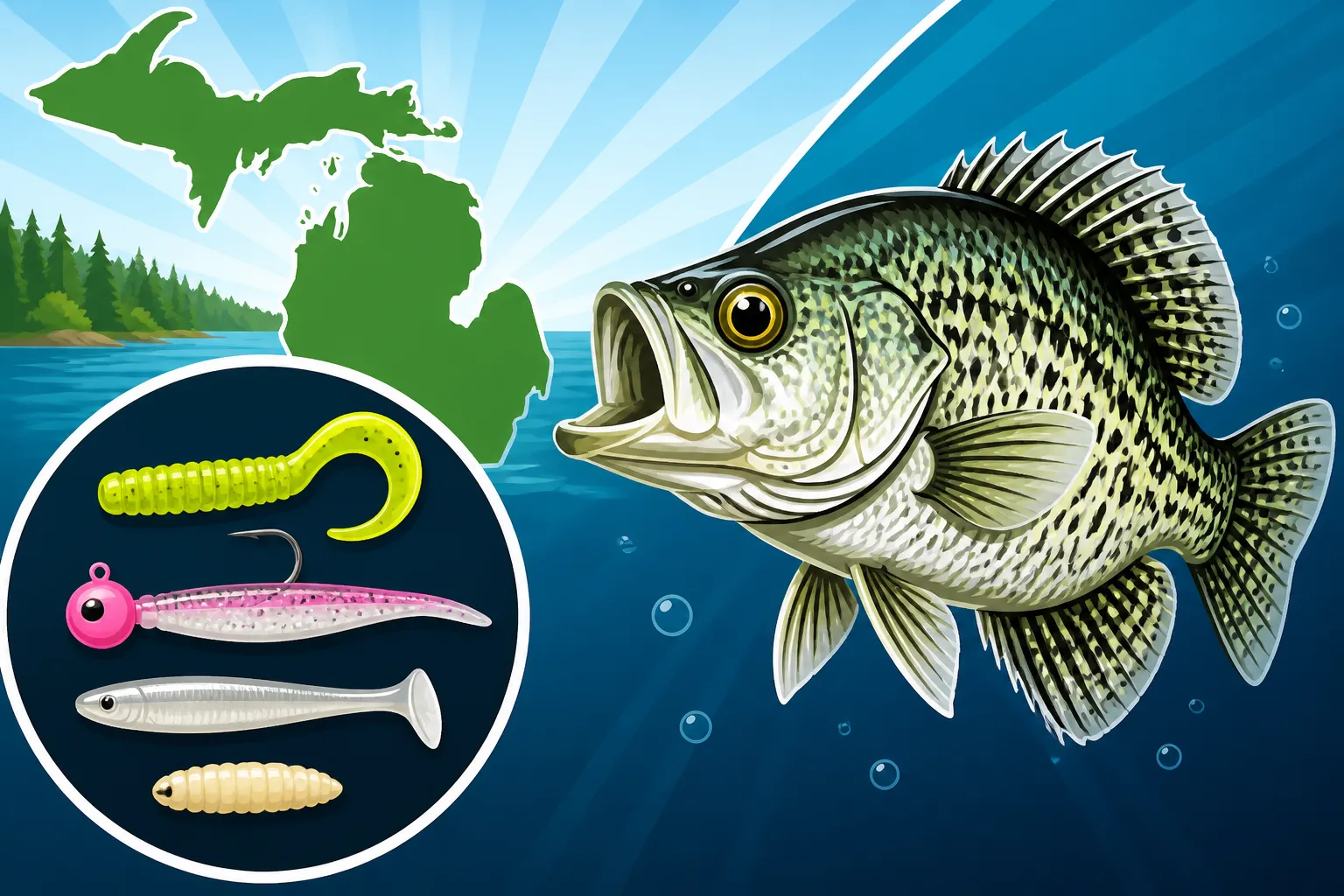
Without a doubt, small jigs tipped with soft plastic bodies are probably the most popular artificial lure for crappie in Michigan. The sheer variety available is mind-boggling, from tiny tube jigs to grub tails, paddletails, and minnow imitations. The key is to keep them small, typically in the 1/32 to 1/16 ounce range, sometimes even lighter. These sizes mimic the small prey items that crappie feed on and allow for a slow, tantalizing fall.
Color choice can be critical. In clear water, natural colors like smoke, clear with glitter, or light greens often work well. In stained or murky water, brighter colors like chartreuse, orange, or hot pink can provide the contrast needed for crappie to see the bait. Experimentation is key! You can find an incredible array of these small jigs and soft plastic bodies on platforms like Amazon, allowing you to stock up on various shapes, sizes, and colors to match any condition. Pairing these with a light jigging rod and sensitive line will allow you to feel even the lightest crappie bite, which can often feel like just a slight tick or added weight on your line. For specific techniques, check out our guide on Jigging Techniques for Michigan Walleye, which can provide some transferable jigging principles.
Crankbaits and Spinners
While less common for static crappie presentations, small crankbaits and inline spinners can be incredibly effective, especially when crappie are more aggressive or when you're trying to cover a lot of water. Tiny crankbaits, often referred to as "micro cranks," that dive to shallow or medium depths can trigger reaction strikes from active crappie. Their erratic swimming action and vibrations can call fish in from a distance.
Inline spinners, with their flashy blades and pulsating skirts or bodies, also create a lot of visual attraction and vibration. These are excellent choices for casting along weed lines or retrieving through open water where crappie might be scattered. Again, the key is size; think lures typically no larger than 2 inches. These baits are particularly useful during warmer months when crappie are more active and willing to chase. Sometimes, a tiny bit of flash and movement is just what's needed to entice a bite, especially if you're trying to find schools of fish in a new area.
Slabs and Spoons for Deeper Water
When crappie move to deeper water, especially during the summer and winter months, lures that can effectively get down to them become essential. Small metal spoons, sometimes called "slab spoons" or "ice spoons," are perfect for this. Their compact design allows them to sink quickly, and their fluttering action on the fall is often irresistible to suspended crappie. These are particularly popular during the ice fishing season.
These spoons typically range from 1/16 to 1/8 ounce and can be tipped with a small piece of minnow or a waxworm for added scent and attraction. Vertical jigging these spoons just above where you mark fish on your sonar is a deadly tactic. The flash and vibration mimic a wounded baitfish, and the crappie will often strike as the spoon pauses or falls. Similarly, small blade baits can also be very effective for deeper crappie, offering a strong vibration and flash when jigged.
Seasonal Considerations for Bait Choice
Crappie fishing isn't a one-size-fits-all endeavor. Their behavior and location change dramatically throughout the year in response to water temperature, sunlight, and spawning cycles. Adapting your bait and presentation to the season is paramount for consistent success.
Spring Crappie Baits
Ah, spring! This is when crappie fever truly takes hold in Michigan. As water temperatures rise into the 50s Fahrenheit, crappie move into the shallower, warmer waters to spawn. They'll be found in protected bays, coves, and backwaters, often in just a few feet of water, relating to submerged brush, docks, and emergent vegetation. During this time, they can be quite aggressive as they prepare to spawn and then guard their nests.
For spring crappie, small jigs tipped with soft plastics (chartreuse, white, or black/chartreuse are perennial favorites) or live minnows suspended under a bobber are incredibly effective. A slow, steady retrieve or a gentle twitch-and-pause motion with a jig can entice strikes. When they are on their beds, a static presentation with a minnow can be unbeatable. Focus on areas that warm up quickly, and don't be afraid to experiment with brighter colors in the shallows. Our guide on Michigan's Spring Trout Opener Techniques might give you some ideas on early-season presentations, though for different species.
Summer Crappie Baits
Summer fishing for crappie can be a bit more challenging as the fish often retreat to deeper, cooler waters once the spawn is over and surface temperatures climb. They tend to suspend in open water over deeper structure, like submerged humps, creek channels, or the deeper edges of weed beds. Finding them can be the biggest hurdle. Once located, they can still be caught in good numbers.
Vertical presentations become key in summer. Small metal spoons, blade baits, or heavy-for-their-size jigs (like a 1/8 oz jig) can get down to the fish quickly. Live minnows, fished on a tight line or under a slip bobber at specific depths, are also deadly. Slow trolling with small crankbaits or jigs can be an excellent way to cover water and find scattered schools of fish. Focus on dawn and dusk, or overcast days, as crappie will be more active in lower light conditions. Using your fish finder to locate schools suspended at specific depths is invaluable during the summer months.
Fall and Winter Crappie Baits
As Michigan transitions into fall, crappie begin to feed heavily, preparing for the lean winter months. They might be found shallower again, moving in and out of coves and along weed lines, but often slightly deeper than their spring haunts. This is a great time for both live minnows and small jigs, as the fish are actively feeding. Pay attention to temperature drops; these can trigger strong feeding frenzies.
When winter sets in and the ice forms, Michigan anglers turn to ice fishing for crappie. This is a time when they school tightly and can offer fantastic action. Tiny jigs (1/32 or 1/64 ounce) tipped with a single waxworm, a spike, or a small piece of minnow are the absolute kings of ice fishing for crappie. Small metal spoons or "slab spoons" jigged vertically are also incredibly effective. The key is to fish slowly and patiently, often just above the bottom or suspended baitfish. You'll typically want to drill multiple holes and move until you find a school. For a deep dive into ice fishing, check out our Michigan Ice Fishing Guide and How to Catch Perch Through the Ice in Michigan for related techniques. Remember to always prioritize ice safety!
Disclaimer
This article is for general informational purposes only and does not constitute professional advice. Laws, prices and regulations vary by location and change over time. Consult a qualified professional for guidance on your specific situation.