What Fish Live in Lake Superior
Lake Superior is a truly wild place, and its sheer size and depth can make you wonder what incredible creatures lurk beneath its frigid surface. Many anglers dream of pulling a trophy fish from its vast expanse, but understanding exactly what fish call this immense lake home, and what makes them tick, is often the first real hurdle. This guide will dive deep into the fascinating world of Lake Superior's fish populations, covering everything from native species to those that have been introduced, and what that means for you, the angler.
The Unique Ecosystem of Lake Superior
When you think of Lake Superior, what comes to mind? Probably vastness, cold, and maybe a bit of mystique. All those things are true, and they profoundly shape the types of fish that can not only survive but thrive here. It's not just another big lake; it's an entirely different beast compared to its shallower, warmer Great Lakes siblings.
Cold, Deep, and Oligotrophic Waters
Lake Superior isn't just cold; it's seriously cold. Even in the height of summer, the deep waters remain frigid, often in the 30s and 40s Fahrenheit. This isn't your typical swimming lake, and that low temperature is a critical factor for its aquatic inhabitants. It’s also incredibly deep, with an average depth of nearly 500 feet and some spots plunging over 1,300 feet. That kind of depth creates vast expanses of dark, cold water where certain species can find refuge and hunt.
Furthermore, Lake Superior is largely "oligotrophic," which is a fancy scientific term meaning it has very low levels of nutrients. Think of it as the nutritional opposite of a rich, fertile farm field. While this makes the water incredibly clear and beautiful, it also means there isn't as much primary production (algae, plant life) compared to, say, Lake Erie. Less base of the food chain means the fish populations, while often large, might not be as dense or diverse as in more nutrient-rich waters. It's a delicate balance, and every fish species has to be well-adapted to these demanding conditions.
Influences on Fish Life
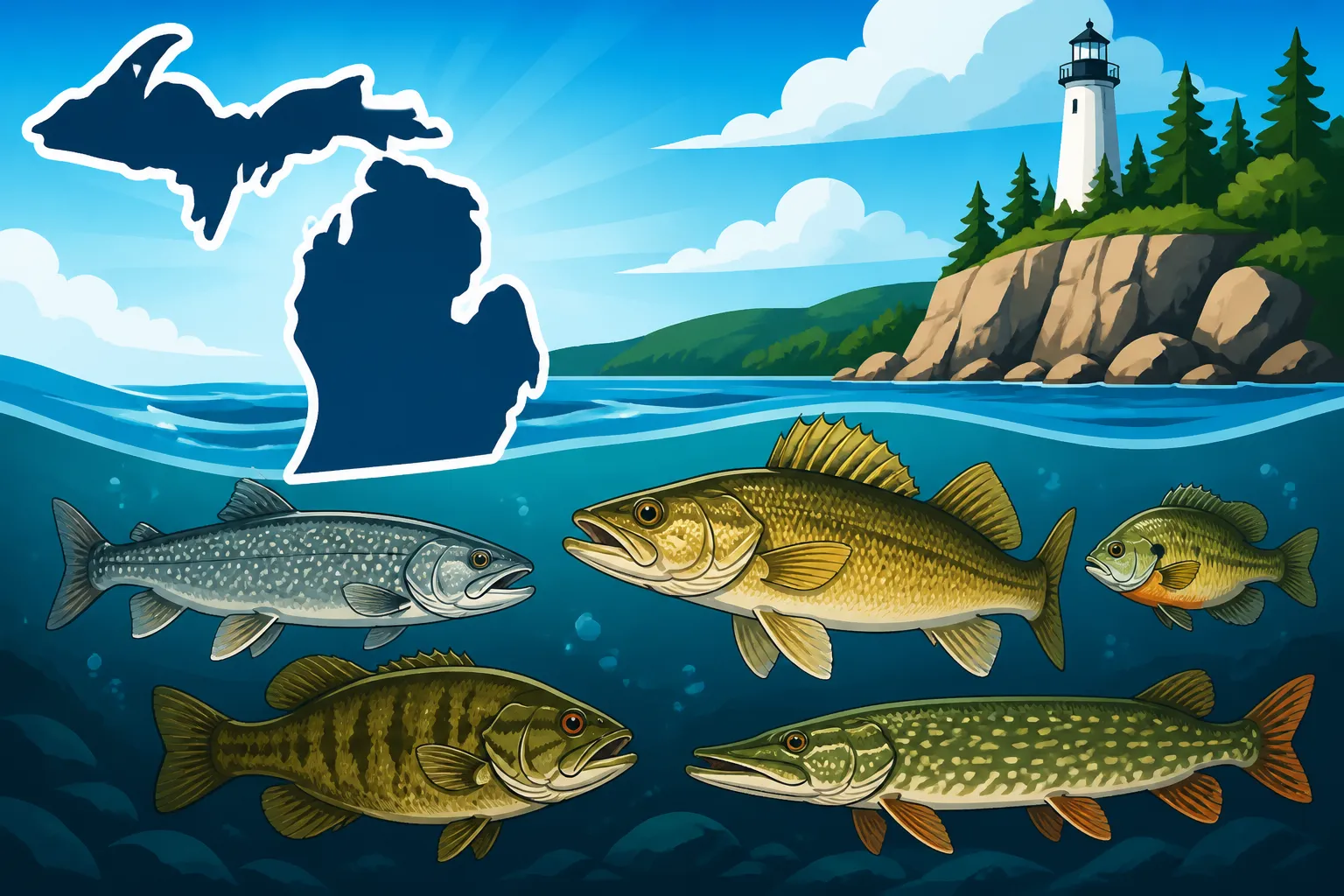
The cold, deep, and nutrient-poor nature of Lake Superior directly influences which fish species can call it home. You won't find the same robust populations of warm-water species like bass or pike dominating here, as you might in Michigan's inland lakes. Instead, the lake favors cold-water species – fish that are built for the chill and can tolerate less abundant food sources. This means a fishery dominated by trout and salmon species, as well as several types of whitefish and cisco that form the backbone of the food web.
These conditions also lead to slower growth rates for many fish. A Lake Superior lake trout might take longer to reach a certain size than one in a warmer, more fertile lake. However, what they lack in speed, they often make up for in sheer size and fighting prowess once they've had years to mature in these challenging waters. The clear water also means fish can be incredibly wary, requiring stealthier approaches and presentations from anglers. For anyone used to fishing warmer, shallower waters, Lake Superior offers a truly unique and often humbling angling experience.
Native Fish Species Thriving in Superior
Lake Superior boasts a rich heritage of native fish species that have evolved over millennia to thrive in its unique, icy depths. These fish are the true residents, perfectly adapted to the cold, clear waters and often providing incredible angling opportunities. Understanding these original inhabitants is key to appreciating the lake's ecological integrity.
Lake Trout: The Reigning Monarch
Without a doubt, the lake trout is the quintessential native fish of Lake Superior, often considered its reigning monarch. These powerful, long-lived predators are perfectly designed for the lake's deep, cold environment. They can be found cruising near the bottom in hundreds of feet of water, or sometimes closer to shore in cooler seasons, hunting for cisco, smelt, and other forage fish. Lake trout here grow to impressive sizes, with 10 to 20-pound fish being common targets, and true giants pushing well over 30 or even 40 pounds still caught by dedicated anglers.
Their coloration varies wildly, from dark olive to silvery, often mottled with light spots, helping them blend into the rocky depths. Catching a lake trout on Lake Superior is a truly memorable experience; they are strong fighters, particularly in the cold water, and their delicious, oily flesh is a prized culinary treat. Fishing for them often involves deep trolling with downriggers or sometimes jigging in specific structures, demanding robust gear to handle their strength and the heavy weights required to get lures down to their depths. If you're looking to target these iconic fish, checking out guides like Best Time to Catch Lake Trout on the Great Lakes can provide invaluable insights.
Brook Trout: The Pristine Stream Dweller
While typically associated with smaller, pristine inland streams, the native brook trout also has a strong presence in the Lake Superior ecosystem, especially in its coastal rivers and nearshore areas. These beautiful fish, with their vibrant colors and distinctive worm-like markings, are often found in the cold, clear tributaries that feed into the big lake. Some "coaster" brook trout, a unique strain, spend part of their lives in the big lake itself, growing larger than their stream-dwelling cousins before returning to rivers to spawn.
These coastal brook trout are a conservation success story, with significant efforts made to restore their populations. Anglers targeting them often do so in the lower stretches of rivers or along rocky shorelines where these fish patrol. They are incredibly wary, requiring a stealthy approach and delicate presentations. For those who cherish a true Michigan gem, seeking out Lake Superior Brook Trout Fishing opportunities can be a rewarding adventure, offering a chance to connect with one of the most beautiful native fish species in the region. You might even want to pick up a specialized fly rod or ultralight spinning setup, easily found on Amazon, to give yourself the best chance.
Whitefish and Cisco: Essential Forage and Delicacies
Beyond the glamour of trout, the various species of whitefish and cisco (a type of whitefish) form the vital backbone of Lake Superior's food web. These silvery, deep-bodied fish are primarily bottom-feeders or pelagic (open-water) forage, consuming insects, crustaceans, and small organisms. While perhaps not as flashy as a salmon, they are incredibly important both ecologically and commercially. Historically, whitefish supported a massive commercial fishery on Lake Superior, and today, recreational anglers still pursue them, particularly through the ice or by jigging in deeper waters.
Lake whitefish are known for their firm, flaky, and delicious white meat, making them a culinary favorite. Various species of cisco, sometimes called "lake herring," are smaller but crucial as a food source for larger predators like lake trout and salmon. Understanding the role of whitefish is important for comprehending the entire Lake Superior fishery, and if you're curious about targeting them, you might find articles on Whitefish Fishing in Michigan helpful. These species truly highlight the clear, cold-water character of the lake.
Northern Pike and Walleye: Less Common, Still Present
While Lake Superior's vastness is dominated by cold-water species, you can still find pockets where warm-water fish like northern pike and walleye reside, primarily in shallower bays, river mouths, and sheltered areas that warm up more significantly during the summer. These locations often have more aquatic vegetation or murkier water, offering the kind of habitat these species prefer.
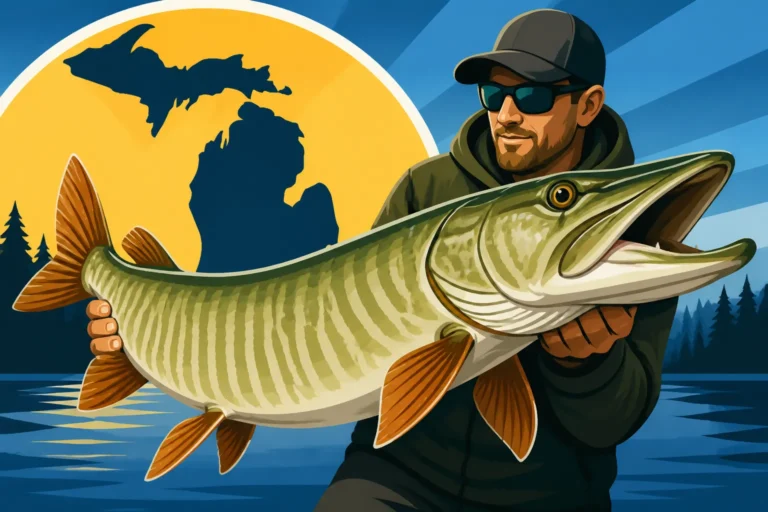
Northern pike, with their sharp teeth and ambush predator tactics, will stake out weed beds and structural elements in these warmer pockets. They can grow to considerable sizes, providing exciting battles for anglers. Walleye, known for their excellent table fare and elusive nature, will also inhabit these specific nearshore areas, particularly where rivers flow into the lake, bringing nutrients and warmer water. However, it's important to set your expectations; you won't typically find the widespread walleye or pike fisheries here that you might encounter in Michigan's inland lakes or even other Great Lakes like Huron or Erie. When pursuing these species in Superior, it’s all about finding those unique, localized habitats. Bringing along a reliable fish finder, which you can research and purchase from sites like Amazon, can greatly assist in locating these specific, shallower structures.
Introduced and Invasive Species in Lake Superior
Like all the Great Lakes, Lake Superior's ecosystem has been significantly shaped by both intentional introductions of non-native species (primarily for sport fishing) and accidental introductions of invasive species. This dynamic interplay has created a complex and ever-evolving fishery, offering new challenges and opportunities for anglers and conservationists alike.
Salmon Species: Great Lakes Success Stories
The introduction of Pacific salmon species into the Great Lakes in the mid-20th century was a monumental undertaking, and on Lake Superior, they have found a niche that, while different from their Pacific counterparts, still provides an incredible sport fishery. Chinook salmon, coho salmon, and even some steelhead (which are anadromous rainbow trout) thrive in Lake Superior's cold, deep waters. These fish spend their lives gorging on the lake's abundant forage base, particularly cisco and smelt, before making spectacular spawning runs into tributary rivers.
- Chinook Salmon: Known for their size and power, Chinook (King) salmon are a prized catch, particularly during summer months when they are actively feeding offshore. They offer thrilling battles for anglers employing deep trolling techniques.
- Coho Salmon: Often a bit smaller than Chinooks but equally acrobatic, Coho salmon provide excellent action, especially in the spring and fall nearshore or in river mouths. They're often caught trolling or casting spoons and plugs.
- Steelhead: These migratory rainbow trout are one of the most celebrated game fish, known for their incredible fighting ability once hooked. They spend years in the cold, clear waters of Lake Superior, growing large and strong, before returning to rivers to spawn. Anglers eagerly anticipate the Fall Steelhead Run in Michigan Rivers and the spring runs, employing techniques like float fishing, fly fishing, and drift fishing. For those looking to learn more about targeting these incredible fish, exploring resources like How to Fish for Steelhead in Michigan is a must.
These salmon species, while not native, have become an integral part of the Lake Superior angling experience, thanks to ongoing stocking programs and the lake's ability to support them. Their presence has undeniably added an exciting dimension to the fishing scene.
Notable Invasive Species and Their Impact
Unfortunately, not all new arrivals in Lake Superior have been beneficial. Invasive species pose a significant threat to native populations and the overall health of the ecosystem. These species arrive through various pathways, including ballast water from ships, accidental releases, and sometimes even through human actions.
- Sea Lamprey: Perhaps the most infamous invasive species in the Great Lakes, sea lamprey are parasitic fish that attach to other fish, feeding on their blood and often killing their hosts. Lake trout populations were devastated by lamprey predation before control efforts significantly reduced their numbers. While control programs have been successful, the threat remains, and monitoring is constant.
- Alewives and Smelt: While now established and even serving as a forage base for salmon, alewives and rainbow smelt were also introduced species that, in their early stages, sometimes caused disruptions to the native ecosystem. Smelt, in particular, are often targeted by ice anglers, but their impact on native forage fish has been a long-standing concern.
- Round Goby: This small, aggressive bottom-dwelling fish arrived via ballast water and has spread throughout the Great Lakes. They compete with native fish for food and habitat, prey on eggs and young fish, and can even transmit diseases. While small, their cumulative impact on the ecosystem is substantial.
- Zebra and Quagga Mussels: These tiny mollusks are notorious filter feeders, drastically altering water clarity by consuming huge amounts of plankton. While clearer water might seem good, it removes the base of the food web, impacting plankton-eating native fish and altering nutrient cycles. They also foul boat hulls, docks, and infrastructure.
The constant vigilance and management of invasive species are critical to protecting Lake Superior's fragile native fish populations and ensuring a healthy fishery for the future. Anglers have a role to play too, by always cleaning their boats and gear to prevent the spread of these unwanted organisms.
| Fish Category | Key Species | Native/Introduced | Primary Habitat | Key Features for Anglers |
|---|---|---|---|---|
| Native Coldwater | Lake Trout | Native | Deep, cold offshore | Large, strong fighters, require deep tactics |
| Brook Trout (Coaster) | Native | Coastal rivers/nearshore | Beautiful, wary, smaller than lake trout, delicate presentation | |
| Lake Whitefish | Native | Deep, cold bottom | Excellent table fare, often caught jigging/ice fishing | |
| Cisco (Lake Herring) | Native | Pelagic (open water) | Key forage for predators, less common sport fish | |
| Introduced Sport | Chinook Salmon | Introduced | Deep, cold offshore | Powerful runs, popular trolling target |
| Coho Salmon | Introduced | Nearshore/offshore | Energetic, acrobatic, good for trolling and casting | |
| Steelhead | Introduced | Lake, tributary rivers | Incredible fighters, strong river runs, require specific gear | |
| Pockets/Limited | Northern Pike | Native | Shallow bays, river mouths | Ambush predators, toothy, in localized areas |
| Walleye | Native | Shallow bays, river mouths | Elusive, excellent eating, localized populations | |
| Invasive | Sea Lamprey | Invasive | Lake, spawning in rivers | Parasitic, controlled but persistent threat |
| Round Goby | Invasive | Bottom-dweller | Competition for food, preys on eggs | |
| Zebra/Quagga Mussels | Invasive | Bottom/substrate | Filter feeders, alter water clarity and food web |
Fishing Opportunities and Management on Lake Superior
Fishing on Lake Superior is an experience unlike any other, offering vast, wild waters and the chance at truly impressive catches. But it also comes with its own set of challenges, from understanding the specific regulations to adapting your techniques to its unique environment. Michigan's Department of Natural Resources (DNR) plays a crucial role in managing these fisheries to ensure their sustainability for generations to come.
Targeting Popular Species
When you head out on Lake Superior, your target species will largely dictate your approach. If you're after those iconic lake trout or the hard-fighting salmon, you'll likely be heading offshore. This often means trolling with specialized gear like downriggers to get your lures down to the incredible depths where these fish feed. Big spoons, flashers with flies, or even large plugs are common choices. Being prepared for the cold, vast expanse is key; stout rods, reliable reels, and a good understanding of sonar and GPS technology are almost essential. You might even find some excellent quality specialized gear on Amazon if you're looking to upgrade.
For those chasing steelhead or coaster brook trout, the focus shifts to the tributary rivers and nearshore areas, especially during their migratory runs. Fly fishing, float fishing with beads or spawn, or casting small spinners and spoons can be incredibly effective. Anglers should always be mindful of Michigan Fishing Season Dates and Rules and specific regulations, as these sensitive fisheries often have unique rules regarding tackle and catch limits. Michigan's Great Lakes Fishing Guide is an invaluable resource for anyone planning a trip.
Remember that Lake Superior can be an unforgiving body of water. Weather conditions can change rapidly, and even relatively small waves can become dangerous quickly. Always check the forecast, have appropriate safety gear, and consider going out with experienced local guides if you're new to the area.
Conservation and Future Outlook
The health of Lake Superior's fish populations is a constant focus of state and federal agencies. The Michigan DNR, in conjunction with other Great Lakes states, tribes, and Canadian authorities, works tirelessly on research, stocking programs, and habitat restoration. For instance, efforts to restore native lake trout and coaster brook trout populations are ongoing and have seen considerable success in many areas. Monitoring invasive species and implementing control strategies, like those for sea lamprey, are also critical components of this management.
As an angler, you are an important part of the conservation puzzle. Adhering to Michigan Fishing Regulations Every Angler Should Know, understanding Michigan's Combined Trout and Salmon Possession Limit, and practicing responsible catch-and-release, especially for vulnerable species or those you don't intend to keep, helps ensure that the fishery remains healthy. Participating in angler surveys, or simply reporting unusual catches or observations, can also provide valuable data to fisheries managers. The future of Lake Superior's incredible fish populations relies on a combination of sound scientific management and the active stewardship of everyone who enjoys its magnificent waters. Acquiring your Michigan Fishing License Guide for Residents and Nonresidents is the first step in supporting these vital conservation efforts.
Disclaimer
This article is for general informational purposes only and does not constitute professional advice. Laws, prices and regulations vary by location and change over time. Consult a qualified professional for guidance on your specific situation.