What Fish Live in Lake Huron
Navigating the vast and beautiful waters of Lake Huron can be both exhilarating and a little overwhelming, especially when you're trying to figure out what's biting. Many anglers arrive with hopes of landing a specific trophy, only to find themselves wondering which fish truly call these waters home. This guide is here to unravel the mysteries of Lake Huron's underwater world, helping you understand the incredible diversity of fish species you can encounter and giving you a better chance at a successful outing.
The Diverse Ecosystem of Lake Huron
Lake Huron is a truly magnificent body of water, and its sheer size and variety of habitats are precisely why it supports such a rich diversity of fish species. From its deep, frigid depths to its shallow, sun-warmed bays and tributaries, there's a niche for almost every type of aquatic life. Understanding these environments is key to knowing what fish live where and how to target them effectively.
A Great Lake with Varied Habitats
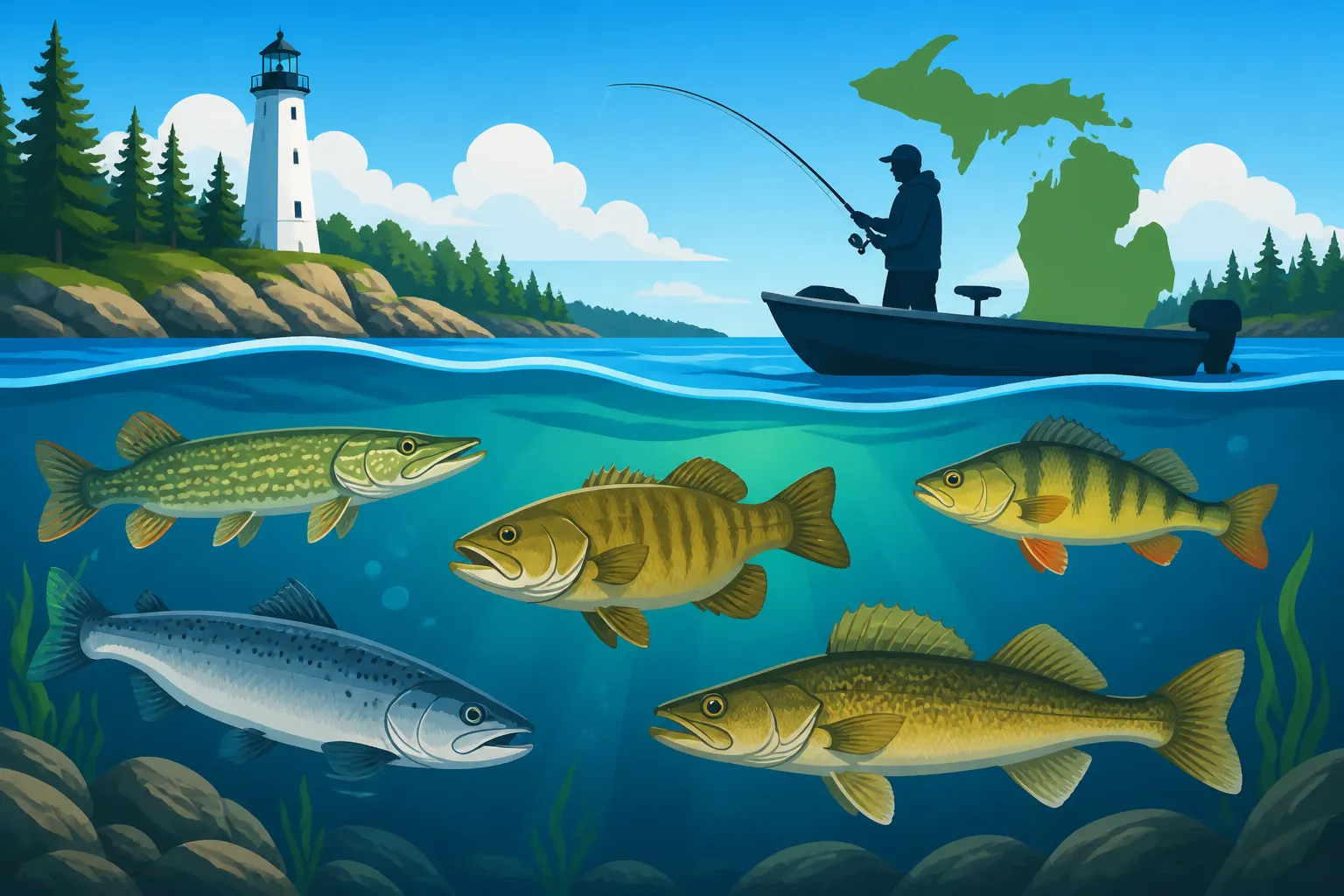
Think about Lake Huron, and you might immediately picture its vast, open waters. These deep, cold expanses are crucial for supporting a thriving population of salmon and trout, which prefer cooler temperatures and ample oxygen. They roam these offshore areas, often following baitfish schools that move with the seasons. But Lake Huron is far more than just deep water. It also boasts incredible shallow bays, like the famous Saginaw Bay, which are veritable nurseries for warm-water species. These bays, often only 10-20 feet deep, warm up quickly in the spring and summer, fostering dense weed beds and abundant invertebrate life that attract walleye, yellow perch, northern pike, and bass.
Beyond depth and temperature, the bottom structure plays a huge role. You'll find rocky reefs and shoals, remnants of ancient geological activity, that provide perfect ambush points for smallmouth bass and lake trout. Sandy flats are ideal for certain baitfish and can attract cruising walleye. Areas where rivers feed into the lake create unique current patterns and nutrient-rich zones, drawing in migrating species and providing critical spawning grounds. For anglers, this means you can experience vastly different fishing styles and target a wide array of species just by moving from one part of the lake to another, whether you're casting from a pier, drifting a boat, or Shore Fishing Techniques for Michigan's Great Lakes.
Impact of Invasive Species and Conservation Efforts
Like all the Great Lakes, Huron's ecosystem has undergone significant changes over the decades, largely due to human activity and the introduction of non-native species. Historically, problems like the sea lamprey decimated native lake trout populations, disrupting the natural balance. While significant strides have been made in controlling lamprey populations, other invaders like zebra and quagga mussels have dramatically altered water clarity and nutrient cycling. These mussels filter vast amounts of water, making it clearer, which can affect the behavior and distribution of fish species, especially those that prefer murkier conditions. The round goby, another invasive species, has become a significant food source for some predatory fish, but also competes with native species for food and habitat.
Despite these challenges, Michigan's Department of Natural Resources (DNR) and other conservation groups work tirelessly to manage and restore the lake's fisheries. This involves extensive stocking programs for species like Chinook salmon, Coho salmon, and Atlantic salmon, as well as efforts to support naturally reproducing populations of lake trout and walleye. Regular monitoring and adaptive management strategies are crucial to maintaining the health and diversity of Lake Huron's fish populations, ensuring there are still plenty of fish for future generations to enjoy. If you're curious about how these efforts tie into funding, you might want to read Where Michigan Fishing License Money Goes.
Cold-Water Giants: Salmon and Trout Species
When many anglers dream of Lake Huron, they're often picturing the thrilling fight of a chrome-bright salmon or a powerful lake trout. These cold-water species are the main draw for offshore trolling and make for some truly unforgettable angling experiences.
Chinook and Coho Salmon
The kings of the Great Lakes, Chinook salmon, are a truly magnificent species that thrive in Lake Huron's deeper, cooler waters. These fish are renowned for their incredible size and brute strength, offering a powerful fight that can test even seasoned anglers. They were introduced to the Great Lakes as a way to control alewife populations and have since established robust fisheries, largely maintained through ongoing stocking efforts. Chinook are typically found in the open lake, feeding on baitfish like alewives and smelt. Their silvery bodies with spotted tails are a common sight on charter boats, especially during the summer months and into the fall when they stage near rivers for their spawning runs. You can find excellent advice on targeting these magnificent fish in Trolling for Chinook Salmon on Lake Michigan.
Coho salmon, often called "silver salmon," are another popular species introduced to Lake Huron. While generally smaller than Chinooks, they are famous for their acrobatic jumps and spirited battles. Coho tend to cruise shallower water columns than Chinooks, often found closer to the surface, making them a favorite for anglers using planer boards or surface lines. They have a more silver appearance with fewer spots than Chinook and are a fantastic target in spring and early summer before heading towards their spawning rivers in the fall. Both Chinook and Coho provide exciting fishing opportunities and are delicious table fare, making them highly sought after by those venturing out on the big water. Learning more about their habits can dramatically increase your success, and a good resource for this is Michigan Salmon Species Explained.
Lake Trout, Splake, and Atlantic Salmon
Lake trout are the true native giants of Lake Huron's deep, cold abyss. These ancient, long-lived fish are perfectly adapted to the frigid, oxygen-rich depths, often found near rocky structures or drop-offs. They can grow to impressive sizes, with large, mottled bodies that camouflage them perfectly against the lakebed. Lake trout are typically targeted by deep-water trolling with downriggers or by jigging. They offer a strong, steady pull that's characteristic of a big, heavy fish. While their populations were once severely impacted by sea lamprey, extensive stocking and lamprey control efforts have led to a significant comeback, especially in the northern reaches of Lake Huron and areas like Thunder Bay.
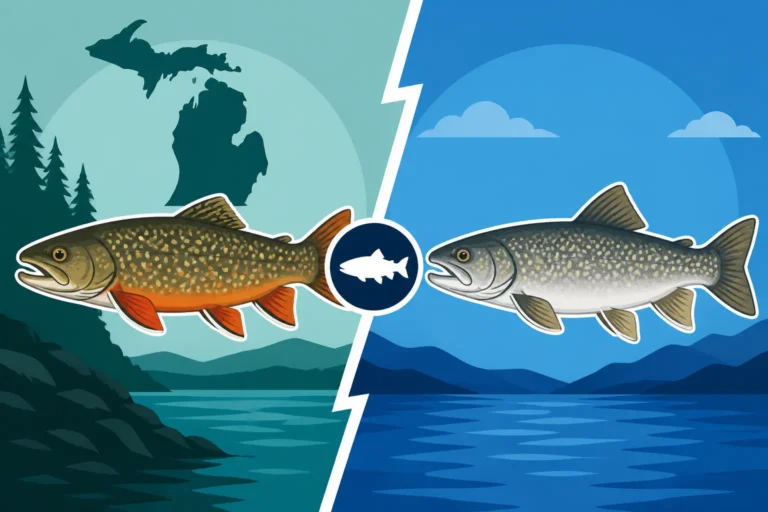
Splake, a fascinating hybrid cross between a male brook trout and a female lake trout, are also stocked in Lake Huron. These fish combine the aggressive fighting nature of brook trout with some of the size potential of lake trout, though they don't typically grow as large as true lake trout. They tend to prefer habitats that are a bit shallower than their lake trout parents, often found in transition zones. They offer a unique angling experience and are a popular target, especially for those who enjoy a lively fight. Lastly, Atlantic salmon, though less numerous than Chinook or Coho, are another exciting species stocked in Lake Huron, primarily in certain areas of the lake. Known for their beautiful silver appearance and incredible leaping ability, they offer a truly challenging and rewarding fight. Many anglers consider an Atlantic salmon a prized catch due to its rarity and unique fighting style, and it's always an unforgettable experience when you hook into one.
Warm-Water Wonders: Walleye, Perch, and Bass
While the deep waters hold the salmon and trout, Lake Huron's vast shallow bays and nearshore areas come alive with fantastic warm-water fishing opportunities. These species are often more accessible to shore anglers or those with smaller boats, making them incredibly popular targets.
Abundant Walleye and Yellow Perch
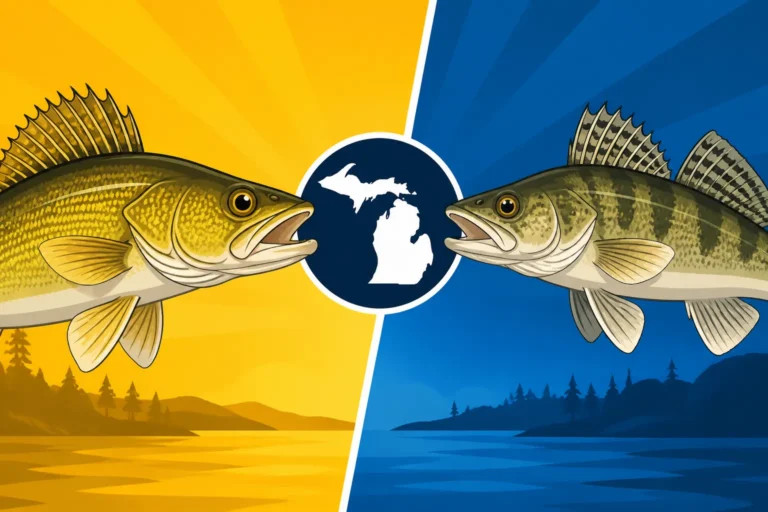
Saginaw Bay, an enormous arm of Lake Huron, is arguably one of the finest walleye fisheries in the entire Great Lakes region. The shallow, nutrient-rich waters of the bay create an ideal environment for walleye to thrive, growing to impressive sizes. Walleye are highly sought after for their delectable white, flaky meat and their challenging bite. They are light-sensitive, often preferring dawn, dusk, or even night fishing, and can be found over sandy or gravel bottoms, or near weed lines. Anglers use a variety of techniques, including jigging, casting crankbaits, or trolling with crawler harnesses, to entice these elusive fish. Saginaw Bay, Michigan, Walleye Fishing on Lake Huron offers incredible opportunities for both numbers and trophy-sized fish, and many Michigan anglers make annual pilgrimages there.
Yellow perch are another incredibly popular species in Lake Huron, especially in Saginaw Bay and other shallower areas. These schooling panfish are a favorite for family fishing trips and ice fishing excursions due to their willingness to bite and their fantastic flavor. Perch are often found congregated around weed beds, docks, or other submerged structures, feeding on insects, crustaceans, and small minnows. They're typically caught with small hooks, light line, and live bait like worms or minnows, making them an accessible target for anglers of all skill levels. You can easily find tackle for perch fishing on Amazon, from small bobbers to tiny jigs. Their abundance and delicious taste make them a staple of many Michigan fishing traditions.
Largemouth and Smallmouth Bass
Lake Huron also boasts excellent bass fishing, particularly for smallmouth and largemouth bass. Smallmouth bass, true to their name, prefer rocky, clearer water habitats. You'll find them cruising near rocky points, shoals, and offshore structures, especially in areas with good water clarity and current. They are notorious for their powerful fights, often jumping clear of the water when hooked, making them a favorite sport fish. Casting crankbaits, jigs, or soft plastics around structure is a common and effective way to target these bronzebacks. Their aggressive nature and stunning acrobatics provide an adrenaline rush for any bass enthusiast.
Largemouth bass, on the other hand, are typically found in the shallower, warmer, and often weedier bays and protected inlets of Lake Huron. These ambush predators prefer to hide among dense vegetation, fallen logs, and other cover, waiting for unsuspecting prey. They're often targeted with topwater lures, weedless jigs, or plastic worms fished close to cover. While perhaps not as widespread throughout the entire lake as smallmouth, pockets of fantastic largemouth fishing can be found, particularly in areas like the inner reaches of Saginaw Bay or other protected harbors. Both bass species offer exciting fishing action, providing a thrilling contrast to the deeper-water trolling for salmon and trout.
Northern Pike and Muskellunge: Apex Predators
If you're looking for toothy, aggressive predators that demand respect, Lake Huron certainly delivers with its populations of Northern Pike and the elusive Muskellunge. These fish are at the top of the food chain in many of their preferred habitats and provide some truly heart-pounding moments for anglers.
The Elusive Muskellunge
The muskellunge, often simply called "muskie," is the ultimate freshwater trophy fish for many anglers, and Lake Huron holds a respectable population, particularly in certain bays and connected waters. These fish are known as "the fish of 10,000 casts" for good reason – they are notoriously difficult to catch. Muskie are apex predators, growing to immense sizes with powerful jaws and rows of razor-sharp teeth. They prefer clear, cool water with plenty of weed beds, submerged timber, or rocky structures where they can ambush prey. Catching a muskie typically involves casting large lures, like bucktails, crankbaits, or glide baits, or slow trolling massive plugs. The experience of hooking into a muskie is unforgettable, as they offer explosive strikes and powerful runs.
Due to their elusive nature and status as a top predator, muskie fishing often emphasizes catch-and-release practices to help sustain their populations. If you're lucky enough to land one, proper handling is crucial to ensure its survival. Learning about Muskellunge Fishing in Michigan is a journey, and preparing with the right gear, including a heavy-duty net and long-nose pliers, is essential. You can find specialized muskie lures and tools on Amazon, designed to handle these powerful fish.
Aggressive Northern Pike
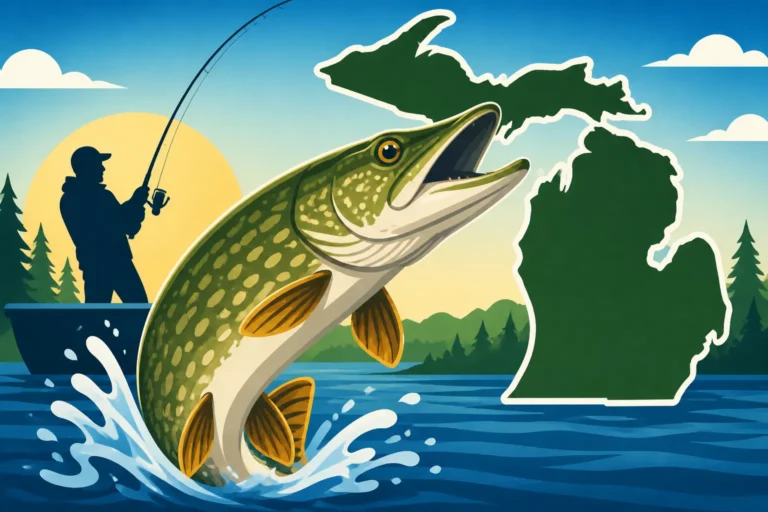
Northern pike are another formidable toothy predator found throughout Lake Huron, often in similar habitats to largemouth bass – shallow, weedy bays, river mouths, and protected coves. While they don't typically reach the gargantuan sizes of muskie, pike are incredibly aggressive fighters and can grow large enough to provide a fantastic challenge. Their torpedo-shaped bodies and keen eyesight make them efficient ambush predators, lurking in vegetation waiting for baitfish, frogs, or even small ducks. Pike are readily caught using a variety of methods, including casting spinnerbaits, spoons, large crankbaits, or even live minnows under a bobber.
Pike are particularly popular targets during ice fishing season when they can be caught on tip-ups baited with large shiners or suckers. Their voracious appetites mean they're often willing to bite, providing consistent action. While often overlooked for their larger muskie cousins, northern pike offer accessible and exciting fishing, making them a great option for anglers looking for a strong fight without the same level of dedication required for muskie. They're excellent table fare as well, especially when properly filleted to remove their Y-bones.
Other Notable Species and Panfish
Beyond the marquee game fish, Lake Huron's waters are home to a fascinating array of other species, some important for the ecosystem, some for the table, and others simply adding to the overall biodiversity.
Whitefish and Cisco
Lake whitefish are a highly prized native species, known for their delicate, flaky, and delicious meat. These fish are primarily found in the deeper, colder parts of Lake Huron, often congregating around submerged reefs, shoals, and drop-offs. They feed primarily on benthic invertebrates, like amphipods and small crustaceans, which they sift from the lakebed. Whitefish are often targeted by commercial fishermen, but recreational anglers can catch them through jigging or using specialized rigs that present bait near the bottom. During certain times of the year, particularly late fall, they move into shallower waters for spawning, making them more accessible to sport anglers. You can explore more about Whitefish Fishing in Michigan to understand the nuances of targeting these subtle biters.
Cisco, also known as lake herring, are another native species that inhabit the deep, cold waters of Lake Huron. Historically, they were a significant forage fish for larger predators like lake trout and also supported a commercial fishery. While their populations have fluctuated over the years, they remain an important part of the lake's food web. Cisco are often caught incidentally by anglers targeting other deep-water species, but they can be specifically targeted with small spoons or jigs in open water. They are excellent smoked or pan-fried, offering a rich, oily flavor.
Panfish Galore: Bluegill, Crappie, and Rock Bass
For those looking for more relaxed fishing or introducing kids to the sport, Lake Huron's many protected bays, marinas, and connecting rivers offer fantastic opportunities for panfish. Bluegill, with their distinctive dark spot on the gill cover, are incredibly popular, known for their feisty fight on light tackle and their excellent eating quality. They can be found around weed beds, docks, and submerged structures, eagerly biting on small worms, crickets, or tiny jigs. Crappie, both black and white varieties, are another sought-after panfish. They tend to school up around submerged brush piles, fallen trees, and bridge pilings, especially during spring and fall. Small minnows, jigs, or soft plastic baits are usually the ticket for these schooling fish.
Rock bass, easily identifiable by their large red eyes and mottled brown bodies, are abundant throughout Lake Huron's rocky shorelines and shallow, clear-water areas. They are aggressive eaters and readily take a variety of small baits and lures, making them an excellent choice for beginner anglers or those just looking for consistent action. While not reaching the sizes of salmon or walleye, these panfish species provide accessible, fun, and delicious fishing opportunities that are perfect for a family day out or a casual afternoon on the water. A simple panfish rig can be purchased easily from Amazon and set up quickly.
Summary of Lake Huron Fish Species
To give you a clearer picture of the incredible diversity we've talked about, here's a quick reference table of some of the most prominent fish species you can find in Lake Huron, along with their preferred habitats and typical fishing seasons.
| Fish Species | Preferred Habitat | Common Fishing Season | Key Characteristics |
|---|---|---|---|
| Chinook Salmon | Deep, open lake; near river mouths during spawn | Summer, Fall | Large, powerful, spotted tails |
| Coho Salmon | Open lake, often shallower than Chinook; near river mouths | Spring, Summer, Fall | Silver, acrobatic, fewer spots |
| Lake Trout | Deep, cold waters; rocky reefs, drop-offs | Year-round (ice fishing too) | Native, large, mottled, strong pull |
| Splake | Deep, cool waters, shallower than Lake Trout | Year-round (ice fishing too) | Hybrid, combines traits of brook and lake trout |
| Atlantic Salmon | Open lake, specific stocked areas | Summer, Fall | Rare, silver, acrobatic, spirited fight |
| Walleye | Shallow to moderate depths; bays, rocky areas, weed lines | Spring, Summer, Fall (night) | Prized for eating, light-sensitive eyes, subtle bite |
| Yellow Perch | Shallow bays, weed beds, docks, structures | Year-round (ice fishing too) | Schooling panfish, great for kids, delicious |
| Smallmouth Bass | Rocky structures, clear water, shoals | Spring, Summer, Fall | Aggressive fighter, aerial jumps |
| Largemouth Bass | Weedy bays, submerged cover, shallow protected areas | Spring, Summer | Ambush predator, prefers heavy cover |
| Muskellunge | Clear water, dense weed beds, submerged timber | Summer, Fall | Trophy fish, elusive, large, toothy |
| Northern Pike | Weedy bays, shallow coves, river mouths | Year-round (ice fishing too) | Aggressive, common, torpedo-shaped |
| Lake Whitefish | Deep, cold waters; reefs, shoals | Year-round (seasonal inshore) | Prized for eating, delicate flavor, bottom feeder |
| Bluegill | Shallow, weedy areas, docks, submerged structures | Spring, Summer | Common panfish, feisty on light tackle |
| Crappie | Brush piles, fallen trees, bridge pilings | Spring, Fall | Schooling panfish, good eating |
Lake Huron truly offers something for every type of angler, whether you're chasing trophy fish offshore or enjoying a relaxing day catching panfish from the dock. The key is to understand the diverse habitats and seasonal patterns of the fish that live there.
Disclaimer
This article is for general informational purposes only and does not constitute professional advice. Laws, prices and regulations vary by location and change over time. Consult a qualified professional for guidance on your specific situation.