Invasive Fish Species in Michigan Waters
It's disheartening to head out for a peaceful day of fishing on one of Michigan's incredible lakes or rivers, only to encounter a species that just doesn't belong. These unwelcome guests can cause real problems for our beloved native fish and the waters we cherish. This guide is here to shed light on invasive fish species in Michigan, help you understand their impact, and show you how you can be a crucial part of protecting our precious aquatic ecosystems.
Understanding the Threat: What Are Invasive Fish Species?
When we talk about "invasive species," it's easy to picture something menacing from a sci-fi movie. But in reality, it's often a fish that might look harmless, perhaps even familiar, but it's in the wrong place at the wrong time. These species are a major concern for Michigan's waters because they can wreak havoc on the delicate balance of our natural environment.
Defining Invasive Species
An invasive species isn't just any non-native animal or plant. The key distinction is that it's a non-native organism whose introduction causes, or is likely to cause, economic or environmental harm or harm to human health. Think about it: our native fish, plants, and insects have evolved over millennia to coexist, forming a complex food web and habitat structure. When an outsider comes in, especially one with no natural predators or specific diseases in its new environment, it can disrupt everything. They might eat native fish food, prey on young native fish, or even spread diseases that native species have no immunity to. It’s a bit like inviting a disruptive guest to a carefully orchestrated dinner party – things can quickly go sideways!
How Invasive Fish Arrive in Michigan Waters
It's natural to wonder how these fish even get here in the first place. The truth is, there are several pathways, and often, human activity plays a significant role, sometimes unintentionally. One common way is through commercial shipping, where ballast water taken on in foreign ports can carry fish eggs, larvae, or even adult fish. When this ballast water is discharged into the Great Lakes, these hitchhikers find a new home. Another significant vector is through the pet trade or aquaculture, where fish are imported and then, unfortunately, sometimes released into local waters when they outgrow their tanks or are no longer wanted. Anglers also play a role, sometimes by moving baitfish from one body of water to another, accidentally introducing species or parasites. Michigan Fishing Regulations Every Angler Should Know outlines many of the rules designed to prevent these kinds of introductions.
Why Invasive Species Thrive in New Environments
The reason these invaders are so successful can often be attributed to a combination of factors. First, as mentioned, they often lack natural predators or diseases in their new environment, giving them a significant advantage over native species. Second, many invasive species are highly adaptable and prolific breeders, meaning they can reproduce quickly and in large numbers. Imagine a species that lays thousands of eggs, and there's nothing around to eat those eggs or the subsequent fry. They can quickly overwhelm an ecosystem. Finally, many of our Michigan waters, especially the Great Lakes, are vast and interconnected, providing ample habitat and food sources for these opportunistic invaders. They might even outcompete native species for prime spawning grounds or preferred foraging areas, tipping the scales heavily in their favor.
The Most Notorious Invaders: Key Species in Michigan
Michigan has unfortunately become home to several invasive fish species, each with its own unique set of problems it brings to our waters. Knowing who these culprits are is the first step in understanding the challenge we face.
Asian Carp: Bighead, Silver, and Grass Carp
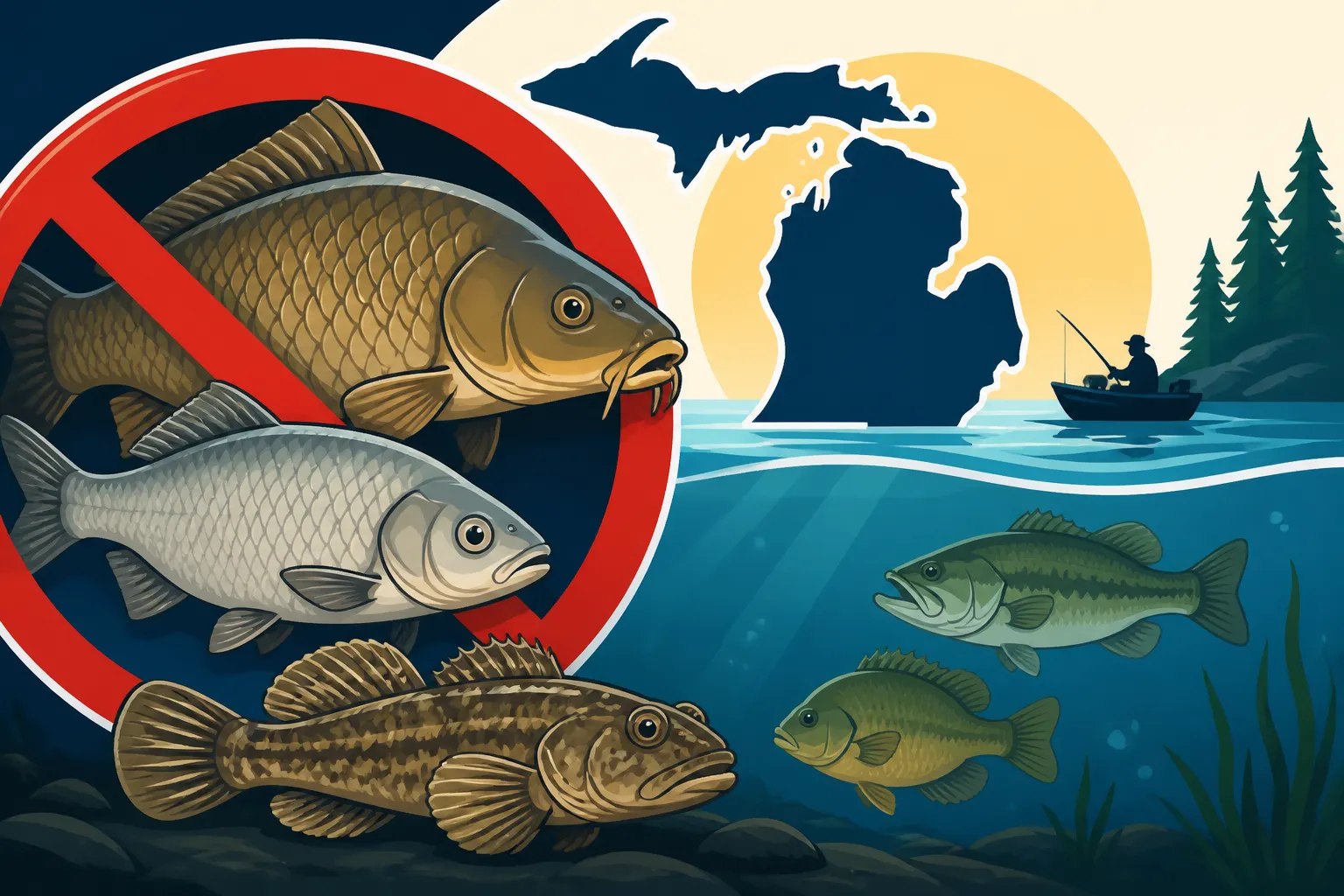
When most people hear "Asian Carp," they immediately think of those massive fish that leap out of the water. While that's often the Silver Carp, the term encompasses a few different species, and their potential impact on Michigan is immense. Bighead and Silver Carp are filter feeders, meaning they consume vast quantities of plankton – the very base of the aquatic food web. Our native fish, like Walleye and Perch, rely on plankton for their young, and a reduction in this food source could devastate their populations. Grass Carp, on the other hand, are voracious herbivores, capable of eating up to 40% of their body weight in aquatic vegetation daily. This can strip lakes and rivers of vital plant life that serves as habitat and food for countless native species. The threat of Asian Carp entering the Great Lakes from the Mississippi River system via canals remains a significant concern, constantly being monitored and battled.
Round Goby
The Round Goby is a small, bottom-dwelling fish that has already firmly established itself throughout the Great Lakes system and many inland waters. Originally from the Black and Caspian Seas, they arrived in the Great Lakes via ballast water. While small, their impact is anything but. They are aggressive, outcompeting native bottom-dwellers like Darters and Sculpins for food and prime spawning sites. They also have multiple spawning cycles per year, allowing their populations to explode. Are Round Goby a Problem in Michigan Waters? Absolutely, they are. They're known to eat the eggs and fry of native game fish, including Smallmouth Bass and Walleye. On the flip side, some native predators, like Smallmouth Bass and Lake Trout, have learned to prey on gobies, leading to some interesting shifts in the food chain. Still, their overall presence disrupts the natural balance.
Sea Lamprey
The Sea Lamprey is perhaps one of Michigan's oldest and most notorious aquatic invaders. These eel-like creatures are parasites, attaching themselves to large fish like Lake Trout, Salmon, and Whitefish, and feeding on their blood and bodily fluids. A single lamprey can kill up to 40 pounds of fish in its lifetime. Their entry into the Great Lakes through shipping canals in the early 20th century decimated Lake Trout populations and severely impacted the commercial and recreational fisheries. Extensive control programs, primarily using lampricides to target lamprey larvae in tributary streams, have been put in place to manage their numbers. Without these ongoing efforts, our valuable Great Lakes fisheries would be in dire straits. Are Sea Lamprey a Threat to Michigan Fish? They were and continue to be, though management has been effective.
Alewife
Alewife are another significant invasive species in the Great Lakes, particularly known for their impact on Salmon and Trout populations. They are a species of herring, and like many invaders, they found their way into the Great Lakes from the Atlantic Ocean via shipping canals. Alewife reproduce prolifically and can outcompete native forage fish, like Cisco and Lake Herring, for food. Even more problematic, Alewife contain an enzyme that can cause thiamine deficiency in predator fish that consume large quantities of them. This deficiency can lead to reproductive failure in species like Lake Trout and Salmon, significantly impacting their ability to sustain natural populations. While they are a primary food source for stocked Salmon, maintaining a balance with native species and managing their boom-and-bust population cycles is a constant challenge for fisheries managers.
Ruffe
The Ruffe is a small, spiny fish from Eurasia that arrived in the Great Lakes via ballast water in the 1980s. While not as widely distributed or infamous as some other invaders, their presence in certain areas, particularly the western Great Lakes and some inland waters, is a concern. Ruffe are highly competitive, outcompeting native perch and minnows for food and habitat. Their sharp spines make them less palatable to predators, giving them another advantage. They can also reproduce at an alarming rate, laying thousands of eggs multiple times a season. Their impact is primarily on the smaller forage fish, which can ripple up the food chain to affect larger game fish.
Here's a quick look at some of these infamous invaders:
| Invasive Species | Primary Impact | Key Identification Features |
|---|---|---|
| Bighead Carp | Consumes plankton, competing with native forage fish. | Large head, low-set eyes, dark blotches, small scales. |
| Silver Carp | Consumes plankton, known for jumping out of water. | Similar to Bighead, but silvery, scales not dark, no dark blotches. |
| Grass Carp | Destroys aquatic vegetation, removes habitat. | Torpedo-shaped body, dark green/brownish back, large scales, terminal mouth. |
| Round Goby | Aggressive, eats eggs/fry, competes with native fish. | Large head, prominent eyes, single fused pelvic fin (suction cup), large dorsal fin with black spot. |
| Sea Lamprey | Parasitic, attaches to fish and feeds on blood/fluids. | Eel-like body, jawless sucking mouth with concentric rows of teeth. |
| Alewife | Outcompetes native forage, causes thiamine deficiency. | Silvery body, large eyes, pointed snout, small scales, usually under 10 inches. |
| Ruffe | Outcompetes native bottom dwellers, spiny. | Large, spiny dorsal fin, brownish-green mottled body, large eyes. |
How Invasive Fish Impact Michigan's Ecosystem
The presence of invasive fish isn't just an inconvenience; it can lead to cascading effects throughout Michigan's diverse aquatic ecosystems. The consequences are far-reaching, affecting everything from the food web to the economy.
Ecological Disruption and Food Web Imbalance
When invasive species establish themselves, they rarely do so quietly. They throw a wrench into the finely tuned gears of the ecosystem. Consider the Round Goby, which eats the eggs of Smallmouth Bass. This isn't just about one species; it can reduce the number of young bass, which then impacts the predators that eat bass, and so on. Similarly, Asian Carp consuming vast amounts of plankton can starve out the native organisms that rely on it, leading to a significant reduction in food for everything higher up the food chain. This ecological disruption can change entire habitats, leading to a less diverse and less resilient ecosystem. It's a fundamental change to the very fabric of our waters. What Fish Live in Lake Michigan and What Fish Live in Lake Huron are just two examples of complex ecosystems deeply affected by these changes.
Competition with Native Species
One of the most immediate and visible impacts of invasive fish is direct competition with native species. Invasive species often have traits that give them an edge. For instance, the Ruffe can feed in low light conditions and tolerate a wider range of water quality, allowing them to outcompete native Yellow Perch for food and habitat. This means fewer resources for our native fish, which can lead to reduced growth rates, lower reproductive success, and ultimately, declining populations of cherished species. It's a battle for survival, and unfortunately, our native fish are often at a disadvantage. This competition extends beyond just food; it can also be for prime spawning grounds, wintering areas, or even safe cover from predators.
Disease Transmission
Another insidious threat posed by invasive species is the potential for disease transmission. Non-native fish can carry pathogens, bacteria, or parasites that our native fish populations have never encountered and thus have no natural immunity to. For example, if an invasive species carrying a particular virus is introduced, it could spread rapidly through a native population that has no defenses, leading to widespread sickness and death. This is why strict regulations on moving live bait and preventing the release of aquarium fish are so critical. It's not just about the fish themselves, but the unseen biological baggage they might carry. It's a silent threat that can decimate fish populations just as effectively as direct predation or competition.
Economic and Recreational Consequences
The impact of invasive fish isn't confined to the natural world; it has significant economic and recreational consequences for Michigan. Our state's multi-billion-dollar fishing industry, charter boat businesses, tackle shops, and tourism all rely on healthy, vibrant fisheries. When invasive species decimate native populations, it reduces fishing opportunities, diminishes catch rates, and can even change the types of fish available to target. For example, the collapse of Lake Trout populations due to Sea Lamprey in the mid-20th century devastated commercial fisheries. Even today, the cost of managing Sea Lamprey alone runs into millions of dollars annually. For recreational anglers, it can mean fewer fish to catch, less enjoyable outings, and the frustrating sight of a once-bountiful lake becoming overrun by undesirable species. It impacts our livelihoods and our passions. Michigan's Great Lakes Fishing Guide relies heavily on managing these threats.
Stopping the Spread: Prevention is Key
Preventing the introduction and spread of invasive species is far more effective and less costly than trying to manage them once they've taken hold. Every angler, boater, and outdoor enthusiast has a role to play in protecting Michigan's waters.
Clean, Drain, Dry Protocol
This is perhaps the most critical action you can take. Every time you move your boat, kayak, or even waders and gear from one body of water to another, you could be unknowingly transporting invasive species, their eggs, or larvae. The "Clean, Drain, Dry" protocol is simple but incredibly effective:
- Clean: Inspect your boat, trailer, and all fishing gear (nets, anchor, ropes, waders, boots) and remove any visible aquatic plants, mud, or debris. This includes pulling weeds from your propeller and inspecting your trailer bunks.
- Drain: Pull your drain plug and drain all water from your boat, livewell, bilge, and bait buckets before leaving the launch ramp. If you're using a kayak, make sure to tip it and get all the water out.
- Dry: Allow everything to thoroughly dry for at least five days before launching into a different body of water. If you can't dry for that long, consider washing everything with high-pressure, hot water (120-140°F) or a diluted bleach solution (one part bleach to ten parts water).
Following this protocol is fundamental. Imagine the millions of individual trips to the launch ramp each year; if everyone did this, the impact would be huge. Michigan Boating Laws for Anglers includes many provisions related to these practices.
Don't Dump Bait
This is another huge one, and it's a mistake many anglers might make without realizing the potential harm. Never, ever release unused live bait (minnows, worms, leeches) or aquarium pets into Michigan's waters. That bucket of leftover shiners could contain an invasive species, or a disease, that could wipe out native fish. If you have leftover bait, dispose of it in the trash, or keep it in a secure, self-contained system at home. This also applies to water in your bait bucket – don't dump it into the lake or river; pour it on land away from any water source. Some fishing bait suppliers on platforms like Amazon now even offer certified disease-free bait or artificial alternatives to help reduce these risks.
Educate Yourself and Others
Knowledge is power. The more you know about the invasive species in Michigan and how they spread, the better equipped you are to prevent their spread and even report new sightings. Take the time to review the Michigan fishing regulations digest, which often includes updated information on invasive species. Talk to other anglers, boaters, and friends about the importance of clean, drain, dry. Share what you've learned. The Michigan DNR and other conservation groups regularly publish resources on their websites and social media to keep the public informed. Remember, many invasive species introductions are accidental, so spreading awareness about responsible practices can make a world of difference.
Managing and Mitigating Invasive Fish Populations
Once an invasive species has established itself, complete eradication is often impossible. The focus then shifts to management and mitigation efforts to control populations and minimize their harm to native ecosystems. This often requires a multifaceted approach involving scientists, government agencies, and sometimes, even anglers.
Removal Efforts and Control Methods
Various methods are employed to control invasive fish populations. For species like the Sea Lamprey, targeted lampricides are used in specific stream habitats during their larval stage to reduce their numbers before they reach the parasitic adult phase. This chemical treatment is highly specific to lamprey and has been incredibly effective. For other species, like Grass Carp, sterile individuals are sometimes stocked to control aquatic vegetation in specific areas without the risk of reproduction. For established populations like the Round Goby, management often focuses on reducing their impact rather than eradication, as their widespread distribution makes removal nearly impossible. In some cases, commercial fishing incentives are used to increase harvest of invasive species, such as Alewife, to reduce their numbers. These efforts are often complex and costly, highlighting why prevention is always the best approach.
Restoration of Native Habitats
Alongside direct control of invasive species, efforts are often made to restore and enhance native habitats. A healthy, resilient native ecosystem is better equipped to resist the impacts of invasive species. This can involve restoring natural flow patterns in rivers, improving water quality, re-establishing native vegetation, or creating diverse spawning and nursery habitats for native fish. By strengthening native populations, they become more competitive against invaders. For example, rebuilding native Lake Trout populations in the Great Lakes not only helps restore a keystone species but also provides a predator that can help manage species like the Alewife. These efforts often require long-term commitments and collaborative projects involving various stakeholders. Learning about What Fish Are Native to Michigan can help inform these restoration goals.
What Anglers Can Do: Be Part of the Solution
As anglers, we're on the front lines of Michigan's aquatic environments. We're often the first to notice changes, and we have a powerful role to play in protecting our waters from invasive species. Your actions, no matter how small they seem, truly add up.
Identification and Reporting
One of the most valuable contributions an angler can make is to learn how to identify invasive species and report any suspected sightings. If you catch a fish that you believe might be an invasive species, particularly one that is not yet widely established (like a new type of Asian Carp), it's crucial to report it. Don't release it! Take photos, note the exact location (GPS coordinates if possible), and contact the Michigan Department of Natural Resources (DNR) immediately. The Michigan's DNR Hunt Fish App for Licenses and Reporting is an excellent tool for this, allowing you to submit information quickly and accurately. Your quick action could prevent a new invasion from becoming firmly established. It's a bit like being an early warning system for our waters.
Responsible Angling Practices
Beyond "Clean, Drain, Dry" and not dumping bait, there are other responsible angling practices that can help. This includes understanding and adhering to all fishing regulations, especially those pertaining to bait use and species-specific rules. For instance, some regulations specify what can and cannot be used as bait in certain waters to prevent the spread of invasive species or diseases. Always read the Michigan Fishing Regulations Digest carefully before you head out. Consider using artificial lures when appropriate, which completely eliminates the risk of introducing live bait species. If you're fishing in waters with known invasive species, be extra diligent with your cleaning practices. Some anglers even consider using products like portable drying stations for waders and boots, which you can find on Amazon, to ensure thorough drying between trips.
Supporting Conservation Efforts
Finally, being part of the solution means supporting the organizations and initiatives dedicated to combating invasive species. This can take many forms:
- Volunteer: Participate in local stream clean-ups, habitat restoration projects, or invasive species monitoring programs. Many local fishing clubs and conservation groups organize these events.
- Advocate: Speak up about the importance of funding for invasive species research and control programs to your local representatives.
- Donate: Contribute to reputable organizations that are actively working on invasive species management in Michigan.
- Purchase Licenses: Your purchase of a Michigan fishing license directly contributes to the funding of fisheries management, including invasive species control, research, and prevention efforts.
By being informed, vigilant, and proactive, Michigan anglers are not just participants in the sport, but vital stewards of our incredible natural resources. Together, we can work to protect our waters for generations to come, ensuring that the only fish we encounter are the ones that truly belong.
Disclaimer
This article is for general informational purposes only and does not constitute professional advice. Laws, prices and regulations vary by location and change over time. Consult a qualified professional for guidance on your specific situation.