Smallmouth Bass Identification in Michigan
Anglers often find themselves staring at a bass, wondering if it's a smallmouth or a largemouth, especially with how similar they can appear at first glance. This confusion isn't just a matter of curiosity; it can impact everything from your fishing technique to staying within Michigan's specific fishing regulations. This comprehensive guide will walk you through the distinctive characteristics of smallmouth bass in Michigan, ensuring you can confidently identify your catch and enjoy your time on the water.
Why Accurate Smallmouth Bass Identification Matters in Michigan
It might seem like a minor detail, but knowing the exact species of bass you've landed is actually incredibly important, especially here in Michigan. It's not just about bragging rights or being a know-it-all on the boat; it has real implications for both conservation and your adherence to the law.
Adhering to Michigan's Fishing Regulations
Let's face it, nobody wants to accidentally break the rules. Michigan has specific Michigan Bag and Size Limits Explained for different species, and bass are no exception. The daily possession limits and minimum size requirements for smallmouth bass can differ from those for largemouth bass, depending on the body of water you're fishing. Imagine catching what you think is a largemouth, only to find out later it was a smallmouth that was undersized for that particular lake. That could lead to a fine, and trust me, that's not the kind of memory you want from a fishing trip. Having a clear understanding helps you make quick, legal decisions right there on the water, preventing potential issues.
Tailoring Your Fishing Techniques
Beyond the legal stuff, proper identification also helps you become a more effective angler. Smallmouth bass, often referred to as "bronzebacks" for their fighting spirit and color, behave differently than largemouth bass. They prefer different structures, depths, and even types of forage. If you're consistently misidentifying them, you might be using the wrong lures, fishing the wrong depths, or even targeting the wrong areas altogether. Knowing you're after smallmouth will lead you to rocky points, clear water, and bait that mimics crayfish or minnows, rather than the weed beds and frogs often favored by largemouth. This understanding can drastically improve your catch rate and the overall enjoyment of your fishing experience. Michigan Smallmouth Bass Daily Limit is one aspect, but the nuances of targeting them are key.
The Distinctive Features of a Michigan Smallmouth Bass
When you pull a smallmouth bass out of the water, there are a few tell-tale signs that will immediately differentiate it from its largemouth cousin. These features are usually quite clear once you know what to look for, even on younger fish.
Mouth Size and Jawline
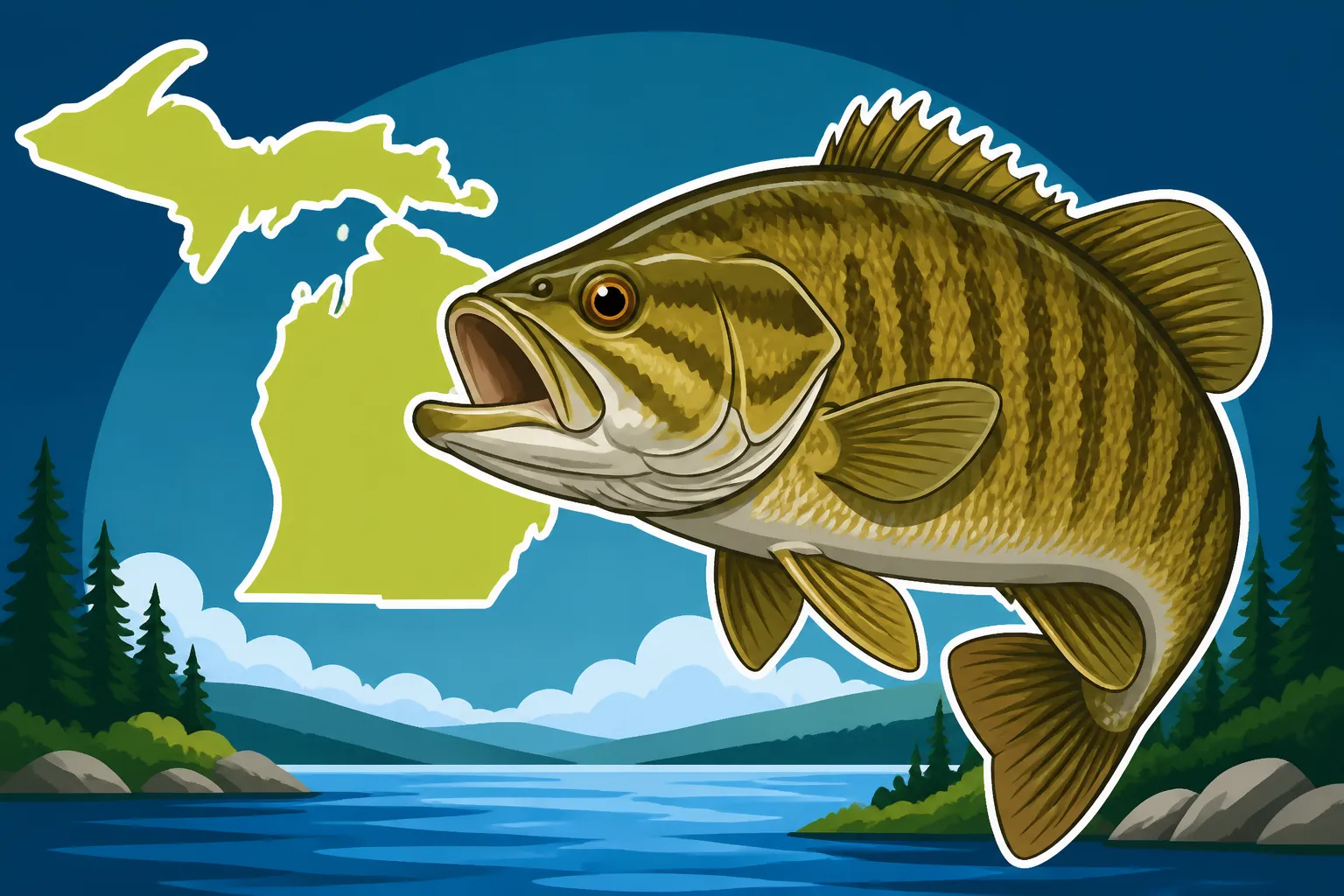
This is often the first and most obvious characteristic. The name "smallmouth" isn't just a cute nickname; it’s literally descriptive of their most distinguishing feature. When you look at a smallmouth bass, its mouth does not extend past the back of its eye. If you imagine a vertical line drawn straight down from the back of the eye, the smallmouth's jaw will typically end before or directly at that line. This is a stark contrast to the largemouth, whose jaw famously extends well beyond the eye. Pay close attention to this detail; it’s one of the most reliable indicators.
Body Coloration and Markings
Smallmouth bass typically sport a beautiful bronze, brown, or olive-green coloration on their backs, fading into lighter sides and a white belly. This bronze hue is why they're so affectionately called "bronzebacks." What's truly distinctive about their markings is the presence of dark, vertical bars or blotches along their sides, rather than a single, distinct horizontal stripe. These vertical markings can sometimes be subtle, almost appearing as mottled patches, but they are almost always present. Their eyes often have a reddish tint, adding to their unique appeal. The exact shade can vary depending on the water clarity and bottom structure of where they live, with fish from clear, rocky lakes often being lighter and more vibrantly colored.
Dorsal Fin Separation
Another critical identifier lies in the dorsal fin. A smallmouth bass has two dorsal fins that are clearly, though not always completely, separated. The spinous (front, rigid) dorsal fin and the soft-rayed (rear, flexible) dorsal fin will have a noticeable dip or even a complete division between them. If you gently run your finger along their back, you'll feel this separation. This is unlike the largemouth bass, which has a deeply notched but typically continuous dorsal fin, where the two sections are still connected by a membrane. This separation is a reliable anatomical feature to look for.
Scales and Lateral Line
While not as immediately obvious as the mouth or color, examining the scales and lateral line can provide further confirmation. Smallmouth bass generally have smaller scales than largemouth. Their lateral line, a sensory organ running along the side of the fish, is usually complete and easy to trace. On a smallmouth, this line might appear less pronounced against the vertical barring compared to the more distinct horizontal line on a largemouth. Sometimes, depending on the fish's stress or water conditions, these features can be harder to discern, but together with the other characteristics, they paint a clear picture.
Smallmouth Bass vs. Largemouth Bass: A Closer Look at the Key Differences
In Michigan, these two species are the most common members of the black bass family you'll encounter, and they are frequently confused. While we've touched on some points, let's break down their differences side-by-side to make identification even clearer. Understanding How to Tell Smallmouth From Largemouth Bass is crucial for any angler in the state.
Mouth Size is the Decider
As mentioned, the mouth is king for identification.
- Smallmouth Bass: The upper jaw (maxillary) typically does not extend beyond the rear margin of the eye when its mouth is closed. Think of it as a more compact, streamlined facial structure.
- Largemouth Bass: The upper jaw extends noticeably past the rear margin of the eye. This gives the largemouth its characteristic "bucketmouth" appearance. This is perhaps the single most reliable visual cue.
Body Shape and Color Patterns
Their overall body shape and the patterns on their sides also offer strong clues.
- Smallmouth Bass: They tend to have a more elongated, torpedo-shaped body, which is efficient for navigating rocky, current-heavy environments. Their coloration is usually that beautiful bronze or olive, with those distinct dark vertical bars or blotches. These blotches can sometimes look like tiger stripes.
- Largemouth Bass: Often have a chunkier, more oval-shaped body, built for ambush predation in heavy cover. Their signature marking is a prominent, dark, horizontal band or stripe running from their head to their tail. While this stripe can sometimes be broken or faded, especially in older or stressed fish, it’s generally present and distinct. Their overall color is typically a darker green, sometimes almost black on the back, fading to lighter green on the sides and a white belly.
Dorsal Fin Connection
This is a subtle but very consistent anatomical difference.
- Smallmouth Bass: The spinous (front) dorsal fin and the soft-rayed (rear) dorsal fin are usually clearly separated. There's a noticeable dip or even a gap between them.
- Largemouth Bass: The two dorsal fins are connected, forming one continuous fin with a deep notch in the middle. Run your hand along the back, and you'll feel it’s all one piece.
Behavior and Preferred Habitat
Their preferred stomping grounds and how they fight are also dead giveaways to their identity.
- Smallmouth Bass: These fish love cool, clear water with rocky bottoms, gravel, and submerged timber. You'll find them in many of Michigan's northern inland lakes and especially in the Great Lakes, where they thrive on rocky reefs and shoals. Lake St. Clair Smallmouth Bass Fishing is a prime example of a fantastic smallmouth fishery. They are notorious fighters, often jumping and making powerful runs once hooked.
- Largemouth Bass: Prefer warmer, murkier water with abundant aquatic vegetation, lily pads, and fallen trees – classic "cover" for ambush. You'll find them in slower rivers, ponds, and the shallow, weedy bays of many Michigan lakes. They tend to fight with powerful head shakes and bulldogging tactics, often trying to dive back into cover.
Here’s a handy table to summarize these key differences:
| Feature | Smallmouth Bass | Largemouth Bass |
|---|---|---|
| Mouth/Jawline | Upper jaw does not extend past rear of eye | Upper jaw extends past rear of eye |
| Coloration | Bronze, brown, or olive; vertical bars/blotches | Dark green to black; distinct horizontal stripe |
| Body Shape | More elongated, torpedo-like | Chunkier, more oval-shaped |
| Dorsal Fins | Two distinct, noticeably separated dorsal fins | One continuous dorsal fin with a deep notch |
| Preferred Habitat | Cool, clear, rocky waters; swift currents | Warmer, weedy, murky waters; still areas |
| Fighting Style | Jumps, strong runs, acrobatic | Powerful head shakes, bulldogging, dives into cover |
Understanding Smallmouth Bass Habitats and Behaviors in Michigan
Knowing where a smallmouth bass should be helps confirm your identification, and also helps you find them in the first place! Michigan offers a fantastic variety of waters for smallmouth.
Favorite Haunts: Clear Water and Rocky Structures
Smallmouth bass are truly lovers of clear water and hard structure. You won't typically find them lurking in dense lily pads or thick submerged weeds like their largemouth cousins. Instead, think about:
- Rocky points and drop-offs: These provide ambush points and access to deeper, cooler water.
- Gravel beds and shoals: Essential for spawning and foraging on crayfish.
- Submerged timber and rock piles: Offer cover from predators and current, as well as places to hide from the sun.
- Current seams in rivers: Smallmouth will sit just out of the main current, waiting for food to drift by.
- Great Lakes reefs and shoreline rip-rap: Michigan's Great Lakes system, especially Lake Michigan and parts of Lake Huron, are phenomenal smallmouth fisheries dueishing to their vast clear waters and rocky expanses. Does Michigan Have Good Shore Fishing on the Great Lakes? Yes, and smallmouth are often a target!
If you're fishing a spot with these characteristics, the odds are much higher that you're dealing with smallmouth bass. This ecological preference is a key part of their identity.
Seasonal Movements and Feeding Habits
Smallmouth bass are quite active and their behaviors change with the seasons, influencing where you find them and what they’ll eat.
- Spring: As water temperatures rise into the 50s and 60s, smallmouth move into shallower, protected bays and flats with gravel bottoms to spawn. They become very aggressive defending their nests. Post-spawn, they are often found gorging on baitfish and crayfish.
- Summer: In the heat of summer, smallmouth often retreat to deeper, cooler waters, concentrating around offshore humps, rock piles, and points, especially during the day. During low light conditions (dawn, dusk) or on overcast days, they might move shallower to feed. Their diet is heavily reliant on crayfish, minnows, and insect larvae.
- Fall: As water temperatures cool down, smallmouth embark on a "fall feed," becoming incredibly active as they try to fatten up for winter. They'll often be found shallower again, aggressively chasing baitfish. How to Catch Smallmouth Bass in the Spring techniques often differ greatly from fall.
- Winter: During ice fishing season, smallmouth will generally be found in deeper, stable areas, often near steep drop-offs or deep rock humps, becoming less active but still catchable.
Observing these patterns helps you predict where to find them and what techniques might be most effective, reinforcing their identification through their very lifestyle.
Tools and Tips for Confident Smallmouth Identification
Even with all the knowledge, sometimes a little extra help goes a long way. Having a few tools and adopting good habits can make positive identification a breeze.
Essential Gear for On-the-Water Verification
A few simple items can make a world of difference when you're trying to figure out what you've caught:
- A good camera or smartphone: Snapping a clear photo allows you to review the fish's characteristics later, or even get a second opinion from a more experienced angler.
- A measuring tape: Essential for checking size limits, and also useful for getting a sense of the fish's overall proportions if you're comparing jawlines. Many anglers carry a fish measuring board, which is invaluable.
- A portable scale: While not for identification directly, a scale is great for weighing your catch, and many are small enough to fit in a tackle box. You can find excellent, durable options on Amazon that also include a tape measure.
- A fishing regulations digest: Always keep a copy, digital or physical, of the current Michigan fishing regulations. This is your ultimate guide for size and creel limits and often includes illustrations of common fish species to help with identification. You can usually find the Michigan Fishing Regulations Digest PDF for 2026 online or at bait shops.
Don't be afraid to take your time and examine the fish carefully. A few extra moments ensure you're compliant and educated.
Best Practices for New Anglers
It's okay to be new to this! We all started somewhere. Here are a few tips to build your identification confidence:
- Practice catch and release: When in doubt, release the fish unharmed. This is always the safest bet if you're unsure about regulations. Catch-and-Immediate-Release Rules for Muskellunge are strict, but it's a good philosophy for any questionable catch.
- Fish with experienced anglers: There's no substitute for learning from someone who's been doing it for years. They can point out subtle nuances you might miss.
- Utilize field guides: Small, waterproof field guides specifically for Michigan fish can be tucked into your tackle box. Many offer clear illustrations and descriptions. You can often find a good variety of these guides on Amazon, perfect for a quick reference on the water.
- Use the Michigan DNR Hunt Fish App: The Michigan's DNR Hunt Fish App for Licenses and Reporting is an amazing resource, not just for licenses, but it often has information and images of fish species found in Michigan waters. It's like having a digital expert in your pocket!
The more you fish and the more you pay attention, the quicker and more accurate your identification skills will become. It's a journey, not a sprint!
Michigan Regulations and Smallmouth Bass
Michigan's commitment to sustainable fishing means that understanding and following regulations for smallmouth bass is incredibly important. These rules are designed to protect fish populations and ensure healthy fisheries for years to come.
Size and Bag Limits for Smallmouth Bass
The most critical regulations to be aware of are the size and possession (bag) limits. These can vary significantly depending on whether you're fishing inland waters or the Great Lakes, and even specific bodies of water might have special regulations. Always check the current Michigan fishing guide before heading out. Generally, there's a minimum size limit to allow fish to spawn at least once before being harvested, and a daily bag limit to prevent overfishing. For instance, sometimes you'll find a Michigan Smallmouth Bass Daily Limit that is combined with largemouth bass, meaning you can only keep a certain number of either species in total.
It's also worth noting that Michigan sometimes has special regulations for specific lakes or rivers to protect certain populations. Always look for signage at boat launches or consult the digital regulation digest to ensure you're up-to-date on any local rules that might supersede general statewide regulations. Ignorance of the law is not an excuse, and wardens are out there protecting our valuable resources.
Special Regulations and Protected Waters
Beyond general statewide limits, some areas in Michigan have unique rules to protect smallmouth bass, especially during vulnerable times like the spawning season. For example, some rivers or lakes might have a catch-and-release only period for bass in the spring, or specific artificial lure restrictions. These special rules are often in place because smallmouth bass are particularly susceptible to harvest during their spawning period when they are concentrated in shallow waters and aggressively protecting their nests.
Understanding these nuances ensures that you're not only identifying your fish correctly but also contributing to the conservation efforts that keep Michigan a premier fishing destination. Taking a few minutes to review the regulations can save you a lot of hassle and help maintain the health of our amazing smallmouth populations. Your local bait shop is a great place to pick up the paper copy of the regulations, or, for quick digital access, the Michigan's DNR Hunt Fish App for Licenses and Reporting is always a good idea.
Disclaimer
This article is for general informational purposes only and does not constitute professional advice. Laws, prices and regulations vary by location and change over time. Consult a qualified professional for guidance on your specific situation.