Where the Muskegon River Empties Into Lake Michigan
It’s a common dilemma for anglers: you hear about incredible fishing at a river mouth, where big migratory fish funnel in and out of the Great Lakes, but pinpointing the exact sweet spot can feel like trying to find a needle in a haystack. The Muskegon River is legendary for its runs of salmon and steelhead, and knowing precisely where it meets the vastness of Lake Michigan is crucial for planning a successful trip. This guide will take you through the geographical intricacies and prime fishing opportunities at this incredible confluence, ensuring you know exactly where to cast your line.
The Journey from Muskegon River to Lake Michigan
Many people imagine the Muskegon River flowing directly into Lake Michigan, much like a faucet into a tub. However, the reality is a bit more nuanced and, frankly, much more interesting for us anglers. The Muskegon River, Michigan's second-longest river, doesn't just empty directly into the Great Lake; it first expands into the sprawling Muskegon Lake, a large, deep freshwater lake often referred to as a drowned river mouth lake. This enormous lake, spanning about 4,149 acres, acts as a critical transition zone and a highly productive fishery in its own right before its waters ultimately join Lake Michigan.
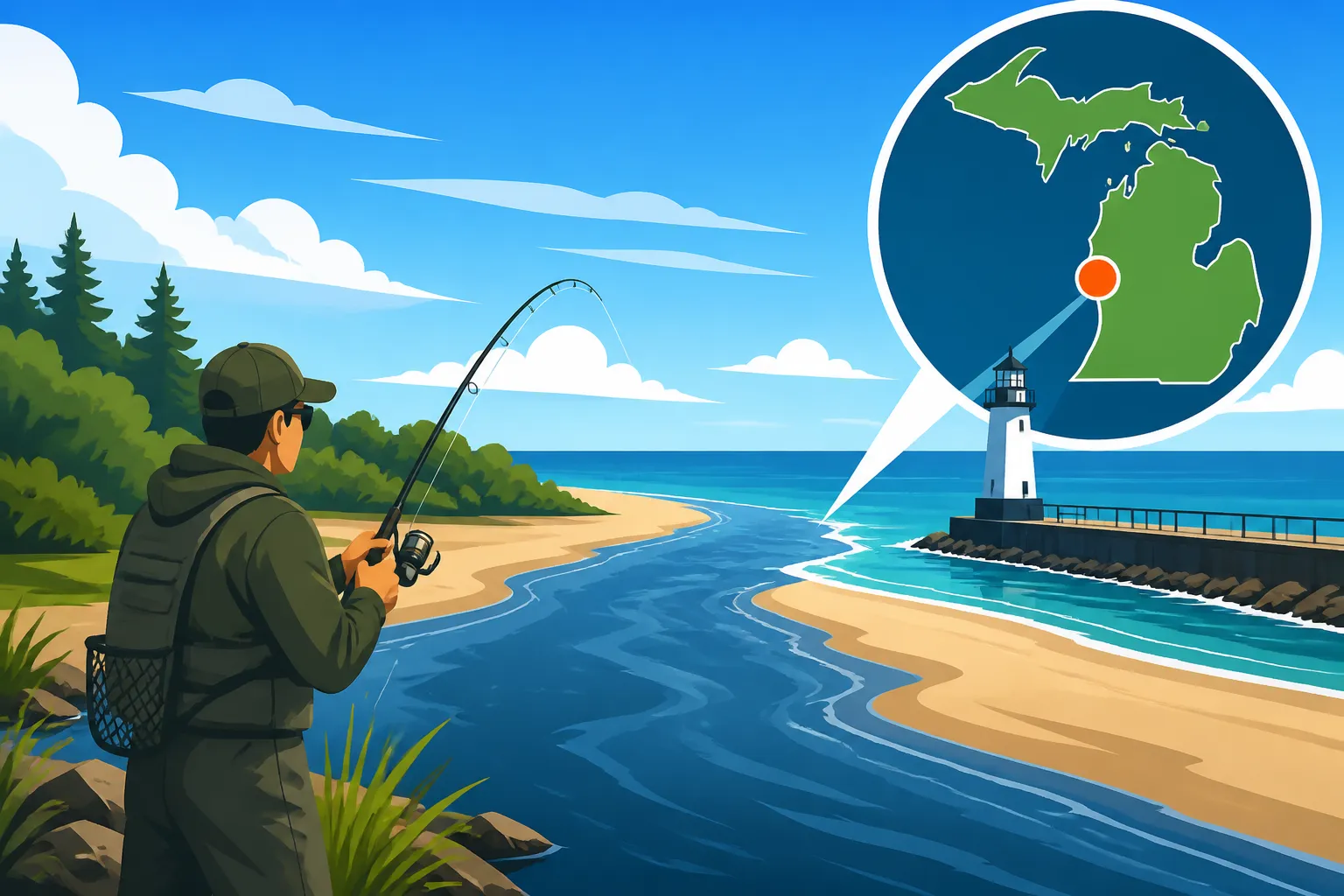
Muskegon Lake is primarily fed by the Muskegon River, bringing rich nutrients and a constant flow that influences the lake's ecosystem. The connection between Muskegon Lake and Lake Michigan is via a defined channel, typically referred to as the Muskegon Lake Channel or the Muskegon Harbor entrance. This channel, maintained for commercial and recreational navigation, is flanked by imposing breakwaters that extend out into Lake Michigan, creating a protected pathway. So, to be precise, the Muskegon River's waters flow into Muskegon Lake, and then Muskegon Lake empties into Lake Michigan through this prominent channel, situated right at the city of Muskegon. This unique configuration creates a fantastic variety of fishing habitats and opportunities that are hard to beat.
The Significance of Muskegon Lake as a Transition Zone
Muskegon Lake isn't just a pass-through; it's a vibrant ecosystem that holds significant numbers of resident fish populations and acts as a staging area for migratory species. The lake's depths and varying bottom structures, from sandy flats to rocky ledges and submerged weed beds, provide ample habitat for a diverse range of fish. The constant influx of river water influences the lake's temperature and oxygen levels, creating dynamic conditions that fish utilize throughout the year.
For species like walleye and yellow perch, Muskegon Lake is a prime hunting ground, offering abundant forage and complex structures. These fish thrive in the slightly warmer, more nutrient-rich waters of the lake, often holding near the deeper channels or around submerged features. Anglers targeting these species often spend their time exploring the vastness of Muskegon Lake rather than just the direct river channel.
The Muskegon Harbor Entrance and Breakwaters
The true gateway to Lake Michigan from the Muskegon River system is the dredged channel and the iconic breakwaters at the mouth of Muskegon Lake. These structures are more than just navigational aids; they are monumental fish magnets. The breakwaters create current breaks and deep pockets, providing shelter and feeding lanes for fish moving between the lake and the river system.
The outer ends of these breakwaters extend into Lake Michigan, often serving as congregation points for baitfish and, consequently, predatory species. During stormy weather, the calm water inside the channel offers a refuge. This specific area, where the maintained channel meets the open waters of Lake Michigan, is where many anglers focus their efforts, especially during the peak migratory runs of salmon and steelhead. It's a classic example of how man-made structures can enhance natural fishing hot spots.
The Angling Riches at this Confluence
The intricate connection between the Muskegon River, Muskegon Lake, and Lake Michigan creates a rich and diverse fishery, making it one of Michigan’s premier angling destinations. From the spring steelhead runs to the colossal fall salmon migration, this area offers year-round opportunities for dedicated anglers. The constant flow of the river into the lake, and then the lake's connection to Lake Michigan, provides critical pathways and feeding grounds for a variety of desirable species.
The sheer volume of water moving through this system, combined with the diverse habitats, means there's almost always something biting. Whether you're casting from a pier, drifting in a boat, or trolling the open waters, understanding the movements and habits of the fish here is key. This confluence truly is a biological highway, drawing in fish from the expansive Great Lakes and providing vital spawning and feeding grounds.
Key Fish Species to Target
When you're fishing where the Muskegon River ultimately empties into Lake Michigan, you're looking at a fantastic lineup of species, each with its peak season. The main draw for many are the anadromous species—those that live in the Great Lakes and run up the river to spawn. However, resident species in Muskegon Lake and the river itself also offer incredible opportunities.
Salmon: Chinook (King) and Coho (Silver) salmon are perhaps the biggest draw here. The fall months, typically from late August through October, see massive runs of these powerful fish heading upstream to spawn. They stage in Muskegon Lake and the channel, gorging themselves before making their final push. Early in the fall, you'll find them cruising the deeper parts of Muskegon Lake and the main channel; later, they'll be concentrated in the lower river sections.
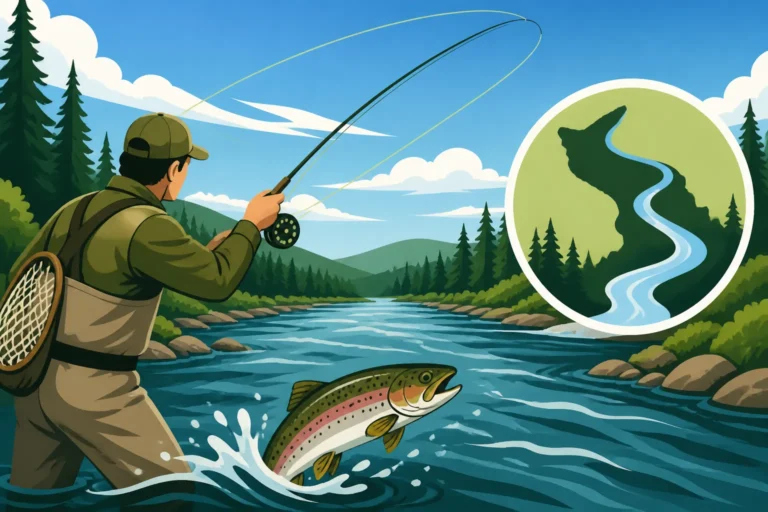
Steelhead (Rainbow Trout): These magnificent chrome-bright fish offer prolonged seasons of incredible action. The fall steelhead run often begins as salmon numbers start to dwindle, with fish moving in to feed on salmon eggs and then overwintering. The spring run, from March through May, is arguably the most famous, as mature steelhead make their spawning ascent. You'll find them throughout the channel, Muskegon Lake, and the lower river system, always looking for a good meal or a place to lay eggs.
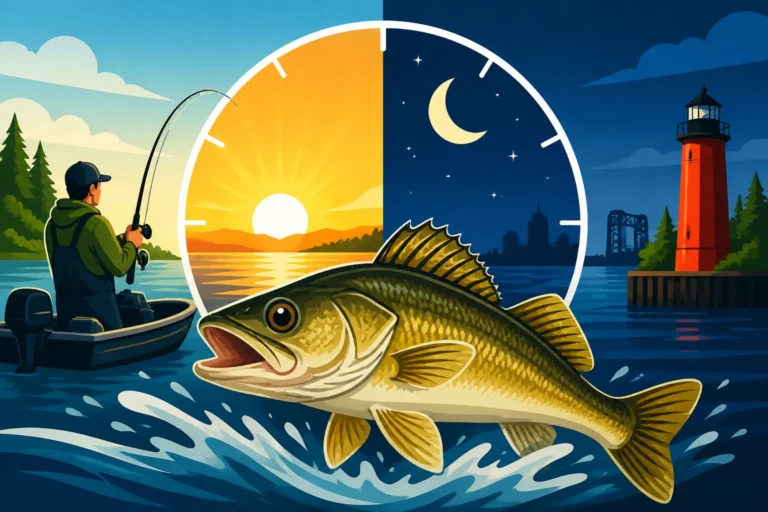
Walleye: While often overshadowed by the migratory salmonids, walleye fishing in Muskegon Lake and its immediate connection to Lake Michigan is exceptional. Walleye can be found year-round, but spring and fall are particularly productive. They thrive in the lake's depths and often congregate in the main channel, especially around submerged structures and current breaks, ambushing baitfish. Night fishing for walleye is a time-honored tradition here. If you're looking to brush up on specific techniques, you might find our guide on Michigan Walleye Fishing Techniques helpful.
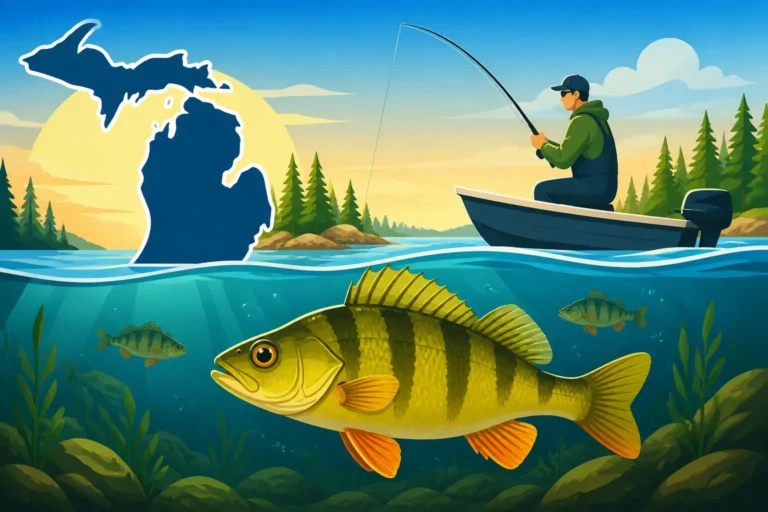
Yellow Perch: A staple for many Michigan anglers, yellow perch are abundant in Muskegon Lake, particularly in the deeper basins and around weed lines. They provide consistent action for anglers of all ages and are prized for their delicious table fare. While less common in the immediate channel to Lake Michigan, they are a primary target within Muskegon Lake itself, offering fantastic light-tackle fun throughout the warmer months and excellent ice fishing in winter.
Brown Trout: While not as numerous as steelhead or salmon, good numbers of impressive brown trout also utilize this system. They can be found cruising the colder waters of Muskegon Lake and the river mouth, particularly in the spring and fall. These elusive fish are known for their strong fights and can often be caught by anglers targeting salmon or steelhead, adding an exciting surprise to any outing.
Prime Fishing Seasons and Conditions
Understanding the calendar and local conditions is paramount when fishing the Muskegon River system. Michigan's dynamic weather and the life cycles of its fish mean that different times of the year offer vastly different experiences. Generally, the spring, summer, and fall are the busiest, but even winter provides unique opportunities for dedicated anglers, particularly for ice fishing on Muskegon Lake.
Spring (March-May): This is prime time for the spring steelhead run. As ice recedes and water temperatures slowly climb, steelhead surge into the lower river and the lake's channel to spawn. Water temperature is critical; a warming trend often triggers the biggest push of fish. Early spring can also see some very active walleye fishing as they shake off winter lethargy and begin to feed aggressively. Many anglers also find this a great time for resident trout in the river.
Summer (June-August): While the migratory runs are mostly over, summer still offers excellent fishing in this area. Muskegon Lake truly shines, with abundant bass, northern pike, and especially yellow perch. Lake Michigan itself also offers fantastic offshore trolling opportunities for salmon and lake trout, with the Muskegon channel serving as a major port for charter boats. Warm water means active fish, but also means they might be deeper or more active during low-light hours.
Fall (September-November): The fall is legendary at the Muskegon River mouth, primarily due to the massive Chinook and Coho salmon runs. These fish flood the channel and Muskegon Lake, preparing to spawn in the river. Steelhead follow close behind, capitalizing on the abundance of salmon eggs. This period sees intense angling pressure but also the chance for trophy-sized fish. Understanding Michigan Salmon Species Explained can help you differentiate your catch.
Winter (December-February): For many, winter means ice fishing on Muskegon Lake. When the ice is safe, anglers target walleye, northern pike, and plentiful yellow perch. The open water of the main channel, often kept ice-free by current and boat traffic, can still hold overwintering steelhead for those brave enough to brave the cold. Staying informed about Michigan Ice Fishing Guide safety and techniques is crucial for winter adventures.
Navigating the Muskegon River Mouth Fishing Opportunities
Once you know where to go and what to target, the next step is figuring out how to access these incredible fishing grounds. The Muskegon area is incredibly angler-friendly, offering a variety of public access points, boat launches, and services to make your fishing trip smooth and successful. Whether you prefer fishing from shore or venturing out in a boat, there are ample opportunities.
The proximity of the city of Muskegon means that amenities are close at hand. This isn't some remote wilderness outpost; you'll find bait shops, tackle stores, restaurants, and accommodations readily available. This blend of excellent fishing and convenient services makes the Muskegon River mouth a popular choice for both local and visiting anglers. For any questions about licensing, remember to check out our Michigan Fishing License Guide for Residents and Nonresidents.
Boat Launches and Marinas
For boat anglers, the Muskegon Lake area is brimming with options. Given that much of the prime fishing takes place on Muskegon Lake or just outside the channel in Lake Michigan, launching a boat is often the preferred method for reaching the best spots. There are numerous public and private boat launches situated around Muskegon Lake.
One of the most popular public access points is the Lakeshore Boat Launch (also known as the "Snug Harbor" launch) right near the entrance to Lake Michigan. This large facility offers multiple ramps, ample parking, and easy access to both Muskegon Lake and the main channel leading to Lake Michigan. It's often bustling during peak salmon and steelhead runs, a testament to its prime location. Other ramps around Muskegon Lake, such as those at the Muskegon State Park or city parks, also offer excellent access. Many local marinas, like Great Lakes Marina and Torresen Marine, also provide services for transient boaters and often have useful local knowledge. If you're considering a larger excursion or need specialized gear, platforms like FishingBooker can help you find local guides and charters tailored to your needs.
Shore Fishing Opportunities
Not everyone has a boat, and thankfully, the Muskegon River mouth offers some fantastic shore fishing. The breakwaters themselves are a magnet for shore anglers, providing access to deep water and migratory fish. The Muskegon South Pierhead Lighthouse and the North Pierhead Lighthouse breakwaters are popular spots, though conditions can be rough in windy weather. Anglers frequently cast spoons, crankbaits, or drift spawn bags from these piers, targeting salmon and steelhead.
Beyond the breakwaters, Pere Marquette Park in Muskegon offers accessible shoreline fishing and is particularly popular for pier fishing during the summer months for smaller species, though migratory fish can also pass by. The park has ample parking and facilities, making it a comfortable spot for a family outing. Further up into Muskegon Lake and the lower river, there are various public parks and river access points, though they might require more exploration to find the best shore fishing spots for specific species like walleye or bass.
Charter and Guide Services
For those new to the area, or looking to maximize their chances of success, hiring a local charter or fishing guide is an excellent option. These experienced captains know the intricate currents, the secret spots, and the ever-changing fish patterns of the Muskegon River mouth. They provide all the necessary gear, expertise, and often, a comfortable boat for a day on the water.
Whether you're after trophy Chinook salmon in Lake Michigan, a limit of walleye on Muskegon Lake, or a memorable steelhead trip up the river, a guide can make all the difference. Many anglers, especially those targeting specific species with specialized techniques, find immense value in these services. Platforms like FishingBooker connect you with experienced local captains who know the Muskegon River mouth's nuances. They offer a wide range of options, from half-day trips to full-day adventures, catering to different group sizes and fishing preferences. When planning your trip, consider browsing options on FishingBooker to find a reputable guide.
Effective Fishing Techniques and Gear
Knowing where the Muskegon River meets Lake Michigan is just the first step; knowing how to fish it effectively is where the real fun begins. The diverse habitats and fish species at this confluence demand a variety of techniques and a thoughtful approach to gear. From the powerful forces of Lake Michigan to the nuanced flows of the lower river and the expansiveness of Muskegon Lake, adaptability is your best friend.
Having the right gear is crucial, but it doesn't mean you need to break the bank. Local tackle shops are invaluable resources for up-to-date information on what's biting and what lures are working. They can also advise on specific regulations for certain areas, which is important, as Michigan Fishing Regulations Every Angler Should Know can be complex.
River Mouth Techniques
Fishing the channel and the immediate river mouth requires a blend of techniques, depending on the target species and current conditions. This area is characterized by strong currents, deep water, and the constant movement of fish.
Casting from Piers and Shore: From the breakwaters, casting heavy spoons (like Little Cleos, Dardevles, or Krocodiles) or large crankbaits (such as Thundersticks or Rapala J-13s) is very popular for salmon and steelhead. Varying your retrieve speed and depth is key. During the fall, drifting spawn bags under a bobber can also be incredibly effective for steelhead. Pay attention to changes in current and water clarity.
Jigging: For walleye and even some deeper-holding salmonids, vertical jigging is a productive method. Using heavy jigs tipped with minnows or soft plastics (like Berkley Gulp! Alive! Minnows or Z-Man Scented PaddlerZ) allows you to target fish holding near the bottom in the deep channel. This technique is often employed from a boat, positioning directly over fish marked on a fish finder. You can learn more about this in our Jigging Techniques for Michigan Walleye guide.
Trolling: For boat anglers, trolling inside Muskegon Lake and just outside the channel in Lake Michigan is a proven method for salmon, lake trout, and even walleye. Using planer boards, downriggers, and lead core line allows you to present a spread of lures at various depths. Large spoons, body baits, and flasher/fly combinations are all effective. Speed and lure color selection are critical, often changing throughout the day. Considering a fishing trip in the open waters of Lake Michigan? Our Michigan's Great Lakes Fishing Guide offers more insights.
Gear Recommendations
Having the right rod, reel, and tackle can make all the difference in landing that trophy fish or simply enjoying your time on the water. Given the variety of species and techniques, a versatile setup or a few specialized combos are usually best.
Rods and Reels: For pier and shore casting for salmon and steelhead, a medium-heavy to heavy spinning rod, 8-10 feet in length, paired with a robust spinning reel (size 4000-6000) spooled with 15-20 lb monofilament or braided line is ideal. This provides the casting distance and backbone needed for powerful fish. For walleye jigging, a sensitive 6'6" to 7' medium-light spinning rod with a smaller reel (size 2500-3000) and 8-10 lb braid to a fluorocarbon leader is excellent. Check out our guide on Best Rods and Reels for Michigan Fishing for more detailed recommendations.
Line and Leaders: Braided line has become incredibly popular due to its sensitivity and strength, but a fluorocarbon leader (10-20 lb test, depending on species) is almost always recommended for its invisibility and abrasion resistance. For trolling, various setups are used, including monofilament for main lines, or lead core and copper lines to achieve depth.
Lures and Bait:
- Salmon/Steelhead: Spoons (Little Cleo, Michigan Stinger), crankbaits (Storm ThunderStick, Rapala J-13), spawn bags (often tied with salmon or steelhead eggs), beads (under certain regulations, check local rules carefully), and jigs tipped with wax worms or plastic grubs.
- Walleye: Jigging spoons (Swedish Pimple, Do-Jigger), blade baits (Reef Runner Cicada), soft plastic paddle tails on jig heads, live bait rigs with minnows or nightcrawlers.
- Perch: Small jigs, live minnows, wigglers, or pieces of nightcrawler fished on a dropper rig.
Table of Common Species and Techniques
Here's a quick overview of what to target, when, and how, at the Muskegon River mouth and surrounding waters:
| Species | Best Season | Common Techniques | Recommended Lures/Bait | Notes |
|---|---|---|---|---|
| Chinook Salmon | Fall (Sept-Oct) | Trolling, Casting (piers/shore), Drifting | Large Spoons, Crankbaits, Spinners, Spawn Bags | Powerful fighters, stage in Muskegon Lake and channel before moving upriver. |
| Coho Salmon | Fall (late Aug-Oct) | Trolling, Casting (piers/shore) | Small Spoons, Plugs, Flashers with flies | Often found shallower than Kings, aggressive biters. |
| Steelhead | Fall, Winter, Spring | Drifting, Float Fishing, Casting, Jigging (open water) | Spawn Bags, Beads, Jigs, Waffle Fry, Small Spoons | Strong, acrobatic fighters; Fall/Spring runs are prime, can be caught through winter in open water. |
| Walleye | Spring, Fall, Summer | Jigging, Trolling, Drifting (Muskegon Lake) | Jigs w/ Plastics or Minnows, Crankbaits, Crawler Harnesses | Excellent table fare, often caught at night or in low-light conditions; target deep structure. |
| Yellow Perch | Year-round | Jigging, Still Fishing (Muskegon Lake) | Small Jigs, Minnows, Wigglers, Pieces of Nightcrawler | Abundant in Muskegon Lake, great for family fishing and ice fishing. |
| Brown Trout | Spring, Fall | Trolling, Casting (piers/shore), Drifting | Spoons, Plugs, Crankbaits, Spawn Bags | Elusive but can be large; often caught while targeting salmon or steelhead. |
This table provides a starting point, but remember that fish behavior can change daily based on weather, water levels, and even boat traffic. For the best chance of success, always consult local bait shops for the most current conditions and hot tips. Whether you're targeting the iconic salmon and steelhead or a cooler full of perch, checking out available charters on FishingBooker can give you a significant advantage, ensuring you make the most of your Michigan fishing adventure.
Best Time to Experience the Muskegon River Mouth Fishery
Deciding on the "best" time to fish the Muskegon River mouth really depends on what species you're most excited to catch. As we've explored, this area offers diverse opportunities throughout the year, but specific windows truly stand out for certain fish. Thinking about the overall experience, from the weather to the fishing pressure, can also influence your ideal trip timing. For a more general overview of angling in the state, you might want to look at our comprehensive guide on the Best Time of Year to Fish in Michigan.
Many anglers would argue that the fall months, particularly September and October, offer the most thrilling action. This is undeniably the peak for migratory salmon and the initial push of steelhead. However, the spring steelhead run can be equally, if not more, rewarding for those seeking a challenging fight. Even the quieter summer months hold their own charm with excellent bass and perch fishing on Muskegon Lake.
Peak Migratory Periods
The most intense fishing periods at the Muskegon River mouth revolve around the annual migrations of anadromous fish. These are the times when the sheer numbers of fish moving through the system are at their highest, offering incredible potential for success, albeit with higher angler pressure.
Fall Salmon Run (Late August – October): This is the quintessential Michigan fishing experience for many. Chinook and Coho salmon, having spent years growing large in Lake Michigan, return to spawn in the Muskegon River. They stage in Muskegon Lake and the main channel, providing phenomenal opportunities for boat and pier anglers. The sheer power of a King salmon hooked in these waters is something every angler should experience. It's a busy time, but for good reason – the fishing can be truly world-class.
Spring Steelhead Run (March – May): After the long winter, the spring steelhead run is a welcome sight. These "chrome" fish, as they're often called, enter the river system to spawn, offering incredible fights on light tackle. They're often found in the main channel and lower river sections, feasting on smaller baitfish and preparing to reproduce. The crisp spring air and the renewed vigor of these fish make for a fantastic outing. For dedicated pursuit of these magnificent fish, our guide on How to Fish for Steelhead in Michigan offers detailed tactics.
Factors Influencing Fishing Success
Beyond the calendar, several environmental factors play a huge role in determining fishing success at the Muskegon River mouth. Being aware of these elements and planning your trip accordingly can significantly improve your chances of a memorable catch.
Water Temperature: This is perhaps the most critical factor, especially for migratory fish. Salmon and steelhead prefer specific temperature ranges for staging and spawning. Rapid temperature changes, either up or down, can put fish off the bite or trigger big movements. Generally, warming water in spring triggers steelhead, while cooling water in fall brings in salmon.
Water Levels and Clarity: River flow and clarity directly impact fishing. High, murky water after heavy rains can make fishing challenging, dispersing fish and reducing visibility. Conversely, stable water levels and good clarity can concentrate fish and make them more predictable. Knowing the typical Muskegon River Michigan Steelhead Run Timing can give you an edge, as fish often react to changes in river conditions.
Weather and Wind: Being at the mercy of Lake Michigan, wind conditions are paramount. Strong winds can make fishing from piers dangerous and boat fishing extremely challenging, if not impossible, due to large waves. Calm days offer the best opportunities for boaters to explore the outer reaches of the channel and for shore anglers to comfortably fish the breakwaters. Always check the marine forecast before heading out!
Disclaimer
Fishing conditions and regulations can change frequently. Always consult the latest Michigan Department of Natural Resources (DNR) fishing guide or website for the most current rules, regulations, and advisories before heading out on the water. This information is for general guidance only and should not be considered legal advice.