Best Ice Shelter for Cold-Weather Fishing
There’s nothing quite like the thrill of ice fishing in Michigan, but let's be honest, the romance can quickly fade when the biting wind cuts right through you, or your fingers go numb while trying to re-tie a knot. Many of us have spent miserable hours huddled over a hole, wishing we had just one more layer or a way to escape the brutal cold. That's where a quality ice shelter comes in – it’s not just a luxury, it's a necessity for comfort, safety, and actually enjoying your time out on the hard water. This guide will walk you through everything you need to know to pick the best ice shelter to keep you toasty and focused on catching fish, even on Michigan's coldest days.
Understanding Different Types of Ice Shelters
When you start looking for an ice shelter, you'll quickly realize there's a whole world of options out there, each designed for different styles of fishing and varying levels of comfort. It's not a one-size-fits-all situation, and what works for a solo angler darting between holes on a local pond might not be suitable for a group spending a full weekend on Saginaw Bay. Knowing the basic types is the first step in narrowing down your choices.
Pop-Up Hub Shelters: The Communal Comfort Zone
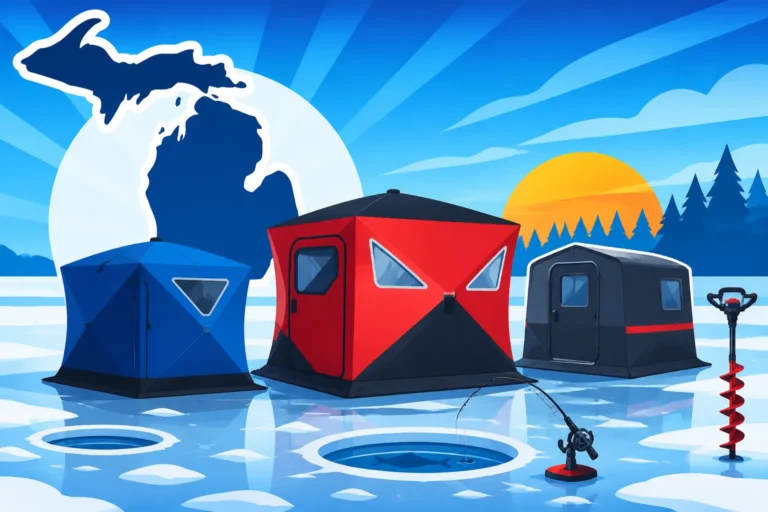
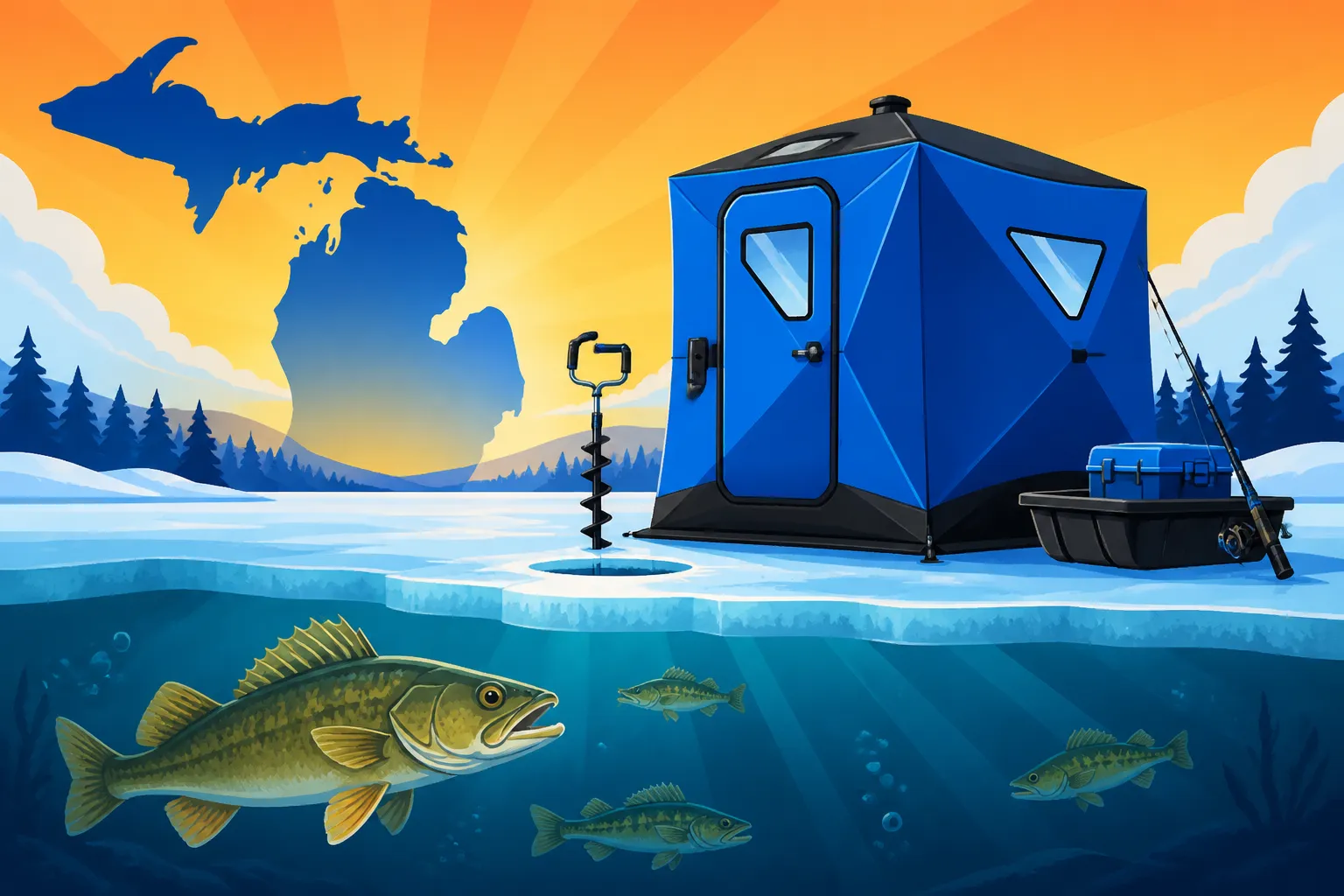
Pop-up hub shelters are arguably the most popular choice for many Michigan ice anglers, and for good reason. These shelters, often resembling a tent, use a series of hubs and fiberglass poles that "pop out" to create a sturdy, spacious interior. Think of it like a camping tent that's been specifically beefed up for ice. They're designed to be set up relatively quickly once you get the hang of it, often in just a few minutes, making them a great option when you're hitting spots on Houghton Lake or Higgins Lake.
One of the biggest advantages of a hub shelter is the sheer amount of interior space they offer. You can find models designed for two, four, six, or even eight people, allowing for plenty of room for friends, family, gear, and a heater. This communal aspect is fantastic for shared fishing experiences, keeping everyone warm and able to move around without feeling cramped. Most modern hub shelters feature insulated fabric walls, which are absolutely crucial for retaining heat in Michigan's brutal winter temperatures. While they are wonderfully spacious once set up, they do require anchoring to the ice, which can involve drilling several holes and screwing in ice anchors, a task that might be a bit chilly on a blustery day.
Flip-Over Shelters: Mobile and Nimble Angling
Flip-over shelters are the go-to choice for anglers who prioritize mobility and quick transitions between fishing spots. These shelters are typically built onto a sled base, which also doubles as storage for your gear and a convenient way to pull everything out onto the ice. When you arrive at your desired spot, you simply unlatch the top portion of the shelter and "flip" it over, creating an instant, enclosed space. It's truly a marvel of convenience, especially when chasing actively feeding walleye on the Detroit River or perch on Lake St. Clair where moving around is key.
The immediate appeal of a flip-over is its rapid deployment. You can be fishing within seconds of stopping, which is a game-changer when fish are biting in a particular area, or you're trying to locate them quickly. They also offer a measure of protection even while moving, as your gear is tucked away in the sled. While generally smaller than hub shelters, often accommodating one or two anglers comfortably, some larger models do exist. The hard sled base can be a bit heavier to pull manually, especially in deep snow, but many models are designed to be towed behind an ATV or snowmobile, making them incredibly versatile for covering large expanses of ice.
Permanent and Semi-Permanent Shacks: The Ice Fishing Condo
For those truly dedicated ice anglers who frequent the same expansive, safe ice fields year after year, especially on larger lakes like Lake Gogebic or Mullett Lake, a permanent or semi-permanent ice shack can be the ultimate setup. These range from elaborate wooden structures built on skids, complete with propane heat, bunks, and even small kitchens, to more modest, but still robust, hard-sided portable shacks. They offer unparalleled comfort and protection from the elements, essentially bringing the comforts of home out onto the ice.
The main draw here is the solid construction and maximum insulation, often boasting insulated walls and roofs that keep the interior remarkably warm, even when temperatures plummet below zero. You can install permanent seating, ample lighting, and even television setups, turning a day on the ice into a luxurious retreat. The trade-off, of course, is portability. These shacks are heavy and require significant effort, or even specialized vehicles, to move them on and off the ice. They are also subject to specific local regulations regarding placement and removal dates, which can vary depending on the body of water. They represent a significant investment in both time and money but provide an unmatched level of comfort for those who are truly committed to long ice fishing seasons.
Essential Features to Consider for Michigan's Cold
Michigan winters are no joke. We're talking about conditions that can swing from a relatively mild, sunny day to a brutal, windy whiteout in a matter of hours. Because of this unpredictable and often severe weather, simply having any ice shelter isn't enough. You need one equipped with specific features designed to combat the intense cold, driving snow, and relentless wind that are hallmarks of our ice fishing season.
Insulation: Your First Line of Defense Against the Cold
If there's one feature that separates a tolerable ice fishing experience from a truly enjoyable one, it's insulation. For Michigan anglers, this isn't just a nicety; it's a necessity. Most modern ice shelters, especially hub and flip-over models, come with some form of insulation, typically a quilted fabric layer stitched between two outer layers of nylon or polyester. This creates air pockets that trap heat, much like a good winter coat.
When you're out on the ice, say on Lake Charlevoix, and the wind chill is well below zero, that insulation is what stands between you and frostbite. A fully insulated shelter will make a dramatic difference in how efficiently your portable heater can warm the space, and how long that warmth lasts. Single-layer shelters, while lighter and often more affordable, are essentially just windbreaks. They might keep the direct wind off you, but they'll do little to hold in heat, forcing your heater to work overtime and burn through propane much faster. Look for shelters that specifically advertise "thermal" or "fully insulated" fabric, often measured in denier for the outer shell, with higher numbers indicating more durability and potentially better insulation. Checking out models at a place like Bass Pro Shops can give you a tangible feel for the material quality before you buy.
Size and Capacity: Room for You and Your Gear
Thinking about how many people will regularly use the shelter, and how much gear you tend to bring, is critical. There's nothing more frustrating than trying to maneuver around fishing holes, tackle boxes, and a heater in a space that's just too small. For a solo angler who travels light and moves frequently, a compact one-person flip-over might be perfect, allowing you to easily pull it across Mullett Lake by hand or ATV.
However, if you're often fishing with a buddy or bringing your kids along to catch bluegill on a local inland lake, a two- or three-person hub shelter provides much-needed elbow room. Consider not just the seating capacity, but also the footprint of your heater, sonar unit, bait bucket, and any other essentials. A larger shelter means you can spread out, keep your lines clear of tangles, and avoid bumping into each other. Remember that the listed capacity often refers to people sitting closely together on buckets; for true comfort, especially if you're bringing chairs or a bench, you might want to size up.
Portability and Ease of Set-Up: Getting on the Fish Faster
The best shelter in the world is useless if it's too cumbersome to get out onto the ice or takes forever to set up, especially when the fish are biting! Michigan's varied ice conditions, from smooth, clear ice to deep, heavy snow, mean portability is a key concern.
Flip-over shelters excel here, designed for rapid deployment from their sled bases. Their integrated design means you're pulling one unit that contains everything. Hub shelters, while requiring more setup time than a flip-over, are generally lighter to carry when packed down and can be stored more compactly in a vehicle. Look for features like oversized carrying bags, sturdy zippers, and robust pole systems that can withstand repeated setup and breakdown in cold conditions. If you're planning on covering a lot of ground on larger bodies of water like Lake Superior, consider how easily your shelter can be loaded onto a snowmobile or ATV, and if the weight is manageable for one person if you ever fish alone. Many anglers find great deals and excellent reviews on various models when browsing sites like Amazon, which can help gauge real-world setup experiences.
Setting Up and Maintaining Your Ice Shelter
So, you've chosen your fortress against the cold, whether it's a nimble flip-over or a spacious hub shelter. But the journey doesn't end there! Knowing how to properly set up your shelter, keep it warm and safe, and care for it between trips will ensure it serves you well for many seasons of Michigan ice fishing. It's about maximizing your comfort and extending the life of your investment.
Proper Setup Techniques for Stability and Safety
Setting up your ice shelter correctly is paramount, not just for comfort, but for safety. The last thing you want is your shelter blowing across the ice with a gust of wind from Lake Michigan while you're focused on a bite. For hub shelters, the key is proper anchoring. Most come with ice anchors that screw into the ice. Always deploy all anchor points, especially if there's any wind. A common mistake is to only anchor a couple of corners, leaving the rest vulnerable. On particularly windy days, or when fishing exposed areas, consider using additional guy lines and anchors for extra stability. When you're out on a big, open sheet of ice, that wind can be relentless.
For flip-over shelters, the sled base provides a lot of inherent stability, but it's still wise to use the integrated ice anchors if the conditions are breezy. Many flip-overs have an anchoring system built into the sled or skirt. Once anchored, ensure the skirt of your shelter is flush with the ice or even piled with snow around the edges. This creates a seal that prevents drafts and helps to retain precious heat. Proper ventilation is also crucial. Always ensure at least one vent is open when running a propane heater to prevent carbon monoxide buildup. Even if it feels colder, a small amount of fresh air exchange is vital for your health and safety.
Heating and Ventilation: Staying Warm and Safe
A good portable propane heater is an ice angler's best friend. When you're out on the ice of Lake Huron, a reliable heat source makes all the difference. However, heating your shelter isn't just about cranking up the BTU's; it's about smart and safe operation. As mentioned, ventilation is non-negotiable. Carbon monoxide is odorless and colorless, making it incredibly dangerous. Invest in a portable carbon monoxide detector – it's a small price to pay for peace of mind and something you should carry on every ice fishing trip, right alongside your Michigan Ice Fishing Gear Guide.
Beyond safety, consider heater placement. Position your heater where it can distribute warmth effectively without being a tripping hazard or too close to the shelter fabric. Many anglers prefer radiant heaters that sit low to the ground. For larger shelters, you might consider two smaller heaters to provide more even heat distribution. Propane usage will vary depending on the heater's BTU output and the outside temperature, but always carry more propane than you think you'll need. Nothing ruins a good day of fishing faster than running out of heat when it's five degrees outside.
Storage and Maintenance: Extending the Life of Your Shelter
Your ice shelter is an investment, and proper care will ensure it lasts for many seasons. After each trip, especially when fishing on places like Lake St. Clair where slush can be an issue, make sure to completely dry out your shelter before packing it away. Moisture leads to mildew, which not only smells terrible but can also degrade the fabric over time. Unzip all doors and vents, and let it air out in a warm, dry place. A garage or basement with a fan works wonders.
Inspect the fabric for any tears or abrasions, and repair them promptly with a patching kit designed for outdoor gear. Check zippers for smooth operation and lubricate them if they become sticky. Also, examine the pole system (for hubs) or the frame (for flip-overs) for any bends or cracks. Replace damaged components before your next outing. Store your shelter in its bag, ideally in a cool, dry place away from direct sunlight, which can degrade fabric. Following these simple steps will ensure your shelter is ready for action whenever Michigan Ice Fishing Season Timing rolls around again.
Matching Your Shelter to Michigan's Diverse Waters
Michigan offers an incredible variety of ice fishing experiences, from small, sheltered inland ponds to vast, open Great Lakes expanses. What works best on one body of water might be completely inadequate for another. The key to truly picking the best ice shelter is to consider the specific conditions you'll face and your personal fishing style. Don't fall into the trap of buying what your buddy has if your fishing habits are completely different.
Small Inland Lakes and Ponds: Portability and Ease of Use
If your ice fishing adventures primarily take you to smaller, calmer inland lakes, like those you find near Traverse City, or local ponds where you're targeting panfish, portability and ease of setup will likely be your top priorities. You might be walking out, or driving a short distance, and often moving spots throughout the day.
For these conditions, a lightweight, one or two-person flip-over shelter is often ideal. Its quick deployment means you can easily drill a few holes, fish for a bit, and then quickly "flip" and move if the bite isn't on. They're easy to pull by hand, especially if you're not dealing with deep snow. A compact hub shelter, perhaps a two-person model, also works well, offering a bit more room for a heater and some gear without being overly cumbersome. You might not need the absolute thickest insulation here, as these waters are often more protected from the harshest winds. You're looking for something that won't wear you out getting it set up, so you can save your energy for reeling in those perch!
Large Inland Lakes and Exposed Great Lakes Bays: Durability and Max Insulation
Venturing out onto the big waters like Lake Superior, the open expanses of Lake Huron's Saginaw Bay, or even larger inland lakes such as Houghton Lake or Lake Gogebic, presents a completely different challenge. Here, the winds can be relentless, the snow can pile high, and temperatures can plunge to extreme lows. Comfort and safety become paramount, and your shelter needs to be a true fortress.
For these conditions, a well-built, fully insulated hub shelter designed for at least 3-4 people (even if you're fishing solo or with one partner) is highly recommended. The extra space provides more thermal mass and room for a powerful heater. Look for shelters with heavy-duty fabrics (high denier ratings) that can withstand constant buffeting. Robust pole systems are also crucial. If you're using an ATV or snowmobile to cover long distances, a larger flip-over shelter that can be easily towed might also be a good option, but prioritize insulation and a sturdy frame. You'll want all the warmth you can get when the How Cold Does It Get for Ice Fishing in Michigan reality sets in. This is where you might want to look at premium models from reputable brands, checking reviews on Amazon or visiting a Bass Pro Shops to see the construction quality firsthand.
Ice Fishing with a Group or Overnight Trips: Space and Amenities
If your ice fishing outings are primarily social affairs, bringing along friends or family, or if you're planning multi-day excursions where you might even sleep on the ice, then maximizing space and amenities becomes the driving factor. Think about creating a comfortable base camp rather than just a quick fishing spot.
For groups, a large, six to eight-person hub shelter provides ample room for multiple anglers, gear, a large heater, and even a small table for food and drinks. The ability to stand up and stretch is a huge benefit on long days. Some anglers even rig up cots for overnight stays in these larger hubs. For the ultimate group experience or multi-day trip, a hard-sided portable or even a permanent shack (where regulations allow) offers unparalleled comfort, warmth, and the ability to outfit it with more substantial amenities. These are your "ice fishing condos," where the focus is as much on the camaraderie and comfort as it is on the catch. Remember that if you're bringing a crowd, you'll need to make sure everyone knows Michigan Fishing Regulations Every Angler Should Know.
Comparison of Popular Ice Shelter Types
To help you visualize the differences and choose what's right for your Michigan ice fishing adventures, here's a quick comparison of the main types of ice shelters:
| Feature | Pop-Up Hub Shelter | Flip-Over Shelter | Permanent/Semi-Permanent Shack |
|---|---|---|---|
| Portability | Good (Lighter when packed) | Excellent (Built on sled, quick move) | Poor (Heavy, difficult to move) |
| Setup Time | Moderate (5-10 minutes) | Very Fast (Seconds to flip) | Slow (Requires significant effort) |
| Interior Space | Excellent (Very roomy, high ceilings) | Moderate (Compact, good for 1-2) | Excellent (Can be customized large) |
| Insulation | Good to Excellent (Thermal options) | Good to Excellent (Thermal options) | Excellent (Hard-sided, thick walls) |
| Wind Resistance | Good (Requires anchoring) | Very Good (Sled base provides stability) | Excellent (Solid construction) |
| Best Use Case | Group fishing, base camp, variable spots | Solo/duo, mobile fishing, quick moves | Fixed locations, long trips, maximum comfort |
| Typical Cost | Mid-range | Mid-to-High range | High range |
Choosing the right ice shelter is about finding that perfect balance between portability, warmth, space, and how you love to fish. With the right shelter, you'll be able to brave Michigan's beautiful, but often brutal, winter conditions and create lasting memories on the ice. So go ahead, find your perfect ice fishing sanctuary, and enjoy the season!
Disclaimer
This article is for general informational purposes only and does not constitute professional advice. Laws, prices and regulations vary by location and change over time. Consult a qualified professional for guidance on your specific situation.