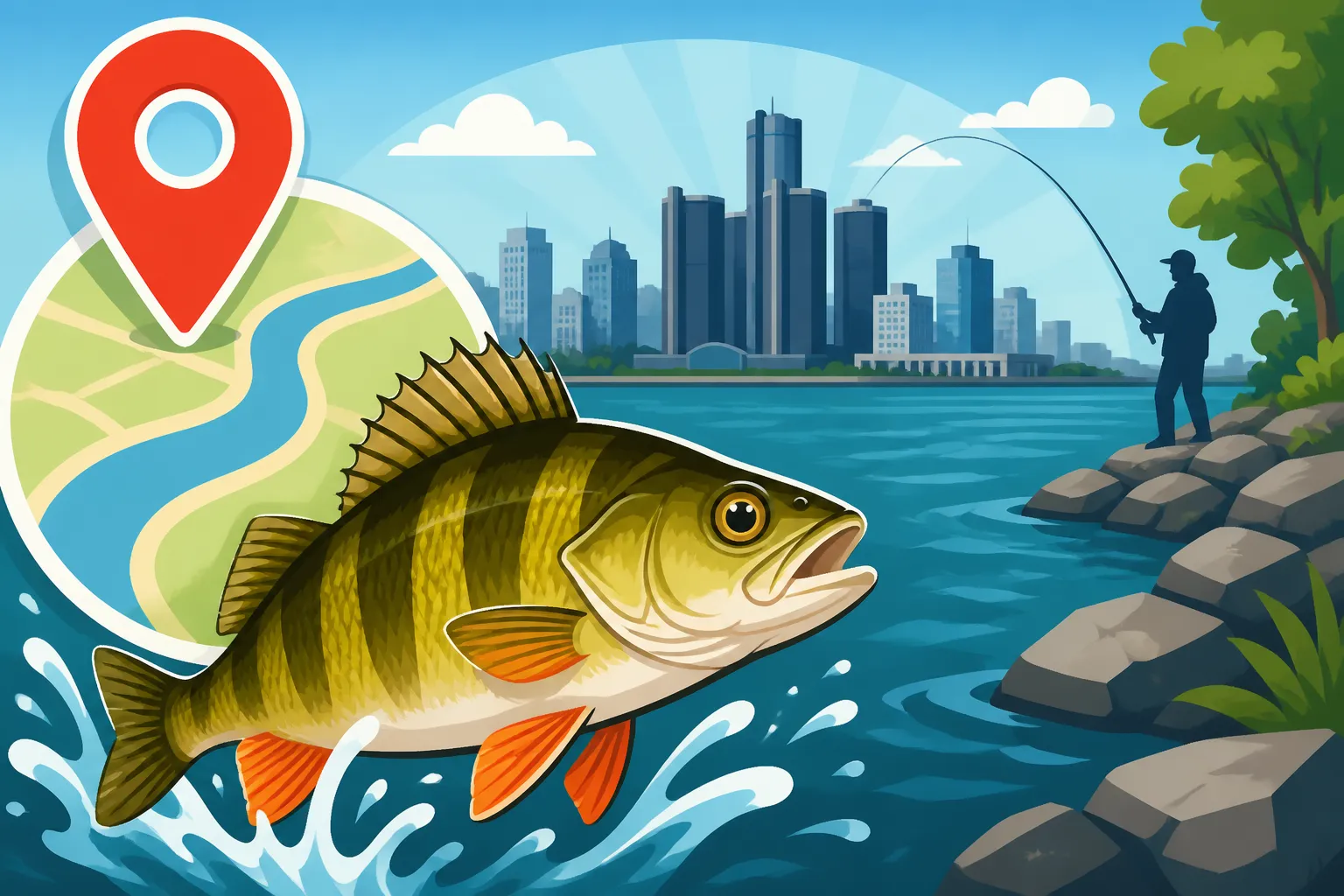
Detroit River Perch Fishing Spots
Anglers often dream of bountiful catches, but finding those elusive hotspots for a specific species like yellow perch on a vast, busy waterway like the Detroit River can feel like searching for a needle in a haystack. It’s tough knowing where to start, especially with changing conditions, boat traffic, and the sheer amount of water. This guide is designed to cut through the noise, offering practical, local insights to reveal the prime locations where you can consistently hook into some of Michigan's finest yellow perch right here on the Detroit River.
The Detroit River's Unique Appeal for Yellow Perch
The Detroit River isn't just a scenic waterway connecting Lake St. Clair to Lake Erie; it's a vibrant aquatic highway, brimming with diverse fish populations. For yellow perch enthusiasts, this river represents an incredible opportunity, offering both quantity and quality. The river's unique characteristics create an ideal environment for these sought-after panfish, drawing them in year after year.
Why Perch Thrive in the Detroit River
The Detroit River's ecosystem has undergone a remarkable transformation over the decades, leading to a resurgence in fish populations, especially yellow perch. Its continuous flow, serving as a connecting channel between two massive Great Lakes bodies of water – Lake St. Clair and Lake Erie – provides a constant supply of nutrients, baitfish, and oxygenated water that perch absolutely adore. The river bottom itself is a mosaic of habitats: from rocky ledges and gravel beds to soft, silty areas and submerged vegetation. This diversity provides perch with everything they need for survival, including ample spawning grounds, hiding spots from predators, and a rich smorgasbord of food sources like insect larvae, minnows, and crustaceans.
Furthermore, the river's proximity to the western basin of Lake Erie, renowned globally for its incredible perch fishery, means that the Detroit River essentially acts as an extension of that prime habitat. Perch often migrate between Lake Erie and the lower stretches of the Detroit River, especially during different feeding and spawning cycles. This constant movement ensures a healthy, replenishing population within the river system, making it a reliable destination for anglers throughout much of the year. The water quality improvements over the last few decades have played a monumental role in making this thriving ecosystem possible, transforming what was once a heavily polluted industrial corridor into a freshwater fishing paradise.
Seasonal Perch Movements and Behavior
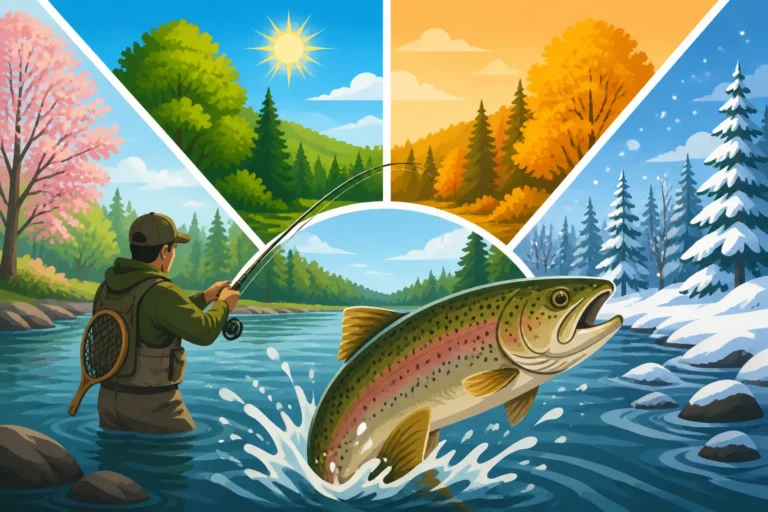
Understanding how yellow perch move and behave throughout the year is absolutely critical to consistently finding them on the Detroit River. Like many fish, their patterns are heavily influenced by water temperature, available food, and spawning instincts. In early spring, as ice recedes and water temperatures begin to climb, perch often move into shallower areas, especially bays, marinas, and rivermouths, for spawning. During this time, they can be found in large schools, making for some excellent early-season action.
As summer progresses and water temperatures rise, perch tend to retreat to deeper, cooler waters, often congregating around structures like bridge pilings, submerged reefs, and drop-offs where the current provides a steady flow of food. They might also suspend themselves over deeper flats, following baitfish schools. Fall sees another surge in activity as perch begin to feed heavily in preparation for winter. They'll often move back into shallower areas or patrol distinct channels, gorging on minnows and other forage. Finally, during winter, if the river freezes sufficiently for ice fishing, perch can be found in deeper holes or near the edges of weed beds, though ice fishing on a moving river like the Detroit requires extreme caution due to unpredictable ice conditions. The strong currents in the Detroit River also mean that perch often tuck into eddies or behind structural elements to conserve energy, making these current breaks prime targets.
Prime Perch Fishing Spots on the Detroit River
The Detroit River is a long, diverse fishery, and different sections offer unique advantages for perch fishing. Knowing where to focus your efforts can drastically increase your success rate, whether you’re fishing from a boat or looking for good shore access.
Northern River Stretch: Belle Isle to Lake St. Clair
The northernmost section of the Detroit River, from the majestic shores of Belle Isle up towards its connection with Lake St. Clair, is a fantastic area to target yellow perch, particularly during the spring and fall migrations. The waters here are often a bit shallower and more protected than the main shipping channel, providing ideal habitat. Areas around the vast Detroit Yacht Club and the numerous other marinas near Belle Isle's northern tip can hold significant numbers of perch, especially when they're staging for spawning or feeding aggressively. The mouth of the river as it blends into Lake St. Clair is a classic hotspot. Here, the current slows, and the expansive shallow flats of Lake St. Clair provide perfect feeding grounds, drawing perch in from both directions.
Shore anglers can find opportunities near Belle Isle's perimeter, especially around the bridges and along the causeways that offer access to deeper water. However, a boat truly opens up this section. Drifting the shallower flats in 8-15 feet of water, especially those closer to the Lake St. Clair side, can yield excellent results. Look for subtle changes in bottom contour or isolated weed patches, as perch often use these as ambush points. Keep in mind that boat traffic can be heavy, especially in summer, so always prioritize safety and awareness. For those unfamiliar with the area, checking a service like FishingBooker for local guides who specialize in this stretch can provide an invaluable head start. They know the subtle nuances of these waters and can put you on fish when you're just getting acquainted with the area. This area often sees similar perch limits and sizes to what you'd find when fishing the nearby Michigan Yellow Perch Limit on the St. Clair River.
Central River: Downtown Detroit to Wyandotte
Moving further south, the central stretch of the Detroit River, encompassing the bustling downtown Detroit waterfront and extending through communities like River Rouge and Wyandotte, offers a different kind of perch fishing experience, characterized by more urban structures and deeper channels. Here, the perch often relate to man-made features that break the strong current, such as bridge pilings, old dock structures, submerged foundations, and the edges of shipping channels. The deep Trenton Channel, a major industrial artery, surprisingly holds some fantastic perch, often suspending in the deeper water along its edges or near the numerous boat launches and marinas.
Public piers along the Detroit waterfront, such as those near the Detroit Renaissance Center or the fishing access points in Wyandotte, can be excellent for shore anglers. These spots often provide access to sufficiently deep water and structure that attracts perch. However, the strong current in the main channel necessitates heavier tackle for boat anglers to hold bottom effectively. Drifting with the current, while using sonar to identify schools of fish or structural elements, is a common and highly effective method here. Pay close attention to areas where smaller tributaries or outflows enter the main river, as these can create current breaks and deliver additional food sources, making them natural congregating points for hungry perch.
Southern River: Downriver Communities and Lake Erie Entrance
The southernmost section of the Detroit River, moving past cities like Trenton and Gibraltar, and eventually spilling into the vast expanse of Lake Erie, is arguably one of the most productive areas for yellow perch, especially as the seasons progress. This is where the river's influence on Lake Erie's legendary perch fishery becomes most apparent. As perch transition between the lake and the river, this section acts as a bottleneck, concentrating fish in remarkable numbers. The waters become wider, and while there's still a noticeable current, the sheer volume of fish moving through can be astounding.
The areas around Grosse Ile, particularly the deeper channels and flats surrounding the island, are prime targets. Look for expansive shallow flats near the river mouth, especially those with some weed growth or subtle depth changes, in the 10-25 foot range. Boat access is almost essential for effectively fishing this section, as the best spots are often well offshore. Anglers frequently launch from public ramps in Trenton or Gibraltar and head straight for the mouth of the river. The deeper cuts and channels leading into Lake Erie are also vital, as perch will hold in these troughs, often schooled tightly. This region consistently offers some of the best Yellow Perch Fishing in Michigan, particularly during the fall, as fish prepare for winter in the lake.
Here's a quick overview of some prime spots and what to expect:
| Spot/Section | Best Season(s) | Typical Depth (feet) | Primary Access | Key Features to Look For |
|---|---|---|---|---|
| Belle Isle Area | Spring, Fall | 8-15 | Boat (some shore) | Marinas, bridge pilings, shallow flats, weed lines |
| Downtown Detroit | Spring, Summer, Fall | 15-30+ | Shore (piers), Boat | Bridge supports, docks, submerged structures, channel edges |
| Wyandotte Area | Spring, Summer, Fall | 10-25 | Shore (piers), Boat | Marinas, historical structures, current breaks, channel edges |
| Grosse Ile Flats | Spring, Summer, Fall | 10-20 | Boat | Expansive flats, subtle drop-offs, weed beds |
| Lake Erie Mouth | Summer, Fall | 15-25+ | Boat | Deeper channels, transitions to Lake Erie, structural elements |
Essential Techniques, Gear, and Regulations for Detroit River Perch
Catching yellow perch on the Detroit River requires a combination of the right tackle, effective techniques, and a solid understanding of the local regulations. It's not just about finding the fish; it's about being prepared to catch them efficiently and legally.
Recommended Tackle and Baits
When it comes to tackle for Detroit River perch, subtlety and sensitivity are key, but you'll also need enough backbone to handle the current and occasional larger fish. A light to medium-light action spinning rod, typically 6 to 7 feet long, paired with a sensitive reel spooled with 6-10 lb braided line is a great starting point. The braided line offers excellent sensitivity for detecting those subtle perch bites, especially in deeper water or strong currents. Always use a fluorocarbon leader (4-6 lb test) of about 18-36 inches, as it's nearly invisible underwater and helps prevent fish from seeing your main line. For selecting the right tools, you might find some useful insights in our guide to Best Rods and Reels for Michigan Fishing.
The terminal tackle should be equally refined. Small, sharp hooks are paramount – think size 6 or 8 Aberdeen or Octopus style hooks. Many anglers opt for a simple drop-shot rig or a two-hook "crappie rig" for presenting multiple baits at different depths. For weights, you'll need enough to hold bottom in the current, which can vary from 1/4 ounce in calmer areas to over an ounce in the main channel. Pencil weights or egg sinkers are good choices as they tend to snag less. As for bait, live minnows are almost universally considered the king for Detroit River perch. Small emerald shiners or fathead minnows are often irresistible. Beyond live bait, wigglers (mayfly larvae), wax worms, and small pieces of nightcrawler can also be very effective. Small artificial jigs, especially those tipped with a minnow head or a piece of plastic grub, can also produce, offering a more active fishing experience. Our comprehensive guide on the Best Bait for Perch can provide even more detailed recommendations.
Effective Fishing Methods
Successfully catching perch on the Detroit River often boils down to adapting your method to the specific conditions and location. One of the most common and effective techniques for boat anglers is drifting. This involves allowing your boat to drift with the current while your bait or lure is presented vertically beneath you. The key is to maintain a nearly vertical line to feel bites and avoid snags. You’ll want to adjust your weight as the current changes to ensure your bait is consistently near the bottom. When drifting, a good fish finder is invaluable for identifying schools of perch and structural elements.
Still fishing is also highly effective, particularly for shore anglers or those anchored in a prime spot. This involves casting out a weighted bait rig and letting it sit on the bottom or suspending it just above the bottom using a bobber. If you’re fishing from a pier, casting parallel to the structure or into nearby current breaks can be productive. Jigging with small spoons or blade baits, often tipped with a live minnow, can entice aggressive perch, especially during colder months or when fish are tightly schooled. No matter the method, constantly feeling for the subtle "tap-tap" of a perch bite is crucial, as they can be incredibly light biters. For warm weather, you might also want to check out our advice on How to Catch Perch in the Summer.
Navigating Michigan Perch Regulations
Fishing in a busy, regulated waterway like the Detroit River means you absolutely need to be aware of the rules. The Michigan Department of Natural Resources (DNR) sets specific regulations to ensure sustainable fishing, and these apply to yellow perch just like any other species. This includes daily possession limits and minimum size limits, which can sometimes vary depending on the body of water. For example, while the main Detroit River often shares regulations with Lake Erie, it's always wise to consult the current Michigan Fishing Regulations Digest. You can get a good overview of the general rules in Michigan Fishing Regulations Every Angler Should Know.
Currently, for yellow perch on the Detroit River and Lake Erie, the daily possession limit is 25 fish per angler. There is generally no minimum size limit for yellow perch, meaning you can keep them if they are legal length, though anglers often choose to self-impose a minimum to allow smaller fish to grow. Always check the most recent regulations, as they can change annually. You'll also need a valid Michigan fishing license if you are 17 years of age or older. Both residents and non-residents are required to have one, and you can easily purchase one online through the Michigan DNR website or via the Michigan's DNR Hunt Fish App for Licenses and Reporting. Understanding the Michigan Daily Bag Limits by Species and the specific Michigan Yellow Perch Size and Limit is non-negotiable for a legal and enjoyable outing.
Planning Your Detroit River Perch Adventure
A successful fishing trip isn't just about showing up with a rod and reel; it's about preparation, understanding the environment, and being a responsible angler. The Detroit River, while productive, demands respect and thoughtful planning.
Best Times to Go and Weather Considerations
Timing is everything when it comes to Detroit River perch. While perch can be caught year-round, certain periods offer significantly better chances. Spring, particularly April and May, is excellent as perch move into shallower areas for spawning and then actively feed post-spawn. Fall, from September through November, is another peak time, with perch aggressively feeding in preparation for winter, often schooling up in massive numbers. Summer can be good, but perch tend to move deeper, requiring more targeted effort. Early mornings and late afternoons are generally the most productive times of day, as perch are often more active during these lower-light periods.
Weather plays a huge role. High winds, especially out of the east or west, can make fishing the Detroit River incredibly challenging, creating choppy conditions and making boat control difficult. Strong current fluctuations due to weather systems or even Lake Erie water levels can also impact fish behavior. Always check the marine forecast before heading out, paying close attention to wind speed and direction. Safety on the water is paramount, and unpredictable weather on a large, flowing river can turn dangerous quickly.
Charter Services and Guided Trips
If you’re new to the Detroit River or simply want to maximize your chances of success, consider booking a trip with a local fishing charter or guide. These professionals spend countless hours on the water, intimately understanding the subtle nuances of the river, from current breaks and hidden structures to seasonal perch movements. They have the right equipment, the knowledge of current regulations, and, most importantly, they know exactly where the fish are biting. Many guides specifically target yellow perch, especially during peak seasons, and can teach you effective techniques for this unique fishery.
Booking a guide is particularly beneficial if you're visiting from out of state or don't have a suitable boat for navigating the river. You can find reputable Detroit River fishing charters through platforms like FishingBooker, where you can read reviews, compare services, and book directly with captains who specialize in perch fishing. They can often provide all the necessary gear and bait, making for a hassle-free and educational experience. A good guide can also share invaluable local tips for navigating the river and understanding its intricate ecosystem, significantly shortening your learning curve. For more general advice on fishing Michigan's vast waters, our Michigan's Great Lakes Fishing Guide also provides excellent context for this significant connecting waterway.
Respecting the Environment and Fellow Anglers
Fishing on the Detroit River means sharing the water with many others – recreational boaters, commercial freighters, and other anglers. Practicing good etiquette and environmental responsibility is essential. Always maintain a respectful distance from other boats and shore anglers, especially when drifting. Be mindful of casting lines near others and avoid excessive noise. Commercial shipping traffic is common, particularly in the main channels, so always give large vessels a wide berth; they cannot stop or maneuver quickly.
From an environmental standpoint, "leave no trace" is the golden rule. Pack out everything you pack in, including fishing line, bait containers, and any other trash. Proper disposal of fish carcasses is also important. If you’re cleaning fish on the water, dispose of entrails in deep, flowing water or pack them out to be disposed of on land. Adhere strictly to catch limits to ensure the sustainability of the perch population for future generations. The Detroit River has made an incredible comeback, and it's up to all of us to keep it healthy and productive. Remember to have your Michigan Fishing License Guide for Residents and Nonresidents handy and understand its requirements. For a deeper dive into the fishing opportunities beyond perch, exploring the St. Clair River and Detroit River Perch Fishing resource can also be very enlightening.
Disclaimer
Fishing conditions and regulations in Michigan can change frequently. Always consult the latest Michigan Department of Natural Resources (DNR) regulations and local advisories before heading out on the water. This guide is for informational purposes only and should not be considered legal advice. Safety on the water is your responsibility; always wear appropriate personal flotation devices and be aware of weather and water conditions.