Best Boat for a Family Fishing Trip
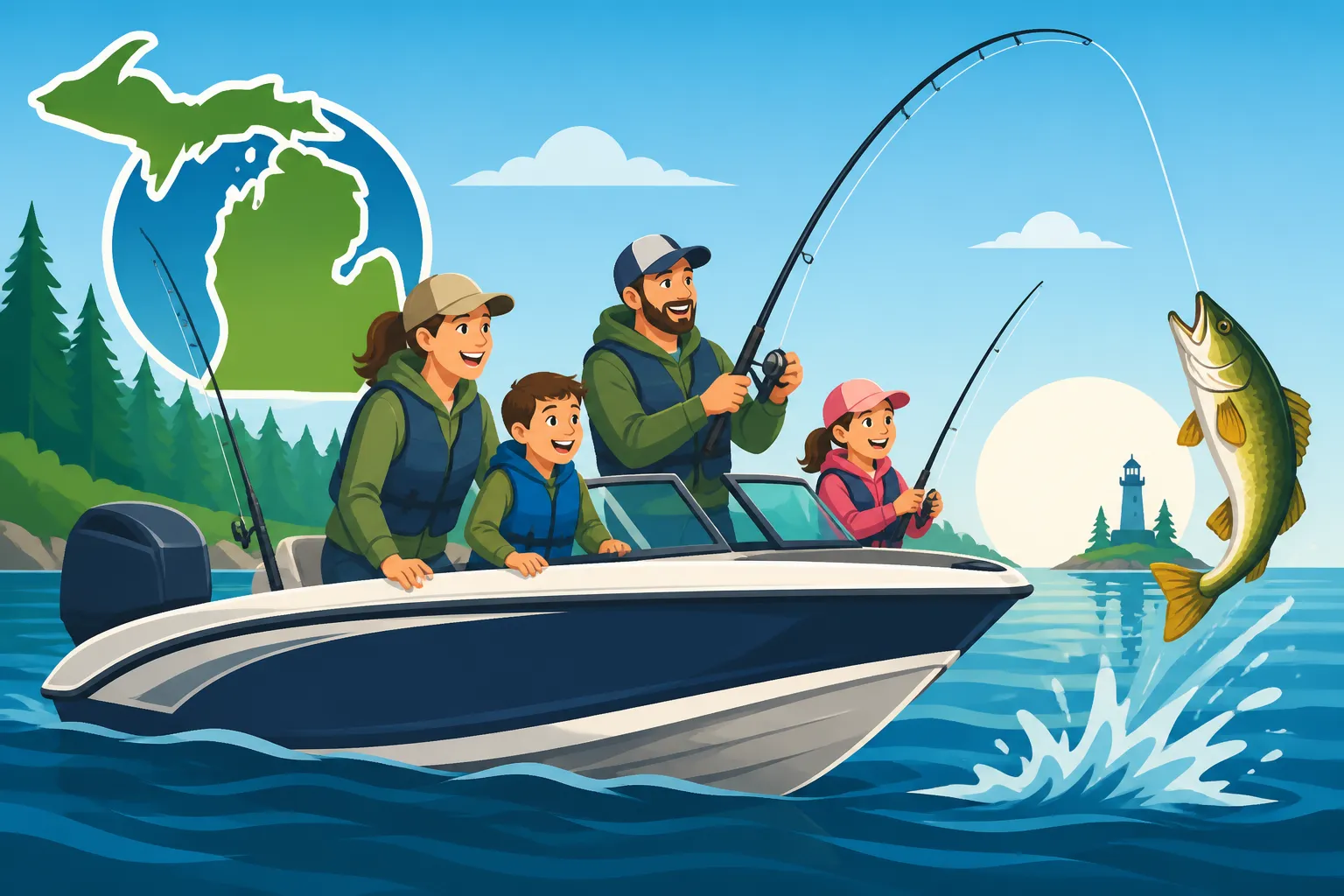
Trying to plan a family fishing trip to Michigan often brings up a big question: how do you find a boat that keeps everyone happy? It's a real struggle to balance dedicated fishing features with the comfort and safety needed for younger anglers or family members who just want to relax. This guide is here to help you navigate the myriad of options and figure out the best boat that can serve both your angling ambitions and your family's desire for a memorable day on the water in Michigan.
Understanding Your Family's Fishing Vision
Before you even start looking at boat models, it's crucial to sit down and think about what a "family fishing trip" truly means for your family. Every family is different, and what works for one might be a total miss for another. Are your kids avid anglers, or are they more interested in swimming and picnics with a little fishing thrown in? Do you envision serious trolling on the Great Lakes, or leisurely casting on a quiet inland lake? Getting a clear picture of your collective vision will narrow down your choices considerably.
Age and Experience Level of Anglers
The age and experience of everyone joining you on the boat will heavily influence your decision. If you have toddlers or very young children, safety railings, a stable platform, and easy access to a head (bathroom) become paramount. You'll want plenty of enclosed space where they can move around without constantly being near the edge, or where they can take a nap out of the sun. Think about their attention spans; if they're likely to get bored quickly, a boat that offers more than just fishing – like space for swimming or simply lounging – will be a huge bonus.
On the other hand, if your kids are older teenagers who are already skilled anglers, you might prioritize a boat with more dedicated fishing features, like ample rod holders, livewells, and advanced electronics. They might appreciate the ability to move freely around the deck to cast, or even have a dedicated spot for their tackle. The stability of the boat is still important for older kids, especially if they're actively casting or battling a larger fish. Consider how much supervision young children will need; a boat with high sides or secure seating can make a world of difference for parental peace of mind.
Preferred Fishing Style and Species
Michigan offers such a diverse range of fishing opportunities, from targeting panfish on small ponds to chasing massive salmon in the deep waters of Lake Michigan. Your preferred fishing style and target species will directly impact the type of boat that makes the most sense.
If your family loves casting for bluegill and crappie on a calm inland lake, a smaller, simpler boat might be perfect. These trips often involve less gear and focus more on relaxed enjoyment. However, if you're dreaming of trolling for walleye on Saginaw Bay or jigging for lake trout on Lake Superior, you'll need a boat capable of handling larger waters, potentially equipped with downriggers, a powerful motor, and advanced navigation.
Think about how much gear you'll be bringing. Are you just tossing a few spin rods in, or do you have multiple tackle boxes, a cooler packed with snacks, and specialized equipment for specific species? The amount of gear translates directly into the need for storage space on the boat. Also, consider if you want to use specific techniques, like fly fishing for trout on a river, which would likely require a completely different vessel, perhaps a drift boat or a smaller jon boat, rather than a large lake cruiser. Before setting out, remember to brush up on Michigan Fishing Regulations Every Angler Should Know.
Michigan Waterways: Inland Lakes vs. Great Lakes
Michigan is truly blessed with an incredible variety of waters, and where you plan to fish most often is a critical factor. Are you primarily sticking to the calm, sheltered bays of Lake St. Clair, or are you eyeing serious offshore adventures on Lake Huron?
Inland Lakes: For smaller to medium-sized inland lakes like Houghton Lake or Higgins Lake, a pontoon boat, a smaller deck boat, or even a robust aluminum fishing boat can be ideal. These waters are generally less prone to sudden, dramatic weather changes, and the waves are typically smaller. The focus here is often on accessibility, ease of launching, and maneuverability in tighter spaces. You'll find many fantastic spots like those described in Michigan Inland Lakes Worth Fishing that are perfect for these types of boats.
Great Lakes: Venturing onto the Great Lakes – Michigan, Huron, Superior, Erie – is a different ballgame entirely. These vast bodies of water can develop ocean-like conditions very quickly, with large waves and strong winds. For Great Lakes fishing, you'll want a boat that's more substantial, with a deeper V-hull, a powerful and reliable engine, and robust safety features. Think walkaround cuddy cabins, larger center consoles, or deep-V aluminum boats designed for big water. While you might not need a full-blown offshore fishing machine, a boat capable of handling chop and providing a dry ride will make a world of difference for your family's comfort and safety. Many families love targeting salmon on these waters, as detailed in Michigan's Great Lakes Fishing Guide.
Exploring Family-Friendly Boat Types for Michigan Waters
Now that you've got a clearer picture of your family's needs, let's look at some popular boat types and how they stack up for family fishing trips in Michigan. Each has its own set of advantages and disadvantages.
Pontoon Boats: The Floating Living Room
Pontoon boats have exploded in popularity, and it's easy to see why they're a top contender for family fishing. They are essentially floating platforms, offering immense space, stability, and comfort.
Pros:
- Space Galore: Pontoons offer the most deck space for their length, meaning plenty of room for kids to play, multiple anglers to cast simultaneously without tangling lines, and coolers, bags, and gear to be stowed out of the way.
- Stability: Their wide, flat deck design makes them incredibly stable, which is fantastic for young children or anyone prone to seasickness. It's easy to walk around, and you won't feel every little chop.
- Comfort: Most pontoons come equipped with plush seating, often couches and lounge areas, making them perfect for relaxing, picnicking, and simply enjoying the scenery. Many also have optional changing rooms or portable heads.
- Shade: Bimini tops are standard on most pontoons, offering crucial shade on hot summer days, which is a big deal for keeping everyone comfortable and safe from the sun.
- Versatility: While excellent for casual fishing, they are also perfect for swimming, tubing, or just cruising.
Cons:
- Not for Big Water: While some larger, tri-toon models can handle moderate chop, most pontoons are best suited for inland lakes and calmer rivers. They can be slow and wet in rougher Great Lakes conditions.
- Limited "Serious" Fishing Features: While you can certainly fish from a pontoon, they aren't typically designed with dedicated fishing amenities like built-in livewells, vast tackle storage, or specialized rod holders unless specifically customized.
- Speed: Generally, pontoons aren't built for speed, though larger engines can get them moving pretty well. If watersports are a big part of your plan, ensure you have enough horsepower.
Best for: Families with young children, those prioritizing comfort and space, casual fishing on inland lakes, picnics, and swimming. They are excellent for a relaxed day out where fishing is one of many activities. You can find a great range of accessories for pontoons, from cup holders to fishing rod racks, at places like Bass Pro Shops.
Deck Boats: The Hybrid of Fun and Fish
Deck boats are often seen as a hybrid between a runabout and a pontoon, aiming to offer the best of both worlds. They typically feature a V-hull for better performance in chop but boast a wider, more open bow area than traditional runabouts.
Pros:
- Performance: With a V-hull, deck boats generally handle chop better and are faster than pontoons, making them more suitable for larger inland lakes and potentially calmer days on the Great Lakes.
- Versatility: They offer a good balance for watersports (tubing, skiing) and fishing. Many come with swim platforms, making it easy to get in and out of the water.
- Open Layout: The open bow and stern designs provide more usable space than a typical bowrider, though usually less than a pontoon. This means more room for movement and gear.
Cons:
- Less Space than Pontoons: While roomier than a runabout, they still can't match the sheer deck space of a pontoon.
- Less Stable at Rest: Due to their V-hull, they will rock more at anchor or drift than a pontoon, which could be a factor for sensitive family members.
- Fishing-Specific Features Vary: Like pontoons, dedicated fishing features may be sparse unless it's a model specifically marketed as a "fish and ski."
Best for: Active families who want to combine fishing with watersports, those who value a smoother ride and more speed, and those who fish on larger inland lakes or occasionally venture onto the Great Lakes on fair-weather days.
Aluminum Jon Boats and Utility Boats: Simple, Rugged, and Accessible
For families on a tighter budget, or those who primarily fish smaller, calmer inland waters or rivers, a jon boat or a similar utility aluminum boat can be an excellent, no-frills option.
Pros:
- Affordability: These are typically the most budget-friendly boats, both in initial purchase and ongoing maintenance.
- Durability: Aluminum boats are tough, able to withstand bumps and scrapes that might damage fiberglass.
- Ease of Launching/Trailering: They are lightweight and easy to tow with smaller vehicles, and can be launched in very shallow or unimproved ramps.
- Shallow Water Access: Their flat bottoms or modified V-hulls allow them to navigate extremely shallow waters, opening up fishing spots that larger boats can't reach.
- Customization: Jon boats are often a blank canvas, allowing you to customize them with seats, rod holders, or electronics to fit your family's needs over time.
Cons:
- Comfort: They are often very basic, with bench seating and little in the way of creature comforts. Long days can be uncomfortable.
- Ride Quality: Their flat bottom design means a very rough, wet ride in even moderate chop. Definitely not for big water.
- Limited Space: While versatile, they are generally smaller, offering less space for multiple anglers, gear, and family members.
- Safety for Young Children: Low sides can be a concern for very young children. Extra caution and constant supervision are required.
Best for: Families on a budget, those who fish calm inland lakes, small rivers, or require extreme shallow-water access. Excellent as a secondary boat or for a single parent taking one or two kids out for panfish. You can often find great deals on these boats and associated gear on platforms like Amazon or local classifieds.
Walleye Boats / Multi-Species Boats: Serious Fishing, Family Comfort
If your family is truly committed to fishing, and often targets species like walleye, bass, or even smaller salmon, a dedicated walleye or multi-species fishing boat might be the ticket. Many modern versions of these boats are designed with surprising family amenities.
Pros:
- Dedicated Fishing Features: Built-in livewells, rod lockers, vast tackle storage, powerful trolling motors, and advanced fish finders are standard. These boats are designed for serious angling.
- Performance: They often have deeper V-hulls than utility boats, providing a much smoother and drier ride in choppy conditions, making them suitable for larger lakes and the Great Lakes.
- Versatility: While geared for fishing, many multi-species boats also offer comfortable seating options, bow cushions, and even ski pylons for watersports.
- Stability: Good stability for casting and battling fish, even in modest waves.
Cons:
- Cost: These boats represent a significant investment compared to pontoons or utility boats.
- Less Open Space: While efficient for fishing, they usually have less open deck space than a pontoon, which might feel a bit cramped for non-fishing family members.
- Complexity: More systems (livewells, electronics) mean more to learn and maintain.
Best for: Families where fishing is the primary activity, who want to tackle a variety of species and water bodies, and who value performance and dedicated fishing features but still appreciate some comfort. These are excellent choices for targeting walleye in Michigan's famous fishing grounds like Saginaw Bay or Lake St. Clair. If you're looking for Best Tackle for Michigan Walleye Fishing, a boat like this will handle it all.
| Boat Type | Primary Use Case (Family) | Stability & Ride | Space for Family | Fishing Features | Price Range (General) | Best Michigan Waters |
|---|---|---|---|---|---|---|
| Pontoon Boat | Relaxed cruising, swimming, casual fishing, picnics | Excellent | Excellent | Basic | Mid to High | Inland Lakes, Calm Rivers |
| Deck Boat | Active watersports, moderate fishing, cruising | Good | Good | Moderate | Mid to High | Larger Inland Lakes, Calm Great Lakes |
| Aluminum Jon Boat | Budget-friendly, shallow water access, basic fishing | Fair (at rest) | Fair | Minimal | Low | Small Inland Lakes, Rivers |
| Walleye/Multi-Species | Serious fishing (various species), some family comfort | Good (in chop) | Moderate | Excellent | Mid to High | Larger Inland Lakes, Great Lakes |
Key Features to Prioritize in Your Family Fishing Boat
Once you've zeroed in on a boat type, it's time to dig into the specific features that will make or break your family fishing experience. These go beyond the basic hull design and truly contribute to a memorable, enjoyable, and safe day on the water.
Safety and Comfort: The Non-Negotiables
When family is involved, especially little ones, safety and comfort move to the top of the list. These aren't just nice-to-haves; they are essential.
- High Gunwales/Sides: For boats venturing onto larger waters or carrying small children, higher sides (gunwales) offer a crucial sense of security and help prevent accidental falls overboard. This is especially important if kids are moving around the boat.
- Non-Skid Decking: Slippery decks are a recipe for accidents. Look for boats with textured, non-skid surfaces, especially in high-traffic areas or where water might accumulate.
- Ample Seating with Backrests: While bench seats are fine for short trips, comfortable seating with proper backrests is a must for longer outings. Consider if seats can convert into loungers for relaxing or sunbathing.
- Shade Options: A good Bimini top or hardtop is invaluable in Michigan's summer sun. It provides relief from UV rays and can offer shelter from an unexpected sprinkle. Think about how much coverage you need for the size of your family.
- Easy-Access Head/Changing Area: This is a game-changer, especially with kids. A small, enclosed area, even if just for a portable toilet, makes a huge difference in comfort and extending your time on the water. Many pontoons and deck boats offer this.
- Swim Ladder/Platform: If swimming is part of your family's fun, a sturdy swim ladder and an integrated swim platform make getting in and out of the water safe and easy.
- Life Jackets: While not a boat feature, having appropriately sized life jackets for everyone on board is non-negotiable and legally required. You can find a wide variety of comfortable, Coast Guard-approved life jackets at Bass Pro Shops or on Amazon. Remember to always follow Life Jackets and Michigan Boating Safety Rules.
Storage and Convenience: Keeping Everything Shipshape
A cluttered boat is a chaotic boat, especially with a family aboard. Adequate storage and thoughtful convenience features will make your trips much smoother.
- Rod Storage: Whether it's vertical rod holders, horizontal lockers, or dedicated rod tubes, having secure places for everyone's fishing rods prevents tangles and damage.
- Integrated Coolers/Storage Bins: Built-in coolers keep drinks and snacks chilled without taking up valuable deck space. Dry storage compartments are essential for keeping towels, extra clothes, and electronics safe from spray.
- Tackle Storage: Dedicated compartments for tackle boxes or small trays keep fishing gear organized and accessible. This is where multi-species boats really shine.
- Trash Receptacle: A designated spot for trash, even if it's just a clip for a trash bag, keeps the boat clean and prevents littering our beautiful Michigan waters.
- Cupholders: It sounds trivial, but enough cupholders for everyone makes a big difference, preventing spills and keeping drinks within reach.
Power and Maneuverability: Getting There and Back
Your boat's engine and overall handling determine where you can go and how safely and efficiently you can get there.
- Appropriate Horsepower: Match the engine size to the boat's intended use and the water conditions. Underpowered boats can be unsafe in rough water, while overpowered boats are often unnecessary and more expensive. Consider if you need enough power for watersports in addition to fishing.
- Fuel Efficiency: For longer trips, fuel efficiency can save you a lot of money and extend your range.
- Trolling Motor Pre-Rigging/Mount: If you're serious about fishing, especially for species like walleye or bass, a bow-mounted electric trolling motor is invaluable for precise boat positioning. Look for boats that come pre-wired or have a suitable mounting platform.
- Depth Finder/Fish Finder: A basic depth finder is crucial for safe navigation, especially in unfamiliar waters. For fishing, a good fish finder helps locate structure and fish. Many modern boats come with these integrated, or you can purchase one separately from retailers on Amazon.
Navigating the Practicalities: Budget, Maintenance, and Beyond
Bringing a boat into your family's life is exciting, but it comes with practical considerations beyond just the purchase price. Thinking about these factors upfront can prevent surprises down the road.
Initial Purchase vs. Long-Term Costs
It's easy to get caught up in the excitement of boat shopping and focus solely on the sticker price. However, the initial purchase is just the beginning of boat ownership.
- Purchase Price: This is obvious, but remember to factor in any financing costs. New boats can be costly, but a well-maintained used boat can be an excellent value. Consider exploring options from reputable dealers or private sellers.
- Registration and Titling: All motorized boats in Michigan, and even some non-motorized ones, require registration and often titling. These fees are recurring. Make sure you understand Michigan Boat Registration Requirements and any associated costs, like the renewal frequency.
- Insurance: Boat insurance is highly recommended, if not required by your lender or marina. It protects your investment and provides liability coverage.
- Trailer: Don't forget the cost of a trailer if the boat isn't stored at a marina. Factor in trailer maintenance, tires, and lights.
- Safety Gear: Beyond the boat itself, you'll need essential safety gear like life jackets for everyone, a fire extinguisher, signaling devices, and a first-aid kit. Many of these items can be bought individually or in kits, such as those available through Bass Pro Shops.
Maintenance and Storage: The Ongoing Commitment
Boats, like cars, require ongoing care and a place to live. Neglecting these aspects can lead to costly repairs and less time on the water.
- Winterization: Michigan winters are harsh. Boats need to be properly winterized to prevent damage from freezing temperatures. This can be a DIY task or a service provided by a marina, but it's an annual expense.
- Routine Maintenance: Engines need oil changes, fuel filters, and general check-ups. Hulls need cleaning, and trailers need bearing maintenance. Factor in the time and cost for these regular tasks.
- Storage: Where will you keep your boat when you're not using it?
- At Home: If you have the space, storing it on a trailer at home is often the most cost-effective.
- Marina Slip: Convenient for larger boats or those without home storage, but slip fees can be significant, especially in popular areas.
- Dry Stack Storage: Boats are stored indoors on racks and launched by forklift. Good for security and minimizing weather exposure, but also comes with fees.
- Cleaning Supplies: You'll need waxes, cleaners, and brushes to keep your boat looking its best and prevent algae or grime buildup. Regular cleaning not only maintains its appearance but also helps protect the hull and other components.
By thoroughly considering your family's unique needs, exploring the various boat types available, prioritizing essential features, and understanding the full scope of ownership costs, you can confidently choose the best boat for a family fishing trip that will create countless cherished memories on Michigan's beautiful waters.
Disclaimer
This article is for general informational purposes only and does not constitute professional advice. Laws, prices and regulations vary by location and change over time. Consult a qualified professional for guidance on your specific situation.