When Does Trout Season Open on Inland Michigan Waters
The biting chill of late winter and early spring in Michigan often brings with it an unbearable itch for anglers: the anticipation of trout season. For many, the opening day on our inland waters isn't just a date on the calendar; it's practically a holiday, signaling the true awakening of spring. But with all the different regulations and specific water designations, it can feel like you need a law degree just to figure out when and where you can legally cast a line. This guide is here to untangle that confusion, providing clear insights into when Michigan's inland trout season typically opens, why those dates are important, and how you can be ready to hit the streams.
The Big Day: Understanding Michigan's Inland Trout Opener
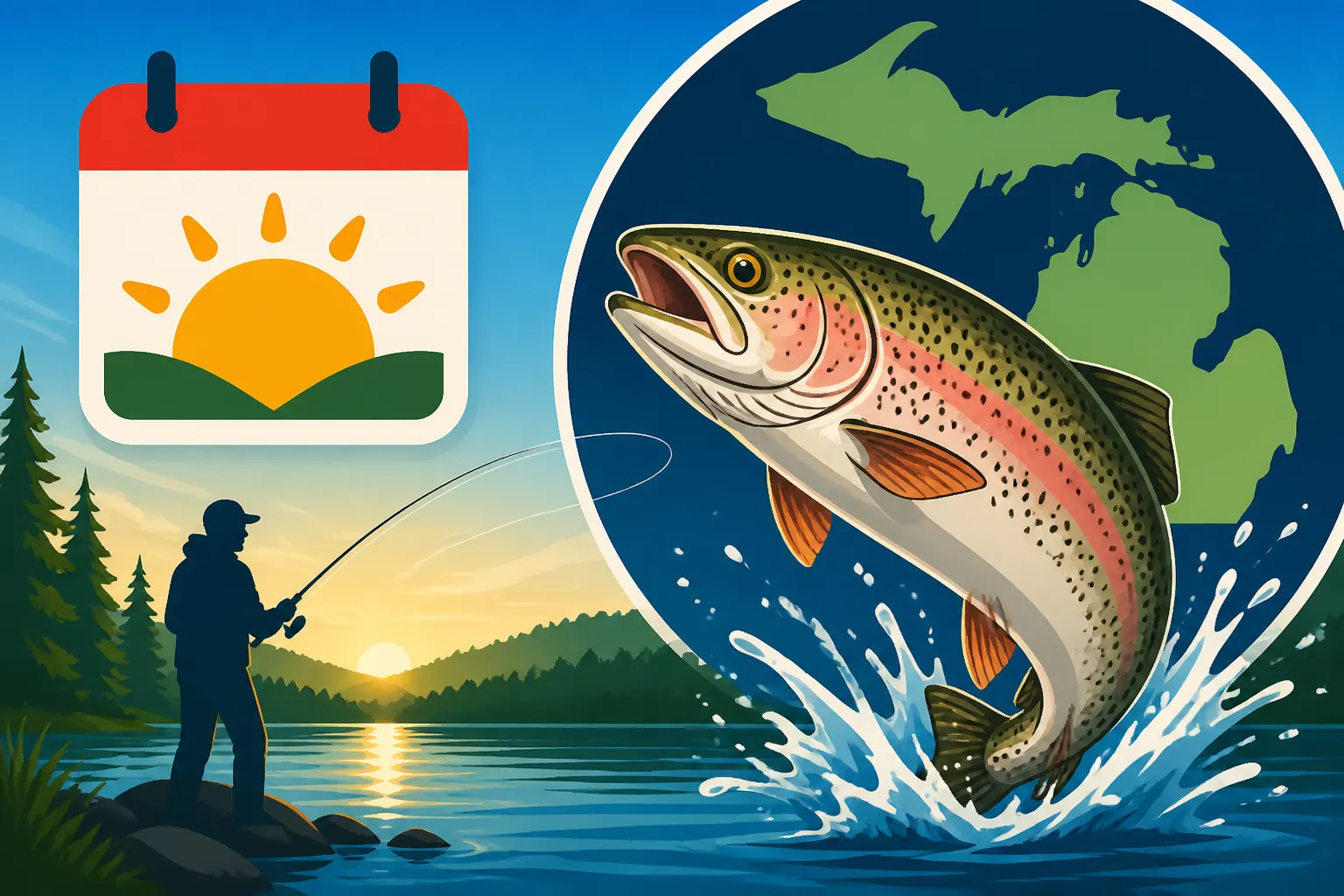
For many years, the first Saturday in April has been a sacred day for Michigan anglers. It’s when the majority of inland waters, teeming with wild and stocked trout, officially open for the season. Imagine waking up before dawn, the air crisp, the sounds of nature just beginning to stir, knowing that in a few hours, you'll be standing in a cold, clear stream, hoping for that first strike of a hungry brook, brown, or rainbow trout. That feeling of possibility, of a fresh start, is what makes the opener so special.
The General Statewide Rule
Historically, and for the vast majority of Michigan's inland streams and rivers, the official opening date for trout season is the last Saturday in April. This isn't just some arbitrary date; it's carefully chosen by the Michigan Department of Natural Resources (DNR) to balance angling opportunities with the biological needs of the fish. Think about it: our Michigan winters can be brutally long, and the fish need time to shake off the cold, recover from spawning, and become active again before they face angler pressure. This late April opening usually coincides with more stable weather patterns, rising water temperatures, and increasing insect activity, making for more enjoyable and productive fishing. However, always remember that while this is the general rule, Michigan's fishing regulations can be quite granular, with specific exceptions for certain water bodies. It’s never a bad idea to double-check the latest guide.
Navigating Special Regulations and Exceptions
While the last Saturday in April is the standard, Michigan is a diverse state with an incredible variety of trout waters, and some of these have very specific rules. You might encounter waters designated as "Type 1," "Type 2," or even "catch-and-release only" sections that have different opening and closing dates, or even year-round opportunities with specific gear restrictions. For instance, some designated "flies-only" or "artificial lures only" sections might open earlier or stay open later, sometimes even year-round, to promote catch-and-release fishing and protect vulnerable populations. It can be a bit of a maze, especially if you're new to the state or trying a new stream for the first time. The key is to never assume. If you're heading to a specific river like the Au Sable River or the Pere Marquette River, make sure you know the specific regulations for the stretch you plan to fish. Checking the Michigan Fishing Regulations Every Angler Should Know is absolutely crucial.
The Annual Cycle: When to Expect the Opener
For the most part, you can pencil in that last Saturday in April on your calendar year after year as the unofficial start to your inland trout adventures. This consistency is a blessing for many anglers, allowing them to plan their trips, request time off work, and get their gear in order well in advance. While the general date remains consistent, it's the specific conditions on that day that really dictate the fishing. Some years, it might be sunny and mild, making for a pleasant day on the water. Other years, you might be bundling up against a late-season snow flurry or contending with high, fast water from spring melt. Each year presents its own unique challenges and rewards, making opening day an adventure in itself. Remember, the DNR updates its full Michigan Fishing Season Dates and Rules annually, usually around March, so you can always confirm the exact date and any minor changes well before the season kicks off.
Why Dates Matter: Protecting Michigan's Trout Fisheries
The careful timing of Michigan's trout season isn't arbitrary; it's a critical component of conservation efforts. These regulations are designed to ensure that our precious trout populations remain healthy and abundant for generations of anglers to come. It’s a delicate balance between providing recreational opportunities and safeguarding the natural lifecycle of these incredible fish.
Spawning Cycles and Conservation
One of the primary reasons for specific opening dates is to protect trout during their critical spawning periods. Different trout species spawn at different times. For example, brown trout and brook trout typically spawn in the fall, while rainbow trout (which become steelhead when they run into rivers from the Great Lakes) usually spawn in the spring. Closing seasons during these times allows fish to reproduce undisturbed, ensuring the next generation of trout. If fishing pressure were allowed during spawning, it could severely impact reproductive success, leading to declines in fish populations. The regulations often take into account these natural rhythms, giving the fish a chance to complete their biological imperative without the added stress of hooks and lines. It’s a quiet testament to Michigan’s commitment to preserving its natural heritage.
Water Temperature and Fish Health
Beyond spawning, water temperature plays a massive role in trout health and activity. Trout are coldwater fish, and their metabolism and stress levels are directly tied to the temperature of their environment. In early spring, water temperatures can still be very low, making fish sluggish and more susceptible to stress from being caught and released. As the water warms gradually in late April and May, trout become more active, feed more readily, and are generally more resilient. This increased hardiness means a higher survival rate for fish caught and released, which is vital for maintaining healthy populations, especially in waters where catch-and-release is common practice. Fishing when water temperatures are too cold or too warm can put undue stress on trout, and the season opener aims for that "sweet spot" of optimal conditions.
Ensuring a Sustainable Future
Ultimately, the carefully set season dates are about sustainability. They represent a collective agreement, informed by science and angler input, on how best to manage our wild and stocked fisheries. Every time you check the Reading the Michigan Fishing Regulations Digest and adhere to the opening dates, you're participating in this vital conservation effort. These rules help prevent overfishing during vulnerable periods, allow for natural recovery, and support the stocking programs that supplement wild populations. The fees from your Michigan Fishing License Guide for Residents and Nonresidents, whether it’s a Michigan Resident Annual Fishing License Cost or a Michigan Nonresident Annual Fishing License Cost, also directly contribute to these conservation efforts, funding everything from fish stocking to habitat improvement projects. It’s a cycle of enjoyment and responsibility that ensures future generations can experience the thrill of Michigan trout fishing just as we do today.
Gear Up and Get Ready: Preparing for Trout Season
Once you know when the season opens, the real fun begins: preparing for it! Getting your gear in order, understanding where you stand with your license, and doing a little pre-season scouting can make all the difference between a frustrating trip and a fantastic one. You don't want to be scrambling the night before, realizing you're missing a key piece of tackle or that your license expired.
Essential Tackle for Opening Day
Michigan's inland trout streams can vary widely, from tight, brushy brooks to wider, more open rivers, so your tackle needs to be versatile. For many, a lightweight spinning rod or a fly rod is the weapon of choice. For spinning gear, think a light-to-medium action rod, about 6 to 7 feet long, paired with a small, sensitive spinning reel spooled with 4-6 pound test line. If you're a fly angler, a 4- to 6-weight fly rod is a great all-around option for most Michigan trout streams.
Beyond the rod and reel, you'll want a selection of small spinners, spoons, and soft plastics for spinning, or a variety of nymphs, emergers, and dry flies for fly fishing. Don't forget your waders and wading boots – those Michigan streams are cold in April! And make sure you have a quality net, especially if you plan on catch-and-release, to minimize handling stress on the fish. You can find a huge array of options on platforms like Amazon, from basic starter kits to specialized Best Fly Fishing Gear for Trout Rivers for the seasoned enthusiast. It's also wise to pack a small tackle box or vest with essentials like forceps for hook removal, clippers for line, and plenty of extra leaders and tippet.
Here’s a quick overview of essential gear:
| Item | Spinning Angler | Fly Angler | Why It's Essential |
|---|---|---|---|
| Rod & Reel | Light/Medium Action Spinning Rod (6-7 ft), Small Spinning Reel | 4-6 Weight Fly Rod, Matching Reel | Provides sensitivity for strikes, necessary casting ability. |
| Line | 4-6 lb Monofilament or Fluorocarbon | Fly Line (Weight-Forward), 3X-6X Tippet | Connects you to the fish, crucial for casting and presentation. |
| Lures/Flies | Small Spinners (e.g., Mepps, Rooster Tail), Spoons, Soft Plastics | Nymphs (Pheasant Tail, Hare's Ear), Dry Flies (Adams), Streamers | Attracts fish, imitates natural food sources. |
| Waders & Boots | Chest or Hip Waders, Felt-Sole or Rubber-Sole Wading Boots | Chest Waders, Felt-Sole or Rubber-Sole Wading Boots | Keeps you dry and warm in cold water, provides traction. |
| Net | Rubber or Ghost Mesh Landing Net | Rubber or Ghost Mesh Landing Net | Safely lands fish, reduces injury to fish during release. |
| Accessories | Forceps, Line Clippers, Small Tackle Box, Polarized Sunglasses | Forceps, Tippet Spool Holder, Floatant, Small Fly Box, Polarized Sunglasses | Essential tools for managing tackle and fish, improves visibility. |
Checking Your License and Regulations
This might sound obvious, but it's astonishing how many anglers show up on opening day only to realize their license has expired. Michigan's fishing licenses run on a specific annual cycle, typically from March 1st to the following March 31st. So, if you bought your license last spring, it likely expired before the current year's opener. Make it a point to check your license status well in advance. You can easily renew your Michigan Fishing License Renewal Each Spring online through the Michigan DNR website, or via their handy DNR Hunt Fish app, which you can easily download and use on your smartphone. Many local sporting goods stores and bait shops also act as license dealers. Before you even think about stepping into the water, familiarize yourself with the current year’s regulations. Pay close attention to any specific gear restrictions, daily bag limits (such as Michigan's Combined Trout and Salmon Daily Limit), and minimum size limits for the water you intend to fish. These details often change slightly from year to year, so always confirm.
Scouting Your Favorite Spots
A little pre-season reconnaissance can go a long way. Even if you have a tried-and-true favorite spot, conditions can change significantly over the winter. Snowmelt and spring rains can alter river flows, create new log jams, or carve out new pockets and runs. Take a drive or hike along your intended stream a week or two before the opener. Look for signs of fish activity, observe water levels and clarity, and identify potential access points. If you're targeting specific species, understanding the habitat is key. For example, brown trout often prefer undercut banks and woody debris, while brook trout thrive in smaller, colder headwater streams. Many rivers in Michigan, like the Au Sable, are known as prime spots for different trout species, offering fantastic opportunities for Best Rivers for Brown Trout in Michigan and Best Rivers for Rainbow Trout in Michigan. This pre-trip scouting not only gets you excited but also helps you formulate a game plan for opening day, making your first casts more strategic and potentially more rewarding.
Beyond the Opener: Extending Your Michigan Trout Adventures
While opening day is steeped in tradition, Michigan's trout opportunities extend far beyond that single date. With varied regulations and diverse waters, you can often find fantastic trout fishing almost any time of year, if you know where to look.
Great Lakes Tributaries: Year-Round Opportunities
One of Michigan's unique advantages is its access to the Great Lakes. Many rivers that flow into these massive bodies of water, particularly the larger ones like the Manistee River or the St. Joseph River, often have year-round open seasons for trout and salmon. These rivers are primarily known for their runs of steelhead (rainbow trout) and salmon, which migrate upstream from the Great Lakes. However, many also hold resident brown and rainbow trout populations that benefit from the more liberal seasons. The rules for these Great Lakes tributaries can sometimes differ from inland regulations, particularly regarding species like brook trout and lake trout. For instance, Michigan's Great Lakes Year-Round Trout Season often allows for fishing for certain species, but specific rules for inland sections of these rivers might still apply. Always consult the regulation digest for the exact stretch of river you plan to fish, as boundary waters between inland and Great Lakes regulations can be tricky.
Catch and Release: A Philosophy for All Seasons
Embracing catch-and-release fishing is a fantastic way to extend your trout adventures and contribute to conservation throughout the year. Many dedicated trout anglers practice catch-and-release religiously, especially on wild trout waters or during periods when fish might be more vulnerable. It allows you to enjoy the thrill of the catch without impacting fish populations, preserving the resource for others and for future generations. If you’re fishing in a "Type 1" or "Type 2" designated trout stream with special regulations, catch-and-release might even be mandatory for certain periods or species. Learning proper catch-and-release techniques, such as using barbless hooks, minimizing air exposure, and handling fish gently, is an essential skill for any ethical angler. It’s not just about compliance; it’s about respect for the fish and the environment.
Staying Informed: How to Get the Latest Info
Fishing regulations, while generally stable, can see minor updates or emergency orders due to environmental factors, new research, or shifts in fish populations. The Michigan DNR website is your absolute best friend for staying up-to-date. They publish the annual Michigan Fishing Guide well in advance of the new season, usually accessible as a PDF online. You can also sign up for email alerts from the DNR to receive notifications about important changes or specific regional news. Beyond official channels, local bait shops, tackle stores, and online forums dedicated to Michigan fishing are fantastic resources. These local experts often have real-time insights into river conditions, fish activity, and any unannounced changes you might encounter. Combining official information with local knowledge ensures you're always fishing legally and effectively. Even checking out new gear options on Amazon and reading angler reviews can keep you informed about effective techniques and tackle.
Disclaimer
The information provided in this guide is for general informational purposes only and is subject to change. While we strive to provide accurate and up-to-date content, fishing regulations, season dates, and local conditions can vary. It is the responsibility of every angler to consult the official Michigan Department of Natural Resources (DNR) fishing guide and local regulations before fishing. Failure to do so may result in fines or penalties.