How to Catch Walleye Through the Ice in Michigan
If you've ever stood on a frozen Michigan lake, the wind whipping around you, wondering why those elusive walleye aren't biting through the ice, you're not alone. It can feel like a game of hide-and-seek, especially with our diverse waterways. This comprehensive guide is here to demystify the art of ice fishing for walleye in Michigan, arming you with the knowledge, gear, and techniques to turn those frustrating outings into successful ones.
Understanding Michigan Walleye Behavior Under Ice
Catching walleye through the ice in Michigan is less about luck and more about understanding their winter habits. These cunning predators don't just disappear when the surface freezes over; they simply change their patterns and locations, often becoming more predictable. Knowing where to find them and when they're most active is half the battle.
Where Walleye Hold in Winter
During the hardwater season, walleye in Michigan tend to gravitate towards specific structures and depths that offer them both food and protection. Unlike their summer roaming, winter walleye are often concentrated, making them prime targets if you know where to look.
Picture a typical Michigan inland lake, perhaps a favorite like Houghton Lake or Saginaw Bay, but frozen solid. Underneath that ice, walleye will often relate to features like deep weed lines. As aquatic vegetation dies off, it still provides cover and holds small baitfish like perch or shiners, which walleye actively feed on. These weed lines, especially those bordering deeper water, become critical ambush points. Don't be afraid to drill holes both inside the weed edge and just outside of it to locate schools.
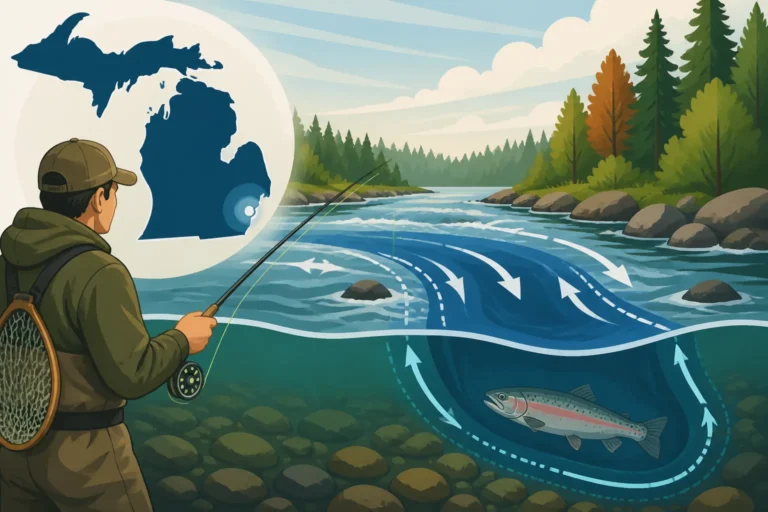
Drop-offs and transition zones are another go-to. Think about a flat, expansive shelf that suddenly plunges into a deeper basin. Walleye will often cruise these edges, moving up to feed during low-light periods and retreating to the deeper, more stable temperatures when light penetration is higher. Steep breaking points, especially those that drop from 10-15 feet down to 20-30 feet, are often highways for these fish. You'll want to target the distinct break line rather than randomly fishing the middle of the flat or the deep basin itself. On the Great Lakes, or connecting rivers like the Detroit River, current seams and deeper holes become even more crucial. Walleye will tuck into these areas to conserve energy and ambush prey swept along by the flow.
Submerged humps, points extending into deeper water, and even old creek channels can also concentrate walleye. These structures act as underwater magnets for baitfish, and where the bait goes, the walleye follow. If you have good lake maps or a reliable fish finder, identify these contours and focus your efforts. Often, even a subtle change in depth by just a few feet can hold a whole school of fish. Remember to check out some of the Best Ice Fishing Lakes in Michigan for specific examples of these underwater structures in action.
Prime Times and Conditions for Ice Walleye
Walleye are notorious for being low-light feeders, and this behavior intensifies under the ice. The periods just before sunrise and just after sunset are often the most productive. The diminished light penetration through the ice, especially if there's snow cover, often extends these "golden hours" throughout the day. However, those initial and final hours of daylight are still often the most consistent.
Overcast days can also be fantastic for walleye ice fishing. The diffused light reduces their light sensitivity, making them more willing to venture out of cover and feed aggressively. Conversely, bright, sunny days with clear ice can make walleye more skittish and prone to hugging the bottom or deeper structure. On these brighter days, a subtle approach with smaller baits or focusing on deeper holes might yield better results.
Weather fronts play a significant role as well. The day or two leading up to a major cold front, when barometric pressure is falling, can often trigger an intense feeding frenzy. Walleye seem to sense the change and will gorge themselves. However, once a strong cold front passes and high pressure settles in, fishing can become much tougher. The fish often become lethargic and less willing to chase baits. During these post-front conditions, a more patient approach, using smaller baits and subtle presentations, is often required. You might also find them in slightly deeper water, seeking more stable conditions.
Oxygen levels, while generally good in winter, can also influence walleye activity, particularly in smaller, shallower lakes with heavy snow cover. Too much snow can block sunlight, reducing oxygen production by aquatic plants. This can lead to fish becoming less active or seeking out areas with better oxygenation, such as near inlets or springs. Generally, though, this is less of a concern on Michigan's larger, deeper lakes.
Essential Gear for Michigan Ice Walleye
Having the right equipment is crucial for success when ice fishing for walleye. Michigan winters can be brutal, and walleye can be finicky, so your gear needs to be up to the task. From the right rod and reel to the shelter that keeps you warm, every piece plays a vital role. If you're looking for more general ice fishing advice, check out our Michigan Ice Fishing Guide.
Rods, Reels, and Line Selection
Choosing the right rod, reel, and line for ice fishing walleye can significantly impact your success. You need gear that is sensitive enough to detect subtle bites but strong enough to handle a feisty walleye in cold conditions.
For rods, forget your open-water heavy-action sticks. Ice fishing rods are specifically designed for the unique challenges of fishing through a small hole. Look for medium-light to medium-action rods, typically 28 to 36 inches in length. The key here is a sensitive tip that will telegraph even the slightest "thump" or "lift" bite that walleye are famous for. A fast-action tip will allow you to quickly set the hook. Brands like St. Croix, Fenwick, and Clam offer excellent ice rods designed for walleye. You can often find a great selection of these on platforms like Amazon, offering convenience and competitive pricing.
When it comes to reels, a small spinning reel in the 500 to 1000 size range is perfect. Smooth drag is paramount, especially when you hook a larger walleye that decides to make a run. The cold can make cheap reels stiff and unreliable, so investing in a quality reel from brands like Shimano or Daiwa will pay off. Make sure it's spooled correctly and the drag is set to prevent line breaks.
Line selection is another critical component. Many anglers opt for fluorocarbon or monofilament line in 4 to 8-pound test. Fluorocarbon is nearly invisible underwater and has very little stretch, which is great for detecting bites and solid hooksets. Monofilament offers a bit more stretch, which can be forgiving, and is generally easier to handle in extreme cold. Some anglers also use braided line with a fluorocarbon leader. Braided line has zero stretch, offering maximum sensitivity, but it can absorb water and freeze on your reel if not managed properly. Regardless of your choice, ensure your line is fresh and specifically designed for cold weather to prevent stiffness and coil memory.
Here’s a quick overview of essential gear:
| Gear Type | Key Features for Walleye Ice Fishing | Typical Sizes/Strengths | Where to Look |
|---|---|---|---|
| Ice Rod | Medium-light to Medium Action, Sensitive Tip, Fast Action | 28-36 inches | Specialty tackle shops, Amazon |
| Ice Reel | Smooth Drag, Cold-weather performance, Durable | 500-1000 size spinning reel | Specialty tackle shops, Amazon |
| Fishing Line | Low Stretch (fluoro/braid), Cold-resistant, Good knot strength | 4-8 lb test (fluoro/mono), 8-15 lb braid with leader | Any tackle shop, Amazon |
| Augers | Quick and efficient, suitable for Michigan ice thickness | 6-10 inch hand, power, or electric | Specialty shops, Amazon |
| Fish Finder | Portable, good transducer, clear display, flasher/graph combo | Various models (e.g., Vexilar, Humminbird) | Specialty shops, Amazon |
| Tip-Ups | Reliable flag, sturdy spool, smooth trip mechanism | Standard sizes | Any tackle shop, Amazon |
| Ice Shelter | Insulated, portable, good ventilation, easy setup | 1-3 person hub or flip-over | Specialty shops, Amazon |
Augers, Shelters, and Electronics
Beyond your rod and reel, an effective ice angler needs a few more critical tools to stay comfortable and productive on Michigan's frozen lakes. When you're ready to hit the ice, having the right setup, from drilling holes to staying warm, makes all the difference. You'll find more general recommendations in our What Gear Do You Need to Ice Fish in Michigan guide.
First up, the auger. Michigan ice can get thick, especially in the Upper Peninsula, so a reliable auger is non-negotiable. You have a few options: manual, gas-powered, or electric. Manual augers are great for early or late-season thin ice, or if you're only drilling a few holes. For serious walleye anglers who drill many holes, often through thick ice, a power auger (gas or electric) is essential. Gas augers are powerful but can be noisy and smelly. Electric augers, like those from Strikemaster or Ion, are becoming incredibly popular for their quiet operation, lack of fumes, and consistent performance. They're lighter and easier to transport, too. Choosing the right diameter is key; an 8-inch auger is a good all-around choice for walleye, allowing you to land larger fish without struggling. Our Best Ice Augers for Michigan Ice Fishing article dives deeper into this.
Next, consider an ice shelter. Michigan winters can be brutally cold and windy. An insulated ice shelter provides a warm sanctuary from the elements, allowing you to fish longer and more comfortably. You'll find two main types: hub-style and flip-over (sled-style). Hub shelters offer more space for their weight and are great for groups, while flip-over shelters are incredibly quick to set up and move, perfect for hole-hopping. Brands like Clam, Eskimo, and Shappell offer excellent options. Being warm and protected can be the difference between a miserable outing and a memorable one. You can read more about options in our Best Ice Shelter for Cold-Weather Fishing guide.
Finally, electronics are a game-changer for ice walleye. A good fish finder, often called a flasher, is almost a necessity. Devices like the Vexilar FLX series or Humminbird Ice Helix units allow you to see your lure in real-time and any fish approaching it. This feedback is invaluable for adjusting your presentation, depth, and jigging cadence. You can quickly determine if fish are active, how they're reacting to your bait, and even discern the bottom composition. Many of these units can be found on Amazon, offering competitive pricing and a wide selection. Portable fish finders are specifically designed for ice fishing and are worth every penny, helping you pinpoint those schools of walleye more efficiently. For more detailed insights, check out What Electronics Help Find Walleye.
Top Techniques for Ice Walleye in Michigan
Once you've got your gear dialed in and have a good understanding of where walleye are likely to be, it's time to talk about the actual fishing. Walleye can be finicky under the ice, so having a repertoire of techniques is crucial. You'll find a general overview of techniques in our Ice Fishing Techniques for Michigan Walleye post, but here, we'll focus specifically on walleye.
Jigging Strategies and Lure Choices
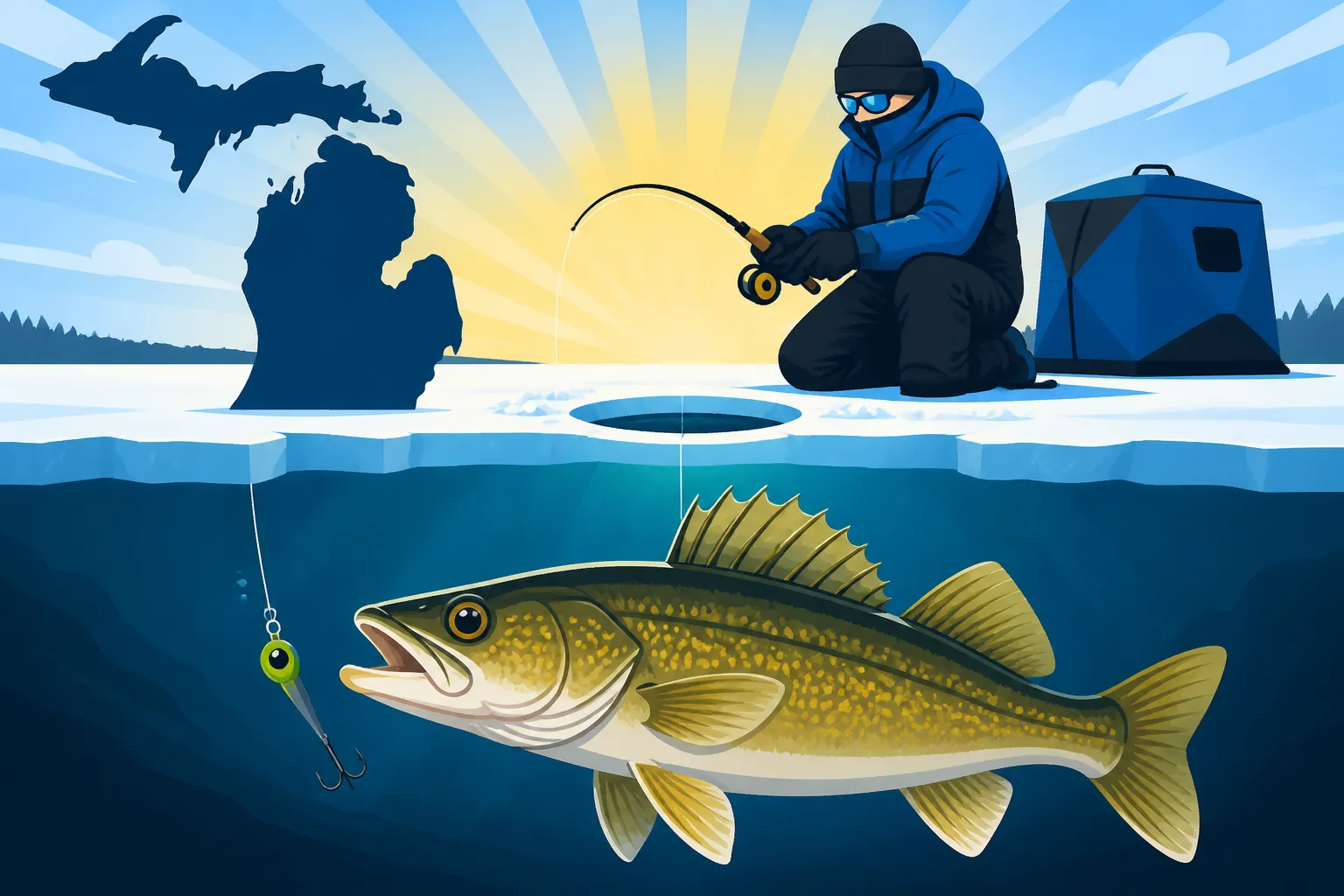
Jigging is arguably the most active and popular method for catching walleye through the ice. It allows you to present your lure directly to fish you see on your electronics and experiment with different presentations until you find what they want.
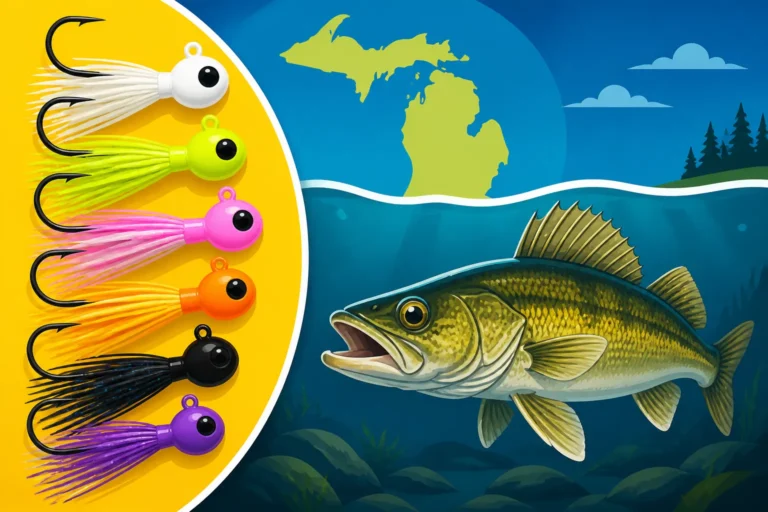
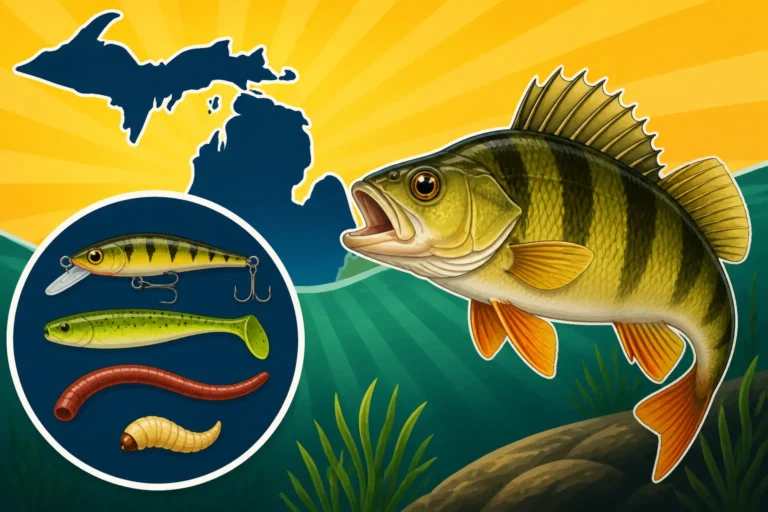
Let's talk lures first. Spoon jigs are staples for ice walleye. Brands like Northland Buck-Shot Rattle Spoons, Custom Jigs & Spins Slender Spoons, and Rapala Jigging Raps are incredibly effective. These lures shimmer and dart when jigged, mimicking injured baitfish. The key is to experiment with sizes and colors. Often, natural baitfish patterns like silver, gold, perch, or blue/chrome work well. However, in stained water or during aggressive bites, glow-in-the-dark or bright colors like chartreuse or orange can be dynamite. For purchasing these versatile lures, many anglers turn to Amazon for a broad selection and quick delivery, ensuring they're always stocked for their next outing.
Jigging cadence is critical. Sometimes walleye want an aggressive "rip and fall," where you sharply snap your rod tip up a foot or two and then let the lure flutter back down on a semi-slack line. Other times, they prefer a much more subtle approach – a gentle quiver, a small lift, or simply holding the lure still just above them. Pay close attention to your fish finder. If you see fish come in but not commit, change your jigging style. Try pausing the lure motionless for 5-10 seconds after a few jigs, as this "kill switch" can often trigger a strike from a hesitant walleye. Tipping your spoon or jig with a minnow head, a whole minnow, or even wax worms can significantly increase its attractiveness and scent, especially on tough days.
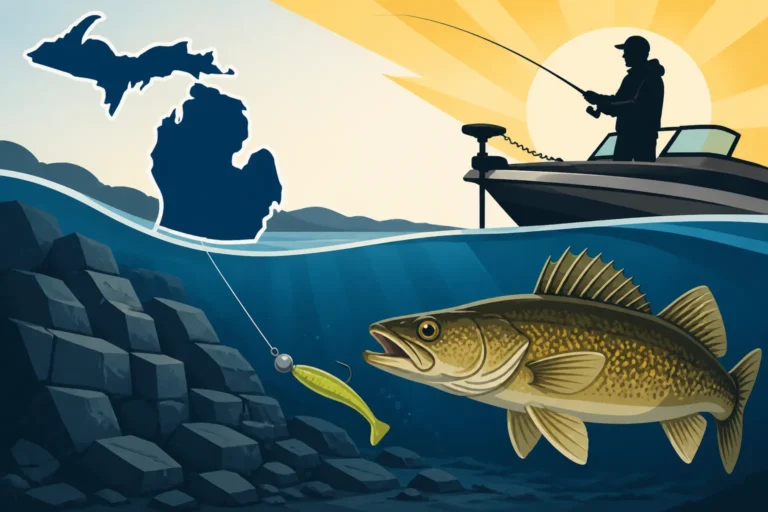
Soft plastics on jig heads are another potent option, particularly when fish are less aggressive. Small grub bodies, minnow imitations, or finesse plastics rigged on a lead head can be incredibly subtle and enticing. Pair these with a sensitive rod to detect the lightest tap. The trick here is to match the hatch – use plastics that mimic the size and shape of the baitfish walleye are currently feeding on.
Tip-Up Tactics and Bait Options
While jigging is active, tip-ups allow you to cover more ice and present live bait passively, often enticing the larger, less active walleye that won't chase a jig. This is a classic Michigan technique, especially for walleye. Our guide on How to Set Up a Tip-Up for Walleye provides a complete breakdown.
Setting up tip-ups involves drilling several holes (check your local regulations on How Many Tip-Ups Can You Use in Michigan as limits apply) and deploying your baited lines. The traditional setup involves a simple spool with line, a leader, and a hook, often tipped with a live minnow.
For walleye, the best bait choice for tip-ups is almost always live minnows. Shiners, chubs, or even small fathead minnows are all excellent. Hook them lightly through the dorsal fin or just below the mouth to keep them lively. The natural swimming action of a live minnow is often irresistible to walleye. Dead bait, like a small smelt or sucker head, can also be effective, especially in deeper water where scent plays a larger role. Position your tip-ups along those key structures we discussed – weed lines, drop-offs, or the edges of humps.
Optimal depth for your bait is crucial. Walleye will often cruise at specific depths. If you're fishing a 20-foot hole, try setting one tip-up near the bottom, another 5 feet up, and another halfway up the water column. This helps you identify where the fish are holding. Using a depth finder or even a simple weight on your line to sound out the bottom before setting the bait is highly recommended.
Once your tip-ups are set, monitoring them constantly is key. A flag flying up means a fish has taken the bait and is running. Don't immediately rush to the hole; let the fish take some line, ensuring it has fully ingested the bait. Once the run slows or stops, slowly approach, grab the line gently, and set the hook with a firm, upward pull. Be prepared for a fight, as walleye can be powerful, even in cold water!
Navigating Michigan's Ice Fishing Regulations for Walleye
Fishing in Michigan means respecting the rules, and ice fishing for walleye is no exception. Ignoring regulations can lead to hefty fines and a spoiled day on the ice. Always make sure to consult the most current Michigan DNR Fishing Guide before you head out, but let's cover some of the crucial walleye-specific regulations you need to know. For a broader understanding, our Michigan Fishing Regulations Every Angler Should Know article is a great resource.
Walleye Size and Possession Limits
Understanding walleye size and possession limits is paramount for responsible angling. These limits are in place to ensure the sustainability of Michigan's walleye populations, allowing fish to reach maturity and spawn.
Generally, for most Michigan waters, the statewide minimum size limit for walleye is 15 inches. This means any walleye you catch that is shorter than 15 inches must be immediately released back into the water. This regulation is particularly important during the ice season, as smaller walleye can be abundant, especially in certain lakes. There can be exceptions to this rule on specific lakes or river stretches, so always double-check the Michigan DNR Fishing Guide for the exact body of water you plan to fish. For instance, some lakes might have a "slot limit," where walleye between certain sizes must be released, or a higher minimum size. This specificity is why we recommend checking the digest. You can find more details in our Michigan Walleye 15-Inch Minimum Size Limit and Michigan Walleye Size and Possession Limits guides.
The daily possession limit for walleye also varies by water body but is typically 5 walleye per day. "Possession limit" means the maximum number of fish you can have in your possession, whether on your person, in your cooler, or in your vehicle, at any given time. This includes fish you've already caught and kept from previous days if you're on a multi-day trip. It's not uncommon for anglers to exceed limits accidentally, especially if they're on a hot bite, but ignorance of the law is not an excuse. Always count your fish carefully!
Number of Lines and Other Rules
Beyond size and possession, there are other important rules to follow when ice fishing for walleye in Michigan. One of the most common questions revolves around how many lines you can use.
In Michigan, the general rule is that an angler may use a maximum of three lines when fishing through the ice. This means any combination of jigging rods, tip-ups, or spear lines counts towards that total. So, if you're actively jigging with one rod, you can have two additional tip-ups set. Or, you could have three tip-ups, or three jigging rods – as long as you are actively attending all of them within reasonable proximity. The intent behind the rule is to allow anglers to efficiently target fish while still being able to manage their lines responsibly. As noted above, specific information is in our How Many Tip-Ups Can You Use in Michigan guide.
Additionally, remember that all fishing licenses expire on March 31st each year, regardless of when you purchased them. If you're ice fishing in March, make sure your license is still valid or that you've purchased your new one. You can find out more about this in our Michigan Fishing License Guide for Residents and Nonresidents article. While most Michigan waters are open to ice fishing for walleye when safe ice forms, there might be specific seasonal closures or exemptions on certain waters for other species. Always check the DNR guide for specifics related to your chosen location to avoid any surprises. Remember, safety always comes first on the ice, but knowing and following the regulations comes in a close second to ensure a smooth, enjoyable, and legal fishing trip.
Disclaimer
Please be aware that fishing regulations, including size and possession limits, can change. Always consult the most current Michigan Department of Natural Resources (DNR) Fishing Guide before heading out on the water. The information provided here is for general guidance only and should not be considered a substitute for the official DNR regulations. Always prioritize ice safety and check ice conditions before venturing out.