Best Bait for Michigan Walleye
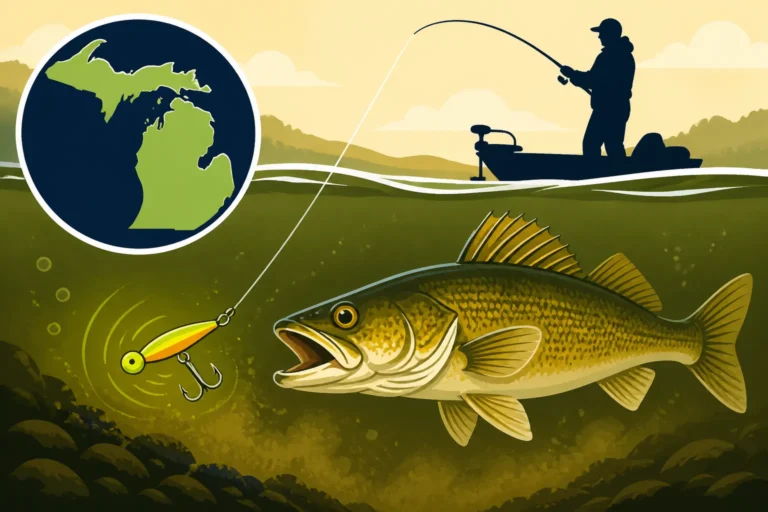
Ah, the elusive walleye! We've all been there, standing by the water's edge, gear in hand, wondering if the bait we've chosen is truly the "best." It’s a frustrating guessing game, especially when Michigan’s diverse waters hold such incredible walleye fishing opportunities, but they can be incredibly picky eaters. This guide is here to cut through the confusion, offering deep insights into the most effective baits and presentations to help you consistently hook those prized walleye, no matter the season or conditions.
Understanding Walleye Preferences and Natural Diets
Before we even talk about specific baits, it’s crucial to understand what makes a walleye tick. These fish are predators, but they're also opportunistic, and their diet can shift based on what’s available in their environment. Knowing their natural forage helps us select the best imitation or live offering.
Natural Forage in Michigan Waters
Michigan's vast network of lakes and rivers, from the sprawling Great Lakes to smaller inland gems like Houghton Lake or Muskegon Lake, Michigan, Walleye and Perch Fishing, are teeming with various baitfish that form the core of a walleye's diet. Yellow perch, alewives, smelt, shiners, gobies, and even young panfish are all on the menu. Walleye are highly adapted to hunting these species, often keying into their size, shape, and movement patterns. For instance, in many parts of the Great Lakes, alewives and smelt are a major food source, meaning longer, slender baits that mimic these species can be incredibly effective. Inland lakes might have a higher concentration of perch or shiners, necessitating a different approach. The smart angler pays attention to what's naturally abundant in the specific body of water they're fishing.
How Walleye Hunt and Feed
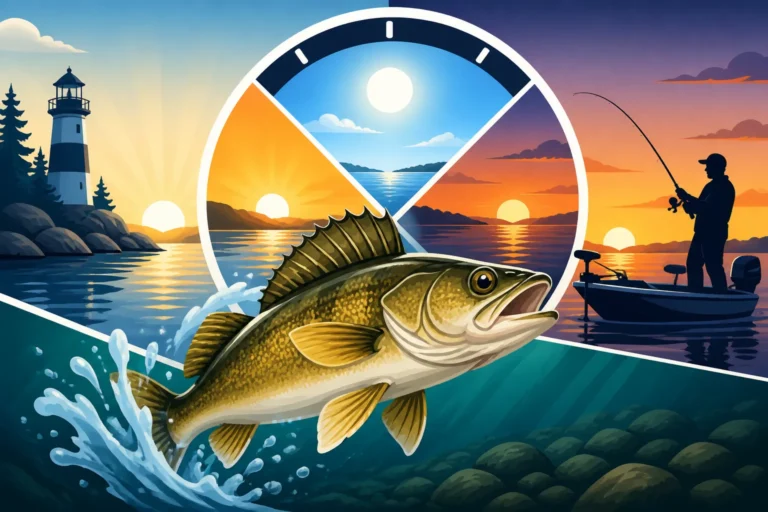
Walleye are primarily visual predators, especially in low-light conditions thanks to their large, light-sensitive eyes. This makes them incredibly active during dawn, dusk, and even into the night. They're often found patrolling structure – rock piles, weed edges, submerged timber, or drop-offs – waiting to ambush unsuspecting prey. They also have a keen sense of smell, which plays a significant role in locating food, particularly in darker or turbid waters. When a walleye decides to strike, it's typically a quick, decisive engulfment. Understanding this feeding behavior means your bait needs to be presented in a way that triggers this predatory instinct, whether it's a slow, tempting wobble or a sudden, erratic dart. The way the bait is retrieved, the depth it's presented at, and even the subtle vibrations it creates can all make the difference between a missed opportunity and a hooked fish.
Live Bait Essentials for Walleye
When it comes to walleye fishing, live bait remains king for a reason. There’s something about the natural movement, scent, and texture of live offerings that can be irresistible, especially to finicky walleye.
Minnows The Perennial Favorite
If you ask ten Michigan walleye anglers what their go-to live bait is, at least nine will probably say minnows. Specifically, shiners, fatheads, and emerald shiners are incredibly popular. Their natural action in the water is hard to replicate, and the scent trail they leave is a powerful attractant. Minnows are versatile; you can fish them under a bobber, slow troll them, or jig them vertically.
For bobber fishing, a simple setup with a small hook (size 4 or 6 octopus hook) lightly hooked through the minnow's lip or back is often all you need. This allows the minnow to swim naturally and present itself enticingly. When fishing deeper water or in current, a slip bobber rig is essential, allowing your bait to reach the desired depth while keeping a watchful eye on your float. Many anglers find the best success by using larger minnows, often in the 3-5 inch range, particularly in the spring when walleye are looking for a hearty meal after the spawn. You can often find a good selection of lively minnows at local bait shops or even order specialized options online via retailers like Amazon, ensuring you have the freshest bait possible.
Crawler Harnesses and Nightcrawlers
When the water warms up, typically from late spring through summer, nightcrawlers become an absolute powerhouse bait, especially when presented on a crawler harness. A crawler harness is essentially a snelled rig with two or three small hooks, often adorned with beads and a spinner blade. The spinner creates flash and vibration, while the nightcrawler provides scent and natural movement.
To rig a nightcrawler, you typically thread the first hook through the head and the second (and third, if applicable) further down the body. You want a natural, undulating action, so avoid balling up the worm. These rigs are fantastic for trolling behind a boat, especially across expansive flats or along breaklines where walleye are actively foraging. Troll speeds can vary, but generally, a slow presentation (around 1-1.5 mph) allows the spinner to work effectively and the crawler to trail naturally. Popular brands like those from Berkley or Mepps offer pre-tied harnesses in various blade colors and sizes. Green, chartreuse, and orange blades are common choices in Michigan waters, but always have a few different options on hand to see what the walleye prefer on any given day. Remember, a fresh, lively nightcrawler is key, so keep them cool and moist in a quality worm container.
Leeches A Stealthy Choice
Leeches, particularly jumbo leeches, are another phenomenal live bait for walleye, especially during the summer months when they can outperform minnows and even nightcrawlers in certain conditions. Walleye absolutely love them! Leeches are incredibly tough, staying active on the hook for a long time, and their undulating movement is very appealing.
They can be fished in much the same way as minnows: under a bobber, jigged, or trolled. For jigging, hooking a leech once through the sucker end keeps it lively and wriggling. When bobber fishing, hook it through the sucker or just behind it, letting the leech swim freely. One of the greatest advantages of leeches is their durability and the minimal fuss they require. They’re less prone to dying off quickly in a bait bucket than minnows and can withstand more abuse from smaller fish nipping at them. In waters where small panfish are abundant and constantly stealing your nightcrawlers, a tough leech can be the answer to keeping your bait in front of those walleye longer. Just like with nightcrawlers, look for a good supply of fresh leeches at your local bait shop.
Artificial Lures That Mimic Success
While live bait has its undeniable appeal, artificial lures offer unmatched versatility, allowing anglers to cover water quickly, target specific depths, and experiment with different actions and colors. Many anglers now rely solely on artificials, and with the right techniques, they can be incredibly effective for Michigan walleye.
Jigs and Soft Plastics
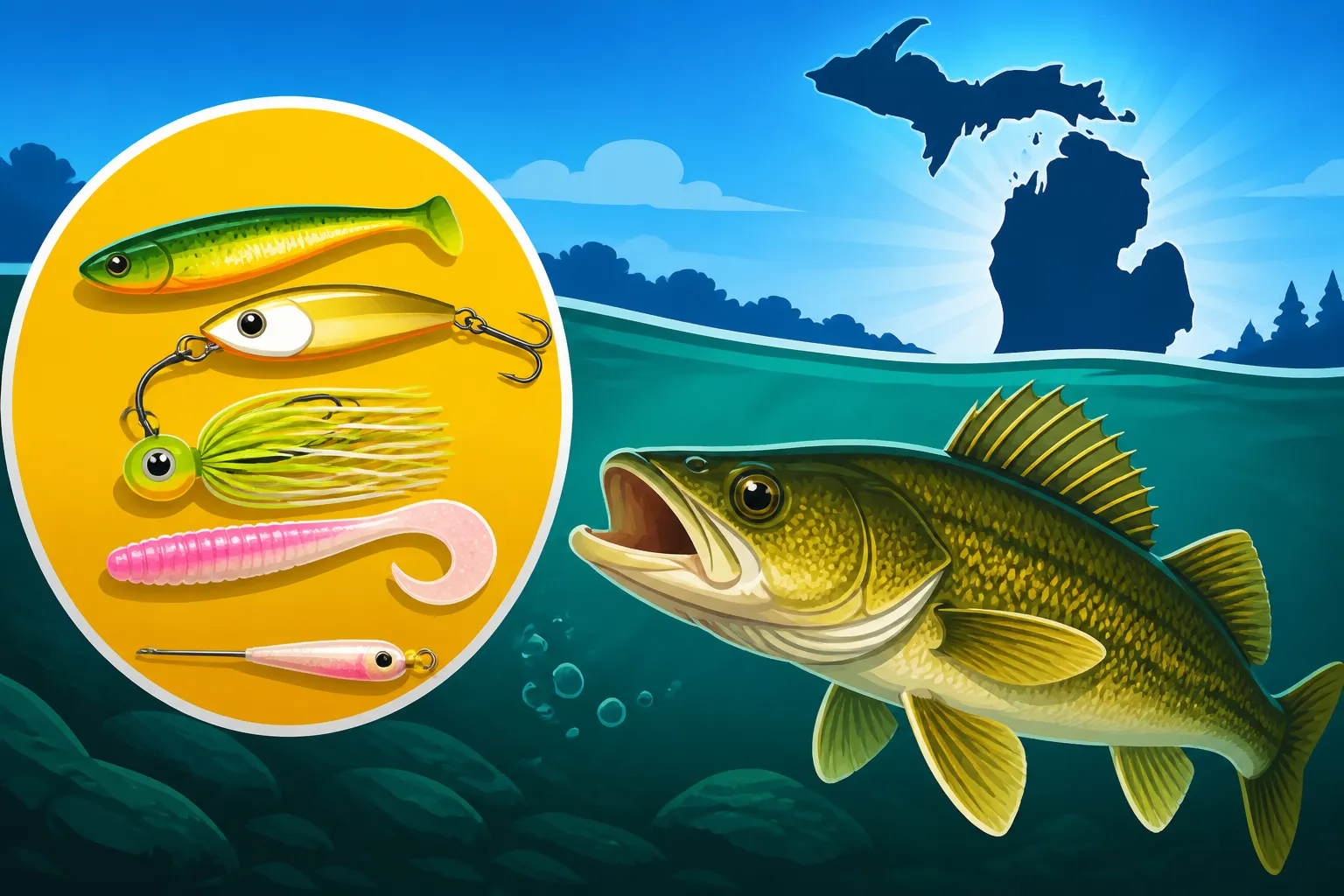
Jigs are arguably the most versatile artificial lure for walleye and a staple in many Michigan anglers' tackle boxes. From traditional lead-head jigs to more advanced tungsten options, these simple lures can be fished in countless ways. Pairing them with soft plastics unleashes their full potential. Grubs, paddletails, and minnow imitations are all deadly when tipped on a jig.
For walleye, common jig head sizes range from 1/8 ounce in shallow water or light current to 1/2 ounce or heavier in deep water or strong current, such as sections of the Detroit River. Color choices are vast, but chartreuse, white, perch patterns, and motor oil (a brownish-purple hue) are consistent producers. The key to jigging is the retrieve – a lift-and-drop, drag-and-pause, or short hops along the bottom. The fish often strike on the fall, so paying close attention to your line is crucial. You can learn more about how to jig for walleye in Michigan in dedicated guides. When buying soft plastics, consider scents; many brands like Berkley Gulp! or Z-Man ElaZtech incorporate scent and durability that can make a real difference, especially on tough bites.
Crankbaits and Jerkbaits
Crankbaits and jerkbaits are absolute walleye magnets, particularly when trolling or casting along breaklines, flats, or over submerged structure. These lures are designed to dive to specific depths and have an inherent wobbling or darting action that perfectly imitates fleeing baitfish.
Crankbaits, with their wide-ranging dive curves, come in various styles: shallow runners, deep divers, and even jointed models. Brands like Rapala, Bandit, and Reef Runner are household names among walleye anglers. When selecting a crankbait, consider the depth you want to target and the action you desire. For example, a deep-diving crankbait is ideal for trolling over deep water during the summer, while a shallow-running one might be better for targeting walleye in weed beds in spring or fall. Jerkbaits, on the other hand, often require an active retrieve – a series of "jerks" and pauses – to impart their erratic, wounded-baitfish action. These are fantastic for cold water or when fish are lethargic, as the pause allows the walleye time to commit. Experiment with different colors, but natural baitfish patterns, firetiger, and bright colors for stained water are always good to have on hand. Don't forget to check the diving depth of the lure against the depth you're fishing.
Blade Baits and Spoons
Blade baits and spoons might not be the first thing every angler reaches for, but they are incredibly effective for walleye, especially in vertical jigging scenarios or when fish are tight to the bottom. Blade baits, like those from Johnson or Heddon, are slender, vibrating metal lures that create a ton of flash and feel through the water. They're excellent for vertical jigging through the ice or open water, especially when you mark fish directly beneath the boat. A sharp lift and controlled fall impart a unique action that often triggers aggressive strikes.
Spoons, both casting and trolling varieties, also have a place in the walleye angler's arsenal. Trolling spoons, like those used for salmon, can be effective for walleye in the Great Lakes, especially when targeting suspended fish. Casting spoons, such as the ever-popular Dardevle, can be cast and retrieved or jigged for walleye in shallower areas. The flash and flutter of a spoon can imitate a wounded baitfish, making it irresistible. Again, color patterns that mimic natural forage or bright, contrasting colors for low visibility conditions are good starting points. Always have a variety of weights and sizes to adapt to different depths and currents.
Seasonal Bait Strategies
Michigan's walleye fishing changes dramatically with the seasons. What works like magic in April might be completely ignored in August. Understanding these seasonal shifts in walleye behavior is paramount to choosing the best bait.
Spring and Early Summer Aggressive Bites
Spring is a time of renewed energy for walleye, especially during and after the spawn. As waters warm, typically from late March through May in the Lower Peninsula and a bit later in the Upper Peninsula, walleye become very active and aggressive. This is often when the Michigan Walleye Daily Possession Limit and size limits become a topic of interest, as anglers chase those larger post-spawn fish. Post-spawn walleye are often recuperating and looking for substantial, easy meals.
During this period, live bait often shines. Large shiners or fatheads fished on a simple jig head or under a slip bobber are highly effective. The natural scent and movement are hard for a hungry walleye to pass up. Jigging with minnows or soft plastic minnow imitations like those from Bass Pro Shops can also be incredibly productive, especially when targeting walleye holding on structure or at the mouths of rivers. Crankbaits that run shallow to medium depths are excellent for covering water and finding active fish along newly emerging weed lines or rocky flats. Consider the best live bait for Michigan walleye in spring as your primary option, but don't shy away from aggressive artificial presentations when fish are actively feeding.
Mid-Summer Deep and Subtle
As Michigan's summer progresses and water temperatures rise, walleye often move to deeper, cooler water. They become more lethargic during the day and can be incredibly picky. This is when the fishing can get tough, and subtle presentations often win the day. Walleye will frequently suspend over deep water or relate tightly to deep structure.
During this period, trolling deep-diving crankbaits or crawler harnesses becomes a go-to strategy. Covering vast areas of water at specific depths with precision is key. Downriggers or lead-core line can be invaluable for reaching those depths consistently. Vertical jigging with a spoon or a heavier jig tipped with a nightcrawler or leech is also effective when you've located fish on your sonar. For those seeking the biggest walleye, understanding Michigan's Protected Walleye Slot Between 18 and 23 Inches is important, as these fish are often found in deeper, cooler waters during the summer. Focus on presenting your bait directly to the fish you mark, and don't be afraid to slow down your retrieve significantly. Sometimes, a long pause after a jig lift is what finally triggers a strike.
Fall and Winter Slow and Enticing
Fall offers some of the best walleye fishing of the year in Michigan as fish begin to feed heavily in preparation for winter. As water temperatures drop, walleye become more active in shallower water during the day, but they often still prefer a slower presentation. During the winter, once the ice forms, the game changes again, with vertical presentations dominating.
In the fall, shiners, large minnows, and nightcrawlers (on jigs or slowly trolled) remain highly effective. Blade baits and lipless crankbaits can also shine when worked along breaklines or deeper flats. As the water gets colder, the bite often becomes more subtle, and a slower retrieve is usually better. For ice fishing, small spoons, vertical jigs tipped with minnow heads or wax worms, and even tiny jigging Rapalas are excellent. These techniques are often highlighted in guides about Michigan Ice Fishing Guide. The key in both fall and winter is often patience and precise bait presentation, directly in the strike zone. Fish don't want to expend a lot of energy chasing down a meal in cold water.
Water Conditions and Bait Selection
Michigan's weather can be unpredictable, and water conditions can change rapidly, impacting walleye behavior and, consequently, your bait choice. Being able to adapt to these changes is a hallmark of a successful walleye angler.
Clear Water Considerations
When fishing in clear Michigan waters, whether it's the crystal-clear depths of Higgins Lake or a calm, clear section of the Grand River, walleye rely heavily on their eyesight. This means your bait selection needs to be more subtle and realistic. Highly reflective or unnatural-looking lures can actually spook fish in these conditions.
In clear water, natural colors are often the most effective. Think muted greens, browns, silvers, and perch patterns for both live bait and artificials. Smaller baits can also be beneficial, as larger, flashier baits might appear too aggressive or fake. For live bait, healthy, lively minnows or leeches are crucial, as their natural movement is less suspicious. When using artificials, choose lures with less aggressive actions or subtler vibrations. Fluorocarbon leader is almost a necessity in clear water due to its low visibility, helping to hide your line from wary walleye. Presentation also becomes paramount; long casts, keeping your boat a good distance from your target, and subtle retrieves are often more productive.
Murky and Stained Water Tactics
Conversely, murky or stained water presents a different challenge and opportunity. In these conditions, walleye's eyesight is hampered, and they rely more on their lateral line (which detects vibrations) and sense of smell. This means your bait choices should reflect these heightened senses.
Bright, contrasting colors that stand out in low visibility are often highly effective. Chartreuse, bright orange, hot pink, and firetiger patterns on jigs and crankbaits can be seen from a greater distance. Lures that create a lot of vibration, such as crankbaits with rattles or spinner blades on crawler harnesses, are also excellent choices. Scent plays a huge role here; tipping your artificials with a piece of a nightcrawler, a minnow head, or using commercially available scents can dramatically increase your strike rate. Consider brands like Pro-Cure or Mike's as scent enhancers. When fishing murky water, don't be afraid to slow down your retrieve to give the walleye more time to locate your bait. Sometimes, the best time of day to catch walleye in murky water can be extended well into brighter hours, as the dim conditions persist.
Temperature's Impact on Bait Choice
Water temperature is one of the most significant factors influencing walleye behavior and, by extension, the best bait to use. Walleye are cold-blooded, and their metabolism directly correlates with water temperature.
In cold water (below 50°F), walleye are often lethargic. Their metabolism is slow, and they're less likely to chase down fast-moving baits. This is when slower presentations and smaller, more natural baits excel. Live minnows, small jigs tipped with plastics or minnow heads, and slow-moving jerkbaits with long pauses are often the ticket. As the water warms (50-65°F), walleye become more active, and their feeding windows expand. This is often prime time for aggressive jigging, faster crankbait retrieves, and active live bait presentations like those detailed in our Michigan Walleye Fishing Techniques guide. In very warm water (above 70°F), walleye again become less active and seek out cooler depths. Again, deeper presentations, often subtle, become crucial. Understanding these temperature zones and how they impact fish activity will allow you to make more informed decisions about your bait and presentation.
Rigging and Presentation: Making Your Bait Irresistible
It's not just about what bait you use, but how you present it. Even the best bait in the world won't catch fish if it's rigged incorrectly or presented poorly.
Effective Rigging for Live Bait
Proper rigging ensures your live bait looks natural and stays on the hook. For minnows, if you're casting or jigging, hooking them lightly through both lips from the bottom up allows for a natural swimming action and helps prevent them from tearing off. If you're dead-sticking or using a slip bobber in slower currents, hooking them just behind the dorsal fin can make them look like a struggling baitfish, drawing attention. When using nightcrawlers on a crawler harness, make sure the worm is stretched out, allowing the spinner to rotate freely. Too much worm bunched up can hinder the action. For leeches, hook them once through the sucker end or just through the body a short distance from the head. This keeps them alive and wiggling. Always use sharp, appropriately sized hooks (often sizes 4-8 for walleye) to ensure a good hook set without impeding the bait's natural movement.
Mastering Lure Presentation
Artificial lures demand a more active role from the angler in creating their appeal. For jigs, mastering the "snap-jigging" or "lift-and-drop" retrieve is fundamental. The goal is to imitate a dying or fleeing baitfish. Practice different rates of fall and pauses. When using crankbaits or jerkbaits, trolling speed is critical for making the lure run at its intended depth and producing its designed action. Adjust your speed until the rod tip shows a steady wobble. For casting, vary your retrieve speed, add twitches, and incorporate pauses, especially when fishing a jerkbait. Remember that walleye often strike on the pause, so don't rush it. Experimentation is key; walleye can be incredibly particular about presentation on any given day. If one retrieve isn't working, try another. You might find great success with a completely different approach.
Understanding Line and Leader Choices
The line and leader you choose can significantly impact how your bait is presented and how many bites you get.
Monofilament: Often used for its stretch, which can act as a shock absorber, helping to prevent hooks from tearing out of a walleye’s soft mouth. It’s also more forgiving for beginners.
Fluorocarbon: This line is nearly invisible underwater, making it an excellent choice for leaders, especially in clear water or when fish are line-shy. It also has less stretch than mono and good abrasion resistance. Many anglers use a fluorocarbon leader of 6-10 lb test, even with braid as their main line.
Braided Line: Known for its incredible strength, zero stretch, and sensitivity. Braid transmits even the slightest tap from a walleye directly to your rod hand, which is crucial for detecting subtle bites, especially when fishing deep or with light lures. However, its high visibility and lack of stretch mean it's almost always paired with a fluorocarbon leader.
The choice of main line often comes down to personal preference and fishing style. For jigging, many prefer the sensitivity of braid. For trolling, where some stretch can be beneficial, mono or a combination of braid with a mono or fluoro leader might be preferred. When you're ready to buy your line, Amazon offers a wide selection from top brands like PowerPro, Seaguar, and Berkley. Always match your line strength to the conditions and the size of the walleye you expect to encounter.
Walleye Bait & Technique Quick Reference
To help you quickly decide what to tie on, here’s a handy table summarizing some of the most effective baits and techniques for Michigan walleye:
| Bait Type | Best Season | Common Presentation Methods | Key Advantages | Considerations |
|---|---|---|---|---|
| Live Minnows | Spring, Fall, Winter | Jigging, Slip Bobber, Slow Troll | Natural scent, movement; often irresistible | Requires careful handling; can be costly; often best in cold water |
| Nightcrawlers | Summer, Late Spring | Crawler Harness (Trolling), Drop Shot, Bobber | Natural scent, wiggling action; highly versatile | Can be easily stolen by small fish; requires cool storage |
| Leeches | Summer | Jigging, Slip Bobber, Slow Troll | Durable, stay active; great in warmer water | Can be harder to find; may be ignored in very cold water |
| Jigs & Soft Plastics | All Seasons | Vertical Jigging, Cast & Retrieve, Dragging | Versatile, cover water; wide range of colors/shapes | Requires active presentation; scent can be added for better results |
| Crankbaits | Spring, Summer, Fall | Trolling, Casting along breaklines | Cover water quickly; inherent action; specific depths | Depth selection critical; can be expensive to lose on snags |
| Jerkbaits | Spring, Fall, Cold Water | Cast & Jerk, Pause | Erratic, wounded baitfish action; effective in cold water | Requires active retrieve; can be slow to fish |
| Blade Baits | All Seasons (Vertical) | Vertical Jigging, Yo-Yoing | High vibration, flash; great for marked fish | Best for vertical presentations; can snag easily on bottom |
| Spoons | All Seasons | Jigging, Trolling (Great Lakes), Casting & Retrieving | Flash, flutter; good for active and suspended fish | Less effective for slow, subtle bites |
Disclaimer
Fishing regulations, including bag and size limits, can change. Always consult the most current Michigan Department of Natural Resources (DNR) fishing guide before heading out on the water. This information is for educational purposes and should not be considered legal advice.