Best Spots for Ice Fishing Perch in Michigan
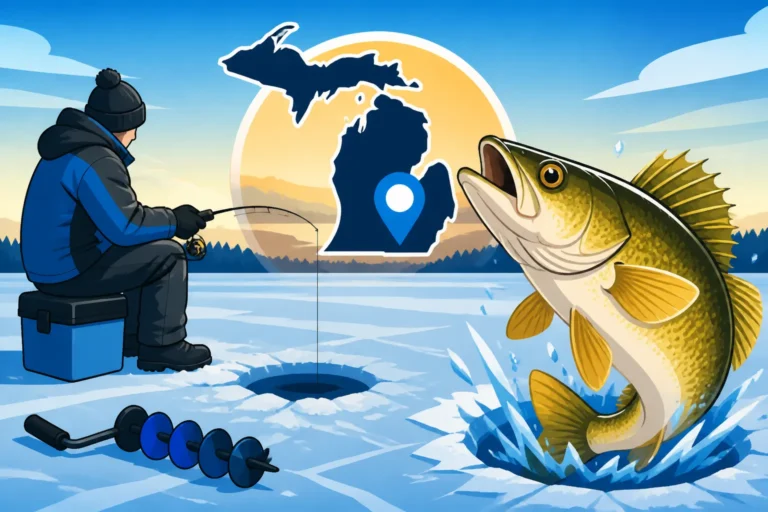
The thrill of ice fishing for perch in Michigan is undeniable, but let's be honest, finding those honey holes can feel like searching for a needle in a frozen haystack. With so many lakes, both vast and intimate, knowing where to drop your line for a productive day of perch action is often the biggest challenge. This guide is here to cut through the guesswork, pinpointing some of the best, most reliable spots across Michigan and detailing what makes them prime perch territory, along with the essential strategies to help you fill your bucket.
Understanding Michigan Perch Ice Fishing Dynamics
Michigan offers an incredible ice fishing experience, and yellow perch are often at the top of many anglers' target lists. They're abundant, cooperative, and absolutely delicious, making them a fantastic species for both seasoned ice fishing veterans and those just starting out. But to consistently find them, you need to understand a bit about what makes them tick under the ice.
Why Perch are a Premier Ice Fishing Target
There's a reason why so many Michigan ice anglers dedicate their winter pursuits to yellow perch. For starters, they're incredibly widespread, found in lakes and bays across the entire state. This accessibility means you don't have to travel far to find a potential hot spot. Beyond their ubiquity, perch are known for their feisty fight, especially on light ice fishing tackle. They might not be trophy muskellunge, but catching a stringer of plump perch provides a satisfying bend in the rod. And let's not forget the culinary aspect – fresh perch fillets are a true Michigan delicacy, highly sought after for their sweet, flaky white meat. It's not uncommon to see families and friends gathered in ice shanties, enjoying the camaraderie while waiting for those tell-tale perch bites. It’s also important to be aware of the state's rules, so a quick read of the Michigan Fishing Regulations Every Angler Should Know can save you some headaches.
Key Factors for Locating Ice Perch
Successfully locating yellow perch through the ice boils down to understanding their winter habits. Unlike summer, when they might roam more freely, perch often concentrate in specific areas during the colder months. They are highly structure-oriented, meaning you'll often find them congregating around various underwater features. Look for areas with remnants of aquatic vegetation, known as "green weeds," which provide both cover and food sources for smaller organisms that perch feed on. Drop-offs, especially those leading into deeper basins, are also prime locations, as perch will move up and down these contours throughout the day. Sunken brush piles, rock piles, old cribs, or even subtle changes in bottom composition can hold schools of perch. Using electronics like a flasher or a fish finder is crucial for identifying these structures and, more importantly, spotting the schools of fish themselves. Don't be afraid to drill multiple holes and move frequently until you mark fish, because these schools are often transient.
Top Michigan Lakes for Ice Fishing Perch
Michigan is blessed with an abundance of excellent ice fishing waters, each offering its own unique challenges and rewards for perch anglers. From the bustling bays of the Great Lakes to serene inland gems, there's a spot for every preference.
Southern Michigan Perch Hotspots
When it comes to southern Michigan, a few lakes consistently stand out for their perch populations, drawing anglers from all over.
One of the most famous is without a doubt Lake St. Clair. This massive body of water, often considered the "sixth Great Lake," is legendary for its yellow perch. While it's also a renowned smallmouth bass and muskie fishery, during winter, its shallow, fertile waters become a perch paradise. Specific areas like Bouvier Bay on the Michigan side are particularly popular, offering expansive flats where perch gather. Anglers here often target depths ranging from 8 to 15 feet, setting up over weed lines or subtle depressions. The sheer size of Lake St. Clair means that while you might find a crowd, there are always new areas to explore, and the perch here can grow to impressive sizes. It’s definitely a spot where booking a guide through a service like FishingBooker could be beneficial if you're unfamiliar with its vastness. Just remember to brush up on the Michigan Yellow Perch Limit on Lake St. Clair before you head out!
Further north in the Lower Peninsula, Houghton Lake earns its stripes as Michigan's largest inland lake and a consistent producer of yellow perch. Known for its relatively shallow, bowl-shaped basin, Houghton Lake offers vast flats with patchy weeds and subtle depth changes where perch thrive. Popular areas include the bays and points around the lake, such as Denton Creek or the areas off the North Bay. Access is plentiful, with numerous public launches that convert to ice access points in winter. Anglers often find success drifting or jigging small spoons and minnows in 8-12 feet of water. For a more detailed look at this fantastic fishery, check out the Houghton Lake Fishing Guide Michigan's Largest Inland Lake.
And let's not overlook Lake Erie, specifically its Michigan waters. This Great Lake is renowned for its walleye, but its western basin, being relatively shallow and rich in nutrients, also supports a phenomenal yellow perch fishery. When the ice sets up securely, typically later in the season, anglers flock to areas like Sterling State Park or the Brest Bay area near Monroe. The perch here can be aggressive, often hitting on small jigs tipped with minnows or spikes. The conditions on Lake Erie can change quickly, so always exercise extreme caution and check ice conditions meticulously. This is another prime location where a knowledgeable local guide, perhaps found through FishingBooker, can make a huge difference in safety and success, especially given the dynamic nature of Great Lakes ice.
Central and Northern Lower Peninsula Gems
Moving up the state, the central and northern Lower Peninsula hold some truly exceptional perch ice fishing opportunities, combining vast Great Lakes bays with pristine inland lakes.
Saginaw Bay on Lake Huron is arguably the premier perch ice fishery in Michigan. Its immense, shallow, nutrient-rich waters are an ideal habitat for yellow perch, and when the ice comes, it turns into a bustling winter village. Anglers target both the inner bay, closer to cities like Bay City and Au Gres, and the outer bay, which can be accessed from places like Sebewaing or Caseville. The sheer numbers of perch available are staggering, though finding the larger "jumbo" perch can sometimes take more effort. Popular depths range from 10 to 20 feet, often over mud flats or near structure. The ice on Saginaw Bay can be unpredictable due to its size and exposure, so staying vigilant about conditions is paramount. You can learn more about its diverse fishing opportunities in the Michigan's Great Lakes Fishing Guide. This is another spot where a guided trip through FishingBooker could enhance your experience, especially for navigating its vastness and staying safe.
For those seeking clearer, deeper waters, Burt Lake and Mullett Lake, part of the Inland Waterway system in Northern Michigan, offer excellent perch fishing. These large, deep lakes provide a different challenge than the shallower bays. Perch here often relate to deeper breaks and humps, sometimes found in 20-40 feet of water. While the numbers might not be as high as Saginaw Bay, the average size of perch can be impressive. Anglers often use electronics to locate schools suspended over deeper water or tight to the bottom along structural changes. Access points are available from various public launches, and you'll find more details about these fantastic fisheries in the Burt Lake and Mullett Lake Fishing in Michigan article.
Further west, Grand Traverse Bay, an arm of Lake Michigan, also offers winter perch action, particularly in its shallower bays and protected coves. While better known for its deep-water lake trout and whitefish, the shallower southern end and coves can hold good numbers of perch. Look for areas with residual weeds or subtle drop-offs in 15-30 feet of water. Like all Great Lakes ice fishing, safety is paramount due to potential currents and changing ice conditions.
Upper Peninsula's Abundant Perch Waters
The Upper Peninsula, a rugged and wild region, doesn't disappoint when it comes to ice fishing for perch, boasting numerous lakes with strong populations.
One of the most famous perch lakes in the U.P. is Lake Gogebic, Michigan's largest inland lake in the U.P. This expansive lake is renowned for its jumbo yellow perch, drawing anglers from across the Midwest. Its dark, stained waters are rich in nutrients, allowing perch to grow to impressive sizes. Anglers often target depths around 10-20 feet, focusing on weed edges, humps, and points. The lake has several access points, including public boat launches that become popular ice access points. The perch on Lake Gogebic are often aggressive, hitting small spoons, jigs, and minnows readily.
Another excellent option is Indian Lake, located in Schoolcraft County. This large, relatively shallow lake is known for its consistent perch fishing, making it a reliable choice for a successful outing. Anglers find success over its expansive flats, often in depths of 8-15 feet, where perch cruise for food. The lake's easy access and relatively stable ice conditions (compared to the Great Lakes) make it a popular destination for families and beginners alike.
Finally, consider Brevoort Lake in the eastern U.P., near St. Ignace. This smaller, often overlooked lake can provide fantastic perch action, especially earlier in the ice season. Its diverse bottom structure, including weed beds and varying depths, creates ideal perch habitat. Anglers typically target the lake's numerous bays and coves, focusing on depths between 10-25 feet. It's a great option if you're looking for a quieter experience away from the larger, more crowded lakes.
| Lake/Bay | Primary Location | Key Features for Perch | Typical Depths (Ice) | Best Months for Perch |
|---|---|---|---|---|
| Lake St. Clair | SE Lower Peninsula | Shallow, fertile, extensive flats, weed beds, bays | 8-15 feet | January – Early March |
| Houghton Lake | North Central Lower Pen | Michigan's largest inland lake, vast flats, weed edges | 8-12 feet | December – Mid March |
| Lake Erie (MI) | SE Lower Peninsula | Shallow western basin, nutrient-rich, mud flats | 10-20 feet | February – Early March |
| Saginaw Bay | NE Lower Peninsula | Large, shallow bay, mud flats, extensive structure | 10-20 feet | January – Mid March |
| Burt Lake | Northern Lower Pen | Deep, clear, drop-offs, humps, deeper breaks | 20-40+ feet | January – March |
| Mullett Lake | Northern Lower Pen | Deep, clear, drop-offs, humps, deeper breaks | 20-40+ feet | January – March |
| Lake Gogebic | Western Upper Peninsula | Large, dark water, weed edges, humps | 10-20 feet | December – Mid March |
| Indian Lake | Central Upper Peninsula | Large, shallow, flats, weed beds | 8-15 feet | December – Mid March |
| Brevoort Lake | Eastern Upper Peninsula | Diverse bottom, bays, weed beds | 10-25 feet | December – February |
Essential Gear and Techniques for Michigan Ice Perch
Having the right gear and knowing how to use it effectively can dramatically increase your success rate when ice fishing for perch. It's a blend of preparation, patience, and a bit of mobility.
Recommended Ice Fishing Gear Setup
When targeting yellow perch through the ice, a specialized setup is incredibly beneficial. For rods, you'll want something light and sensitive. Ultra-light to light action ice fishing rods, typically 24 to 30 inches long, are perfect as they allow you to feel those subtle perch bites. Pair this with a small spinning reel spooled with 2 to 4-pound test monofilament or fluorocarbon line. The lighter line offers better sensitivity and allows your small baits to swim more naturally.
An ice auger is, of course, non-negotiable. For perch, you don't necessarily need a huge hole; a 6 or 8-inch auger is usually sufficient. Manual augers are great for portability and lighter ice, but if you plan on drilling many holes or dealing with thick ice, a gas, propane, or electric auger will save you a lot of effort. A good ice shelter, whether a portable shanty or a flip-over style, provides crucial protection from the elements, making your day much more enjoyable, especially when you're spending long hours on the ice. Finally, electronics like a flasher or a fish finder are absolute game-changers. They allow you to see your lure, monitor fish activity below, and identify bottom structure, helping you stay on top of the schools. If you’re just getting into the sport, our comprehensive Michigan Ice Fishing Guide is a fantastic resource for everything you need to know.
Effective Perch Ice Fishing Techniques
The beauty of ice fishing for perch lies in its simplicity, yet there are nuances that can make all the difference. The primary technique is jigging. Small jigs, typically 1/16 to 1/8 ounce, are tipped with live bait such as wax worms, spikes, or a small minnow head. A slow, subtle jigging motion is usually most effective, mimicking a struggling insect or baitfish. Raise your rod tip a few inches, let it fall, and pause. Most bites will occur on the pause or as the jig falls. Small spoons, like a Swedish Pimple or a slender spoon, can also be very effective, especially when tipped with a minnow eye or a piece of live bait.
Hole hopping is another critical technique for perch. Perch are schooling fish, and they move. If you drill a few holes in a promising area and don't mark fish within 10-15 minutes, move to another hole. Don't be afraid to drill many holes and cover ground until you locate an active school. Once you find them, you can often catch multiple fish from the same hole until the school moves on. If you're looking to target bigger perch, sometimes a tip-up rigged with a live minnow can entice larger, less aggressive fish while you're actively jigging another hole. Combining these methods can maximize your catch. For a deep dive into successful strategies, be sure to check out our guide on How to Catch Perch Through the Ice in Michigan. Finding the right bait is also key, so reading about the Best Bait for Perch will give you an edge.
Safety First on the Ice
No matter how excited you are to chase those Michigan perch, safety on the ice should always be your top priority. Ice conditions can be incredibly variable, even on the same lake, and can change rapidly with weather fluctuations. Always assume ice is unsafe until proven otherwise. A minimum of 4 inches of clear, solid ice is generally recommended for walking, and more is needed for snowmobiles (5-7 inches) or vehicles (8-12+ inches).
Never go out alone, and always inform someone of your plans and expected return time. Carry safety gear like a spud bar to test ice thickness as you go, and ice picks for self-rescue in case you break through. A throw rope is also a valuable item to have for assisting others. Pay close attention to local conditions, recent weather patterns, and advisories from the Michigan Department of Natural Resources (DNR). Avoid areas with currents, pressure cracks, or unusually dark ice. While the pursuit of a bucket full of perch is exciting, no fish is worth risking your life.
Disclaimer
Please note that fishing regulations, ice conditions, and fish populations can change. Always consult the latest Michigan Department of Natural Resources (DNR) fishing guide and local advisories before heading out onto the ice. Exercise extreme caution and prioritize safety on any frozen body of water.