Where to Catch Muskellunge on Lake St. Clair
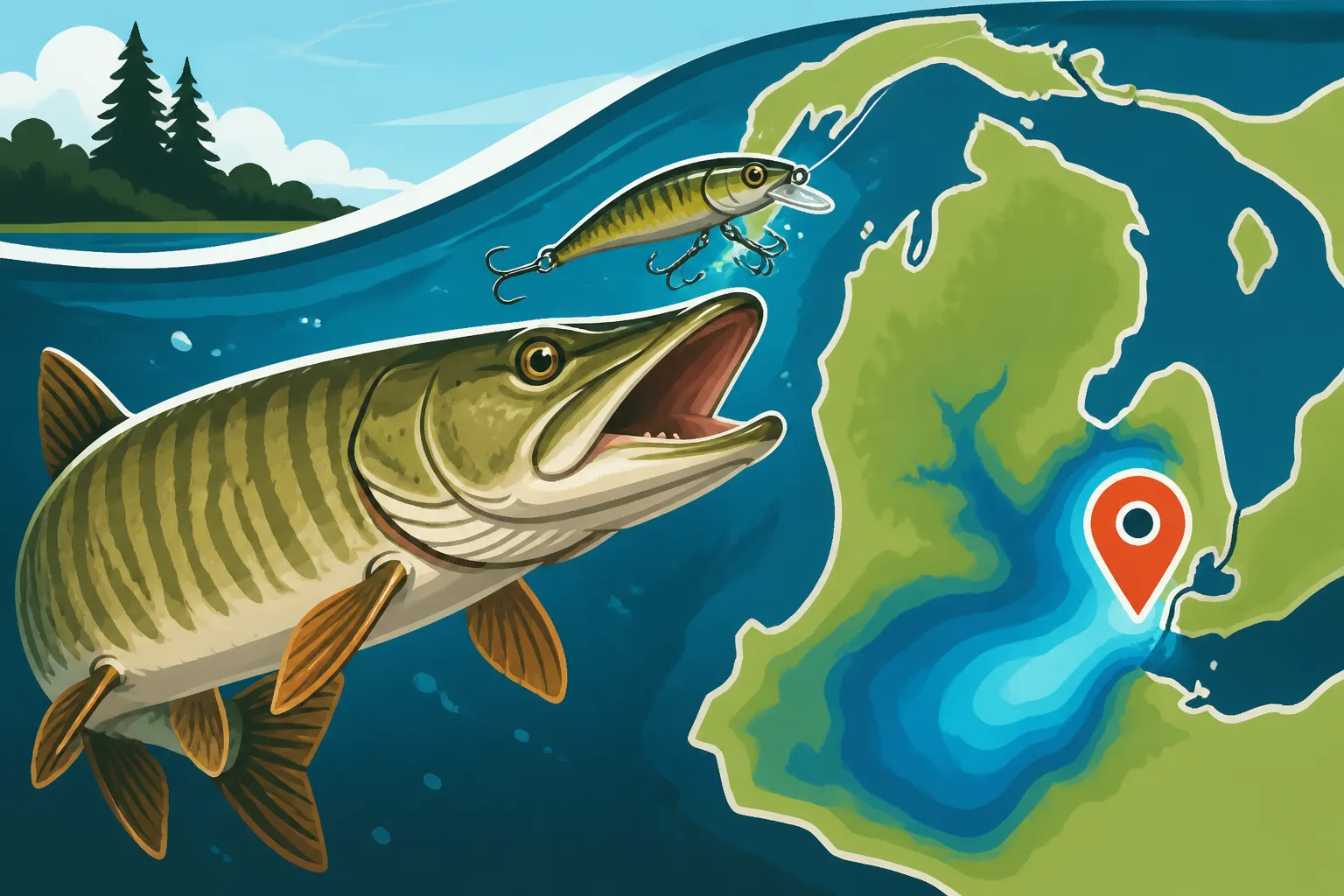
Lake St. Clair offers a fishing experience unlike any other in Michigan, but for many anglers, the idea of consistently hooking into one of its legendary muskellunge feels like trying to find a needle in a haystack. This vast, relatively shallow lake holds an incredible population of these elusive giants, yet knowing where to begin and what strategies to employ can be incredibly daunting. This guide is dedicated to pulling back the curtain on Lake St. Clair's muskie secrets, helping you pinpoint the prime locations, understand the best times to fish, and master the techniques that lead to success on this incredible fishery.
Understanding Lake St. Clair's Muskellunge Haven
Lake St. Clair isn't just a body of water; it's a meticulously balanced ecosystem that has become one of the premier muskie fisheries not just in Michigan, but arguably in North America. These apex predators thrive here, growing to immense sizes, and if you understand why, you're already halfway to success.
Why Lake St. Clair is a Muskie Hotspot
The sheer abundance of muskellunge in Lake St. Clair isn't an accident; it's a testament to the lake's unique characteristics. First off, its relatively shallow average depth, often cited around 11 feet, means there's a huge amount of sun penetration, fostering incredible weed growth. These expansive weed beds are literally underwater cities, providing shelter, ambush points, and a bountiful food source for forage fish like yellow perch, suckers, and various panfish—all prime muskie meals. Think of it like a giant, shallow buffet where muskies don't have to expend much energy chasing down their next meal.
Beyond the vegetation, the lake is incredibly fertile, fed by the St. Clair River and draining into the Detroit River. This constant flow brings in nutrients and creates current breaks and transition zones that muskie absolutely love. The bottom structure, while often flat, has subtle changes in composition, from soft silt to sand and even gravel patches, which also concentrate baitfish. What's more, the muskie population has been carefully managed, with Michigan having some of the most progressive catch-and-release policies and Michigan Muskellunge Harvest Reporting Rules in place, ensuring the giants of the future are protected. This long-term commitment to conservation has allowed the fishery to flourish, making it a true bucket-list destination for muskie anglers.
Prime Times to Target Muskellunge
Timing your trip to Lake St. Clair can dramatically increase your chances of encountering a muskie. While these fish can be caught year-round (where open seasons permit), certain periods stand out as truly exceptional for targeting these freshwater titans.
The summer months, particularly from late June through August, are fantastic. The water is warm, the weed beds are in full bloom, and the muskies are actively feeding. This is when you'll find them roaming the vast weed flats, often in shallower water, aggressively striking at large baits. Early mornings and late evenings tend to be the most productive during the summer heat, as the fish are more active when water temperatures are slightly cooler and boat traffic is less. You'll often see them crashing baitfish at the surface during these low-light conditions.
However, if you're truly after a trophy, the fall — from September through November — is often considered the absolute best time. As the water cools, the muskie's metabolism ramps up in preparation for winter. They move to deeper weed edges, drop-offs, and areas with hard bottom structure, focusing on putting on weight. This is when they're at their most aggressive, willing to chase and strike larger baits with incredible ferocity. Weather patterns, especially cold fronts followed by stable high pressure, can trigger intense feeding windows. For many seasoned anglers, the colder, windier days of October and November are when the biggest fish are caught. If you’re planning a trip, considering the Michigan Fishing Season Dates and Rules will help align your visit with these prime muskie windows.
Key Locations and Structures for Muskie on Lake St. Clair
Lake St. Clair is massive, spanning over 430 square miles, so knowing where to focus your efforts is paramount. Muskellunge are creatures of habit, often relating to specific types of structure and habitat throughout the season.
Targeting Weedy Flats and Channels
The expansive weed flats are perhaps the most iconic muskie habitat on Lake St. Clair. These submerged jungles, primarily composed of milfoil, coontail, and various pondweeds, can stretch for miles. Muskies use these flats for ambush points, hiding along edges, within pockets, or in thicker patches where baitfish congregate. Look for areas with a mix of dense and sparse vegetation, as these transition zones are often prime holding spots.
Many anglers find success working the outer edges of the major weed lines, particularly where they meet deeper channels or sharp drop-offs. Specific areas like the "Mile Roads" out from St. Clair Shores, the vast flats off the Canadian side near the St. Clair River mouth, and the southern flats near the Detroit River entrance are all well-known for their extensive weed beds and consistent muskie activity. When fishing these areas, pay close attention to any subtle changes in weed density, small humps, or depressions within the flat, as these anomalies can concentrate fish. The current from the St. Clair River also influences these flats, creating subtle current breaks and seams that are magnets for both baitfish and the muskie that hunt them. If you’re wondering more about this powerful waterway, checking out a guide on Michigan Great Lakes Fishing Regulations Guide can provide broader context.
Focusing on Drop-offs and Hard Bottom Areas
While Lake St. Clair is generally shallow, it does have important drop-offs and areas of harder bottom that are critical muskie haunts, especially as seasons change. These harder structures, often composed of gravel, rock, or even clay, attract baitfish and provide excellent ambush points. Muskies will often position themselves on the deeper side of a drop-off, looking up into shallower water to ambush prey, or patrol the edges where different bottom compositions meet.
One of the most notable hard-bottom areas is the "Shipping Channel" that runs through the lake. While you can't fish in the main channel due to traffic and regulations, the edges of this channel, where the depth abruptly changes from 10-12 feet down to 20-30 feet, are incredibly productive. These sharp breaks offer current, deeper water refuge, and prime feeding lanes. Additionally, scattered rock piles, sunken islands, or even forgotten structures like old dock remnants or navigation markers can concentrate muskies. These features act like fish magnets in an otherwise featureless expanse. It pays to have good mapping and a reliable fish finder to locate these subtle changes in depth and bottom composition, as they can be crucial for success. For those planning a charter trip, places like FishingBooker often list captains who specialize in navigating these nuanced structures.
Exploring the St. Clair River Mouth and Delta
The influence of the St. Clair River on the lake is profound, creating a dynamic environment that muskies thrive in. The mouth of the river, where it fans out into the lake, forms an extensive delta region characterized by shallower depths, strong current, and a mix of weed beds, sand, and gravel bars. This area is a significant migratory route for many species, including muskie.
Muskies will often stage in and around the river mouth, particularly during colder months or when transitioning between the river and the main lake. The current breaks created by islands, submerged points, and channel edges in the delta region are absolute gold mines. These breaks allow muskies to conserve energy while waiting for unsuspecting baitfish to drift by. Anglers often find success working the edges of the shipping lanes within the river and around the numerous islands like Stag Island or the various small islands dotting the delta. The constant flow ensures well-oxygenated water and a consistent food supply, making this a reliable area for big fish. Understanding the complexities of fishing near river mouths, particularly those connected to the Great Lakes, might benefit from additional reading on Michigan's Boundary Water Fishing Rules Explained.
Essential Techniques and Tackle for Lake St. Clair Muskies
Lake St. Clair muskies are often referred to as "Great Lakes-style" fish, meaning they're accustomed to open water, strong currents, and chasing larger prey. Your techniques and tackle need to reflect this reality.
Trolling Strategies and Lure Selection
Trolling is arguably the most popular and effective method for covering the vast expanses of Lake St. Clair and presenting baits to muskies. It allows you to systematically work large areas, especially the extensive weed flats and channel edges. Speed is often key; many successful anglers troll between 3 to 5 miles per hour, though this can vary based on water temperature and muskie activity.
When it comes to lures, big baits are the name of the game. Deep-diving crankbaits in sizes ranging from 8 to 15 inches are standard. Popular brands like Bagley's, Grandma, and Salmo often make their way into tackle boxes. Colors can vary, but natural baitfish patterns (perch, walleye, cisco) and bright, contrasting patterns (firetiger, chartreuse) are always good starting points. During bright conditions, more subtle patterns might shine, while overcast days might call for brighter, more reflective lures. Experiment with different depths using lead core line, planer boards, or even downriggers to present lures at various levels in the water column. Often, fish will hold at a specific depth, and finding that zone is critical. Remember, these fish are looking for a meal, so don't be afraid to pull baits that seem ridiculously large. When choosing your lures, also consider referring to a detailed guide on the Best Lures for Muskellunge to expand your arsenal.
Casting and Jigging Approaches
While trolling is king for covering water, casting and jigging can be incredibly effective, especially when you've located a concentration of fish or are working smaller, more precise structures like rock piles, scattered weed clumps, or isolated drop-offs.
For casting, large bucktail spinners (like Mepps Musky Killers or Bucher Tailes) are perennial favorites, as are heavy jerkbaits and glide baits. Topwater lures, particularly walk-the-dog style baits or prop baits, can create explosive strikes during low-light conditions or over shallow, submerged weeds. Soft plastic swimbaits, rigged on heavy jig heads, can be deadly when muskies are relating to the bottom or deeper weed edges. The key with casting is repetitive, precise presentations. Many anglers employ the "figure-eight" maneuver at the side of the boat after every cast, as muskies often follow a lure right up to the boat before striking. This tactic can turn a follow into a catch. For specific recommendations, exploring a resource on Michigan Muskellunge Fishing Techniques could refine your approach.
Jigging, while less common than trolling or casting, can be deadly over specific structures or when fish are holding tight to the bottom. Heavy jigs tipped with large plastic tails or even live bait (where permitted) can entice strikes from finicky fish. This technique is more about vertical presentation and feeling subtle bites, which often takes a more sensitive rod and line setup. If you're looking for an experienced hand to guide you through these techniques, a platform like FishingBooker is a great way to find local charter captains.
Recommended Gear and Safety
When targeting Lake St. Clair muskies, robust gear isn't just a suggestion; it's a necessity. These fish are incredibly powerful and demand tackle that can withstand immense pressure.
- Rods: Look for heavy or extra-heavy action casting rods, typically 7'6" to 9' in length. Shorter rods are fine for boat control while fighting, longer rods aid in casting heavy lures and managing line.
- Reels: High-quality baitcasting reels with a strong drag system and a fast retrieve ratio are essential. Brands like Shimano Tranx or Abu Garcia Revo Toro Beast are popular choices.
- Line: Spool up with 80-100 lb braided line. This offers the strength needed to handle big fish and the sensitivity to detect subtle bites.
- Leaders: Always use heavy fluorocarbon or wire leaders (100-150 lb test) to prevent bite-offs. Muskies have razor-sharp teeth that will easily sever standard fishing line.
- Nets: A large, rubberized muskie net with a deep bag is non-negotiable. This protects the fish during landing and makes release much easier.
- Tools: Long-nosed pliers, bolt cutters (for cutting hooks if deeply embedded), and jaw spreaders are critical safety tools for both you and the fish.
- Safety: Always go with a partner, especially when fishing alone on a large body of water like Lake St. Clair. File a float plan, check weather forecasts, and wear a PFD, especially when dealing with potentially dangerous fish. Don't forget that if you're venturing out on the water, understanding Michigan Boat Registration Requirements is crucial for a hassle-free trip.
| Technique | Primary Lure Types | Target Depth | Best Season | Notes |
|---|---|---|---|---|
| Trolling | Deep diving crankbaits, large bucktails, oversized swimbaits | Mid-water to bottom | Summer, Fall | Covers vast areas, consistent speed crucial |
| Casting | Bucktails, jerkbaits, topwater, soft plastics | Shallow to mid-water | Summer, Fall | Effective over structure, figure-eight often key |
| Jigging | Heavy jigs with plastic tails, live bait (where permitted) | Bottom, deep structure | Cooler months | Slower, precise presentation for finicky fish |
Navigating Regulations and Responsible Muskie Angling
Muskellunge are a prized sport fish in Michigan, and the health of their population on Lake St. Clair is a testament to careful management and responsible angling practices. It’s crucial to understand and adhere to all regulations to ensure these incredible fish continue to thrive.
Michigan's Muskellunge Regulations
Michigan's Department of Natural Resources (DNR) maintains specific rules for muskellunge, which are outlined in the annual fishing guide. On Lake St. Clair, the size limit is currently 42 inches (check the most current regulations as they can change). This is a significant minimum, designed to protect muskies until they've had a chance to spawn multiple times, ensuring the continuation of the species. Most anglers target muskies with a catch-and-release mindset, especially on Lake St. Clair, due to their value as a sport fish and the potential for contaminants in larger, older fish.
If you do decide to harvest a legal-sized muskie, Michigan has a strict Michigan Muskellunge Harvest Reporting Rules requirement. You must register your catch within 24 hours. This data is vital for the DNR to monitor the health and population dynamics of the muskie fishery. Additionally, most anglers adhere to a "one muskie per year" philosophy, even if the regulations allow for more in certain circumstances. This truly helps maintain the trophy potential of the fishery. Detailed information on limits and seasons can be found in the comprehensive Michigan Fishing Regulations Every Angler Should Know.
Catch and Release Best Practices
Given the high value of muskellunge as a trophy sport fish and the effort it takes to catch them, nearly all muskie fishing on Lake St. Clair is practiced as catch and release. Proper handling is absolutely paramount to ensure the fish's survival after being caught. A muskie is a tough fish, but careless handling can easily lead to delayed mortality.
Here are some essential tips for a successful release:
- Minimize Fight Time: Use heavy tackle to bring the fish in quickly, reducing exhaustion.
- Keep Fish in Water: As much as possible, keep the muskie in the water. Use a large, rubberized net to secure it alongside the boat.
- Remove Hooks Carefully: With long-nosed pliers, carefully remove the hooks. If a hook is deeply embedded or difficult to remove, cut the hook with bolt cutters rather than tearing the fish's mouth. Having proper tools like those mentioned in the Best Net for Landing Muskellunge and sturdy pliers is key.
- Support the Fish: If you must lift the fish for a quick photo, support its body horizontally with one hand under the gill plate (not in the gills themselves!) and the other under the belly or tail. Never hold a large muskie vertically by the jaw; this can cause severe internal damage.
- Revive Gently: Once the hooks are out, hold the fish gently in the water, supporting its belly, and allow water to flow over its gills. Move it back and forth slightly if needed until it swims off strongly. Watch for signs of it breathing and regaining strength.
- Be Prepared: Have all your release tools ready and easily accessible before you even hook a fish. Speed and efficiency are vital for the muskie's well-being.
By adhering to these practices, you're not only ensuring the health of the individual fish you catch but also contributing to the incredible fishery that Lake St. Clair provides for all anglers. For more in-depth guidance, a resource on How to Catch and Release a Muskellunge is highly recommended.
Disclaimer
Please note that fishing regulations, seasons, and licensing requirements in Michigan can change. Always consult the most current Michigan Department of Natural Resources (DNR) fishing guide or website before heading out on the water to ensure you are in compliance with all applicable laws. This guide is for informational purposes only and does not supersede official regulations.