Fishing Near Detroit, Michigan
For many, the idea of fishing near Detroit conjures images of industrial landscapes, but the truth is far more exciting. Anglers often face the frustration of believing they need to drive hours north to find decent fishing, missing out on the incredible opportunities right on the city's doorstep. This comprehensive guide will pull back the curtain on the surprisingly rich and diverse fisheries just minutes from downtown, showcasing prime locations, target species, and the best ways to experience Michigan's urban angling gems.
Unveiling the Urban Angler's Paradise Near Detroit
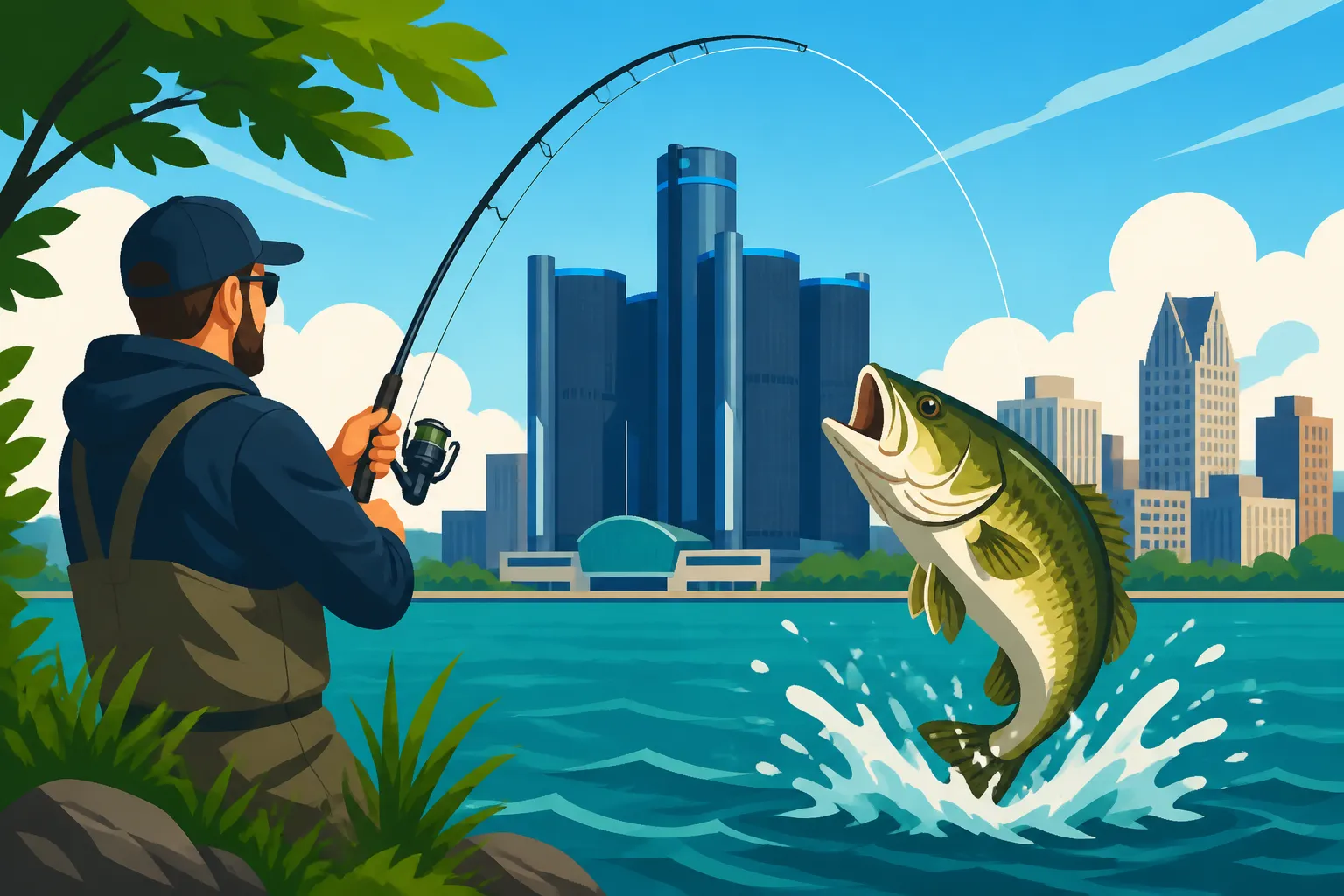
It's easy to assume that a major metropolitan area like Detroit couldn't possibly offer world-class fishing. The sprawling urban environment can trick you into thinking pristine waters are a distant dream. But trust me, as someone who's spent countless hours exploring Michigan's diverse waters, the area immediately surrounding Detroit is a hidden treasure trove for anglers, boasting some of the best freshwater fishing anywhere. You don't have to venture far from the hustle and bustle to find incredible action, whether you're chasing trophy walleye or battling feisty smallmouth bass.
More Than Just Concrete Jungles
The perception that Detroit is solely concrete and industry couldn't be further from the truth when it comes to its aquatic neighbors. The city sits nestled among some of the most dynamic freshwater systems in North America: the Detroit River, Lake St. Clair, and the western basin of Lake Erie. These aren't just any bodies of water; they are super-highways for fish migration, renowned for their incredible productivity and diverse ecosystems. Think about the sheer volume of water moving through these areas, constantly bringing in new nutrients and creating ideal habitats. It’s a vibrant, thriving environment that supports an astonishing array of fish species, making it a dream destination for anglers of all skill levels. You might be surprised to learn about the sheer number of Michigan's Most Popular Fish Species you can find here.
Navigating the Unique Detroit Fishing Landscape
Fishing near Detroit offers a unique blend of urban accessibility and wilderness-quality fishing. Unlike remote northern lakes, you're often just a short drive from bait shops, tackle stores, and amenities. This convenience can be a huge plus, especially for a spur-of-the-moment trip or when you realize you forgot something crucial. However, the urban setting also means navigating busy waterways, understanding local boating traffic, and sometimes fishing alongside large freighters or industrial areas. It’s a different experience, but one that adds to the charm and challenge. The currents in the Detroit River, for instance, are notoriously strong, requiring specific techniques and gear that you might not use on a calm inland lake. Understanding these nuances is key to a successful and enjoyable outing.
Prime Fishing Destinations in and Around Detroit
When you talk about fishing near Detroit, you're really talking about a trinity of incredible waterways. Each offers its own unique challenges and rewards, but all are easily accessible from the city. These aren't just small ponds; we're talking about massive bodies of water that hold state-record potential and provide endless angling opportunities throughout the year.
The Mighty Detroit River
The Detroit River isn't just a boundary between the U.S. and Canada; it's a bustling aquatic highway teeming with fish. This 28-mile stretch connects Lake St. Clair to Lake Erie, acting as a crucial migratory route and spawning ground for an incredible variety of species. What makes the Detroit River truly special is its year-round productivity, particularly for walleye. During the spring, anglers flock here for the world-class walleye run, when millions of fish migrate upriver to spawn. The strong currents and deep channels offer exciting challenges for boat anglers, while numerous parks and piers provide ample opportunities for shore fishing. Don't underestimate the power of this river; it demands respect but rewards handsomely. Many local anglers rely on a Michigan Fishing License Guide for Residents and Nonresidents to ensure they are compliant when casting lines here.
- Spring Walleye Run: This is perhaps the most famous fishery on the Detroit River. From late March through May, walleye pour into the river, offering some of the fastest action you'll ever experience. Jigging with soft plastics or live bait is the dominant technique. You'll see dozens, if not hundreds, of boats drifting specific channels, all vying for their limit. It's an electrifying atmosphere, and catching a limit of these delicious fish is a rite of passage for many Michigan anglers.
- Smallmouth Bass and Perch: Beyond walleye, the Detroit River also holds fantastic populations of smallmouth bass, especially in the rocky areas and structure near the Ambassador Bridge and Belle Isle. These feisty fighters provide exhilarating action throughout the warmer months. Yellow perch are also abundant, offering a more relaxed, yet equally rewarding, fishing experience, perfect for families or those looking for a tasty meal. The river's varied habitat supports diverse species, ensuring there's always something biting.
- Muskellunge and Lake Sturgeon: While less commonly targeted by casual anglers, the Detroit River is also home to formidable muskellunge and even ancient lake sturgeon. Catching one of these giants is often the experience of a lifetime. These species require specialized gear and knowledge, but their presence is a testament to the health and vitality of the river ecosystem. If you're looking for a true challenge, consider targeting these apex predators.
Lake St. Clair's Abundant Waters
Just north of Detroit, Lake St. Clair is a shallow, sprawling lake often referred to as the "Sixth Great Lake" due to its immense size and incredible fishery. It's relatively shallow, with an average depth of about 11 feet, but don't let that fool you. This lake is a biological powerhouse, renowned globally for its smallmouth bass and muskellunge fishing. The clear waters and vast weed beds create perfect habitats for baitfish and the predators that chase them. It's a favorite for tournament anglers and casual enthusiasts alike. If you're looking for an unforgettable experience, chartering a boat through services like FishingBooker can connect you with experienced captains who know these waters like the back of their hand.
- World-Class Smallmouth Bass: Lake St. Clair is arguably one of the best smallmouth bass fisheries in the world. Anglers come from all over to experience the sheer numbers and size of these bronze beauties. Drop-shotting, crankbaits, and tube jigs are highly effective over the expansive flats and around rocky structures. The spring and fall offer particularly hot action as bass feed aggressively. It’s not uncommon to have 50-fish days if you hit it right, making it an incredible destination for bass enthusiasts.
- Muskellunge Capital: Lake St. Clair is also famous for its giant muskellunge. These toothy predators patrol the weed edges and deeper channels, growing to impressive sizes. It’s a challenging fishery that often requires patience, specialized equipment, and strong nerves, but the reward of landing a 50-inch muskie is unparalleled. Many guides specialize in muskie fishing, offering insights into Michigan Muskellunge Fishing Techniques that can significantly increase your chances.
- Perch and Walleye Opportunities: While smallmouth and muskie get most of the headlines, Lake St. Clair also offers excellent fishing for yellow perch, especially in late summer and fall. Anglers often find success drifting with live minnows or small jigs. Walleye are also present, particularly in the channels leading into and out of the lake, providing additional opportunities for a diverse catch. The extensive shallow water areas also make it a fantastic lake for ice fishing in the winter.
Lake Erie's Western Basin Access
The western basin of Lake Erie, easily accessible from Detroit, is a legendary fishery, especially for walleye. While much of the action happens on the Ohio side, Michigan anglers have direct access via the Detroit River and the various launch points along the Monroe County shoreline, such as Luna Pier and Sterling State Park. Lake Erie is often cited as the "Walleye Capital of the World," and for good reason. Its relatively shallow western basin warms quickly in the spring, creating ideal conditions for spawning and feeding, leading to an explosion in fish populations.
- Walleye Capital of the World: This isn't just hype; Lake Erie's walleye fishery is truly phenomenal. Trolling with crankbaits or crawler harnesses is the most common and effective technique, particularly from May through September. The sheer numbers of walleye here are staggering, often leading to quick limits for persistent anglers. It’s a vast body of water, so having good electronics and knowing where to start can make all the difference. Many charters operate out of Monroe, specifically targeting these abundant walleye.
- Smallmouth Bass and Perch: Similar to Lake St. Clair, Lake Erie's western basin also boasts excellent smallmouth bass fishing, particularly around rocky reefs, islands, and submerged structures. These areas concentrate baitfish and provide ambush points for bass. Yellow perch are another significant draw, especially for those looking for plentiful, tasty panfish. The perch schools can be massive, providing fast and furious action when you find them.
- Year-Round Potential: While spring and summer are prime for walleye and bass, the western basin of Lake Erie also offers unique opportunities throughout the year. Ice fishing for walleye and perch can be outstanding when conditions allow, particularly closer to shore in protected bays. Even in the colder months, the deeper channels connecting to the Detroit River can hold fish. For detailed season specifics, always consult the Michigan Fishing Season Dates and Rules.
Top Fish Species to Target Near Detroit
The Detroit area's interconnected waterways create an incredibly diverse fishery, allowing anglers to target a wide array of species. From the prized table fare to the hard-fighting sport fish, there's truly something for everyone. Knowing what you're after can help you refine your techniques and choose the best locations.
Walleye: The Renowned Delicacy
If there's one fish that defines the Detroit area fishery, it's the walleye. Revered for its delicate, flaky white meat and its challenging nature as a game fish, walleye attract thousands of anglers annually. They thrive in the vast, nutrient-rich waters of the Detroit River, Lake St. Clair, and Lake Erie. Their large, light-sensitive eyes make them primarily nocturnal feeders, though they can be caught throughout the day, especially in stained water or on overcast days.
- Spring Spawning Runs: The spring walleye run in the Detroit River is an event that draws anglers from across the Midwest. As water temperatures rise, walleye from Lake Erie migrate upstream to spawn, creating an incredible concentration of fish. This is when jigging, often with minnows or soft plastic baits like Berkley Gulp! minnows, truly shines. Drifting with the current and bouncing your jig along the bottom is the name of the game. It requires a sensitive touch to detect their subtle bites, but the reward is immense.
- Summer Trolling and Drifting: During the summer months, particularly in Lake Erie, walleye spread out across the deeper flats. This is when trolling becomes the dominant technique. Anglers use planer boards to spread out their lines and cover vast areas, presenting crankbaits (like those from Rapala or Berkley Flicker Shads) or crawler harnesses at specific depths. Drifting with bottom bouncers and crawler harnesses or live minnows is also highly effective on Lake St. Clair and other areas with less current.
- Ice Fishing Opportunities: Don't put your walleye gear away when winter hits! When the ice is safe, particularly on Lake St. Clair and protected bays of Lake Erie, walleye offer fantastic ice fishing opportunities. Jigging spoons, blade baits, and tip-ups set with live minnows are popular choices. Fishing at dawn or dusk often yields the best results, mirroring their low-light feeding habits.
Smallmouth Bass: Pound-for-Pound Fighters
Smallmouth bass are a favorite among sport fishermen for their aggressive strikes and acrobatic fights. Unlike their largemouth cousins, smallmouth prefer rocky bottoms, clear water, and often current, making them perfectly suited to the Detroit River and Lake St. Clair. They are absolute pound-for-pound fighters, often leaping clear of the water when hooked, providing an exhilarating battle on light tackle.
- Lake St. Clair's Trophy Smallmouth: Lake St. Clair is globally recognized for its exceptional smallmouth bass fishing. The extensive shallow flats, rocky reefs, and abundant baitfish create a perfect environment for them to thrive. Tube jigs, drop-shot rigs, crankbaits, and topwater lures are all incredibly effective, depending on the season and water conditions. The warmer months, from late spring through early fall, offer consistent action. Many anglers book charters with FishingBooker to specifically target these bronzebacks, as experienced captains know exactly where the big ones hide.
- Detroit River Action: The Detroit River also holds excellent smallmouth populations, especially in areas with current and rocky structure. Targeting bridge abutments, submerged riprap, and current seams can be highly productive. Crankbaits, jigs, and soft plastics fished around these features will often entice a strike. Pay attention to changes in bottom contour and current breaks, as these are prime ambush points.
- Seasonal Behavior: Smallmouth bass exhibit distinct seasonal patterns. In spring, they move into shallower areas to spawn, becoming aggressive and vulnerable. Summer sees them scattering across broader flats and holding near deeper structures. Fall brings a feeding frenzy as they bulk up for winter, often making for some of the best fishing of the year with a Best Time of Day to Catch Walleye similar pattern.
Yellow Perch and Panfish: Family Fun
For a more relaxed day on the water, or when fishing with kids, targeting yellow perch and other panfish species like bluegill and crappie is an excellent choice. These fish are abundant, eager to bite, and provide delicious table fare. They are also incredibly accessible, often found close to shore, making them ideal for pier fishing or those without a boat.
- Lake St. Clair and Detroit River Perch: Both Lake St. Clair and the Detroit River offer outstanding yellow perch fishing. Look for them in areas with weed beds, drop-offs, and soft bottom where they can root around for invertebrates. Small jigs tipped with minnows, wax worms, or pieces of nightcrawler are irresistible to perch. You can often fill a bucket quickly once you locate a school. They are particularly active in late summer and fall.
- Accessible Shore Fishing: The beauty of perch and panfish is their accessibility. Many parks along the Detroit River and Lake St. Clair offer piers and shore access where you can easily catch these fish. Places like Belle Isle in the Detroit River or shoreline parks along Lake St. Clair are popular spots. A simple spinning rod, a bobber, and some live bait are all you need for a fun and productive outing. For specifics on species and limits, check the Michigan Yellow Perch Limit on Lake St. Clair.
- Ice Fishing for Panfish: When winter blankets the region, ice fishing for perch and panfish becomes a popular pastime. Lake St. Clair's protected bays and many smaller inland lakes near Detroit (like Lake Orion, Cass Lake, or Kent Lake) offer fantastic hardwater opportunities. Tiny jigs, often tipped with a piece of bait, fished through the ice can yield dozens of perch, bluegill, and crappie. It's a great way to enjoy the winter outdoors and stock up on fresh fish.
Essential Techniques and Seasonal Insights
To truly maximize your fishing experience near Detroit, understanding the seasonal patterns and employing the right techniques for each body of water is paramount. The dynamics of river currents, vast lake expanses, and changing fish behaviors require a versatile approach.
Seasonal Hotspots and Strategies
Fishing near Detroit is a year-round affair, with each season offering unique opportunities and requiring specific tactics. The key is knowing where the fish are and what they're doing.
- Spring (March-May): This is prime time for the famous Detroit River walleye run. Fish move upstream from Lake Erie to spawn. Focus on jigging directly below your boat in the main river channels. As water temperatures warm, smallmouth bass become active in shallower areas of Lake St. Clair. This is also when many inland lakes see renewed panfish activity. Remember, the Michigan Fishing License Renewal Each Spring is vital, so ensure your license is up-to-date.
- Summer (June-August): The heat pushes many fish to deeper, cooler waters or into dense cover. Walleye in Lake Erie are best targeted by trolling crankbaits or crawler harnesses over expansive flats. Smallmouth bass on Lake St. Clair will be found on offshore humps, reefs, and weed edges, responding well to drop-shotting, Carolina rigs, and topwater baits early and late in the day. Panfish remain active in weed beds and near structure.
- Fall (September-November): As temperatures drop, fish begin to feed aggressively in preparation for winter. This is an excellent time for smallmouth bass and muskellunge on Lake St. Clair, which become particularly active. Walleye in Lake Erie can still be caught trolling, and some will begin to stage near river mouths. Fall also brings renewed perch action. Fly fishing enthusiasts might even find opportunities for Michigan's Fall Salmon Run Fishing in tributaries further north, though less directly in Detroit.
- Winter (December-February): When safe ice forms, ice fishing takes center stage. Lake St. Clair and the protected bays of Lake Erie offer fantastic opportunities for walleye, perch, and panfish. Jigging spoons, blade baits, and tip-ups are essential gear. On the Detroit River, open water jigging for walleye can still be productive, though challenging due to cold weather and strong currents. Always prioritize safety when ice fishing, ensuring you know How Thick Does Ice Need to Be to Fish in Michigan.
| Species / Season | Spring (March-May) | Summer (June-Aug) | Fall (Sept-Nov) | Winter (Dec-Feb) |
|---|---|---|---|---|
| Walleye | Detroit River run (Jigging) | Lake Erie trolling (Crankbaits, Harnesses) | Lake Erie staging, river mouths | Ice fishing (Jigs, Tip-ups) |
| Smallmouth Bass | Lake St. Clair shallow (Tubes, Crankbaits) | Lake St. Clair offshore (Drop-shot, Topwater) | Lake St. Clair aggressive feed (Crankbaits, Jerkbaits) | Very slow, limited ice fishing |
| Yellow Perch | Shore/pier (Minnows, Worms) | Weed edges (Minnows, Worms) | Deep weed edges, drop-offs | Ice fishing (Tiny jigs, Spoons) |
| Muskellunge | Start of season (Large jerkbaits, Bucktails) | Weed edges, open water (Trolling, Casting large baits) | Peak aggressive feed (Large rubber baits, Bucktails) | Season closed, limited open water |
Gear Recommendations for Detroit Waters
Having the right gear is crucial for success, especially in a dynamic environment like the Detroit area. The strong currents, potential for large fish, and varied techniques demand specific equipment.
- Rods and Reels: For walleye jigging in the Detroit River, a sensitive 6'6" to 7' medium-light or medium-action spinning rod with a fast tip is ideal, paired with a 2500-3000 series reel spooled with 10-15 lb braided line and a fluorocarbon leader. For Lake Erie trolling, specialized trolling rods with line counters are common. Smallmouth bass fishing on Lake St. Clair often involves 6'6" to 7'2" medium-light to medium-heavy spinning or baitcasting rods, depending on the technique. Check out Best Rods and Reels for Michigan Fishing for more details.
- Line: Braided line (10-20 lb) is a favorite for its sensitivity and strength, often tied to a fluorocarbon leader (8-12 lb for walleye/bass, 20-30 lb for muskie). For some applications, monofilament might still be preferred.
- Lures and Baits:
- Walleye: Jigging: 3/8 to 3/4 oz lead head jigs with soft plastic swimbaits (e.g., K-Grubs, Berkley Gulp! Minnows), live emerald shiners. Trolling: Deep-diving crankbaits (Bandit Walleye Deep, Rapala Deep Down Husky Jerk), crawler harnesses.
- Smallmouth Bass: Tube jigs, drop-shot worms, Ned rigs, crankbaits, jerkbaits, spinnerbaits, and topwater lures (e.g., Heddon Super Spook, Whopper Plopper).
- Perch/Panfish: Small jig heads (1/16 to 1/32 oz) tipped with minnows, wax worms, small plastic grubs, or pieces of nightcrawler.
- Muskellunge: Large bucktails, jerkbaits, rubber baits (e.g., Chaos Tackle Medusas, Musky Innovations Bull Dawgs), and crankbaits.
- Electronics: A good fish finder with GPS and mapping capabilities is invaluable, especially on large bodies of water like Lake St. Clair and Lake Erie. Side imaging and down imaging can help locate structure and schools of fish.
- Safety Gear: Always have appropriate safety gear, including life jackets (especially in cold water), a first-aid kit, and communication devices. Michigan law requires certain safety equipment on boats.
Licenses, Regulations, and Local Knowledge
Before you even think about casting a line near Detroit, it's absolutely crucial to understand the rules of the game. Michigan has specific regulations designed to protect its fisheries, and ignoring them can lead to hefty fines and a ruined trip. Beyond the law, tapping into local knowledge can turn a good day into a great one.
Understanding Michigan Fishing Regulations
Fishing in Michigan, particularly in the diverse waters surrounding Detroit, comes with a set of rules that every angler must adhere to. These regulations can vary by species, body of water, and even time of year. Failing to understand them isn't just a minor oversight; it can result in significant penalties.
- The All-Important License: First and foremost, almost everyone needs a valid Michigan fishing license. There are different types available, including annual licenses for residents and non-residents, and even a 24-hour license for short trips. Kids often fish for free, but it's always best to verify the current age requirements. You can easily purchase your license online through the Michigan Department of Natural Resources (DNR) website, via their mobile app, or at authorized retailers. Make sure you understand Michigan Fishing License Costs and Types Explained.
- Bag and Size Limits: Each species typically has specific daily bag limits (how many you can keep) and minimum (and sometimes maximum) size limits. For example, walleye on Lake Erie usually have a minimum size and a daily possession limit. Smallmouth bass, yellow perch, and particularly muskellunge also have strict rules. These limits are in place to ensure sustainable fishing for future generations. It's not just about what you catch, but what you keep and how big it is. Consult the official Michigan Daily Bag Limits by Species document.
- Seasonal Closures and Special Rules: While much of the Great Lakes system is open year-round for certain species, inland waters and specific areas might have seasonal closures, especially for trout or during spawning periods. The Detroit River, as a boundary water with Canada, also has unique rules that might differ slightly from inland Michigan regulations. Always check the latest Michigan Fishing Guide (available online or at retailers) for the most up-to-date information, including Michigan Fishing Regulations Every Angler Should Know.
- Muskellunge Reporting: If you're fortunate enough to land a legal-sized muskellunge in Michigan, there's a specific reporting requirement. You'll need to register your catch with the DNR within 24 hours. This data helps biologists monitor the health and population of this prized species. Ignoring this rule is a missed opportunity to contribute to conservation and can also lead to legal issues.
Tapping into Local Expertise and Resources
While the official regulations are non-negotiable, the unofficial "rules" and insights from local anglers and guides can drastically improve your fishing success. There's a wealth of knowledge to be gained from those who spend their lives on these waters.
- Local Bait Shops: These aren't just places to buy worms and minnows; they're hubs of local fishing intelligence. The folks behind the counter often know what's biting, where it's biting, and what techniques are working best. Don't be shy – ask questions! They can also point you towards specific lures or baits that are hot at the moment. Think of them as your first line of communication for current conditions.
- Fishing Forums and Social Media Groups: Online communities dedicated to Michigan fishing, particularly for the Detroit River, Lake St. Clair, and Lake Erie, are excellent resources. Anglers share reports, discuss techniques, and offer advice. Just remember to take everything with a grain of salt and use good judgment, as not all information online is equally reliable. However, they can be great for spotting trends and getting real-time updates.
- Charter Captains and Guides: For the ultimate local knowledge, consider booking a trip with a professional charter captain or fishing guide. These individuals make their living by knowing the waters intimately. They understand seasonal patterns, fish movements, and the most effective techniques. A guided trip, especially if you're new to the area or targeting a specific species like walleye or muskie, can be an invaluable learning experience. Platforms like FishingBooker make it easy to find and book experienced guides specifically for the Detroit and surrounding areas. They can equip you with the right gear and put you on fish faster than you could on your own.
Planning Your Detroit Area Fishing Trip
With so many incredible options available, planning your fishing trip near Detroit can feel a bit overwhelming. But by considering a few key factors – whether you'll be on a boat or shore, and if a charter is right for you – you can tailor an experience that's perfect for your skill level and preferences.
Boat vs. Shore Fishing Opportunities
Both boat and shore fishing offer fantastic ways to experience the Detroit area fisheries, each with its own advantages and limitations. Your choice will largely depend on your gear, budget, and desired experience.
- Boat Fishing: Unlocking Vast Potential: If you have access to a boat, the possibilities for fishing near Detroit are truly limitless. A boat allows you to reach offshore structures on Lake St. Clair, troll the vast expanses of Lake Erie for walleye, or drift the deep channels of the Detroit River.
- Types of Boats: For the Great Lakes and larger inland lakes like St. Clair, a larger, more stable boat (like a multi-species fishing boat or a dedicated trolling boat) is often preferred for safety and comfort, especially if conditions get choppy. For the Detroit River, a sturdy deep-V hull is excellent for handling current and boat wakes. Many smaller boats and kayaks can also be very effective in protected bays and shallower areas.
- Ramps and Access: The Detroit area boasts numerous public and private boat launches. On the Detroit River, popular launches include those near Wyandotte or St. Jean on the Detroit side. For Lake St. Clair, Metropolitan Beach Metropark and Harley Ensign Memorial Boat Launch are excellent choices. Access to Lake Erie is available via Sterling State Park or launches in Monroe County. Most public launches have a small fee.
- Safety Considerations: Always be mindful of boat traffic, especially on the Detroit River which is a major shipping lane. Weather on the Great Lakes and Lake St. Clair can change rapidly, so monitor forecasts closely and always prioritize safety.
- Shore Fishing: Accessible and Rewarding: Don't have a boat? No problem! The Detroit area offers some fantastic shore fishing opportunities that can be incredibly productive and are perfect for casual outings or introducing new anglers to the sport.
- Popular Shoreline Spots: Belle Isle Park in the Detroit River is a fantastic option, offering numerous spots along its perimeter to cast a line for bass, perch, and even walleye. The seawalls and piers in places like Wyandotte, Trenton, and Elizabeth Park in Trenton along the Detroit River also provide excellent access. For Lake St. Clair, Metropolitan Beach Metropark offers extensive shoreline access, as do many small municipal parks along the lake's edge. Sterling State Park in Monroe provides access to Lake Erie's western basin.
- Targeting Species from Shore: From shore, you can effectively target yellow perch, various panfish, smallmouth and largemouth bass, and even walleye, particularly during the spring run in the Detroit River or in low-light conditions. Simple setups with live bait (worms, minnows) or basic lures (spinners, jigs) are often all you need.
- Pros and Cons: Shore fishing is typically more budget-friendly and requires less gear. It's also great for families with young children. However, your range is limited, and you can't always reach the most productive offshore spots. Still, with patience and the right location, shore anglers can have incredibly successful days.
Chartering a Trip and Other Options
For many, particularly those visiting or looking for a specialized experience, booking a fishing charter is the way to go. It removes the hassle of equipment, navigating unfamiliar waters, and often guarantees a higher chance of success.
- The Benefits of a Guided Trip:
- Expert Knowledge: A charter captain knows the current hotspots, the most effective techniques, and how to interpret weather and water conditions. They monitor fishing reports and adjust their strategies daily.
- Top-Notch Gear: Charters typically provide all the necessary fishing gear, from rods and reels to specialized lures and baits. This means you don't need to invest in expensive equipment yourself.
- Safety and Comfort: Reputable captains prioritize safety, especially on larger waters. Their boats are well-maintained and equipped with the latest safety and navigation electronics.
- Learning Experience: A guided trip is a fantastic opportunity to learn new techniques, understand fish behavior, and gain valuable insights that you can apply to your future fishing endeavors.
- Higher Success Rate: While there are no guarantees in fishing, a good charter captain will significantly increase your chances of catching your target species, whether it's trophy walleye on Lake Erie or a giant muskie on Lake St. Clair.
- Finding the Right Charter:
- Online Platforms: Websites like FishingBooker are excellent resources for finding and booking charters in the Detroit area. You can browse captains, compare prices, read reviews, and select the type of trip that suits you (e.g., walleye, bass, muskie).
- Local Marinas and Bait Shops: Many local marinas and bait shops will have business cards or recommendations for local charter captains. This can be a great way to find a highly recommended guide.
- Specific Charters: When searching for Lake Erie walleye charters, look for those operating out of Monroe, Port Clinton (Ohio), or other nearby ports. For Lake St. Clair smallmouth and muskie, captains often depart from marinas around Anchor Bay or Harrison Township.
- What to Expect on a Charter: Most charters provide all fishing equipment, bait, and often cleaning services for your catch. You'll typically need to bring your Michigan fishing license, appropriate clothing for the weather, sunscreen, snacks, and drinks. Always confirm what's included and what you need to bring when you book. It's also customary to tip your captain and mate for a good trip.
Disclaimer
Please remember that fishing regulations, conditions, and fish populations can change. Always consult the most current Michigan Department of Natural Resources (DNR) fishing guide or website for the latest rules and safety advisories before heading out on the water. This article is for informational purposes only and should not be considered a substitute for official regulations. Stay safe and fish responsibly.