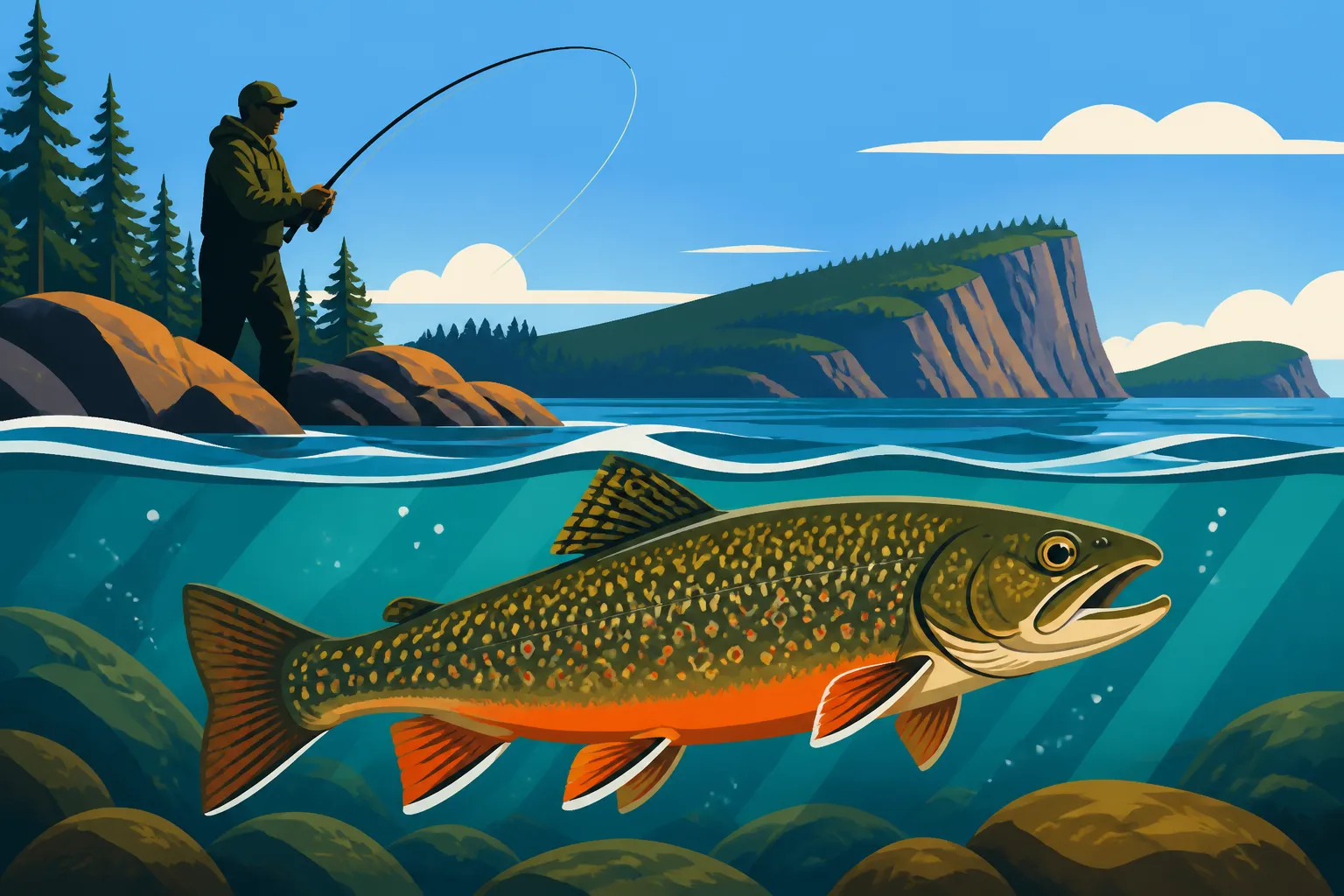
Lake Superior Brook Trout Fishing
If you've ever dreamt of battling a vibrant brook trout against the backdrop of Michigan's rugged Lake Superior coastline, you know the allure is strong. But let's be real, this isn't your average trout stream. Lake Superior is a vast, intimidating body of water, and chasing its elusive brookies can feel like a daunting task, leaving many anglers wondering where to even begin. This comprehensive guide is here to demystify the process, offering deep insights into finding, catching, and appreciating these incredible fish.
Understanding Lake Superior's Unique Brook Trout
Fishing for brook trout in the immense waters of Lake Superior is a completely different ballgame than casting a line in a small inland stream. These aren't just any brook trout; they are often larger, wilder, and more robust, a testament to the harsh, nutrient-rich environment they call home. It's a truly special experience, one that connects you deeply with the untamed spirit of the Upper Peninsula.
Native vs. Stocked Populations in the Big Lake
The brook trout in Lake Superior are a fascinating mix, with both native, wild populations and some areas that have benefited from stocking efforts. Historically, brook trout were abundant in the tributaries and nearshore areas, and thankfully, conservation efforts are working to protect and restore these indigenous strains. The Michigan Department of Natural Resources (DNR) has focused on preserving genetic diversity, recognizing the unique adaptations of these fish to the Great Lakes environment.
When you're out on the lake, especially in less accessible areas or near specific river mouths, there's a good chance you're encountering native fish. These fish often display more vibrant colors and an incredible fight, reflecting their wild upbringing. Conversely, some areas might see supplemental stocking to bolster populations and provide more angling opportunities. It's a delicate balance, ensuring that we support healthy fisheries while prioritizing the preservation of the original inhabitants. Knowing the difference, and understanding where to find healthy wild populations, can greatly enhance your appreciation for the sport.
Characteristics of Lake Superior Brookies
Forget the small, delicate brookies you might find in a tiny trickling stream. Lake Superior brook trout, often referred to as "coaster" brook trout when they migrate from rivers into the Great Lakes, are typically larger, more silvery, and possess a robustness that sets them apart. While still sporting those tell-tale worm-like markings (vermiculations) on their backs and vibrant red and orange spots, their overall coloration tends to be more subdued and silvery, especially when they're actively feeding in the open lake.
These fish can grow surprisingly large, with anglers occasionally hooking into specimens pushing 20 inches or more. Their diet in Lake Superior consists of a variety of forage fish, insects, and crustaceans, contributing to their impressive size and powerful fight. They are incredibly strong swimmers, adapted to the cold, often turbulent waters, and when hooked, they put up a tremendous battle that will test your tackle and your resolve. Understanding these unique characteristics, like the ones highlighted in our guide on Lake Superior Brook Trout Identification and Size, helps you appreciate the true trophy potential of this fishery.
Where to Find Brook Trout on Lake Superior
Lake Superior is immense, stretching for miles and miles along Michigan's Upper Peninsula. You can't just drop a line anywhere and expect to find brook trout. These fish, while robust, still have specific habitat preferences. Knowing where to focus your efforts is absolutely crucial, saving you countless hours of fruitless casting and helping you find those productive zones.
Nearshore Structures and River Mouths
Brook trout in Lake Superior, particularly the "coaster" variety, have a strong affinity for nearshore habitats. This means you'll want to focus your attention on areas close to the mainland or islands, typically within a few hundred yards of shore, in depths ranging from just a few feet to about 30-40 feet. They love structure – anything that provides cover, ambush points, or temperature breaks. Think rocky points, submerged reefs, rocky outcroppings, and areas with fallen timber or heavy aquatic vegetation. These structures attract baitfish, which in turn attract hungry brook trout.
Perhaps the most consistent hotspots are the mouths of rivers and streams that flow into Lake Superior. These tributaries are crucial for spawning and also serve as migratory pathways. The cooler, oxygenated water flowing from these rivers often creates a plume that attracts brook trout, especially during warmer months or when they're staging for a spawning run. Anglers frequently find success casting near these river mouths, targeting the transition zones where the river water meets the lake water. Remember, these are often public access points, but always be mindful of private property and local regulations around specific river systems.
Specific Bays and Inlets
While many areas along Lake Superior's Michigan coastline hold brook trout, certain bays and inlets consistently stand out as prime locations due to their unique habitat and consistent fish populations. These sheltered areas often have more diverse bottom structures, slightly warmer water in certain pockets, and a greater abundance of forage, creating ideal conditions for brook trout.
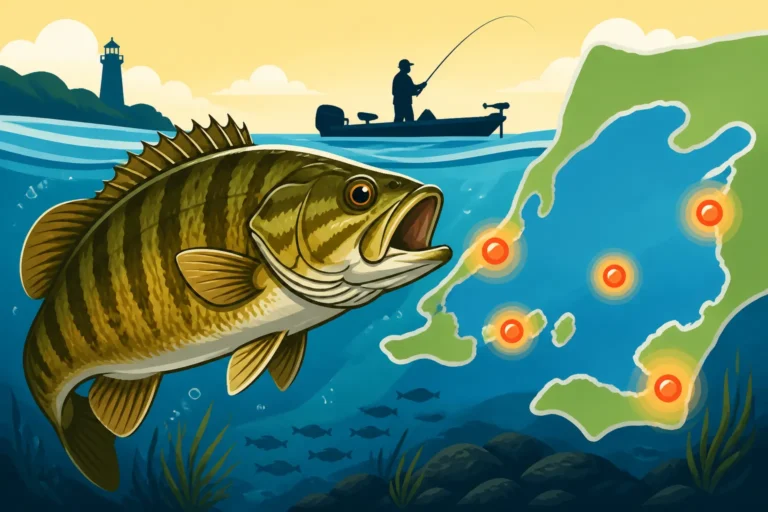
For instance, areas around the Keweenaw Peninsula, particularly bays like Bete Grise, often hold good numbers of brook trout. The countless rocky points, small islands, and numerous small streams emptying into the lake here create a perfect mosaic of brook trout habitat. Further east, bays and harbors around Marquette and Munising, while known for other species, also offer opportunities for brookies, especially in the shallower, rocky edges. The St. Marys River system, although technically connecting Lake Superior to Lake Huron, also has tributaries and nearshore areas that can yield impressive brook trout. When you're considering a trip, exploring resources like Best Spots for Brook Trout on Lake Superior can give you a head start, or even consider booking a trip through platforms like FishingBooker to leverage local expertise.
Best Times to Target Lake Superior Brook Trout
Timing is everything when it comes to Lake Superior brook trout. Unlike some species that might be consistently active throughout the day, these fish are influenced heavily by water temperature, light levels, and their own biological clocks, such as spawning migrations. Knowing the optimal windows will dramatically increase your chances of success and make your fishing efforts more productive.
Seasonal Patterns
The seasons play a huge role in where and how Lake Superior brook trout behave.
- Spring (Ice-out to early June): This is often considered one of the prime seasons. As the ice melts and water temperatures begin to rise slightly, brook trout become very active in the shallower nearshore areas. They're hungry after a long winter and will aggressively pursue bait. The cooler water allows them to cruise freely without the need to seek deep, cold refuges. This is a fantastic time for shore anglers and those with smaller boats to target them close to structure.
- Summer (Late June to August): Summer can be trickier. As the surface waters warm, brook trout will retreat to deeper, cooler water, or concentrate around the mouths of cold-water rivers. You'll often need to fish earlier in the morning, later in the evening, or target slightly deeper nearshore reefs and drop-offs. Trolling can be effective during this period to cover more water and find those cooler pockets.
- Fall (September to November): Another fantastic season, especially as brook trout begin to stage and run up tributaries for spawning. They become extremely aggressive as they prepare for reproduction. The cooler water temperatures also bring them back into shallower areas, making them more accessible. Shore fishing can be exceptional during the fall, especially after a good rain that raises river levels and encourages migration. This is also when their colors become incredibly vivid, making them even more stunning. Our comprehensive guide on Michigan Fishing Seasons Explained provides further context for seasonal angling across the state.
- Winter (Ice Fishing Season): Where safe ice forms in sheltered bays, ice fishing for brook trout can be a unique and rewarding experience. They remain active under the ice, often hugging structure. This is a specialized pursuit, requiring proper safety precautions and specific gear.
Daily Timing for Optimal Success
Beyond the seasonal shifts, even within a given day, there are better times to fish.
- Dawn and Dusk: These low-light periods are almost always the most productive for brook trout. The cooler temperatures and reduced light make them feel safer to move into shallower feeding areas. Baitfish are often more active at these times too, creating a perfect feeding window for brook trout. Early mornings, right at first light, can be magical on Lake Superior.
- Overcast Days: Overcast or rainy days often extend the prime feeding windows throughout the day. The clouds act like a natural diffuser, keeping light levels low and water temperatures more stable, encouraging brook trout to stay active in accessible depths.
- Water Temperature and Weather Changes: Keep a close eye on weather patterns and water temperatures. A sudden drop in air temperature or a persistent north wind can cool nearshore waters, sometimes triggering brook trout activity. Conversely, a prolonged heatwave might push them deeper. Understanding how to read the water and current conditions is a skill that comes with experience, but it's vital for consistent success. You might even consult with a local charter listed on FishingBooker for real-time insights into the best daily bite.
Effective Techniques and Gear for Lake Superior Brook Trout
Catching brook trout in Lake Superior requires a blend of finesse and robust gear. This isn't just stream fishing scaled up; it's a unique challenge that demands specialized approaches. From lures to line, every choice impacts your success on these formidable waters.
Lure and Bait Choices for Aggressive Biters
Lake Superior brook trout can be opportunistic feeders, and a variety of presentations can entice them. The key is often to "match the hatch" or imitate the predominant baitfish in the area.
- Spinners and Spoons: Classic brook trout lures, and for good reason. Small to medium-sized spinners like Mepps Aglias, Blue Fox Vibrax, or Panther Martins in silver, gold, or copper patterns are highly effective. For spoons, daredevils, Little Cleos, or Swedish Pimples in similar metallic or bright colors (like orange and yellow) can trigger aggressive strikes. These work well when cast from shore or trolled behind a boat, mimicking fleeing baitfish.
- Crankbaits and Stickbaits: When trout are feeding on larger baitfish like smelt or juvenile herring, crankbaits and stickbaits can be deadly. Shallow-diving models from brands like Rapala (Original Floater, Husky Jerk), Storm (ThunderStick), or Yo-Zuri (Crystal Minnow) in natural baitfish patterns (perch, shiner, smelt) are excellent choices. Trolling these at various depths can be particularly productive.
- Soft Plastics and Jigs: For a more subtle approach, or when fish are holding tight to structure, small tube jigs, grub tails, or minnow-imitation soft plastics rigged on a lead head can be irresistible. Fishing these slowly, bouncing them off the bottom, or twitching them through cover can trigger bites from wary fish.
- Live Bait: While artificial lures are often preferred, live bait can be incredibly effective, especially when fish are less active. Live minnows, particularly shiners or smelt imitations, drifted or suspended under a bobber can be very productive. Worms, like nightcrawlers, can also work, especially in river mouths. Always check current regulations regarding bait use in specific areas, as rules can vary.
Fly Fishing vs. Spinning: Matching Your Style
Both fly fishing and spinning gear have their place in Lake Superior brook trout angling, offering different experiences and advantages.
- Spinning Gear: This is generally the most versatile and accessible option for most anglers on Lake Superior. A medium-light to medium action spinning rod, around 7-8 feet in length, paired with a matching spinning reel spooled with 6-10 lb test monofilament or braided line is a solid setup. This allows for long casts from shore, effective trolling from a boat, and the ability to handle larger lures. It's a robust setup for a powerful fish in often breezy conditions.
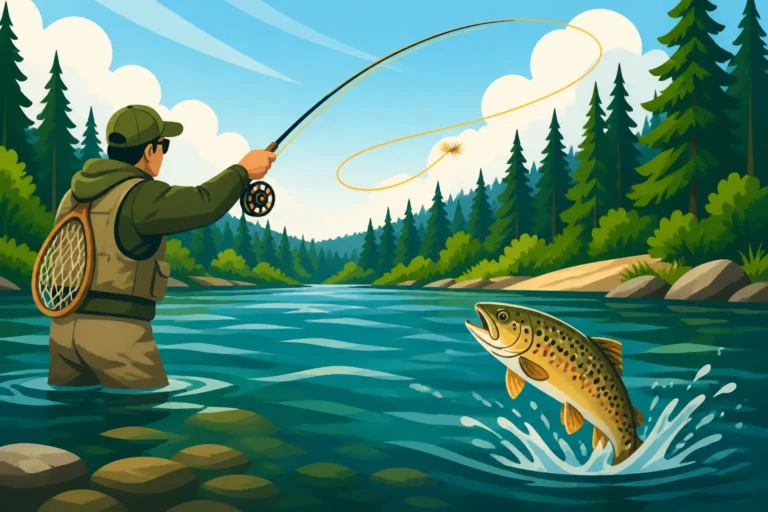
- Fly Fishing Gear: For the purist, fly fishing for Lake Superior brook trout can be incredibly rewarding. A 6-8 weight fly rod, 9-10 feet long, with a floating or sink-tip line, is suitable. You'll want a strong leader and tippet, typically 0X to 2X, to handle larger fish and heavier flies. Streamer patterns that imitate baitfish (e.g., Clouser Minnows, Deceivers, Woolly Buggers in white, olive, or black) are highly effective, as are larger nymphs and even some dry flies if you find fish rising to hatches in calm conditions. Fly fishing is particularly effective in river mouths and very calm nearshore areas, allowing for a more subtle presentation. Our guide on Fly Fishing Techniques for Michigan Trout Streams can offer some transferable skills.
Boat vs. Shore Fishing on Lake Superior
The vastness of Lake Superior means you have choices in how you approach your fishing.
- Shore Fishing: This is often the most accessible option, requiring less specialized gear and no boat. Focus on rocky points, river mouths, harbor break walls, and public access areas. Waders can be incredibly useful to get out a little further and access more water. Long casting rods are an advantage here to reach fish that might be holding a bit offshore. Just remember that shore access can be limited in some remote areas of the Upper Peninsula.
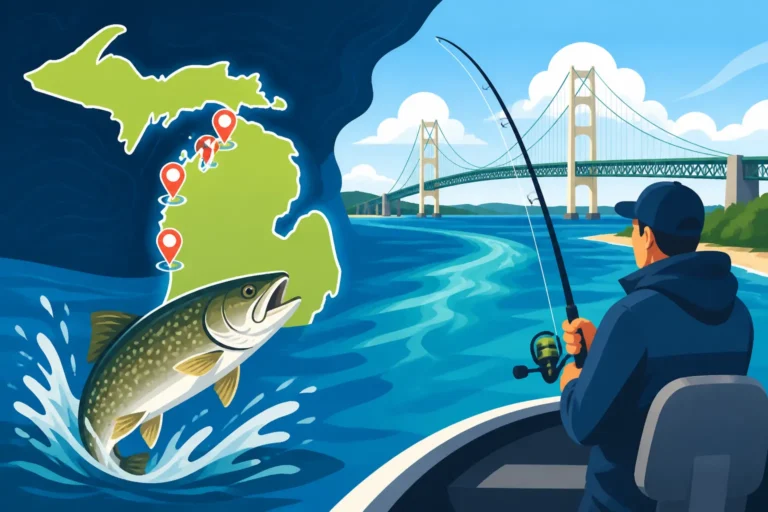
- Boat Fishing: A boat opens up a world of possibilities, allowing you to access remote shorelines, offshore reefs, and troll extensive areas. Even a small fishing boat or a kayak can be incredibly effective for nearshore brook trout. For those considering kayak fishing, check out our guide on Best Kayaks for Michigan Fishing for suitable options. For larger vessels, you can cover more ground. Trolling with downriggers or planer boards allows you to present lures at specific depths and distances from the boat, covering vast expanses of water. Using a fish finder to locate structure and baitfish is invaluable when boat fishing. For bigger water like Lake Superior, consider sturdy, reliable boats – perhaps something discussed in Best Boats for Michigan Fishing. If you don't own a boat, consider hiring a local guide through a service like FishingBooker, which can connect you with experienced captains familiar with the precise nuances of Lake Superior.
Regulations and Conservation for Michigan's Lake Superior Brook Trout
Fishing on Lake Superior for brook trout isn't just about the thrill of the catch; it's also about respecting the resource and ensuring these incredible fish thrive for future generations. Understanding and adhering to the specific regulations is paramount. Ignoring these rules not only puts you at risk of fines but also harms the long-term health of the fishery.
Size and Bag Limits
Michigan has very specific rules for brook trout on Lake Superior, which often differ from inland trout regulations. These regulations are designed to protect spawning fish and allow younger fish to grow to maturity, ensuring a sustainable population.
As of recent regulations, the daily possession limit for brook trout on Lake Superior and its tributaries is usually a combined limit of 5 fish, with a minimum size limit of 8 inches. However, there are often specific exceptions for certain sections of tributaries or even specific bays, which might have different size or slot limits. For example, some areas might have an even larger minimum size or a protected slot limit where fish within a certain size range must be immediately released. It is absolutely crucial to consult the most current Michigan Fishing Regulations Digest before every trip. This includes understanding points like whether Is Lake Superior's Brook Trout Limit Different From Other Michigan Waters to avoid any misunderstandings. Always verify the rules for the exact body of water you intend to fish.
| Water Body / Type | Daily Possession Limit | Minimum Size Limit | Special Rules / Notes |
|---|---|---|---|
| Lake Superior | 5 total trout/salmon* | 8 inches | *Combined species limit for trout and salmon (see regs for specifics) |
| Lake Superior Tributaries (Designated) | Varies by tributary | Varies by tributary | Specific seasonal closures or gear restrictions often apply. ALWAYS CHECK DNR DIGEST. |
| Lake Superior (Specific Zones) | Check DNR Digest | Check DNR Digest | Some areas may have unique size/bag limits or tackle restrictions. |
*This table is a generalized example. Always refer to the current Michigan Fishing Regulations Digest for precise and up-to-date information.
Special Rules and Ethical Angling
Beyond the basic size and bag limits, there are often other rules that apply to Lake Superior brook trout fishing, especially in certain sensitive areas.
- Artificial Lure Only Seasons/Waters: Some tributaries or sections of streams flowing into Lake Superior might have "artificial lures only" regulations, particularly during certain times of the year, to minimize harm to fish. This often includes restrictions on using natural bait or even soft plastic baits. Be sure to know if a bead counts as an artificial lure under Michigan trout rules, as this can sometimes be a point of confusion for anglers.
- Catch and Release: Even when keeping fish is allowed, practicing good catch-and-release techniques for fish you don't intend to harvest is vital. Use appropriate gear that minimizes fight time, handle fish gently with wet hands, and use barbless hooks to facilitate easy release. If a fish is deeply hooked, it's often better to cut the line rather than try to remove the hook, which can cause more damage.
- Respecting Spawning Grounds: During the fall, brook trout migrate into tributaries to spawn. While some fishing might be open, it's considered good ethical practice to avoid disturbing active spawning beds (redds). These areas are easily identified by depressions in gravel bottoms where fish are actively laying eggs.
- Cleanliness and Invasive Species: Always "Clean, Drain, Dry" your boats, trailers, and gear to prevent the spread of invasive species like zebra mussels or Eurasian watermilfoil, which can devastate aquatic ecosystems. Be particularly vigilant when moving between different bodies of water. For a full rundown of general regulations, refer to Michigan Fishing Regulations Every Angler Should Know.
Licensing and Permitting
Of course, before you even cast a line, you need to ensure you have the proper licensing. Fishing without a valid Michigan fishing license is a surefire way to ruin your trip and incur significant fines. The type of license you need depends on your residency status and how long you plan to fish.
- Residents vs. Nonresidents: Michigan residents typically pay a lower fee for their annual licenses. Nonresidents will pay a higher fee, but there are options like a 24-hour or 72-hour license which can be ideal for shorter trips. For a detailed breakdown of costs and types, refer to our Michigan Fishing License Costs and Types Explained guide.
- Where to Buy: Licenses can be purchased online through the Michigan DNR eLicense system, via the Michigan DNR Hunt Fish App, or in person at various license retailers across the state.
- Displaying Your License: Always carry your license with you when fishing, either a physical copy or an electronic version on your phone. Conservation Officers regularly patrol Lake Superior's shores and waters, and they will ask to see it. Remember, understanding the rules, especially those covered in Michigan Fishing License Guide for Residents and Nonresidents, is just as important as having the right gear.
Planning Your Lake Superior Brook Trout Adventure
Embarking on a Lake Superior brook trout fishing trip is an adventure in itself. Proper planning, from knowing where to stay to considering a guide, can make all the difference between a frustrating search and a memorable angling experience. The Upper Peninsula is a vast wilderness, and being prepared is key.
Guide Services and Charters
For many, the sheer scale of Lake Superior and the elusive nature of its brook trout make hiring a local guide an incredibly wise decision, especially if it's your first time fishing these waters. Experienced guides possess invaluable local knowledge:
- Secret Spots: They know the nuances of specific bays, the productive rocky structures, and which river mouths are producing fish on any given day. They often have years, if not decades, of experience reading the water and understanding fish movements.
- Optimal Timing: A good guide will know the best times to hit the water, factoring in recent weather, water temperatures, and fish activity.
- Specialized Gear: Guides come equipped with all the necessary specialized gear, from boats and motors to rods, reels, and a full tackle box of proven lures. This saves you the expense and hassle of investing in specific equipment you might only use once.
- Safety: Lake Superior is notoriously unpredictable. An experienced captain prioritizes safety, constantly monitoring weather conditions and knowing the safest places to fish and seek shelter if conditions change rapidly.
When looking for a guide, consider using platforms like FishingBooker, which allows you to browse local charters, read reviews, and book trips with captains specializing in Lake Superior brook trout. They can help you find someone who truly knows the nuances of this unique fishery.
Access Points and Accommodations
Michigan's Upper Peninsula offers a variety of access points and accommodations to suit different budgets and preferences.
- Public Access Points: State Parks, designated DNR boat launches, and many township parks provide public access to Lake Superior's shoreline. Popular areas include around Marquette, Munising, Grand Marais, and the Keweenaw Peninsula. Always check maps beforehand and look for designated parking areas.
- Lodging: From rustic cabins and campgrounds to hotels and resorts, you'll find options throughout the Upper Peninsula. Major towns like Marquette, Munising, and Houghton offer more amenities, while smaller communities might have quaint bed and breakfasts or rental cottages. Booking well in advance, especially during peak season (summer and fall), is highly recommended.
- Camping: For those who prefer a more immersive outdoor experience, numerous state parks and national forest campgrounds are available along the Lake Superior shoreline. Camping allows for early morning access to fishing spots and provides a truly wild Michigan experience. Just be prepared for potential cold nights, even in summer.
Planning your route, securing lodging, and understanding access points well before your trip will ensure a smoother and more enjoyable experience, allowing you to focus on the magnificent task of pursuing Lake Superior brook trout.
Disclaimer
The information provided in this guide is for general informational purposes only and is subject to change. Fishing regulations, season dates, and license requirements are set by the Michigan Department of Natural Resources (DNR) and can be updated annually or more frequently. It is the sole responsibility of the angler to consult the most current Michigan Fishing Regulations Digest and obtain all necessary licenses and permits before engaging in any fishing activity. Always prioritize safety, respect wildlife, and practice ethical angling.