Best Lake Michigan Fishing Piers and Harbors
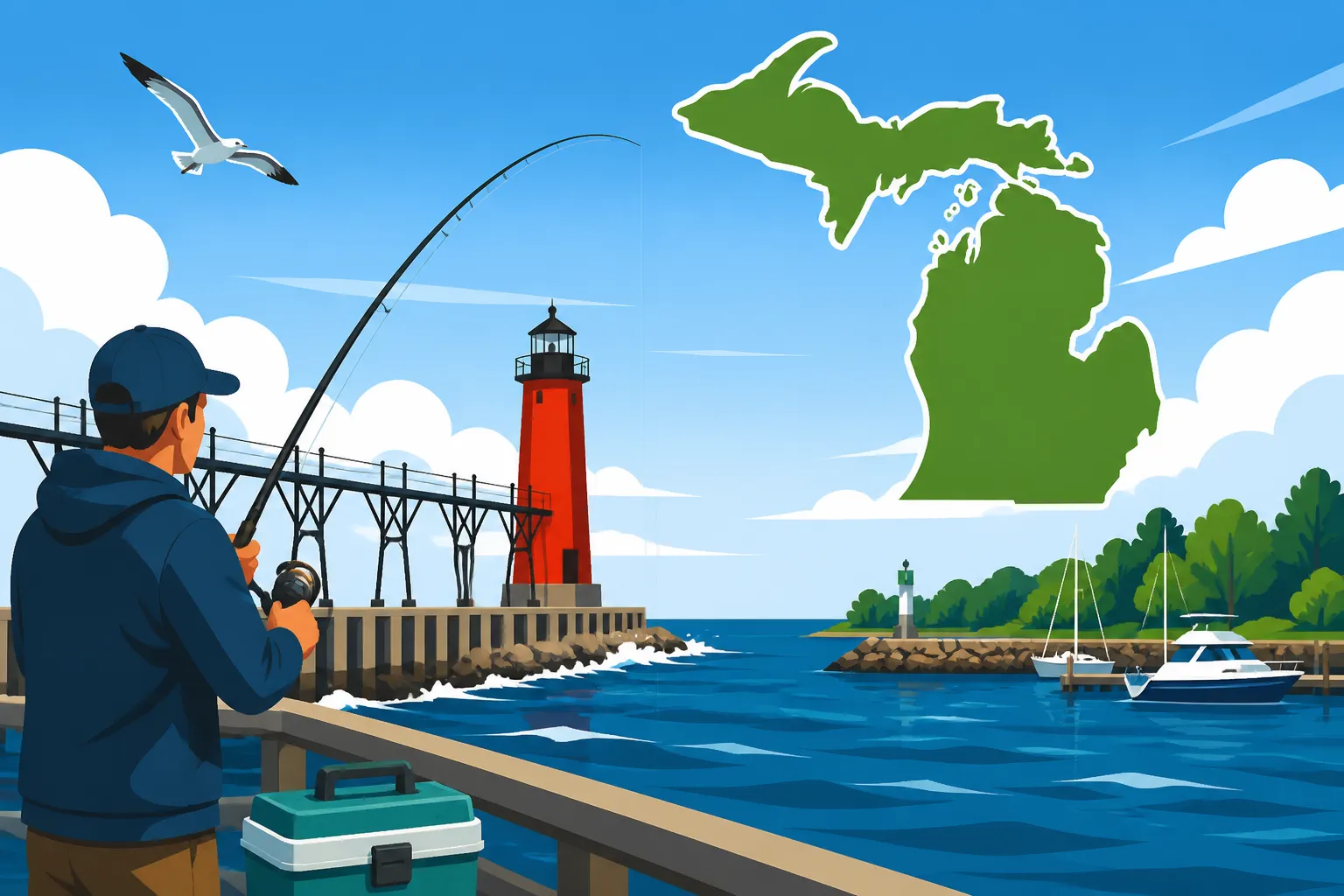
Finding the perfect fishing spot on Lake Michigan can sometimes feel like searching for a needle in a haystack, especially if you don't own a boat or aren't familiar with the vast expanse of these incredible waters. Many anglers, myself included, have stood on a shore or peered into the depths, wondering where the fish actually are and how to reach them without breaking the bank. This comprehensive guide is here to alleviate that frustration, focusing specifically on the invaluable opportunities offered by Lake Michigan's best fishing piers and harbors, ensuring you have a clear path to successful and enjoyable angling.
Why Lake Michigan Piers and Harbors Are a Game Changer for Anglers
For countless anglers, the idea of fishing the Great Lakes can seem intimidating, conjuring images of massive charter boats, specialized equipment, and deep-water expeditions. But what if I told you that some of the most consistent action and diverse catches can be found just a short walk from your car, right off a public pier or within the calm confines of a bustling harbor? Lake Michigan’s piers and harbors truly democratize Great Lakes fishing, making it accessible and enjoyable for everyone from seasoned pros to families introducing their kids to the sport.
Accessibility for Every Angler
One of the biggest advantages of pier and harbor fishing is the sheer accessibility. You don't need a boat, an expensive trolling setup, or even a lot of specialized knowledge to get started. Piers often extend hundreds, sometimes thousands, of feet into the lake, giving shore-bound anglers access to deeper water that would otherwise require a vessel. Harbors, with their protected waters and boat traffic, create unique ecosystems that attract a wide variety of fish, often right up against the docks and seawalls. This means less gear to haul, no boat launch fees, and often, much more forgiving conditions than the open lake. It’s a fantastic option for those who want to experience the thrill of the Great Lakes without the significant investment or logistical challenges of boat ownership. You just need your rod, reel, tackle box, and a valid Michigan fishing license to get started.
Consistent Action and Diverse Species
It's a common misconception that the "big fish" are only found far offshore. While charters certainly have their place, Lake Michigan's piers and harbors consistently deliver excellent fishing for a remarkable array of species. These structures act as magnets for baitfish, which in turn draw in predatory species. During spring and fall, these areas become migratory highways for salmon and steelhead. Throughout the warmer months, you can find abundant yellow perch, smallmouth bass, northern pike, and even walleye lurking in the deeper pockets or around submerged structures. The constant flow of water and the presence of man-made cover create perfect ambush points and feeding grounds, often concentrating fish in relatively small areas. This means you’re not just casting blindly; you’re often targeting known fish highways and feeding zones.
A Perfect Entry Point to Great Lakes Fishing
If you’ve always wanted to try Great Lakes fishing but felt overwhelmed by where to begin, piers and harbors are your perfect starting line. They offer a controlled environment where you can observe other anglers, experiment with different techniques, and get a feel for the dynamics of Lake Michigan. You'll quickly learn about the influence of wind, waves, and current, and how fish react to these conditions. It's a low-pressure way to build confidence and gather invaluable experience that can later translate to other forms of Michigan fishing, whether that’s venturing onto an inland lake or even chartering a boat. Many lifelong Great Lakes anglers cut their teeth on these very piers, learning the rhythms of the lake and the secrets of its inhabitants right from the concrete or wooden planks.
Understanding the Unique Appeal of Lake Michigan Pier Fishing
Fishing from a pier on Lake Michigan isn't just about throwing a line in the water; it's about understanding a micro-ecosystem at the intersection of land and vast freshwater. These structures create unique conditions that actively draw and hold fish, offering fantastic opportunities for those who know how to read the water and adapt their approach. The appeal goes beyond mere convenience; it's about tapping into predictable patterns that develop around these man-made extensions.
The Dynamics of Current and Structure
Piers and break walls dramatically alter the natural flow of water, creating eddies, current breaks, and distinct underwater currents that are irresistible to many fish species. Think of a long pier as a giant underwater current deflector. On one side, you might have strong current, while the other side offers a calmer, protected zone. Baitfish often congregate in these calmer areas, seeking refuge and food, and where there's bait, predators are sure to follow. The pilings and rip-rap that form the pier's foundation also provide crucial structure – hiding spots for ambush predators like pike and bass, and foraging grounds for perch. Understanding how the current interacts with the pier on any given day, depending on wind direction and strength, is key to success. A strong west wind pushing waves against the pier will create different conditions than a calm, east wind day.
Seasonal Migrations and Fishing Hotspots
Lake Michigan piers truly shine during the seasonal migrations of salmon and steelhead. In the spring, as tributary rivers swell, steelhead, brown trout, and early coho salmon move closer to shore, often staging near river mouths and harbor entrances before making their spawning runs. This makes piers and the adjacent harbor channels prime locations to intercept these powerful fish. Come late summer and fall, the massive Chinook and Coho salmon, followed by more steelhead, return to the shallows and gather near river mouths, staging for their own spawning journeys. These periods can offer some of the most intense and rewarding fishing experiences from a pier, with multiple hookups possible in a single outing. It's not uncommon to see anglers lined up shoulder-to-shoulder, patiently waiting for the schools to move in, especially during the peak of the Michigan's Fall Salmon Run Fishing.
The Social Aspect of Pier Fishing
There's a unique camaraderie that develops among pier anglers. Unlike the solitude of some forms of fishing, pier fishing is often a shared experience. You'll find families, seasoned veterans, and curious newcomers all casting lines side-by-side. It's a place where tips are exchanged, successful baits are noted, and the thrill of a screaming reel is celebrated collectively. For those new to the sport or unfamiliar with the Great Lakes, this social environment is invaluable. You can observe the techniques of successful anglers, ask questions, and learn local nuances that aren't found in any guide. It's a community where stories are swapped, and everyone is united by the common goal of landing a beautiful Michigan fish.
Top Fishing Piers and Harbors on Michigan's West Coast
Michigan's western shoreline, fronting the mighty Lake Michigan, is dotted with fantastic fishing piers and harbors, each offering its own unique charm and angling opportunities. From bustling cities to quaint lakeside towns, these locations are angler magnets, especially during the migratory runs. Knowing which ones consistently produce can save you a lot of time and lead to more successful outings.
Grand Haven Pier and the Grand River Mouth
Grand Haven is an iconic Lake Michigan destination, and its pier is legendary among anglers. The long pier extends far into the lake, giving access to deep water where salmon and steelhead cruise. But the real hotspot is often around the mouth of the Grand River, one of Michigan’s premier rivers for steelhead and salmon fishing. Fish stage here before entering the river to spawn, making the pier and the adjacent harbor channel incredibly productive.
During spring, you'll find anglers targeting steelhead with spawn bags, beads, or small spoons. As summer rolls in, perch fishing becomes popular, often requiring lighter tackle and patience. But it's in late summer and fall when Grand Haven truly shines, with massive Chinook and Coho salmon concentrating near the river mouth. Tossing spoons like Cleos or Little Cleos, or casting heavy jigs with soft plastic trailers, can yield incredible results. The harbor also offers sheltered fishing for smallmouth bass and panfish, especially around the docks. Don't forget to check the Grand Haven webcam before you go; it's a great way to see current conditions and crowd levels.
Muskegon Lake Channel and Piers
Just a bit north of Grand Haven, Muskegon offers another fantastic set of fishing opportunities. The deep, wide channel connecting Muskegon Lake to Lake Michigan is a natural funnel for migrating fish. Both the north and south piers here are highly productive. The south pier, in particular, is easily accessible and draws a crowd during the salmon and steelhead runs.
Anglers here often target Chinook Salmon in Michigan's Great Lakes and coho with heavy casting spoons, Rattlin' Raps, or large stickbaits. The channel itself, with its deep water and strong currents, is also excellent for jigging for walleye, especially closer to the transition zones where the lake water meets the more brackish harbor water. Throughout the spring and summer, the harbor inside Muskegon Lake can provide excellent action for yellow perch, bluegill, and even some northern pike. The calmer waters of the lake offer a different experience than the open lake, making it a versatile spot.
Holland State Park and the Lake Macatawa Channel
Holland State Park is not only a beautiful spot for camping and beach-going, but its piers and the channel connecting Lake Macatawa to Lake Michigan are also angler havens. The pier here provides good access to Lake Michigan, and the mouth of the channel is particularly effective during migratory periods. This is another prime example of Lake Michigan Harbor Fishing Spots in Michigan.
Spring brings excellent opportunities for steelhead and brown trout, often caught on spawn bags under a float, or with lively shiners. As the seasons progress, you can find a mix of yellow perch and smallmouth bass in the channel and around the boat launches. When the salmon run kicks off in late summer and fall, this area becomes buzzing with activity. Large spoons and crankbaits cast from the pier or fished from small boats in the channel are go-to methods. The sheltered waters of Lake Macatawa also provide great panfishing and bass fishing, especially if you're looking for a quieter experience away from the big lake waves.
Ludington North and South Piers
Ludington is often hailed as a Great Lakes fishing mecca, and for good reason. Its north and south piers, flanking the channel to Pere Marquette Lake, are incredibly productive, particularly for salmon and steelhead. The deep water here is a magnet for baitfish and, consequently, large predators. The sheer length of the piers gives anglers access to various depths and currents.
The north pier, often considered more accessible, is a favored spot for targeting all species of salmon and trout. During the fall run, you can witness incredible action, with multiple anglers fighting fish simultaneously. Spoons, especially those mimicking alewives, are deadly here. Jigging for walleye is also a viable option in the channel. The south pier, while sometimes requiring a bit more of a walk, offers similar great fishing, and its rocky structure can hold more smallmouth bass and perch. Ludington’s proximity to some of the best offshore fishing grounds means that the pier fishing often mirrors the success of the charter fleet, making it a fantastic alternative for shore anglers. For more on local spots, check out this guide on the Best Fishing Spots Near Ludington, Michigan.
Here's a quick comparison of some of these top Lake Michigan fishing piers:
| Pier/Harbor Location | Primary Target Species (Seasonal) | Best Season(s) | Key Fishing Techniques | Unique Feature/Tip |
|---|---|---|---|---|
| Grand Haven | Chinook Salmon, Coho Salmon, Steelhead, Perch | Spring (Steelhead), Fall (Salmon) | Spoons, Spawn Bags, Jigs, Live Bait (Perch) | Grand River mouth concentrates fish. Check webcam for conditions. |
| Muskegon Lake Channel | Chinook Salmon, Coho Salmon, Steelhead, Walleye | Spring (Steelhead), Fall (Salmon) | Spoons, Crankbaits, Jigging | Deep channel funnels fish. Good walleye opportunities. |
| Holland State Park | Steelhead, Brown Trout, Salmon, Perch, Smallmouth | Spring (Trout/Steelhead), Fall (Salmon) | Spawn Bags, Shiners, Spoons, Crankbaits | Protected channel to Lake Macatawa offers diverse fishing. |
| Ludington Piers | Chinook Salmon, Coho Salmon, Steelhead, Lake Trout | Fall (Salmon/Steelhead), Spring (Trout) | Spoons, Jigs, Live Bait, Crankbaits | Deep water access. Often mirrors offshore charter success. |
| Manistee Piers | Chinook Salmon, Coho Salmon, Steelhead, Perch | Fall (Salmon/Steelhead), Spring (Trout) | Spoons, Spawn Bags, Crankbaits | Known for strong fall salmon runs. |
| St. Joseph Piers | Chinook Salmon, Coho Salmon, Steelhead, Perch | Spring (Steelhead), Fall (Salmon) | Spoons, Spawn Bags, Jigs | Southernmost major port, often first to see spring activity. |
Key Species to Target from Lake Michigan Piers and Harbors
Lake Michigan's vibrant ecosystem supports an incredible diversity of fish, many of which can be caught right from a pier or within a harbor. Knowing what to expect and when to expect it is crucial for a successful outing. While migratory patterns often dictate the best times, there's usually something biting year-round if you know where to look and what bait to use.
Battling Chinook and Coho Salmon
The kings and queens of the Great Lakes, Chinook (King) and Coho (Silver) salmon, are undeniably the main draw for many pier anglers. These powerful, hard-fighting fish provide an adrenaline rush like no other. During late summer and especially in the fall, as their biological clocks signal the urge to spawn, they congregate near river mouths and harbor entrances, making them accessible from shore. This is when Lake Michigan Pier Fishing for Salmon becomes a true spectacle.
Chinook salmon are known for their brute strength and long, powerful runs. They'll readily strike large spoons (like Daredevils or Little Cleos in silver, chartreuse, or orange patterns), heavy stickbaits (like Rapalas or Yo-Zuris), or even chunk bait like skein (cured salmon eggs) fished under a bobber. Coho salmon, while generally smaller, are often more acrobatic, putting on aerial displays when hooked. They tend to favor brighter, flashier lures, with smaller spoons and brightly colored stickbaits often being highly effective. Early mornings and late evenings, or even night fishing under pier lights, are often the most productive times for these magnificent fish.
The Thrill of Steelhead and Brown Trout
Beyond the salmon, Lake Michigan's piers offer exceptional opportunities for steelhead and brown trout. Steelhead, which are migratory rainbow trout, are renowned for their incredible fighting ability, often leaping clear out of the water. They make their presence known in both spring and fall, shadowing salmon runs or making their own spawning forays into tributary rivers. Brown trout, on the other hand, are often more resident, lurking around rocky structures and deep pockets near piers, especially in colder water.
For steelhead, many pier anglers swear by spawn bags (small mesh sacks filled with cured salmon or trout eggs) drifted under a slip bobber or bounced along the bottom. Small, brightly colored spoons and spinners (like Mepps or Rooster Tails) can also entice strikes. Brown trout often prefer minnow-imitating crankbaits or spoons, especially in natural baitfish colors. Live bait, such as shiners or smelt, fished on the bottom or under a float, can also be incredibly effective for both species, particularly when the water is clear. Landing a big steelhead or brown trout from a pier, especially on a blustery day, is a truly rewarding experience that tests both skill and tackle.
Perch, Walleye, and Smallmouth Bass Opportunities
While salmon and trout grab the headlines, don't overlook the incredible year-round opportunities for other popular species. Yellow perch are a staple of Lake Michigan pier fishing, offering consistent action and delicious table fare. They can be found in harbors and along piers almost any time of year, with spring and fall often providing the best numbers. A simple two-hook rig with small pieces of worm, minnows, or perch-specific jigs fished near the bottom is usually all it takes.
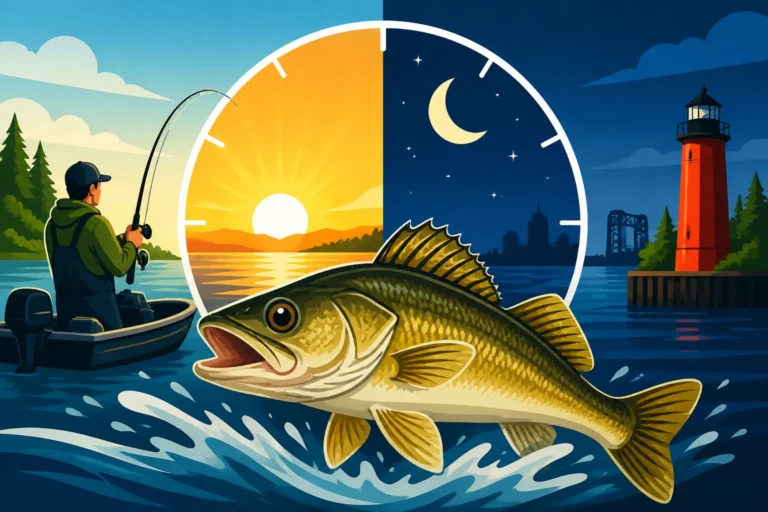
Walleye, known for their delectable fillets, are also present in Lake Michigan's harbors and channels, especially near river mouths like the Grand River or Muskegon. They are most active at dawn, dusk, and throughout the night. Jigging with minnows or soft plastics, or casting deep-diving crankbaits, are effective methods. Finally, smallmouth bass, particularly aggressive and feisty, love the rocky structures and deeper breaks around piers and harbor walls. They'll readily strike spinnerbaits, tube jigs, crankbaits, and even live crayfish. They provide fantastic sport throughout the warmer months and are a great option when the salmon and trout runs are not in full swing. If you're looking to learn more about Yellow Perch Fishing in Michigan, there are dedicated guides to help you maximize your catch.
Essential Gear and Techniques for Pier and Harbor Success
One of the great things about pier and harbor fishing on Lake Michigan is that you don't need a boatload of specialized gear. However, having the right rods, reels, lines, and an understanding of effective techniques will significantly increase your chances of success. It’s all about being prepared for the conditions and the fish you're targeting.
Rods, Reels, and Line Choices for Pier Fishing
For general pier fishing, a medium-heavy to heavy spinning rod, typically 8 to 11 feet in length, is a versatile choice. The longer length helps with casting distance, especially important when trying to reach deeper channels or migratory paths, and provides better leverage when fighting larger fish like salmon or steelhead. Pair this with a sturdy spinning reel in the 4000 to 6000 size range, capable of holding 200-300 yards of line. You need a good drag system, as Lake Michigan fish can make powerful runs.
When it comes to line, braided line in 20-30 pound test is an excellent choice for its sensitivity, strength, and thin diameter, which aids in casting distance. However, it's crucial to tie on a fluorocarbon or monofilament leader of 10-20 pound test. Fluorocarbon is less visible underwater and more abrasion-resistant, a significant advantage when fishing around rocks or against a fish's rough mouth. The leader also provides a bit of stretch, acting as a shock absorber. For more in-depth advice on what to use, check out guides on Best Rods and Reels for Michigan Fishing and Essential Gear for Michigan Steelhead Fishing.
Effective Baits and Lures for Lake Michigan
The "best" bait or lure can vary day by day, but some standbys consistently produce on Lake Michigan piers and harbors. For salmon and steelhead, spoons are king. Popular choices include the Little Cleo, Krocodile, and Daredevil, often in vibrant colors like orange, chartreuse, or silver/blue, mimicking alewives or smelt. Casting spoons allows you to cover a lot of water. Stickbaits (like Rapalas, Bomber Long A, or Yo-Zuri Crystal Minnows) are also deadly, especially when retrieved slowly or trolled (if allowed) near current breaks.
Live bait options are highly effective for almost all species. Fresh spawn bags (cured salmon or trout eggs) are a top choice for steelhead and trout. Live minnows, shiners, or smelt fished under a slip bobber or on a bottom rig can entice walleye, perch, and larger trout. For perch, small pieces of crawler, wax worms, or specialized perch rigs with multiple hooks are the ticket. Always check local regulations to ensure your chosen bait is permitted in that specific area.
Mastering Pier and Harbor Fishing Techniques
Successful pier and harbor fishing involves a blend of casting, retrieving, and sometimes just letting nature do its work. When casting spoons or stickbaits for salmon and steelhead, focus on covering different depths and retrieval speeds. A common technique is to cast out, let the lure sink for a few seconds (counting down to estimate depth), and then retrieve with a varying cadence, incorporating pauses and jerks to mimic a wounded baitfish.
For still fishing with bait, especially for steelhead or trout with spawn bags, a slip bobber rig is invaluable. This allows you to present your bait at a precise depth without having a fixed bobber sliding up your line. For perch, a simple bottom rig with a bell sinker and two small hooks is effective. Cast it out, let it settle, and gently twitch it to attract attention. Always be mindful of currents; sometimes, letting your bait drift naturally with the current can be more effective than a forced retrieve. Observe other successful anglers, but don't be afraid to experiment with different presentations.
Navigating Regulations and Safety for Lake Michigan Pier Fishing
Fishing on Lake Michigan, even from a pier, comes with responsibilities. Understanding and adhering to Michigan's fishing regulations and prioritizing safety are paramount. Not only does it protect you and your fellow anglers, but it also ensures the sustainability of this incredible fishery for generations to come.
Understanding Michigan Fishing License and Rules
First and foremost, you need a valid Michigan fishing license. This is non-negotiable for anyone aged 17 or older. You can purchase one online through the Michigan Department of Natural Resources (DNR) website, via their Michigan's DNR Hunt Fish App for Licenses and Reporting, or from authorized license retailers across the state. The cost varies for residents and non-residents, and there are different license types, including annual, 24-hour, and senior options. Make sure you understand the nuances by reading up on the Michigan Fishing License Guide for Residents and Nonresidents.
Beyond the license, it’s critical to be aware of Michigan's specific fishing regulations, which can change annually. Pay close attention to bag limits (the number of fish you can keep), size limits (the minimum or maximum length a fish must be), and season dates for particular species. For example, walleye often have specific open seasons and size restrictions that vary by body of water, and some trout species have different rules on the Great Lakes compared to inland streams. Always carry a copy of the current Michigan Fishing Guide (available digitally or at license retailers) or consult the DNR website. Ignorance of the law is not an excuse, and violations can result in hefty fines.
Essential Safety Practices on Piers and Near Water
Piers on Lake Michigan can be exposed, slippery, and sometimes dangerous, especially during rough weather. Always prioritize safety:
- Check weather conditions: Strong winds can create dangerous waves that crash over piers, and lightning is a serious threat. If conditions look hazardous, reschedule your trip.
- Wear appropriate footwear: Piers can be wet and covered in algae, making them incredibly slippery. Shoes with good grip are essential.
- Dress for the conditions: Layer up, even on seemingly warm days, as winds off Lake Michigan can be surprisingly chilly.
- Bring a life jacket: While not always legally required for adults on piers, it's a wise precaution, especially for children or if you're fishing near active boat channels.
- Be aware of your surroundings: Watch out for boat traffic, especially in harbor entrances. Keep an eye on other anglers' lines to avoid tangles.
- Night fishing safety: If fishing after dark, bring a reliable headlamp or flashlight, and make sure your footing is secure. Some piers may not have adequate lighting.
- Respect the water: Never turn your back on Lake Michigan. Rogue waves can happen. Avoid swimming near piers where fishing is active.
Respecting Fellow Anglers and the Environment
Pier fishing is a shared experience, so courtesy goes a long way. Maintain a reasonable distance from other anglers to avoid tangling lines. If someone is actively fighting a fish, give them space. Keep your noise levels down, especially during early morning or late evening hours.
Environmental responsibility is equally important. Pack out everything you pack in, including discarded fishing line, bait containers, and any other trash. Improperly discarded fishing line is a serious hazard to wildlife. If you're harvesting fish, dispose of entrails responsibly, away from high-traffic areas. Consider practicing catch-and-release for species you don't intend to keep, using proper handling techniques to minimize stress on the fish. By being a responsible and respectful angler, you contribute to a positive experience for everyone and help preserve Michigan's beautiful natural resources.
Maximizing Your Lake Michigan Pier Fishing Trip
A successful day of pier fishing on Lake Michigan isn't just about showing up with a rod and reel. It involves a bit of planning, understanding the nuances of the lake, and knowing when to adjust your strategy. With some thoughtful preparation, you can significantly increase your chances of having a memorable and productive outing.
Timing Your Trip for Peak Action
One of the most crucial elements for maximizing your success is timing. As discussed, Lake Michigan's piers truly come alive during the seasonal migrations.
- Spring (April-May): This is prime time for steelhead and brown trout as they stage near river mouths and harbor entrances. As water temperatures slowly climb, yellow perch also become more active.
- Summer (June-August): While the major salmon and steelhead runs might be slower, summer offers excellent opportunities for smallmouth bass around rocky structures, and consistent yellow perch fishing. Early mornings and evenings are still best, as fish often retreat to deeper, cooler water during the heat of the day.
- Fall (September-November): This is the undisputed "King Salmon" season. Chinook and Coho salmon converge on river mouths in massive numbers, providing some of the most exciting pier fishing action of the year. Steelhead also follow the salmon, offering a bonus catch. This is when to really focus on learning Shore Fishing Techniques for Michigan's Great Lakes.
- Winter (December-March): While challenging, ice fishing is possible in some protected harbors, and steelhead can still be found near open river mouths on warmer days. However, open-water pier fishing generally slows down significantly.
Beyond the seasons, daily timing matters. Dawn and dusk are almost universally the most productive times for predatory fish like salmon, trout, and walleye. Low light conditions give them a feeding advantage. Night fishing, particularly under pier lights that attract baitfish, can also be incredibly effective for these species.
Weather Considerations and Adjusting Your Approach
Lake Michigan weather is notoriously fickle and can change rapidly. Always check the forecast before you go, paying close attention to wind direction and wave height.
- Wind and Waves: A good "fishing wind" often means an onshore wind (from the west) that pushes baitfish closer to the piers, bringing predators with them. However, too much wind can make casting impossible and create dangerous conditions. Strong winds from the north or south can create powerful currents along the pier, which can be productive but also challenging.
- Water Clarity: After a significant storm or heavy rains, water clarity near river mouths can be reduced. While some species, like walleye, can thrive in murky water, salmon and trout often prefer clearer conditions. If the water is chocolate milk, consider moving to a different location or waiting a day or two.
- Temperature: Water temperature is a critical factor. Fish are cold-blooded and their activity levels are directly tied to temperature. In spring, warming trends bring fish in; in fall, cooling trends trigger migration. Monitoring water temperature (if you have the equipment) can give you a significant edge.
Don't be afraid to adjust your approach based on the conditions. If the wind is howling, switch to heavier lures that cast better. If the water is murky, use brighter, more visible lures or stinky baits. If fish aren't hitting on the surface, try fishing deeper. Flexibility is key to success on the Great Lakes.
Beyond Pier Fishing: When to Consider a Charter
While pier fishing offers fantastic opportunities, there are times when you might want to consider venturing further out into Lake Michigan. If your goal is to target trophy-sized fish consistently, explore different depths, or experience the thrill of offshore trolling, a charter trip might be worth the investment. Charter captains have specialized boats, electronics, and decades of experience navigating the open lake and finding the schools of fish. They can provide all the gear and guidance needed for a successful trip, and it's an excellent way to learn advanced techniques.
Platforms like FishingBooker make it incredibly easy to find and book reputable charter captains for Lake Michigan. You can browse various options, read reviews from other anglers, and compare prices and target species. Whether you're interested in a full-day salmon hunt or a half-day excursion for lake trout, FishingBooker connects you with experienced professionals who can make your Great Lakes dream a reality. It’s a fantastic way to broaden your Michigan fishing horizons and experience a different side of this incredible fishery, complementing your pier and harbor adventures.
Disclaimer
Please note that fishing regulations, conditions, and fish populations can change. Always consult the official Michigan Department of Natural Resources (DNR) website or the current Michigan Fishing Guide for the most up-to-date rules and information before planning your fishing trip. This guide is for informational purposes only and should not be considered a substitute for official regulations. Exercise caution and prioritize safety when fishing near water.