Do You Need a License to Fish Your Own Pond in Michigan?
It’s a question many Michigan landowners grapple with: "I own this property, I dug this pond, or it's always been here, so why would I possibly need a fishing license to cast a line in my own water?" This thought process is completely understandable. After all, it feels like a fundamental right when you're on your private land. However, Michigan's fishing regulations, while generally straightforward, have specific nuances when it comes to "private" water, and understanding them can save you a lot of hassle and potential fines. This guide will meticulously break down whether you need a license to fish your own pond in Michigan, clarify what constitutes truly private water, and offer insights into responsible pond management.
The Core Question: Private Ponds and Michigan Fishing Licenses
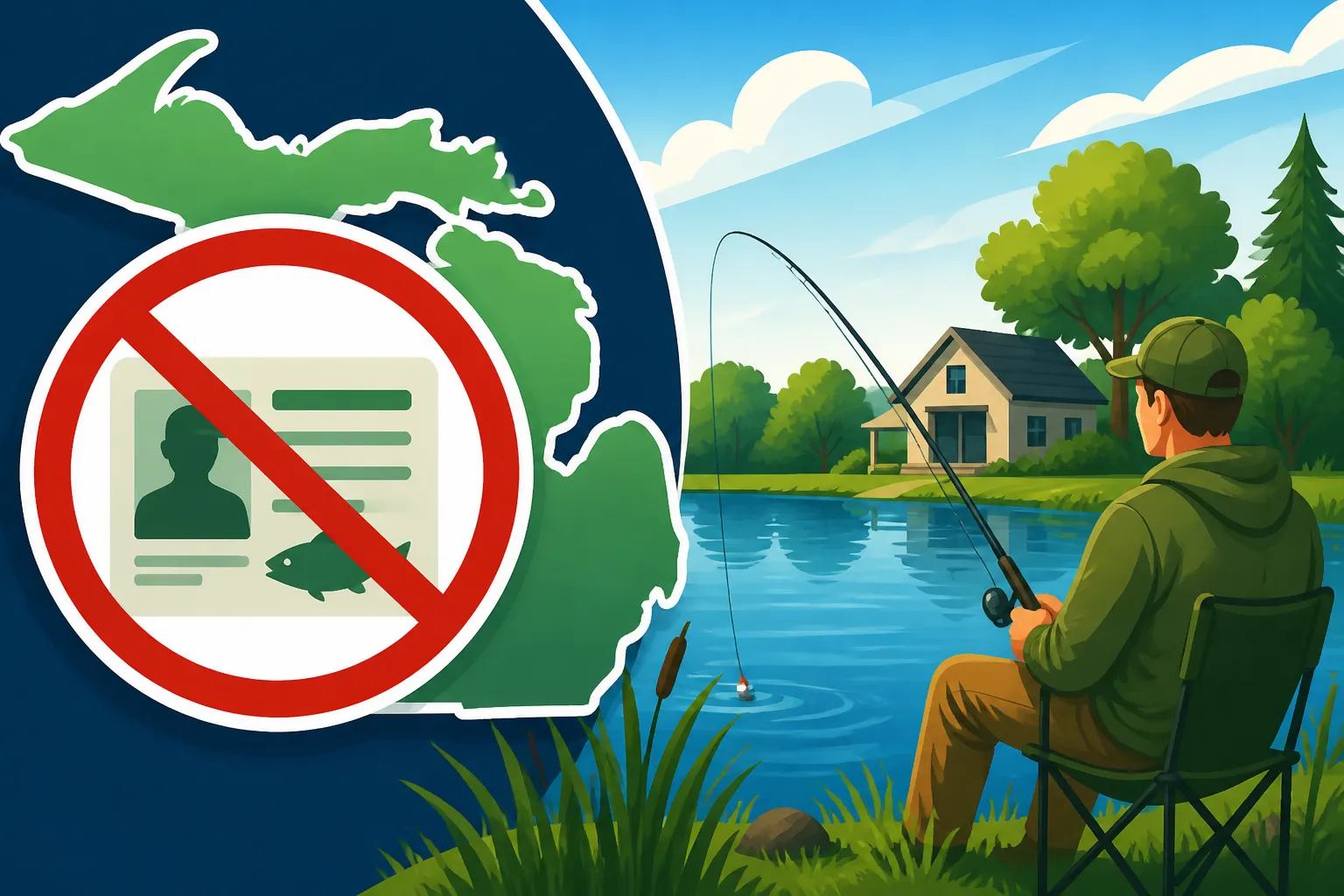
Let's cut right to the chase: in most circumstances, if your pond is truly private and completely isolated from public waters, you generally do not need a Michigan fishing license to fish in it. This sounds simple enough, right? But the devil, as they say, is in the details. The Michigan Department of Natural Resources (DNR) has a very specific definition of what constitutes a "private" body of water in the eyes of the law, and it’s often much stricter than what many landowners might assume.
Defining "Private" Water in Michigan
The absolute key to whether your pond is considered private for licensing purposes hinges on one critical factor: its connectivity to public waters. For your pond to be truly exempt from fishing license requirements, it must be completely enclosed and have no inlet or outlet that allows fish to enter or leave from any public stream, river, lake, or drain. This means:
- Landlocked and Isolated: The pond must be entirely contained within your property, with no natural or man-made connections to any other body of water that the public can access. It should be fed only by groundwater, rainfall, or a private well.
- No Fish Migration: Crucially, there should be no way for fish to migrate between your pond and public waters. This isn't just about whether your fish can get out; it's about whether public fish can get in. Even an underground seep or an intermittent connection during high water can throw a wrench into the "private" designation.
Consider a pond dug decades ago in the middle of a large farm field, fed solely by an underground spring or rainwater, and with no ditches or culverts connecting it to any public drain. This pond, being truly landlocked and isolated, would typically qualify as private, and you wouldn't need a license to fish it. However, if that same pond was connected by a small culvert to a county drain that eventually flows into a river, even if the culvert is often dry, the DNR would likely consider it part of the public water system.
When Your "Private" Pond Might Not Be So Private
Here’s where it gets a little tricky, and it’s a source of common frustration for many landowners. What seems like a private oasis might, under specific circumstances, be classified as public water by the DNR. This classification can lead to unexpected requirements for a Michigan Fishing License Guide for Residents and Nonresidents, even on your own property.
- Seasonal or Intermittent Connections: Many "private" ponds are located near natural waterways or agricultural drains. During periods of heavy rain or spring thaw, these ponds can temporarily flood and connect to these public systems. If fish can move between your pond and public waters during these high-water events, even if it's only for a short time each year, your pond loses its "private" status. The DNR's concern here is the management of fish populations, potential disease transmission, and the introduction of non-native species.
- Man-made Alterations: Did you or a previous owner dig a ditch, install a culvert, or otherwise alter the landscape to connect your pond to a stream, river, or even a public drainage ditch? If so, even if the connection seems minor, it's likely no longer considered truly private. Any connection that allows for the passage of fish renders the water "public" in the eyes of the law.
- Historical Connections: Sometimes, a pond may have been historically connected to a public waterway, and while the connection might now be blocked or dry most of the time, the DNR may still consider it part of the larger public water system, especially if historical maps or records indicate such a connection. It’s always best to verify your pond’s status with the DNR if you have any doubts. Ignoring these details could lead to issues, as all state Michigan Fishing Regulations Every Angler Should Know, including bag limits and seasons, would then apply to your seemingly private spot.
Understanding Michigan's Fishing License Requirements
For most anglers enjoying Michigan's vast network of lakes, rivers, and streams, a fishing license is a non-negotiable part of the experience. It's how the state funds its vital conservation efforts, fish stocking programs, and habitat protection initiatives. If your pond turns out to be connected to public waters, you’ll need to comply with these requirements just like anyone fishing on Lake Michigan or the Au Sable River.
The Legal Framework for Michigan Fishing
The Michigan Department of Natural Resources (DNR) is the governing body responsible for managing the state's natural resources, including its fisheries. Their regulations are designed to ensure sustainable fish populations for current and future generations. The complete breakdown of all rules, including specific size and bag limits for various species, can be found in the annual Reading the Michigan Fishing Regulations Digest. This digest is your ultimate guide, available online as a PDF or in print at many license retailers.
When you purchase a fishing license in Michigan, a portion of the funds goes directly into programs that benefit fishing across the state. This includes funding for fish hatcheries that stock species like Walleye, Salmon, and Trout, as well as efforts to combat invasive species and improve water quality. Knowing Where Michigan Fishing License Money Goes, helps you appreciate the collective effort behind conservation.
Age and Disability Exemptions
Even if your pond is connected to public waters and a license is required, some individuals might still be exempt based on age or disability. It’s important to understand these specific situations:
- Youth Anglers: Kids under the age of 17 do not need a fishing license in Michigan. So, if you have children or grandchildren who love to fish, they can cast away without a license, even if the pond is connected. This is a fantastic incentive to get youngsters into fishing! You can learn more about these rules in the Michigan Youth Fishing License Rules. So, for any angler under that age, the question of What Age Can Kids Fish Free in Michigan? is simple: 16 and under.
- Legally Blind Residents: Michigan also offers a discounted license for legally blind residents. This is another thoughtful provision ensuring accessibility to the sport. More details can be found regarding the Michigan Fishing License Discount for Legally Blind Residents.
- Senior Discounts: While there isn't a completely free license, Michigan residents aged 65 or older can purchase a discounted annual license. This makes fishing more affordable for our seasoned anglers. The Michigan Senior Fishing License Discount, makes it clear this benefit is available.
These exemptions are for the individual angler, not for the water body itself. If the pond is considered public water, then any person aged 17 or older who does not meet other specific exemptions (like those legally blind) would need a license, even if it's technically your private property. You can find more details about all the different options in the Michigan Fishing License Costs and Types Explained, from annual licenses to the convenient Michigan 24-Hour Fishing License Explained.
Management and Stocking Considerations for Private Ponds
Let’s assume for a moment that your pond is truly private and disconnected from public waters. While you might be exempt from needing a fishing license for yourself (and your guests), this doesn't mean it's a completely unregulated free-for-all. There are still crucial responsibilities and best practices associated with owning and managing a private body of water, especially if you plan to introduce fish.
Legally Stocking Your Private Pond
This is often where private pond owners run into unforeseen regulations. Many people assume they can simply buy some fish from a local supplier or, even worse, transfer fish from a nearby public lake into their private pond. This is generally not allowed without proper authorization and can lead to significant problems, both legally and ecologically.
- DNR Stocking Permits: In most cases, if you want to stock fish into your private pond, you will need a permit from the Michigan DNR. This permit process ensures that you are introducing appropriate species for the ecosystem, are not bringing in diseased fish, and are not inadvertently introducing invasive species that could escape into public waters. For instance, if you want to stock certain game fish, the DNR will likely require you to source them from certified hatcheries that can prove the fish are disease-free and genetically pure. You can't just move bluegill from a local creek into your pond, as that could spread disease or non-native genetics to isolated ecosystems.
- Sourcing Fish Responsibly: If you receive a stocking permit, the DNR will typically require you to obtain fish from reputable, certified hatcheries. These facilities adhere to strict health and genetic standards. Trying to save a few bucks by illegally moving fish from a nearby public lake or stream is a major no-no and can result in fines and the potential contamination of your pond and the broader ecosystem.
- Preventing Escape: Even with a permit, you have a responsibility to ensure that any stocked fish cannot escape your pond and enter public waters. This reinforces the "no inlet or outlet" rule from a different angle – if your pond could connect, the DNR is even more cautious about what fish are in it.
The regulations around stocking are in place for a good reason. Uncontrolled stocking can introduce pathogens, parasites, or aggressive non-native species that can wreak havoc on local ecosystems if they escape.
Responsible Pond Management Practices
Even without a license requirement, a private pond is a mini-ecosystem that requires careful management to remain healthy and productive. If you're serious about the quality of fishing in your pond, consider these practices:
- Water Quality Monitoring: Regularly check your pond's water quality. Factors like pH, dissolved oxygen, and nutrient levels can greatly impact fish health. Simple water testing kits are available, some even on platforms like Amazon, that can help you keep an eye on these vital parameters. Healthy water means healthy fish.
- Aeration: Especially in smaller, deeper ponds, oxygen levels can deplete during hot summer months or under heavy ice cover in winter. Aeration systems can prevent fish kills by circulating water and adding oxygen. You can find various sizes of aerators and diffusers online or at specialty pond supply stores.
- Vegetation Control: While some aquatic vegetation is beneficial for fish habitat and food, too much can choke a pond, deplete oxygen, and make fishing difficult. Learn to identify beneficial plants from invasive ones and manage them accordingly, using approved methods.
- Population Management: Even in a private pond, fish populations can become unbalanced. Too many small fish can lead to stunted growth, while an overabundance of predators can decimate forage species. Sometimes, controlled harvest (even without a license) is necessary to maintain a healthy balance.
- Consult Experts: Many local conservation districts or private consultants specialize in pond management. They can offer tailored advice for your specific pond, helping you create a thriving environment for your fish.
Maintaining a healthy private pond is a rewarding endeavor that extends beyond just the act of fishing. It contributes to the biodiversity of your property and provides a sustainable resource for recreation.
Practical Advice and Avoiding Common Pitfalls
The complexities of private pond regulations in Michigan can feel a bit overwhelming, but with a clear understanding, you can enjoy your fishing without worry. The most important takeaway is this: when in doubt, assume your pond is connected to public waters and contact the Michigan DNR for clarification. It’s always better to be safe than sorry.
What to Do If Your Pond Connects to Public Waters
If, after reviewing the criteria, you determine that your pond does have a connection to public waterways, or you simply aren't sure, the path forward is clear:
- Acknowledge the Status: Recognize that for legal purposes, your pond is treated like any other public fishing spot in Michigan.
- Get Licensed: Ensure that anyone aged 17 or older who fishes in your pond has a valid Michigan fishing license. You can easily purchase these licenses online through the Michigan DNR website, via the Michigan's DNR Hunt Fish App for Licenses and Reporting, or in person at various retailers across the state. The process for How to Buy a Michigan Fishing License, is designed to be as convenient as possible. Options include a Michigan Resident Annual Fishing License Cost, or if you’re from out of state, a Michigan Nonresident Annual Fishing License Cost.
- Follow All Regulations: Beyond just the license, all Michigan fishing regulations will apply. This includes daily possession limits, minimum size limits for certain species, and seasonal closures. For example, if your pond is connected to a waterway known for trout, you'll need to pay attention to specific trout regulations. Make sure to consult the current Michigan Bag and Size Limits Explained, to stay compliant.
- Educate Guests: If you have friends or family fishing in your connected pond, make sure they are aware of these requirements. It's your responsibility as the landowner to ensure compliance on your property.
Here's a quick reference table to help visualize the main differences:
| Condition of Pond | License Required for Age 17+? | Other Key Considerations |
|---|---|---|
| Truly Enclosed (No Public Water Connection) | No | Stocking typically requires a DNR permit. Responsibility for pond health (aeration, vegetation, population management) falls to owner. |
| Connects to Public Water (Seasonal or Permanent) | Yes | All state fishing regulations (bag limits, size limits, seasons) apply. Stocking also requires a DNR permit to prevent spread to public waters. |
| Fed by Public Water Source (Stream, River, Drain) | Yes | Treated fully as public water. All state regulations apply. Stocking requires DNR permit. |
Equipping Your Private Pond (and Yourself) Responsibly
Even if your pond is genuinely private and license-free, having the right gear enhances the experience and helps you manage your fishery effectively. Whether you're targeting panfish, bass, or something else you've responsibly stocked, quality tackle makes a difference.
- Basic Tackle: For most private ponds, you don't need highly specialized gear. A versatile spinning rod and reel combo, a selection of hooks, bobbers, and weights, along with some live bait (like worms or minnows), will get you started. You can easily find these essentials at local sporting goods stores or online from retailers like Amazon.
- Species-Specific Gear: If you're managing for a specific species, tailor your tackle. For example, if you have a healthy bass population, consider a variety of plastic worms, crankbaits, or topwater lures. For panfish, tiny jigs and small bobbers are often effective.
- Pond Management Tools: Beyond fishing gear, consider tools for pond maintenance: a long-handled rake for vegetation removal, a thermometer for water temperature, and a basic water testing kit. These can all be sourced from specialty shops or general online retailers like Amazon.
- Catch and Release Practices: Even in your own pond, practicing proper catch-and-release is vital for maintaining a healthy fishery. Use appropriate netting tools (avoiding nets that scrape off protective slime), handle fish gently, and release them quickly.
Having your own private pond in Michigan can be an incredible asset for relaxation and recreation. By understanding the regulations and embracing responsible management practices, you can ensure that your private fishing haven remains enjoyable for years to come, without any unwelcome surprises from the DNR.
Disclaimer
Please note that this guide provides general information and interpretations of Michigan fishing regulations. Laws and regulations can change, and specific situations may have unique requirements. It is always recommended to consult the most current Michigan Fishing Regulations Digest published by the Michigan Department of Natural Resources (DNR) or contact a local DNR office directly for definitive answers regarding your specific pond and fishing activities.