Michigan Walleye 15-Inch Minimum Size Limit
Navigating Michigan’s vast and diverse fishing waters is an absolute joy, but let's be honest, keeping track of all the regulations can sometimes feel like trying to untangle a particularly stubborn fishing knot. One common area of confusion for many anglers, especially when targeting one of Michigan's most prized game fish, is the specific size limits. This comprehensive guide is here to clear up all the mystery surrounding Michigan’s 15-inch minimum size limit for walleye, ensuring you're compliant and confident on your next fishing adventure.
Deciphering Michigan's 15-Inch Walleye Minimum Size Limit
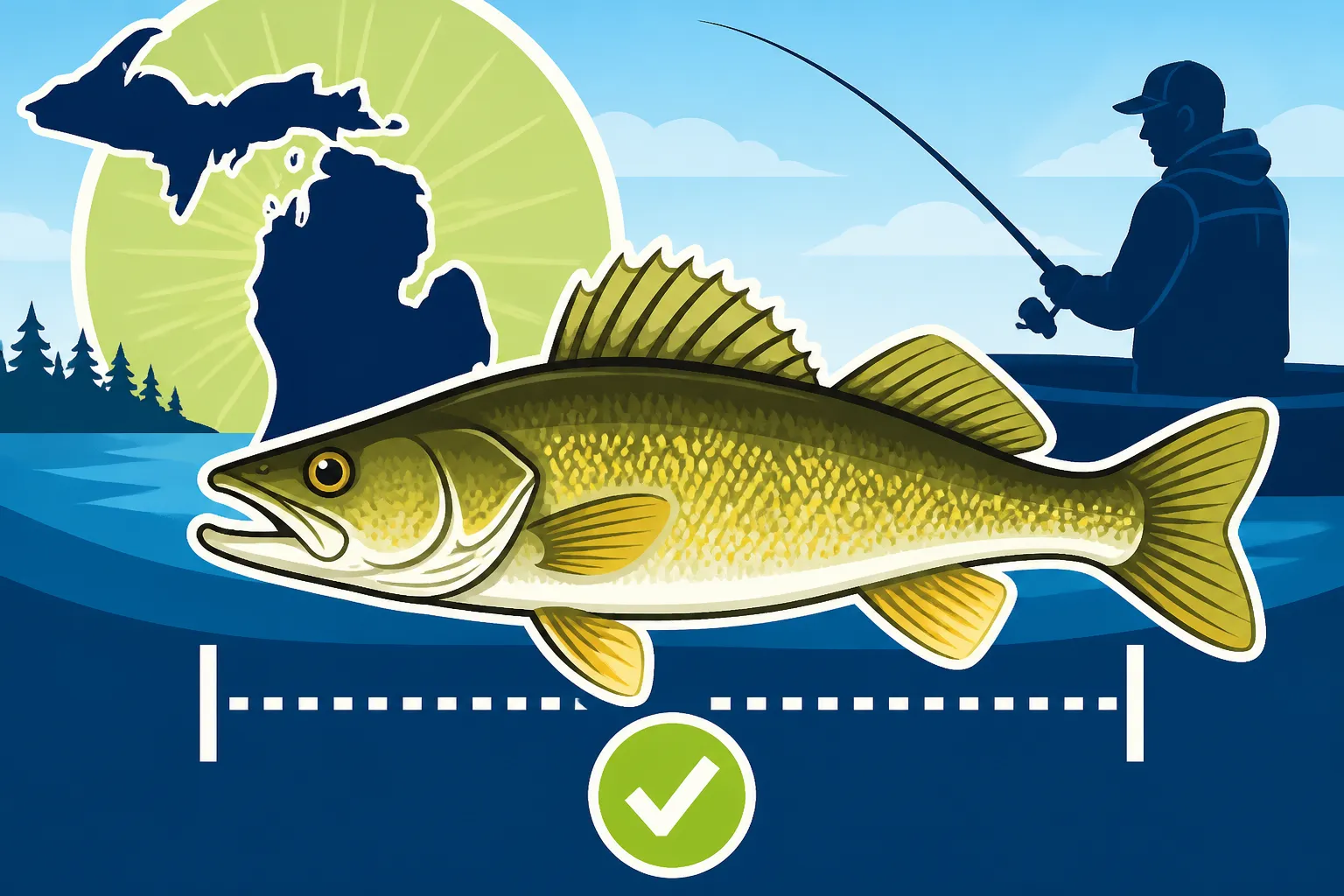
It’s a scenario many of us have faced: you reel in a beautiful walleye, and before the excitement even fully sets in, your mind races to the regulations. "Is it big enough? What's the limit here?" For walleye in Michigan, the general rule of thumb across most of the state's waters is a 15-inch minimum size limit. This means that any walleye you catch must be at least 15 inches long from the tip of its snout to the end of its tail, otherwise, it needs to be immediately released. This isn't just an arbitrary number; it's a carefully determined measure designed to protect the species and ensure healthy populations for years to come.
The Rationale Behind the Standard Walleye Size Limit
The Michigan Department of Natural Resources (DNR) implements these size limits with specific ecological and biological goals in mind. For walleye, the 15-inch minimum is primarily aimed at allowing fish to reach sexual maturity and spawn at least once, if not multiple times, before they are harvested. Think about it: if anglers were allowed to keep every walleye, regardless of size, we could quickly deplete the breeding stock, leading to fewer fish in the future. By protecting these younger, smaller fish, we're essentially investing in the next generation of walleye, ensuring there are plenty of those delicious fillets for everyone down the line. It's a foundational piece of the puzzle that helps sustain the incredible fishing opportunities we cherish in Michigan.
Beyond reproduction, this size limit also contributes to a more robust and resilient fish population. Larger fish often mean healthier fish, capable of contributing more to the ecosystem. It's all about balance, and these regulations are a crucial tool in maintaining that delicate equilibrium. For a broader understanding of how all these rules fit together, you might want to check out our detailed guide on Michigan Fishing Regulations Every Angler Should Know.
Statewide Application Versus Specific Waterbody Rules
While the 15-inch minimum is the statewide standard for walleye, Michigan's fishing regulations are anything but one-size-fits-all. Our state boasts an incredible diversity of lakes, rivers, and Great Lakes waters, and each can present unique challenges and opportunities for fish populations. Because of this, the DNR sometimes establishes special regulations for specific bodies of water or even sections of rivers, which might override the general statewide rule.
For example, a particular lake might have a different minimum size limit, a slot limit (where fish within a certain size range must be released), or even a protected slot limit (where fish within a certain size range must be kept to reduce overpopulation of specific sizes). These exceptions are always in place for good reason, often to address unique population dynamics, historical issues, or specific management goals for that particular fishery. It's incredibly important to consult the current Michigan Fishing Regulations Digest for the specific body of water you plan to fish before you even cast your first line. You can find comprehensive information on various species and their limits in our article on Michigan Daily Bag Limits by Species.
Navigating Walleye Size Limit Exceptions and Special Rules
As mentioned, while 15 inches is the general rule, Michigan is a big state with an even bigger variety of fishing experiences. This means there are indeed exceptions to the standard 15-inch walleye minimum, and knowing these can be the difference between a legal catch and an accidental violation. These special regulations are not designed to complicate your life, but rather to fine-tune conservation efforts to the unique needs of specific fisheries.
Common Types of Walleye Size Limit Deviations
You might encounter a few different types of special regulations when it comes to walleye. The most common deviations from the 15-inch minimum include:
- No Minimum Size Limit: In some waters, often where walleye populations are abundant or management goals differ, there might be no minimum size limit at all. This allows anglers to keep smaller fish, which can sometimes be part of a strategy to thin out an overpopulated fishery or provide more harvest opportunities.
- Different Minimum Size Limits: Certain lakes or river stretches might have a higher or lower minimum size limit. For instance, a lake known for producing exceptionally large walleye might have a 17-inch minimum to encourage growth to trophy sizes. Conversely, a river where walleye grow slower might have a 13-inch minimum.
- Slot Limits: This is where things get a bit more nuanced. A slot limit protects fish within a certain size range. For example, a "15-20 inch slot limit" would mean you can keep fish under 15 inches and over 20 inches, but any walleye between 15 and 20 inches must be released. These are often used to reduce pressure on specific age classes, encouraging certain sizes of fish to grow larger or to maintain a balanced age structure in the population.
- Protected Slot Limits: The opposite of a standard slot, a "protected slot" means you must release fish within a certain size range. This is commonly used to protect valuable spawning stock. For example, a regulation stating "no walleye between 18 and 23 inches may be possessed" means those prime breeding fish are off-limits for harvest. You can read more about this in our guide on Michigan Walleye Size and Possession Limits.
Important Waters with Unique Walleye Regulations
Many of Michigan's premier walleye fisheries have specific rules that deviate from the 15-inch statewide minimum. These are often highlighted in the DNR regulations digest. Here’s a quick overview of some well-known areas and the types of special regulations you might find (always double-check the current digest as rules can change annually):
- Lake St. Clair: Historically, Lake St. Clair has had a more liberal walleye regulation, sometimes featuring a lower minimum size or no minimum size limit at all, primarily due to its incredibly robust and healthy walleye population. This offers fantastic opportunities for anglers seeking table fare of various sizes.
- Saginaw Bay (Lake Huron): Saginaw Bay is a renowned walleye factory. While it often adheres to the general 15-inch minimum, specific regulations or possession limits might apply during peak fishing seasons or in certain areas within the bay to manage the immense fishing pressure it receives.
- Inland Lakes: Smaller inland lakes, particularly those with active walleye stocking programs or unique habitat, are more likely to have individualized rules. Lakes like Houghton Lake or Bays de Noc might have specific length or slot limits tailored to their specific fishery dynamics.
To help illustrate some of these variations, here's a table showing a few examples. Please remember this is illustrative and always refer to the current DNR Fishing Regulations Digest for the most up-to-date and accurate information.
| Waterbody | General Walleye Size Limit | Notes on Exceptions |
|---|---|---|
| Most Michigan Inland Waters | 15-inch minimum | Statewide standard, check specific lakes/rivers |
| Lake St. Clair | No minimum size limit | Highly productive fishery, allows harvest of smaller fish |
| Saginaw Bay (Lake Huron) | 15-inch minimum | Often statewide rules apply, check for special seasons |
| Lake Gogebic | 15-inch minimum | Popular UP walleye lake, generally follows state rule |
| Torch Lake | 15-inch minimum | Often follows statewide rule for walleye |
Keeping abreast of these specific rules is paramount for responsible angling. You can often find the most current regulations by downloading the Michigan DNR Hunt Fish App, which is an invaluable resource for anglers on the go, or by visiting the DNR's website. If you're planning a trip, taking a moment to confirm the local rules can save you a headache later.
Accurate Measurement Techniques for Walleye
So, you've hooked into a gorgeous walleye, and now comes the moment of truth: Is it a keeper? Measuring your catch accurately and quickly is critical, not just for compliance but also for the health of any fish you need to release. There's a right way and a wrong way to measure fish, and understanding the nuances will make you a more confident and responsible angler.
The Head-to-Tail Measurement Standard
In Michigan, for walleye and most other species, the length is determined by measuring from the tip of the snout (with the mouth closed) to the farthest tip of the tail (with the tail compressed). This is often referred to as "total length." It’s not to the fork of the tail, which is a common misconception for some species. The key is to get the full, maximum length of the fish.
Here’s a step-by-step approach to ensure you’re doing it correctly:
- Preparation is Key: Have your measuring device ready before you even bring the fish into the boat or onto shore. A good, flat measuring board (often called a "bump board") is ideal. Many are marked in half-inch increments, which can be incredibly helpful for those borderline fish. You can find excellent, durable bump boards on Amazon that stand up to the rigors of fishing.
- Gentle Handling: Once the fish is landed, handle it as little as possible. Wet your hands before touching the fish to protect its slime coat, which is vital for its health and disease resistance.
- Place on Measuring Device: Carefully lay the fish flat on the measuring board or a similar flat, level surface. The fish's snout should be pushed up against the "bump" end of the board, or positioned at the zero mark of your tape measure.
- Compress the Tail: Gently squeeze the tail fin lobes together so they are compressed to their maximum length. This ensures you're getting the absolute longest measurement.
- Read the Measurement: Take a clear reading at the farthest tip of the compressed tail. If it’s exactly 15 inches, it’s a keeper! If it’s 14 ¾ inches, it needs to go back. There’s no rounding up in fishing regulations.
- Quick Release: If the fish is undersize, get it back into the water as quickly and gently as possible. Minimize its time out of the water.
Essential Measuring Tools and Best Practices
Having the right tools makes all the difference. While a simple tape measure can work in a pinch, a purpose-built measuring board is truly the angler's best friend for quickly and accurately measuring fish like walleye. These boards are usually rigid, easy to clean, and often feature large, clear markings.
- Bump Boards: These are fantastic because they provide a solid reference point for the nose of the fish, eliminating any guesswork at the start of the measurement. They come in various lengths, so make sure you get one long enough for potential trophy walleye! You can find many reliable options on Amazon, including brands like Rapala or Frabill.
- Flexible Tape Measures: While not as foolproof as a bump board, a flexible, non-stretch tape measure can be a good backup. Ensure it's waterproof and easy to read.
- Photography: If you're fishing in a catch-and-release only area or want proof of a trophy, always measure the fish first before taking photos. A quick, clear photo of the fish on a measuring board can be a great memory and also helpful if there's ever a question about size.
Remember, the goal is not just to comply with the law, but also to minimize stress on the fish. Quick, accurate measurement and release of undersized fish are pillars of responsible angling. Many techniques apply across species, so whether you're targeting walleye or even if you're exploring Michigan Muskellunge Fishing Techniques, handling fish properly is key.
The Conservation Impact of Walleye Size Limits
Fishing in Michigan is more than just a pastime; it's a vital part of our state's culture and economy. The health of our fisheries directly impacts anglers, local businesses, and the natural ecosystems we cherish. This is where regulations like the 15-inch walleye minimum size limit step in, playing a critical role in the long-term sustainability of this prized species. It might seem like a small detail, but these limits are foundational to ensuring there are always fish to catch.
Protecting Spawning Stock and Future Generations
The most significant benefit of the 15-inch minimum size limit for walleye is the protection of their spawning stock. Walleye typically reach sexual maturity around 2-4 years of age, and in many Michigan waters, they will have reached at least 15 inches or be very close to it by this time. By setting a minimum size, we ensure that a substantial portion of the walleye population has the opportunity to reproduce at least once, contributing their genes to the next generation, before they are vulnerable to harvest.
Imagine if there were no size limits. Anglers could remove countless smaller, younger fish that haven't had a chance to spawn. Over time, this would lead to fewer eggs, fewer young walleye, and ultimately, a decline in the overall population. The 15-inch rule acts as a guardian, safeguarding these vital breeders. It’s an investment in the future, ensuring that the thrill of hooking a Michigan walleye remains a possibility for generations to come. This aligns with broader conservation goals discussed in guides like Michigan Fishing Season Dates and Rules, which highlight how regulations are designed to protect fish during vulnerable periods.
Promoting Larger Fish and Balanced Ecosystems
Beyond immediate reproduction, size limits also encourage the development of larger, healthier fish. When smaller walleye are released, they have the chance to continue growing. This not only offers the potential for trophy-sized catches but also contributes to a more balanced ecosystem. Larger fish are often more efficient predators, helping to control prey populations and maintain the food web.
A robust population with a good mix of age classes is more resilient to environmental changes, disease, and fishing pressure. By preventing the removal of too many smaller walleye, the regulations help maintain a natural age structure, which is crucial for long-term population stability. This balanced approach helps ensure that Michigan's waters remain vibrant and productive. Responsible anglers understand that conservation is a shared responsibility, and adhering to these rules is a simple yet powerful way to contribute.
If you’re keen to learn more about how different fish species are managed, exploring information on Michigan Salmon Species Explained or Michigan Trout Species Explained can provide further insights into the DNR's comprehensive approach to fisheries management. It’s a complex but incredibly important task that benefits us all.
Understanding the Michigan Fishing License Year
Fishing in Michigan means embracing its incredible natural beauty and abundant waters. Part of that experience, and a crucial aspect of conservation, is understanding the administrative side of things – specifically, the Michigan fishing license year. It’s not always a calendar year, and knowing when your license is valid helps you plan your trips and ensures you're always fishing legally.
When Your Michigan Fishing License is Valid
Unlike many other licenses or permits that follow a calendar year (January 1st to December 31st), a Michigan annual fishing license operates on a fiscal year that runs from March 1st through March 31st of the following year. So, if you purchase an annual license on April 15th, 2024, it will be valid until March 31st, 2025. This cycle applies consistently, regardless of when you purchase your license within that period.
This unique license year means that many anglers find themselves renewing their licenses in the spring, just as the weather warms up and the prime fishing seasons for species like walleye and trout begin. It’s a good practice to mark your calendar for late February or early March as a reminder to purchase your new license. This ensures you're ready to hit the water as soon as the conditions are right, without any last-minute scrambling. You can easily purchase your license online through the DNR website or even via the DNR Hunt Fish App. We've got a whole guide on Michigan Fishing License Costs and Types Explained if you need more details on options like the 24-hour license or senior discounts.
Why the March 1st to March 31st Cycle?
The specific timing of Michigan's fishing license year is tied to the state's natural cycles and fisheries management needs. The early spring period marks the opening of many popular fishing seasons, including the much-anticipated trout opener on inland waters and the ramp-up of walleye activity in the Great Lakes bays. By having the license year reset in early spring, it aligns with the seasonal rhythms of fishing and helps ensure that anglers are licensed for the entirety of the primary fishing seasons.
This system also streamlines administrative processes for the DNR, allowing them to manage license sales and revenue collection consistently year after year. The revenue generated from license sales is absolutely vital, directly funding fisheries management, stocking programs, habitat restoration, and enforcement efforts across the state. In essence, every time you buy a license, you're directly contributing to the health and future of Michigan's incredible fishing resources. It's a small investment that pays huge dividends for everyone who loves to fish our beautiful state. If you’re ever curious about where your dollars go, check out our piece on Where Michigan Fishing License Money Goes.
Remember, having a valid license in your possession is required for anyone 17 years of age or older when fishing in Michigan, unless it's a designated Michigan Free Fishing Weekends Explained. So, make sure you're always current to enjoy our waters responsibly!
Disclaimer
Please note that fishing regulations, including size and possession limits, can change. While every effort has been made to provide accurate and up-to-date information, this article is for general informational purposes only. It is the angler's responsibility to consult the most current official Michigan Fishing Regulations Digest published by the Michigan Department of Natural Resources (DNR) before fishing. Always verify the rules for the specific body of water you intend to fish.