Best Topwater Lure for Bass
There's nothing quite like the explosive strike of a bass on a topwater lure. It's exhilarating, heart-stopping, and can instantly turn a slow day into an unforgettable one. Yet, knowing which topwater lure to tie on can feel like a dizzying choice with so many options out there, leaving many anglers wondering if they're using the right one for Michigan's diverse waters. This guide will cut through the confusion, helping you understand the best topwater lures for bass and how to fish them effectively across our beautiful state.
What Makes Topwater Lures So Effective for Michigan Bass?
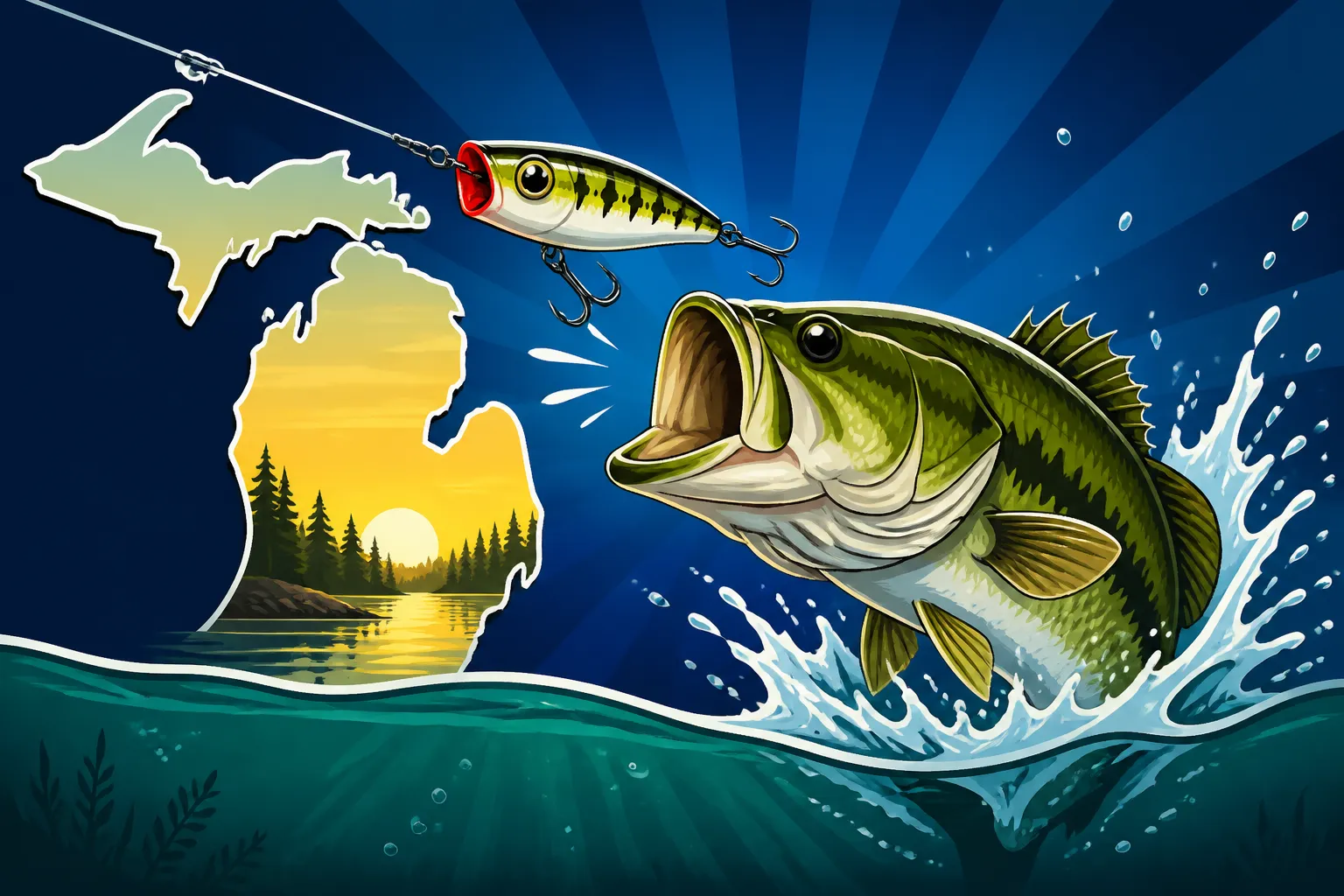
Topwater fishing isn't just a blast; it's incredibly effective because it taps into the predatory instincts of both largemouth and smallmouth bass. When a lure dances and splashes on the surface, it creates a unique appeal that often triggers aggressive, unhesitant strikes that other presentations just can't match. It’s about more than just catching fish; it’s about experiencing the raw power of a bass exploding through the water to engulf your bait.
Mimicking Natural Prey
Think about what bass eat: frogs, mice, insects, small baitfish, and even baby ducklings that accidentally venture too close to the surface. Many of these prey items spend time on or just below the water's surface. A topwater lure, by its very nature, perfectly mimics this vulnerable presentation. When a popper gurgles or a walk-the-dog bait glides across the water, it often looks precisely like a struggling baitfish or an insect that has fallen in, creating an irresistible target.
In many Michigan lakes and rivers, particularly those with plenty of shallow cover like lily pads, emergent weeds, or downed trees, bass are constantly scanning the surface for their next meal. A frog imitation, for instance, wiggling through a mat of weeds isn't just a lure; it's a perfect illusion that a hungry largemouth simply can't ignore. This realistic mimicry makes topwater lures a prime choice, especially during warmer months when bass are more active and feeding aggressively near the surface.
Triggering Reaction Strikes
Beyond pure imitation, topwater lures excel at triggering pure, unadulterated reaction strikes. Sometimes, a bass isn't actively hunting for food but is rather lying in wait, conserving energy. The sudden commotion of a prop bait whirring, a buzzbait churning, or a popper blurbing loudly can suddenly activate their predatory instinct. It’s like a jump scare for a bass—they don't have time to think; they just react.
This is particularly true when you’re fishing around heavy cover or structure, where bass feel safe and have excellent ambush points. A topwater lure that suddenly appears overhead and creates a ruckus can pull a bass out from beneath a log, from deep within a weed bed, or from behind a rock. The sudden splash, the erratic movement, and the noisy retrieve are all designed to irritate or excite a bass into striking, even if it's not particularly hungry. It’s a thrill that every angler in Michigan should experience, whether you're targeting largemouth in a shallow inland lake or smallmouth on the vast Great Lakes.
Different Types of Topwater Lures for Bass Fishing in Michigan
Michigan's diverse waterways, from its countless inland lakes to its mighty Great Lakes and winding rivers, present a variety of conditions for bass fishing. Naturally, this means there isn't one "best" topwater lure for every situation. Instead, having a selection of different types will equip you for whatever the day throws at you. Each type has its own unique action and appeal, designed to excel in specific scenarios. You might find a great selection of these on Bass Pro Shops' website or through Amazon, making it easy to stock your tackle box.
Poppers and Chuggers
Poppers and chuggers are arguably the most recognizable topwater lures. They feature a concave face that "cups" the water, creating a distinct "pop" or "chug" sound and splash when retrieved. This action displaces a good amount of water, making them highly visible and audible on the surface.
- Action & Appeal: The primary appeal of poppers and chuggers is their ability to imitate a struggling baitfish, a frog jumping, or even a large insect falling onto the water. The sound and splash are fantastic for calling bass out of cover, especially in calm conditions where a subtle presentation can still carry a lot of impact. You can vary your retrieve from short, sharp jerks for a louder "pop" to a more subtle "blurb" with lighter twitches, followed by pauses.
- Best Conditions: These lures shine in calm to lightly choppy water, particularly around docks, fallen trees, weed lines, and rocky shorelines. They are excellent for pinpoint casting to specific targets. Think about those glassy mornings on a small inland lake, when the surface is still, and you can practically see the bass lurking just below. A well-placed popper can be absolutely deadly.
- Example Scenario: Imagine fishing a secluded cove on a lake in early morning. The sun is just starting to warm the water, and you see ripples near a patch of lily pads. Tying on a classic popper and casting it right to the edge of the pads, letting it sit for a few seconds, then giving it a gentle twitch and pop—that's often all it takes to provoke an explosive strike from a lurking largemouth.
Walk-the-Dog Baits (Stickbaits)
Walk-the-dog baits, also known as stickbaits, are sleek, often cigar-shaped lures designed to move side-to-side across the water's surface with a specific retrieve. This "walking" action mimics a wounded baitfish struggling erratically, and it's incredibly enticing to bass. Mastering the walk-the-dog retrieve takes a bit of practice but is hugely rewarding.
- Action & Appeal: The zigzagging motion of a walk-the-dog lure is highly effective at attracting bass from a distance. Unlike poppers, which create a more contained disturbance, walk-the-dog baits cover more water and create a continuous, gliding, darting action. This makes them ideal for prospecting larger areas. The rhythmic "zip-zap-zip-zap" across the surface is mesmerizing for both angler and fish.
- Best Conditions: These lures are fantastic in open water, over submerged grass, or along long stretches of weed edges. They work well in calm to moderately choppy conditions, particularly when bass are actively chasing baitfish. They are excellent for targeting smallmouth bass on clear, rocky lakes or river systems where they feed on minnows and shiners. For Casting Techniques for Smallmouth Bass, mastering the walk-the-dog retrieve is key.
- Example Scenario: You're on Lake St. Clair, known for its incredible smallmouth fishing. You've found a shoal with scattered rock and grass. Picking up a walk-the-dog bait and casting it out, then using short, downward jerks of your rod tip while reeling in slack, creates that irresistible side-to-side dance. A smallmouth might follow it for a while before deciding it's too good to pass up and crushing it right at the boat. You can learn more about Best Time to Fish Lake St. Clair for Smallmouth Bass and Best Technique for Smallmouth Bass on Lake St. Clair.
Prop Baits
Prop baits feature small propellers, either at the front, back, or both ends of the lure. As you retrieve them, these props spin, creating a bubbling, splashing, and buzzing commotion on the surface. They offer a unique blend of visual and auditory appeal.
- Action & Appeal: The propellers on these lures create a constant stream of bubbles and a distinct "gurgling" or "sputtering" sound that can be highly irritating to bass, often triggering aggressive reaction strikes. They don't have the distinct "pop" of a popper or the wide glide of a walk-the-dog bait, but their continuous surface disturbance is a powerful attractant, especially when bass are looking for something struggling to get away.
- Best Conditions: Prop baits excel in slightly choppy water where their action is still visible and audible, but also in calm conditions to create maximum disturbance. They are great for fishing around sparse cover or open pockets in weed beds. They can be especially effective during the post-spawn period when bass are territorial and protective.
- Example Scenario: It's late spring, and you're fishing a shallow flat on a Michigan lake with submerged weeds. Bass might be cruising just above the weed tops. A prop bait cast out and retrieved steadily, with a few pauses, creates enough noise and splash to make a territorial bass believe an intruder is in its space, leading to a violent strike.
Buzzbaits
Buzzbaits are characterized by a large, single or double propeller blade at the front that churns water and creates a loud, continuous "buzzing" or "squeaking" sound as it's retrieved. These are truly reaction-strike lures.
- Action & Appeal: The noise and commotion generated by a buzzbait are its biggest draws. They are designed for fast, aggressive retrieves, creating a "run-and-gun" style of fishing. The sound is often enough to provoke bass that might not be actively feeding or are hidden deep in cover. It’s an undeniable, in-your-face presentation.
- Best Conditions: Buzzbaits are fantastic for covering a lot of water quickly, especially in shallow areas with scattered cover like docks, wood, or emerging vegetation. They are most effective in low light conditions, such as early morning, late evening, or on overcast days, as the bass rely heavily on sound. They can be particularly deadly in the summer heat, when bass often become more active during these twilight hours.
- Example Scenario: Dawn is breaking over a river oxbow in southern Michigan. You grab a buzzbait and start casting it tight to the bank, letting it splash down and immediately beginning a fast retrieve. The loud "squeak" and churn of the blade might draw a largemouth from underneath a submerged log that wouldn't have looked twice at a slower presentation. You might want to refer to Best Rods and Reels for Michigan Fishing to ensure you have the right setup for these types of fast retrieves.
Frogs and Toads
Soft plastic frog and toad imitations are designed to be fished over dense vegetation—lily pads, matted grass, slop—where other topwater lures would instantly snag. Their weedless design allows them to glide effortlessly over the thickest cover, offering a truly unique topwater presentation.
- Action & Appeal: The lifelike appearance and weedless nature of frog and toad lures make them exceptional for targeting bass hidden deep within heavy cover. When twitched and paused, they look incredibly natural, mimicking a frog hopping across vegetation or a toad swimming. The soft plastic body collapses on the strike, providing a good hook set.
- Best Conditions: These are the ultimate lures for fishing "the slop"—mats of lily pads, dense hydrilla, or any other thick vegetation where bass love to hide from the sun and ambush prey. They are most effective during warmer months when these types of cover are at their thickest and bass are seeking shade. For Largemouth Bass Identification in Michigan, these lures are often the best way to get at those big bucketmouths in their preferred habitat.
- Example Scenario: It's a sunny afternoon on a small, weed-choked pond. Casting a hollow-bodied frog directly onto a thick mat of lily pads and slowly twitching it across the surface, letting it pause in open pockets, is a prime tactic. Suddenly, the entire mat erupts as a massive largemouth blows up on the frog, creating a memory you won't soon forget.
Choosing the Right Topwater Lure for Specific Michigan Conditions
Picking the "best" topwater lure isn't a one-size-fits-all answer; it's about matching your presentation to the specific conditions you face on Michigan's waters. Understanding the variables like water clarity, cover, time of day, and even the bass species you're targeting can make all the difference in your success. You can often find a good array of specialized lures for these conditions at an outdoor retailer like Bass Pro Shops.
| Lure Type | Primary Action | Best Water Conditions | Best Cover Types | Target Species | Ideal For |
|---|---|---|---|---|---|
| Poppers/Chuggers | Pop, Splash, Gurgle | Calm to Light Chop | Docks, Rocks, Sparse Weeds, Wood | Largemouth | Pinpoint casting, calling fish from specific targets, subtle disturbance |
| Walk-the-Dog | Side-to-Side Glide | Calm to Moderate Chop | Open Water, Over Submerged Grass, Weed Edges | Smallmouth | Covering water, mimicking wounded baitfish, attracting fish from a distance |
| Prop Baits | Sputter, Bubble | Calm to Moderate Chop | Open Pockets, Sparse Cover, Weed Edges | Largemouth | Aggressive reaction strikes, continuous disturbance |
| Buzzbaits | Loud Churn, Squeak | Calm to Light Chop | Shallow Cover, Docks, Wood, Emerging Weeds | Largemouth | Fast retrieves, covering lots of water, low light conditions, triggering strikes |
| Frogs/Toads | Hop, Glide | Calm to Moderate | Dense Mats, Lily Pads, Thick Vegetation, Slop | Largemouth | Fishing heavy cover, weedless presentation, targeting inaccessible areas |
Water Conditions and Cover
The nature of the water you're fishing and the type of cover present should heavily influence your topwater choice.
- Clear Water, Sparse Cover: In clear Michigan lakes, where bass have good visibility, subtle presentations often work best. A walk-the-dog bait that glides gracefully can be incredibly effective for smallmouth bass cruising rocky flats or clear weed lines. Poppers with more controlled actions are also excellent for specific targets like isolated rocks or brush piles. You don't want to spook them with too much splash.
- Stained or Murky Water, Heavy Cover: When the water has less clarity, or you're fishing dense vegetation, you need lures that create more commotion and are highly visible. This is where buzzbaits and prop baits truly shine. Their noise and splash help bass locate the lure even when visibility is low. For navigating thick lily pad fields or matted grass, soft plastic frogs are practically unbeatable. They are designed to come over and through the cover that would foul any other lure, getting into those prime bass ambush spots.
- Windy Conditions: A bit of chop on the water can actually be your friend, as it breaks up the surface and makes your lure look more natural. However, in strong winds, lighter poppers or walk-the-dog baits might get lost in the waves. Opt for heavier prop baits or buzzbaits that can push through the chop and still create a noticeable disturbance.
Time of Day and Season
Just like humans, bass have different activity patterns throughout the day and year, which impacts topwater effectiveness.
- Early Morning/Late Evening (Low Light): These are prime times for topwater action. Bass are often more active and willing to chase prey near the surface. Buzzbaits are incredibly effective in low light due to their loud noise, while poppers and walk-the-dog baits can also draw aggressive strikes. The reduced light gives bass a confidence boost to move into shallower water.
- Mid-Day (Bright Sun): Topwater fishing can be tougher in bright midday sun, especially in open water. Bass often retreat to deeper, cooler water or seek shade under heavy cover. This is when soft plastic frogs become your best friend, allowing you to fish directly into dense mats or under docks where bass are hiding. For more open water, a prop bait retrieved slowly with long pauses can sometimes tempt a sluggish bass looking for an easy meal.
- Spring (Pre-Spawn/Spawn): As water temperatures rise, bass move shallow to spawn. They can be very aggressive and protective of their nests. Poppers, prop baits, and walk-the-dog lures can be deadly around staging areas, points, and even over nesting beds (though it's best practice to minimize disturbing spawning bass). You can find more info on How to Fish for Smallmouth Bass in the Spring.
- Summer: Summer is arguably the peak topwater season. Bass are active and feeding. Buzzbaits and frogs excel in the summer heat, especially when fished in low light or over heavy cover during the day. Walk-the-dog baits can also be very effective for bass chasing schools of baitfish in open water.
- Fall: As water temperatures cool, bass feed heavily to prepare for winter. Topwater action can still be fantastic, particularly on warmer days. Walk-the-dog baits are excellent for open-water smallmouth chasing bait, and poppers can work for largemouth around remaining cover. The bite might be shorter, but it can be intense.
Target Bass Species (Largemouth vs. Smallmouth)
While both largemouth and smallmouth bass will hit topwater, their typical habitats and feeding preferences often steer you toward certain lures. For a deeper dive into their characteristics, check out Largemouth Bass Identification in Michigan and Smallmouth Bass Identification in Michigan.
- Largemouth Bass: These are the kings of cover. They prefer shallow, vegetated areas, woody cover, and docks. They tend to be more ambush predators. For largemouth, you'll often have great success with soft plastic frogs over dense mats, buzzbaits around docks and wood, and poppers along weed lines or near shoreline cover. They respond well to loud, splashy presentations that get their attention from within their hiding spots. Remember, Michigan's Combined Largemouth and Smallmouth Bass Limit will apply, so always check the current regulations.
- Smallmouth Bass: Known for their fighting spirit and preference for clear, rocky waters, smallmouth bass often feed in more open environments, chasing baitfish. Walk-the-dog baits are absolutely phenomenal for smallmouth in places like the Great Lakes or clear rivers. Poppers can also work around rocky points and shoals. Smallmouth are often less about the "slop" and more about active pursuit, so lures that cover water and mimic fleeing baitfish are typically very effective. For serious smallmouth enthusiasts, understanding Smallmouth Bass Fishing in Michigan is essential. Be mindful of Michigan Smallmouth Bass Daily Limit to stay within legal harvest numbers.
Techniques for Presenting Topwater Lures Effectively
Having the right topwater lure is only half the battle; knowing how to work it effectively is what truly sets successful anglers apart. The retrieve, the cadence, and where you cast all play a crucial role in getting those explosive strikes. You need to impart action that makes the lure come alive, transforming it from a piece of plastic into a struggling meal. Having a well-organized Best Tackle Box Setup for Michigan Anglers can help you quickly switch between different lure types and weights.
Varying Retrieve Speeds
One of the biggest mistakes anglers make with topwater lures is using a consistent, unchanging retrieve. Bass are unpredictable creatures, and what excites them one moment might bore them the next.
- The Power of the Pause: Often, the most critical part of a topwater retrieve isn't the movement, but the pause. Think about a frog hopping or a baitfish struggling—they don't move continuously. Cast your lure to a promising spot, let it sit until the ripples dissipate, and then give it a twitch or a series of movements. Many strikes occur when the lure is completely still, immediately after a pause, as the bass takes advantage of the "vulnerable" moment. Sometimes, an extended pause of 5-10 seconds (or even longer!) can be the key, especially in calm, clear water where bass have time to inspect the lure.
- Slow vs. Fast Retrieves: Sometimes a slow, methodical retrieve with long pauses will trigger more bites, especially when bass are sluggish or the water is cold. Other times, a fast, erratic retrieve, almost making the lure skip across the surface, can trigger aggressive reaction strikes, particularly with buzzbaits or prop baits in low light or warmer water. Don't be afraid to experiment throughout the day. Start with a moderate retrieve and adjust based on how the bass are reacting, or if they're not reacting at all!
- Example: On a breezy day, you might be throwing a prop bait. Instead of a steady crank, try a "stop-and-go" retrieve: a few quick turns of the reel handle, then a pause, then another burst. The sudden stop and start can make the propellers flutter and then cease, mimicking a fish that's briefly given up struggling, an easy target.
"Walk-the-Dog" Action Mastery
The "walk-the-dog" retrieve is an art form, especially for walk-the-dog style stickbaits. It requires a specific rhythm and rod action to get that enticing side-to-side glide.
- The Technique: Start by casting your lure out. Point your rod tip down towards the water, at about a 4 or 5 o'clock position. Give the rod tip a short, downward twitch while simultaneously reeling in a small amount of slack line. This should cause the lure to dart to one side. Then, repeat the motion, and the lure should dart to the other side. The key is to create a rhythmic "twitch-twitch-twitch" while maintaining just enough slack for the lure to glide, but not so much that you can't impart action. It's a continuous, fluid motion.
- Practice Makes Perfect: Don't get discouraged if it doesn't happen instantly. Head to a clear part of the lake or a swimming pool to practice. Watch how the lure reacts to your rod tip movements and how much slack line you need to take up. Once you get the feel for it, you'll be able to create that irresistible sashay that smallmouth bass, in particular, adore.
- Varying the Walk: Once you've mastered the basic walk, start experimenting with variations. Try faster, shorter twitches for a frantic, nervous walk, or slower, longer glides for a more leisurely presentation. Sometimes, throwing in a quick double-twitch can make the lure dart erratically, mimicking a panicked baitfish. This nuanced control is why it's such a beloved technique among seasoned anglers.
Targeting Structure and Ambush Points
Topwater fishing isn't just about casting into open water; it's about strategically presenting your lure where bass are most likely to be hiding and ready to strike.
- Fishing the Edges: Bass love edges. This could be the edge of a weed line, the break line where shallow water meets deeper water, or the seam where current meets slack water in a river. Casting your topwater lure parallel to these edges, or just past them and retrieving it along the edge, is incredibly effective. This allows the lure to stay in the strike zone for longer.
- Working the Cover: Think about anything that provides shade or an ambush point: docks, fallen trees, brush piles, rock piles, bridge pilings, or even large boulders. These are prime locations for bass to hide. Make pinpoint casts as close as possible to these structures. Let a popper sit right next to a dock post before giving it a subtle twitch. Glide a frog over the thickest part of a lily pad mat, where no other lure could go. Bass will often launch themselves from these ambush points to strike.
- Fan Casting: If you're unsure where the bass are holding in an area, fan casting can help you cover water efficiently. Make a series of casts, fanning out from one side to the other, covering a wide swath of water. This helps you identify where fish might be positioned and often leads to unexpected strikes. When you are looking to get your boat to these prime locations, understanding Best Boats for Michigan Fishing can be very helpful. Remember to always consult Michigan Fishing Regulations Every Angler Should Know before heading out to ensure you're fishing legally and sustainably.
Disclaimer
This article is for general informational purposes only and does not constitute professional advice. Laws, prices and regulations vary by location and change over time. Consult a qualified professional for guidance on your specific situation.