What to Bring for a Day of Steelhead Fishing
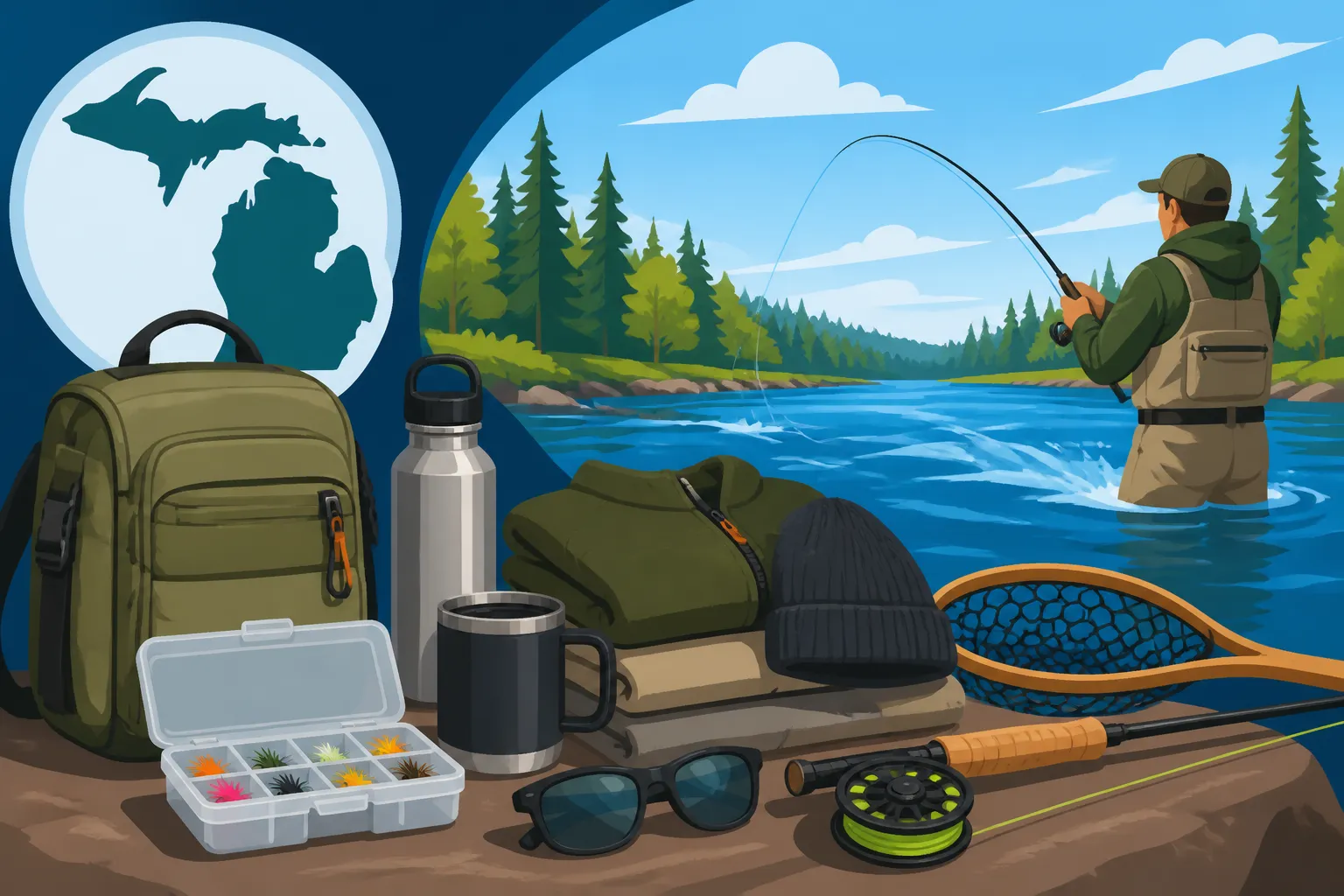
There's nothing quite like the thrill of chasing steelhead in Michigan's cold, clear rivers, but showing up unprepared can turn an exciting adventure into a miserable, freezing, and fishless day. You've dreamt of those chrome beauties, battled the elements, and finally hooked into one, only to realize you forgot that one crucial piece of gear that would have made all the difference. This guide is here to ensure your next steelhead outing is as successful and comfortable as possible by outlining exactly what you need to bring.
The Right Rod, Reel, and Line: Your Steelhead Foundation
When you're targeting Michigan steelhead, your rod, reel, and line aren't just accessories; they are your connection to the fish, and they need to be up to the challenge. These are powerful, acrobatic fish, often found in strong currents, and a flimsy setup just won't cut it. Thinking you can get by with your old bass rod? Think again. Steelhead will expose every weakness in your gear and your technique.
Rod Selection for River Steelhead
For river steelhead, you're generally looking at longer, more sensitive rods than what you might use for other species. This extra length (often 9 to 13 feet, sometimes even longer for float fishing) serves several purposes. First, it helps with line control, allowing you to mend your line over currents and keep your bait drifting naturally without drag. Second, it provides leverage to fight strong fish and protect light leaders. Imagine trying to steer a powerful, current-fueled torpedo with a short, stiff stick—it’s just not going to work out well.
There are different types of rods suited for various steelhead techniques. For float fishing (which is incredibly popular and effective in Michigan rivers), a longer, moderate-action rod is ideal. These rods typically range from 10 to 13 feet. They absorb headshakes, cast light floats, and protect thin leaders better than faster action rods. If you're planning to cast spoons or spinners, a shorter, faster action spinning rod (7.5 to 9 feet) might be more appropriate for better lure control and hook-setting power. For fly fishing, a 9-10 foot rod in a 7 or 8 weight is a common choice, offering the backbone needed for larger flies and bigger fish. Don't be afraid to invest in quality here; a good steelhead rod can last for years and make a significant difference in your success. You can often find a great selection, whether you're shopping at a local tackle shop or browsing online at Bass Pro Shops. Check out our deeper dive into Best Rods for Steelhead Fishing for more details.
Reels Built for Battle
Your reel needs to complement your rod and handle the long, powerful runs of a steelhead. For spinning setups, a smooth drag system is non-negotiable. Steelhead will peel line off your reel at incredible speeds, and a sticky or inconsistent drag will lead to broken lines and lost fish. Opt for a quality spinning reel in the 2500-4000 series size, known for its robust construction and dependable drag. Consider models with a high retrieve rate if you're frequently casting and retrieving lures.
Centerpin reels are another popular choice, especially for float fishing. These free-spooling reels allow for incredibly long, natural drifts with minimal line resistance. While they have no drag system in the traditional sense (you control the line with your hand), they offer unparalleled sensitivity and presentation. They take some practice to master, but once you do, they are incredibly effective. For fly anglers, a reliable large-arbor fly reel with a strong, smooth disc drag is essential. The large arbor helps retrieve line quickly and reduces line memory. No matter your preference, make sure your reel is clean, well-lubricated, and has a drag that can be finely adjusted. A detailed guide like Best Reels for Steelhead Fishing can help you make an informed decision.
Line Choices and Leader Essentials
Line choice is critical. For spinning reels, a good quality monofilament or fluorocarbon main line in 8-12 lb test is a solid choice. Some anglers prefer braided line for its sensitivity and strength, but if you go this route, you'll definitely want to tie on a fluorocarbon leader. Braided line can be highly visible in clear water, and the lack of stretch can be unforgiving with a powerful fish on light leader.
For float fishing with a centerpin, you might run a lighter main line, typically 6-10 lb mono, specifically designed for the technique to allow for smooth feeding off the reel. The real secret, however, often lies in your leader. Steelhead can be incredibly leader-shy, especially in clear water or during low-light conditions. Fluorocarbon leaders are the standard, ranging from 4-10 lb test, with 6-8 lb being a common sweet spot. The length of your leader can vary, but generally, 3 to 6 feet is a good starting point. Always check your leader frequently for nicks and abrasions; a tiny imperfection can lead to a heartbreaking break-off. For more on this, check out What Line Weight for Michigan Steelhead.
Dressing for Success: Staying Warm and Dry
Michigan steelhead fishing often means braving the elements. From late fall through early spring, you're likely to encounter cold rain, snow, biting winds, and icy riverbanks. There’s no such thing as bad weather, only bad gear, and this couldn't be truer for steelhead anglers. Being wet and cold will not only make you miserable but can also be dangerous.
Waders and Wading Boots
Good quality waders are an absolute must. Breathable chest waders are the most versatile option, keeping you dry from head to toe (or at least, chest to foot). Look for durable, multi-layer fabrics with reinforced knees and seat. Leaky waders are a truly miserable experience and can quickly end your day. Make sure they fit well; waders that are too tight will restrict movement and accelerate wear, while waders that are too loose can become a tripping hazard.
Pair your waders with proper wading boots. Felt soles offer excellent grip on slippery, rocky river bottoms, though some states restrict them due to concerns about invasive species transfer (always check Michigan's current regulations). Rubber-lugged soles are another option, often enhanced with studs or cleats for additional traction. Good ankle support is crucial for navigating uneven terrain and strong currents. Don't skimp on these; a fall in freezing water is no joke. A thorough guide like Best Waders for River Fishing can help you choose wisely.
Layering for Michigan's Unpredictable Weather
Layering is the key to staying comfortable in varying conditions. You want to be able to add or remove layers as the temperature and your activity level change.
- Base Layer: Start with moisture-wicking synthetic or merino wool underwear. This layer pulls sweat away from your skin, keeping you dry and warm. Avoid cotton, which absorbs moisture and stays wet, chilling you to the bone.
- Mid-Layers: Fleece jackets, down vests, or synthetic insulated jackets provide warmth. You might wear one or two of these depending on how cold it is. Many anglers favor a good fleece pant under their waders for extra warmth on their legs.
- Outer Shell: A waterproof and windproof jacket is essential. This protects you from rain, snow, and wind, while also allowing moisture from your inner layers to escape. Look for features like adjustable cuffs, a hood, and waterproof zippers.
On truly frigid days, an extra insulated vest or jacket can make all the difference. Remember, it's easier to take off a layer than to conjure one up when you're shivering.
Hats, Gloves, and Neck Gaiters
Your head, hands, and neck are major areas for heat loss.
- Hats: A warm, wool or fleece beanie is non-negotiable. On colder days, a waterproof outer hat over your beanie can provide extra protection from snow or rain.
- Gloves: This is a tricky one for anglers because you need dexterity. Many opt for fingerless gloves, or convertible mittens with fold-back caps, allowing you to tie knots and handle fish while still keeping most of your hand warm. Neoprene gloves offer warmth even when wet. Pack an extra pair, because wet gloves are useless and miserable.
- Neck Gaiter/Buff: A fleece or merino wool neck gaiter provides significant warmth and wind protection for your neck and face. It can be pulled up over your nose on brutally cold, windy days.
Tackle and Baits: The Business End of Your Setup
This is where the magic happens—or doesn't, if you're not prepared. Steelhead can be finicky, and having a variety of tackle and bait options increases your chances of success. It’s always better to have too much than too little when you're on the river.
Hooks, Weights, and Swivels
Small, sharp hooks are paramount. Sizes #8 to #14 are common for spawn bags and beads, while slightly larger hooks may be used for drifting worms or larger natural baits. Always choose high-quality, chemically sharpened hooks. A dull hook is a lost fish.
You'll need an assortment of weights to get your bait down to the fish. Split shot (various sizes, from BB to 3/0) and small slinky weights are popular for drifting presentations. Slinky weights are less prone to snagging on rocky bottoms. Ensure you have enough weight to tick the bottom without dragging excessively. Swivels are also handy, especially barrel swivels or three-way swivels, to prevent line twist when using certain rigs or for connecting leaders.
Baits and Lures
Michigan steelhead will hit a variety of offerings, and conditions can dictate what they prefer on any given day.
- Spawn Bags: These are a classic and highly effective steelhead bait, mimicking natural fish eggs. You can buy them pre-tied or make your own using mesh netting and cured trout/salmon eggs. Varying colors (chartreuse, orange, pink, natural) and sizes are good to have. Understanding the Best Spawn Bag Setup for Steelhead can drastically improve your catch rates.
- Beads: Trout beads, often made of plastic or glass, are designed to imitate single fish eggs. They are fished similarly to spawn bags and come in a dazzling array of colors and sizes. They are considered an artificial lure under Michigan regulations.
- Jigs: Small marabou jigs (1/32 oz to 1/8 oz) in white, black, pink, or chartreuse are incredibly effective, especially when tipped with a wax worm or a piece of plastic. They provide a subtle presentation that can entice hesitant fish.
- Spoons and Spinners: These active lures are great for covering water and triggering aggressive bites. Common choices include Little Cleo spoons, Koho spoons, and various inline spinners. Ensure you have a range of sizes and colors to match water conditions.
- Soft Plastics: Small plastic worms, grubs, or "nymph" imitations can be deadly, often fished under a float or on a jig head.
- Natural Baits: If allowed and desired, things like live or cured emerald shiners, wax worms, or even chunks of nightcrawlers can be effective. Always check current regulations regarding bait use.
It’s always a good idea to pack a small tackle box or bag with a selection of these items. You can find virtually any of these options for your next trip, from specialized hooks to a wide array of beads, on Amazon or at your local tackle dealer.
Essential Tools, Safety, and Comfort Items
Beyond the core fishing gear, there are numerous other items that will enhance your comfort, safety, and overall experience on the river.
Tools for the Angler
- Pliers/Forceps: Essential for removing hooks safely from fish, especially if you plan to catch and release. Long-nosed pliers or hemostats are ideal.
- Line Clippers: Small, sharp clippers (or even nail clippers) are crucial for tying knots and trimming excess line.
- Net: A good landing net with a long handle and rubberized, knotless mesh is invaluable. The rubberized mesh protects the fish's slime coat and gills, which is important for catch-and-release, and also prevents hooks from tangling.
- Knife: A multi-tool or a small fixed-blade knife is always useful for various tasks.
- Extra Spool of Line/Leader Material: Accidents happen; having extra line or leader material ensures you can re-spool if you get a major tangle or run out.
Safety and First Aid
Being prepared for emergencies is crucial, especially when fishing in remote areas or during harsh weather.
- First Aid Kit: A basic kit with bandages, antiseptic wipes, pain relievers, and any personal medications is non-negotiable. Small cuts and scrapes are common, and getting a hook stuck in a finger happens more often than you'd like to admit.
- Wading Staff: If you're wading in strong currents or on unfamiliar bottoms, a collapsible wading staff provides crucial stability and balance. It can be a literal lifesaver.
- Whistle: For signaling in an emergency, especially if you're fishing alone.
- Headlamp/Flashlight: Even if you plan to be back before dark, delays happen. A headlamp keeps your hands free.
- Water and Snacks: Staying hydrated and fueled is essential for maintaining energy and warmth. Pack high-energy snacks like granola bars, nuts, or fruit.
- Thermos with Hot Beverage: Hot coffee, tea, or soup can be a morale booster and a great way to warm up from the inside out on a cold day.
- Sunscreen and Lip Balm: Even on cloudy days, UV rays can be strong, especially reflecting off water or snow. Cold wind can also chap lips quickly.
- Sunglasses: Polarized sunglasses cut glare, allowing you to see into the water better and spot fish or structure. They also protect your eyes from stray hooks.
- Fishing License and ID: Always carry your valid Michigan Fishing License Guide for Residents and Nonresidents and a form of identification. Make sure you understand Michigan Fishing Regulations Every Angler Should Know before heading out.
- Phone (fully charged): For emergencies, communication, and maybe even a photo of your catch. Keep it in a waterproof case or bag.
Miscellaneous Comfort Items
- Hand Warmers: Chemical hand warmers can be slipped into gloves or pockets for an instant boost of warmth.
- Small Backpack or Dry Bag: To carry your extra layers, snacks, water, and other essentials, keeping them dry.
- Camera: To capture those memorable moments (and proof of your incredible catches!).
- Trash Bag: Always practice Leave No Trace principles. Pack out everything you pack in, and perhaps even a little more.
A Quick Checklist for Your Next Steelhead Trip
To help you organize your gear, here's a quick checklist of essentials for your next Michigan steelhead fishing adventure:
| Category | Item | Notes |
|---|---|---|
| Rods & Reels | Steelhead Rod (9-13ft) | Specific to technique (float, spin, fly) |
| Matching Reel | Smooth drag, appropriate size | |
| Line & Leaders | Main Fishing Line | Mono, braid, or fluorocarbon (8-12lb) |
| Fluorocarbon Leader Material (4-10lb) | Essential for clear water, leader-shy fish | |
| Tackle | Hooks (#8-#14) | Sharp, strong |
| Split Shot / Slinky Weights | Assortment of sizes | |
| Swivels | To prevent line twist | |
| Spawn Bags / Beads | Variety of colors/sizes | |
| Jigs (1/32-1/8oz) | Marabou, various colors | |
| Spoons / Spinners | For active fish, covering water | |
| Clothing | Breathable Chest Waders | Waterproof, durable |
| Wading Boots | Good grip and ankle support | |
| Moisture-Wicking Base Layers | Synthetic or merino wool | |
| Fleece/Insulated Mid-Layers | For warmth, adjustable | |
| Waterproof/Windproof Outer Jacket | Essential shell layer | |
| Warm Hat/Beanie | Protects from heat loss | |
| Fishing Gloves | Fingerless or convertible mittens | |
| Neck Gaiter | For face and neck protection | |
| Tools & Safety | Pliers/Forceps | Hook removal |
| Line Clippers | For knots and trimming | |
| Landing Net | Rubberized, knotless mesh | |
| First Aid Kit | Basic supplies | |
| Wading Staff (optional but recommended) | For stability and safety | |
| Headlamp/Flashlight | For low light or emergencies | |
| Water & Snacks | Hydration and energy | |
| Thermos (hot beverage) | For warmth | |
| Sunscreen/Lip Balm | UV and wind protection | |
| Polarized Sunglasses | Glare reduction, eye protection | |
| Fishing License & ID | Required by law | |
| Waterproof Phone Case | Protects communication device | |
| Small Backpack/Dry Bag | To keep essentials dry | |
| Trash Bag | For waste |
Being prepared is the biggest step toward a successful and enjoyable day on the river. Steelhead fishing can be challenging, but it's incredibly rewarding. With the right gear, you'll be ready to face whatever Michigan's unpredictable weather and powerful fish throw your way. Good luck, and tight lines!
Disclaimer
This article is for general informational purposes only and does not constitute professional advice. Laws, prices and regulations vary by location and change over time. Consult a qualified professional for guidance on your specific situation.