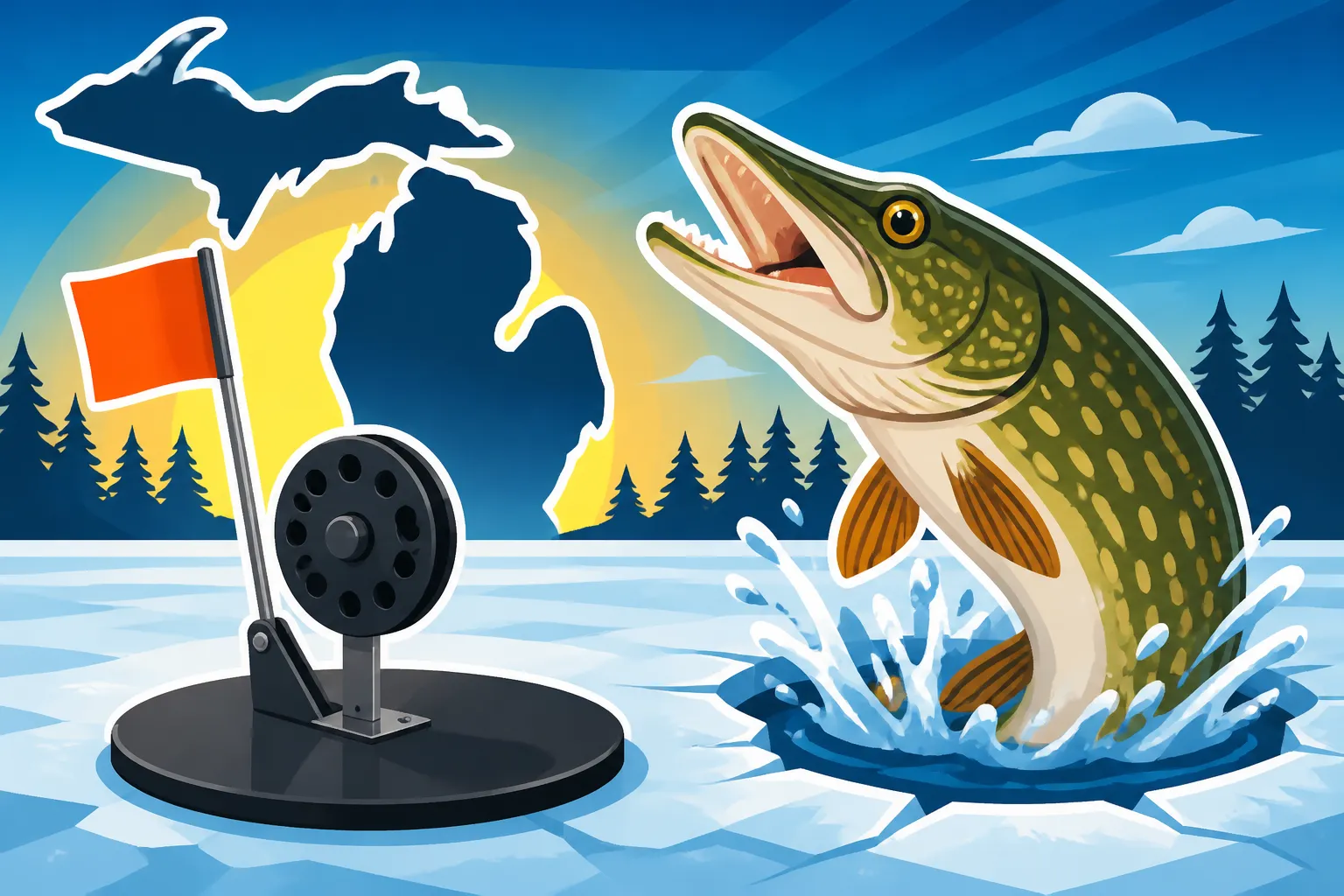
Best Tip-Up for Pike
There’s nothing quite like the thrill of ice fishing in Michigan, especially when you’re chasing after the mighty northern pike. That moment when the flag flies up, signaling a strike, sends a jolt through every angler. But if you’ve ever had a pike spool you, or worse, struggle with a tip-up that freezes solid or topples over in the wind, you know the frustration. This guide is here to help you navigate the world of tip-ups, ensuring you choose the absolute best one for targeting those aggressive Michigan pike, so your next trip out on the hard water is filled with successful catches, not missed opportunities.
Understanding Northern Pike and Their Habits
Before we dive into the gear, it’s essential to remember what makes northern pike such a fantastic target for tip-ups. These toothy predators are a force to be reckoned with, especially in Michigan's cold waters. They are opportunistic hunters, always on the prowl, and their aggressive nature makes them a prime candidate for a well-placed tip-up. Knowing their habits helps us understand what qualities we need in our equipment.
Why Pike Love the Cold and Where They Hide
Northern pike thrive in cold water, making them an ideal species for ice fishing. As the water temperatures drop and ice forms, many fish become sluggish, but pike remain incredibly active. They'll often seek out areas with submerged weeds, fallen timber, or sharp drop-offs, patiently ambushing unsuspecting prey. These colder months are when they feed heavily to sustain their metabolism, making them particularly receptive to a properly presented bait. Finding these specific structures under the ice is key to placing your tip-ups effectively.
During the ice fishing season, pike are often found in relatively shallow bays or along weed lines in deeper lakes, especially during early and late ice periods. As winter progresses and ice thickens, they might move to slightly deeper edges of these structures. Their preference for cover means that a tip-up needs to be durable enough to withstand being deployed near snags, and sensitive enough to detect a bite even if the pike takes the bait cautiously at first, despite their reputation for aggression. The specific Michigan lake you're fishing, like Houghton Lake or Black Lake, will often dictate the best spots to target, but the principles of structure and cover remain universal.
The Aggressive Nature of a Pike Strike
A northern pike strike is unmistakable. When they hit, it's often with a vengeance, grabbing the bait and running hard. This explosive initial burst means your tip-up needs to be able to handle significant tension without snapping or tipping over. Unlike panfish or even some trout, a pike will quickly take line, and if your spool is sticky or too small, you're in for a frustrating battle, or worse, a lost fish. The sight of that flag flying high after a hard strike is what keeps us coming back for more.
Their powerful runs demand a smooth, free-spinning spool that allows line to peel off without resistance. Any hesitation can cause the pike to drop the bait or break the line. This aggression also means that when the flag goes up, you need to be quick to respond. Leaving a pike to run too long can result in a deep hook-set that's difficult to remove, or the fish swallowing the bait, which isn't ideal for catch-and-release, a common practice for many pike anglers. Understanding this dynamic informs the crucial features we look for in the best pike tip-ups. For more on how to approach these fish, check out Northern Pike Fishing in Michigan.
Key Features of a Great Pike Tip-Up
Choosing the right tip-up for pike is about more than just picking the first one you see. It’s about understanding the engineering behind these simple devices and how specific features cater to the unique challenges of battling a northern pike in Michigan's icy conditions. Every component plays a role in success.
Flag Mechanism and Visibility
The flag is your primary indicator of a bite, and for pike, you want something robust and highly visible. A sensitive trip mechanism is crucial – it needs to detect the subtle movement of a pike mouthing the bait, but not be so light that it's triggered by a gust of wind or a tiny baitfish. Look for flags made of durable spring steel or heavy-duty plastic that won't easily bend or break when the temperature plummets.
Visibility is also paramount, especially when you have multiple tip-ups spread across the ice or if you're fishing in low light conditions. Brightly colored flags, like fluorescent orange or yellow, stand out against a snowy backdrop, making it easy to spot a strike from a distance. Some modern tip-ups even incorporate reflective tape or small LED lights for enhanced visibility during dusk, dawn, or night fishing sessions. Imagine scanning the vast, white expanse of a frozen lake, and being able to instantly pinpoint which flag has popped up – that's the peace of mind a good flag mechanism provides.
Spool Design and Line Capacity
The spool is where the battle truly begins. For northern pike, a smooth, large-diameter spool with ample line capacity is non-negotiable. Pike are known for their powerful, initial runs, stripping dozens of yards of line in seconds. A small, narrow spool will quickly empty, leading to snapped lines and lost fish. You’ll want a spool that can comfortably hold at least 50-75 yards of strong monofilament or braided line, often with a fluorocarbon leader.
The smoothness of the spool's rotation is also critical. Any sticking, grinding, or resistance can cause a pike to drop the bait or create slack in the line, giving them the advantage. Look for tip-ups with ball bearings or low-friction bushings that allow the spool to spin freely with minimal drag. A good drag system on the spool, usually a simple wingnut or tension screw, allows you to set the resistance needed to prevent overruns while still letting the fish take line. This balance is key to tiring out a large pike and bringing it to the hole. When you're rigging up, remember to consider options from reliable brands, whether you're shopping at Bass Pro Shops for a new setup or browsing options on Amazon.
Durability and Stability in Michigan Conditions
Michigan winters can be brutal, and your tip-up needs to be built to withstand the elements. Strong winds, heavy snow, and extreme cold can wreak havoc on flimsy equipment. Look for tip-ups constructed from heavy-duty plastic, treated wood, or robust metal components that won't crack, warp, or rust in freezing temperatures. The base should be wide and sturdy, providing a stable platform that resists tipping over in gusty winds or when a large pike puts immense pressure on the line.
Consider tip-ups with an elevated spool design that keeps the line clear of slush and ice, preventing freezing. Some designs feature a larger "hole cover" that helps to insulate the ice hole, reducing ice formation and ensuring the spool continues to turn freely. This kind of thoughtful design is particularly important when you're out on a large, exposed lake where conditions can change rapidly. Having a stable, durable tip-up means less time fussing with your gear and more time fishing.
Ease of Setup and Portability
While durability and performance are paramount, the practicality of setting up and transporting your tip-ups shouldn't be overlooked. A good pike tip-up should be relatively simple to deploy, even with gloved hands in biting cold. Look for designs that fold flat or break down easily for compact storage and transport. This makes hauling them across the ice much less cumbersome, especially if you’re covering a lot of ground or using multiple tip-ups.
Consider the weight of the tip-up as well. While a heavy base provides stability, you don't want something so cumbersome that it's a chore to carry. Many modern designs strike a good balance, offering robust construction without excessive bulk. Easy-to-adjust flag settings and simple line winding mechanisms contribute to a frustration-free fishing experience, allowing you to focus on the fishing rather than fighting with your gear. This becomes especially important when you’re out with friends or family and want to maximize fishing time. For some tips on setup, see How to Tie a Tip-Up for Pike Fishing.
Different Types of Tip-Ups and Their Suitability for Pike
The world of tip-ups isn't a one-size-fits-all situation. Different designs offer distinct advantages, and understanding these can help you choose the ideal setup for your pike pursuits. Each style has its quirks and benefits when battling those aggressive Michigan pike.
Traditional Wood or Plastic Frame Tip-Ups
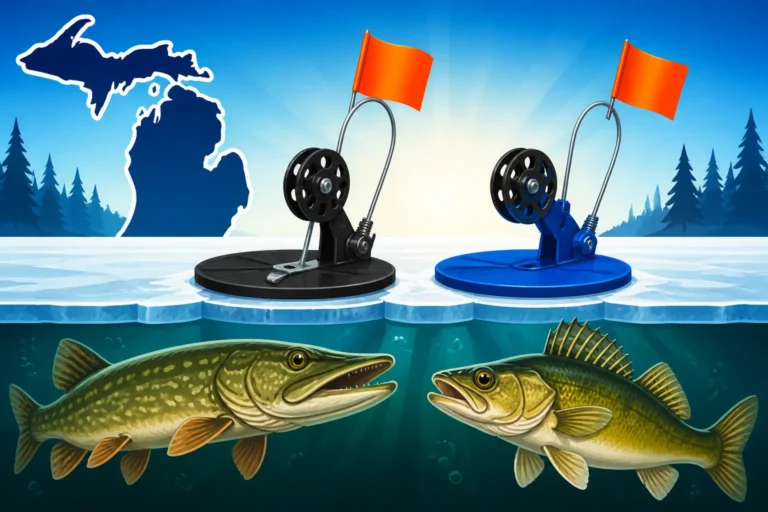
These are the classic, often cross-style tip-ups that most anglers recognize. They typically feature a wooden or sturdy plastic frame that sits over the ice hole, with an arm holding the flag mechanism and a spool suspended below the water. Many anglers swear by these for their simplicity and reliability. They're often quite affordable and can be found almost anywhere fishing gear is sold, from small local shops to large retailers like Bass Pro Shops.
Pros for Pike:
- Simplicity: Minimal moving parts means less can go wrong.
- Durability: Many traditional wood models are built like tanks and can last for decades with proper care. High-quality plastic versions are also very tough.
- Stability: A wide cross-base provides good stability against wind and strong fish runs.
- Ease of repair: If a part breaks, they are often easy to fix or replace.
Cons for Pike:
- Ice-Up: The open design can lead to faster ice formation in the hole and on the spool, especially during frigid conditions or overnight sets.
- Visibility (sometimes): While flags are often bright, the overall profile isn't always as insulated or large as other types.
- Portability: Some bulkier wooden models can be less compact for transport compared to folding designs.
Despite the cons, many anglers successfully use traditional tip-ups for pike. The key is to ensure the spool is free-spinning and large enough for pike, and to keep an eye on ice formation around the hole, especially if you're using live bait that needs to move freely. If you're serious about your pike fishing, exploring what's available for ice fishing gear is always a good idea, and you can often find a great selection online at Amazon or in person.
Thermal Tip-Ups for Harsh Michigan Winters
Thermal tip-ups are a game-changer for those brutally cold Michigan days when ice-up is a constant battle. These designs feature an insulated cover that sits directly over the ice hole, minimizing ice formation and keeping your bait active longer. Brands like Beaver Dam and Frabill offer excellent thermal options that are specifically designed for harsh conditions. This type of tip-up is especially advantageous when you're targeting pike with live bait in temperatures well below freezing.
Pros for Pike:
- Prevents Ice-Up: The insulated cover significantly reduces ice formation in the hole, keeping your line and bait free. This is huge for pike, as their aggressive runs won't be hindered by a frozen line.
- Protects Bait: Keeps your live bait more active by maintaining a slightly warmer water temperature directly below the tip-up.
- Stealth: The cover can help mute vibrations and light, making it less likely to spook wary pike near the hole.
- Durability: Often made from robust, cold-resistant plastics.
Cons for Pike:
- Cost: Generally more expensive than traditional tip-ups.
- Bulkier: The insulated design can make them slightly bulkier to transport, though many are designed to stack efficiently.
- Spool Size Variability: Ensure the specific model you choose still offers a large, free-spinning spool suitable for pike runs.
For dedicated ice anglers battling the unforgiving Michigan cold, thermal tip-ups are an investment that pays dividends in comfort and catch rates. They ensure your gear functions optimally even when everything else seems to be freezing up, giving you a distinct advantage.
Modern, High-Tech Options
Beyond traditional and thermal designs, there are also some more modern and technologically advanced tip-ups available. These might include features like integrated lights for night fishing, alarms that alert you to a strike, or even remote monitoring capabilities that send alerts to your phone. While some of these might seem like overkill, specific features can be incredibly useful for pike fishing.
Pros for Pike:
- Enhanced Visibility/Alerts: LED flags or audible alarms are fantastic for low light, foggy conditions, or when you're fishing a large spread and need instant notification of a bite. Remote alerts mean you don't have to be constantly scanning the horizon.
- Convenience: Features like built-in lights save you from fumbling with headlamps at night.
- Precision: Some models offer very sensitive trigger mechanisms that can be fine-tuned.
Cons for Pike:
- Complexity/Reliability: More electronics mean more potential points of failure, especially in extreme cold or if batteries die.
- Cost: These are typically the most expensive tip-up options.
- Maintenance: Require batteries and careful handling to protect electronics from moisture.
While not every angler needs all the bells and whistles, a reliable electronic flag light or a sturdy alarm can be a huge benefit for serious pike anglers, especially if you're setting out multiple lines. Remember, How Many Tip-Ups Can You Use in Michigan has rules about how many lines you're allowed to fish, so plan your spread accordingly.
| Tip-Up Type | Best Feature for Pike | Key Consideration | Michigan Winter Suitability | Price Range |
|---|---|---|---|---|
| Traditional | Durable, stable, simple design | Spool capacity & ice-up rate | Good (monitor for ice) | Budget-friendly |
| Thermal | Prevents ice-up in the hole & on line | Slightly bulkier | Excellent (harsh cold) | Mid-range |
| High-Tech | Enhanced alerts (lights/alarms) | Electronic reliability | Good (with battery care) | Premium |
Setting Up Your Pike Tip-Up for Success
Having the best tip-up is only half the battle; knowing how to properly set it up for northern pike is what truly seals the deal. From rigging your line to strategic placement, every detail contributes to a successful ice fishing outing. This section focuses on giving you actionable steps to make the most of your pike tip-ups.
Essential Rigging for Pike
When targeting northern pike, your rigging needs to be robust. Pike have incredibly sharp teeth that can easily cut through standard monofilament line. Therefore, a steel or heavy fluorocarbon leader is absolutely essential. A good length for a leader is typically 12-18 inches, providing enough protection from those razor-sharp chompers. Many anglers prefer a braided main line on their tip-ups for its strength and minimal stretch, which then connects to a strong swivel and your leader.
As for bait, live bait is often king for pike. Large shiners, suckers, or even small panfish (where legal, always check Michigan Fishing Regulations Every Angler Should Know) are incredibly effective. Hook your bait through the back, just below the dorsal fin, being careful not to hit the spine, so it remains lively and attractive. Use a strong, sharp hook appropriate for the size of your bait and target pike. A treble hook is common for increased hook-up ratios, but a large single hook can also be effective and potentially less damaging for catch-and-release. Ensure your bait is suspended at a depth where pike are actively hunting, often just above the weed line or near structure.
Strategic Placement and Spacing
Where you place your tip-ups can make or break your day. Pike are ambush predators, so setting your tip-ups along weed edges, near drop-offs, or around submerged structure like logs or rock piles is highly effective. If you’re fishing a new lake, use a fish finder to locate these features. Spacing your tip-ups adequately allows you to cover more ground and increases your chances of intercepting a cruising pike. However, don't spread them so wide that you can't quickly reach one when the flag pops up.
Consider the time of day and light conditions. Pike might be shallower during low light periods and move deeper during bright midday sun. Adjust your bait depth accordingly. If you're using multiple tip-ups, vary the depths and locations slightly until you find a pattern. Remember to always keep your auger handy; if a spot isn't producing after a while, don't be afraid to move your tip-ups to a new location. For more details on finding these elusive fish, explore Best Ice Fishing Lakes in Michigan.
Monitoring and Quick Response
The beauty of tip-up fishing is that you can have multiple lines in the water (within legal limits, of course), but it also demands constant vigilance. Once a flag goes up, you need to respond quickly. Pike will often take the bait and swim off, turning it to swallow. If you wait too long, the fish might swallow the hook deeply, making release difficult, or it could spool your entire line if your drag isn't set correctly. Walk calmly but quickly to the tip-up, grab the line in your hand, and feel for the fish.
Once you feel the fish or resistance, set the hook with a firm, upward sweep. Then, hand-line the fish in, being careful to manage the line and prevent it from getting tangled or cut on the ice edge. For larger pike, a gaff or a wide-mouthed net designed for big fish is invaluable at the hole. Always have a pair of long-nosed pliers or a jaw spreader ready to safely remove hooks, especially with pike's toothy mouths. Be prepared for a vigorous fight at the hole, as pike will often make one last powerful surge when they see the light. Taking the time to properly prepare your gear and understand pike behavior will lead to more successful and enjoyable ice fishing adventures in Michigan. For a more comprehensive look at winter tactics, consider How to Catch Northern Pike Through the Ice.
Disclaimer
This article is for general informational purposes only and does not constitute professional advice. Laws, prices and regulations vary by location and change over time. Consult a qualified professional for guidance on your specific situation.