Best Jon Boat for Michigan Rivers
Navigating Michigan's incredible network of rivers can be a real joy, but it often presents a unique challenge: finding a boat that can handle everything from shallow riffles to deeper channels, all while offering a stable platform for fishing. Many anglers struggle with larger V-hull boats that draw too much water or kayaks that lack the space and stability for serious gear. This guide is all about why a Jon boat might just be the perfect solution for your Michigan river fishing adventures, exploring its benefits and what to look for when choosing one.
Why a Jon Boat Shines on Michigan Rivers
When you picture river fishing in Michigan, whether it's the gentle meanders of the Au Sable, the sprawling expanse of the Grand, or the rocky stretches of the Pere Marquette, you're looking at diverse conditions. This is exactly where the humble Jon boat truly comes into its own. It's not the flashiest vessel, but its practical design is perfectly suited to the realities of river angling.
Navigating Shallow Waters and Tight Spaces
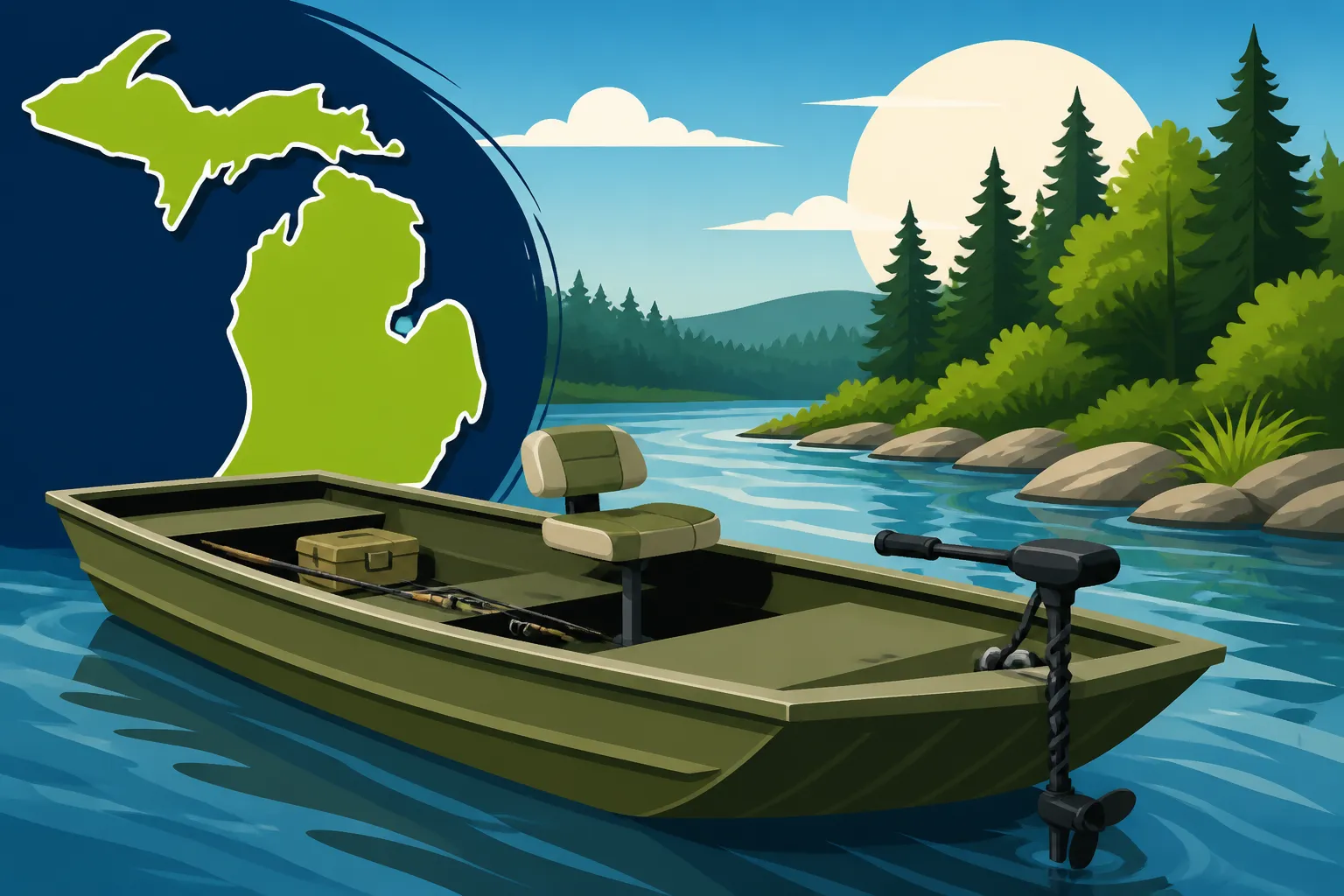
One of the biggest frustrations for any river angler is getting hung up in shallow water. You spot that perfect eddy or logjam, but your boat simply can't get there without risking a grounded prop or worse. This is where the Jon boat's flat bottom design becomes a game-changer. Unlike deep V-hull boats that are great for chopping through waves on the Great Lakes, a Jon boat has a very shallow draft, meaning it sits higher in the water. This allows you to access those skinny water runs, back channels, and remote pockets that other boats can only dream of reaching.
Imagine you're trying to sneak into a feeder creek off the Manistee River for some early spring steelhead. A traditional V-hull might dig into the gravel, but a Jon boat, even with a small outboard, can often skim right over it. Its flat bottom also makes it incredibly stable, which is a huge plus when you're standing up to cast into tight cover or trying to navigate around submerged obstacles. You don't want to feel like you're walking a tightrope when you're focusing on presentation. This design also contributes to its surprising maneuverability in tight bends and narrow sections, making it ideal for exploring every nook and cranny of a river system.
Durability Against River Obstacles
Michigan rivers, while beautiful, are rarely pristine. You're going to encounter submerged logs, fallen trees, rocky bottoms, and sandbars. Hitting one of these with a fiberglass boat can be a nightmare, often resulting in costly repairs and a huge dent in your fishing season. Jon boats, almost universally constructed from aluminum, are built like tanks for this kind of environment. The robust nature of aluminum means it can take a beating and keep on floating. While you certainly don't want to intentionally ram obstacles, the occasional bump or scrape is far less likely to cause catastrophic damage to an aluminum hull.
Many seasoned river anglers swear by aluminum for this very reason. It’s forgiving. You might get a dent, sure, but a leak is far less common than with other materials after a minor impact. This durability instills confidence, allowing you to focus on the fishing rather than constantly worrying about every ripple and submerged shadow. It means you can tackle those tricky stretches of river, knowing your vessel is up to the task. Plus, for those of us who appreciate longevity in our gear, a well-maintained aluminum Jon boat can last for decades, shrugging off the wear and tear that would send other boats to the scrapyard.
Versatility for Different Fishing Styles
Michigan's rivers are teeming with diverse fish species, and anglers employ a wide array of techniques to target them. From casting for smallmouth bass around rocky points, Smallmouth Bass Fishing in Michigan, to slowly drifting spawn bags for steelhead, or even jigging for walleye in deeper holes, Michigan Walleye Fishing Techniques, a Jon boat offers an open, adaptable platform for it all. Its flat, open interior provides ample space for gear, multiple anglers, and the freedom to move around without feeling cramped.
Need to stand up and sight fish for carp in a shallow flat? No problem, the stability is there. Want to set up a small trolling motor and slowly work a river bend for pike? Absolutely. The utilitarian design means you can customize it with rod holders, electronics, and storage solutions to suit your specific needs without being limited by built-in features that might not work for your style. This versatility is a major reason why Jon boats are beloved by anglers who chase everything from panfish in calm backwaters to bigger game in moving currents. They adapt to you, rather than forcing you to adapt to the boat's limitations, which is a breath of fresh air for those of us who love to switch up our targets and tactics. Always be sure to check Michigan Fishing Regulations Every Angler Should Know before heading out.
Key Features to Look for in a Michigan River Jon Boat
Choosing the right Jon boat isn't just about picking the first aluminum hull you see. There are several key features that can make a huge difference in how effectively and comfortably you can fish Michigan's rivers. Thinking through these details before you buy can save you a lot of headaches and make your time on the water much more enjoyable.
Size and Length Considerations
The size of your Jon boat needs to align directly with the rivers you plan to fish and how many people (and how much gear) you typically bring along. For many of Michigan's smaller, winding rivers, a 12 to 14-foot Jon boat might be perfect. These smaller models are incredibly easy to maneuver, lightweight for launching in unimproved areas, and generally easier to trailer. They're fantastic for solo missions or fishing with one buddy in tight quarters. You'll find them navigating streams where anything larger would be a cumbersome nightmare.
However, if your adventures frequently take you to wider rivers like the Grand, the lower Manistee, or even larger inland lakes where rivers meet, a 16 to 18-foot model might be more appropriate. These offer significantly more stability, a higher weight capacity, and more room for gear like coolers, tackle boxes, and extra batteries for a trolling motor. They can handle a bit more chop if you encounter wind-swept sections or the wake from other boats. The trade-off is often weight and slightly reduced maneuverability in the tightest spots. Consider your primary fishing grounds – are you mostly exploring smaller tributaries or sticking to wider mainstem rivers in Michigan's Lower Peninsula Fishing Spots Guide or Michigan's Upper Peninsula Fishing Spots Guide? Finding that sweet spot in length is crucial for balancing performance and practicality.
Hull Material and Construction Quality
While most Jon boats are aluminum, the quality and construction can vary significantly. The thickness of the aluminum, often referred to as gauge, is a critical factor. Thicker gauge aluminum (e.g., .100 or .125 gauge) offers superior durability and ding resistance, which is invaluable when you're bouncing off rocks or navigating through submerged debris. A thinner gauge might save you a few bucks and make the boat lighter, but it's more susceptible to damage, leading to potential leaks or structural issues down the line. For serious river use, investing in a boat with a heavier gauge hull is almost always worth it.
Then there's the construction method: welded versus riveted. Riveted hulls have been around for a long time and are generally more affordable. They can be perfectly reliable, but over time, rivets can loosen or leak, especially with repeated jarring from river travel. Welded hulls, on the other hand, are typically stronger and more rigid. They offer a seamless construction that is less prone to leaks and generally stands up better to abuse. Many serious river anglers gravitate towards welded hulls for their peace of mind and long-term durability, especially if they plan to frequently traverse challenging waters. Brands like Lowe and Tracker often offer excellent construction quality in their Jon boat lines, designed to hold up to tough conditions.
| Feature | Welded Hull | Riveted Hull |
|---|---|---|
| Durability | Generally stronger, less prone to leaks | Can be strong, but rivets may loosen over time |
| Maintenance | Lower long-term maintenance for leaks | May require occasional rivet repair |
| Cost | Typically higher initial cost | Generally more affordable |
| Weight | Can be slightly heavier due to construction | Often lighter, easier to transport |
| River Use | Excellent for rough or obstacle-rich rivers | Good for moderate use, may require more vigilance |
Stability and Interior Layout
A stable platform is non-negotiable for river fishing. You'll be standing to cast, netting fish, and navigating, sometimes in currents, and you need to feel secure. Look for Jon boats with a wider beam (the width of the boat). A wider boat provides greater lateral stability, reducing that wobbly feeling that can throw off your cast or even your balance. While a flat bottom inherently offers good stability, a wider beam enhances this even further, making it safer and more comfortable for standing and moving around.
The interior layout is also crucial. The beauty of many Jon boats is their relatively open and uncluttered design. Bench seating is common, often with storage underneath. Consider whether you prefer a truly open layout that you can customize with pedestals or temporary seating, or if built-in benches suit your style. Some Jon boats come with a small casting deck up front, which can be fantastic for sight fishing or giving you an elevated vantage point. Think about how you organize your gear: are there enough flat surfaces for tackle boxes? Is there space for a cooler or a livewell if you plan to keep your catch? The more thought you put into how you'll use the space, the better equipped you'll be to choose a layout that truly supports your fishing habits.
Powering Your Jon Boat for Michigan Rivers
While the hull design is fundamental, how you power your Jon boat is equally important, especially when contending with Michigan's varied river currents and depths. The right motor setup can dramatically enhance your fishing experience, allowing you to get to those productive spots and stay there effectively.
Outboard Motor Choices for Shallow Water
When it comes to outboards for a Jon boat on Michigan rivers, less is often more, particularly in terms of horsepower and draft. A small, lightweight outboard, typically in the 5 to 25 horsepower range, is usually sufficient. These motors are easier to handle, lighter on the transom, and, crucially, can be trimmed up to run in very shallow water. You want a motor that you can quickly tilt up if you spot an unexpected sandbar or rock field ahead.
Many river anglers also consider propeller guards or even jet drive outboards. A prop guard is a cage around your propeller that can protect it from striking submerged objects, which is a common occurrence in rivers. Jet drives, on the other hand, replace the propeller with an impeller, sucking water in and pushing it out, allowing the boat to run in incredibly shallow water without any spinning blades beneath the hull. While jet drives are fantastic for extreme shallow water, they are less fuel-efficient and often have reduced thrust compared to conventional props. For many Michigan rivers, a standard small outboard with a good trim system is perfectly adequate, but for extremely skinny water, a jet drive might be worth the investment. And don't forget the quiet, efficient power of an electric trolling motor for subtle approaches or holding position.
Manual Propulsion and River Drifting
Even with an outboard, manual propulsion is an absolute must-have for river fishing in a Jon boat. There will be times when the water is too shallow for even a tilted outboard, or when you need to be completely silent to sneak up on wary fish. A sturdy pair of oars or paddles is essential. Learning to row your Jon boat effectively can be a great skill, allowing you to quietly navigate tight bends, hold your position against a light current, or easily push off from shore.
For those truly stealthy approaches or when fishing very specific current seams, a push pole is invaluable. This long, sturdy pole allows you to propel your boat by pushing against the river bottom, providing precise control and absolute silence. It's particularly effective in flats, shallow sections, or around heavy cover where an outboard would be too noisy or impractical. The art of drifting with the current, using oars or a trolling motor for subtle adjustments, is also a highly effective technique for targeting species like trout and steelhead in Best Rivers for Trout and Steelhead in Michigan, or even smallmouth bass. A Jon boat’s flat bottom and open layout make it a perfect platform for this style of fishing, letting you cover water effectively while maintaining a low profile.
Essential Accessories for Michigan River Jon Boat Fishing
Having the right Jon boat is only half the battle; outfitting it with essential accessories can transform it from a basic hull into a highly functional and safe fishing machine on Michigan's rivers. Think of these as the tools that make your day on the water smoother, safer, and ultimately, more productive.
Safety Gear and Navigation Aids
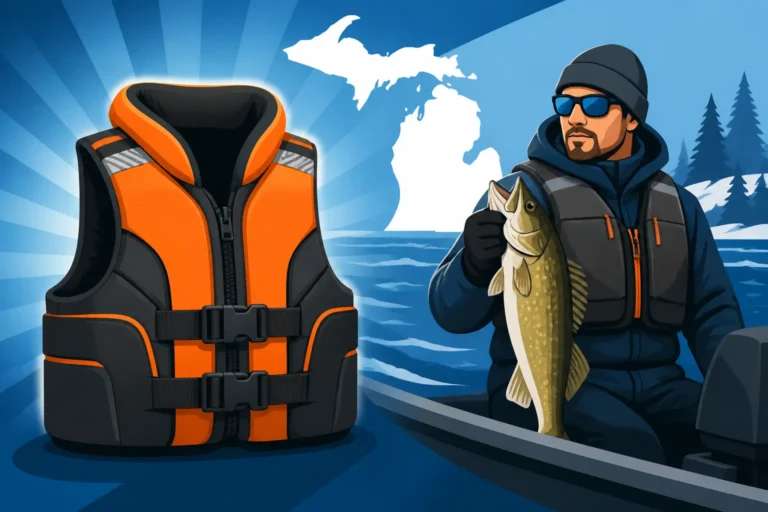
Safety should always be your top priority, especially when navigating moving water. Every Jon boat needs sufficient personal flotation devices (PFDs) for everyone on board – in Michigan, that means a U.S. Coast Guard-approved PFD for each person, and children under six must wear one at all times when on board. You'll want an anchor that's appropriately sized for your boat and the currents you'll encounter. A mushroom anchor is good for soft bottoms, while a claw or river anchor works better in rocky or weedy areas. Make sure you have plenty of anchor line.
Additionally, carrying strong ropes for docking or emergency towing, a whistle or horn for signaling, and navigation lights if you ever plan to be on the water during low light conditions (dawn, dusk, or night) are crucial. A basic first-aid kit is also a no-brainer for any outing. While a GPS unit might seem overkill for a river, a handheld model or a marine app on your phone can be a lifesaver if you get disoriented, especially in larger river systems or if you venture into areas you're less familiar with. Familiarize yourself with Life Jackets and Michigan Boating Safety Rules before you hit the water.
Fishing-Specific Enhancements
Once safety is covered, it's time to deck out your Jon boat for serious fishing. Rod holders are a simple but effective upgrade, keeping your rods secure while you're running, tying on lures, or netting a fish. You can find flush-mount, clamp-on, or pedestal-style holders to suit your needs, often available at local shops or through online retailers like Amazon and Bass Pro Shops.
A fish finder or depth sounder can be incredibly helpful, even on rivers. While not always necessary in very shallow sections, it can help you locate deeper holes where walleye or smallmouth might be holding, identify submerged structure, or track changes in river bottom contour. You don't need the fanciest model, but even a basic unit can give you a significant advantage. For anglers who keep their catch, a livewell (even a simple portable one) or a quality cooler is essential for keeping fish fresh. Some Jon boats even offer options for small casting platforms or deck extensions, creating a larger, more comfortable area to stand and cast from, especially useful for fly fishing or targeting species that require more precise presentations. Consider how your accessories complement your chosen Michigan Spring Fishing Season Guide techniques.
Maintenance and Storage for River-Used Jon Boats
Just like any piece of cherished equipment, your Jon boat will serve you best and last longer if you give it the care it deserves. This is especially true for boats that regularly encounter the diverse conditions of Michigan's rivers. Good maintenance isn't just about preserving your investment; it's about ensuring reliability and safety on every trip.
Regular Cleaning and Inspection
After every river outing, a thorough cleaning is paramount. Rivers can be muddy, weedy, and full of debris. Rinse off your boat thoroughly, both inside and out, to remove mud, sand, and any aquatic vegetation. This isn't just about aesthetics; it's crucial for preventing the spread of invasive species. Michigan takes this very seriously, and cleaning your boat helps protect our precious waterways. Pay close attention to the propeller and lower unit of your motor, as weeds can easily get tangled there.
While you're cleaning, take the opportunity to give your boat a good inspection. Look for any new dents or scratches in the hull, especially on the bottom. Check for loose rivets (if applicable) or any signs of weld fatigue. Inspect the transom for cracks or signs of stress, particularly around where the motor clamps on. Give your steering cables, electrical connections, and fuel lines a once-over. This proactive approach allows you to catch small issues before they become major problems, potentially saving you from a breakdown on the water. It’s a habit that every responsible boat owner cultivates.
Winterizing and Off-Season Care
When Michigan's colder months roll around and the ice begins to form, proper winterization and storage become critical. If you're putting your Jon boat away for the season, you'll want to take steps to protect it from the elements. First and foremost, thoroughly clean and dry the entire boat to prevent mold, mildew, and corrosion during storage. Remove all gear, batteries, and electronics.
Your outboard motor will need specific winterization. This typically involves flushing the cooling system, stabilizing the fuel, fogging the engine cylinders, and changing the lower unit gear lube. These steps prevent internal corrosion and ensure the engine starts smoothly come spring. If you're not comfortable doing this yourself, many marine shops offer winterization services. Store your boat in a dry, covered area if possible, or use a good quality boat cover to protect it from snow, ice, and UV damage. Keeping the bow slightly elevated will allow any melting snow or rain to drain out, preventing water from pooling and freezing inside the hull. Taking these steps will ensure that your trusty Jon boat is ready to hit the water again as soon as the Michigan Fishing Season Dates and Rules allow, and perhaps even transition to How to Catch Walleye Through the Ice in Michigan with the right modifications.
Disclaimer
This article is for general informational purposes only and does not constitute professional advice. Laws, prices and regulations vary by location and change over time. Consult a qualified professional for guidance on your specific situation.