Best Boat for Two Anglers
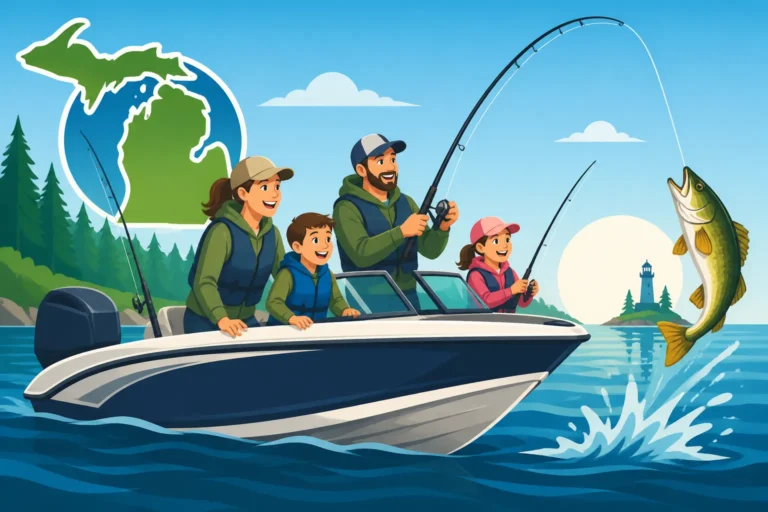
Oh, the quest for the perfect fishing boat for just you and your favorite angling buddy! It's not as simple as picking out a shiny new toy. You're not just buying a boat; you're investing in countless mornings on the water, shared laughs, and the thrill of a double hook-up. But finding that sweet spot—a boat that’s manageable, comfortable, and capable for two, without being overkill or undersized—can feel like trying to land a trophy walleye on ultralight tackle. This comprehensive guide is here to walk you through the various options and considerations, ensuring your next two-person fishing vessel is exactly what you need for Michigan's diverse waters.
Understanding Your Fishing Adventures Together
Before you even start looking at boat models, the absolute first step is to sit down with your fishing partner and honestly discuss where, when, and how you intend to fish. Michigan offers an incredible variety of waterways, from the vast, sometimes unforgiving Great Lakes to thousands of tranquil inland lakes and winding rivers. Your chosen fishing styles will dictate the kind of boat that truly shines for a duo.
Great Lakes Goliaths vs. Inland Intimacy
Are you dreaming of chasing Chinook salmon on Lake Michigan, battling lake trout on Lake Superior, or targeting walleye on Saginaw Bay? If the big water calls, you'll need a vessel built to handle chop, offer safety, and provide enough space for heavier gear and big fish. The Great Lakes demand a certain level of robustness and seaworthiness that smaller, lighter boats simply can't provide comfortably or safely. Trying to run a small jon boat out on Lake Huron when the wind picks up can turn a fun day into a terrifying ordeal faster than you can say "Mayday!"
On the flip side, perhaps your perfect day involves stealthily casting for smallmouth bass on a quiet inland lake, or drifting down a calm river for panfish. For these scenarios, a huge, deep-V fishing boat would be cumbersome and unnecessary. You'd be sacrificing portability and maneuverability for capabilities you don't need. It’s all about matching the boat to the environment. Consider if your primary adventures will be on Michigan's Great Lakes Fishing Guide or the more protected waters of Michigan Inland Lakes Worth Fishing.
Casting, Trolling, or Fly-Fishing: Your Preferred Technique
The way you fish also has a huge impact on boat choice. If you and your partner love to stand and cast for bass and pike, you'll want a boat with a stable, open casting deck. Balance and freedom of movement are paramount. Imagine trying to make a precise flip into lily pads from a tippy canoe – it’s not ideal, to say the least.
If trolling for walleye or salmon is your game, then space for rod holders, downriggers, and a comfortable captain's chair become more important. You might be spending hours covering water, so comfort, an efficient motor, and ample space for multiple lines are key. Michigan Walleye Fishing Techniques often involve trolling, which means specific boat features.
And for the fly-fishing enthusiasts, especially on Michigan's famous trout rivers, a boat that can be easily rowed or drifted, offers an elevated casting platform (or at least clear casting lanes), and has minimal obstructions is vital. Center-console designs might work, or dedicated drift boats. Think about whether you primarily sit and soak bait, stand and cast, or troll with multiple lines.
Exploring Different Boat Types for Two Anglers
With your fishing style firmly in mind, let’s explore the types of boats that are well-suited for a pair of anglers. Each has its own set of advantages and compromises, so it’s about finding the right balance for your shared pursuits.
Kayaks and Canoes: Nimble and Intimate
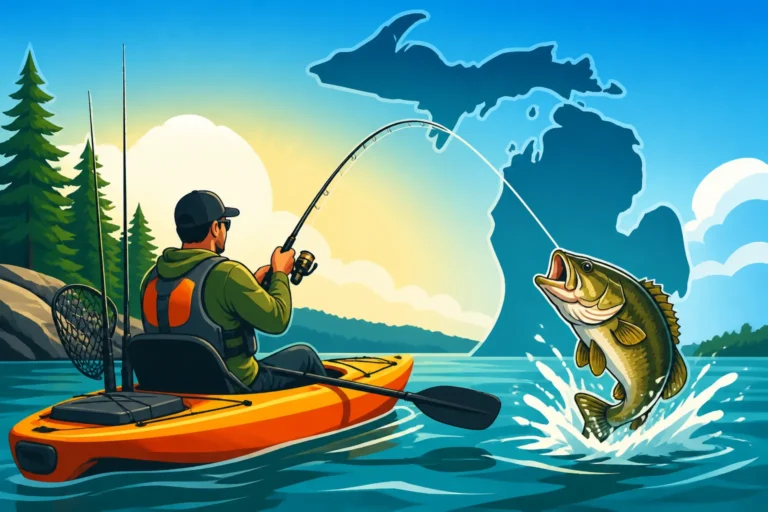
For the ultimate in portability, stealth, and access to skinny waters, kayaks and canoes are hard to beat for two anglers, provided you manage expectations. Modern fishing kayaks, often wider and more stable than traditional models, can be incredibly effective. Tandem kayaks exist, specifically designed for two people, offering independent seating and often a good amount of storage for tackle and gear. Canoes, while perhaps more traditional, offer more open space for gear and can be paddled or even fitted with a small electric trolling motor.
The benefits are clear: low cost of entry, easy transport (often on a car roof rack or small trailer), and the ability to reach spots bigger boats can only dream of. Imagine silently paddling into a backwater marsh on Houghton Lake, or navigating the serene stretches of the Au Sable River. However, space is limited, storage is often exposed, and stability, while improved in fishing-specific models, isn't on par with larger boats. They're also not ideal for rough water or long distances. You'll find a huge selection of Best Kayaks for Michigan Fishing available, and many anglers love the direct connection to the water these vessels provide.
Jon Boats: Simple, Stable, and Shallow
Jon boats are a classic, no-frills choice, and for good reason. Their flat bottom design provides incredible stability in calm water, making them perfect for standing and casting. They're typically made of aluminum, making them relatively lightweight and durable. For two anglers looking to fish shallow inland lakes, rivers, or even the protected bays of the Great Lakes, a 12 to 16-foot jon boat offers a fantastic platform. They’re often quite affordable, especially used, and can be customized with trolling motors, casting decks, and swivel seats.
While they excel in calm, shallow environments, their flat bottom means they don't handle chop well. A stiff breeze on a larger lake can quickly make for a very wet and bumpy ride. They also tend to be slower and less fuel-efficient than V-hull boats in comparable sizes. But for those who value stability, simplicity, and the ability to get into very shallow spots, a jon boat is a strong contender. You can often find great deals on these at local marine dealers or even through online marketplaces, making them an accessible option for many.
Aluminum V-Hull Boats: The Versatile Workhorses
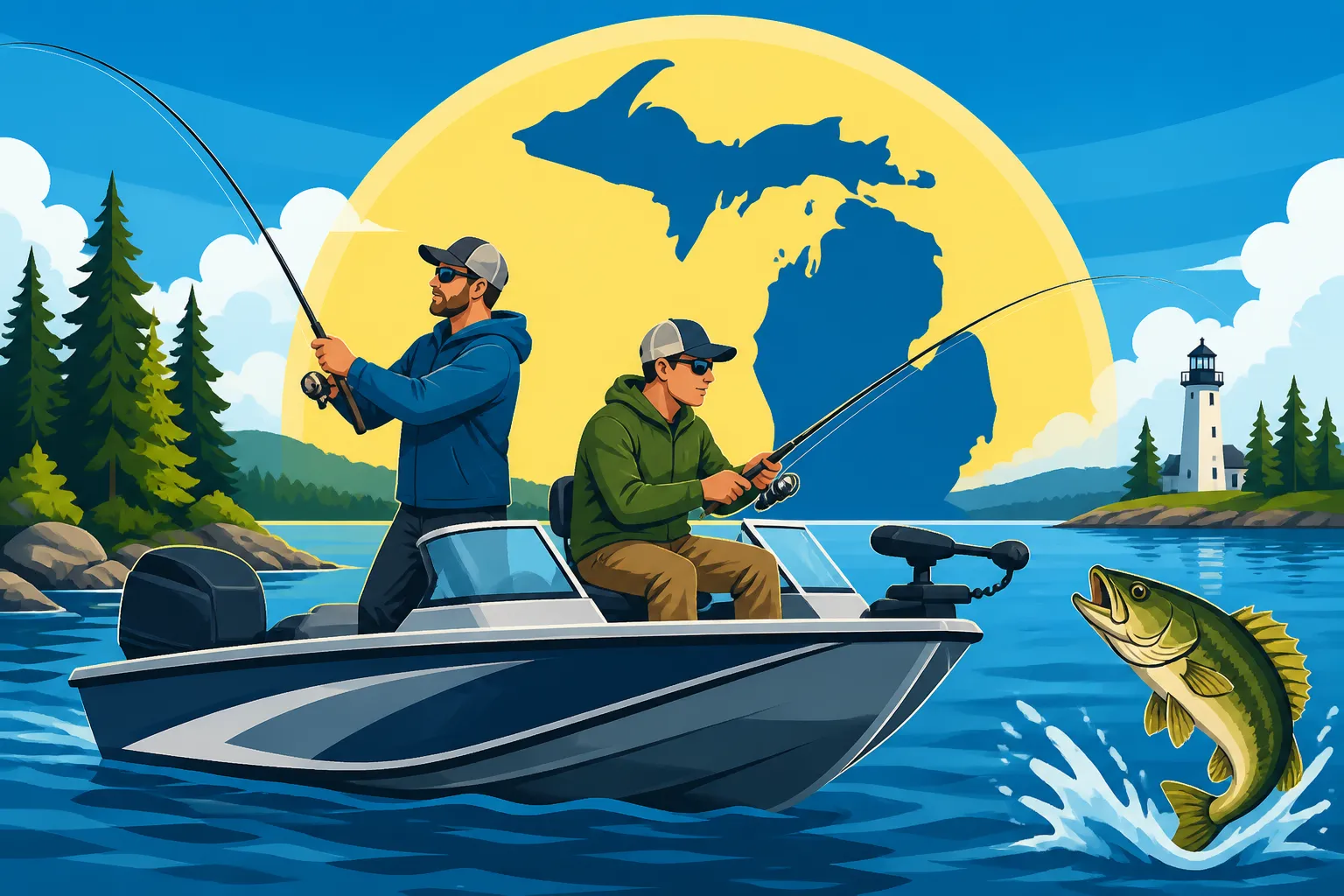
When most people picture a fishing boat, they're probably thinking of an aluminum V-hull. These boats, typically ranging from 14 to 18 feet for two anglers, offer a fantastic balance of stability, seaworthiness, and versatility. The V-shaped hull cuts through waves, providing a much smoother ride than a jon boat, making them suitable for larger inland lakes and even some Great Lakes fishing on calm days. They come in various configurations, from simple utility models to fully rigged boats with livewells, rod lockers, and comfortable seating.
For two anglers, a 16 to 17-foot aluminum V-hull often hits the sweet spot. It provides ample space for movement, gear storage, and usually can accommodate a larger outboard motor for covering distances. They're also relatively easy to trailer and launch. Brands like Lund, Crestliner, and Alumacraft are popular choices in this category, known for their durable construction. If you're looking for Best Small Boat for Michigan Walleye Fishing, chances are it will be an aluminum V-hull. This type of boat is often featured in Best Boats for Michigan Fishing guides because of its broad appeal and adaptability.
Small Bass Boats: Speed and Specialized Function
If your primary focus is tournament-style bass or walleye fishing where speed and highly specialized features are paramount, a small bass boat might be ideal. Even the smaller models (16-18 feet) offer large casting decks, powerful outboards, multiple livewells, and integrated electronics. They are designed to get you to your spot fast and provide an excellent platform for two anglers to stand and cast.
However, bass boats are very specialized. Their low profile makes them susceptible to waves on larger, rougher waters, and their storage is often geared specifically for bass tackle rather than a wider range of fishing gear. They also tend to be more expensive than comparable aluminum V-hulls. While incredibly efficient for their intended purpose, they might be overkill or less versatile if your fishing interests extend beyond fast-paced, competitive angling.
Small Pontoons: Comfort and Companionship
Okay, hear me out on this one. While not traditionally thought of as a dedicated "fishing boat," a small pontoon (16-18 feet) can be an incredibly comfortable and stable platform for two anglers, especially if you prioritize leisurely fishing and open space. Modern pontoons are increasingly designed with fishing in mind, featuring swivel chairs, livewells, and even rod holders.
The stability is unmatched, making it easy to stand and move around without fear of tipping. There’s ample room for coolers, extra gear, and just stretching out. For social fishing, or if one angler prefers a more relaxed experience, a pontoon offers a living room on the water. The main drawbacks are speed and handling in rough water. Pontoons are not fast, and they can catch a lot of wind, making them challenging in strong currents or heavy chop. They're best suited for calm, larger inland lakes where you can comfortably anchor or drift. If you value comfort, space, and a relaxed pace, don't rule out a compact pontoon.
Key Features and Considerations for Your Two-Angler Boat
Once you have a general idea of the boat type, it’s time to drill down into the specifics. Every little detail can impact your experience on the water as a duo.
Stability and Casting Space
This is probably the most critical factor for two anglers, especially if you plan on casting. Can both of you comfortably stand and cast simultaneously without feeling cramped or unstable? Look for boats with wide beams and flat, uncluttered decks. A wide gunwale can also be a handy place to sit or rest a rod.
For kayaks, consider models with a wider hull or even pedal-drive systems that free up your hands for casting while maintaining propulsion. For larger boats, test their stability by moving around on the showroom floor or, even better, during a test ride if possible. You don't want your partner's sudden movement to throw off your perfect cast or worse, cause a safety issue.
Storage for Tackle and Gear
Two anglers mean twice the gear – or at least, a significant amount of rods, tackle boxes, bait buckets, coolers, and safety equipment. Adequate, well-designed storage is paramount.
- Rod Storage: Dedicated rod lockers or tubes keep expensive rods safe and organized. Nothing's worse than untangling a mess of lines and rods at the start of a trip.
- Tackle Storage: Integrated compartments or dry storage areas protect tackle from spray and keep it accessible. Many anglers swear by specialty tackle bags and boxes you can find at Bass Pro Shops or on Amazon.
- Cooler/Livewell Space: A cooler is essential for drinks and snacks, and if you plan to keep fish, a livewell or dedicated cooler space is a must.
- Safety Gear: Don't forget space for life jackets, anchor, paddle, first aid kit, and other safety essentials required by Michigan Boating Laws for Anglers.
Motorization and Power
Your choice of motor depends entirely on your fishing grounds and desired speed.
- Electric Trolling Motors: Essential for quiet, precise boat positioning, especially when casting or slowly drifting. A bow-mount electric trolling motor with GPS capabilities can make a huge difference in staying on fish. For smaller boats like kayaks or jon boats, a transom-mount electric motor might be all you need.
- Outboard Motors: For covering longer distances, fighting currents, or getting across larger bodies of water, a reliable outboard is necessary. Ensure the boat is rated for the horsepower you intend to use. For two anglers, you might not need a huge engine, but enough power to get on plane quickly and navigate safely is important.
Transport and Launching Ease
Consider how you'll get your boat to the water. A larger, heavier boat will require a more substantial tow vehicle and trailer. Can you easily launch and retrieve it by yourselves, or will you always need an extra hand? Smaller boats like kayaks, canoes, and even some jon boats can be launched from almost anywhere, while larger boats require designated boat ramps. Michigan Boat Registration Requirements and Michigan Boat Titling Rules will also be a factor depending on the size and motorization of your chosen vessel, so be sure to check those out.
Comfort Features
While fishing is the priority, comfort goes a long way, especially on longer trips.
- Seating: Swivel seats, padded benches, or comfortable captain's chairs can make a difference.
- Wind/Spray Protection: For larger boats, a small windshield or console design can offer some protection from the elements.
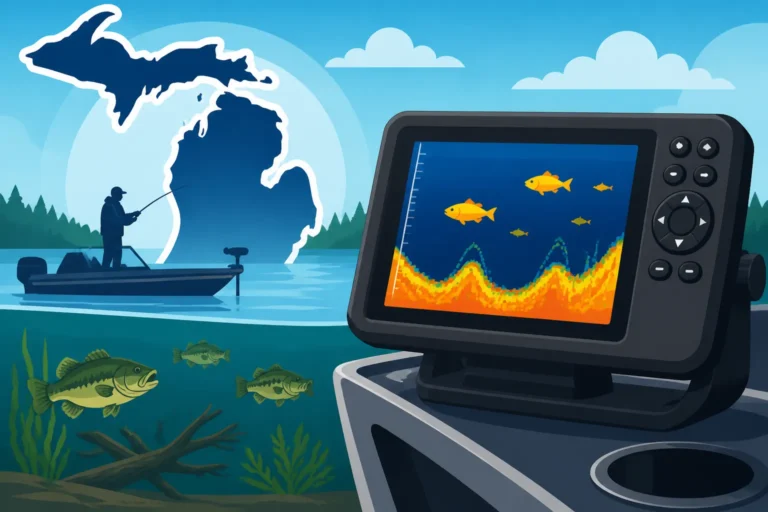
- Electronics: A good fish finder/GPS combo can greatly enhance your success, helping you locate structure and navigate unfamiliar waters. Many affordable yet powerful units are available on Amazon.
Budgeting for Your Two-Angler Fishing Boat
Cost is always a factor, and boats can range from a few hundred dollars for a used kayak to tens of thousands for a fully rigged fishing machine. It’s important to set a realistic budget and stick to it.
New vs. Used
- New Boats: Offer peace of mind with warranties, the latest technology, and customization options. However, they come with a higher price tag and depreciate quickly.
- Used Boats: Can offer significant savings, allowing you to get a larger or more feature-rich boat for your budget. The downside is the potential for hidden problems, and you might need to spend more time on maintenance or upgrades. Always inspect a used boat thoroughly, ideally with an experienced mechanic, before purchasing. Consider boat shows or online listings for both new and used options.
Beyond the Boat: Hidden Costs
Remember, the initial purchase price is just the beginning. Factor in:
- Trailer: If not included, this is a significant expense.
- Motor: Outboard or trolling motor, if not part of the boat package.
- Registration and Titling Fees: Michigan Boat Registration Requirements and Michigan Boat Titling Rules involve costs you'll need to account for.
- Safety Gear: Life jackets, flares, anchor, first aid kit.
- Fishing Electronics: Fish finders, GPS.
- Maintenance: Fuel, oil, winterization, repairs.
- Insurance: Highly recommended, especially for larger investments.
- Storage: If you don't have space at home, you'll need to pay for storage.
- Accessories: Rod holders, tackle boxes, extra batteries. You might find yourself frequently browsing online retailers like Bass Pro Shops and Amazon for new gadgets and essentials.
Two-Angler Boat Comparison Table
| Feature / Boat Type | Fishing Kayak (Tandem) | Jon Boat (14-16 ft) | Aluminum V-Hull (16-17 ft) | Small Bass Boat (16-18 ft) | Small Pontoon (16-18 ft) |
|---|---|---|---|---|---|
| Ideal Water | Small lakes, calm rivers, protected coves | Shallow lakes, slow rivers, calm bays | Medium-large lakes, larger rivers, calm Great Lakes | Medium-large lakes, protected bays | Calm, medium-large inland lakes |
| Stability | Good (fishing models) | Excellent (calm water) | Very Good | Good (casting decks) | Excellent |
| Portability | Excellent (car top/small trailer) | Very Good (small trailer) | Good (mid-size trailer) | Moderate (larger trailer/tow vehicle) | Moderate (larger trailer/tow vehicle) |
| Casting Space | Limited (can be cramped) | Excellent (flat deck) | Good (open areas) | Excellent (large decks) | Excellent (open deck) |
| Storage | Limited, often exposed | Basic, customizable | Good, often integrated | Excellent, specialized | Very Good, under-seat options |
| Motor Option | Paddle/Pedal/Small electric | Small electric/Small outboard | Outboard (up to 75 HP+) | Outboard (75-150 HP+) | Outboard (15-50 HP+) |
| Comfort | Basic | Basic | Good, can upgrade seating | Moderate, specialized seats | Excellent, lounge-style seating |
| Handling Chop | Poor | Poor | Good | Moderate | Poor (catches wind) |
| Stealth | Excellent | Good | Moderate | Moderate | Poor |
Ultimately, the best boat for two anglers isn't about the biggest motor or the most high-tech gadgets; it's about the vessel that best facilitates your shared passion for fishing, allowing you to create countless memories on the water. By carefully considering your fishing styles, understanding the pros and cons of different boat types, and planning for all associated costs, you'll be well on your way to finding that perfect fishing machine for you and your partner. Happy fishing!
Disclaimer
This article is for general informational purposes only and does not constitute professional advice. Laws, prices and regulations vary by location and change over time. Consult a qualified professional for guidance on your specific situation.