Do You Need a Bigger Boat for Lake Superior Fishing?
Ah, Lake Superior. There's a certain magic to it, isn't there? Vast, wild, and incredibly beautiful, it calls to every angler with a sense of adventure. But for anyone contemplating taking their boat out on these magnificent waters, a common, often anxiety-inducing question quickly surfaces: "Do I really need a bigger boat for Lake Superior fishing?" It's a completely valid concern, and honestly, the answer isn't a simple yes or no. This guide is here to help you navigate the unique challenges of Superior and understand what kind of vessel truly stands up to its immense power, so you can make an informed decision and stay safe.
Understanding Lake Superior's Unique Challenges
Before we even talk about boat sizes, it's crucial to grasp what makes Lake Superior so fundamentally different from your average inland lake or even the other Great Lakes. This isn't just a big puddle; it's practically an inland ocean, and it demands respect and preparedness that often goes beyond what you might be used to. Many anglers, myself included, have learned this lesson the hard way, thinking a calm morning meant an easy day. Superior has a way of reminding you who's boss.
The Sheer Scale and Unpredictability
Imagine trying to predict the weather across an area larger than South Carolina. That's essentially what you're up against with Lake Superior. Its sheer size means that weather systems can develop or change course rapidly, often without much warning, especially when you're out on the water. What might start as a glassy calm morning near a protected harbor can quickly transform into a churning maelstrom miles offshore. The water is incredibly deep, too, sometimes exceeding 1,300 feet, which contributes to its cold temperatures and the potential for massive, powerful waves.
This unpredictability isn't just about storms, either. Fog can roll in thick and fast, reducing visibility to mere feet in moments, turning a pleasant morning cruise into a white-knuckle navigation challenge. Many an angler has been caught off guard, suddenly disoriented and battling conditions they hadn't anticipated just an hour before. It's not just about what the forecast says for your local port; it's about understanding the microclimates and how weather moves across this colossal body of water.
Wave Heights and Swells
This is arguably the most critical factor when considering your boat for Lake Superior. Unlike smaller, shallower lakes where waves tend to be short and choppy, Lake Superior's vast fetch – the uninterrupted distance over which wind can blow – allows waves to build into truly enormous, powerful swells. Even a seemingly moderate 10-15 knot wind can quickly generate waves that are 3-5 feet high, and these aren't your typical lake waves. They are long, rolling swells with significant energy, capable of tossing a smaller boat around like a toy. Michigan's Great Lakes Fishing Guide often highlights the necessity of understanding these conditions.
If you're caught in sustained higher winds, those waves can rapidly escalate to 6-10 feet or more, and when they break, they can easily swamp an inadequate vessel. What makes it even more dangerous is the potential for "confused seas" – where waves from different directions collide, creating chaotic, unpredictable patterns that can challenge even experienced captains in larger boats. This isn't just about getting wet; it's about structural integrity, the safety of your crew, and the very real possibility of capsizing. This is why a vessel that feels perfectly safe on, say, Higgins Lake, might feel perilously small on Superior.
What Constitutes a "Bigger Boat" for Lake Superior?
So, if regular boats aren't quite cutting it, what exactly does "bigger" mean in the context of Lake Superior? It's not just about length, though that's certainly a part of it. It's about a combination of design, construction, and specialized features that provide the necessary safety margin and capability to handle Superior's formidable conditions. Think of it less as a leisure craft and more as a serious, water-conquering machine.
Defining "Bigger" for Safety and Capability
When we talk about a "bigger boat" for Lake Superior, we're generally referring to vessels that are at least 20 feet in length, and often considerably more, especially if you plan to venture far offshore. But length alone isn't the sole determinant. Key factors include:
- Hull Design: You want a deep-V hull, which is designed to cut through waves rather than slap on top of them. This provides a much smoother, safer ride in rough water, reducing pounding and the risk of taking waves over the bow. A flatter, shallower hull might be great for speed on calm inland lakes but is a serious liability on Superior.
- Beam (Width): A wider beam contributes to stability, helping the boat stay upright in rolling seas and providing a more comfortable fishing platform. It also means more interior space for gear and movement, which is a significant plus.
- Freeboard (Side Height): This is the distance from the waterline to the top of the boat's side. Higher freeboard is critical for keeping waves and spray out of the boat, especially when battling large swells. A low-profile bass boat, for instance, has very little freeboard and would be unsafe in even moderately choppy conditions on Superior.
- Weight and Construction: A heavier, more robustly constructed boat will generally ride better in rough water and be more resilient to the stresses imposed by large waves. Thicker fiberglass, stronger transoms, and overall solid construction are vital.
For many serious Lake Superior anglers, boats in the 22 to 30+ foot range are considered ideal. These vessels offer a good balance of maneuverability, fuel efficiency, and the necessary capabilities to handle the lake's temperament. Brands like Grady-White, Boston Whaler, and some of the larger fishing models from companies like Lund or Crestliner, especially their Great Lakes series, are often seen on Superior's waters.
Essential Features for Great Lakes Vessels
Beyond size and hull design, a Lake Superior-ready boat needs to be equipped with specific features to ensure safety and enhance the fishing experience. These aren't optional luxuries; they're necessities for operating in such an unforgiving environment.
- Powerful, Reliable Propulsion: Dual engines are highly recommended for offshore ventures. Losing an engine miles from shore on Superior can quickly become a life-threatening situation. Even with a single engine, it needs to be powerful enough to handle rough conditions and reliably get you home. Regular maintenance is paramount.
- Ample Fuel Capacity: Lake Superior is vast, and many ports are far apart. You need enough fuel to get to your fishing grounds, troll all day, and get back with a substantial reserve. Always follow the one-third rule: one-third to get there, one-third to get back, and one-third in reserve. Running out of gas on Superior is a terrible scenario.
- Advanced Electronics: This is non-negotiable. A reliable GPS chartplotter with detailed mapping is essential for navigation, especially if fog rolls in. A good fish finder can help you locate those deep-water species, and radar can be a lifesaver for navigating in heavy fog or at night. Best Boat Electronics for Michigan Great Lakes Fishing goes into more detail on these. A marine VHF radio is also absolutely critical for communicating with other vessels and, more importantly, with the Coast Guard in an emergency. Cell phones often have no signal far from shore.
- Robust Safety Gear: We're talking more than just basic life jackets here. While PFDs are a given – and Michigan law dictates how many and what type you need, as covered in Life Jackets and Michigan Boating Safety Rules – you also need a first-aid kit, flares, a horn, a throw cushion, a bilge pump (and preferably a backup), an anchor with sufficient rode, a paddle, and a toolkit. An Emergency Position-Indicating Radio Beacon (EPIRB) or Personal Locator Beacon (PLB) is also a wise investment for offshore trips, automatically alerting rescue services to your exact location.
- Comfort and Shelter: A cabin or at least a cuddy cabin offers crucial protection from the elements, which can change in an instant. Even on a sunny day, the air temperature over Superior can be surprisingly cold, and rain, wind, or spray can make an open boat miserable and even dangerous. Having a place to warm up, dry off, and store gear is invaluable.
Assessing Your Fishing Goals and Risk Tolerance
The question of needing a bigger boat for Lake Superior isn't just about the lake itself; it's also about your intentions and your comfort level with risk. What kind of fishing do you plan to do? How far will you venture? And how well do you truly know your own limits and those of your vessel?
Nearshore vs. Offshore Ambitions
This is perhaps the biggest differentiator in what size boat you'll need.
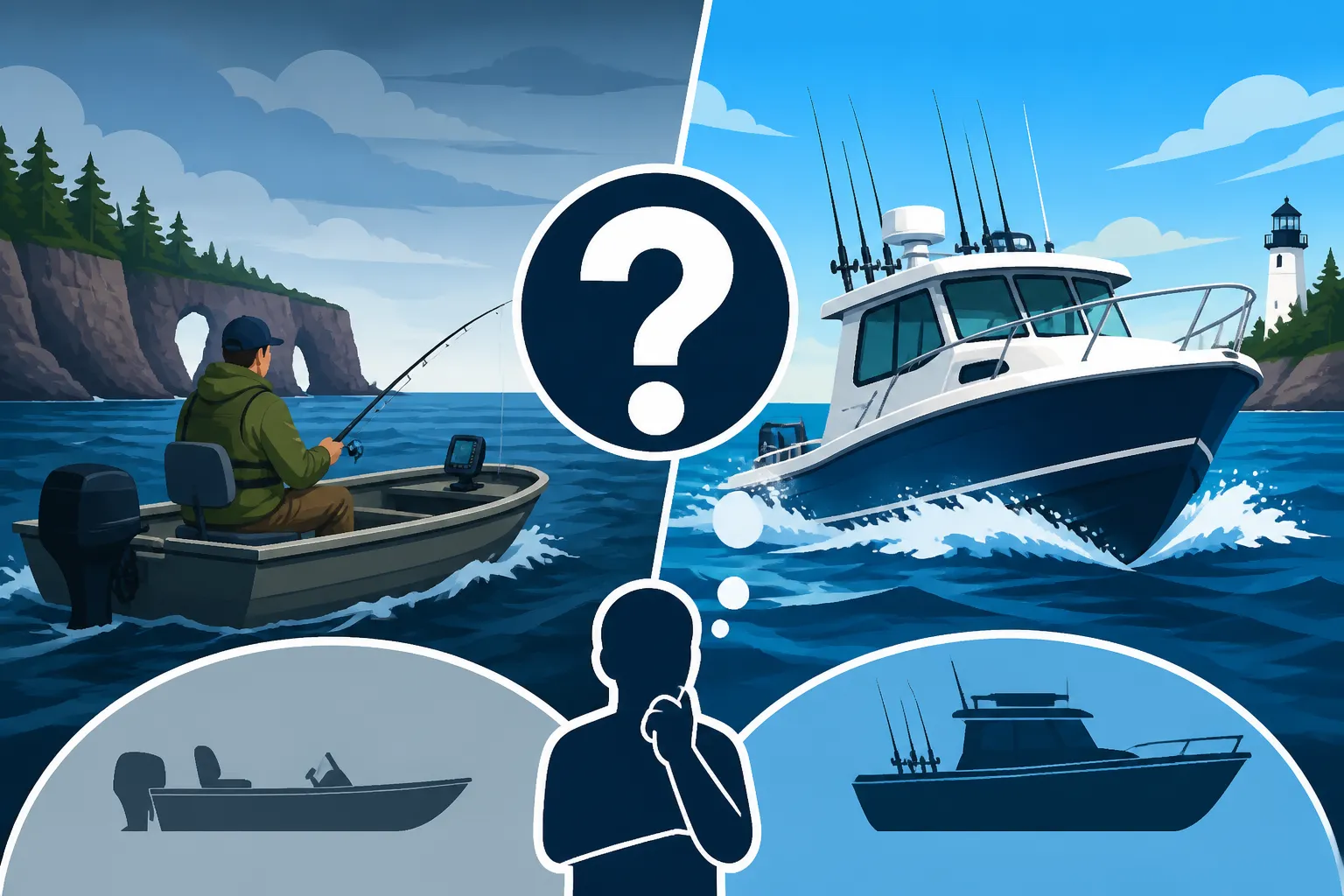
- Nearshore Fishing (Close to Port or Protected Bays): If your plan is to stick strictly within a mile or two of a major harbor like Marquette, Grand Marais, or Munising, or to fish in well-protected bays on calm days, a smaller, well-found boat (say, 17-19 feet with good freeboard) might suffice. These areas can offer some buffer from the lake's full wrath, but even here, conditions can change rapidly. You're still on Lake Superior, and it demands respect. Think of fishing for smallmouth bass or pike in certain protected inlets, or casting off a pier. In these scenarios, a smaller craft can be adequate, provided you have an extremely diligent eye on the weather and are willing to call it a day at the first sign of trouble.
- Offshore Trolling (Far from Shore for Salmon/Trout): If your dream is to troll for Chinook salmon, Coho, or trophy lake trout far out in the deep, cold waters, then a "bigger boat" becomes not just recommended, but practically mandatory. These fish often inhabit thermoclines or deep structures many miles from shore, putting you well beyond the reach of quick shelter. Out here, the full force of Superior's waves and weather can hit you without warning. For this kind of fishing, especially given how popular Trolling for Chinook Salmon on Lake Michigan is (which shares similar demands), you absolutely need a boat that can handle sustained rough water, has redundant systems, and is equipped for long runs and self-sufficiency. This is where those 22-foot+ deep-V hulls with twin engines and full electronics really shine.
Seasonal Considerations
The time of year you plan to fish also heavily influences the conditions you'll encounter and, by extension, the boat size you'll feel comfortable in.
- Spring (May-June): While exciting for fishing, spring on Lake Superior can be notoriously cold and volatile. Strong winds are common, and the water temperatures are still frigid, making any accidental dunking extremely dangerous. Ice can linger in bays well into May. This period often demands a larger, more enclosed boat for comfort and safety against the biting winds and chilly spray. Anglers often target nearshore coho salmon or brook trout, as highlighted in Lake Superior Brook Trout Fishing, which sometimes means staying closer to the protected waters.
- Summer (July-August): This is generally the most stable and popular time to fish, with warmer air temperatures and often calmer stretches of weather. However, even in summer, squalls can blow up quickly, and the lake can still get rough. These are the days when smaller boats might have a window to venture out, but extreme caution and constant weather monitoring are still paramount. The lake remains very cold deep down, so safety precautions are always a must.
- Fall (September-October): Fall can offer fantastic fishing, but it also brings rapidly deteriorating weather conditions. Strong gales, cold rain, and significant wave action become much more frequent. This is prime time for big lake trout and salmon staging for their runs, which often means being out in open water. For fall fishing, a truly robust, larger boat is essential for safety and comfort, and you'll often find fair weather windows are few and far between.
A smaller boat might get you by on a perfect mid-August morning in a protected bay, but it will be wholly inadequate for an October offshore salmon run. It's about aligning your vessel's capabilities with the worst possible conditions you might reasonably encounter during your chosen fishing season and location.
| Boat Type/Size | Typical Length (feet) | Suitability for Lake Superior | Pros | Cons |
|---|---|---|---|---|
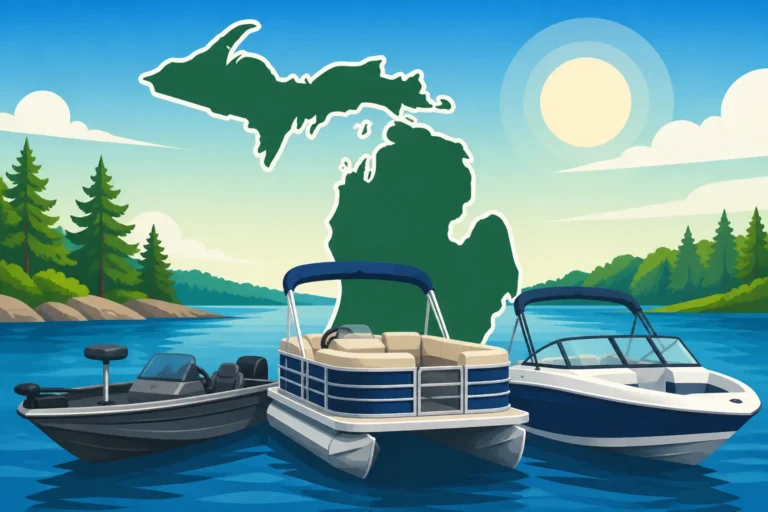
| Small Utility/Runabout | 14-17 | Limited (Nearshore/Calm) | Easy to launch, fuel efficient, low cost | Very susceptible to waves, low freeboard, limited range |
| Mid-Size Walleye/Bass | 18-20 | Marginal (Protected Bays) | Versatile, good for other lakes, quicker | Still limited offshore, can get swamped by larger swells |
| Great Lakes Specific | 20-25 | Good (Most Conditions) | Deep-V hull, higher freeboard, stable | Requires larger tow vehicle, higher cost |
| Offshore Cruiser/Sportfish | 26-35+ | Excellent (All Conditions) | Handles rough water well, ample shelter, range | High cost, complex maintenance, difficult to trailer |
Alternatives and Considerations for Smaller Boat Owners
It's completely understandable if you're not ready or able to invest in a 25-foot Great Lakes monster. Many anglers already own perfectly good boats for inland fishing and want to experience Lake Superior without buying a new vessel. The good news is, it's not always an absolute requirement to have the biggest boat on the water, but it does come with significant caveats and a much higher degree of caution and preparation.
When a Smaller Boat Might Be Sufficient (With Caveats)
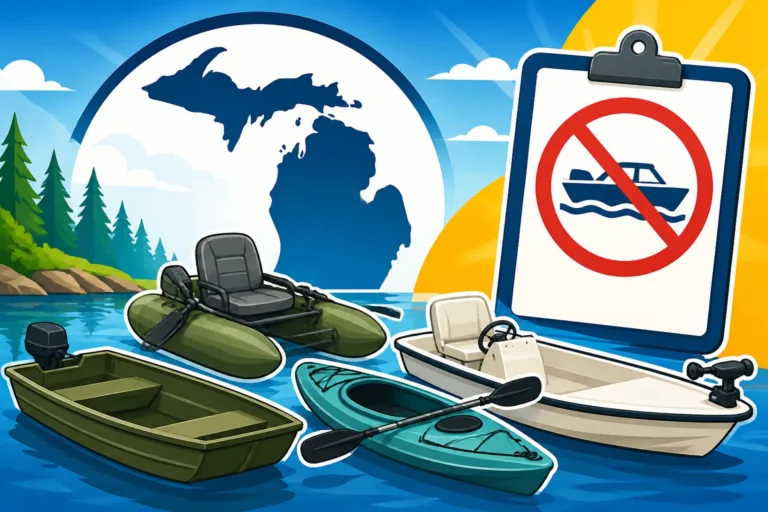
A smaller boat (let's say 17-19 feet with decent freeboard, not a low-slung bass boat) can be sufficient for Lake Superior under very specific, controlled circumstances.
- Fair Weather Only: This is the golden rule. You must be willing to fish only on days with extremely calm forecasts (winds under 5-10 knots, no storm potential). And even then, you must be prepared to cut your trip short immediately if the weather changes. This means constantly checking marine forecasts from multiple sources and having an internal barometer that tells you when it's time to head back to port.
- Protected Waters: Stick to bays, harbors, and areas very close to shore where you have immediate access to shelter. This might mean fishing within a mile or two of a launch or pier, or exploring areas like Presque Isle Bay in Marquette, or certain coves along the Pictured Rocks National Lakeshore on a very calm day. These areas offer some protection from the massive swells of the open lake.
- Shoreline Access: Sometimes the best way to fish Lake Superior from a smaller boat is to combine it with shore-based angling. Many fantastic spots for salmon and trout can be found right off piers or accessible shoreline areas, eliminating the need to brave the open water at all. This is a great way to experience the fishing without the inherent risks of a smaller vessel on vast waters.
Remember, "sufficient" doesn't mean "ideal" or "comfortable." It means "you might not die if you are extremely careful and lucky." The margins for error are significantly smaller.
Enhancing Safety and Capabilities of Smaller Boats
If you insist on taking a smaller boat onto Lake Superior, you must go above and beyond in terms of safety preparations and knowledge. This isn't just about adhering to Michigan Fishing Regulations Every Angler Should Know; it's about exceeding them.
- Invest in Top-Tier Safety Gear: Double down on everything. A high-quality marine VHF radio (with a large antenna for maximum range) is non-negotiable. Carry an extra charged battery for it. Consider a portable GPS unit as a backup to your phone. An EPIRB or PLB becomes even more critical in a smaller boat. Carry extra warm, waterproof clothing, even in summer, because hypothermia is a real threat if you end up in the water.
- Know Your Boat's Limits (and Yours): Understand exactly what kind of waves your boat can safely handle – and then stay well within those limits. If your boat is rated for 2-foot waves, don't go out if 2-foot waves are forecast, because they will get bigger. Be honest about your own boating experience and comfort level. Lake Superior is no place for novice captains in small craft.
- Local Knowledge is Power: Talk to local charter captains, bait shop owners, and experienced anglers. They know the subtle nuances of local weather patterns, safe havens, and what the lake is truly capable of. They can often provide invaluable advice on where and when to fish safely. Many smaller, local tackle shops will have real-time reports that online sources might miss.
- Buddy System: Never go out alone in a smaller boat on Lake Superior. Always fish with another boat if possible, or at the very least, make sure someone on shore knows your float plan – where you're going, when you expect to return, and what your boat looks like. This vastly improves your chances if something goes wrong.
- Consider a Charter: If you have a smaller boat but really want to experience offshore Lake Superior fishing for salmon or lake trout, consider booking a charter. You'll get to fish from a proper, well-equipped Great Lakes vessel with an experienced captain who knows the lake inside and out. It's a fantastic way to learn the ropes and safely experience the fishing without the huge upfront investment or risk. It's also a great opportunity to ask the captain about their gear, like what kind of trolling setup they use or if they prefer specific rods and reels, like those available through Bass Pro Shops or Amazon, for these big waters. This way, you can gather information for future gear purchases if you decide to upgrade your own boat or tackle.
Ultimately, the decision of whether you need a bigger boat for Lake Superior fishing boils down to your ambitions and your appetite for risk. For casual, nearshore fishing on picture-perfect days, a smaller, capable boat might suffice with extreme caution. But for serious offshore angling, or if you want to explore the lake with a greater margin of safety and comfort, a truly robust, larger vessel is not just a luxury, but a wise and often necessary investment.
Disclaimer
This article is for general informational purposes only and does not constitute professional advice. Laws, prices and regulations vary by location and change over time. Consult a qualified professional for guidance on your specific situation.