Best Boats for Michigan’s Inland Lakes
Choosing the perfect boat for Michigan's vast and varied inland lakes can feel like trying to solve a complex puzzle, especially when you're dreaming of quiet mornings chasing panfish on a small, calm lake one day and tackling choppy waters for walleye on a larger chain of lakes the next. It's a significant investment, and the wrong choice can lead to endless frustration, wasted money, and missed fishing opportunities. This comprehensive guide is designed to cut through the confusion, helping you understand the unique demands of Michigan's diverse inland waters and match you with the ideal boat that fits your angling style, budget, and family needs.
Understanding Michigan's Inland Lakes and Their Demands
Michigan isn't just known for its Great Lakes coastline; it boasts an incredible number of inland lakes, each with its own personality. From tiny, crystal-clear ponds surrounded by towering pines to expansive, sprawling chains of lakes that feel like small inland seas, the variety is truly astounding. This diversity means that a "one-size-fits-all" approach to boat buying simply won't work. What's perfect for spearing carp in a shallow backwater might be wholly inadequate for trolling crankbaits on a windswept lake like Houghton.
Diversity of Inland Waters: From Shallow Weeds to Deep Basins
Think about the sheer range: you have small, no-wake lakes where a quiet electric motor is king, and then you have massive, all-sports lakes where powerful outboards are necessary to cover ground and handle boat traffic. Some lakes are incredibly shallow, choked with lily pads and dense submerged vegetation, making prop clearance and draft critical. Others plunge to depths of hundreds of feet, requiring different fishing techniques and, subsequently, different boat characteristics. The shores can be soft and mucky, or they can be hard-packed sand and gravel, influencing how easily you can beach or launch a smaller craft.
Consider a place like Lake St. Clair, which, while technically a Great Lake connecting Huron and Erie, often fishes like a massive inland lake for bass and muskies. It’s wide open, shallow, and can get incredibly rough with little warning. Compare that to a smaller, deep glacial lake in northern Michigan, where steep drop-offs and clear water dictate a more stealthy approach. Your choice of boat needs to respect these environmental realities. Trying to navigate dense weed beds with a deep-V hull designed for open water is a recipe for frustration, just as a tiny jon boat would be terrifying on a busy, wind-whipped lake during peak season. Michigan Inland Lakes Worth Fishing covers many of these diverse bodies of water.
Common Fish Species and How They Influence Boat Choice
The type of fish you primarily target will also heavily influence your boat selection. Different species inhabit different parts of the lake and require specific techniques, which in turn benefit from certain boat features.
- Panfish (Bluegill, Crappie, Perch): These often lurk in shallower waters, around docks, weed beds, and submerged structures. A smaller, stable boat that can get into tight spots, perhaps with a trolling motor for precise positioning, is ideal. Good storage for bait buckets, small tackle boxes, and maybe an umbrella or two for sun protection would be a plus. You're not usually racing across the lake for these, so speed isn't a primary concern.
- Bass (Largemouth and Smallmouth): Bass anglers often prioritize speed to move between spots quickly, powerful trolling motors for precision casting along shorelines and structures, and ample deck space for casting. Livewells are crucial for catch-and-release tournaments. Think about specific casting platforms and rod lockers. A bass boat's layout is meticulously designed for this style of fishing. Michigan Smallmouth and Largemouth Bass Daily Limit are important rules to know if you're targeting them.
- Walleye: These sought-after fish often inhabit deeper breaks, reefs, and open water, especially on larger lakes. Trolling or drifting techniques are common, requiring boats with good stability, often a deeper V-hull to handle chop, and ample space for multiple rod holders. Fish finders and GPS become paramount here to locate structure and stay on course. A multi-species boat or a dedicated walleye rig with plenty of storage for tackle and a robust livewell is often the choice. If you're serious about them, check out Michigan Walleye Fishing Techniques.
- Northern Pike and Muskellunge: These apex predators often relate to weed lines, submerged timber, and drop-offs. Anglers targeting them often use large baits and heavy tackle, requiring open casting areas, strong trolling motors, and robust rod holders. Due to their size, a good net and ample open space to handle these powerful fish are essential. Muskellunge, in particular, often require specific handling and release protocols, making a boat designed for easy movement around the fish important.
Understanding these preferences will steer you toward a boat that enhances your fishing experience rather than hinders it. Many anglers, of course, enjoy targeting a mix of species, which leads many to consider versatile "multi-species" boats. Michigan's Most Popular Fish Species offers a broader overview.
Seasonal Considerations for Inland Lake Fishing
Michigan's seasons play a massive role in how and where we fish, and therefore, how we choose our boats. A boat that's fantastic for open-water casting in July might be completely impractical for early spring or late fall fishing, let alone ice fishing.
- Spring: As ice melts and water temperatures rise, fish become active in shallower waters. Access to these shallower areas is key. Boats need to be durable enough to handle potential debris from winter, and often, anglers are focused on walleye and pike openers. A boat that can handle a bit of chill and some light chop from spring winds is beneficial.
- Summer: This is peak season for many inland lakes, with warm water and active fish. Boats need to be comfortable for long days, provide some shade options, and have good livewells if you're keeping fish. Recreational use often mixes with fishing, so families might prioritize comfort and seating over pure fishing features. Larger lakes can get very busy with recreational boats, making stability and decent horsepower more important for safety and covering ground.
- Fall: As waters cool, many species move back to deeper structures, and larger predators like muskies become highly active. The weather can be unpredictable, with cooler temperatures and stronger winds. Boats need to be capable of handling rougher conditions and offer protection from the elements, as well as plenty of space for bigger tackle and heavier clothing.
- Winter (Ice Fishing): While this guide focuses on open-water boats, it's worth noting that many smaller boats, like jon boats, can be used to transport gear to ice fishing spots before the ice is thick enough to drive on, or to get to remote open water spots during mild winters. However, once the ice truly sets, specialized ice fishing gear takes over. Michigan Ice Fishing Guide offers insights into this unique season.
Your boat should ideally be suited to the seasons you plan to fish most frequently. If you're a year-round angler, you might even consider different craft for different times of the year, or a highly versatile boat that can adapt.
Popular Boat Types for Michigan's Inland Lakes
Now that we've considered the diverse nature of Michigan's inland lakes and the various fishing demands, let's dive into the types of boats that most anglers gravitate towards. Each offers a unique set of advantages and disadvantages, making the "best" choice highly personal.
Aluminum Jon Boats and V-Hulls: Versatility and Affordability
Aluminum boats, whether flat-bottomed jon boats or slightly deeper V-hulls, are the workhorses of inland Michigan fishing. They are incredibly popular for a reason: they are often the most affordable, durable, and versatile option for many anglers.
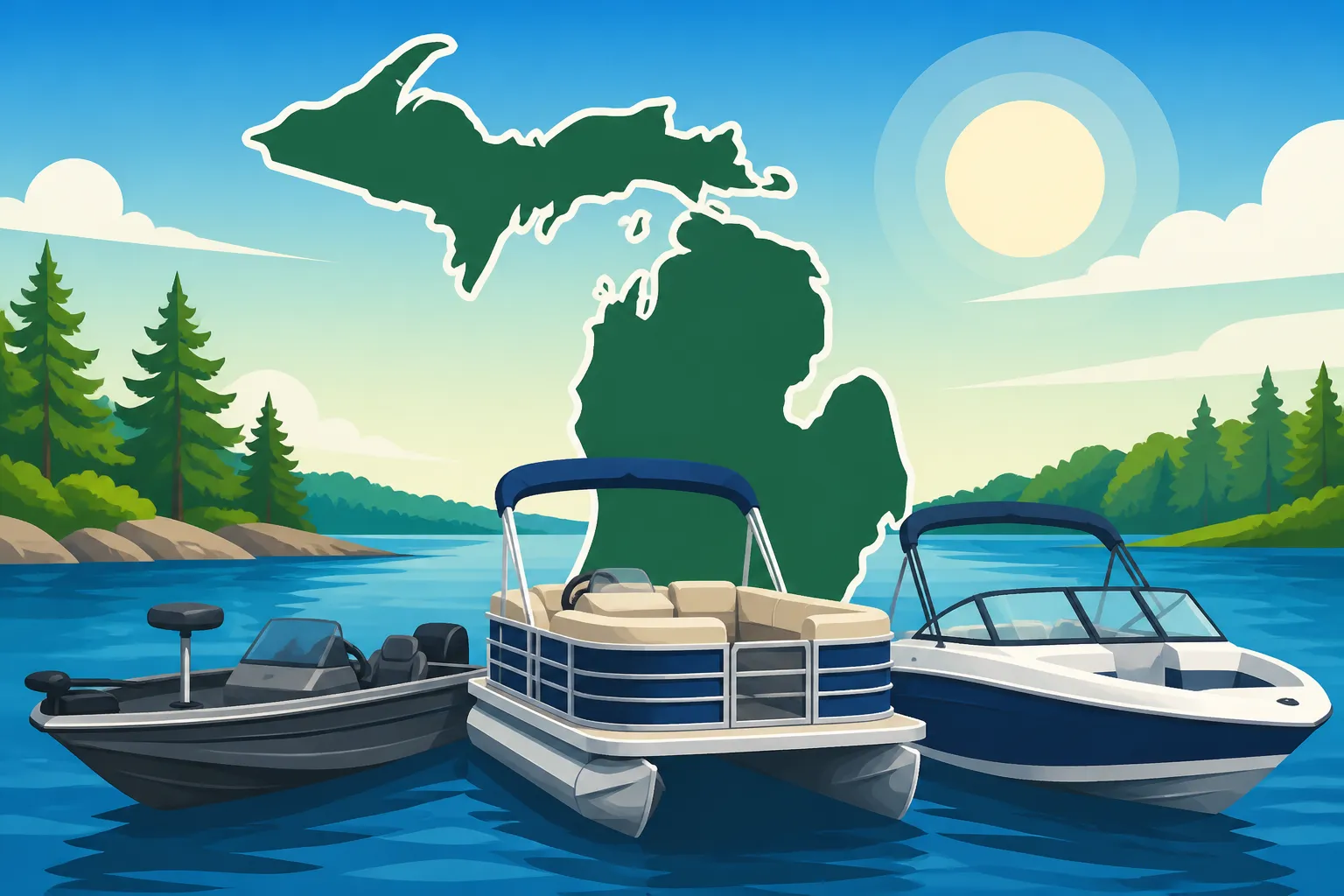
Jon boats, with their flat bottoms, excel in shallow water. They can get into those skinny backwater bays, over submerged stumps, and through dense weed beds where other boats would simply get stuck or damage their props. They are lightweight, making them easy to launch and retrieve, even without a developed boat ramp, and they can be easily towed by smaller vehicles. While they might feel a bit less stable in chop compared to a V-hull, they offer a tremendous amount of open floor space for their size. Many anglers customize them with raised casting decks, swivel seats, and trolling motors, turning a basic utility boat into a formidable fishing machine. Bass Pro Shops offers a wide range of jon boats and customization accessories that cater to these needs. They're perfect for quiet mornings targeting panfish or sneaking up on shallow-water pike.
Aluminum V-hulls, on the other hand, offer a bit more comfort and capability on larger, choppier inland lakes. The V-shape at the bow cuts through waves more effectively, providing a smoother, drier ride. They are still relatively lightweight and fuel-efficient, making them a great choice for anglers who want to cover more water and venture into slightly less protected areas. These often come equipped with livewells, rod lockers, and integrated seating, making them more "turn-key" fishing boats than their jon boat counterparts. You'll see a lot of these on lakes like Higgins or Torch, where the water can kick up quickly. They strike a great balance between affordability, ease of maintenance, and fishing capability across a wide range of inland conditions.
Bass Boats: Speed and Specialized Features for Tournament Anglers
If your passion is chasing largemouth and smallmouth bass, especially in a competitive setting, then a dedicated bass boat is likely at the top of your wish list. These boats are purpose-built for bass fishing, prioritizing speed, precise boat control, and ample fishing platforms.
Bass boats typically feature a low-profile design, a wide beam for stability, and powerful outboard motors that allow anglers to race across large lakes to hit multiple spots in a tournament day. The deck layout is designed for casting, with large, elevated casting platforms at the bow and stern, often covered in non-slip carpet. Storage is meticulously organized, with long rod lockers to protect expensive rods, numerous tackle compartments, and usually two large, aerated livewells to keep caught fish healthy during weigh-ins. Modern bass boats are also heavily outfitted with advanced electronics, including multiple fish finders and GPS units, often linked to powerful bow-mounted trolling motors with GPS anchoring capabilities.
While incredibly effective for bass fishing, their specialized nature can come with trade-offs. Their low profile means they can be wet in rough chop, and the focus on fishing features means less comfortable seating for general recreational use or family outings. They also tend to be among the more expensive options. However, for the serious bass angler on larger Michigan inland lakes like Lake St. Clair or the bigger Grand Traverse Bay, a bass boat provides an unparalleled fishing experience.
Pontoon Boats: Family Fun and Casual Fishing Comfort
Pontoon boats have undergone a revolution in recent years, shedding their "slow, old-person boat" stereotype to become incredibly versatile and popular vessels, even for fishing. If you're looking for a boat that can comfortably accommodate the whole family for a day of swimming, cruising, and also offer excellent casual fishing opportunities, a pontoon boat might be your answer.
Their primary advantage is space and stability. With their wide, flat decks supported by two or three pontoons, they offer an incredible amount of usable floor space and are incredibly stable, even with multiple people moving around. This makes them perfect for families, hosting friends, or anglers who enjoy a relaxed fishing experience. Many newer pontoon boats come with "fish and cruise" layouts, featuring comfortable lounge seating in the front and dedicated fishing stations in the back, complete with swiveling fishing seats, livewells, and rod holders. You can often find them with electric trolling motor pre-rigs for quiet maneuvering while fishing.
While not designed for speed (though some tri-toons with larger engines can move surprisingly fast), their stability and comfort make them ideal for drifting or anchoring to target panfish, walleye, or even bass in a relaxed setting. They provide ample shade options with bimini tops and are generally easy to maintain. Their size can make launching and trailering a bit more involved than smaller boats, but for a home on a larger inland lake where comfort and versatility are key, a pontoon boat is hard to beat. You can find accessories like rod holders and specific tackle storage solutions for pontoons easily on Amazon.
Multi-Species Boats and Walleye Rigs: All-Around Performance
For many Michigan anglers, a "multi-species" boat, sometimes referred to as a "walleye rig," represents the ultimate compromise and often the most practical choice for inland lake fishing. These boats are designed to be truly versatile, capable of handling a wide array of fishing situations and species.
Typically, multi-species boats feature a deeper V-hull than a bass boat, providing a smoother ride in rough water – a crucial advantage on large, open inland lakes that can get very choppy. They combine the open deck space for casting found in bass boats with the stability and comfort needed for trolling or drifting. These boats usually come equipped with multiple rod holders, large livewells that can accommodate bigger fish, and plenty of storage for diverse tackle and gear. The seating is often more comfortable and versatile, allowing for easy conversion between fishing positions and general seating for passengers.
These boats are perfect for anglers who might spend one day trolling for walleye on Saginaw Bay, the next jigging for smallmouth bass on a clear northern lake, and then take the family out for a leisurely cruise. Brands like Lund and Ranger are well-known for their quality multi-species offerings, providing robust platforms that can withstand the rigors of diverse fishing. They represent a significant investment but offer an excellent return in terms of capability and flexibility across Michigan's varied inland fishing landscape. They're a fantastic choice if you refuse to limit your angling adventures to just one species or technique.
Kayaks and Canoes: Stealth and Accessibility for Smaller Waters
For those seeking ultimate stealth, accessibility to remote waters, and a truly intimate connection with the environment, kayaks and canoes are unbeatable. They represent a minimalistic approach to boating but offer incredible advantages, especially on smaller, quieter inland lakes and river systems.
Fishing Kayaks: Modern fishing kayaks are a far cry from their recreational cousins. They are designed for stability, often wider with specialized hulls, and come rigged with features like rod holders, gear tracks for mounting electronics, and comfortable, elevated seats. Pedal-drive kayaks, in particular, have revolutionized kayak fishing, allowing anglers to move hands-free, which is a huge advantage for casting and fighting fish. Kayaks can get into extremely shallow water, navigate tight channels, and access ponds or small lakes that are inaccessible to larger boats due to lack of ramps or shallow launches. They are also relatively inexpensive to purchase and maintain compared to motorized boats, and their portability means you can car-top them or load them onto a small trailer, opening up a vast network of smaller, less-pressured fishing spots. You can easily find accessories for kayak fishing on Amazon. For specific models and features, Best Kayaks for Michigan Fishing provides more detail.
Canoes: While perhaps less common as dedicated fishing platforms than kayaks today, canoes still hold a special place for their capacity and versatility. They can carry more gear, more people, or even a small electric motor, making them suitable for overnight trips or tandem fishing. Like kayaks, they offer stealth and access to remote areas, ideal for quiet lake fishing or exploring slow-moving rivers. They require more effort to paddle solo but can be very efficient with two paddlers. Both kayaks and canoes connect you directly to the water, offering a peaceful and rewarding fishing experience that larger, noisier boats simply can't match. They might not be for everyone, especially on windy, open water, but for the right angler and the right water, they are perfect.
| Boat Type | Ideal Water Conditions | Primary Fishing Style | Pros | Cons |
|---|---|---|---|---|
| Aluminum Jon Boat | Shallow, protected lakes/rivers | Panfish, bass, pike (shallow) | Affordable, durable, lightweight, easy launch, customizable, shallow draft | Rough ride in chop, less stable in open water, minimal comfort |
| Aluminum V-Hull | Small to medium lakes, light chop | Walleye, bass, panfish | Versatile, fuel-efficient, smoother ride than jon, good stability | Can still be wet in heavy chop, less open deck than jon |
| Bass Boat | Medium to large lakes | Bass (tournament) | Fast, precise control, excellent casting platforms, ample rod/tackle storage | Expensive, specialized, wet ride in chop, less family-friendly |
| Pontoon Boat | Medium to large lakes | Casual fishing, family | Very stable, spacious, comfortable, versatile (fish/cruise), social | Slower, less nimble, harder to trailer/launch on small ramps, not for rough water |
| Multi-Species Boat | All inland lakes, moderate chop | Walleye, bass, pike, salmon | Highly versatile, handles chop well, good storage, comfortable | More expensive than aluminum, larger to trailer/store |
| Fishing Kayak/Canoe | Small lakes, calm rivers, shallow | Stealth, remote access | Affordable, portable, stealthy, great for tight spots, low maintenance | Limited capacity, slower, exposed to elements, not for rough open water |
Key Features to Consider When Choosing Your Inland Lake Fishing Boat
Once you have an idea of the general boat type that might suit you, it's time to drill down into the specific features that will make your time on Michigan's inland lakes more productive and enjoyable. These are the details that often differentiate a good boat from a great one for your particular needs.
Size and Stability: Balancing Portability with Comfort
The size of your boat is a critical decision, directly impacting its portability, stability, and the comfort of your fishing experience.
- Smaller Boats (10-14 feet): These are typically jon boats, smaller V-hulls, kayaks, or canoes. Their primary advantage is portability. You can often launch them from unimproved access points, load them on a car top or a small utility trailer, and maneuver them into tight spaces. This makes them ideal for exploring smaller, less-pressured lakes or backwaters. However, they offer less space, can feel cramped with more than two people, and their stability can be compromised in choppy water. If you mostly fish alone or with one other person on smaller, calmer lakes, this size might be perfect.
- Medium Boats (16-18 feet): This range includes many popular aluminum V-hulls, multi-species boats, and smaller bass boats. They strike a balance, offering enough space for 2-3 anglers and gear, better stability on larger inland lakes, and the ability to handle moderate chop. They generally require a dedicated boat trailer and a vehicle capable of towing it. This size is often the sweet spot for versatility across a wide range of Michigan's inland lakes, from the Manistee chain to Lake Leelanau. You get more comfort, storage, and better ride quality without being overly cumbersome.
- Larger Boats (19+ feet): This category includes larger multi-species boats, full-sized bass boats, and pontoon boats. These are designed for comfort, capacity, and handling rougher water. If you plan to fish big, open lakes that can get seriously rough (like some parts of Lake Huron that fish like inland waters, or the main basins of Houghton Lake), or if you frequently take out a larger group, a bigger boat offers superior stability and a drier ride. However, they are less portable, require a larger tow vehicle, more complex launching and retrieval, and often need more substantial storage space.
Think about how you'll use the boat most often. Will you be trailering it every weekend to a new lake, or will it be moored on a single large lake for the season? Your answer will help you balance the trade-offs between portability and on-water comfort.
Motorization: Outboards, Trolling Motors, and Propulsion Needs
The propulsion system of your boat is another critical component, and it's not just about horsepower. It's about matching the motor to your fishing style and the waters you intend to navigate.
- Outboard Motors: These are the primary powerhouses for most motorized fishing boats. For inland lakes, you'll see everything from small 9.9 HP kickers on jon boats to powerful 250 HP outboards on bass and multi-species boats.
- Horsepower (HP): The amount of horsepower you need depends on the boat's size, weight, and your desired speed. On large, all-sports lakes, adequate horsepower is essential for safety, covering ground, and handling waves. On smaller, no-wake lakes, a small outboard might be all you need, or even just an electric motor. Always check the boat's maximum horsepower rating and local lake regulations for engine size limits.
- Four-Stroke vs. Two-Stroke: Modern four-stroke outboards are typically quieter, more fuel-efficient, and emit fewer emissions than older two-strokes. They are a popular choice for their reliability and smooth operation.
- Trolling Motors: These electric motors are indispensable for precise boat positioning, stealthy approaches, and slow trolling.
- Bow-Mount vs. Transom-Mount: Bow-mounted trolling motors are preferred by serious anglers as they pull the boat, offering much better control and responsiveness. Many come with GPS features like "spot-lock," which acts like a digital anchor, holding your boat in place over a fishing hot spot – an absolute game-changer. Transom-mount motors are simpler, less expensive, and good for smaller boats or as secondary propulsion.
- Thrust and Voltage: The amount of thrust (measured in pounds) needed depends on your boat's weight and length, and whether you fish in wind or current. Voltage (12V, 24V, 36V) dictates how many batteries you'll need and the motor's power output. Consider models from reputable brands like Minn Kota or MotorGuide.
- Manual Propulsion (Paddles/Oars): For kayaks and canoes, manual power is primary. Lightweight, efficient paddles are crucial. Even on motorized boats, having a good set of oars or a spare paddle is a smart safety precaution, especially on smaller lakes where you might need to quietly maneuver into a tight spot.
When choosing, think about the noise factor for stealthy fishing, fuel efficiency for long days, and the need for precision control versus raw speed.
Storage and Livewell Systems: Keeping Gear Organized and Fish Alive
Effective storage and a good livewell system are often overlooked until you're out on the water, wrestling with tangled lines or trying to keep your prize catch healthy.
- Storage:
- Rod Lockers: Dedicated, lockable rod lockers are invaluable for protecting your expensive fishing rods from damage and theft. They keep rods out of the way, preventing tangles and ensuring they're ready when you need them.
- Tackle Compartments: Multiple, accessible compartments for tackle boxes, soft plastics, and tools are essential. Good drainage and ventilation can prevent moisture buildup and rust. Consider how easily you can access different tackle boxes without rummaging. Bass Pro Shops and Amazon both offer a huge array of tackle storage solutions.
- Dry Storage: A dry storage compartment is critical for stowing personal items like phones, wallets, extra clothing, and snacks, keeping them safe from spray and rain.
- Coolers/Insulated Boxes: Whether integrated or portable, a good cooler for drinks, snacks, and keeping fish on ice (if you're not using a livewell) is a must.
- Livewells:
- Size and Aeration: For catch-and-release fishing, especially for bass or walleye, a well-designed livewell is paramount. It should be large enough to hold your targeted fish comfortably without overcrowding, and feature an effective aeration system (pump-in/pump-out, recirculating, and aeration stones) to maintain water quality and oxygen levels.
- Shape and Location: Rectangular or oval shapes are common, and they should be positioned to minimize sloshing and stress on the fish while running. Good insulation is also a plus to help maintain stable water temperatures.
- Divider/Separator: Some livewells include dividers, allowing you to separate different species or keep multiple fish from injuring each other.
Having a place for everything not only makes your fishing trip more organized but also safer, preventing tripping hazards and ensuring essential gear is always at hand.
Electronics and Navigation: Fish Finders and GPS
In modern fishing, electronics are no longer a luxury; they are indispensable tools that significantly enhance your ability to find fish and navigate safely on Michigan's inland lakes.
- Fish Finders (Sonars): These devices use sound waves to detect fish, underwater structures, and the lake bottom.
- 2D Sonar: The traditional view, excellent for identifying fish arches and bottom contours.
- Down Imaging/Side Imaging: Advanced technologies that provide photo-like images of what's directly below or to the sides of your boat, making it incredibly easy to identify submerged trees, rock piles, or weed lines where fish hide. Brands like Humminbird and Lowrance are leaders in this field.
- Chirp Sonar: Offers higher resolution and better target separation, allowing you to distinguish individual fish more clearly.
- Screen Size and Resolution: A larger, higher-resolution screen makes it easier to interpret the sonar returns, especially in bright sunlight.
- GPS (Global Positioning System): Integrated GPS allows you to plot courses, mark waypoints (like brush piles, humps, or successful fishing spots), and navigate safely.
- Charting: Many modern units come with detailed mapping (chartplotting) of lakes, showing depth contours, navigation hazards, and boat ramps. This is incredibly helpful for finding structure and staying safe.
- Integration with Trolling Motors: As mentioned, GPS-enabled trolling motors (like those with "Spot-Lock") can link with your fish finder/chartplotter to automatically hold your position or follow a contour line, freeing you up to focus on fishing. Fish Finders for Michigan Boat Fishing offers a deep dive into these tools.
When purchasing a boat, consider the level of electronics pre-installed or plan for future upgrades. For those who enjoy fishing specific structures or covering large areas, good quality electronics are an investment that pays dividends in fishing success and peace of mind.
Budgeting and Ownership Considerations
Buying a boat is more than just the initial sticker price; it's an ongoing commitment. Understanding the full scope of costs and responsibilities will help you make a financially sound decision and avoid unpleasant surprises down the line.
Initial Purchase Price vs. Long-Term Costs
It's easy to get caught up in the excitement of boat shopping and focus solely on the price tag. However, the initial purchase is just the beginning.
- Initial Purchase: This includes the boat, motor, and trailer (often sold as a package). New boats can range from a few thousand for a basic jon boat to well over $100,000 for a fully rigged bass boat or high-end multi-species boat. Used boats offer a more budget-friendly entry point but might require more immediate maintenance or upgrades.
- Michigan Boat Registration and Titling: Like cars, boats in Michigan need to be registered with the Secretary of State. This is a recurring fee, typically every three years. If your boat is over 20 feet or has a permanent motor, it also needs a title. These administrative costs are minor but necessary. Michigan Boat Registration Requirements and Michigan Boat Titling Rules provide essential details. You can find out the exact costs and how often to renew in Michigan Boat Registration Cost and Renewal.
- Insurance: While not always legally required for smaller boats, boat insurance is highly recommended. It protects your investment against damage, theft, and liability in case of an accident. The cost will vary based on the boat's value, your boating experience, and your chosen coverage.
- Safety Gear: Every boat needs essential safety equipment, including life jackets, a throw cushion, a whistle or horn, navigation lights, a fire extinguisher, and flares for larger boats. These are one-time purchases but are non-negotiable for safety and legal compliance. It’s worth checking out Life Jackets and Michigan Boating Safety Rules to ensure you meet all legal requirements.
- Fishing Gear: Rods, reels, tackle, and specialized equipment like downriggers or a high-end fish finder will add significantly to your total investment. Remember, a fantastic boat needs fantastic gear to match! Many anglers source a lot of their gear from reputable online retailers like Amazon or specialty stores like Bass Pro Shops.
Considering these long-term costs upfront will help you establish a realistic budget and avoid buyer's remorse.
Maintenance and Storage for Inland Lake Boats
Boats require regular care to remain in good working order, and Michigan's climate dictates specific storage considerations.
- Routine Maintenance: This includes tasks like oil changes for your outboard motor, checking fluids, cleaning the hull, and inspecting electrical connections. Regular maintenance prevents small problems from becoming expensive repairs.
- Winterization: This is crucial in Michigan. Before freezing temperatures set in, your boat's engine needs to be winterized to prevent damage from expanding ice. This typically involves stabilizing the fuel, fogging the engine, changing gear lube, and draining water from systems. Livewells, pumps, and plumbing also need to be properly prepared.
- Spring Commissioning: When spring arrives, your boat will need to be "commissioned" – reversing the winterization process and performing pre-season checks to ensure everything is ready for the water.
- Storage:
- Off-Season Storage: In Michigan, boats need to be stored indoors or properly covered and wrapped outdoors during the winter to protect them from snow, ice, and harsh temperatures. Options include storing it on your property, using a self-storage unit, or paying for professional boat storage at a marina.
- In-Season Storage: During the fishing season, you'll need a place to keep your boat when not in use. This could be a slip at a marina, a dedicated boat lift on your lakefront property, or simply on its trailer in your driveway or garage.
These ongoing efforts ensure your boat remains reliable and extends its lifespan, protecting your investment.
Michigan Boat Registration and Titling Rules
Understanding Michigan's specific regulations for boat ownership is critical to staying on the right side of the law. This isn't just about avoiding fines; it's about ensuring your boat is legally recognized and ready for the water.
- Registration: All motorboats, regardless of size, and all sailboats 16 feet or longer, must be registered in Michigan. This means obtaining a registration certificate and displaying valid decals and registration numbers on the bow of your vessel. Registration is typically renewed every three years. You can usually do this online, by mail, or in person at a Secretary of State office.
- Titling: Boats 20 feet or longer, or those with a permanently attached motor, must also be titled in Michigan. The title serves as proof of ownership and is important for buying, selling, or financing a boat.
- Exemptions: Smaller, non-motorized vessels like canoes, kayaks, and rowboats (unless they have a motor) are generally exempt from registration and titling requirements. This is one reason they are popular for anglers looking for a simpler, lower-cost entry into boating.
- DNR Hunt Fish App: The Michigan Department of Natural Resources (DNR) offers a Michigan's DNR Hunt Fish App for Licenses and Reporting that can sometimes simplify the process of renewing licenses and staying informed about regulations, though boat registration often still goes through the Secretary of State. Always consult official state resources for the most current rules.
Failing to properly register or title your boat can lead to fines and legal complications, so it's essential to complete these steps diligently before you hit the water. These rules are part of the broader Michigan Fishing Regulations Every Angler Should Know, ensuring that all those enjoying Michigan's beautiful waterways do so responsibly.
Disclaimer
This article is for general informational purposes only and does not constitute professional advice. Laws, prices and regulations vary by location and change over time. Consult a qualified professional for guidance on your specific situation.