Essential Gear for Michigan Steelhead Fishing
Michigan steelhead fishing is an experience unlike any other, demanding not just skill and patience, but also the right gear to tackle these powerful, elusive fish in often challenging conditions. If you've ever felt the sheer frustration of a heavy steelhead peeling line off a reel that just can't keep up, or spent a chilly morning with soaking feet because your waders failed, you know the importance of a reliable setup. This comprehensive guide is here to help you navigate the vast world of steelhead fishing equipment, ensuring you're prepared for a successful and comfortable outing on Michigan's legendary rivers.
Understanding Michigan Steelhead and Their Habitat
Before we dive into the nuts and bolts of the gear itself, it's really important to understand the fish you're targeting and the environment they call home. Michigan's steelhead, which are actually rainbow trout that migrate from the Great Lakes into tributary rivers to spawn, are incredibly powerful and often inhabit fast-moving, cold waters. This understanding dictates many of your gear choices.
The Steelhead's Journey and Why It Matters for Gear
Steelhead spend the majority of their lives growing to impressive sizes in the vastness of the Great Lakes. When the urge to spawn hits, they begin their incredible upstream migration into rivers like the Manistee, Muskegon, and Au Sable. This journey can start as early as late summer or fall, continue through the winter, and peak in the spring. Each season presents unique challenges: fall and spring bring fluctuating water levels and temperatures, while winter demands extreme cold-weather preparation. These fish are known for their acrobatic jumps and powerful runs, often making long, drag-screaming sprints that will test your equipment to its limits. Because they are often found in relatively clear water, especially in the upper reaches of some rivers, stealth and presentation are also key, influencing line and leader choices. Understanding Michigan Steelhead Run Timing for specific rivers will significantly impact the techniques you choose and thus the gear you pack.
Michigan's steelhead rivers are incredibly diverse, from wide, sweeping stretches to tight, brush-lined channels, and water clarity can vary from gin-clear to a light stain after a rain. This varied environment means your gear needs to be versatile. You might be drifting spawn bags under a float in a deep run one moment and swinging a fly through a riffle the next. The cold temperatures of these Great Lakes tributaries, especially during the Fall Steelhead Run in Michigan Rivers and the Winter Steelhead Run in Michigan Rivers, also mean that personal comfort and safety gear are just as critical as your rod and reel. A truly comprehensive gear setup for Michigan steelhead isn't just about catching fish; it's about being prepared for whatever the river and the weather throw at you.
Key Michigan Rivers for Steelhead Runs
Michigan is blessed with an abundance of world-class steelhead rivers, each with its own character and fishing nuances. Rivers like the Manistee River, the Pere Marquette River, the Muskegon River, and the Au Sable River are legendary for their strong steelhead runs. These rivers feature diverse structures, including deep holes, fast riffles, gravel runs, and log jams, all of which hold steelhead at different times of the year. The Manistee, for example, is famous for its powerful runs and wide-open stretches, often requiring longer casts, while the Pere Marquette offers a more intimate, wade-fishing experience, particularly for fly anglers.
The characteristics of these rivers directly influence the type of gear that will be most effective. For example, a longer rod might be preferred on a wider river like the Manistee for better line control and longer drifts, whereas a slightly shorter, more nimble rod might be better suited for brushy banks on smaller stretches of the Pere Marquette. Knowing the specific river you plan to fish, and even the section of that river, will help fine-tune your gear selection. Many anglers meticulously research Best Rivers for a Fall Steelhead Run to target their trips, which often informs their packing list. It's not just about having a steelhead rod, but having the right steelhead rod for the specific conditions you anticipate.
Rods and Reels: The Foundation of Your Steelhead Setup
Your rod and reel are the heart of your steelhead fishing system. These two components work in tandem to cast your bait, detect subtle bites, absorb the shocks of a powerful fish, and ultimately bring it to hand. Investing in quality here pays dividends in performance and durability.
Choosing the Right Rod for Michigan Steelhead
When it comes to steelhead rods, versatility is key, but so is specialization. You'll generally be looking at longer rods, typically in the 9 to 13-foot range, which offer superior line control for drift fishing, shock absorption, and leverage when fighting strong fish in heavy currents. The exact length and action will depend on your preferred technique. For float fishing (often called "centerpinning" or "float 'n' fly"), longer, parabolic rods are common, allowing for incredibly long drifts and soft presentations. For traditional spinning or baitcasting with lures and bottom-bounced baits, a slightly shorter, faster action rod might be preferred for better casting accuracy and direct feel.
A medium-light to medium power rod with a moderate to fast action is often ideal. This combination provides enough backbone to fight powerful steelhead while maintaining a sensitive tip for detecting those notoriously subtle bites. Many anglers also consider the specific line weight recommendations for the rod, ensuring it matches their chosen fishing line. You might hear folks debating the Best Rod Length for River Steelhead, and truly, there's no single "best" answer, as it often comes down to personal preference and the specific water you're fishing. Retailers like Bass Pro Shops often have a wide selection, allowing you to feel different rod lengths and actions in person, which can be invaluable before making a purchase.
Selecting a Reliable Reel for Steelhead Fighting Power
Pairing your rod with the right reel is crucial. For most spinning applications, a reliable spinning reel in the 2500 to 4000 size range is a solid choice. Look for a reel with a smooth, consistent drag system, as this is your first line of defense against a steelhead's explosive runs. A quality drag allows the fish to take line when it needs to, preventing snapped lines or pulled hooks, while still applying enough pressure to tire it out. The retrieve ratio is also important; a medium to fast retrieve (e.g., 5.0:1 to 6.2:1) is generally preferred for quickly taking up slack line, which is vital for hook sets and maintaining contact with a running fish.
If you're delving into the world of float fishing, a centerpin reel is often the choice for many dedicated steelhead anglers. These reels are designed to allow your line to flow freely with the current, providing incredibly long, natural drifts with minimal drag. While they don't have a mechanical drag system in the traditional sense, anglers use their thumb or palm to apply pressure, offering a direct and highly sensitive connection to the fish. Whether you choose a spinning reel or a centerpin, durability is key. Michigan rivers are tough on gear, so investing in a reel with corrosion-resistant components and a robust construction will ensure it stands up to years of use. For those exploring Centerpinning for Michigan Steelhead, the reel selection becomes even more specialized. You can find a huge variety of both spinning and centerpin reels on platforms like Amazon, often with detailed reviews from other anglers.
Lines, Leaders, and Terminal Tackle: Connecting You to the Fish
The connection between you and the fish runs through your line, leader, and terminal tackle. These components are often overlooked but are absolutely critical for presentation, strength, and stealth. Skimping here can lead to heartbreak.
Main Line Considerations for Michigan Rivers
Your main fishing line needs to strike a balance between strength, castability, and visibility. For most spinning setups, many anglers opt for a good quality monofilament or fluorocarbon line in the 8 to 12-pound test range. Monofilament offers good knot strength and shock absorption, which can be beneficial when a steelhead makes a sudden run. Fluorocarbon, on the other hand, is nearly invisible underwater, offers less stretch for better sensitivity, and has good abrasion resistance – a huge plus when fishing around rocks and logs. Some anglers also use braided line as a main line, particularly for its strength-to-diameter ratio and lack of stretch, which provides excellent sensitivity. If using braid, it's almost always paired with a fluorocarbon leader due to braid's high visibility.
The specific conditions you're fishing will often dictate your main line choice. For example, if you're fishing in very clear water on a sunny day, the low visibility of fluorocarbon could be a game-changer. If you're drifting heavy weights in snaggy areas, the abrasion resistance of fluorocarbon or the sheer strength of braid might be more appealing. Understanding the advantages and disadvantages of each type is key. A good resource for understanding options and finding reputable brands is to check out detailed product descriptions online, or ask experienced staff at your local tackle shop or a larger retailer like Bass Pro Shops. They can help you select the Best Line Weight for Michigan Steelhead based on your chosen technique and typical river conditions.
Essential Leader and Tippet Systems
Unless you're using a very specific technique, you'll almost always be tying a leader to your main line. The leader serves several vital functions: it provides a less visible connection to your bait, often offers increased abrasion resistance, and acts as a shock absorber. For steelhead, fluorocarbon leaders are overwhelmingly popular due to their near invisibility underwater and excellent strength. Leader length can vary, but typically ranges from 2 to 6 feet, depending on water clarity and depth. You'll want to match your leader strength to your main line and the conditions; common leader strengths for Michigan steelhead are 6 to 10-pound test.
For fly fishing, the leader system becomes even more refined, often consisting of a tapered leader ending in a fine tippet section. The tippet, typically 0X to 3X for steelhead, is the most delicate part of the system, designed to present the fly naturally. Having a variety of tippet sizes on hand is essential for adapting to changing water clarity and conditions. When drifting beads or small spawn bags, especially in clear water, a very thin, supple leader, sometimes even just monofilament, can enhance the natural drift. Learning about How to Rig a Bead for Steelhead often involves careful consideration of leader material and knot strength. Always check your knots for integrity before casting, as a strong steelhead will quickly find any weakness.
Hooks, Swivels, and Weighting Strategies
The right terminal tackle is just as important as your rod and reel. For hooks, you'll need sharp, strong hooks that can penetrate a steelhead's tough mouth. Depending on your bait, a single egg hook (like a "steelhead hook") in sizes #6 to #10 is popular for spawn bags and beads. For worms or other natural baits, a small octopus or circle hook might be preferred. Always ensure your hooks are legally sized and appropriate for the bait you're using.
Swivels play a crucial role in preventing line twist, especially when using spinners or when your bait tumbles in the current. A good quality barrel swivel or, even better, a small ball-bearing swivel, should be used between your main line (or leader) and your terminal rig. For weighting, split shot, pencil lead, or slinky weights are common. The amount of weight depends on current speed and depth; you want just enough to get your bait to the strike zone without hindering its natural drift. A "slinky" or "pencil lead" system is often preferred in snaggy rivers as it's less prone to getting hung up. Having a selection of different sizes of weights is crucial for adapting to various river conditions you'll encounter on any given day.
Baits and Lures: Tempting the Elusive Steelhead
Steelhead can be incredibly picky eaters, but they can also be aggressive biters. Having a diverse array of baits and lures in your tackle box will give you the best chance of success, allowing you to adapt to the fish's mood and the river conditions.
Natural Baits: The Classic Steelhead Attractors
When it comes to tempting steelhead, natural baits often reign supreme. The undisputed king for many Michigan anglers is the "spawn bag." These are small mesh bags filled with cured salmon or steelhead eggs, mimicking the natural food source steelhead encounter in their spawning rivers. The color of the mesh and the eggs can make a difference, so having a variety of bright (chartreuse, orange) and natural (peach, cream) colors is a good idea. Freshly tied spawn bags are often the most effective, but properly cured and stored eggs can also be deadly.
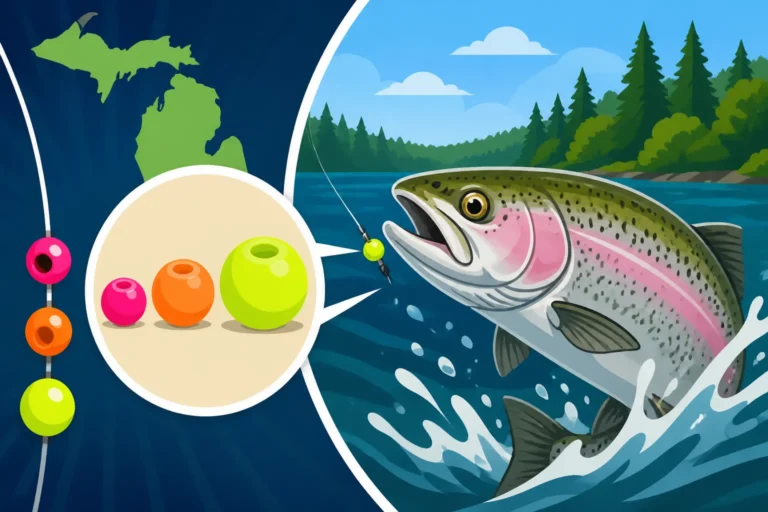
Another highly effective natural bait is the bead, which is essentially an artificial egg. Beads come in various sizes and colors, and are rigged a few inches above a small hook, mimicking a free-drifting egg. This technique can be incredibly effective, especially in clear water where a natural presentation is key. Many anglers consider beads a staple in their tackle box, and there are many resources explaining How to Rig a Bead for Steelhead to achieve the most natural drift. Worms, especially skeins of nightcrawlers, can also entice steelhead, particularly when water temperatures are colder. Always check local regulations to ensure the use of natural baits is permitted in the section of river you're fishing.
Artificial Lures: Spinners, Spoons, and Jigs
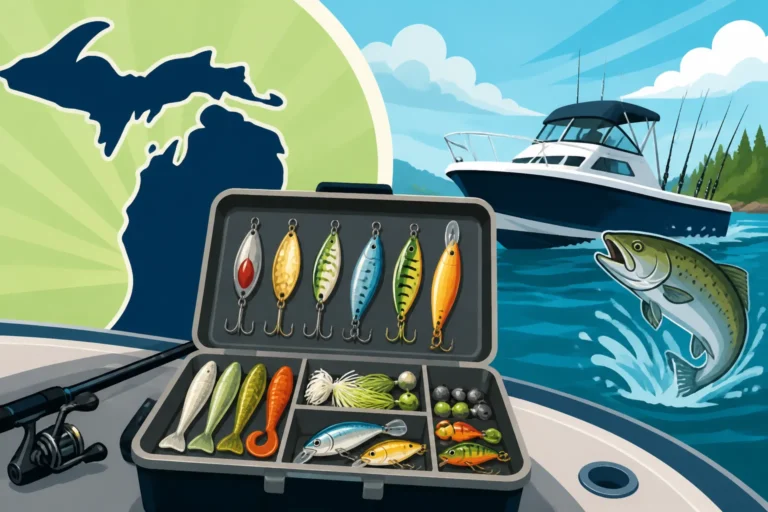
While natural baits are often primary, artificial lures can be incredibly effective, especially for aggressive, actively feeding steelhead or when sight fishing. Spinners, such as the classic Mepps or Roostertail, in sizes #3 to #5, can trigger reaction strikes. Colors like silver, gold, and chartreuse are popular choices. Spoons, like Little Cleos or Krocodiles, also have their place, particularly in deeper, slower pools or for casting to fish holding in current seams. Their wobbling action can be irresistible.
Jigs, especially marabou jigs, are another highly versatile artificial lure. These feathered jigs, often tipped with a piece of natural bait like a waxworm or a specialized plastic trailer, can be drifted under a float or swung through runs. Colors ranging from black, purple, and blue to brighter chartreuse and pink can all be effective. The weight of the jig needs to match the current speed and depth to ensure it gets down to the fish. Having a selection of sizes and colors on hand will allow you to quickly adapt to changing conditions and fish preferences. Many of these effective lures can be easily found and purchased from online retailers like Amazon.
Fly Fishing Essentials for Michigan Steelhead
For the dedicated fly angler, steelhead fishing requires its own specialized arsenal. A 7 to 9-weight fly rod, typically 9 to 10 feet long, is a good starting point, providing the backbone to cast heavy flies and fight powerful fish. You'll need a reliable large-arbor fly reel with a smooth drag and enough backing to handle long runs. Weight-forward floating lines are standard for indicator nymphing or dry-line techniques, while sink-tip or full-sinking lines are essential for swinging streamers in deeper, faster water.
The range of flies for Michigan steelhead is extensive. For nymphing under an indicator, egg patterns (Glo Bugs, Nuke Eggs), stonefly nymphs (Prince Nymphs, Rubber Legs), and Caddis larva patterns are productive. When swinging flies, classic steelhead patterns like the Intruder, Spey flies, or various stringers in black, purple, blue, or chartreuse are popular. Having a variety of weighted and unweighted flies, in different sizes and colors, will allow you to present your offering effectively regardless of the conditions. Mastering Fly Fishing Techniques for Michigan Steelhead involves a deep understanding of these various fly types and how to present them.
Wading Gear and Safety: Staying Dry and Secure on the River
Michigan rivers, especially during the steelhead runs, are often cold, swift, and can have unpredictable footing. Your wading gear is your personal protection against the elements, and safety should always be a top priority.
Waders and Wading Boots: Your River Armor
High-quality waders are non-negotiable for Michigan steelhead fishing. You'll want durable, breathable chest waders, ideally made from a material like Gore-Tex or similar multi-layer fabrics, to keep you dry and comfortable. Neoprene waders can offer more warmth in colder conditions, but are less breathable. Look for waders with reinforced knees and seat, as these areas take the most abuse. The fit is crucial: too tight and they restrict movement; too loose and they can be a hazard in strong currents. Many anglers will tell you that paying a bit more for a reputable brand is worth it in the long run.
Equally important are your wading boots. They need to provide excellent ankle support and superior traction on slippery rocks and gravel. Felt soles are traditional for their grip, but many anglers now prefer rubber soles with studs or cleated options for enhanced grip, especially on slick, algae-covered rocks. Ensure your boots fit snugly over your wader booties to prevent blisters and provide stability. Always try on waders and boots together, ideally with the layers you'd typically wear underneath, to ensure a proper and comfortable fit. If you're wondering What Waders Are Best for the Au Sable River, it's often a balance between durability for rocky bottoms and warmth for cold currents.
Personal Flotation Devices and River Safety
Even if you're an experienced wader, Michigan rivers can be deceptively powerful. A personal flotation device (PFD) or wading belt is a critical safety item. A wading belt, cinched tightly around your waist, can significantly reduce the risk of your waders filling with water if you take a spill, giving you precious seconds to regain your footing or reach shore. For those fishing deeper or faster sections, or from a kayak, a full PFD is highly recommended. Modern PFDs are lightweight and designed to allow for a full range of motion, so there's really no excuse not to wear one.
Beyond a PFD, always consider a wading staff. These collapsible poles provide an extra point of contact with the riverbed, helping you maintain balance and test water depth before taking a step. They are invaluable for navigating strong currents and uneven terrain. Fishing with a buddy is also a smart safety practice, especially in remote areas or during adverse weather conditions. Always let someone know where you're going and when you expect to return. Being prepared for unexpected slips or falls can make all the difference in a dangerous situation.
Essential Accessories and Tools: Don't Leave Home Without Them
A successful steelhead trip isn't just about the primary gear; it's also about the countless small accessories and tools that make your day on the water more efficient, comfortable, and ultimately, more enjoyable.
Nets, Pliers, and Other Handy Tools
Once you've hooked that Michigan chrome, you'll need a reliable way to land it. A sturdy, long-handled landing net with a rubberized, knotless mesh is essential. The rubberized mesh protects the fish's delicate slime coat, which is crucial if you plan on catch-and-release, and it also prevents hooks from tangling. The long handle is particularly useful when wading, allowing you to reach out and net a fish without having to scramble for stability. Many anglers opt for a net with a magnetic release or a lanyard to keep it secure and easily accessible on their back. Knowing how to use a Best Net for Landing Steelhead efficiently is a skill in itself.
Beyond the net, a few small tools will prove invaluable. Forceps or needle-nose pliers are critical for safely removing hooks, especially if the fish has swallowed the bait or the hook is deeply embedded. Line clippers or a small pair of scissors are a must for trimming tag ends and cutting line. A hook sharpener can rescue a dull hook, and a small multi-tool always comes in handy for unexpected repairs. You'll find a vast selection of these practical tools from brands available on platforms like Amazon, offering convenience and choice for every angler.
Keeping Warm and Dry: Layering and Outerwear
Michigan weather is notoriously fickle, and a comfortable angler is a more focused angler. Dressing in layers is the golden rule. Start with a moisture-wicking base layer (synthetics or merino wool) to pull sweat away from your skin. Add an insulating mid-layer, like a fleece or down jacket, for warmth. Over this, a waterproof and windproof wading jacket is essential. Look for one with good hood adjustment, sealed seams, and waterproof cuffs to keep rain and spray out. Even on clear days, a waterproof jacket can protect you from wind chill and unexpected splashes.
Don't forget warm headwear, such as a beanie or a cap, and gloves. Many anglers prefer fingerless gloves or convertible mittens that allow for dexterity while still providing warmth. Warm, moisture-wicking socks (again, wool or synthetics) are also critical to keeping your feet comfortable inside your waders. Having extra layers in your vehicle is always a good idea; a sudden change in weather can quickly turn a pleasant day into a miserable one if you're not prepared.
Navigation and Communication Devices
While the romance of being "lost in nature" is appealing, staying safe and connected is paramount. A fully charged cell phone in a waterproof case is a basic necessity for communication in emergencies. However, cellular service can be spotty or nonexistent in many remote Michigan river stretches. Consider a dedicated GPS device or a reliable mapping app on your phone to navigate trails and river access points. Knowing your exact location can be crucial if you need to direct emergency services.
For longer trips or very remote areas, a satellite messenger or personal locator beacon (PLB) can provide peace of mind, allowing you to send messages or an SOS signal even when out of cell range. Beyond emergencies, these devices can help you mark productive fishing spots or interesting river features for future trips. Always carry a physical map and compass as a backup, and know how to use them, especially if you plan to explore less-traveled areas.
Transporting Your Gear: Getting to the Water's Edge
You've got all this great gear, but how do you get it from your home to the river and keep it organized and protected? Proper transport and storage are key to extending the life of your equipment and making your trips smoother.
Rod Cases and Tackle Boxes
Your rods are delicate and often expensive pieces of equipment, so protecting them during transport is vital. A sturdy rod case, whether a rigid tube or a padded soft case, will prevent bends, breaks, and scratches. Many cases are designed to hold multiple rods, which is convenient if you're bringing a couple of different setups for varying techniques. For fly rods, a separate rod and reel case is often preferred to keep the reel attached and protected.
Tackle boxes and bags come in a vast array of sizes and styles. For wading, a small, lightweight tackle box or a sling pack/vest that holds your essential lures, weights, leaders, and tools is ideal. This allows for easy access without having to return to shore. For longer trips or if you're fishing from a boat, larger tackle bags with multiple compartments and utility boxes will help keep your vast assortment of lures, terminal tackle, and accessories organized. Look for waterproof or water-resistant options to protect your gear from the elements.
Kayaks and Small Boats for River Access
For anglers looking to explore more water or access spots unreachable by wading, a kayak or small drift boat can be an invaluable asset. Kayaks, particularly sit-on-top fishing models, offer stability and maneuverability for navigating rivers. They allow you to cover more ground, access prime runs, and carry more gear than you could while wading. When choosing a fishing kayak, consider stability, storage capacity, and whether you prefer pedal drive or paddle power. Remember that if you use any vessel propelled by motor or sail, or that is more than 16 feet long, it might need to be registered in Michigan.
Drift boats, while a larger investment, offer a superior platform for multiple anglers and provide excellent control for navigating currents. They allow for comfortable fishing while floating through prime steelhead habitat. Regardless of your chosen watercraft, always adhere to Michigan boating laws, including carrying required safety equipment like PFDs, sound-producing devices, and navigation lights if operating after dark. Proper anchoring systems for rivers are also crucial to safely hold your position in current.
| Gear Category | Key Considerations | Why It Matters for Steelhead |
|---|---|---|
| Rods | Length (9-13 ft), Power (Med-Light/Med), Action (Mod/Fast) | Control drifts, absorb runs, sensitive bite detection, leverage |
| Reels | Smooth Drag, Gear Ratio (Spinning 2500-4000), Durability | Handle powerful runs, quick line retrieval, stand up to abuse |
| Main Line | Mono/Fluoro/Braid (8-12lb test), Visibility, Stretch | Strength for fight, stealth, sensitivity, abrasion resistance |
| Leader/Tippet | Fluorocarbon (6-10lb), Length, Strength, Visibility | Near invisibility, abrasion resistance, natural presentation |
| Hooks | Sharp, Strong, Size (#6-#10 egg hooks, octopus) | Penetrate tough mouths, secure hooksets, proper bait presentation |
| Weights | Split shot, Pencil Lead, Slinkies | Get bait to strike zone, adapt to current, minimize snags |
| Baits/Lures | Spawn bags, Beads, Jigs, Spinners, Spoons, Flies | Match conditions, trigger strikes, adapt to fish mood |
| Waders | Breathable Chest Waders, Reinforced, Good Fit | Stay dry, comfortable, protected in cold water |
| Wading Boots | Ankle Support, Traction (felt/studded rubber) | Stability on slippery riverbeds, prevent injury |
| PFD/Wading Belt | Properly fitted, easily accessible | Personal safety in strong currents, prevent wader fill |
| Net | Long handle, Rubberized/Knotless Mesh | Safe landing, fish protection (C&R), easy access |
| Tools | Forceps/Pliers, Line Clippers, Hook Sharpener | Safe hook removal, efficient rigging, equipment maintenance |
| Layered Clothing | Moisture-wicking base, Insulation, Waterproof Outerwear | Adapt to changing Michigan weather, stay warm and dry |
Disclaimer
This article is for general informational purposes only and does not constitute professional advice. Laws, prices and regulations vary by location and change over time. Consult a qualified professional for guidance on your specific situation.