What Color Is a Steelhead in the Spring
One of the most thrilling parts of spring fishing in Michigan is the hunt for steelhead, those incredible chrome torpedoes that charge up our rivers. But if you've spent any time on the water, you've probably noticed that not all steelhead look the same. Some are bright silver, almost mirror-like, while others can be much darker, even showing distinct red or pink hues. It can be a bit confusing, leaving you wondering if you're looking at different species or just fish in various stages of their journey. This guide will dive deep into the fascinating world of spring steelhead coloration, explaining why these magnificent fish sport such diverse looks as they make their way up Michigan's famed rivers.
The Dynamic Canvas of Spring Steelhead
Imagine these fish, having spent months, sometimes years, out in the vast, cold expanse of the Great Lakes. They are built for speed and survival in open water, hence their typically sleek, silver appearance. But once the urge to spawn calls them back into the freshwater rivers, their bodies begin to undergo a remarkable transformation, inside and out. It's not just about getting ready to lay eggs or fertilize them; it's a whole shift in their physiological makeup that impacts everything, including their external appearance.
Why Steelhead Change Colors
The primary driver behind steelhead color changes, especially in the spring, is their reproductive cycle. As these anadromous rainbow trout transition from their saltwater (Great Lakes) existence to freshwater spawning grounds, their hormones kick into high gear. This hormonal shift isn't just for developing eggs or milt; it also affects their skin pigmentation. Think of it like a human getting a tan or blush – it’s a natural response to internal changes and external stimuli. They're moving from a dark, deep-water environment to shallower, often clearer rivers, and their bodies adapt.
Beyond the hormones, the stress of the spawning run itself plays a role. These fish are undertaking an arduous journey, battling currents, jumping obstacles, and often going long periods without feeding. This takes a toll, and like any athlete, their appearance can reflect their condition. A vibrant, fresh-run steelhead is a picture of peak physical condition, while a fish that has been in the river for weeks, perhaps already spawned, might show signs of exhaustion and wear. It's a testament to their incredible endurance and resilience.
The Influence of Water Conditions
It’s not just the fish themselves that dictate their color; the environment they’re in has a huge impact on how we perceive them. Water clarity, temperature, and even the amount of sunlight penetrating the water column can all play a role in a steelhead’s visual presentation.
Consider a steelhead fresh out of Lake Michigan, entering a river like the Manistee River Steelhead and Salmon Fishing in Michigan. If the river is running high and stained from spring runoff, that fish might initially appear darker or more muted than it would in crystal-clear water. The dark tannins in many Michigan rivers, particularly those flowing through forested areas like parts of the Au Sable River Trout Fishing in Michigan, can give fish a bronze or olive tint that isn't their natural coloration, but rather a reflection of their surroundings. In clear, shallow water under bright sunlight, those same fish can look incredibly vibrant, almost glowing. Water temperature also influences fish metabolism and health, which can subtly affect their skin and scale condition. Cold, clear water often seems to make fish appear crisper and brighter, while warmer, murkier conditions might dull their sheen.
Common Spring Steelhead Colorations in Michigan
When you're out on a Michigan river in the spring, you'll encounter a spectrum of steelhead appearances. Each one tells a story about where that fish is in its life cycle, how long it's been in the river, and its overall condition. Understanding these variations can help you better appreciate the fish you catch and improve your chances of success.
The Bright "Chrome" Steelhead
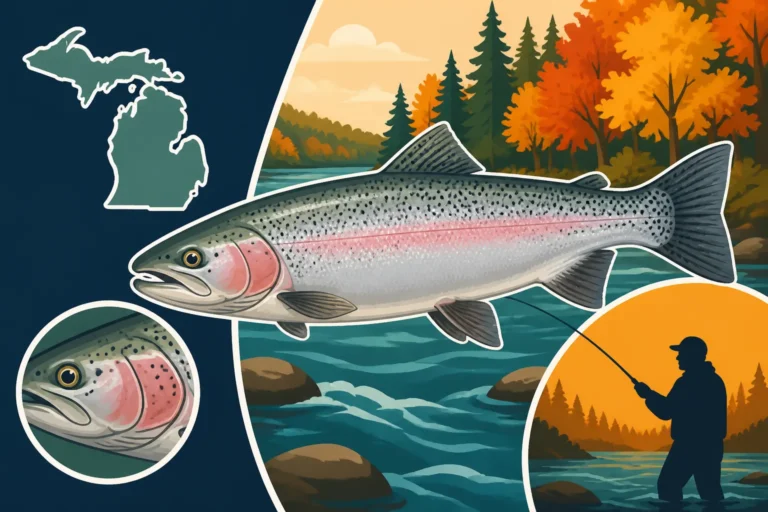
Ah, the "chrome" steelhead – this is often what anglers dream of. These fish are typically fresh from the Great Lakes, having just entered the river system. Their scales are a brilliant, almost mirror-like silver on their sides, fading to a darker, steely blue or green along their backs. They usually have very few, if any, discernible spots below their lateral line, and their fins are often pristine and sharp-edged.
These bright beauties are usually caught early in the spring run or immediately after a fresh push of fish enters the river due to warming temperatures or increased water flow. They are known for their incredible fight, often making acrobatic leaps and powerful runs, a direct reflection of their peak condition after months of fattening up in the lakes. Catching a true chrome steelhead is a memorable experience, and many anglers practice Catch-and-Immediate-Release Rules for Muskellunge (though for muskies, the rule is different) to preserve these magnificent fish, especially those still brimming with eggs.
The Spawning "Blush" Steelhead
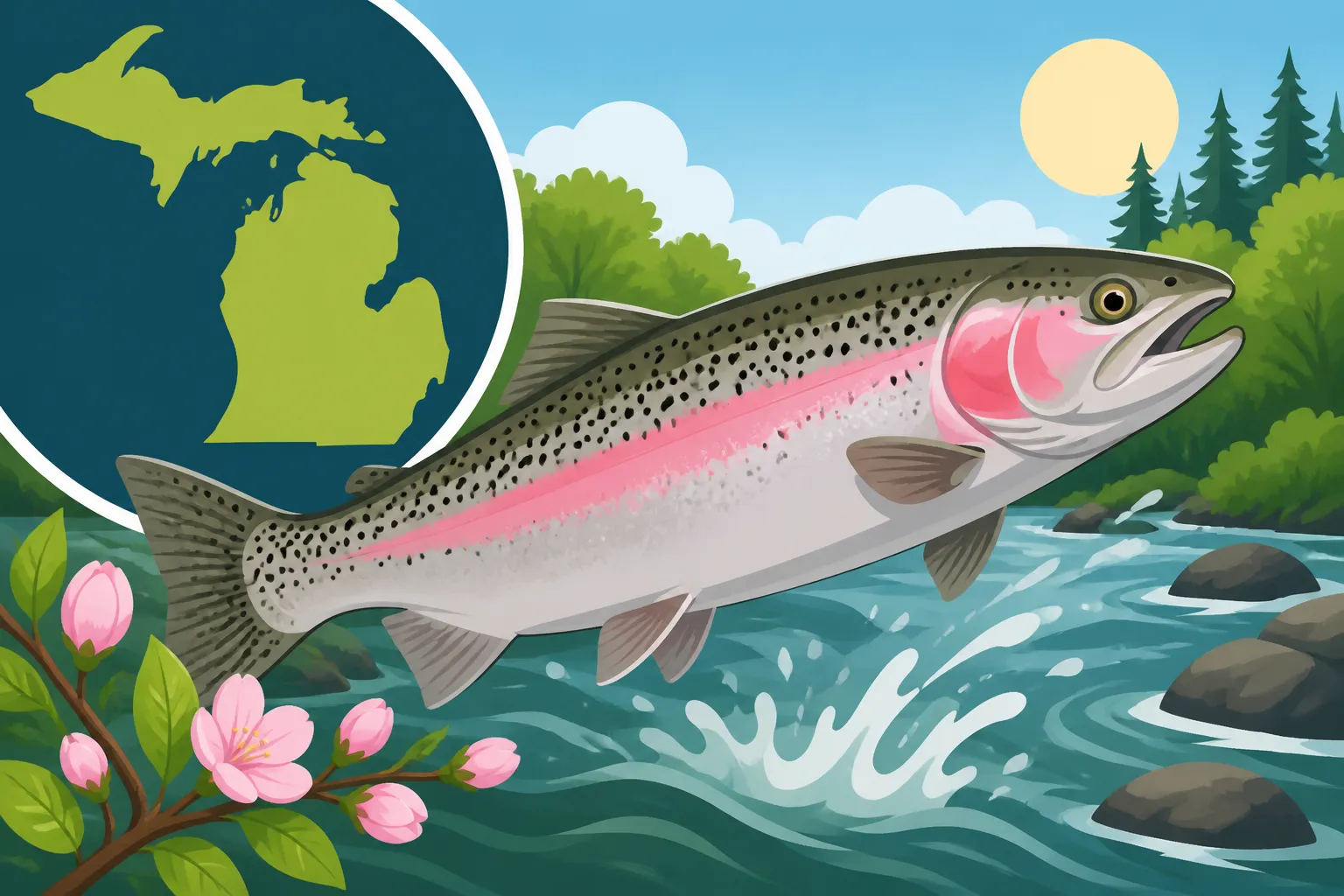
As steelhead progress upriver and get closer to their spawning grounds, their appearance undergoes a noticeable change, especially in males, but females also show some coloration. This is where the term "rainbow" trout really starts to make sense. A distinct pink or reddish band, often quite vibrant, develops along their lateral line, running from their gills to their tail. Their backs can darken further, taking on a deep olive or almost black hue, and their spotting may become more pronounced and defined across their entire body.
This coloration is a clear sign that the fish is actively involved in the spawning process. Male steelhead, particularly, develop a more intense blush and sometimes even a slightly hooked jaw (known as a "kype") as they compete for mates. You'll find these fish often holding over gravel beds, actively trying to spawn or defending a redd. While still powerful, their fight might be slightly less energetic than a fresh chrome fish, as their energy is now dedicated to reproduction. Understanding Michigan Steelhead Run Timing can give you an idea of when you're most likely to encounter these beautifully colored fish.
The "Darker" or "Green" Steelhead
Not all steelhead are bright and shiny, and certainly not all of them display a vivid pink stripe. You'll often encounter fish that appear much darker, almost olive-green or grayish, sometimes with a duller, less reflective sheen to their scales. These darker fish can be a few different things.
Firstly, they might be fish that have been in the river for an extended period. The longer a steelhead stays in freshwater, away from the Great Lakes, the more its silvery scales can darken and take on a more camouflaged look, blending with the riverbed and vegetation. Secondly, these can be "spent" or "post-spawn" fish, also known as "drop-backs" or "kelts." These are steelhead that have already completed their spawning duties and are making their way back downriver to the lake. Their bodies are often thinner, and their colors are muted, reflecting the immense energy expenditure of spawning. While they might not be as aesthetically pleasing as a chrome fish, they are still important components of the ecosystem, and often need careful handling for a successful return to the lake. You might even find some smaller, darker steelhead that have opted to remain in the river year-round, never fully embracing the anadromous lifestyle.
Factors Influencing Steelhead Appearance Beyond Spawning
While the spawning cycle is the primary driver for steelhead coloration in the spring, there are other environmental and biological elements that can subtly influence their look. It's not just a simple progression; it's a complex interplay.
River System and Water Clarity
Michigan is blessed with an incredible diversity of rivers, each with its own unique characteristics. Some rivers, like the Pere Marquette, are known for their clearer, colder waters, often revealing the fish's true colors more readily. Other rivers, particularly those that flow through heavily forested areas or agricultural lands, can carry more tannins or sediment, which can stain the water.
When steelhead enter these stained waters, their appearance can be affected. They might take on a brassier, darker, or more amber tone, simply reflecting the color of their environment. This isn't a change in their actual skin pigmentation but rather how light interacts with their scales in that particular water. An angler looking into tannin-stained water might perceive a steelhead as having a "green" or "brown" back, even if its true coloration underneath is still a vibrant dark blue. This is why a fish caught in the Manistee River Steelhead and Salmon Fishing in Michigan might look slightly different from one caught in the Two-Hearted River, even if they're at the same stage of their run.
Diet and Habitat
What a steelhead eats and where it chooses to hold in the river can also have a minor, but sometimes noticeable, impact on its overall appearance. Fish that have been feeding heavily on specific types of forage in the Great Lakes, rich in certain pigments, might have slightly different hues. For instance, a diet rich in crustaceans can sometimes impart a subtle pinkish tint to the flesh and, less commonly, to the skin.
Similarly, the specific habitat a steelhead chooses within the river can influence its look. Fish that spend more time holding in deep, shaded pools under logs or undercut banks might appear slightly darker than those frequently exposed to sunlight in shallower runs. This is often a matter of camouflage; fish adapt to blend in with their surroundings to avoid predators like eagles or otters. These aren't drastic changes, but they contribute to the incredible variety you'll see in Michigan steelhead.
Time Spent in Freshwater
The journey from the vastness of the Great Lakes to the intimate confines of a Michigan river is a dramatic one for steelhead. The duration of their stay in freshwater directly correlates with their color transformation.
| Stage of Run | Typical Appearance | Time in Freshwater | Condition | Where Found |
|---|---|---|---|---|
| Fresh Run | Brilliant chrome silver, dark blue/green back, minimal spots | Days to a few weeks | Peak physical condition, very strong | Lower to mid-river sections, after lake entry |
| Pre-Spawn/Spawning | Pink/red lateral band, darker back, pronounced spots | Weeks to a month+ | High energy for spawning, still strong | Mid to upper river, near gravel beds |
| Post-Spawn (Kelt) | Dull, muted colors (often dark/greenish), thinner body | Weeks post-spawning | Exhausted, recovering, vulnerable | Heading downriver, often in deeper, slower water |
| Resident (Rare) | Darker, more trout-like camouflage, more distinct spots | Months to year-round | Adapted to river life, highly elusive | Upper river sections, coldwater tributaries |
When a steelhead first enters the river, it retains its brilliant chrome from the lake. Over weeks, as it moves upstream, its body begins to darken, and the characteristic pink stripe starts to emerge and intensify. If the fish successfully spawns and survives, it then becomes a "kelt" or "drop-back." These fish are typically duller in color, often dark grey or olive, and appear more emaciated due to the incredible energy expended during spawning. They are slowly making their way back to the Great Lakes to recuperate, and hopefully, return to spawn another year. Anglers need to handle these spent fish with extreme care to give them the best chance of survival. Finding the right gear, like durable waders and a good quality landing net, can be crucial when dealing with these vulnerable fish, and Amazon offers a wide selection of suitable options.
Why Understanding Steelhead Color Matters to Anglers
Knowing the different color phases of steelhead isn't just an interesting biological fact; it can genuinely impact your fishing strategy, from how you approach a fish to the gear you choose. It's another layer of understanding that deepens your connection to the sport.
Identifying a Fresh Run vs. Spent Fish
For many anglers, particularly those focused on sport and the thrill of the fight, identifying a fresh-run chrome steelhead is a priority. These fish are at their strongest and most acrobatic. Conversely, recognizing a dark, thin, post-spawn kelt is vital for responsible angling. While a kelt can still be a fun catch, they are often exhausted and vulnerable. Many conservation-minded anglers will handle kelts with extra care, minimizing their time out of the water and ensuring a quick, safe release to aid their recovery and return to the lake. This practice supports the overall health of the steelhead population in Michigan rivers. Knowing the difference helps anglers make informed decisions about whether to target a specific fish or move on, respecting the fish's biological needs.
Lure and Bait Selection
While there's no hard-and-fast rule that says a bright fish will only hit bright lures, or a dark fish prefers dark baits, understanding steelhead coloration can subtly influence your choices. Some anglers believe that fresh-run chrome steelhead, being aggressive and less "river-savvy," might be more prone to striking flashy, attention-grabbing spoons or beads. As they transition to spawning mode and their colors deepen, more natural egg patterns, spawn bags (read about Bead Fishing for Trout and Salmon), or subtle jigs might become more effective.
For example, if you're targeting fish actively on redds, an orange or pink bead representing an egg could be irresistible. If you’re fishing a murky river where fish appear darker, some anglers might experiment with brighter, contrasting colors to stand out, while others might lean into natural, muted tones that mimic local forage. When stocking your tackle box, you can find a huge array of different colored beads, jigs, and spoons on Amazon to match various conditions and steelhead stages.
Health and Vigor Assessment
A steelhead's coloration can be a direct indicator of its health and vigor. A vibrant, chrome fish is a testament to a healthy Great Lakes environment and a successful journey upstream. These fish are generally in peak condition, full of fight, and an absolute joy to encounter. On the other hand, a dark, emaciated kelt signals a fish that has given its all to the spawning process. Their dull colors and often scarred appearance tell a story of survival and endurance.
Understanding this allows anglers to gauge the overall health of the run. A river consistently producing bright, robust fish is a good sign, while a prevalence of sickly-looking, dark kelts early in the season might suggest environmental stressors or a difficult run. Responsible anglers contribute to the ongoing health of the fishery by handling all fish with care, but especially those showing signs of being spent. Checking the Michigan Fishing Regulations Every Angler Should Know before you head out also helps ensure you're compliant with any specific rules for different fish or seasons.
In conclusion, the spring steelhead in Michigan rivers are a truly magnificent species, displaying a fascinating array of colors that tell a rich story of their journey and purpose. From the dazzling chrome of a fresh arrival to the blushing hues of a spawning warrior and the muted tones of a returning kelt, each coloration offers insights into these incredible fish. By understanding these subtle shifts, we not only become better anglers but also more respectful stewards of Michigan's precious fisheries. Don't forget to visit Amazon for all your steelhead fishing essentials, from specialized rods and reels perfect for Michigan rivers, to a variety of lures designed to tempt these incredible fish.
Disclaimer
This article is for general informational purposes only and does not constitute professional advice. Laws, prices and regulations vary by location and change over time. Consult a qualified professional for guidance on your specific situation.