What Fish Live in Lake St. Clair
When you hear about Lake St. Clair, often dubbed the "Sixth Great Lake," it's usually accompanied by tales of incredible fishing opportunities. But for many, especially those planning their first trip or just starting to explore its vastness, the sheer diversity of fish can be a bit overwhelming. You might be wondering, what exactly lives in those clear, bountiful waters? This comprehensive guide will pull back the curtain on the aquatic life of Lake St. Clair, helping you understand the thriving fishery and the incredible species that call it home, making your next angling adventure much more informed and exciting.
Lake St. Clair: A Freshwater Fishery Unlike Any Other
Lake St. Clair isn't just a lake; it's a vital part of the Great Lakes system, acting as a crucial connecting waterway between Lake Huron and Lake Erie. Its unique characteristics, like its relatively shallow depth and vast surface area, create an incredibly fertile environment that supports a staggering array of fish species. This isn't just a place where fish exist; it's a place where they thrive, growing to impressive sizes and offering some of the best angling experiences in the Midwest.
The Dynamics of a Productive Lake Ecosystem
One of the biggest reasons Lake St. Clair is such a fishing powerhouse lies in its geology and hydrology. Unlike the deep, cold waters of the true Great Lakes, St. Clair is quite shallow, averaging around 11 feet deep. This means sunlight penetrates effectively throughout the water column, fueling a rich growth of aquatic vegetation. This vegetation, in turn, provides perfect habitat for insect larvae, small baitfish, and countless other organisms that form the base of the food chain. The constant flow of water from Lake Huron through the St. Clair River also brings in fresh nutrients and oxygen, keeping the ecosystem vibrant and dynamic. It’s a natural nursery and feeding ground, making it an absolute magnet for fish of all sizes and species. This vibrant ecosystem is a huge reason why the lake can sustain such incredible fishing pressure year after year, offering consistent action for dedicated anglers.
Why Anglers Flock to Lake St. Clair's Waters
It's no secret that Lake St. Clair draws anglers from all over the globe, and for good reason. The combination of easy access, diverse species, and the potential for trophy-sized catches makes it a prime destination. From early spring, when the ice just begins to recede, right through the heat of summer and into the brisk fall, there's almost always something biting. Whether you're casting from shore at a local park, drifting in a small boat, or venturing out in a fully equipped cruiser, the opportunities are endless. The lake's reputation for world-class smallmouth bass and muskellunge is well-deserved, but these are far from the only stars of the show. Many anglers also appreciate the chance to catch a variety of species in a single outing, adding an element of surprise and excitement to every trip.
Key Game Fish Species in Lake St. Clair
Lake St. Clair boasts an impressive roster of game fish, each offering a unique challenge and rewarding experience. These are the species that often draw the most attention, making headlines and inspiring countless fishing tales. Understanding their habits and habitats is key to a successful outing on these bountiful waters.
Walleye: The Golden Opportunity
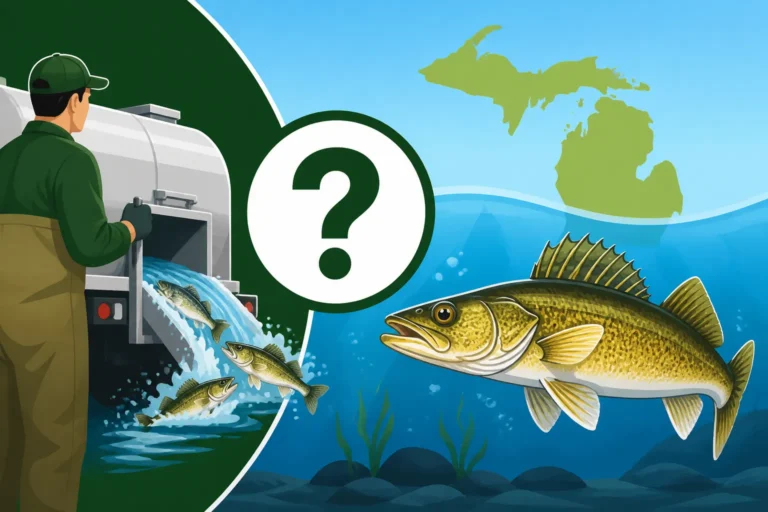
Walleye are one of Michigan's most sought-after game fish, and Lake St. Clair, especially its connection to the Detroit River and Lake Erie, is a prime location for them. These nocturnal predators thrive in the fertile, somewhat turbid waters that characterize parts of the lake. Anglers often target them by trolling crankbaits or by jigging with live bait, especially during the spring and fall migrations. The sheer numbers of walleye moving through this system can be astounding, leading to some truly memorable days on the water. While they may not be as abundant within the shallower, weedier sections of the main lake itself, the connecting waters provide a fantastic staging and feeding ground. Walleye Fishing in Michigan covers many techniques used by local experts.
When you hook into a walleye, you'll immediately appreciate their firm, flaky, white meat, which makes them one of the most delicious freshwater fish to bring home. Many families make a tradition of a spring walleye run, filling their coolers and freezers. You can find specialized walleye rigs and lures, including popular colors like chartreuse and orange, readily available on platforms like Amazon, making it easy to gear up for your next trip. It's truly a golden opportunity for any angler, regardless of their experience level, to enjoy consistent action and bring home a fantastic meal.
Smallmouth Bass: Bronze Back Brawlers
If there's one fish that truly defines Lake St. Clair's reputation, it's the smallmouth bass. These powerful, acrobatic fish grow to impressive sizes here, with 4-5 pounders being common and true giants tipping the scales even heavier. Lake St. Clair's vast flats, littered with rock piles, scattered weeds, and clear water pockets, create the perfect ambush points for these bronze-backed brawlers. They put up an incredible fight, often leaping clear out of the water, making them a favorite target for both baitcasters and fly anglers. Lake St. Clair Smallmouth Bass Fishing is an entire world unto itself.
Fishing for smallmouth on Lake St. Clair is often a sight-fishing game, where anglers cruise the shallows looking for dark spots or movement near structure. Tube baits, drop shots, jerkbaits, and topwater lures are all incredibly effective, depending on the season and conditions. The sheer abundance of smallmouth means that even on a challenging day, you're likely to get some action. It's a truly exhilarating experience to feel the solid strike of a St. Clair smallmouth and then watch it put on an aerial show as you reel it in. Be sure to check out local guides and fishing reports before heading out to maximize your chances of finding these incredible fish.
Muskellunge: The Fish of 10,000 Casts
The muskellunge, or "muskie," is the apex predator of Lake St. Clair, a fish of legend that inspires both awe and obsession. While often called the "fish of 10,000 casts" due to their notoriously challenging nature, Lake St. Clair is an exception to that rule, offering some of the best muskie fishing anywhere. These massive, toothy fish regularly exceed 40 inches, with 50-inch giants not uncommon. They patrol the extensive weed beds and deeper edges, ambushing unsuspecting prey with incredible speed and power. Lake St. Clair Muskellunge Fishing is a dream for many.
Targeting muskie requires specialized heavy tackle and a lot of dedication. Anglers typically cast large bucktails, crankbaits, or topwater lures, often spending entire days making hundreds of casts. Trolling oversized plugs is also a popular and effective method. While catching one is never guaranteed, the thrill of a muskie strike is unforgettable. It's a true test of patience and skill, but the reward of landing one of these freshwater titans makes every cast worth it. You can find robust muskie rods and reels, along with an array of monster lures, on Amazon, preparing you for the hunt. Always be ready for a powerful fight and handle these magnificent fish with care for a healthy release. Remember that Michigan Muskellunge Harvest Reporting Rules are crucial for any successful catch.
Other Notable Species and Panfish in Lake St. Clair
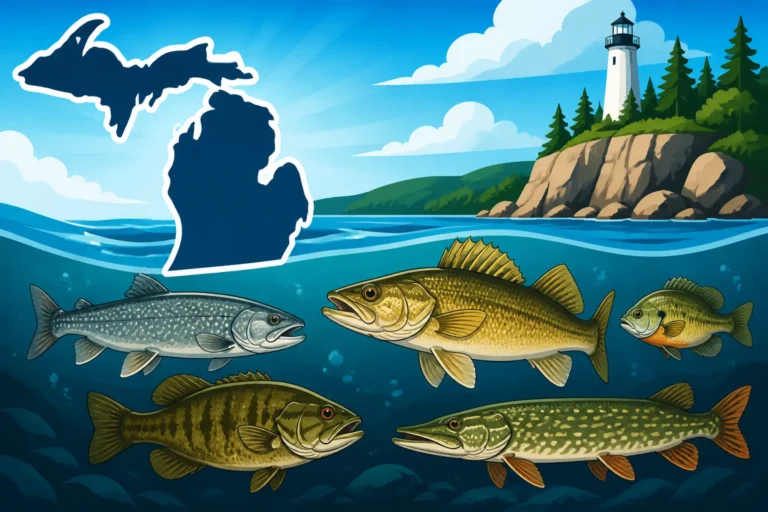
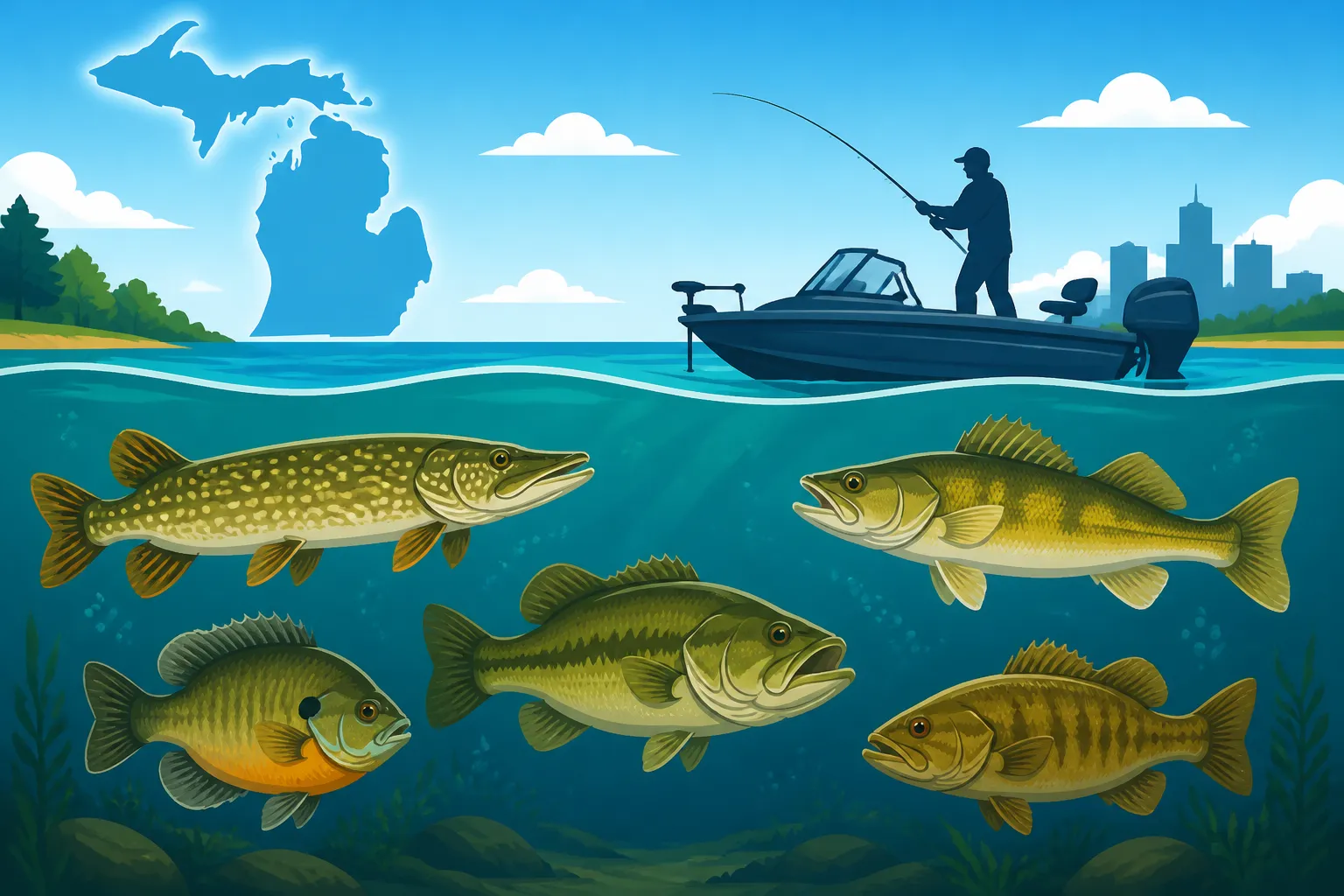
While walleye, smallmouth bass, and muskellunge might steal the headlines, Lake St. Clair is also home to a fantastic variety of other sport fish and abundant panfish, offering something for every angler. These species provide excellent action, especially for families or those looking for a less intense fishing experience.
Yellow Perch: Delicious and Abundant
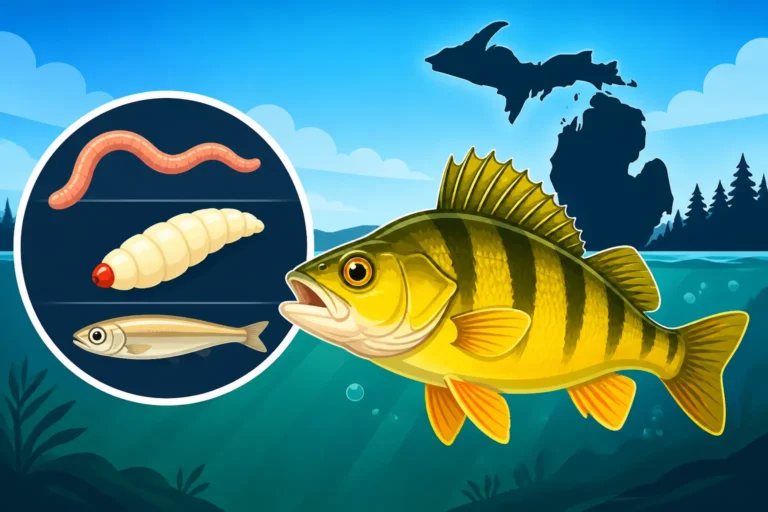
Yellow perch are a staple of Lake St. Clair, offering fantastic fishing opportunities year-round, including during the ice fishing season. These schooling fish are incredibly popular due to their delicious, sweet white meat. They thrive in the lake's abundant weed beds and deeper flats, feeding on insect larvae, small crustaceans, and baitfish. Michigan Yellow Perch Limit on Lake St. Clair helps ensure sustainable fishing for these tasty treats.
Perch fishing is generally a more relaxed affair, often involving drifting with minnows or worms on small hooks, or jigging with tiny spoons and tear drops. It’s a perfect activity for kids or beginner anglers, as the action can be fast and furious once you locate a school. They're also a favorite target for ice anglers, who often set up shanties over known perch haunts. The St. Clair River, in particular, offers excellent perch fishing. For an in-depth look, consider St. Clair River and Detroit River Perch Fishing. Whether you're filling a cooler for a fish fry or simply enjoying the consistent bites, yellow perch are a highlight of Lake St. Clair's fishery.
Northern Pike: Aggressive Predators
Northern pike are another significant predator in Lake St. Clair's ecosystem, often found lurking in the same weed beds and shallow cover as muskellunge, though generally preferring slightly cooler water. These long, slender fish are known for their aggressive strikes and powerful, toothy mouths. While not typically targeted with the same dedication as muskie or smallmouth, they are a welcome bonus catch for many anglers. They will readily hit spoons, spinnerbaits, and large minnows, putting up a spirited fight.
Pike can be caught by casting into weed pockets or trolling the edges of submerged vegetation. Their predatory nature means they're often willing to chase down a lure, providing exciting strikes. Be sure to use a wire leader when targeting pike, as their sharp teeth can easily cut through monofilament or fluorocarbon lines. They can grow to respectable sizes in Lake St. Clair, and while some anglers find them a bit bony, their aggressive nature makes them a fun catch.
Catfish, Crappie, and Other Panfish
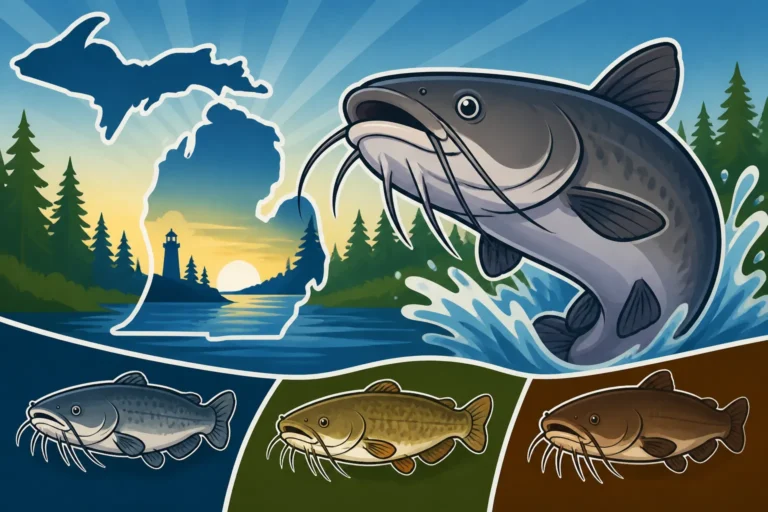
Beyond the stars of the show, Lake St. Clair supports a healthy population of other species that contribute to its diverse fishery. Channel catfish are abundant, especially in the deeper, muddier areas and the connecting rivers. They offer a unique fight and are fantastic table fare, particularly when targeted at night with smelly baits. Various panfish species, including bluegill and crappie, also thrive in the lake's rich aquatic vegetation. Crappie, in particular, can be found in large schools around docks, submerged timber, and deep weed lines, offering fantastic light tackle action, especially in spring and fall. These species, while perhaps not as glamorous as a trophy muskie, provide countless hours of enjoyable fishing for those seeking consistent bites and delicious meals.
Here's a quick look at some key species in Lake St. Clair:
| Species | Primary Habitat | Common Lures/Baits | Peak Season | Avg. Size Range (Lake St. Clair) |
|---|---|---|---|---|
| Smallmouth Bass | Shallow flats, rock piles, weed edges | Tubes, drop shots, jerkbaits, topwater | Spring, Summer | 14-22 inches |
| Muskellunge | Extensive weed beds, deeper edges | Large bucktails, crankbaits, oversized plugs | Summer, Fall | 36-55+ inches |
| Walleye | Connecting rivers, deeper flats, open water | Jigging, trolling crankbaits, minnows | Spring, Fall | 18-28 inches |
| Yellow Perch | Weed beds, deeper flats | Minnows, worms, small jigs, spoons | Year-round | 7-12 inches |
| Northern Pike | Weed beds, shallow cover | Spoons, spinnerbaits, large minnows, bucktails | Spring, Fall | 24-36 inches |
| Channel Catfish | Deeper, muddier areas, river channels | Stink baits, cut bait, worms | Summer (night) | 18-30 inches |
| Crappie (Black/White) | Docks, submerged timber, deep weed lines | Small jigs, minnows | Spring, Fall | 8-12 inches |
Understanding the Ecosystem and Conservation in Lake St. Clair
The incredible fishing opportunities on Lake St. Clair don't happen by accident. They are the result of a complex and healthy ecosystem, combined with ongoing conservation efforts. As anglers, understanding and respecting this balance is crucial to ensure that future generations can enjoy the same bountiful waters we do today.
The Importance of Habitat Preservation
Lake St. Clair’s extensive shallow areas, rich weed beds, and diverse bottom structures are the foundation of its productivity. These habitats provide everything from spawning grounds to nurseries for juvenile fish, and abundant feeding areas for adults. Protecting these vital habitats from pollution, development, and invasive species is paramount. For example, zebra and quagga mussels, though invasive, have contributed to the lake's exceptional clarity, which in turn has allowed light to penetrate deeper, fostering more weed growth that benefits species like smallmouth bass and muskie. However, they also alter the food web, so continuous monitoring and management are essential. Organizations and local DNR branches work tirelessly to maintain this delicate balance, ensuring that the lake continues to be a vibrant fishery.
As anglers, we all play a role in this preservation. Practicing catch and release, especially for trophy fish like muskellunge and large bass, helps maintain healthy breeding populations. Being mindful of boat wakes in shallow, vegetated areas, and properly disposing of trash are small actions that make a big difference. Before you head out, it's always wise to review the Michigan Fishing Regulations Every Angler Should Know to understand the specific rules and limits for Lake St. Clair, as they can sometimes differ from other Michigan waters.
Fishing Regulations and Sustainable Practices
Michigan's Department of Natural Resources (DNR) regularly monitors the fish populations in Lake St. Clair and adjusts regulations to ensure sustainability. These regulations, which cover everything from size limits and daily possession limits to seasonal closures and gear restrictions, are put in place for a reason: to protect the fishery. For instance, species like muskellunge often have strict harvest reporting requirements and large minimum size limits to allow these slow-growing fish to reach maturity and spawn multiple times. Similarly, Michigan Yellow Perch Limit on Lake St. Clair helps manage populations of this popular panfish.
It's every angler's responsibility to know and follow these rules. Ignorance is rarely an excuse, and violating regulations can lead to fines and even loss of fishing privileges. Beyond just following the rules, many anglers embrace ethical fishing practices, such as using appropriate tackle to minimize stress on fish, employing proper catch-and-release techniques, and being respectful of other boaters and property owners. By working together and adhering to sustainable practices, we can all contribute to keeping Lake St. Clair a world-class fishing destination for years to come. Checking the Michigan Fishing Season Dates and Rules each year is a smart move for any angler.
Disclaimer
This article is for general informational purposes only and does not constitute professional advice. Laws, prices and regulations vary by location and change over time. Consult a qualified professional for guidance on your specific situation.