Best Bait for Yellow Perch in Michigan
Oh, the elusive yellow perch! If you've spent any time on a Michigan lake, whether it's the vast expanse of Saginaw Bay or a quiet inland gem, you know the frustration of trying to consistently put these delicious little fighters in your cooler. They can be finicky, ignoring everything you throw at them one day and then biting anything that drops near them the next. This guide is all about cutting through that uncertainty, helping you understand what these panfish really want to eat, and arming you with the best bait choices to make your next yellow perch outing a resounding success across the Great Lakes State.
Decoding the Yellow Perch Palate: What Makes Them Bite?
Before we even talk about specific baits, it's really helpful to understand what makes yellow perch tick when it comes to their diet. These aren't just mindless eaters; they're opportunistic predators with distinct feeding habits that inform why certain baits work better than others. Understanding their natural prey and how they hunt can give you a significant advantage, no matter where you're fishing in Michigan.
Natural Prey and Feeding Habits
Yellow perch are primarily bottom feeders and sight feeders, especially in clear water. Their natural diet is incredibly varied, shifting with the seasons and the availability of prey. When you're thinking about the best bait, you're essentially trying to imitate or present something that looks, smells, or moves like their regular meals.
During the warmer months, their diet often includes small invertebrates like insect larvae, crayfish, and snails. They're also quite fond of small baitfish, like minnows, young gobies, and shiners. As the water cools, their metabolism slows down a bit, but they still actively feed, often concentrating on baitfish that are slower and easier to catch. This is why ice fishing for perch can be so productive; they're often congregated and actively looking for an easy meal. They're also schoolers, which means when you find one, you're likely to find many more. This schooling behavior impacts how you present your bait, making jigging and vertical presentations particularly effective. The key is to remember they're usually looking for something relatively small, easy to swallow, and either wiggling enticingly or sitting on the bottom looking vulnerable.
Factors Influencing Bait Choice
Choosing the "best" bait isn't a one-size-fits-all answer; it's a dynamic decision influenced by several factors. The time of year, water temperature, depth, clarity, and even the local forage base can dramatically impact what perch prefer on any given day. What works wonders on a hot summer afternoon might get completely ignored during the deep freeze of winter.
For instance, in the spring and fall, when water temperatures are moderate, perch can be very aggressive, chasing down minnows or hitting vibrant artificials. During the dog days of summer, they might be more lethargic and prefer a subtle presentation of a small worm or grub near the bottom. When ice fishing, the cold water often means they're not going to chase a fast-moving bait, making small jigs tipped with live bait or scented plastics incredibly effective. Clear water conditions often call for more natural-looking baits and lighter lines, while stained water might allow for bolder colors and more scent. It's all about matching the hatch, so to speak, but also considering their current activity level and how they're likely to perceive your offering. Always be prepared to experiment, starting with a known favorite and adjusting as the day progresses.
Tried-and-True Live Baits for Michigan Yellow Perch
When in doubt, go with live bait for yellow perch. There's just something about the natural movement and scent that these fish find irresistible. Many veteran anglers swear by live bait, and for good reason: it’s consistently effective. The key is knowing which live baits to use and how to present them effectively.
Waxy Worms and Larvae
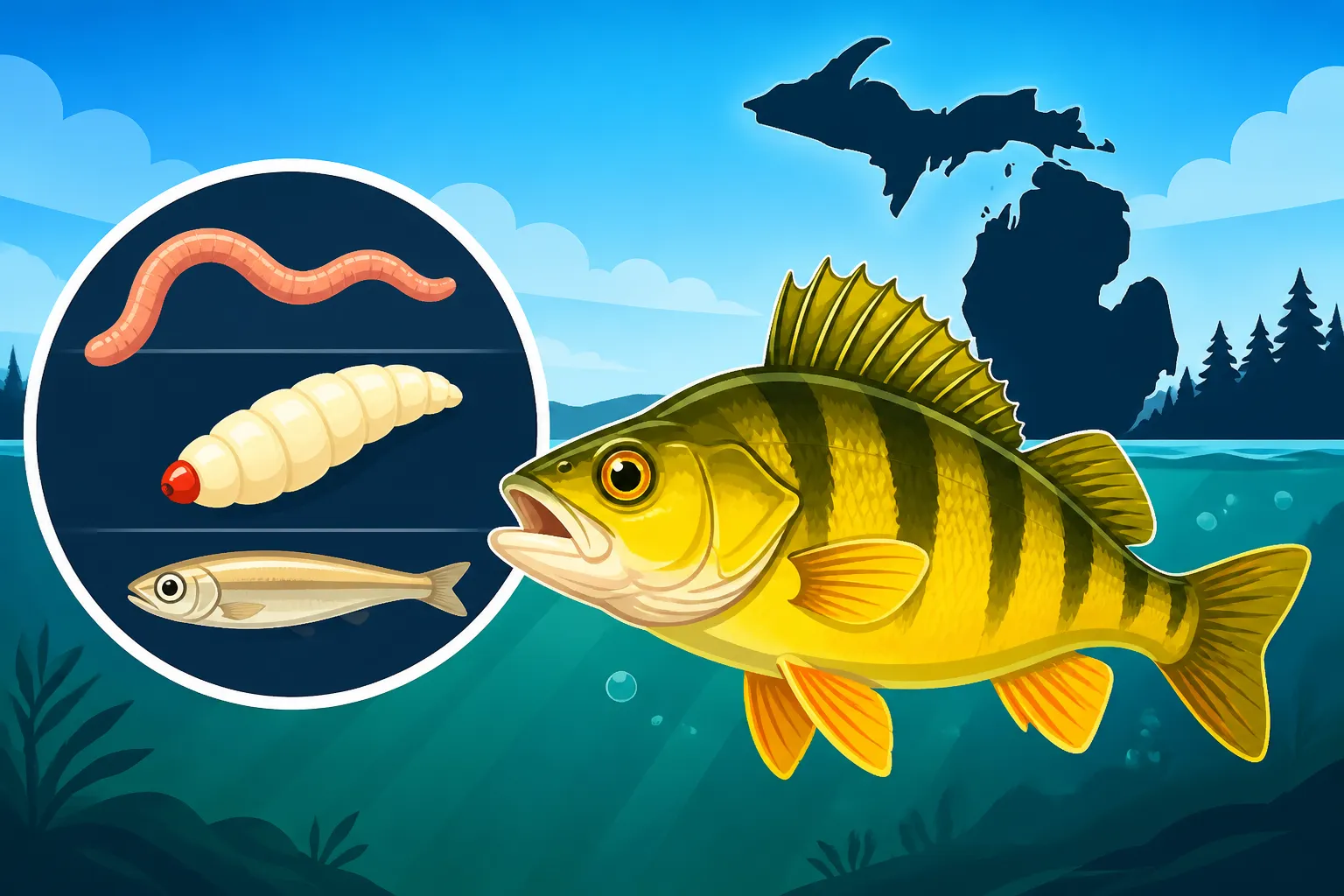
If you're looking for a reliable, all-around live bait, waxy worms (also known as waxworms or bee moth larvae) are absolute perch magnets. These small, plump, creamy-white grubs are packed with scent and provide a perfect bite-sized meal for yellow perch. They're particularly deadly during the ice fishing season but can be effective year-round, especially when presented on small jigs or tear drops.
To rig a waxy worm, simply thread one or two onto a small jig head (1/32 to 1/16 ounce is usually ideal) or a tear drop jig, making sure to leave some of the tail free to wiggle. The subtle movement under the water is enough to attract curious perch, and the natural scent does the rest. You can often find these at any bait shop in Michigan, or order a supply online if you plan ahead. They're easy to keep alive in a cool, dry place and make a fantastic tipping option for adding that extra appeal to your artificial lures. They’re a definite must-have in your tackle box, especially when perch are being finicky.
Minnows and Shiners
For targeting larger perch, or when the fish are particularly aggressive, live minnows are hard to beat. Nothing screams "easy meal" to a predatory yellow perch like a struggling baitfish. Minnows, particularly small ones (1-3 inches), are an excellent choice, especially when fishing deeper water or in situations where perch are actively feeding on baitfish.
You can rig minnows in several ways. For active fishing, hook them lightly through the lips or just behind the dorsal fin with a small hook (size 8 or 10 is common) under a bobber. This allows them to swim naturally, attracting attention. For a more stationary approach, or when fishing on the bottom, a simple split shot rig with a minnow hooked through the back can be incredibly effective. During ice fishing, a small minnow on a plain hook or a jigging spoon can be deadly. The key is to keep them alive and active. Using a good aerated minnow bucket is essential, and you can find various options for these on Amazon to keep your bait lively throughout the day. Remember, the fresher and livelier your minnow, the more enticing it will be to a hungry perch. Michigan Yellow Perch Limit on Lake St. Clair anglers often swear by minnows for their success.
Red Worms and Nightcrawlers
The classic worm isn't just for bluegill and bass; red worms and sections of nightcrawlers are highly effective for yellow perch, especially when they're bottom-feeding. The natural scent and squirming action of a worm can be irresistible, drawing perch in from a distance. These are excellent choices for still fishing or slow retrieves, particularly in lakes with muddy or soft bottoms where perch are accustomed to grubbing for food.
For red worms, you can often use a whole one on a small hook (size 8-12) or even a small jig. Their vibrant color and constant wiggling motion are a big draw. If using nightcrawlers, cut them into smaller, perch-manageable pieces – typically 1 to 2 inches long. A full nightcrawler is usually too big for a perch's mouth. Hook the piece once or twice to allow the ends to dangle and squirm freely. A simple Aberdeen hook or small J-hook with a small split shot weight placed a foot or so above it can be extremely effective. This presentation works well from shore, docks, or boats, and is a fantastic option for introducing kids to perch fishing because it’s so easy to rig and universally appealing.
Artificial Lures That Catch Michigan Yellow Perch
While live bait often holds a special place in a perch angler's heart, artificial lures have come a long way and can be incredibly effective, sometimes even outfishing live bait when the fish are aggressive. Plus, they're convenient; no need to worry about keeping them alive! The trick is to choose the right size, color, and presentation to mimic what perch naturally feed on.
Small Jigs and Soft Plastics
When it comes to artificial lures for yellow perch, small jigs are king. These versatile lures, often weighing between 1/32 and 1/8 ounce, can be tipped with various soft plastics to create an irresistible offering. The combination of a jig's darting action and the soft plastic's lifelike texture and movement is deadly.
Plastic choices include tiny twister tails, minnow imitations, micro grubs, or even small worm segments. Colors matter; natural colors like brown, green pumpkin, or smoke often work well in clear water, while brighter colors like chartreuse, orange, or pink can be great in stained water or during low light conditions. The key is to use a slow, subtle jigging motion. Let the jig fall to the bottom, then gently lift it a few inches, letting it flutter back down. Most bites will occur on the fall. Some anglers add a dab of scent to their soft plastics for extra appeal. You can find an incredible variety of these small jigs and soft plastics online, making it easy to experiment with different patterns and colors to see what the perch prefer on your chosen lake. For more advanced jigging techniques, especially during colder months, check out How to Catch Perch Through the Ice in Michigan.
Small Spoons and Blade Baits
Spoons and blade baits are excellent choices for aggressive perch, especially when you need to cover water or fish deeper sections of a lake. Their flashy, erratic action can trigger reaction strikes from perch that might ignore more subtle presentations. They mimic struggling baitfish, making them perfect for situations where perch are actively hunting.
Spoons, like diminutive Kastmasters, Swedish Pimples, or other flutter spoons, are retrieved with a lift-and-drop motion, causing them to flash and wobble enticingly. They're particularly popular for ice fishing, where you can jig them vertically, but they also work well for open water casting and retrieving. Blade baits, like those from Johnson or other manufacturers, have a tight vibrating action on the retrieve and a tantalizing shimmy on the fall. They are excellent for vertical jigging or casting and can be very effective when perch are schooled up. The vibrations these lures put out can attract fish from a distance, making them great search baits. Always opt for smaller sizes, typically under 2 inches, to ensure they're a suitable meal for perch. Many excellent options are available for purchase on sites like Amazon, allowing you to stock up on different sizes and colors to match varying conditions.
Tiny Crankbaits and Spinners
While less common than jigs or spoons, tiny crankbaits and inline spinners can also entice yellow perch, especially when they are aggressively chasing bait in shallow to moderate depths. These lures are fantastic for covering water quickly and locating active schools. Their constant action and flash can be irresistible to hungry perch.
Small crankbaits, often referred to as "micro cranks," are designed to imitate small baitfish or insects. They dive a few feet and have a tight wobble or a wider swimming action, depending on their design. Work them with a steady retrieve, perhaps with an occasional pause, to mimic a swimming baitfish. Inline spinners, like those from Mepps or Panther Martin, utilize a spinning blade to create flash and vibration as they are retrieved. These are incredibly simple yet effective lures. Cast them out and retrieve steadily, varying your speed until you find what the perch prefer. Both types of lures are excellent for searching out fish along weed edges, rocky points, or other structure where perch might be ambushing prey. Don't be afraid to experiment with different retrieve speeds and depths until you dial into what the perch want on a particular day.
Tips for Maximizing Your Perch Bait Success
Getting the right bait is only half the battle. How you present it, where you present it, and even the scent you use can dramatically impact your catch rate. Yellow perch can be finicky, so paying attention to these details can make a huge difference between a slow day and a banner day on the water.
Presentation and Retrieval Techniques
The best bait in the world won't catch fish if presented incorrectly. Yellow perch are often opportunistic, but they can be spooked by unnatural movements or presentations. For live bait, subtle is often better. If using minnows under a bobber, try to keep the bobber small and sensitive so it doesn't offer too much resistance when a perch bites. For worms or grubs on the bottom, a slow drag or a gentle jig to stir up sediment can mimic natural feeding behavior.
When it comes to artificial lures, pay close attention to the retrieve. With jigs, a slow lift and controlled fall are usually most effective, as perch often strike as the bait descends. With spoons and blade baits, a sharp lift followed by a slack-line fall can mimic a dying baitfish. Small crankbaits and spinners typically do best with a steady retrieve, but don't hesitate to add pauses or twitches. The goal is always to make your bait look as natural and appealing as possible to a hungry perch. Often, it's a very light bite, so using a sensitive rod and watching your line for any twitch or hesitation is key.
Scent and Attractants
While live bait naturally provides scent, artificial lures often benefit from an added boost. Perch rely heavily on their sense of smell, especially in murky water or when they're not actively chasing. Incorporating scent into your artificial lure presentation can dramatically increase your hook-up ratio, turning curious nibblers into committed biters.
Many brands offer liquid or gel attractants that can be applied directly to soft plastics, jigs, or even live bait. Popular scents include garlic, anise, or various "fish formulas" that mimic natural prey. Some soft plastics even come pre-scented. When using scent, reapply it periodically, especially after several casts or if you haven't had a bite in a while. The goal is to leave a scent trail that draws perch in and encourages them to hold onto the bait longer, giving you more time to set the hook. This small addition can make a huge difference, particularly on tough fishing days when the perch are being particularly picky.
Finding the Fish: Location is Key
Even with the perfect bait and presentation, you won't catch perch if they aren't there. Yellow perch are schooling fish, so finding them is often the biggest challenge. Once you locate a school, however, the action can be fast and furious. They tend to relate to structure, drop-offs, weed lines, and sometimes even open-water flats, depending on the season and the lake.
During open water, use your fish finder to locate schools, often marked as dense clusters on the screen, typically near the bottom or suspended over deeper water. Pay attention to changes in depth, submerged humps, weed beds, and areas with baitfish activity. In winter, during ice fishing season, perch often congregate on shallower flats or near transition areas from deep to shallow. Start by drilling a series of holes in different depths and areas until you find an active school. Remember, where there’s one perch, there are likely many more, so once you find them, stick around and work that spot thoroughly. Knowing Michigan's Great Lakes Fishing Guide and Michigan Inland Lakes Worth Fishing can give you great starting points.
| Bait Type | Best Conditions / Target | Pros | Cons |
|---|---|---|---|
| Waxy Worms | All seasons, especially ice fishing | Natural scent, small, active movement | Can be delicate, easily stolen by small fish |
| Live Minnows | Aggressive perch, open water | High visibility, strong natural appeal | Require aeration, less durable |
| Red Worms/Crawlers | Bottom feeding, year-round | Universal appeal, easy to find | Can attract smaller, unwanted fish |
| Small Jigs (tipped) | All seasons, versatile presentations | Mimics natural prey, wide color range | Requires active presentation |
| Small Spoons | Aggressive perch, deeper water | Flashy, visible, triggers reaction strikes | Less effective for lethargic fish |
| Tiny Crankbaits | Searching open water, active perch | Covers water quickly, strong vibration | Can get snagged easily |
Disclaimer
This article is for general informational purposes only and does not constitute professional advice. Laws, prices and regulations vary by location and change over time. Consult a qualified professional for guidance on your specific situation.