Bluegill and Crappie Fishing in Michigan
There’s something truly special about chasing panfish in Michigan. Maybe it’s the simplicity of a bobber dancing on the water, the thrill of a quick bite, or the pure joy of pulling in a platter-sized bluegill or a chunky crappie. Many of us started our angling journeys this way, and even seasoned pros still find immense pleasure in targeting these feisty, delicious fish. But don't let their commonality fool you; consistently catching them in good numbers and size often requires understanding their unique behaviors throughout the seasons and knowing where to find them. This guide will dive deep into everything you need to know about bluegill and crappie fishing across Michigan's diverse waters.
Understanding Michigan's Panfish Powerhouses: Bluegill and Crappie
When we talk about panfish in Michigan, bluegill and crappie are usually the first two species that come to mind, and for good reason! They are incredibly widespread, provide fantastic action, and are a treat on the dinner table. While both are often grouped under the general "panfish" umbrella, they have distinct characteristics and preferences that, once understood, can significantly improve your fishing success.
Bluegill: The Sunfish Staple
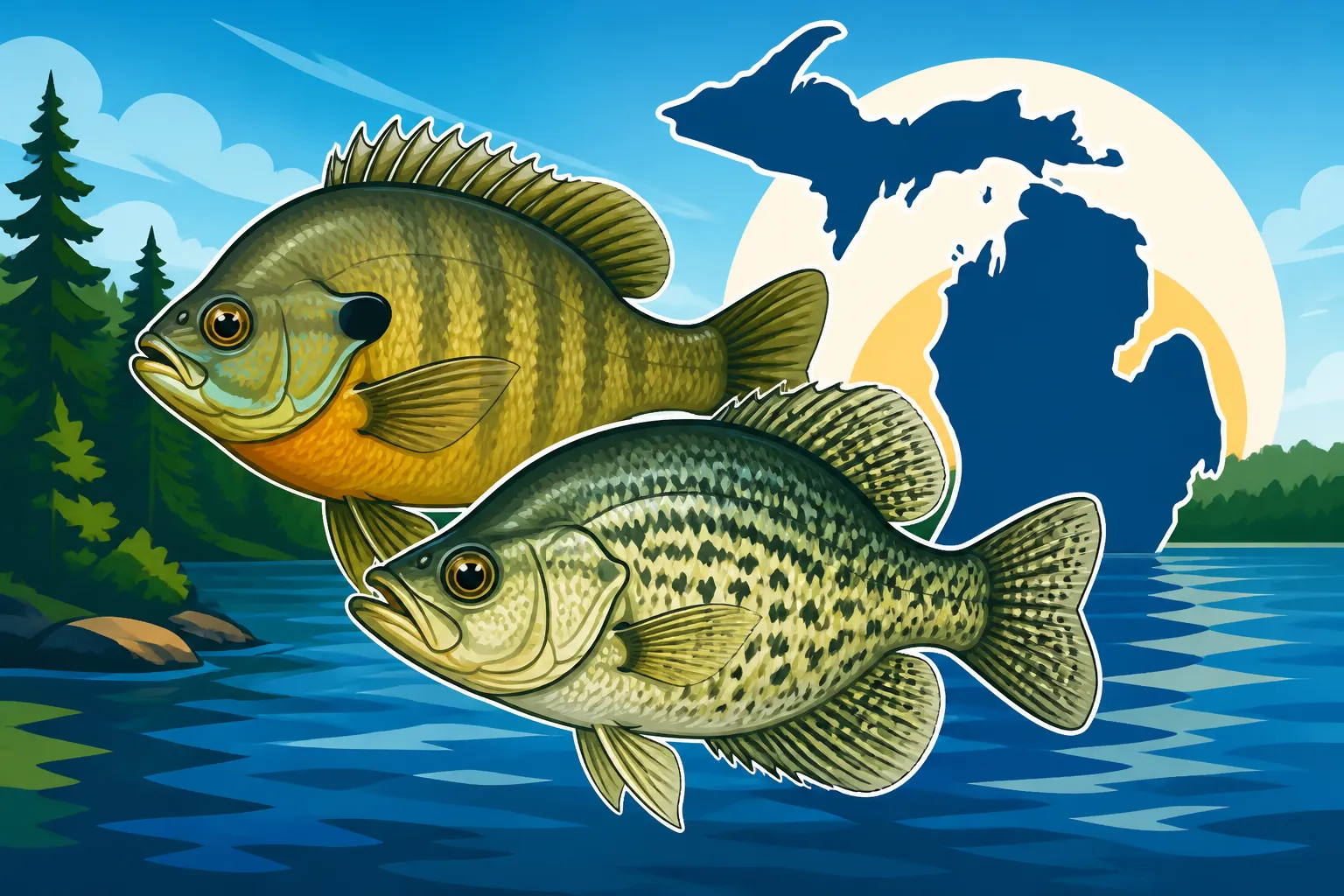
Ah, the humble bluegill – a true Michigan icon! Known for their vibrant colors, small mouths, and aggressive fight for their size, bluegill ( Lepomis macrochirus) are members of the sunfish family. You’ll often find them with a distinctive dark spot on their gill flap (which is where the "gill" in bluegill comes from) and vertical bars on their sides. Their mouths are quite small, which is why tiny hooks and baits are key to consistently hooking them. They are incredibly prolific and can be found in nearly every lake, pond, and slow-moving river throughout the state, making them a fantastic target for anglers of all ages and skill levels.
Bluegill are primarily insectivores, meaning they love to munch on aquatic insects, their larvae, and small invertebrates. This diet preference dictates much of their behavior and makes tiny offerings so effective. They tend to congregate in schools, especially around protective cover, and are often very accessible from shore or small boats. The sheer abundance of bluegill means that even on a slow day for other species, you can usually count on some bluegill action, providing a reliable and enjoyable fishing experience.
Crappie: The Panfish Powerhouse
When anglers talk about "slab" panfish, they're usually referring to crappie. Michigan is home to both black crappie (Pomoxis nigromaculatus) and white crappie (Pomoxis annularis), though black crappie are generally more common in our state's clearer, cooler waters. Crappie are easily distinguished from bluegill by their larger, more compressed bodies, dorsal and anal fins of similar size, and silvery-green coloration with distinct dark spots or irregular bars. Black crappie typically have seven or eight dorsal spines and a more mottled pattern, while white crappie usually have six dorsal spines and more defined vertical bars.
Unlike bluegill, crappie have larger mouths and are more piscivorous, meaning they eat a lot of smaller fish like minnows, in addition to insects and crustaceans. This difference in diet is crucial for choosing the right baits and lures. Crappie also tend to suspend in open water more than bluegill, often schooling around submerged timber, brush piles, or weed lines. Their larger size and often more elusive nature compared to bluegill make catching a limit of crappie a rewarding challenge for many anglers, leading to fantastic fillets for the frying pan.
Shared Habits and Habitat Preferences
Despite their differences, bluegill and crappie share some important commonalities that anglers can exploit. Both species are drawn to structure and cover, especially areas that provide protection from predators and ambush points for their own foraging. This includes weed beds, fallen trees, brush piles, docks, submerged rock piles, and even bridge pilings. Understanding this fundamental preference for cover is perhaps the most critical aspect of locating either species.
Additionally, both bluegill and crappie are schooling fish. Where you find one, you're often likely to find more. This makes them ideal targets for anglers who enjoy steady action, as once you locate a school, you can often catch several fish in a short amount of time. Their schooling behavior also means that a slight change in depth or position can sometimes lead to finding a more active group of fish. Keep an eye on your fish finder or simply observe where the bites are coming from to dial in on the sweet spot.
Where to Find Bluegill and Crappie in Michigan
Michigan is blessed with an incredible abundance of freshwater, offering countless opportunities to chase bluegill and crappie. From vast Great Lakes bays to tiny farm ponds, these adaptable panfish can thrive in diverse environments. Knowing the typical haunts for each species can drastically cut down your search time and put you on fish faster.
Michigan's Inland Lake Havens
If there’s one place you can almost guarantee to find bluegill and crappie, it’s Michigan’s thousands of inland lakes. These lakes, ranging from small, shallow basins to large, deep glacial depressions, provide the perfect mix of habitat. Look for areas with a good amount of aquatic vegetation, such as lily pads, cattails, coontail, and emergent grasses. These weed beds offer food, protection, and spawning grounds for both bluegill and crappie. Bays, coves, and areas with slow-tapering drop-offs are often prime spots. Larger, older lakes with ample woody debris – sunken logs, brush piles, and old docks – are particularly attractive to bigger crappie.
Many popular fishing lakes across the state, from Houghton Lake in the Lower Peninsula to Indian Lake in the Upper Peninsula, are renowned for their panfish populations. Even smaller, unnamed lakes or municipal ponds can hold impressive numbers of bluegill and crappie, especially if they haven't seen heavy fishing pressure. Exploring different parts of these lakes, paying close attention to changes in depth and cover, will eventually lead you to concentrations of fish. Remember that productive spots can shift throughout the season, so don't be afraid to try new areas if your usual honey hole goes quiet. For more about specific locations, check out Michigan Inland Lakes Worth Fishing.
River Backwaters and Tributaries
While lakes might be the first thought, don't overlook Michigan's extensive river systems. Bluegill and crappie often seek out the calmer waters of river backwaters, oxbows, and the slow-moving sections of tributaries, especially during periods of high flow in the main channel. These areas mimic lake environments, offering reduced current, softer bottoms, and abundant vegetation or woody debris where panfish can feed and hide. Access to these spots might require a small boat, canoe, or kayak, but the reward can be excellent fishing away from the crowds often found on larger lakes.
The Grand River, Kalamazoo River, and Saginaw River systems, for example, have numerous backwater ponds and slow-moving channels that hold thriving populations of crappie and bluegill. Target areas where small creeks feed into the river, creating slack water, or deep pockets behind submerged logs. Bridge pilings and docks in these calmer river sections can also be magnets for crappie, especially as water temperatures fluctuate. A little exploration off the main river channel can uncover some truly hidden gems for panfish enthusiasts.
Locating Structure: Docks, Weeds, and Timber
No matter the body of water, structure is king for bluegill and crappie. Both species rely heavily on submerged and emergent features for their survival. Docks, particularly older ones with barnacle growth or attached brush, are perennial hotspots. The shade and cover they provide are irresistible to panfish, offering refuge from predators and overhead sun. Pilings and supports create vertical structure that fish relate to, often holding crappie suspended just off the bottom or midway up.
Weed beds are another crucial element. Not just any weeds, but healthy, diverse stands of aquatic vegetation. Bluegill will often be found right in the densest parts of the weeds, nibbling on insects. Crappie might be on the edges of these beds, waiting to ambush smaller baitfish, or suspended just above them. Don't be afraid to fish directly into and around thick cover, as that's precisely where the biggest fish often hide. Finally, submerged timber – fallen trees, brush piles, or even artificial fish habitats – are absolute magnets for crappie. They love to suspend among the branches, using the cover to their advantage. Fishing a small jig slowly through these submerged structures can be incredibly effective, though it does come with the risk of snags.
Optimal Seasons and Times for Bluegill and Crappie
Understanding the seasonal movements and daily patterns of bluegill and crappie is paramount to consistent success. These fish respond strongly to water temperature and light conditions, dictating when and where they’ll be most active. Matching your fishing efforts to their natural rhythms will lead to more bites and bigger catches.
Spring Spawning Frenzy
Spring is arguably the most anticipated season for panfish anglers in Michigan. As water temperatures begin to rise, typically into the high 50s and low 60s Fahrenheit, bluegill and crappie move into shallower waters to spawn. This is a period of intense activity, making them easier to locate and catch. Bluegill will create circular "beds" in sandy or gravelly bottoms, often in clusters in protected coves or along gradual slopes. They become incredibly aggressive, defending their nests from anything that comes near.
Crappie, on the other hand, will seek out submerged brush, weed edges, or even the roots of lily pads in shallow bays. The pre-spawn and spawn periods for crappie, often starting a bit earlier than bluegill when water temperatures hit the mid-50s, can lead to incredible "slab" crappie catches. During this time, both species are focused on reproduction and feeding heavily. Mornings and evenings, when the sun isn't directly overhead, are often prime times, but given their aggressive nature, they can bite throughout the day. This is an excellent time to target them with small jigs or live bait fished shallow.
Summer's Consistent Action
Once the spawn is over and summer temperatures set in, bluegill and crappie typically move to deeper, cooler water. While you might still find smaller bluegill in shallow weed beds, the bigger fish often retreat to depths of 10-20 feet or more, seeking thermal comfort and abundant food. Look for them along weed lines, deeper drop-offs, submerged humps, and brush piles. They might suspend in the water column over deeper areas, especially crappie.
Early mornings and late evenings are often the most productive times during summer, as fish become more active when the sun is lower and water temperatures are cooler. Mid-day can be slow, especially on bright, sunny days, though fishing deep shade under docks or over dense submerged cover can still yield results. Trolling small jigs or spinners, or vertical jigging over known structure, are effective summer techniques. Anglers often find their biggest challenge in summer is locating the schools once they've spread out into their deeper haunts.
Fall Feeding and Winter Ice Fishing
Fall sees bluegill and crappie returning to shallower depths as water temperatures begin to cool, mirroring their spring movements but often with an added urgency to feed before winter. They’ll concentrate around healthy green weed beds, rock piles, and submerged timber, actively gorging themselves on available forage. This can lead to another fantastic period of aggressive feeding and excellent fishing. As the season progresses and leaves fall, making brush piles and sunken logs more visible (or locatable with electronics), crappie can stack up in impressive numbers.
Winter brings unique opportunities for Michigan anglers, especially for panfish. Michigan Ice Fishing Guide provides a lot of general tips, but for bluegill and crappie specifically, they remain a top target through the ice. Bluegill will often be found in shallower weeds or basin areas (10-20 feet), while crappie tend to suspend over deeper holes (20-40 feet), relating closely to structure like brush piles or even artificial fish cribs. The action can be hot and cold; some days they bite constantly, other days you have to coax them. First and last light, and even night fishing (where permitted) for crappie, can be incredibly productive through the ice. How to Catch Perch Through the Ice in Michigan offers similar strategies that can apply to bluegill and crappie.
Effective Techniques for Catching Bluegill and Crappie
Successfully catching bluegill and crappie doesn't require overly complicated methods, but understanding the nuances of presentation, bait, and lure choice can make a world of difference. The key is often to go small and subtle, matching the natural forage these panfish pursue.
Live Bait Simplicity
For sheer effectiveness and ease of use, live bait is tough to beat for bluegill and crappie. It appeals to their natural feeding instincts with its scent and movement.
- Worms and Larvae: Small pieces of earthworm, redworms, wax worms, and maggots are absolute bluegill magnets. Thread a small piece onto a tiny hook (size 8-12 is ideal) under a bobber, and you're in business. These baits are readily available at most bait shops and are incredibly versatile.
- Minnows: For crappie, especially larger ones, live minnows are often the top choice. Crappie are piscivores, remember, and a struggling minnow is irresistible. Hook a small shiner or fathead minnow through the back or lips on a small jig head or plain hook, suspended under a bobber, or fished straight down with a split shot. This setup allows the minnow to swim naturally, attracting attention. You can find excellent selections of minnow buckets and aerators on Amazon, ensuring your bait stays lively.
When using live bait, the key is to present it naturally. A tiny bobber that offers minimal resistance is crucial so panfish don't feel the drag and spit the bait. Adjust your depth frequently until you find where the fish are holding. Best Bait for Michigan Bluegill and Best Bait for Michigan Crappie delve deeper into specific options.
Artificial Lure Finesse
While live bait is effective, artificial lures offer the advantage of being reusable and often allow for more active fishing. The rule of thumb here is think small.
- Micro Jigs: These are perhaps the most popular and versatile artificial lure for panfish. Tiny jigs (1/64 to 1/16 ounce) tipped with small plastic bodies like twister tails, tube jigs, or small grub tails are incredibly effective. Colors like chartreuse, white, black, and natural browns often produce well. The subtle action of these small plastics, combined with the jig's weight, mimics insects or small minnows. Experiment with different jigging motions – tiny lifts and drops, or just slowly reeling – to find what triggers bites.
- Small Spinners: In-line spinners with small blades (sizes 0-1) are fantastic for covering water and triggering strikes from active fish, particularly bluegill. Mepps and Rooster Tail are classic brands that have proven their worth over generations. Cast them out and retrieve slowly, allowing the blade to spin and flash.
- Miniature Crankbaits: While less common for bluegill, small crankbaits designed for ultra-light tackle can be deadly for crappie, especially when they're feeding on baitfish. These lures imitate small minnows and can be retrieved or trolled to cover open water.
The beauty of artificial lures is the control they give you over presentation and depth. You can work them through brush, along weed lines, or even over open water to find where the fish are hiding. Having a good variety of colors and sizes in your tackle box is always a smart move.
Presentation Matters: Bobbers, Jigs, and Trolling
How you present your bait or lure is just as important as what you’re using. Different situations call for different approaches.
- Bobber Fishing: The classic and often most effective method for panfish, especially for bluegill. A small slip bobber allows you to easily adjust your depth, while a fixed bobber is great for shallower presentations. The key is to use the smallest bobber that will adequately suspend your bait, offering minimal resistance to a biting fish. This is perfect for fishing around docks, weed edges, and brush piles from a stationary position.
- Jigging and Vertical Fishing: For fish holding tight to structure or suspended in open water, vertical jigging can be incredibly productive. Whether you’re fishing from a boat, pier, or through the ice, dropping a small jig or a minnow on a hook directly down to the fish’s depth is highly effective. Use a slow, methodical lift-and-drop retrieve, sometimes just barely quivering the rod tip. This is a primary technique for crappie when they school up in deeper water or around submerged timber.
- Trolling: For covering large areas of water, particularly when targeting scattered crappie in summer, slow trolling with small jigs, spinners, or miniature crankbaits can be very effective. Use a small electric trolling motor to move at a snail's pace, allowing your lure to run at a consistent depth. This technique helps you locate schools of fish that might not be concentrated in one spot.
Varying your presentation, from aggressive jigging to subtle dead-sticking, until you find what the fish prefer on a given day is crucial. Pay attention to how the fish are biting – are they hitting hard, or barely mouthing the bait? This can tell you a lot about their mood and what adjustments you need to make.
Essential Gear for Bluegill and Crappie Anglers
You don't need a boatload of expensive equipment to enjoy bluegill and crappie fishing. In fact, one of the appeals of panfishing is its accessibility. However, having the right light tackle can greatly enhance your experience, making it easier to detect subtle bites and more enjoyable to battle these feisty little fish.
Light Tackle Setups
The foundation of successful panfish angling is a well-matched ultra-light or light tackle setup.
- Rods: An ultra-light or light action spinning rod, typically 5 to 7 feet long, is perfect. The soft tip of an ultra-light rod allows for casting tiny lures and detecting the lightest bites, while the backbone still provides enough power to handle a decent-sized crappie or bluegill. A good quality rod doesn't have to break the bank; many excellent options are available from brands like Ugly Stik or St. Croix, which you can often find on Amazon.
- Reels: Pair your rod with a small spinning reel (size 500 to 1000) spooled with light line. The smaller reel balances well with the light rod and handles the thin diameter lines necessary for panfishing.
- Line: This is where many anglers make a mistake by going too heavy. For bluegill and crappie, 2 to 6 lb test monofilament or fluorocarbon line is ideal. Monofilament is forgiving and floats, making it great for bobber fishing. Fluorocarbon is nearly invisible underwater and has less stretch, offering more sensitivity, which can be advantageous when fishing jigs. Braided line can also be used, especially in slightly heavier tests, with a fluorocarbon leader for sensitivity and stealth. Lighter line allows for better casting distance with tiny lures and is less visible to finicky fish.
Having a balanced setup means you'll feel every twitch and tap, and the fight of even a modest panfish will be exciting. Don't underestimate the impact of properly balanced gear on your fishing enjoyment.
Bait and Lure Essentials
Beyond your rod and reel, a few key items will ensure you’re prepared for whatever the panfish are biting on.
- Hooks: A selection of small, sharp hooks is critical. Sizes 8, 10, and 12 are perfect for bluegill, while sizes 6 and 8 are good for crappie, especially when using minnows. Aberdeen hooks are popular for their thin wire, which bends out easily from snags, and their long shank, which makes baiting worms easier.
- Jigs: As discussed earlier, micro jigs are indispensable. Stock up on a variety of weights (1/64, 1/32, 1/16 oz) and colors. Pair them with tiny plastic bodies – twister tails, straight-tail grubs, or tube jigs – in various shades. It's wise to have a selection of both bright, aggressive colors and more natural, subtle tones.
- Bobbers: Both fixed and slip bobbers will serve you well. Choose small, sensitive models that offer minimal resistance to a biting fish. Rocket bobbers can be great for casting lighter baits further.
- Sinkers/Split Shot: A small assortment of split shot weights is essential for adding casting weight or getting your bait down to depth quickly. Use the smallest weight necessary to achieve your desired presentation.
- Tackle Box/Bag: A compact tackle box or soft-sided bag to keep your small hooks, jigs, and accessories organized is a must. You can find many affordable and practical options on Amazon. Essential Gear for Michigan Steelhead Fishing also covers general tackle box organization, which can be adapted for panfish.
Don't forget essentials like a small pair of needle-nose pliers for hook removal, a stringer or cooler for keeping your catch fresh, and a valid Michigan Fishing License Guide for Residents and Nonresidents.
Ice Fishing Specifics
When the lakes freeze over, your gear needs a few adjustments to tackle bluegill and crappie through the ice.
- Ice Rods: Ultra-light ice fishing rods, typically 24-36 inches long, are designed for the unique challenges of ice fishing. They have sensitive tips for detecting light bites and enough power to hoist fish out of a hole.
- Ice Reels: Small spinning reels are still the go-to, but some anglers prefer specific ice reels that are designed to prevent line twist in cold weather.
- Auger: A good ice auger, whether hand, power, or electric, is crucial for cutting holes in the ice. A 6-inch auger is perfect for panfish, but an 8-inch can be more versatile if you also target larger species.
- Shelter: A portable ice fishing shelter provides warmth and comfort on cold days, greatly extending your time on the ice.
- Electronics: A flasher or fish finder is a game-changer for ice fishing panfish. It allows you to see your lure, detect fish approaching, and understand their depth, allowing for real-time adjustments.
- Jigging Spoons and Small Raps: In addition to micro jigs, tiny jigging spoons (1/16 to 1/8 oz) and small horizontal jigs like Rapala ice jigs are highly effective for tempting bluegill and crappie through the ice. Tip them with a wax worm or minnow head for added attraction.
Ice fishing for panfish can be incredibly rewarding, offering a unique angling experience. Just remember to prioritize safety on the ice!
Regulations and Conservation for Michigan Panfish
Michigan’s bluegill and crappie populations are robust, but responsible angling and adherence to regulations are crucial to keeping them that way. Understanding the rules and practicing good conservation habits ensures that future generations can enjoy the same fantastic panfish opportunities we do today.
Michigan's Panfish Limits
While bluegill and crappie are common, Michigan does have specific regulations to manage their populations. Generally, the statewide daily possession limit for bluegill, sunfish, and crappie is 25 in combination. However, it is absolutely vital to consult the current Michigan Fishing Regulations Every Angler Should Know digest, as there can be specific lake- or river-specific regulations that differ from the general statewide rules. Some lakes might have reduced daily limits, or even special size limits for panfish to promote the growth of larger fish.
Always check the regulations for the specific body of water you plan to fish before heading out. Ignorance of the law is no excuse, and violating limits or size restrictions can result in fines and other penalties. The Michigan Department of Natural Resources (DNR) updates its regulations annually, so make it a habit to review the digest each spring. This helps ensure sustainable fishing for everyone.
Practicing Catch and Release for Quality
While bluegill and crappie are excellent table fare, thoughtful catch-and-release practices can contribute significantly to the health and quality of local populations, especially for larger fish. Many anglers choose to keep only what they plan to eat, releasing the rest. For crappie, in particular, releasing the largest "slab" fish allows them to continue growing and spawning, contributing their genetics to the fishery.
When practicing catch and release, handle fish gently. Minimize their time out of the water, use wet hands to protect their slime coat, and remove hooks carefully. Barbless hooks can make hook removal much easier and reduce harm. If a fish is deeply hooked, it's often best to cut the line as close to the hook as possible rather than attempting to rip the hook out. The hook will often rust away over time. By consciously deciding which fish to keep and which to release, anglers play an active role in maintaining Michigan’s vibrant panfish fisheries.
Understanding Ecosystem Impact
Every fish we catch, every bait we use, and every action we take on the water has an impact on the broader ecosystem. Introducing invasive species through live bait that isn't native to a specific water body, or leaving trash behind, can have detrimental effects. For instance, using bait from one lake in another can inadvertently transfer diseases or unwanted organisms.
Always dispose of unused live bait properly – never dump it into the water body you are fishing. Clean your boats, trailers, and fishing gear thoroughly between trips to different lakes to prevent the spread of aquatic invasive species. By being mindful of our environmental footprint, we contribute to the overall health of Michigan's aquatic ecosystems, ensuring that bluegill and crappie, along with all other fish species, continue to thrive for years to come.
Disclaimer
This article is for general informational purposes only and does not constitute professional advice. Laws, prices and regulations vary by location and change over time. Consult a qualified professional for guidance on your specific situation.