Torch Lake Fishing in Northern Michigan
Oh, Torch Lake! Just saying the name conjures up images of dazzling blue waters, deep drop-offs, and some truly magnificent fish. But let's be real, its beauty can be intimidating when you're trying to figure out where to cast a line. It’s not your average pond; its immense size and crystal-clear depths pose unique challenges that can leave even seasoned anglers scratching their heads. This guide is here to demystify Torch Lake, offering you an insider's look at its prime fishing spots, the species that call it home, and the best strategies to make your next trip a roaring success.
Unveiling the Enigma of Torch Lake Fishing
Torch Lake isn't just another body of water in Northern Michigan; it's a geological marvel, often lauded for its stunning turquoise hue reminiscent of Caribbean waters. But beneath that beautiful surface lies a complex and often challenging fishery that demands respect and a well-thought-out approach. Many anglers, myself included, have spent countless hours just marveling at its clarity before even thinking about dropping a line.
The Azure Depths and Shifting Sands
What truly sets Torch Lake apart is its incredible depth and unparalleled water clarity. It's the second-largest inland lake in Michigan by surface area, stretching over 19 miles long, and boasts depths exceeding 300 feet in some areas, making it Michigan's deepest inland lake. This extreme clarity, while gorgeous to look at, means fish can be exceptionally wary of boats and shadows from above. You're not going to sneak up on them easily here. The lakebed varies dramatically, from vast, sandy flats to rocky shoals and dramatic underwater drop-offs that plunge into the abyss. These structural changes are critical for locating fish, as different species prefer different habitats. Understanding the thermocline – the layer where water temperature changes rapidly – is also vital, especially during the warmer months, as it acts like an invisible floor for many cold-water species.
Species Diversity and Their Preferred Haunts
Despite its intimidating characteristics, Torch Lake is teeming with a diverse array of fish, each with its own niche within this expansive system. Anglers often dream of landing a trophy smallmouth bass, a powerful lake trout, or a hard-fighting northern pike. Beyond these popular species, you'll also find healthy populations of cisco (sometimes called lake herring), which are a crucial forage base for the larger predators, along with yellow perch and even a few splake, which are a hybrid trout stocked in some Michigan waters. The crystal-clear water truly allows you to appreciate the vibrant colors of these fish once you bring them to the surface. It's a fantastic ecosystem, and understanding what's available helps tailor your approach.
Key Fish Species to Target in Torch Lake
Knowing what fish lurk beneath the surface is only half the battle; knowing how to consistently catch them is the true art. On Torch Lake, success often hinges on adapting your tactics to the specific behaviors and preferred habitats of its most sought-after residents.
Smallmouth Bass: The Shallow Water Brawlers
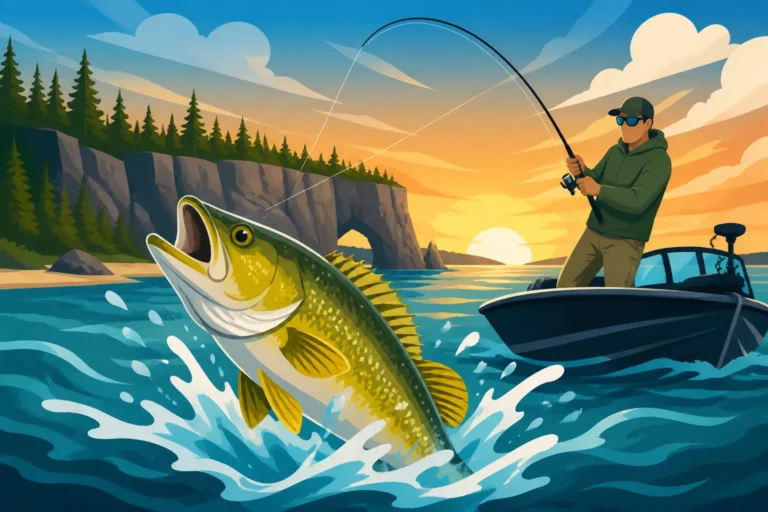
Torch Lake's rocky points, shallow reefs, and expansive sandy flats dotted with submerged structure are prime real estate for smallmouth bass. These bronze beauties are known for their incredible fighting prowess, making them a favorite target for many anglers. In the spring, as water temperatures rise, smallmouth will move into shallower, sun-warmed areas, often around points and bays, to spawn. This is a fantastic time for sight fishing if the conditions are right, using small jigs, tubes, or finesse worms. During the summer, they can be found deeper, often suspending over rocky humps or along the first major drop-offs, feeding on crayfish and cisco. Casting crankbaits, jerkbaits, or even vertical jigging with drop-shots become highly effective. For the best chance at a trophy, focus on areas with broken rock and transition lines where the sandy bottom meets structure. Their powerful runs and aerial acrobatics are a true joy to experience on light tackle.
Lake Trout and Cisco: The Deepwater Denizens
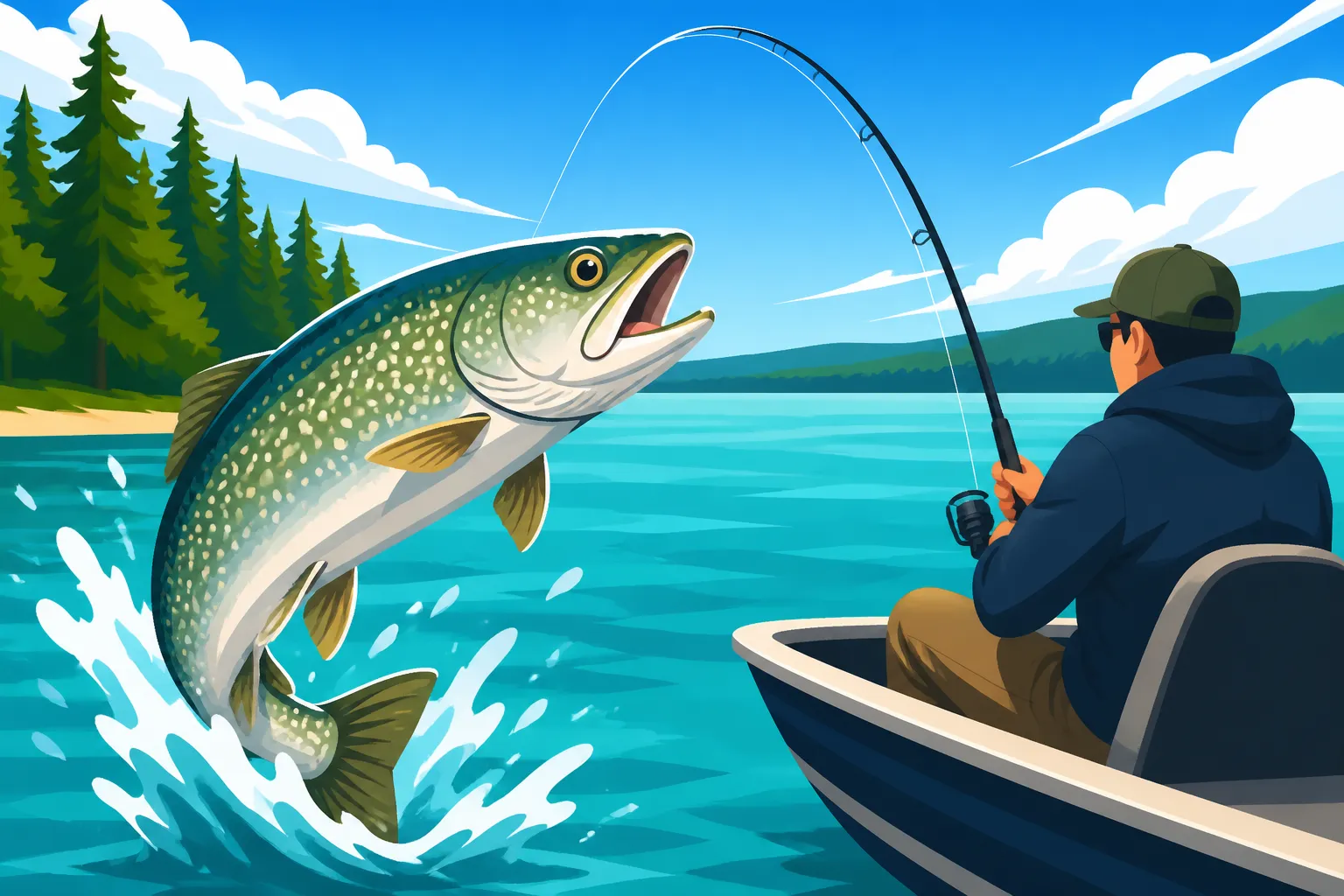
If you're after serious depth and a powerful pull, Torch Lake's lake trout are your quarry. These cold-water predators thrive in the deep, oxygen-rich waters of the lake, often holding near the bottom in the deepest sections or suspending over structure along deep breaks. Lake trout primarily feed on cisco, which themselves are pelagic (open-water) fish that roam the depths. Trolling is undoubtedly the most effective method for targeting lake trout and cisco. You'll need specialized gear, including downriggers, lead core line, or even planer boards to get your baits down to the depths where these fish reside. Large spoons, flashers with flies, or diving crankbaits are popular choices. Think about targeting depths from 80 to over 200 feet, especially in summer. Using your fish finder to mark schools of baitfish or individual arcs of large fish is absolutely crucial for success when fishing this deep. You can spend a lot of time just mapping the contours of the lake bottom. Many anglers utilize services like FishingBooker to find experienced charter captains who specialize in deepwater trolling on Torch Lake, ensuring they have the right equipment and local knowledge to put them on these elusive fish.
Northern Pike and Perch: Nearshore Opportunities
While smallmouth and lake trout get a lot of the spotlight, Torch Lake also offers excellent opportunities for northern pike and yellow perch, especially for those who prefer to fish closer to shore or in shallower waters. Pike are ambush predators that love to hide in weed beds, around submerged logs, and along sharp drop-offs. Look for them in the shallower, vegetated bays and along the edges of points where they can dart out to strike unsuspecting baitfish. Large spoons, spinnerbaits, and even topwater lures can be incredibly effective for pike, especially during low-light conditions or on overcast days.
Yellow perch, on the other hand, are often found in schools over sandy flats or along the edges of weed beds. They provide excellent angling fun and make for delicious table fare. Simple techniques like still fishing with live minnows or worms under a bobber work wonders, as does jigging small spoons or soft plastics. Focus on depths from 10 to 30 feet, particularly near points or where there's some subtle structure. While they might not offer the same thrilling fight as a lake trout, a cooler full of fresh perch is a fantastic reward for a day on the water.
Seasonal Strategies for Torch Lake Success
Torch Lake transforms with the seasons, and so too must your fishing strategy. What works in the spring might be completely ineffective in the heat of summer or the chill of autumn. Being adaptable is key to consistent success.
Spring's Awakening: Pre-Spawn and Early Feeding Frenzy
As the ice recedes and water temperatures slowly begin to climb into the 40s and 50s Fahrenheit, Torch Lake truly awakens. This is a prime time for smallmouth bass, which begin to stage in shallower, rocky areas as they prepare for their spawning ritual. Look for them in bays and protected coves that warm up faster. Crankbaits, jerkbaits, and slow-rolled spinnerbaits are excellent for enticing these pre-spawn bruisers. Pike also become very active in the spring, often found cruising the shallow weed lines and sun-drenched flats where they can ambush baitfish. Casting larger spoons or spinnerbaits into these areas can yield explosive strikes. Remember that "Michigan Fishing Regulations Every Angler Should Know" typically stipulate specific seasons for certain species, so always check the latest Michigan DNR guide to ensure you're compliant, especially during these sensitive spawning periods.
Summer's Bounty: Deepwater Dominance and Recreational Challenges
Summer on Torch Lake is breathtaking, but the influx of recreational boaters and the thermocline's formation significantly change fishing dynamics. The water becomes highly stratified, with warm water on top and cold, oxygenated water below. This pushes cold-water species like lake trout and cisco into the deeper sections, often below the thermocline. Trolling with downriggers becomes the go-to method for these fish, as discussed earlier. Early mornings and late evenings are also excellent for smallmouth bass, which will move into slightly shallower rocky areas to feed before retreating to deeper water during the midday sun. Topwater lures can provide exciting action during these low-light periods. Despite the boat traffic, the lake is vast enough to find quieter corners, particularly if you venture out during weekdays.
Autumn's Farewell: Fall Feeding Frenzy and Cooling Waters
As summer fades and the leaves begin to turn, Torch Lake experiences another incredible fishing period. The cooling water temperatures signal a feeding frenzy for many species as they pack on weight for the upcoming winter. Smallmouth bass become incredibly aggressive, often schooling up in larger numbers on offshore humps and rocky points, feeding heavily on cisco. Vertical jigging with tubes, drop-shot rigs, or casting blade baits can be highly productive. Lake trout continue their deepwater patterns, but might be found slightly shallower than in mid-summer as the thermocline starts to break down. Pike fishing can also be exceptional, as they gorge themselves in preparation for colder months. This is often when you'll find bigger, more aggressive fish willing to strike a variety of lures. The reduced boat traffic also makes for a more peaceful angling experience.
Winter's Icy Grip: Ice Fishing Opportunities
When winter truly settles in, Torch Lake freezes over, offering a unique ice fishing experience. However, due to its immense size, depth, and potential currents (especially near river inlets and outlets), Torch Lake ice can be notoriously unpredictable and dangerous. Always exercise extreme caution and check local ice conditions rigorously before venturing out. Once safe ice is established, anglers can target yellow perch, northern pike, and even lake trout through the ice. Small jigging spoons tipped with minnows or wax worms are effective for perch. For pike, tip-ups with large shiners or suckers fished near weed lines are the ticket. Targeting lake trout through the ice requires specific knowledge of deepwater structure and strong, durable gear, often involving heavy jigging spoons or larger soft plastics. It’s an adventure, but one that requires extra diligence for safety.
Essential Gear and Techniques for Torch Lake
Having the right tools for the job is paramount when tackling a lake as diverse and challenging as Torch Lake. Your gear needs to match the species you're pursuing and the conditions you're fishing in.
Rods, Reels, and Line Choices
For smallmouth bass, a medium-light to medium-power spinning rod, typically 6'6" to 7' in length, paired with a 2500 or 3000 series spinning reel spooled with 8-10 pound braided line and a fluorocarbon leader (6-8 pound test) is ideal. This setup provides the sensitivity for finesse presentations and the backbone to handle their powerful runs. When chasing lake trout in the deep, heavy-action trolling rods are a must. These are often 8-10 feet long, paired with large line-counter reels spooled with heavy monofilament or braided line, typically 20-30 pound test, for handling downriggers and heavy weights. For northern pike, a medium-heavy casting or spinning rod with 12-20 pound monofilament or braided line is appropriate to handle their sharp teeth and strong initial strikes. Choosing the right line is critical; fluorocarbon is often preferred for its invisibility and abrasion resistance in clear water, while braid offers incredible sensitivity and strength. You can learn more about specific types of equipment in our guide to Best Rods and Reels for Michigan Fishing.
Baits and Lures That Get Bites
The clarity of Torch Lake often means fish are particular about their presentations. For smallmouth, natural colors in soft plastics (greens, browns, watermelon) are very effective, especially on drop-shot rigs, tubes, and Ned rigs. Small crankbaits and jerkbaits in natural baitfish patterns also shine. When targeting lake trout, large metallic spoons (like the Dreamweaver Super Slim or Stingray spoons) in silver, blue, or green are perennial favorites. Flashers and dodgers ahead of a fly or spoon can also draw attention. For pike, bright, flashy spinnerbaits, spoons (like a Daredevil), and large swimbaits are excellent choices. Live bait, such as minnows or worms, can be irresistible for perch and sometimes bass and pike too. Don't be afraid to experiment with different sizes and colors, as fish preferences can change throughout the day.
Mastering the Depths: Electronics and Boat Control
On a lake as deep and vast as Torch Lake, modern electronics are less of a luxury and more of a necessity. A quality fish finder with GPS capabilities will be your best friend. Side imaging and down imaging technologies can help you pinpoint subtle changes in bottom structure, locate schools of baitfish, and even mark individual fish arcs in the deepest water. Understanding how to interpret these screens is a game-changer. Beyond finding fish, precise boat control is crucial, especially for trolling deep for lake trout or meticulously working a rocky point for smallmouth. A reliable electric trolling motor with GPS anchoring features (like those from Minn Kota or Lowrance) allows you to hold your position accurately, even in wind and waves, or follow contour lines with incredible precision. This level of control can be the difference between a frustrating day and a phenomenal one.
Navigating Access and Planning Your Trip
Torch Lake's grandeur means that getting on the water and making the most of your time requires a bit of planning. From public launches to professional guidance, there are options for every angler.
Public Access Points and Launches
Torch Lake offers several public access points and boat launches, primarily managed by local municipalities or the Michigan Department of Natural Resources (DNR). Popular launches include William K. Gooding Park in Alden, which provides excellent access to the southern end of the lake, and the boat launch at the northern end near Eastport. You'll also find smaller access points and marinas around the lake's perimeter. It's always wise to arrive early, especially during peak summer weekends, as these ramps can get busy. Be mindful of parking regulations and launch fees, which are common at public sites. For detailed information on specific locations and amenities, a quick search for "Torch Lake boat launches" will give you up-to-date details. If you're planning a trip and need to know about fees or specific rules, you can often find information in the yearly "Michigan Fishing Regulations Digest PDF for 2026" published by the DNR.
Chartering a Guide and Local Resources
For those new to Torch Lake, or even seasoned anglers looking to learn the ropes from a local expert, hiring a fishing guide can be an invaluable investment. Local guides possess an intimate knowledge of the lake's complex structure, seasonal patterns, and current hot spots. They come equipped with all the necessary gear, often including high-end electronics and specialized trolling setups for lake trout, and can teach you the nuances of fishing this unique body of water. Websites like FishingBooker are excellent resources for finding and booking reputable Torch Lake fishing charters. You can read reviews, compare prices, and connect directly with captains who specialize in the species you want to target. This is especially helpful if you're visiting and don't have all the heavy-duty gear required for deepwater trolling. They'll also ensure you're compliant with all the Michigan Fishing License Guide for Residents and Nonresidents regulations.
Respecting the Environment and Regulations
Fishing on Torch Lake, like any natural resource, comes with the responsibility of conservation and respect for the environment. Always adhere to Michigan's fishing regulations, including bag and size limits for specific species. These rules are designed to protect fish populations for future generations of anglers. Practice catch-and-release, especially for larger breeding fish, whenever possible, using proper handling techniques to minimize stress on the fish. Dispose of all trash responsibly, and be mindful of invasive species. Clean your boat and gear thoroughly before moving between different bodies of water to prevent the spread of harmful organisms. Remember, we're all stewards of these incredible waters, and our actions today ensure healthy fisheries tomorrow.
Here's a quick overview of what you might target on Torch Lake:
| Target Species | Best Season(s) | Recommended Depths | Key Techniques |
|---|---|---|---|
| Smallmouth Bass | Spring, Summer, Fall | 5-40 feet | Jigs, Tubes, Crankbaits, Drop-shots |
| Lake Trout | All Year (open water) | 80-200+ feet | Deep Trolling (Downriggers, Lead Core) |
| Northern Pike | Spring, Summer, Fall | 5-25 feet (weed lines) | Spoons, Spinnerbaits, Large Swimbaits |
| Yellow Perch | All Year (open water & ice) | 10-30 feet | Live Bait (Minnows, Worms), Small Jigs |
| Cisco (Lake Herring) | Summer (as forage) | 50-150 feet | Deep Trolling (Smaller Spoons, Flies) |
Navigating Michigan's Fishing License Requirements
Before you even think about casting a line into the beautiful waters of Torch Lake, or any Michigan water for that matter, you need to make sure you're properly licensed. It's a fundamental part of responsible angling and ensures that crucial funds are available for conservation efforts. The rules can sometimes feel a bit like a maze, especially for those new to the state or just visiting, but understanding them is straightforward.
Who Needs a Michigan Fishing License?
In Michigan, anyone 17 years of age or older needs a valid fishing license to fish. This applies whether you're a resident or a nonresident. If you're a young angler under 17, you're in luck – you can fish for free! This is fantastic news for families looking to introduce their kids to the joys of fishing. However, even if your child doesn't need a license, it's always a good idea for an accompanying adult to be familiar with all the Michigan Fishing Regulations Every Angler Should Know to ensure everyone is following the rules.
Resident vs. Nonresident Licensing
The cost of a Michigan fishing license differs depending on whether you are a resident of Michigan or not. Typically, residents enjoy a lower fee structure, which is common in many states as a benefit to taxpayers who help fund the state's natural resources. For instance, a Michigan Resident Annual Fishing License Cost is usually less than a Michigan Nonresident Annual Fishing License Cost. The definition of a "resident" is clearly outlined by the Michigan DNR, generally requiring you to have lived in Michigan for at least six consecutive months. It’s important to truthfully declare your residency status, as misrepresenting it can lead to fines and penalties.
Types of Licenses Available
Michigan offers a variety of license types to fit different needs, from a full year of angling to just a quick trip. The most popular option is the annual license, which is valid from March 1st through March 31st of the following year, regardless of when you purchase it. So, if you buy it in August, it’s still good until next March. For those planning a shorter visit to Torch Lake, a 24-hour fishing license is available, which can be a cost-effective option for a weekend warrior or a quick day trip. There are also specific licenses for certain activities, like an all-species license. Always consider how long you plan to fish and what species you're targeting when choosing your license. You can easily purchase these licenses online through the Michigan DNR website or their convenient Michigan's DNR Hunt Fish App for Licenses and Reporting, or even in person at various license dealers across the state. Remember, having your license with you, either physically or digitally on the app, is a must!
Disclaimer
Fishing inherently carries risks, including but not limited to changing weather conditions, personal injury, and the unpredictable nature of wildlife. Always prioritize safety, wear appropriate personal flotation devices (PFDs) when on the water, and be aware of your surroundings. Ice fishing is particularly hazardous; always check ice thickness and local conditions before venturing out, and never fish alone on unsafe ice. This guide provides general information and recommendations, but local conditions can change rapidly. Consult the most current Michigan Department of Natural Resources regulations and local advisories before any fishing trip. The author and publisher are not responsible for any accidents, injuries, or legal issues that may arise from following the advice presented here.