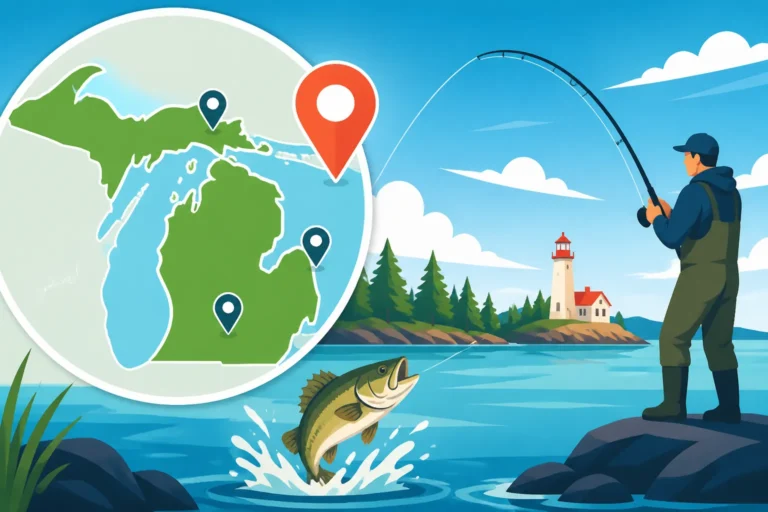
Muskegon Lake, Michigan, Walleye and Perch Fishing
Oh, the sheer joy and occasional frustration of fishing Muskegon Lake for walleye and perch! It’s a beautiful, sprawling body of water, but sometimes figuring out where to start, what to use, and when to go can feel like solving a complex puzzle. Many anglers, myself included, have spent countless hours wondering why the fish aren't biting, or how to consistently find those elusive schools. This comprehensive guide is here to unravel those mysteries, helping you unlock the secrets to successful walleye and perch fishing on Muskegon Lake.
Understanding Muskegon Lake's Unique Ecosystem
Muskegon Lake is more than just a large body of water; it’s a dynamic ecosystem deeply connected to both the Muskegon River and Lake Michigan. This connection provides a rich and diverse habitat that supports a thriving fishery, particularly for walleye and yellow perch. However, this complexity also means that understanding its various features is key to locating your target species.
Lake Characteristics and Depths
Muskegon Lake is one of Michigan's largest drowned river mouth lakes, covering approximately 4,149 acres with a maximum depth of around 79 feet. Its irregular shape includes numerous bays, points, and coves, offering a variety of fishing scenarios. The lake's connection to Lake Michigan via a maintained channel means it experiences some influence from the Great Lakes, including migratory fish movements and water temperature fluctuations, especially near the channel mouth. Further upstream, where the Muskegon River enters, you'll find shallower, more riverine conditions, providing crucial spawning grounds and feeding areas. The main basin of the lake, however, features significant drop-offs, deep holes, and expansive flats that transition from sandy bottoms to softer, silty areas, all of which are critical for different fish species at various times of the year.
Knowing the contours of the lake is paramount. A good bathymetric map or a reliable fish finder with detailed mapping is your best friend here. Walleye, for instance, often relate to structure such as sharp breaks, submerged points, or the edges of channels. Yellow perch, on the other hand, might be found schooling over shallower flats with weed growth or congregating around deeper humps and subtle depressions. The constantly shifting nature of a large body of water like Muskegon Lake means that understanding the "bones" of the lake – its underlying structure – will allow you to adapt your strategy as conditions change. Don't be afraid to explore new areas, but always start by looking for those key structural elements.
Forage Base and Habitat
The abundance of walleye and perch in Muskegon Lake is directly tied to its prolific forage base. The lake is teeming with various baitfish, including alewives, gizzard shad, emerald shiners, and the increasingly prevalent round gobies. These smaller fish provide a consistent food source, allowing walleye and perch to grow to impressive sizes. The presence of these different forage species also influences the behavior and location of predator fish, as they will follow their food sources throughout the seasons. For instance, if you know where the alewives are schooling, chances are the walleye won't be far behind.
Beyond the open water, the lake offers a diverse range of habitats. Extensive weed beds, particularly in the shallower bays and along the edges of flats, provide critical cover and feeding grounds for perch and smaller baitfish. Submerged timber and rock piles, often found on ledges or in deeper holes, create ambush points for walleye. The deeper, colder waters of the main basin serve as thermal refuge during warmer months, while the warmer, shallower areas become active feeding zones in spring and fall. Even the presence of old dock pilings, navigation buoys, or subtle current breaks can concentrate baitfish and, consequently, attract walleye and perch. Paying attention to these subtle habitat clues, alongside your knowledge of the lake's structure, will significantly improve your chances of a successful outing.
Targeting Walleye in Muskegon Lake
Walleye fishing on Muskegon Lake can be incredibly rewarding, offering the chance to catch some truly impressive fish. These elusive predators are known for their finicky nature, but with the right approach, you can crack the code. Success often comes down to understanding their preferred habitats, feeding patterns, and the best techniques to entice a bite.
Best Spots and Structures
When it comes to walleye in Muskegon Lake, structure is everything. During the spring, as water temperatures rise, many walleye congregate near the mouth of the Muskegon River and within the lower river sections itself, preparing for or completing their spawn. The transition zones where the river meets the lake, characterized by current breaks and subtle depth changes, are prime areas. As the season progresses into summer, walleye tend to move out into the main lake basin, often relating to deeper water and distinct structural elements. Look for submerged humps, deep-water points, and the edges of the main shipping channel that runs through the lake. These areas provide both ambush points and access to deeper, cooler water.
Another highly productive area throughout the open water season is the channel leading to Lake Michigan. Here, current is a factor, and walleye will often hold on the edges of the channel or behind current breaks, waiting to ambush baitfish being swept through. Similarly, the deep basins and sharp drop-offs found in the central and western parts of the lake are crucial, especially when the sun is high or during the warmer summer months. Anglers often find success by systematically working these contours, starting shallower and moving deeper until fish are located. Utilizing a high-quality fish finder is almost a necessity for identifying these subtle yet critical structural nuances.
Top Baits and Lures
Walleye in Muskegon Lake respond to a variety of baits and lures, but presentation and timing are key. Live bait is often incredibly effective, especially when fishing conditions are tough. Nightcrawlers, either fished on a crawler harness behind a bottom bouncer or simply drifted with a slip bobber, are classic walleye producers. Leeches are another excellent live bait option, particularly when fished slowly or under a bobber in early season. For active walleye, especially during low-light conditions or when they are aggressively feeding, minnows, either live or cut, can be deadly. These can be jigged, still fished, or trolled.
When it comes to artificials, crankbaits are a staple for Muskegon Lake walleye, particularly when trolling. Diving crankbaits that can reach the desired depth, matching the color and profile of the local forage, are highly effective. Brands like Rapala, Berkley, and Bandit offer a wide array of options. Jigs, tipped with a minnow, piece of nightcrawler, or a soft plastic, are excellent for vertical jigging over structure or drifting along breaks. Blade baits, such as those from the Heddon Sonar series, can also be very productive when jigged vertically, mimicking a struggling baitfish. The key is to experiment with different presentations and colors until you find what the walleye are keying in on that particular day. If you're considering a guided trip to learn more about specific baits and techniques, services like FishingBooker can connect you with experienced walleye captains who know the lake inside and out.
Seasonal Walleye Patterns
Walleye fishing on Muskegon Lake follows distinct seasonal patterns, largely dictated by water temperature and their spawning cycle.
Spring (April – Early June): This is prime time for river-mouth walleye. As ice melts and water temperatures begin to rise, walleye stage in the lower Muskegon River and its immediate confluence with the lake. They move into shallower areas to spawn. Anglers often target them by jigging with minnows or plastics, or by drifting live bait near current breaks. The bite can be furious for a few weeks post-spawn as they aggressively feed to recover. Remember that Michigan's Lower Peninsula Walleye Opener is a significant event for many anglers.
Summer (Mid-June – August): As water temperatures warm, walleye typically move out into the deeper, cooler parts of the main lake. This is a prime time for trolling with crankbaits or crawler harnesses. Look for fish suspended over deep water, especially along the edges of the shipping channel or around submerged humps. Night fishing for walleye can also be incredibly productive during the summer months, as they move shallower under the cover of darkness to feed.
Fall (September – November): The fall bite can be incredible as walleye put on the feedbag for winter. They become more aggressive and can be found in various depths, often moving shallower in the mornings and evenings. Trolling remains effective, but jigging with larger plastics or blade baits can also produce big fish, especially around rocky areas or transition points. This is a fantastic time for trophy-sized walleye.
Winter (December – March): When the lake freezes over, Muskegon Lake transforms into an ice fishing paradise for walleye. Anglers target them over deeper flats, near drop-offs, and around submerged structures using jigging spoons, Rapalas, or tip-ups rigged with live minnows. Finding "Best Ice Fishing Lakes in Michigan" often includes Muskegon Lake for its consistent walleye action.
Mastering Perch Fishing on Muskegon Lake
While walleye often steal the spotlight, yellow perch fishing on Muskegon Lake is a fantastic endeavor, offering consistent action and delicious table fare. Perch are schooling fish, and once you find them, you can often enjoy fast-paced fishing. The key is understanding their habitat preferences and how to present your bait effectively.
Key Perch Locations
Yellow perch in Muskegon Lake are highly habitat-dependent, often congregating in large schools. During the spring and early summer, you’ll typically find them in shallower bays and along the weed lines, especially in areas with emerging vegetation. Look for warmer, protected waters in depths of 5 to 15 feet. These areas provide both cover from predators and an abundance of invertebrate forage. As summer progresses and water temperatures rise, perch tend to move into deeper water, often suspending over flats or relating to submerged humps and transition zones between different bottom types. They might be found in 20 to 40 feet of water, especially during midday.
In the fall, perch become very active, feeding heavily in preparation for winter. They can be found in a wider range of depths, often moving between deeper main lake areas and shallower feeding grounds. Winter ice fishing for perch focuses on similar structural elements in the main lake basin, like the edges of drop-offs, subtle humps, and even areas with sparse weed growth under the ice. Always pay attention to subtle changes in bottom composition and depth, as these can hold significant schools of perch. A good fish finder is invaluable for identifying these schools, as perch often appear as dense "clouds" on the sonar screen.
Effective Rigs and Baits
Perch fishing on Muskegon Lake typically calls for a more finesse approach compared to walleye. Light tackle is generally preferred, allowing for better feel and presentation. A simple drop-shot rig or a small jigging spoon tipped with bait are highly effective. The classic perch rig, consisting of two small hooks spaced above a sinker, is also a go-to for many anglers, allowing you to present multiple baits at once.
Live bait is almost always king for perch. Small minnows, especially emerald shiners or fatheads, are irresistible to perch. You can rig them on a small jig head or under a slip bobber. Wigglers (mayfly larvae) and waxworms are another fantastic option, particularly when fished on a small hook or tipped on a tiny jig. Small pieces of nightcrawler can also work wonders. When it comes to artificials, tiny jigging spoons (like the Swedish Pimple or Kastmaster) in silver or gold, or micro-jigs tipped with a small plastic grubs, can entice bites, especially if the perch are actively feeding. Often, the action of gently jigging your bait, rather than just still-fishing, will trigger a more aggressive response from a school of perch.
Understanding Perch Movements
Perch are schooling fish, and their movements are often influenced by food availability, water temperature, and predator avoidance. In Muskegon Lake, understanding these movements is crucial for consistent success. During early spring, perch can be found in the shallower, warmer water of protected bays. They're often in relatively small, scattered groups at this time, but as the water warms, these groups will consolidate. As spring progresses and into early summer, look for them along the edges of new weed growth.
By mid-summer, when the shallow waters can get quite warm, perch tend to move into deeper, cooler sections of the lake. They might suspend over open water or relate more closely to deeper structures like humps or the main channel. It's during this time that "Michigan Yellow Perch Limit on Lake St. Clair" can be a good reference for understanding general perch regulations, though always consult the specific Michigan fishing regulations for Muskegon Lake to confirm. Anglers often find success by slowly drifting or trolling these deeper areas, using electronics to pinpoint schools. As fall approaches and water temperatures cool again, perch become very active, often returning to shallower feeding grounds for periods, but also remaining accessible in deeper waters as they aggressively feed before winter. Their movements under the ice during winter often mirror their open-water patterns, congregating around structure and feeding on the bottom or just above it. Patience and a willingness to move until you locate a school are paramount for successful perch fishing.
Essential Gear and Techniques for Muskegon Lake
Having the right gear and knowing how to use it effectively can make all the difference on Muskegon Lake. Whether you're chasing walleye or targeting perch, choosing appropriate rods, reels, lines, and embracing modern electronics will significantly boost your chances of success.
Rods, Reels, and Line
For walleye fishing on Muskegon Lake, versatility is key. A medium-light to medium-heavy spinning rod, typically 6'6" to 7'6" in length, is a popular choice for jigging and casting crankbaits. This length provides good casting distance and enough backbone to handle a fighting walleye, while still offering the sensitivity needed to detect subtle bites. Pair this with a reliable spinning reel in the 2500-3000 size range. For trolling, specialized trolling rods, often 7 to 10 feet long with a softer tip and strong backbone, are preferred, especially if you're using planer boards or downriggers. For line, 8-12 lb monofilament or fluorocarbon is excellent for its stretch and invisibility, while 10-20 lb braided line with a fluorocarbon leader is gaining popularity for its sensitivity and strength, particularly when jigging in deeper water.
When targeting yellow perch, a lighter, more sensitive setup is essential. A light or ultralight spinning rod, 5'6" to 6'6" in length, allows for delicate presentations and maximizes the fun of fighting these smaller fish. Pair this with a small spinning reel, typically a 1000-2000 size. For line, 4-6 lb monofilament or fluorocarbon is ideal, providing excellent feel for those light perch bites. In clear water conditions, fluorocarbon's low visibility can be a huge advantage. Regardless of your target species, always check your line for nicks and abrasions, and re-tie often to prevent break-offs. If you're looking for guidance on "Best Rods and Reels for Michigan Fishing," a good local tackle shop will be able to provide tailored advice for Muskegon Lake conditions.
Electronics and Navigation
In a large, complex body of water like Muskegon Lake, modern electronics are invaluable. A quality fish finder, often a combination unit with GPS and sonar capabilities, is practically a necessity. Side-imaging and down-imaging technologies allow you to scan wider areas and pinpoint submerged structure, weed lines, and even schools of baitfish and game fish that might not be directly under your boat. GPS is crucial for marking productive spots, navigating safely, and returning to your favorite fishing grounds. It also allows you to follow specific contours or trolling passes with precision.
Beyond the console units, portable fish finders are also popular, especially for kayak anglers or ice anglers. Many anglers also utilize specialized mapping software on their chartplotters or even on mobile devices with detailed lake maps, which can highlight depth contours, navigation hazards, and potential fishing hot spots. Knowing how to interpret your sonar readings – identifying baitfish, distinguishing between different species (sometimes), and recognizing bottom composition – is a skill that develops with practice and significantly increases your efficiency on the water. For those serious about walleye, a good understanding of "Best Boat Electronics for Michigan Great Lakes Fishing" (many principles apply to larger inland lakes like Muskegon) will put you ahead of the curve.
Essential Accessories
Beyond the core fishing tackle, several accessories can greatly enhance your experience on Muskegon Lake. A good quality landing net, with a rubberized mesh to protect fish (especially important for catch-and-release walleye), is crucial. Pliers or forceps are essential for hook removal, particularly from toothy walleye. A dedicated livewell or a quality cooler with ice will keep your catch fresh if you plan to keep fish. For serious trolling, planer boards are a must-have for spreading out your lines and covering wider swaths of water.
Safety gear should never be overlooked. Always carry enough U.S. Coast Guard-approved life jackets for everyone on board, a sound-producing device, and visual distress signals. A first-aid kit is also a wise addition. If you're fishing from a boat, having a reliable anchor to hold your position over structure, especially in windy conditions, is critical. And, of course, don't forget essentials like sunscreen, sunglasses, and appropriate layers of clothing, as weather on large lakes can change quickly. Before heading out, always ensure your Michigan Fishing License Guide for Residents and Nonresidents is up to date and readily accessible, whether it's on your phone via the Michigan DNR Hunt Fish App or a physical copy.
Seasonal Strategies for Success
Muskegon Lake offers fantastic fishing opportunities year-round, but successful anglers know that adapting their strategies to the changing seasons is paramount. Each season presents unique challenges and rewards, dictating where fish are, what they’re eating, and how best to catch them.
Spring Fling
Spring on Muskegon Lake is a period of transition and high anticipation. As the ice melts, usually in March or early April, the first signs of life stir. Walleye become a primary target as they move into pre-spawn and spawning areas. The lower Muskegon River and its confluence with the lake are prime areas for this. Anglers will often be jigging with live minnows or soft plastics in these shallower, current-influenced zones. This is when the "Lower Peninsula Trout and Walleye Opener" kicks off an exciting season. As the water warms slightly, yellow perch also become more active, often found in shallow, protected bays where new weed growth is beginning to emerge.
Success in spring means being flexible and constantly monitoring water temperatures. Fish will follow the warmest water, and even a one or two-degree difference can concentrate them. Look for fish in transition areas—depth changes, current seams, and the first healthy weed beds. Early mornings and late evenings are often the most productive times. As spring progresses into May, the post-spawn bite for walleye can be excellent as they aggressively feed to recover. Trolling shallow crankbaits or drifting crawler harnesses in these areas can be very effective. It’s a time of renewed energy on the lake, and the fish often reflect that enthusiasm.
Summer Heat
When summer arrives and water temperatures soar, fishing strategies on Muskegon Lake shift dramatically. Walleye, often seeking cooler, more oxygenated water, move to deeper sections of the main lake. This is prime time for open-water trolling. Anglers will deploy crankbaits and crawler harnesses at various depths, often using planer boards to spread out their lines and cover a wider area, or downriggers to precisely target suspended fish. The edges of the main shipping channel, submerged humps, and deep flats in the central and western parts of the lake become key areas. Night fishing for walleye can be exceptionally productive during the summer, as they move shallower to feed under the cover of darkness.
Yellow perch also adjust to the summer heat, moving out of the very shallowest bays into deeper flats and humps, often in 20 to 40 feet of water. They will school tightly, making them easier to locate once you find them. Bottom fishing with small live minnows, wigglers, or waxworms on light rigs is the most effective approach. Use your fish finder to locate these schools, then anchor up or use your trolling motor to stay on top of them. While the heat can make some species sluggish, knowing where to find walleye and perch, and how to present baits in deeper water, ensures continued success.
Fall Feast
Fall fishing on Muskegon Lake is, for many, the absolute best time of year. As water temperatures begin to drop, walleye and perch go on a feeding frenzy, bulking up for the lean winter months. Walleye become incredibly aggressive, and can be found in a variety of depths, often shallower than in summer, particularly during low-light periods. Trolling crankbaits is still highly effective, but jigging with larger plastics, blade baits, or even vertical jigging spoons over structure can produce some truly trophy-sized fish. Look for them around rocky points, deep breaks, and the channel edges.
Yellow perch also become very active in the fall, often forming massive schools. They can be found moving between deeper main lake basins and shallower weed lines, chasing baitfish. The bite can be relentless once you locate a school, making for some exciting fishing. Live minnows and wigglers remain top choices. This is also a fantastic time to explore different areas of the lake, as fish are more willing to roam and feed. The crisp air, vibrant foliage, and aggressive fish make fall an undeniable highlight for any Muskegon Lake angler. If you're wondering about the "Best Time to Fish Muskegon Lake for Walleye," many would argue fall is certainly one of them.
Winter Wonderland
When Muskegon Lake freezes over, it transforms into a bustling ice fishing destination, offering unique opportunities for both walleye and perch. Ice fishing season typically runs from December through March, depending on ice conditions. For walleye, anglers focus on deeper flats, channel edges, and submerged humps, often employing tip-ups with live minnows and jigging aggressively with spoons or Rapala-style lures. Early ice and late ice are often the most productive periods, as fish are more active closer to the freeze-up and break-up.
Yellow perch are a huge draw for ice anglers on Muskegon Lake. They can be found in large schools over deep flats, subtle breaks, and sometimes even in remaining weed growth under the ice. Smaller jigging spoons, often tipped with a minnow head or waxworm, are incredibly effective. A sensitive ultralight rod is key to detecting their subtle bites. Finding a cluster of ice shanties often indicates a good perch spot, but always remember to maintain a safe distance and respect other anglers. Always prioritize safety on the ice, checking ice thickness regularly. For those new to the sport, reading up on a "Michigan Ice Fishing Guide" can provide invaluable tips and safety protocols specific to our state.
Navigating Regulations and Conservation
Fishing Muskegon Lake, like any public waterway in Michigan, requires adherence to specific regulations designed to protect and sustain its valuable fishery. Understanding these rules isn't just about avoiding fines; it's about being a responsible angler and contributing to the health of the ecosystem for future generations.
License Requirements
The first and most fundamental regulation for fishing on Muskegon Lake, or anywhere else in Michigan, is possessing a valid Michigan fishing license. Anyone 17 years of age or older needs a license to fish. There are different types of licenses available, including annual licenses for residents and nonresidents, as well as 24-hour and 72-hour options for those on shorter trips. These licenses can be purchased online through the Michigan DNR website, via the Michigan DNR Hunt Fish App, or in person at various authorized license dealers throughout the state.
It's crucial to understand the nuances of resident versus nonresident licenses, as the costs and options can vary. For a comprehensive overview, checking out the "Michigan Fishing License Guide for Residents and Nonresidents" is highly recommended. Always carry proof of your license while fishing, either a physical copy or an electronic version on your mobile device. The revenue generated from license sales plays a vital role in funding fisheries management, habitat restoration, and conservation efforts across Michigan, directly benefiting the health of lakes like Muskegon.
Daily Limits and Size Rules
Beyond the license, specific daily possession limits and minimum size limits are in place for various fish species, including walleye and yellow perch, on Muskegon Lake. These regulations are subject to change, so always consult the most current Michigan Fishing Regulations Digest before you head out. This digest is available online as a PDF and at license dealers.
For walleye, there is typically a statewide daily possession limit, often five fish, with a minimum size limit, commonly 15 inches. However, specific lakes can have special regulations, such as slot limits or different minimum sizes, so always double-check. For yellow perch, the statewide daily possession limit is often 25 fish, with no minimum size limit, but again, local exceptions can apply. These limits are designed to ensure sustainable harvesting and protect spawning populations. Exceeding these limits or keeping undersized fish can result in significant fines and penalties. It’s also important to note that the possession limit applies to fish in your immediate possession, whether on your person, in your boat, or in your vehicle, and includes fish that are frozen or otherwise preserved. Always know the rules for the body of water you're fishing.
Ethical Angling Practices
Responsible angling goes beyond simply following the letter of the law; it encompasses a broader commitment to ethical practices and conservation. One critical aspect is catch-and-release, particularly for larger walleye which are often the most prolific spawners. Handling fish gently, minimizing their time out of water, and using proper unhooking tools can significantly increase their survival rates. If you're not planning to keep a fish, get it back in the water as quickly and carefully as possible.
Another ethical consideration is proper waste disposal. Always pack out everything you pack in, including fishing line, bait containers, and any other trash. Disposing of waste properly helps maintain the natural beauty of Muskegon Lake and prevents harm to wildlife. Be mindful of others on the water, whether they are fellow anglers, boaters, or wildlife observers. Practice courtesy at boat launches and on the water. Finally, never introduce foreign species into Muskegon Lake, and always ensure your boat and gear are free of invasive species before launching and after retrieving, especially if you've been fishing in other bodies of water. These small acts collectively contribute to a healthier, more enjoyable fishing experience for everyone. If you're looking for local guides who adhere to these practices and can teach you more about the lake, checking out options on FishingBooker is a great way to find them.
Disclaimer
The information provided in this guide is for general informational purposes only and is subject to change. Fishing regulations in Michigan are updated annually and may vary by specific body of water. Always consult the most current Michigan Fishing Regulations Digest published by the Department of Natural Resources (DNR) before engaging in any fishing activities. Compliance with all applicable laws and regulations is the sole responsibility of the angler.