Does a Bead Count as an Artificial Lure in Michigan?
It can be incredibly confusing, can't it? You're out on the water, trying to do everything by the book, and then you hit a regulation that makes you scratch your head. One of the most common questions I hear from fellow anglers, especially when we're talking about those tricky trout and salmon streams, is whether that little bead on your line actually counts as an artificial lure in Michigan. It’s not as straightforward as it seems, and getting it wrong could mean a citation, so let’s get this sorted out. This guide will clarify Michigan's stance on beads, when and where the rules apply, and how you can stay compliant while still enjoying your time on the water.
The Definition Dilemma: What Constitutes an Artificial Lure in Michigan?
Before we can even begin to tackle the bead question, we need to understand what Michigan's Department of Natural Resources (DNR) generally considers an "artificial lure." It's not just a philosophical debate; it has real implications for anglers, especially in certain designated waters. The rules are designed to manage fish populations and fishing pressure, and sometimes, that means being very specific about what you can and cannot use.
Why the Distinction Matters: Protecting Native Species
The distinction between "artificial" and "natural" bait isn't just about semantics; it's a critical tool for conservation. In many of Michigan's premier trout and salmon waters, especially on rivers like the Au Sable or Pere Marquette, you'll find stretches designated for "artificial lures only" or even "flies only." These regulations are put in place for several key reasons. Firstly, artificial lures, especially those without scent, tend to result in fewer deep-hooked fish compared to natural baits. This is vital for catch-and-release success, allowing fish to be returned to the water with a higher chance of survival. When you're targeting sensitive species or managing wild populations, every fish that swims away healthy matters. Secondly, some natural baits can introduce diseases or non-native species into a watershed, which is a major concern for ecological integrity. Imagine accidentally introducing a pathogen from a minnow bucket into a pristine trout stream – it could devastate the ecosystem. So, when a regulation specifies "artificial lures," it's usually coming from a place of protecting those precious aquatic environments and the fish that call them home. You really need to understand these nuances if you want to be a responsible angler in Michigan, and that includes staying up-to-date with Michigan Fishing Regulations Every Angler Should Know.
General Principles of Michigan's Artificial Lure Rule
Generally speaking, an "artificial lure" in Michigan is any fishing device that is not a live or dead natural bait, and is designed to attract fish through its action, appearance, or vibration. This broad definition covers a lot of ground: spinners, spoons, crankbaits, jigs, soft plastic baits, and flies. The key element is that it's man-made and doesn't rely on natural scent or taste to attract a bite, but rather on mimicking prey visually or through movement. If you're using something like a nightcrawler, a minnow, or even corn, that's undeniably natural bait. If you're casting a Rapala or a Mepps spinner, that's clearly an artificial lure. The gray area begins when you introduce elements that blur these lines, and that's precisely where the bead conversation comes in. It’s not always black and white, and anglers often find themselves in situations where they're genuinely unsure if their chosen tackle falls on the right side of the law.
Are Beads Considered Artificial Lures? Diving into the Specifics
Now for the million-dollar question: Does a bead count as an artificial lure in Michigan? The short answer is: it depends entirely on how it's rigged and the context in which it's used. Michigan's regulations don't explicitly list "beads" as artificial lures or natural bait, which leaves a bit of room for interpretation, but the spirit of the law and how it's typically enforced provides clarity.
The 'Bait' vs. 'Lure' Debate for Beads
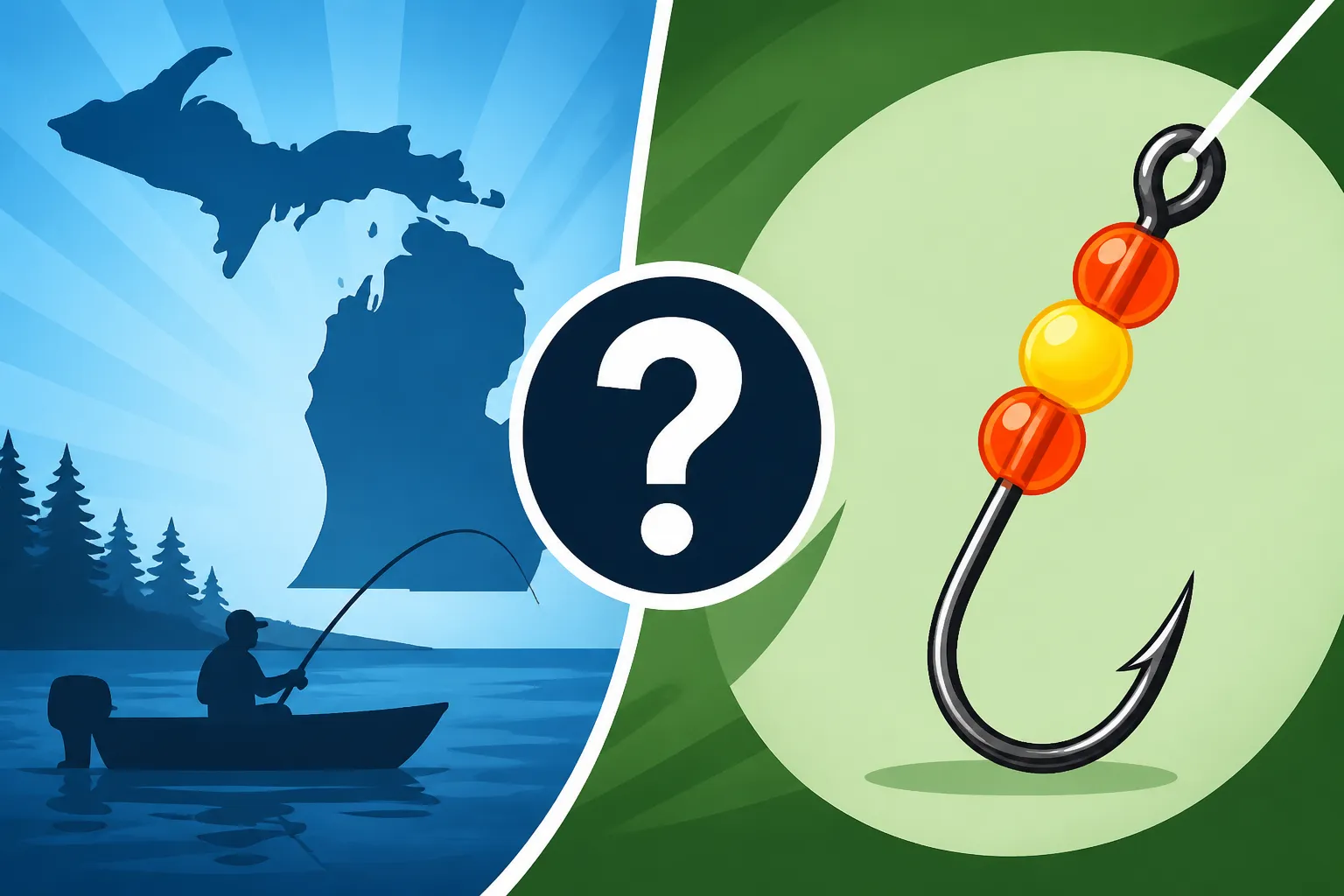
Beads, particularly those designed to imitate fish eggs, present a unique challenge to the "artificial lure" definition. A single, free-drifting bead, rigged a few inches above a bare hook, is often intended to mimic a natural fish egg. This presentation relies heavily on the visual appeal of a natural food source, much like a salmon egg would. In many wardens' interpretations, if that bead is presented by itself, acting as the primary attractant in the same way a single salmon egg would, it can be viewed as an artificial bait rather than an artificial lure.
However, if that same bead is incorporated into a more complex setup, like a fly pattern with hackle and flash, or on a jig head, it then becomes part of a larger artificial presentation – an artificial lure. The difference lies in whether the bead is mimicking a standalone natural food item or contributing to a constructed, artificial representation of forage. It's a fine line, but one that anglers need to be aware of. When you consider How to Rig a Bead for Steelhead, you'll see there are many ways to do it, and some might cross that line.
Let's look at a quick comparison:
| Scenario | Bead's Primary Role | Likely Classification | Reasoning |
|---|---|---|---|
| Single Bead on Bare Hook | Mimics a natural fish egg | Artificial Bait (often viewed as non-artificial lure) | Relies purely on visual representation of natural food. If natural bait is prohibited, this could be seen as a violation. |
| Bead as part of a Fly | Accent, attractor | Artificial Lure (fly) | Integrated into a constructed fishing device designed to imitate insects or forage. The bead adds to the overall artificial presentation, not acting as a standalone natural bait. |
| Bead on a Jig Head | Attractor, weight | Artificial Lure (jig) | The jig itself is an artificial lure, and the bead is a component of that lure. |
| Bead with Live Bait | Accent, spacer | Natural Bait (if live bait is primary) | The live bait (e.g., worm, minnow) is the primary attractant, making the entire setup a natural bait rig. This would be illegal in artificial-only waters. |
| Bead with Scented Soft Plastic | Enhancer, attractor | Artificial Lure (soft plastic) | Even if scented, soft plastics are generally artificial lures. The bead is an enhancement to an already artificial device. |
The Importance of Rigging and Intent
The way you rig your bead is paramount. If you're simply sliding a bead onto your line and then tying a bare hook a few inches below it, letting it drift naturally, you're essentially imitating a single fish egg. In "artificial lures only" waters, this setup is typically considered not an artificial lure, and therefore, it would be illegal. The intent here is to present something that looks exactly like a natural food item, without any of the additional elements that would make it a "lure." Think of it this way: if you wanted to replicate this exact setup with a real salmon egg, it would be identical in principle.
However, if that same bead is used as part of a complex fly pattern, say, a Glo-Bug egg fly tied with yarn and a bead for weight or flash, then it’s clearly an artificial lure – a fly. Similarly, if you put a bead on a small jig head, the jig itself is an artificial lure, and the bead is just a component of it. The determining factor often boils down to whether the bead is acting as a solitary, direct mimic of natural bait, or if it's an integrated component of a larger, clearly artificial presentation. Anglers often grab specific colors of beads from retailers like Bass Pro Shops or Amazon, precisely because they want to imitate natural egg sacks, which then pushes them into that gray area if not rigged as part of a proper artificial lure.
Where and When These Rules Apply: Restricted Waters and Seasons
Understanding if a bead is an artificial lure is only half the battle; knowing where and when these rules are enforced is equally crucial. Michigan has a diverse range of fishing opportunities, from vast Great Lakes to tiny, pristine brook trout streams, and the regulations can vary significantly depending on where you cast your line.
Special Regulations for Trout and Salmon Streams
This is where the "artificial lure only" rules really come into play. Many of Michigan's blue-ribbon trout and salmon streams, particularly sections of the Manistee, Au Sable, Pere Marquette, and Boardman rivers, have special regulations designed to protect their sensitive fisheries. These sections often prohibit the use of natural bait, mandating "artificial lures only" or even stricter "flies only" rules. The purpose, as mentioned earlier, is primarily to reduce mortality on catch-and-release fish.
If you're fishing one of these designated stretches, using a bead rigged solely to imitate a natural egg would likely be a violation. It doesn't matter if the bead itself is plastic or glass; if its presentation is indistinguishable from that of a natural egg as bait, it's generally not considered an artificial lure in the context of these regulations. This is a common point of confusion for anglers transitioning from general regulations to special regulations. It's not about the material of the bead, but its function and presentation. For instance, if you're targeting Steelhead Fishing in Michigan during a run on a restricted river, you absolutely need to be sure your bead setup is compliant. Always consult the official Michigan Fishing Regulations Digest PDF for 2026 (or the current year's version) before heading out.
Year-Round Great Lakes Fishing vs. Inland Seasons
The good news is that these strict "artificial lure only" designations are far less common, or entirely absent, in Michigan's Great Lakes and many larger inland lakes. On the vast waters of Lake Michigan, Lake Huron, Lake Superior, and even large inland bodies like Lake St. Clair or Houghton Lake, you typically have much broader allowances for bait and lure types. Here, a bead on a bare hook, or as part of a bottom-bouncing rig, is perfectly acceptable, often used to target perch, walleye, or even salmon. The sheer size and nature of these fisheries mean that the same conservation concerns that drive "artificial only" rules on smaller streams are generally not applied in the same way.
However, even on the Great Lakes, specific areas like harbor mouths or river mouths during certain seasons might have localized regulations, especially concerning specific species or fishing methods. For instance, during the heavy salmon runs in the fall, some piers or breakwalls might have unique rules about snagging or gear restrictions. The general rule of thumb is: the smaller and more intimate the fishery, and the more emphasis on sensitive species like native trout, the more likely you are to encounter specific restrictions on bait and lures. Remember that Michigan's Great Lakes Year-Round Trout Season doesn't mean all rules are relaxed.
Navigating the Regulations: Practical Advice for Anglers
Given the nuances of Michigan’s fishing regulations, especially concerning items like beads, it's easy to feel a bit overwhelmed. But don't worry! With a little proactive research and a commitment to responsible angling, you can confidently hit the water knowing you're in compliance.
Checking the Latest Michigan Fishing Regulations Digest
This cannot be stressed enough: your absolute best friend when deciphering Michigan's fishing rules is the official Michigan Fishing Regulations Digest. The DNR updates this document annually, and it contains all the crucial information regarding statewide regulations, special local rules, season dates, and definitions. You can typically pick up a physical copy at any bait shop, DNR customer service center, or even many big box stores like Bass Pro Shops or even general retailers. Better yet, the digital version is always available on the DNR's website. I recommend downloading it to your phone or tablet, or even using the Michigan's DNR Hunt Fish App for Licenses and Reporting, so you always have it handy while on the water, even if cell service is spotty.
Pay close attention to specific sections of rivers or lakes that are highlighted with special regulations. These are often marked on maps within the digest or clearly described in the text. For example, if you plan to fish a particular stretch of the Au Sable River, make sure to read that specific section carefully. Don't assume that what applies upstream or downstream will apply there. The digest will often define "artificial lure" within its pages, and understanding that definition for the current season is key to knowing if your bead rig passes muster.
Responsible Angling: When in Doubt, Opt for Caution
If you've consulted the digest, tried to interpret the rules, and still find yourself unsure about whether your bead setup counts as an artificial lure in a specific restricted water, the safest and most responsible course of action is to err on the side of caution. This means choosing a tackle setup that is unequivocally an artificial lure. For example, instead of a bead on a bare hook, opt for a traditional fly pattern (like a wooly bugger or an Adams dry fly), a small spinner, or a bead-head nymph. There are plenty of effective artificial lures that won't leave you guessing.
Remember, fishing without a license or using illegal gear can result in fines and even confiscation of your equipment. It's simply not worth the risk. A conversation with a local tackle shop expert (the folks at your local bait shop are often a wealth of hyper-local knowledge), or even contacting the DNR directly if you have a very specific question, can also provide peace of mind. By making a conscious effort to understand and adhere to the regulations, you're not just avoiding trouble; you're contributing to the health and sustainability of Michigan's incredible fisheries for everyone to enjoy. Whether you're shopping for new gear on Amazon or stocking up at a local outfitter, make sure your choices align with the rules of the water you intend to fish. Do You Need a License to Fish in Michigan? is another fundamental question you should know the answer to before heading out!
Disclaimer
This article is for general informational purposes only and does not constitute professional advice. Laws, prices and regulations vary by location and change over time. Consult a qualified professional for guidance on your specific situation.