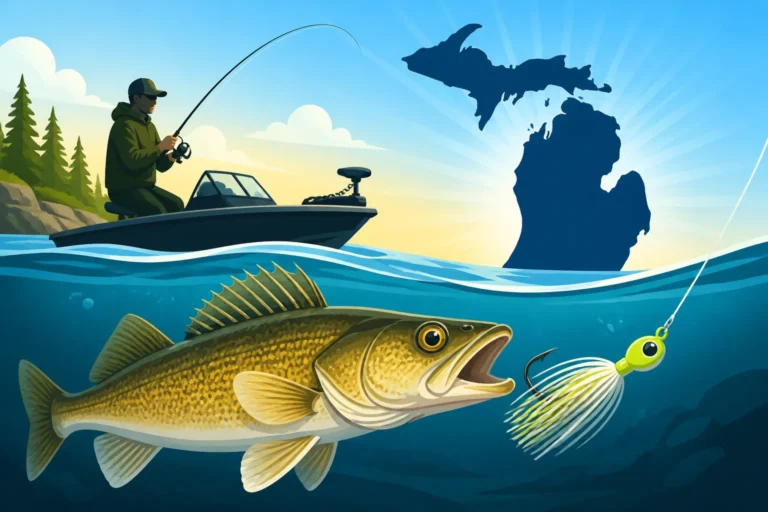
Best Months for Ice Fishing Walleye in Michigan
There’s nothing quite like the thrill of feeling that solid thunk of a walleye hitting your jig through a hole in the ice, but let's be real – sometimes it feels like those elusive "eyes" are playing hide and seek all winter long. Trying to figure out the absolute best time to target these toothy critters through the hard water can be a real head-scratcher. This guide is here to shed some light on the optimal months for ice fishing walleye in Michigan, so you can spend less time guessing and more time reeling them in.
Understanding Michigan's Ice Fishing Walleye Season
Michigan is a state blessed with incredible walleye fisheries, from the Saginaw Bay to numerous inland lakes. However, when the waters freeze over, everything changes. The walleye, like us, adapts to the brutal cold, limited light, and changes in food availability. Understanding this seasonal shift is key to success on the ice.
The General Window for Safe Ice
Generally speaking, the ice fishing season in Michigan typically kicks off in earnest around mid-December, though some smaller, shallower lakes in the Upper Peninsula and northern Lower Peninsula might freeze earlier. This is when the first reliable, safe ice usually forms. We're talking about that magical time when the ice is finally thick enough to walk on comfortably, but not so thick that slush and pressure ridges become a constant battle. This initial period is often highly anticipated by anglers, offering some of the earliest opportunities to get out there.
As we move deeper into winter, through January and February, the ice typically thickens considerably, making most lakes safe for a wider range of activities, including snowmobiles and ATVs. However, it's absolutely crucial to remember that "safe ice" is a relative term and conditions can change rapidly. Always check ice thickness yourself and be aware of factors like currents, springs, and recent temperature fluctuations. Nobody wants to have a bad experience out there, so safety has to be your number one priority when hitting the hard water.
Why Walleye Behavior Shifts Throughout Winter
Walleye are cold-blooded, which means their metabolism slows down significantly as water temperatures drop. This impacts everything from how often they feed to where they choose to hang out. Early in the ice season, they might still be pretty active, remembering those last warm days and holding onto their summer feeding patterns. They're often found near shallower breaklines or weed edges where baitfish might still be present.
As winter progresses into its deepest, darkest months, walleye tend to become more lethargic. They often seek out deeper, more stable water where temperatures are constant, and they might only feed during very specific low-light periods. Their movements become less aggressive, and you might need to present your bait in a much more subtle way to entice a bite. Finally, as we approach late ice in February and early March, things start to turn around. The increased daylight penetration and slightly rising water temperatures signal the approaching spawn, and walleye often become much more active, moving shallower and feeding aggressively. Recognizing these behavioral shifts is paramount to consistent success.
The Prime Months for Walleye Ice Fishing
While you can certainly catch walleye throughout the entire Michigan ice fishing season, certain months tend to offer more consistent action or specific opportunities. Each part of the season presents its own challenges and rewards.
December: Early Ice Excitement
For many ice anglers, December is the most exciting time for walleye. Why? Because it's "early ice," and often, this means excellent fishing. Walleye haven't been pressured much yet, and they can still be found in areas similar to where they were in late fall. Think shallow breaks, the edges of remaining green weeds, and points that drop into deeper water. The fish are often more aggressive, and the bites can be stronger.
However, December can also be the trickiest due to ice safety. It's often the month with the most variable ice conditions. One week you might have solid four-inch ice, and the next, a warm spell could make it slushy and dangerous. It's a game of patience and constant vigilance. When you do find good ice, focusing on prime feeding windows around dawn and dusk, or even into the early night, can be incredibly productive. A lot of anglers find success with active jigging techniques, sometimes with a live minnow head on a spoon, or a jig tipped with a minnow. For those seeking early season walleye, understanding Michigan's Fishing Season Dates and Rules is a good starting point to confirm specific lake regulations.
January: Mid-Winter Grind
Ah, January. This is often when the reality of winter truly sets in. The ice is usually at its thickest and safest, which is a huge plus. You can often explore more of the lake, use larger shelters, and generally feel more secure. However, the walleye fishing itself can become a bit more challenging. They tend to move to deeper basin areas, main lake humps, and steep breaks where they can find stable conditions and still ambush baitfish.
The bites might be lighter, requiring more sensitive rods and lighter lines. Patience becomes a virtue. You might need to focus on specific depth contours or structure more precisely, relying heavily on your fish finder. Mid-day can be particularly tough, with the best action often confined to the low-light periods. Deadsticking a live minnow under a tip-up or lightly jigging a blade bait can be effective. This is also a fantastic time to chase those suspended walleye in deeper water, which requires good electronics and a bit of finesse. If you’re looking for Ice Fishing Techniques for Michigan Walleye, you'll find January often demands a slower, more deliberate approach.
February: Late Ice Opportunities
February, and sometimes extending into early March depending on the year, brings us to "late ice." This period can be incredibly rewarding for walleye anglers, often rivaling early ice in terms of activity. As the days lengthen and the sun starts to penetrate the ice more effectively, walleye begin to feel the pull of their pre-spawn instincts. They start moving shallower, often staging near spawning areas like rocky points, reefs, and river mouths.
This increased movement translates to more aggressive feeding. You might find walleye biting throughout the day, not just at dawn and dusk. Larger baits and more active jigging can be very productive. However, late ice also comes with its own set of dangers. The ice can become honeycombed, brittle, and unstable, especially near shorelines. Spudding every few steps and paying close attention to the feel of the ice is critical. This is a great time to experiment with different presentations, from aggressive jigging spoons to slow-moving plastics tipped with minnows. For a deeper dive into preparation, our Michigan Ice Fishing Guide covers all the essentials for staying safe and successful during this exciting time.
Factors Influencing Walleye Activity Beyond the Month
While the calendar month gives us a general idea, several other critical factors dictate walleye activity and, ultimately, your success on the ice. Ignoring these means missing out on prime opportunities, no matter what month it is.
Ice Thickness and Safety
Let’s talk about the elephant in the room: ice safety. No amount of walleye is worth risking your life over. As mentioned, early and late ice can be particularly treacherous. Always check ice conditions locally. Don't rely solely on what someone else tells you or what you see on social media. Carry an ice spud, know how to use it, and wear ice picks around your neck. The rule of thumb for safe ice is usually 4 inches for walking, 5-7 inches for snowmobiles/ATVs, and 8-12 inches for cars or light trucks, but these are general guidelines. Factors like current, springs, fluctuating temperatures, and snow cover can drastically alter ice integrity. The Michigan DNR usually recommends checking official sources or local bait shops for the most current conditions. Remember, safety first! For more detailed guidelines, check out our article on How Thick Does Ice Need to Be to Fish in Michigan.
Weather and Barometric Pressure
Walleye are incredibly sensitive to changes in weather and barometric pressure. Just like open-water fishing, a stable high-pressure system following a cold front can often shut down the bite, making fish lethargic and less willing to chase. Conversely, a stable low-pressure system, or the few days leading up to a major snowstorm, can trigger aggressive feeding. Overcast days are often preferred by walleye, as bright sunshine can push them deeper or make them more cautious due to increased light penetration through the ice.
Keep an eye on the forecast, not just for your comfort, but for the fish's activity. A slight warming trend can often get walleye moving, especially as winter progresses. Sometimes, even subtle shifts like a strong wind blowing snow around can affect light penetration and trigger a bite in shallower areas.
Forage and Location
Walleye are predators, and they go where the food is. Throughout the ice season, the location of baitfish can shift dramatically. In early ice, baitfish might still be relating to weed lines that haven't completely died off or shallow flats. As winter progresses, baitfish might move to deeper basin areas, suspend over deeper water, or hug subtle contours. Walleye will follow.
Understanding the specific lake or body of water you're fishing is crucial. Are there deep humps? Extensive flats? River channels? Knowing where baitfish congregate in that particular body of water will help you pinpoint walleye. Using your electronics to mark bait schools is often more important than marking individual walleye. If there's no food, there's no reason for the walleye to be there.
Essential Gear and Techniques for Michigan Ice Walleye
Having the right tools for the job can make a world of difference when you're out on the hard water chasing walleye. The right setup can help you detect those subtle bites and successfully land those big ones. Many anglers find great deals on specialized equipment through retailers like Amazon, ensuring they're prepared for whatever Michigan's winter throws at them.
Rods, Reels, and Line
For ice fishing walleye, you generally want a sensitive rod with enough backbone to handle a good-sized fish. A medium-light to medium power rod, typically 28 to 36 inches long, is a good starting point. Graphite rods offer excellent sensitivity for detecting those light bites. Paired with a small spinning reel (e.g., a 500-1000 series), spooled with 4-8 pound test monofilament or fluorocarbon, or even a low-stretch braided line with a fluorocarbon leader, you'll be well-equipped. Many anglers prefer fluorocarbon for its low visibility and good abrasion resistance, especially when fishing around structure. You can often find a wide selection of quality ice fishing rods and reels on Amazon.
When considering your setup, think about the depth you'll be fishing and the size of the walleye you expect. For shallower water and lighter presentations, a more sensitive, shorter rod is ideal. For deeper water or heavier baits, a slightly longer, stiffer rod will give you better control and leverage.
Baits and Lures That Get Attention
Walleye can be finicky eaters under the ice, so having a variety of baits and lures is a smart move. Jigging spoons are perennial favorites, coming in various sizes and colors. Tip them with a minnow head, a wax worm, or a small plastic trailer for added attraction. Lipless crankbaits and blade baits can also be incredibly effective, especially when fished aggressively to call in fish from a distance. The vibrations they create can be irresistible.
Don't forget about live bait! A shiner or a small sucker minnow suspended under a tip-up or lightly jigged on a plain hook can be a walleye magnet, especially on tough days. Small jigs tipped with plastics or minnows are also great for a more subtle presentation. Experiment with different colors and retrieve speeds until you find what the walleye are keying into. The best Ice Fishing Techniques for Michigan Walleye often involve constant experimentation with lures.
Locating Walleye with Electronics
In modern ice fishing, electronics are almost as essential as your rod and reel, especially when you're looking for Best Ice Fishing Lakes in Michigan known for their walleye. A good flasher or a portable fish finder can dramatically increase your success rate. These devices allow you to see your bait, the fish, and how the fish react to your presentation in real-time. You can adjust your jigging action, depth, and even lure choice based on what you see on the screen.
Beyond flashers, many anglers also use GPS-enabled fish finders with detailed lake maps. This allows you to pinpoint underwater structure like humps, points, and drop-offs with incredible accuracy, even under a foot of ice. Being able to mark a submerged rock pile or a specific breakline can be the difference between a productive day and a frustrating one. Some of the latest portable units even feature advanced sonar that gives you a wider view under the ice, making it easier to locate active fish. Finding the right electronics can be a game-changer, and retailers like Amazon offer a broad range of options for every budget.
| Ice Fishing Season Phase | Typical Months | Walleye Behavior | Prime Locations | Recommended Techniques/Baits |
|---|---|---|---|---|
| Early Ice | December | Active, less pressured, often shallower | Shallow breaks, weed edges, points | Active jigging, spoons with minnow heads, blade baits |
| Mid-Winter | January | More lethargic, deeper, stable | Deep basins, main lake humps, steep breaks | Subtle jigging, deadsticking minnows, slower presentations |
| Late Ice | February (into March) | Increasing activity, pre-spawn movements | Near spawning areas (rocky points, reefs, river mouths), shallower | Aggressive jigging, larger baits, various jig/minnow combinations |
Disclaimer
This article is for general informational purposes only and does not constitute professional advice. Laws, prices and regulations vary by location and change over time. Consult a qualified professional for guidance on your specific situation.