Best Season for Muskellunge Fishing in Michigan
Trying to figure out the absolute best time to chase the elusive muskellunge in Michigan can feel like you're trying to solve a riddle wrapped in an enigma, especially when you consider how finicky these "fish of 10,000 casts" can be. It's a common frustration among anglers, balancing the desire to land a trophy with the reality of limited time and unpredictable fish behavior. This guide is here to unravel the seasonal mysteries of muskie fishing, helping you pinpoint those prime windows of opportunity across Michigan's diverse waters.
Understanding Muskellunge Behavior Through the Seasons
Muskellunge are fascinating creatures, and their behavior shifts dramatically with the changing seasons, primarily driven by water temperature, spawning cycles, and their hunt for sustenance. Knowing what they're up to at different times of the year is your first step to consistent success.
Spring: The Post-Spawn Feast
When the ice finally relents and Michigan's waters begin to warm, typically from late April into May, muskie are recovering from their strenuous spawning period. They've likely just completed their annual ritual in shallow, weedy bays, river backwaters, and other protected areas. During this immediate post-spawn phase, they're often sluggish and can be difficult to entice. However, as the water temperatures continue to climb into the upper 50s and low 60s Fahrenheit, their metabolism kicks into gear, and they start to feed aggressively to regain lost energy.
You'll find them gravitating towards warming shallower water, often near the first signs of new weed growth, submerged timber, or rocky shorelines that absorb heat. These areas also tend to hold abundant baitfish, which are themselves attracted to the warmer water. This is a great time to target them, as they're not yet under heavy fishing pressure, and while they might not be as active as in the fall, a well-presented bait can often trigger a reaction strike from a hungry, recovering fish. It's a delicate balance of patience and precision, as they might not chase a bait as far as they would later in the year.
Summer: Deep Water and Weed Edges
As Michigan's summer heat settles in, usually from June through August, muskie will generally move away from the shallowest areas into deeper, cooler water. They become very structure-oriented during this period, often relating to the thermocline (the layer where warm surface water meets cooler, deeper water) in larger lakes, or holding tight to dense weed beds, rock humps, and main lake points. These deeper haunts provide them with cooler, more oxygenated water and excellent ambush points for unsuspecting prey.
During the peak of summer, especially on bright, sunny days, muskie might be less active during midday hours. Savvy anglers often find more success targeting them during the lower light conditions of early morning, late evening, or even into the night. Trolling large crankbaits along weed lines or over deep structure can be incredibly effective, as can casting oversized bucktails and jerkbaits to the edges of dense aquatic vegetation. Understanding how muskie use structure in summer is key to unlocking their patterns, making your time on the water more productive. For similar deep-water strategies, you might want to read about How to Troll for Chinook Salmon on Lake Michigan, as many of the principles for targeting large fish in open water apply.
Fall: The Legendary "Feeding Frenzy"
Hands down, if you ask most dedicated muskie anglers in Michigan, they'll tell you that fall is the time to be on the water. As water temperatures begin to drop from late September through November, muskie enter a crucial "feeding frenzy" phase. They instinctively know that winter is coming, and they need to pack on as much weight as possible to survive the leaner, colder months. This biological imperative makes them incredibly aggressive and willing to chase larger baits with a ferocity you might not see at other times of the year.
During the fall, muskie will often move shallower again, especially during stable weather periods, to target schooling baitfish that are also making their final feeding pushes. You'll find them concentrating near main lake points, rocky reefs, deep weed edges that haven't completely died off, and river channels. They're actively hunting, and their strike zone expands significantly. This is when those long, sweeping figure-eights at the boat are most likely to pay off, as a muskie might follow a bait for a considerable distance before committing. It's exhilarating fishing, demanding stamina and mental toughness, but the rewards can be truly spectacular, often yielding the largest fish of the year.
Winter: Ice Fishing and Patience
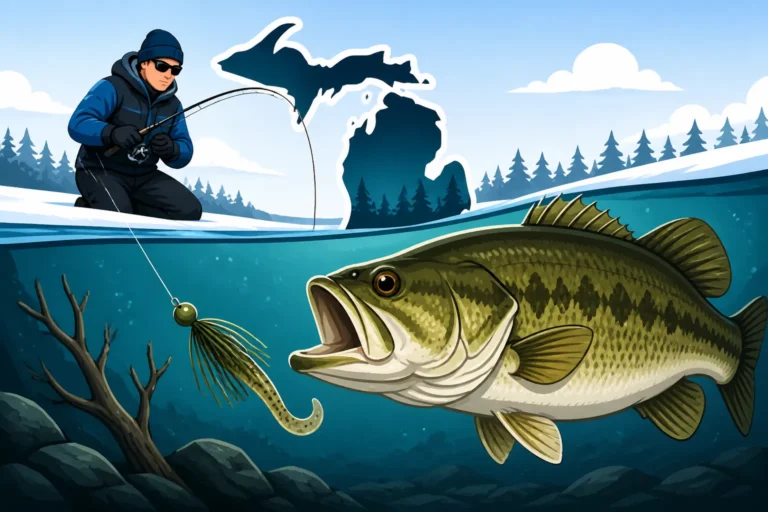
While not as widely pursued as open-water muskie fishing, catching muskellunge through the ice is certainly possible in Michigan, particularly on lakes known for healthy muskie populations. This typically happens from December through February, whenever safe ice conditions prevail. During winter, a muskie's metabolism slows drastically, and they become much less active. They'll conserve energy, often holding tight to deep structure, basin areas, or major points where baitfish might be congregating in limited numbers.
Anglers targeting muskie through the ice typically employ large tip-ups rigged with heavy line, steel leaders, and large dead bait, such as sucker minnows, presented just above the bottom or suspended in the water column. The key here is extreme patience and large presentations. Don't expect aggressive chases; instead, watch for subtle flags and then let the fish take the bait for an extended period before setting the hook. It's a game of waiting, but for those who brave the cold, a winter muskie can be a truly monumental catch, a testament to dedication and enduring the elements. Be sure to consult the Michigan Ice Fishing Guide for safety and technique tips before venturing out.
Prime Time: Why Fall Reigns Supreme for Muskellunge Anglers
While muskellunge can be caught throughout the open water season in Michigan, fall consistently proves to be the most productive and exciting time for dedicated muskie anglers. There are several compelling reasons why the autumn months hold this esteemed position.
The Metabolic Advantage
As the water temperatures gradually decline through the fall, two key things happen. First, the muskie's metabolism, which has been high all summer, begins to slow down just enough that they become incredibly efficient hunters. They don't want to expend energy on small meals; they're looking for substantial caloric intake. This means they are more receptive to the large baits that muskie anglers are known for throwing. Think of it like preparing for a long journey – you want to fuel up with big, satisfying meals.
Secondly, this physiological drive to feed also extends their active periods. They'll often feed throughout the day, not just during the low-light hours of summer. The cooler, more oxygenated water makes them feel more comfortable and energetic, allowing them to exert themselves chasing and engulfing large prey. This combination of increased aggression and a heightened need for food makes them more predictable and catchable. It's why so many anglers brave the increasingly chilly conditions, knowing that their chances for a true trophy are significantly higher.
Locating Active Fish
Fall conditions naturally concentrate muskie in more predictable areas, which is a huge advantage for anglers. As weed beds begin to die off due to cooling water temperatures, muskie lose some of their hiding cover. This forces them to relocate to remaining green weeds, rocky structures, main lake points, or deeper areas where baitfish are schooling up. These transition zones become hotbeds of activity. Instead of being spread out across vast expanses of summer weeds, muskie often consolidate around fewer, more prominent structures.
Furthermore, the baitfish themselves are also feeling the chill and will often school tightly in preparation for winter, or move to specific depths and structures. Muskie will follow these baitfish schools relentlessly. A good fish finder can be invaluable for locating these baitfish concentrations, and where the bait goes, the muskie will follow. This consolidation makes it easier for anglers to narrow down their search areas and focus their efforts where muskie are most likely to be actively hunting.
Weather Patterns and Optimal Conditions
Fall weather, though sometimes challenging for anglers, often creates ideal conditions for muskie fishing. Overcast days, light rain, and stable barometric pressure after a cold front can trigger incredible bites. While a sudden, drastic cold front might slow things down for a day or two, the period immediately following, once the weather stabilizes, can be phenomenal. The dropping water temperatures and shorter daylight hours are consistent triggers for muskie to ramp up their feeding activity.
Many veteran muskie anglers cherish those classic blustery fall days with a consistent chop on the water. The rougher surface breaks up light penetration, allowing muskie to feel more secure in shallower water, and also creates a natural camouflage for their ambush tactics. These conditions often coincide with some of the most memorable muskie battles. Understanding these fall weather patterns and how they influence muskie behavior is a skill that comes with experience but can dramatically increase your success rate.
Gear and Techniques for Seasonal Muskellunge Success
Chasing muskellunge demands specific gear and techniques, and these often vary depending on the season. Being prepared for the conditions and the fish's likely behavior will put you ahead of the game.
Spring: Covering Water and Downsizing (Slightly)
In the spring, post-spawn muskie are often found in relatively shallow bays and near emergent weeds. Your approach should focus on covering water efficiently to locate these recovering fish. While you're still throwing muskie-sized baits, you might consider "downsizing" slightly compared to fall. This could mean opting for bucktails with one or two blades, smaller jerkbaits (around 6-8 inches), or glide baits. Spinnerbaits and crankbaits that run just above new weed growth can also be very effective.
The key is to present baits that are easy for a recovering muskie to track and strike. Faster retrieves can work to trigger reaction strikes, but don't be afraid to slow down your presentation if the fish seem sluggish. Pay close attention to areas where the water is slightly warmer, such as dark-bottomed bays or areas protected from the wind. Casting into shallow pockets and along weed edges where baitfish congregate can be highly productive. Remember that the muskie are looking to regain energy, so an easy meal is often preferred.
Summer: Heavy Duty and Deep Presentations
Summer muskie fishing often requires more robust gear and a focus on deeper presentations, especially during midday. For casting, you'll want to use heavy-action muskie rods (often 8-9 feet) paired with high-quality baitcasting reels spooled with 80-100 pound braided line. Large bucktails with tandem blades, deep-diving crankbaits, and large jerkbaits are the go-to lures. When casting, target deep weed lines, rock humps, and points. Fan-casting across these structures can help you locate active fish.
Trolling is also a very popular and effective method during the summer, particularly on larger lakes. This involves using specialized trolling rods and reels, often with line counters, to present massive crankbaits at specific depths. Downriggers might be employed to get baits even deeper, accurately targeting the thermocline or deep structure where muskie are holding. Speed and lure depth are critical when trolling. Experiment with different speeds until you find what triggers bites. A good sonar unit is invaluable for identifying structure and baitfish schools.
Fall: Big Baits, Big Rewards
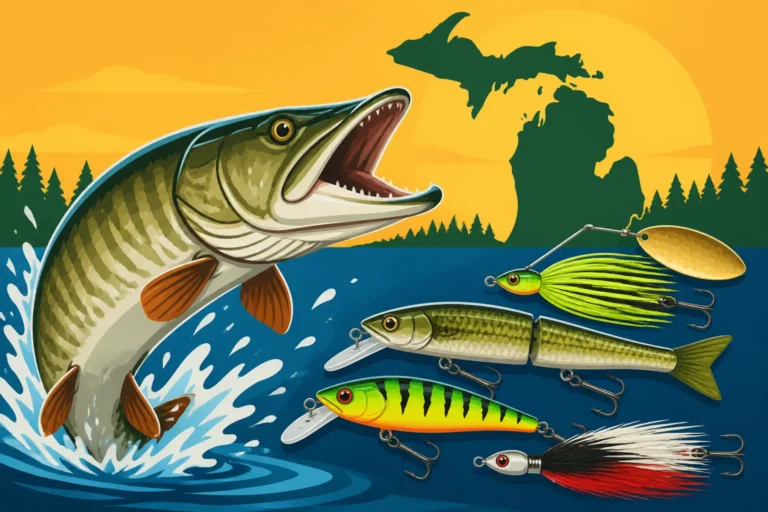
This is the season where the mantra "bigger is better" truly applies in muskie fishing. Fall muskie are aggressively looking for large meals, so don't be shy about throwing your biggest lures. Think oversized crankbaits (10-14 inches or more), large glide baits that displace a lot of water, hefty soft plastics, and massive bucktails with triple blades or giant Colorado blades. Even live bait, such as large sucker minnows, is used by some anglers where regulations permit. For some more ideas on what to throw, check out our guide on the Best Lures for Muskellunge.
Techniques include casting and retrieving these large baits with an energetic cadence, often incorporating pauses and erratic movements to mimic a struggling baitfish. Trolling remains effective, but often at slightly slower speeds than summer, allowing those big baits to really work their magic. Always, always complete a figure-eight at the boat with every retrieve. Many muskie will follow a bait right to the boat, and this maneuver can be the trigger for a last-second strike. The fall requires stamina, but the payoff can be a truly giant fish, making it a favorite season for those pursuing Michigan Muskellunge Fishing Techniques. You might find great deals on these bigger lures on platforms like Amazon, so it's worth checking there before your trip.
Winter: Tip-Ups and Dead Baits
For the brave few who pursue muskie through the ice, the techniques are starkly different. The primary method is using large tip-ups. These devices hold a spool of line and have a flag that pops up when a fish takes the bait. Given the slower metabolism of winter muskie, a subtle presentation is key. Heavy tip-ups, spooled with 50-80 pound braided line and a strong steel leader, are essential.
The most common bait is a large dead sucker minnow, suspended from a foot or two off the bottom to several feet up, depending on where baitfish are marked. The idea is to present an easy, high-calorie meal to a muskie that isn't going to chase. Patience is paramount, as bites can be few and far between, and often quite subtle. Always ensure your holes are large enough to land a potential trophy muskie. This is a game of endurance and a true test of an angler's commitment, but the reward of a winter muskie is truly exceptional.
Navigating Michigan's Muskellunge Regulations
Michigan's muskellunge population is a precious resource, and proper regulations are in place to ensure their sustainability. It's absolutely crucial for every angler to understand and abide by these rules, which can vary from year to year. Always consult the latest Michigan Fishing Regulations Digest before heading out.
General Statewide Rules
Michigan generally emphasizes a strong catch-and-release ethic for muskellunge. While harvest is permitted, the statewide minimum size limit is often quite high, and possession limits are very conservative. For instance, the general rule across many of Michigan's waters is that you can only keep Michigan's One Muskellunge Per Year Rule, and it must meet a substantial minimum size limit. This is designed to protect the breeding stock and allow these long-lived fish to grow to trophy sizes.
Beyond the size and possession limits, there's a critical reporting requirement. If you do harvest a legal muskie, you're typically required to report the catch to the DNR within a specific timeframe, often 24 hours. This data helps the state monitor the health and trends of the muskie population. Anglers can report catches online or via phone. This commitment to conservation ensures that future generations can also experience the thrill of chasing these magnificent fish. Always be sure to review the Michigan Fishing Regulations Every Angler Should Know to stay compliant.
Specific Lake Exceptions
It's vital to remember that general statewide rules can have exceptions for specific bodies of water. Some lakes, particularly those with unique management objectives or special muskie populations, may have different or even stricter regulations regarding minimum size limits, harvest rules, or even catch-and-release only policies. For example, certain lakes might have a Michigan Lakes With a 50-Inch Muskellunge Minimum to promote the growth of truly giant fish.
Before you plan a muskie trip to any particular lake or river, make it a point to check the specific regulations for that body of water in the current fishing guide. These localized rules are implemented for good reasons, often to protect specific year classes of fish or to enhance a particular fishery. Disregarding these specific regulations, even unknowingly, can lead to fines and penalties. You can often find detailed information on Michigan DNR's website or within the comprehensive regulations digest.
Catch and Release Best Practices
Because muskie are such long-lived, large, and generally fragile fish, practicing responsible catch and release is paramount to their survival. Even if you're fishing in an area where harvest is permitted, many muskie anglers choose to release these magnificent creatures to fight another day. Proper handling dramatically increases their chances of survival. Our guide on How to Catch and Release a Muskellunge goes into more detail, but here are the key takeaways.
First, minimize the time the fish is out of the water. Have your tools ready before the fish is landed. This means a large, rubberized landing net (not knotted nylon, which can remove slime coat), long-nosed pliers or jaw spreaders for hook removal, and bolt cutters for cutting hooks if necessary. Avoid handling the fish by its gills or eyes. Support its body horizontally, especially if it's a large fish. Never drag a muskie into the boat or onto shore by its tail. Quickly remove hooks, take a photo (if desired, quickly!), and gently release the fish headfirst, holding it upright in the water until it swims away under its own power. These best practices are not just suggestions; they are crucial to the long-term health of Michigan's muskie fisheries. Remember, the goal is for that fish to recover and grow even bigger, perhaps to be caught again by you or another angler. These practices are truly part of the Catch-and-Immediate-Release Rules for Muskellunge philosophy.
Here's a quick overview of what to expect for muskie fishing throughout the year in Michigan:
| Season | Typical Water Temps (°F) | Muskie Behavior | Prime Locations | Recommended Lures/Techniques |
|---|---|---|---|---|
| Spring | 50s – low 60s | Post-spawn recovery, increasing feeding | Shallow, warming bays, new weed growth, rocky shorelines | Smaller jerkbaits, bucktails, spinnerbaits, crankbaits |
| Summer | Mid 60s – 70s+ | Structure-oriented, deeper water, ambush | Deep weed lines, rock humps, main lake points, thermocline | Large bucktails, deep-diving crankbaits, jerkbaits, trolling |
| Fall | Low 60s – 40s | Aggressive feeding frenzy, bulking up | Main lake points, rocky reefs, deep weed edges, river channels | Oversized crankbaits, gliders, soft plastics, large bucktails, live bait (where permitted) |
| Winter | 30s | Slow metabolism, conserve energy | Deep structure, basin areas, major points | Large dead bait under tip-ups, patience is key |
Disclaimer
This article is for general informational purposes only and does not constitute professional advice. Laws, prices and regulations vary by location and change over time. Consult a qualified professional for guidance on your specific situation.