How to Fish for Atlantic Salmon on Lake Huron
Fishing for Atlantic Salmon on Lake Huron can sometimes feel like chasing a phantom. These incredibly powerful and elusive fish demand a deep understanding of their habits and a precise approach, leaving many anglers scratching their heads after a long day on the water. This guide is dedicated to demystifying the pursuit of Atlantic Salmon, offering comprehensive insights into where, when, and how to successfully target these magnificent fish in Michigan's Lake Huron, transforming your struggles into rewarding catches.
Understanding Lake Huron's Atlantic Salmon Fishery
The presence of Atlantic Salmon in Lake Huron is a unique and exciting story, unlike the more common Pacific salmon species found in the Great Lakes. These fish aren't native to the Great Lakes, but through dedicated stocking programs, particularly centered around the St. Marys River, they've established a niche, offering a truly special angling experience. Unlike Chinook or Coho, Atlantics tend to be more sensitive to warmer waters and often prefer specific forage.
The Reintroduction and Lifecycle of Atlantic Salmon
Michigan's Atlantic Salmon program, primarily managed by the Department of Natural Resources (DNR), focuses on stocking yearlings into the St. Marys River, which then migrate into Lake Huron. This river system provides a critical cold-water refuge and ideal habitat for these fish, especially as they mature. The program aims to create a self-sustaining fishery, but current numbers rely heavily on consistent stocking efforts. They typically spend a few years in Lake Huron growing, feeding on various baitfish like alewives and smelt, before some return to the St. Marys to spawn. Their lifecycle in the Great Lakes is a fascinating blend of natural instinct and human intervention, making them a testament to conservation efforts.
Anglers often find that understanding this lifecycle helps pinpoint their locations. For instance, knowing that they stage near the St. Marys River mouth in the fall can be a huge advantage. They don't have the same dramatic, single-season die-off after spawning that Pacific salmon do, meaning they can potentially spawn multiple times and live longer, making older, larger fish a possibility. This unique characteristic contributes to their reputation as a prized sportfish, offering a different challenge than their Chinook and Coho cousins.
Preferred Habitats and Forage
Atlantic Salmon in Lake Huron exhibit distinct habitat preferences, largely driven by water temperature and the availability of their preferred prey. They are cold-water fish, much like Lake Trout and some species of Arctic Char, and will actively seek out cooler water during the warmer months. This often means they’ll be found in deeper, cooler sections of Lake Huron, especially during mid-summer. However, they also frequent structure, such as ledges, drop-offs, and points, where baitfish tend to congregate. These fish are opportunistic feeders, but a diet rich in alewives, smelt, and even small sculpins drives their growth and condition.
Identifying areas where these baitfish schools are present is paramount to locating Atlantic Salmon. This often involves looking for subtle signs like baitfish arches on your sonar or even diving birds indicating schools of baitfish near the surface. The deeper, clearer waters of northern Lake Huron, particularly areas near the Drummond Island and the eastern Upper Peninsula shoreline, are known hotspots due to consistent cold water and abundant forage. Knowing these patterns and where to look for their food source is the first step in unlocking successful Atlantic Salmon fishing.
Prime Seasons and Conditions for Atlantic Salmon
Timing is everything when it comes to consistently catching Atlantic Salmon on Lake Huron. While they are present year-round, certain seasons and weather conditions create optimal opportunities for anglers. Their sensitivity to water temperature means that their movements and feeding behaviors are highly predictable if you know what to look for.
Spring and Early Summer Opportunities
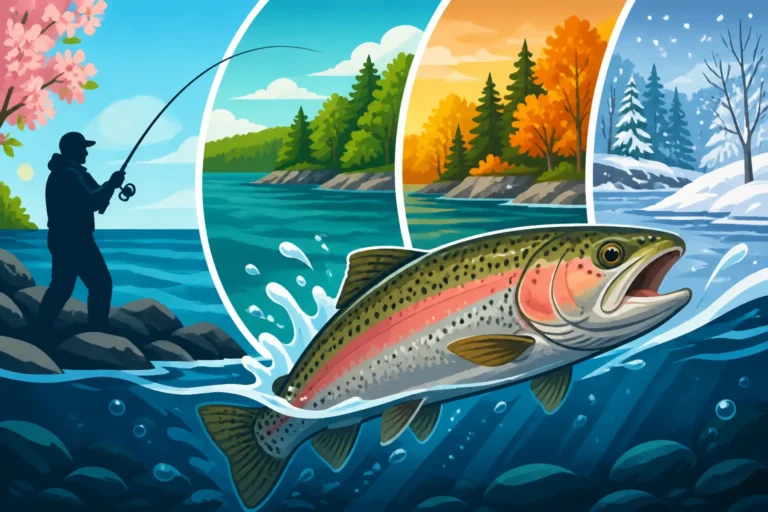
Spring and early summer are often considered prime times for Atlantic Salmon fishing on Lake Huron. As the ice recedes and water temperatures begin to rise slowly, these fish become more active and are often found in shallower waters, especially near river mouths and bays. The period from April through June can be incredibly productive. During this time, they're actively feeding after the leaner winter months, making them more aggressive and willing to strike a variety of lures. Look for areas where warmer currents meet cooler main lake waters, creating thermal breaks that attract baitfish.
However, spring weather on Lake Huron can be notoriously fickle, with sudden changes in wind and temperature. You'll need to be prepared for anything, from calm, sunny days to choppy, cold conditions. Pay close attention to marine forecasts and plan your trips accordingly. Even a slight rise in surface temperature can push them a little deeper, so having a good understanding of water column temperatures is key. This is a fantastic time for both trolling and even some casting closer to shorelines or structure during early mornings or late evenings when the fish are most active.
Mid-Summer Strategies
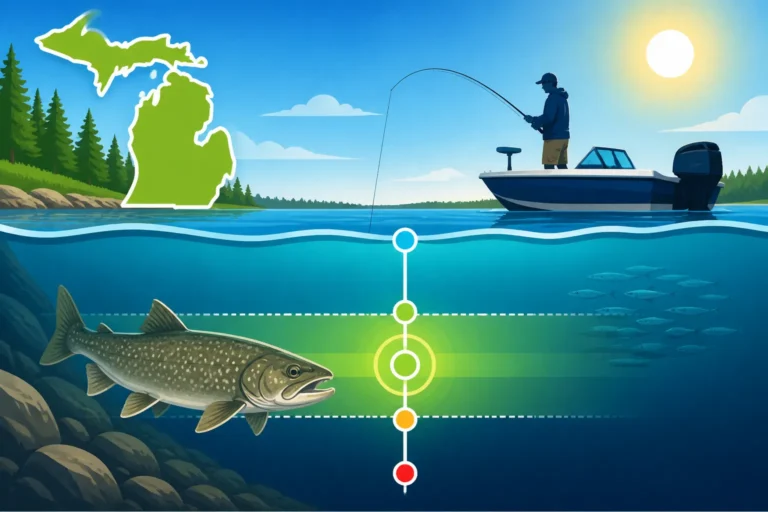
As Lake Huron warms through July and August, Atlantic Salmon retreat to deeper, cooler thermal refuges. This doesn't mean they're impossible to catch; it simply means you need to adjust your tactics. During mid-summer, they are typically found anywhere from 60 to 120 feet deep, often suspended over much deeper water. They will follow baitfish into these cooler zones, making accurate depth control and efficient trolling techniques absolutely essential. This is when gear like downriggers and planer boards become invaluable, allowing you to present your lures precisely where the fish are holding.
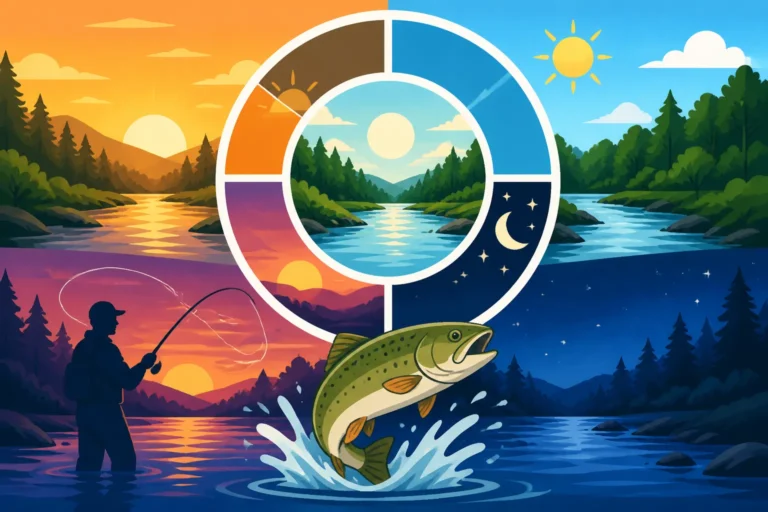
Focus your efforts during cooler parts of the day, such as early mornings, late evenings, or even at night. Overcast days can also extend their active feeding periods in shallower, more accessible depths. While the heat of midday can slow things down, persistent anglers who understand deep-water trolling can still have incredible success. Keep an eye on your fish finder for bait balls and temperature breaks; these are your best clues for locating Atlantics when the mercury climbs.
Fall Feeding Frenzies
Fall on Lake Huron, from September through November, brings another fantastic window for Atlantic Salmon. As water temperatures cool down, these fish become increasingly active and move back into shallower areas, especially as they begin to stage for their spawning runs up rivers like the St. Marys. They pack on calories in preparation for winter and spawning, leading to aggressive feeding behavior. You might find them in depths ranging from 20 to 60 feet, often closer to shorelines, points, and river mouths.
The vibrant fall colors provide a stunning backdrop for your fishing adventures, but like spring, fall weather can be unpredictable. Be ready for strong winds and significant wave action, which can make fishing challenging but also turn on the bite as baitfish get disoriented. Targeting them near the St. Marys River mouth during this period can be particularly productive as they congregate before heading upstream. This is a thrilling time to be on the water, offering opportunities for some of the largest and most powerful Atlantic Salmon of the year.
| Season | Typical Depths (Feet) | Preferred Techniques | Key Considerations |
|---|---|---|---|
| Spring | 15-50 | Trolling, Casting | Look for warmer bays and river mouths. Unpredictable weather. |
| Early Summer | 20-70 | Trolling, Casting | Fish more actively, can be found shallower. |
| Mid-Summer | 60-120 (suspended) | Deep Trolling (Downriggers) | Seek out thermal refuges and baitfish schools in deep water. |
| Fall | 20-60 | Trolling, Casting | Staging for spawning, aggressive feeding near river mouths. |
Mastering Techniques for Atlantic Salmon on Lake Huron
Catching Atlantic Salmon in Lake Huron requires more than just luck; it demands a tactical approach and an understanding of specific techniques. These fish are powerful fighters, and the right presentation can make all the difference between a missed opportunity and a memorable catch.
Effective Trolling Strategies
Trolling is arguably the most consistent and effective method for targeting Atlantic Salmon on Lake Huron. It allows you to cover vast amounts of water and present multiple lures at various depths, increasing your chances of intercepting these wide-ranging fish. When setting up your trolling spread, think about variety in lure type, color, and depth.
- Depth Control is King: Atlantic Salmon are often found suspended in the water column, meaning they aren't necessarily hugging the bottom. Using devices like downriggers is crucial for getting your lures to precise depths. You'll want to experiment with different depths until you find where the fish are holding, often correlating with baitfish schools or thermoclines. Consider integrating Downriggers for Michigan Great Lakes Trolling into your setup to hit those specific zones accurately. Flat lines with dive weights or lead core lines can also be effective for shallower presentations or to add to your spread.
- Speed and Direction: A trolling speed between 2.0 and 3.5 miles per hour is a good starting point, but let the fish tell you what they prefer. Sometimes a slight increase or decrease in speed can trigger bites. Incorporating S-turns or gentle turns in your trolling path can also be highly effective. These changes in direction cause your lures to speed up and slow down, creating an erratic motion that can often entice a strike from a hesitant fish. Pay attention to current and wind, as they will affect your actual lure speed and depth.
- Lure Selection and Presentation: Spoons are incredibly popular for Atlantic Salmon, with brands like Dreamweaver, Silver Streak, and Michigan Stinger consistently producing results. Choose colors that mimic local baitfish – silvers, blues, greens, and pearls are often good starting points. However, don't be afraid to experiment with brighter colors on overcast days or in stained water. Small to medium-sized stickbaits or crankbaits that imitate alewives can also be highly effective, especially when fishing shallower. Often, a combination of different lure types and colors in your spread will help you determine what the fish are keying in on that particular day. For more insights on general salmon trolling, check out our guide on Trolling for Chinook Salmon on Lake Michigan.
Casting and Shoreline Tactics
While trolling dominates Lake Huron Atlantic Salmon fishing, there are situations, particularly in spring and fall, when casting from a boat or even fishing from shore can be productive. This often occurs when fish move into shallower water, especially around river mouths, harbors, or pronounced points.
- Boat Casting: When you locate fish congregated near structure or bait balls in shallower water (e.g., 10-30 feet), casting can be a thrilling way to target them. Spoons, crankbaits, and even some inline spinners can be cast effectively. Position your boat strategically to cast into current seams, along drop-offs, or near submerged cover. A steady retrieve with occasional jerks or pauses can often mimic an injured baitfish, triggering a strike. This method requires a bit more stealth than trolling, as boat noise can spook fish in shallower water.
- Shoreline and Pier Fishing: During peak migration times, especially in the fall near the St. Marys River, shoreline access points and piers can offer opportunities for Atlantic Salmon. Large spoons, similar to those used for trolling, are effective for casting long distances from shore. Stickbaits like Rapala Husky Jerks or Smithwick Rattlin' Rogues are also excellent choices. Early mornings and late evenings are often the best times, as fish might move closer to shore under low light conditions. Always be mindful of local regulations and other anglers. If you're keen on finding other shoreline opportunities, our guide on Michigan's Great Lakes Fishing Guide offers broader insights.
Essential Gear and Tackle for Success
Having the right gear is non-negotiable when pursuing powerful fish like Atlantic Salmon on Lake Huron. Investing in quality equipment that can handle long fights and withstand the harsh marine environment will significantly improve your chances of success and enjoyment on the water.
Rods, Reels, and Line Choices
When you hook into an Atlantic Salmon, you'll immediately appreciate a well-matched rod and reel setup. These fish are known for their strong runs and acrobatic leaps, so your gear needs to be up to the task.
- Rods: For trolling, a medium-heavy to heavy action rod, typically 8 to 10 feet in length, is ideal. These longer rods help spread out your lines and absorb the shock of a strike. Fiberglass or composite rods are often preferred for their durability and parabolic bend, which helps keep fish hooked during surges. Brands like Daiwa, Shimano, and St. Croix offer excellent options specifically designed for Great Lakes trolling. If you're casting, a 7- to 8-foot medium-heavy fast-action spinning or casting rod will give you the power to cast larger lures and control a fighting fish. For more specific recommendations, our Best Trolling Rods for Michigan Salmon article dives deeper into choices.
- Reels: For trolling, a sturdy line counter reel is a game-changer. Being able to precisely replicate the depth of a successful presentation is invaluable. Look for reels with a smooth, reliable drag system, a strong retrieve, and ample line capacity. Penn, Shimano, and Okuma make excellent trolling reels that can stand up to the rigors of Lake Huron. For casting, a high-quality spinning reel with a smooth front drag is preferred, allowing you to manage long casts and the powerful runs of an Atlantic.
- Line: Mainline choices for trolling typically include 20-30 lb monofilament or braided line. Monofilament offers some stretch, which can be forgiving, while braid provides excellent sensitivity and strength with less diameter. Regardless of your main line, always use a fluorocarbon leader (15-25 lb test) for its invisibility and abrasion resistance. Atlantic Salmon can be line-shy, especially in clear Lake Huron waters. When casting, a 10-20 lb braided main line with a fluorocarbon leader of similar strength is a versatile setup. You can find a wide array of specialized lines, reels, and rods on Amazon, making it convenient to gear up.
Lures and Terminal Tackle
The right lures and terminal tackle are critical for enticing Atlantic Salmon. These fish can be picky, so having a diverse selection on hand is important.
- Lures: As mentioned, spoons are a staple. Sizes generally range from 2.5 to 4 inches. Experiment with colors: natural baitfish patterns (silver/blue, silver/green, black/silver) are always good, but don't shy away from brighter colors like orange, chartreuse, or even purple, especially on darker days or in stained water. Stickbaits (like Rapala Deep Tail Dancers or Reef Runners) and crankbaits that dive to various depths are also very effective, particularly in spring and fall. For deeper presentations, some anglers incorporate flasher-fly combinations, although spoons and stickbaits often take center stage for Atlantics.
- Terminal Tackle: Quality swivels, snap swivels, and split rings are crucial. Always use ball-bearing swivels to prevent line twist, especially with rotating spoons. Size 1 or 2 snap swivels are generally appropriate for attaching lures. Keep a supply of extra hooks; Atlantic Salmon can bend or dull hooks quickly. Using sharp, strong treble hooks or single hooks (depending on your preference and local regulations) is non-negotiable for solid hook-ups. Don't forget a good selection of lead sinkers or diving devices if you're not using downriggers, to get your lures to the desired depth. For durable line or reliable downriggers, checking out the selection on Amazon can save you a trip to multiple tackle shops.
Safety and Navigation on Lake Huron
Lake Huron is a magnificent body of water, but it demands respect. Proper safety precautions and navigation knowledge are paramount for a successful and, more importantly, safe fishing trip, especially when targeting fish that can take you far from shore.
Essential Boating Safety
Navigating Lake Huron requires vigilance and preparedness. Weather conditions can change rapidly, turning calm waters into dangerous seas in a matter of hours. Always check the marine forecast before you head out and be willing to adjust or cancel your trip if conditions are unfavorable.
- Vessel Requirements: Ensure your boat is properly equipped with all required safety gear, including enough Life Jackets and Michigan Boating Safety Rules for everyone on board, a fire extinguisher, signaling devices (flares, horn), and navigation lights. It’s also wise to have extra provisions like food, water, and blankets, even for a day trip. Regular maintenance of your engine and electronics is also critical.
- Communication and Navigation: A reliable VHF marine radio is essential for communication on the Great Lakes, far surpassing the range and reliability of cell phones in many areas. Consider carrying a personal locator beacon (PLB) or satellite messenger for emergencies, especially if you venture far offshore. A GPS unit with up-to-date charts is indispensable for navigation, marking hotspots, and avoiding hazards. Knowing how to use these devices is just as important as having them. Understanding Michigan's boating laws is also crucial for a hassle-free trip.
Key Fishing Grounds and Ports
While Atlantic Salmon can be found throughout Lake Huron, certain areas and ports offer more consistent opportunities due to their proximity to stocking sites, cold water, and excellent habitat.
- St. Marys River and Drummond Island: The waters around the mouth of the St. Marys River and extending into the northern parts of Lake Huron, particularly near Drummond Island, are considered prime Atlantic Salmon territory. This area benefits from the DNR's stocking efforts and provides ideal cold-water conditions. Ports like DeTour Village and Drummond Island offer excellent access to these fisheries. These areas are characterized by significant currents and varied depths, making for dynamic fishing conditions.
- Northern Lake Huron Shoreline: Moving south along the eastern Upper Peninsula and even into the northern Lower Peninsula, areas with deep water access and structure can hold Atlantic Salmon, especially during cooler months or deeper in summer. Look for significant points, offshore humps, and areas with abrupt depth changes. Many smaller ports and public access sites along these coastlines provide entry points for those looking to explore beyond the immediate river mouth. When fishing these vast waters, understanding the Michigan Fishing Season Dates and Rules and Michigan Fishing Regulations Every Angler Should Know is crucial to ensure compliance. Just as you'd learn to How to Identify Atlantic Salmon on Lake Huron, learning your fishing grounds is key.
Disclaimer
Fishing conditions and regulations in Michigan can change. Always consult the latest Michigan Department of Natural Resources (DNR) fishing guide or website for the most current rules, regulations, and advisories before heading out on the water. This guide is for informational purposes only and does not constitute legal advice or an exhaustive list of regulations.