How to Catch Rainbow Trout in Michigan Rivers
Many anglers find themselves endlessly casting into Michigan's beautiful, flowing rivers, hoping to tempt a vibrant rainbow trout, only to come up empty-handed. It's a frustrating experience when you know these feisty fish are lurking, but you just can't seem to crack the code. This comprehensive guide is here to demystify the art of catching rainbow trout in Michigan's diverse river systems, equipping you with the knowledge of their habits, the right gear, and proven techniques to finally bring one of these stunning fish to hand.
Understanding Michigan's River Rainbow Trout
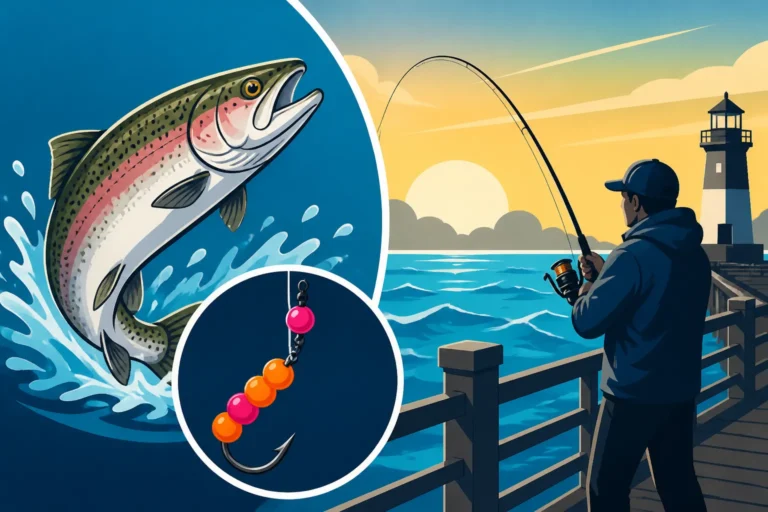
Rainbow trout are a true gem of Michigan's cold-water rivers, known for their powerful fights and stunning iridescent colors. While they share a common ancestry with steelhead (which are anadromous rainbow trout that migrate from the Great Lakes into rivers to spawn), many resident rainbow trout live their entire lives within the river systems, adapting to its unique challenges and opportunities. Understanding where and why they inhabit these waters is the first step to successful angling.
Where Rainbow Trout Call Home in Michigan Rivers
Michigan is blessed with an incredible network of cold, clean rivers that provide ideal habitat for rainbow trout. These fish thrive in waters with consistent temperatures, good oxygen levels, and plenty of structure for cover and feeding. When we talk about prime rainbow trout real estate, we're thinking about rivers like the famed Au Sable River Trout Fishing in Michigan, which boasts incredible hatches and a strong population of wild trout, or the Pere Marquette River Fly Fishing in Michigan, known for its pristine waters and challenging fish. Other notable rivers include the Manistee River, Rifle River, and sections of the Boardman and Pere Marquette, all offering distinct characteristics that appeal to rainbows. Look for areas with a gravelly or rocky bottom, which are crucial for spawning and insect production. Deep pools, undercut banks, fallen trees, and large boulders provide essential cover from predators and strong currents, making them prime spots for trout to hold and ambush passing food. They also seek out riffles and runs where oxygenated water flows over rocky bottoms, dislodging insects for an easy meal.
It’s important to remember that not all sections of these rivers are equally productive. Some stretches might be too warm or too slow, while others might be perfect. A little research into specific river sections or consulting local bait shops can give you an edge. For instance, the upper stretches of the Au Sable, particularly the Holy Waters, are renowned for their prolific insect life and dense trout populations, offering fantastic opportunities for both resident rainbows and brown trout. These areas often have stricter regulations, so always be sure to consult the latest Michigan Fishing Regulations Every Angler Should Know before you head out.
The Life Cycle and Behavior of River Rainbows
The life of a river rainbow trout is a fascinating journey dictated by instinct and environment. Unlike their Great Lakes-migrating steelhead cousins, resident rainbows typically spend their entire lives in the river. They spawn in the spring, usually from March through May, depending on water temperatures. During this time, they'll seek out shallow gravel beds, known as redds, to lay and fertilize their eggs. After spawning, they'll often be a bit lethargic and less interested in feeding aggressively, but they quickly regain their strength as the river's insect life explodes.
Throughout the rest of the year, their behavior is largely driven by food availability, water temperature, and cover. They are opportunistic feeders, meaning they'll eat whatever is readily available. This includes a wide array of insects—both aquatic nymphs and adult terrestrial insects—small baitfish, crustaceans, and even salmon eggs during the fall spawning runs of other salmonids. Their senses are incredibly sharp; they possess excellent eyesight, allowing them to spot even the most subtle movements in the water column, and a keen sense of smell. This makes stealth a crucial element of successful trout fishing. Approaching a riverbank quietly, minimizing shadows, and avoiding heavy footsteps can make all the difference in presenting your offering without spooking a wary fish.
Seasonal Considerations for River Rainbows
Fishing for rainbow trout in Michigan rivers is a year-round affair, but understanding the nuances of each season can significantly boost your success. Each time of year presents unique opportunities and challenges.
- Spring (March-May): This is often considered prime time. After the long winter, trout are hungry and actively feeding. The water temperatures begin to rise, triggering insect hatches. This is also when many rainbows will be preparing to spawn or are just finishing up, making them a bit more accessible as they move through the river system. During the Michigan's Spring Trout Opener Techniques, many anglers flock to rivers to target these hungry fish. Water levels can be high due to snowmelt and spring rains, which can make wading challenging but also washes more food into the river.
- Summer (June-August): As temperatures climb, resident rainbow trout in many rivers will seek out cooler, more oxygenated water. This often means finding them in deeper pools, near cold-water springs, or in faster, turbulent sections of the river. Early mornings and late evenings are often the most productive times, as the fish become more active when the sun isn't directly overhead and water temperatures are at their coolest. Terrestrial insects, like grasshoppers and ants, become a more significant part of their diet.
- Fall (September-November): The fall brings cooler temperatures, vibrant foliage, and often, the return of Great Lakes salmon and steelhead into the rivers. While not directly spawning themselves, resident rainbow trout will often feed heavily on the nutrient-rich eggs dropped by spawning salmon and steelhead. This egg bite can be incredibly productive, making fall an exciting time to target rainbows.
- Winter (December-February): Don't pack away your gear just yet! Winter can be a surprisingly good time for dedicated trout anglers. While fish activity slows, they still need to feed. They'll typically hold in slower, deeper pools where they can conserve energy. Finesse techniques, smaller baits, and slower presentations are key. Ice fishing is popular on many inland lakes, but river fishing can be very rewarding if you dress warmly and brave the cold.
Essential Gear and Tackle for River Rainbows
Having the right tools for the job is paramount when chasing river rainbow trout. You don't need a boatload of expensive equipment, but understanding what works best for different techniques and conditions will make your outings much more enjoyable and productive.
Rods, Reels, and Lines for River Success
The choice of rod, reel, and line often depends on your preferred fishing method – fly fishing or spin fishing.
- Spin Fishing Setup: For spin fishing, a light to medium-light action spinning rod between 6 and 7.5 feet is typically ideal. This length offers good casting distance while still providing the sensitivity needed to detect subtle bites and maneuver in tight quarters along riverbanks. A fast action tip is beneficial for quick hook sets. Pair this with a small spinning reel (size 1000 or 2000) spooled with 4-6 pound test monofilament or fluorocarbon line. Monofilament offers good knot strength and shock absorption, while fluorocarbon is nearly invisible underwater and sinks, which can be an advantage when trying to get your lure or bait down to the fish. Some anglers opt for braided line with a fluorocarbon leader for increased sensitivity and casting distance. You can find excellent options on Amazon, like the Ugly Stik Elite series, which offers great sensitivity and durability for the price.
- Fly Fishing Setup: For fly fishing Michigan rivers, a 4-weight or 5-weight fly rod, usually 8.5 to 9 feet long, is a versatile choice. This setup provides enough backbone to cast a variety of flies, from small dry flies to heavier nymph rigs, while still being sensitive enough to enjoy the fight of a smaller trout. Match your rod with a corresponding 4-weight or 5-weight fly reel and a weight-forward floating fly line. A 9-foot tapered leader, with a 4x or 5x tippet, is a good starting point for most presentations. For those looking to get into the sport, introductory fly rod combos often provide a good balance of quality and affordability. Fly Fishing Techniques for Michigan Trout Streams often requires a bit more finesse and specialized gear, but the rewards are immense.
| Gear Type | Spin Fishing Recommendation | Fly Fishing Recommendation |
|---|---|---|
| Rod | 6-7.5 ft, Light to Medium-Light action, Fast tip | 8.5-9 ft, 4-5 weight, Medium-Fast action |
| Reel | Size 1000-2000 spinning reel | 4-5 weight fly reel (disc drag preferred) |
| Line (Main) | 4-6 lb monofilament or fluorocarbon (or braided with leader) | Weight-forward floating fly line (matching rod weight) |
| Leader/Tippet | 4-6 lb fluorocarbon leader (2-4 ft) | 9 ft tapered leader with 4x-5x tippet |
The Right Lures and Baits for Michigan Rainbow Trout
Rainbow trout are not particularly picky, but they do have preferences based on what’s available in their environment. Matching the hatch (or the available forage) is key.
- Natural Baits: Live bait can be incredibly effective. Worms (red wigglers, nightcrawlers) are universally appealing and always a good choice, especially after rain when they wash into the river. Minnows, if legal and properly sourced, can entice larger trout. Salmon eggs, whether fresh or imitation, are a deadly choice, especially during fall when Chinook and Coho salmon are spawning. Many tackle shops sell prepared baits that mimic these natural food sources. You can also find a variety of highly realistic artificial worms and egg patterns on Amazon.
- Artificial Lures (Spin Fishing):
- Spinners: Small inline spinners (e.g., Mepps Aglia, Panther Martin, Rooster Tail) in sizes #0 to #2 are classic trout producers. The flash and vibration mimic small baitfish or fleeing insects. Try silver, gold, black, or even some fluorescent colors depending on water clarity.
- Spoons: Small casting spoons (e.g., Little Cleo, Krocodile) can also be effective, especially in larger pools or when you need to cast further. Their wobbling action is irresistible to hungry trout.
- Small Crankbaits: Tiny crankbaits that imitate minnows can be deadly, particularly in clear water. Look for suspending or shallow-diving models that mimic the local baitfish.
- Flies (Fly Fishing):
- Nymphs: During most of the year, trout feed primarily subsurface. Nymphs (e.g., Prince Nymph, Pheasant Tail, Hare's Ear, Stonefly Nymphs) are excellent imitations of aquatic insect larvae. Fishing these under an indicator is often the most productive method.
- Dry Flies: When insects are hatching, and trout are rising to the surface, dry flies (e.g., Caddis, Adams, Parachute Adams, BWO imitations) are your go-to. This visual form of fishing is exhilarating.
- Streamers: Streamers (e.g., Woolly Bugger, Clouser Minnow, Zonker) imitate baitfish, leeches, or other larger prey. They can tempt aggressive, larger trout, especially when stripped through deeper runs or around structure.
- Egg Patterns: As mentioned, during the fall, egg patterns are a must-have for fly anglers targeting trout feeding on salmon eggs.
Remember that What Counts as an Artificial Lure Under Michigan's Trout Rules can sometimes be a nuanced topic, especially when using things like beads or imitation eggs, so always double-check the current regulations for the specific river you are fishing.
Waders, Nets, and Other Must-Haves
Beyond the rod and reel, a few other items are critical for a comfortable, safe, and successful day on the river.
- Waders and Wading Boots: Unless you're strictly shore fishing, a good pair of chest waders and comfortable, supportive wading boots are essential. They keep you warm and dry, allowing you to access prime fishing lies that aren't reachable from the bank. Neoprene waders are excellent for colder weather, while breathable waders are better for warmer months. Make sure your wading boots have good grip, as river bottoms can be treacherous. You'll find many reputable brands of waders and boots, including options for various budgets, readily available online and in sporting goods stores.
- Landing Net: A rubber-coated or knotless mesh landing net is crucial for safely landing trout, especially if you plan to practice catch and release. These types of nets are much gentler on the fish's slime coat and fins, minimizing damage. A net with a long handle can be very helpful for reaching out to a fish you've hooked in a strong current.
- Pliers/Forceps: Essential for quickly and safely removing hooks, particularly if you're using barbless hooks for catch and release. Long-nosed pliers or hemostatic forceps are ideal.
- Tackle Box/Vest: A small, organized tackle box, a fishing vest, or a sling pack will help you keep your lures, flies, extra leaders, and other small items organized and easily accessible. Nobody wants to be fumbling for gear when the fish are biting!
- Sun Protection and Hydration: Even on cloudy days, UV rays can be strong. Wear a wide-brimmed hat, sunglasses, and apply sunscreen. Carry plenty of water, especially during warmer months, to stay hydrated.
Effective Techniques for Michigan River Rainbow Trout
Once you have your gear sorted, it's time to talk about how to present your offerings in a way that tempts those wary rainbow trout. Success often hinges on understanding how the current works and making your bait or lure look as natural as possible.
Drift Fishing and Float Fishing Strategies
Drift fishing and float fishing are among the most effective methods for targeting rainbow trout in rivers, especially when they're feeding subsurface. The goal is to present your bait or lure so it drifts naturally with the current, just like a free-floating insect or piece of food.
- Drift Fishing (No Float): This technique involves casting your bait (often a worm, single salmon egg, or a small imitation nymph/egg) upstream and allowing it to tumble along the bottom with the current. You use just enough weight (split shot or a small slinky weight) to tick the bottom occasionally without getting snagged constantly. The key is to keep a tight line, feeling for any subtle resistance or tap that might indicate a bite. This method is incredibly effective in riffles and runs where trout are actively feeding on dislodged insects. You're essentially imitating what the river naturally provides.
- Float Fishing (With a Bobber/Indicator): This technique, often called "bobber dogging" or "centerpinning" when using specialized gear, employs a float (either a traditional bobber or a specialized fly fishing indicator) to suspend your bait or lure at a precise depth. You cast upstream, and the float carries your offering downstream, keeping it at the desired depth while you mend your line to avoid drag. This allows for excellent control over your presentation and makes it easier to detect bites, as any dip or movement of the float signals a fish. It's especially useful in deeper runs or pools where trout are holding closer to the bottom. For Michigan Steelhead Run Timing, float fishing with bait or beads is a primary technique, and it works equally well for resident rainbows.
The beauty of both drift and float fishing lies in their natural presentation. Trout are accustomed to seeing food items drift effortlessly downstream. Any unnatural drag on your line can make your bait look suspicious, prompting the trout to ignore it. Practice your line mending skills to achieve a truly "dead drift" – a presentation where your line and bait move at the same speed as the current.
Fly Fishing for Wary Rainbows
Fly fishing for rainbow trout in Michigan rivers is a truly immersive and rewarding experience. It demands precision, observation, and a deep understanding of entomology (insect life).
- Nymphing: As trout feed subsurface most of the time, nymphing is often the most productive fly fishing method. You'll typically use one or two nymph patterns, weighted with split shot or a weighted fly, fished under a strike indicator. The indicator acts like a bobber, signaling strikes and helping you detect the subtle takes of a trout. Learning to read the water and understand where nymphs are likely to accumulate or where trout are holding to feed is crucial. This is particularly effective in riffles, runs, and the heads of pools.
- Dry Fly Fishing: The pinnacle of fly fishing for many, dry fly fishing involves presenting a floating fly pattern on the surface to imitate adult insects that have hatched or fallen into the water. This method is highly visual and exciting, as you watch the trout rise and sip your fly. Success depends on precise casting, accurate fly selection (matching the size, shape, and color of the natural insects), and a drag-free drift. Hatches can be sporadic, so having a selection of various dry flies is key.
- Streamer Fishing: When trout are aggressive or larger predatory rainbows are around, streamer fishing can be incredibly effective. Streamers imitate baitfish, leeches, or crayfish. You cast them across or downstream and strip them back in erratic movements, mimicking a wounded or fleeing prey. This technique can trigger powerful reaction strikes, and it’s a great way to target bigger fish holding in deeper water or around complex structure. You can learn more about specific techniques in our guide to Fly Fishing Techniques for Michigan Trout Streams.
Spin Fishing Tactics
Spin fishing offers a different approach to targeting river rainbows, often allowing for longer casts and the use of a wider variety of lures.
- Casting and Retrieving Lures: When using spinners, spoons, or small crankbaits, the technique usually involves casting slightly upstream and across, then retrieving your lure as it swings downstream. You want to retrieve just fast enough to get the spinner blade to turn or the spoon/crankbait to wobble enticingly. Vary your retrieve speed and depth until you find what the fish are reacting to. Often, a slow, steady retrieve is best, but sometimes an erratic twitch or pause can trigger a strike. Pay close attention to eddies, current seams, and areas around submerged structure, as these are prime ambush points.
- Bait Fishing with Spin Gear: Spin gear can also be used effectively for bait fishing. Whether you're using worms, minnows, or salmon eggs, you can present them under a float or drift them along the bottom with minimal weight. The advantage of spin gear here is the ability to cast lighter presentations with accuracy and ease. Remember, for bait fishing, the goal is often a natural drift, so avoid heavy weights that might cause your bait to drag unnaturally. Using a longer, more sensitive rod can greatly improve your feel for subtle bites when fishing with bait.
Reading the River and Ethical Angling
Beyond the gear and techniques, becoming a truly successful river trout angler means learning to "read the river" – understanding its nuances, currents, and where fish are likely to hold. It also means approaching the sport with a strong sense of ethics and responsibility.
Locating Rainbow Trout in River Currents
Rainbow trout are creatures of efficiency. They want to expend the least amount of energy possible while getting the most food. This dictates their holding lies.
- Current Seams: These are lines in the water where fast current meets slower current. Trout will often sit just out of the main current in the slower water, waiting for food to be swept past them in the faster flow. These are prime feeding lanes.
- Riffles and Runs: Shallow, fast-moving sections of the river that flow over gravelly or rocky bottoms. These areas are oxygen-rich and dislodge insects from the bottom, providing a conveyor belt of food. Trout will hold behind larger rocks or in small depressions in these areas.
- Deep Pools: Trout seek refuge in deeper pools, especially during brighter parts of the day or when water temperatures are high. These offer protection from predators and a break from strong currents. The head (upstream end) and tail (downstream end) of pools are often productive, as food enters or exits the slower water.
- Undercut Banks and Overhanging Vegetation: These offer excellent overhead cover and shade, providing a safe haven for trout. They also attract insects, which can fall into the water.
- Fallen Trees and Logjams: Submerged wood provides complex current breaks and hiding spots. Approach these areas cautiously, as they are often snag magnets, but can hold large fish.
- Confluences: Where two streams or rivers meet, there's often a mixing of currents and an increased concentration of food. These spots can be highly productive.
Learning to identify these features and understand how the current flows around them will dramatically improve your ability to find fish. It takes practice and observation, but soon you'll be able to look at a stretch of river and instinctively know where a trout might be holding.
Catch and Release Best Practices
Michigan's river trout fisheries are precious resources, and practicing responsible catch and release helps ensure healthy fish populations for years to come.
- Minimize Fight Time: Try to land the fish as quickly as possible without overstressing it. Prolonged fights, especially in warm water, can exhaust a fish to the point where it can't recover.
- Keep Fish in Water: The less time a fish spends out of the water, the better its chances of survival. Try to unhook fish while they are still submerged.
- Wet Hands: Always wet your hands before handling a fish. Dry hands can remove the fish's protective slime coat, leaving it vulnerable to infection.
- Barbless Hooks: Using barbless hooks (or crimping down the barb on your existing hooks) makes hook removal much easier and less damaging to the fish's mouth.
- Proper Hook Removal: Use pliers or forceps to quickly and gently remove the hook. If the fish is deeply hooked, it may be best to cut the line as close to the hook as possible, as attempting to remove a deeply embedded hook can cause more harm.
- Revival: If a fish seems sluggish, hold it gently in the current, facing upstream, until it regains its strength and can swim away on its own. Never push or throw a fish back into the water.
By following these simple practices, you contribute significantly to the health and sustainability of Michigan's amazing trout fisheries.
Navigating Michigan's Trout Regulations
Michigan's fishing regulations are designed to protect fish populations and ensure fair angling opportunities. It is absolutely crucial to understand and adhere to the rules for the specific body of water you are fishing. Regulations can vary significantly from one river to another, and even between different sections of the same river.
Before heading out, always consult the current Michigan Fishing Regulations Digest, available online from the Michigan Department of Natural Resources (DNR) website or at most bait and tackle shops. Pay close attention to:
- Season Dates: When Does Trout Season Open in Michigan for inland waters? What about the Great Lakes tributaries?
- Minimum Size Limits: Are there specific size limits for rainbow trout on the river you're fishing? These can range from general statewide limits to special regulations for certain stretches.
- Daily Possession Limits: How many rainbow trout can you keep in a day?
- Gear Restrictions: Are there any restrictions on bait, lures, or tackle (e.g., artificial lures only, single-pointed hooks only, no treble hooks)?
- Special Regulations: Some river sections, like designated "quality" or "no-kill" waters, have highly specific rules regarding gear, possession, and catch-and-release only.
Ignorance of the law is never an excuse, and violations can result in hefty fines and penalties. Take the time to read the regulations carefully; it’s an essential part of being a responsible angler. You can also find more information in our detailed guide, Michigan Fishing Regulations Every Angler Should Know.
Disclaimer
Fishing conditions and regulations in Michigan can change frequently. Always consult the latest Michigan Department of Natural Resources (DNR) regulations and local advisories before heading out. This guide provides general information and recommendations, but it is not a substitute for official DNR publications or professional advice. Fish responsibly and safely.