When Does Ice Fishing Season Start in Michigan
There's nothing quite like the anticipation of Michigan's ice fishing season, but figuring out exactly when it's safe to hit the hard water can feel like trying to predict the future. It’s a common frustration, especially when the weather seems to tease us with a few cold days followed by a warm spell. This guide will walk you through the real factors that determine the start of ice fishing season in Michigan, helping you understand the conditions, prioritize safety, and get out on the ice successfully, whether you're a seasoned ice angler or just looking to try something new.
The Unpredictable Start of Michigan's Ice Fishing Season
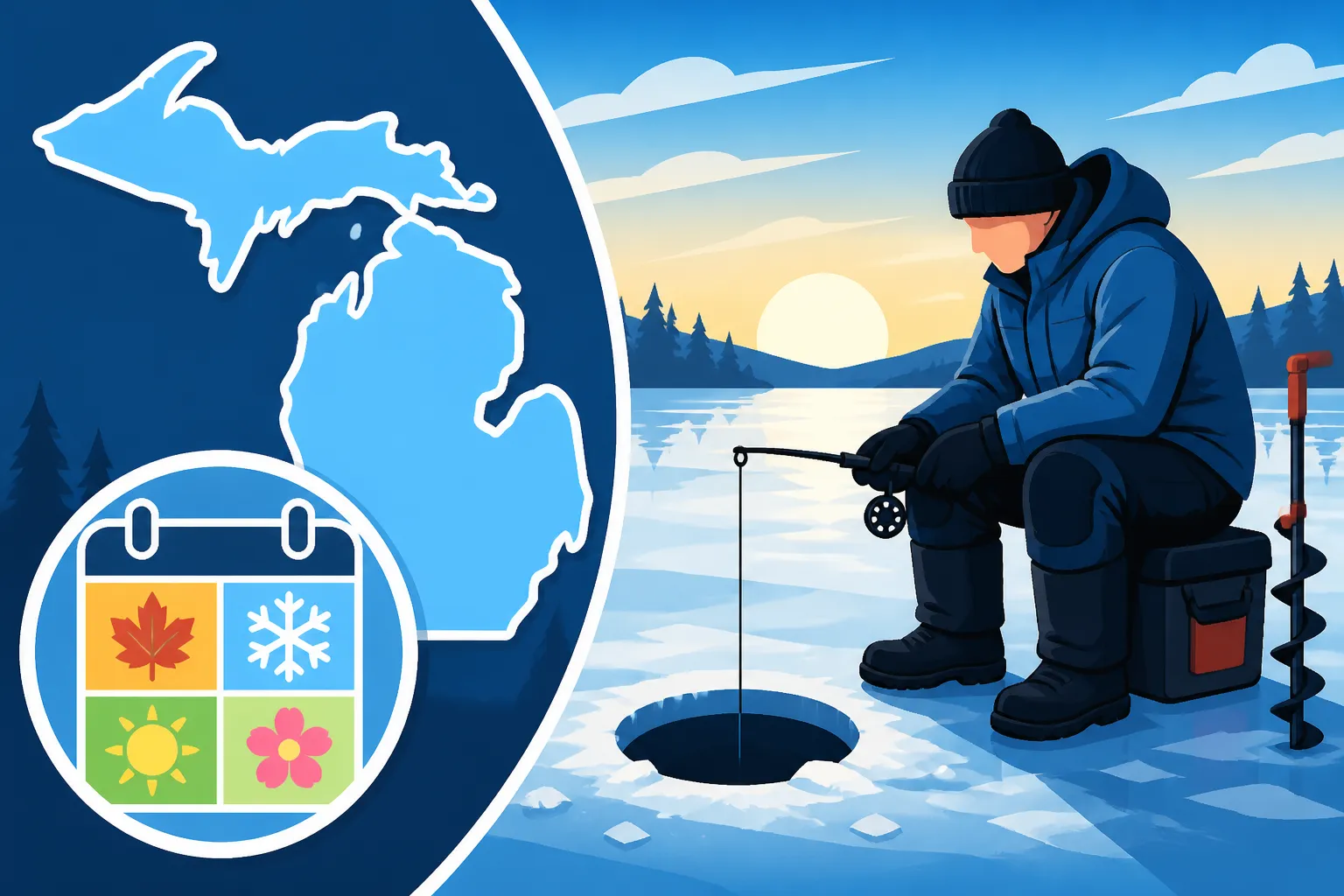
Unlike other fishing seasons with fixed opening dates, the start of ice fishing in Michigan is entirely dependent on Mother Nature. You won't find a specific calendar day marked by the Michigan Department of Natural Resources (DNR) that declares the season open. Instead, it’s a dynamic process driven by consistent cold temperatures that allow lakes, ponds, and slower-moving rivers to develop a thick, stable layer of ice. This uncertainty can be maddening, making it crucial for every angler to understand the variables at play rather than relying on a date on a calendar.
Consistent Cold is Key for Ice Formation
It takes more than just a few chilly nights to create safe ice. What we really need in Michigan is a prolonged period of below-freezing temperatures, ideally without significant snow cover initially. Snow acts as an insulator, slowing down the freezing process once it lands on nascent ice. When the air stays consistently below 32°F (0°C) for days, and even weeks, shallow areas of lakes and ponds will begin to solidify. These conditions usually arrive first in the northern reaches of Michigan, particularly the Upper Peninsula, before slowly creeping southward. Don't be fooled by a thin skim of ice after a cold snap; genuine, fishable ice requires sustained cold to build up the necessary thickness.
Different Bodies of Water Freeze at Different Rates
Not all water bodies are created equal when it comes to ice formation. You’ll quickly notice that smaller, shallower ponds and lakes, especially those without significant inlets or outlets, will freeze over much faster than larger, deeper lakes or those with current. Rivers, due to their constant flow, are particularly tricky and often don't offer safe ice at all, or only in specific backwater areas. Even within a single lake, shallow bays and protected coves will form safe ice much sooner than the expansive, deeper main basin. For instance, a small, protected bay on Houghton Lake might have solid ice weeks before the middle of the main lake body is safe. Understanding these nuances is critical for locating early, safe ice. This is part of the broader conversation about Michigan Ice Fishing Season Timing.
Prioritizing Safety Understanding Ice Thickness Guidelines
When it comes to ice fishing, safety is not just a suggestion – it’s a non-negotiable rule. The Michigan DNR, along with other ice safety organizations, provides clear guidelines for minimum ice thickness required for various activities. Ignoring these guidelines can have serious, even fatal, consequences. Many experienced anglers still fall victim to unsafe ice every year, often due to impatience or overconfidence. Always remember that no fish is worth risking your life for, so knowing How Thick Does Ice Need to Be to Fish in Michigan is paramount.
Official Michigan DNR Ice Safety Recommendations
The DNR's recommendations are based on years of experience and scientific understanding of ice integrity. These aren't arbitrary numbers; they account for the inherent variability and potential weaknesses in natural ice. Here’s a quick overview of what you should be looking for before venturing out:
| Activity/Weight Load | Minimum Safe Ice Thickness |
|---|---|
| Foot Travel (Single Person) | 4 inches |
| Foot Travel (Small Group) | 4-6 inches |
| Snowmobile/ATV Use | 5-7 inches |
| Small Car/Light Truck | 8-12 inches |
| Medium Truck | 12-15 inches |
It's absolutely vital to understand that these are minimum guidelines for clear, solid ice. Slushy ice, ice with cracks, or ice that has refrozen after thawing may not be as strong, even if it measures up. It's always better to err on the side of caution and aim for thicker ice.
How to Reliably Measure Ice Thickness
You can't just guess or rely on what someone else said yesterday. Conditions change rapidly. The only way to know the ice thickness for sure is to measure it yourself. A quality ice auger is indispensable for this. You'll drill a test hole close to shore, measure the ice, and then continue drilling and checking every 20-30 yards as you move out.
Another essential tool is a spud bar, especially for early season. This heavy chisel-like tool allows you to test the ice ahead of you as you walk. If the spud bar goes through in one or two hits, the ice is likely too thin. A good pair of ice picks, easily found on Amazon, can be a literal lifesaver if you do break through, helping you pull yourself back onto the ice. Always carry them around your neck or in an easily accessible pocket. Being prepared with What Gear Do You Need to Ice Fish in Michigan is half the battle.
Identifying and Avoiding Unsafe Ice Conditions
Beyond thickness, there are visual cues that can indicate unsafe ice. Never assume ice is safe just because it's widespread.
- Discolored or Grey Ice: This usually indicates the presence of water or air within the ice, making it weak. Stay clear of dark spots.
- Pressure Cracks and Heaves: These are common, but if they are large or constantly shifting with groans and pops, they can be dangerous, especially near shore or over deep water.
- Ice Near Moving Water: Inlets, outlets, and areas around springs or culverts will almost always have thinner, weaker ice due to constant water flow. These areas should be avoided entirely.
- Slush or Standing Water on Ice: This can be a sign of melting or recent snow cover insulating the ice, preventing it from thickening further or even causing it to weaken.
- Ice Under Bridges or Pilings: These structures absorb heat, often causing thinner ice around them.
Always fish with a buddy, inform someone of your fishing plans, and wear appropriate clothing, including a float suit or personal flotation device.
Regional Variations and Early Ice Opportunities
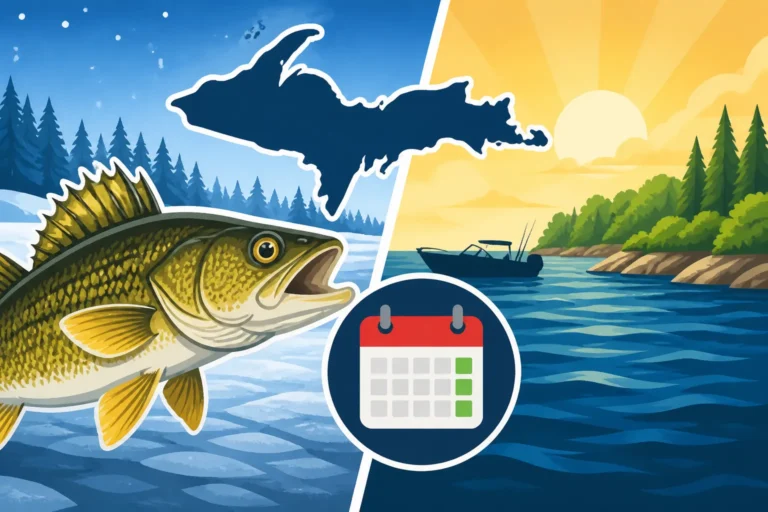
Michigan is a big state, stretching from the Ohio border all the way up to Lake Superior. This vast geographical spread means that ice conditions and the start of the ice fishing season vary significantly from north to south. What might be prime ice fishing in the Upper Peninsula in late November could be open water in southern Michigan until well into January.
Upper Peninsula's Head Start on Hard Water
Anglers in the Upper Peninsula often get the first crack at safe ice, sometimes as early as late November or early December, especially on smaller, shallower inland lakes. Places like Lake Gogebic, Indian Lake, and numerous smaller ponds tend to lock up much earlier due to colder average temperatures and more consistent cold fronts. This allows UP ice anglers to enjoy a longer season compared to their Lower Peninsula counterparts. If you're really eager to get out, keeping an eye on weather patterns in the UP might be your best bet for early-season adventures. You'll find many great spots covered in our Michigan's Upper Peninsula Fishing Spots Guide.
Lower Peninsula's Gradual Freeze
The Lower Peninsula typically sees safe ice forming later, usually starting in mid-December and extending into January, depending on how far south you are. Northern Lower Peninsula lakes, such as Houghton Lake and Higgins Lake, are often among the first larger bodies of water to freeze sufficiently for widespread ice fishing. These lakes are extremely popular for early-season walleye and perch. As you move further south, towards Traverse City, Grand Rapids, or Detroit, the wait often extends. Smaller, private ponds might offer early opportunities, but larger public lakes in southern Michigan often require a more prolonged cold spell to be truly safe.
Great Lakes Ice Fishing: A Different Beast Entirely
While the Great Lakes do freeze in certain areas, particularly bays and protected shorelines, ice fishing on these massive bodies of water is an entirely different proposition. Due to their immense size, depth, and constant currents, open water areas rarely, if ever, form safe ice for foot travel. Saginaw Bay on Lake Huron is a prime example of a Great Lakes bay that sees extensive, popular ice fishing, but even there, conditions can change rapidly and unpredictably. The vastness of the water, coupled with strong currents and wind-driven ice movements, makes Great Lakes ice inherently more dangerous. It’s critical to exercise extreme caution and only venture out when local experts and charter captains confirm stable conditions. Always remember, the general ice thickness guidelines are even more critical, and often more conservative, on these vast waters.
Preparing for a Successful Michigan Ice Fishing Season
Once you've identified potential safe ice and confirmed conditions, it’s time to shift your focus to preparation. A successful and enjoyable ice fishing trip isn't just about finding the fish; it's about being properly equipped and informed. From gear to licenses, having everything in order before you hit the ice will make your experience much smoother and safer.
Essential Gear for Early Season Success and Safety
Beyond your fishing rod and tackle, certain items are non-negotiable for early-season ice fishing. Your safety gear list should always include:
- Ice Picks: Worn around your neck, these can help you get out of the water if you fall through.
- Spud Bar: For testing ice thickness as you walk.
- Ice Auger: To drill holes and measure ice thickness. Invest in a reliable one; you can find a great selection of hand augers, electric, or gas models on Amazon.
- Flotation Suit or PFD: A float suit provides warmth and buoyancy, significantly increasing your chances of survival in cold water. Otherwise, a life jacket or personal flotation device (PFD) is a must.
- Warm, Layered Clothing: Dress in layers, avoiding cotton. Wool or synthetic base layers, fleece mid-layers, and waterproof outer shells are ideal.
- Proper Footwear: Insulated, waterproof boots are essential to prevent frostbite and keep you comfortable.
- Headlamp: Even if you plan to be off the ice before dark, conditions can change, and a headlamp is invaluable.
You can learn more about specific equipment in our Michigan Ice Fishing Gear Guide.
Staying Informed with Current Ice Conditions
Never rely solely on old information or generalized reports. Conditions on Michigan lakes can change hourly, especially during early season thaws or strong winds. Here's how to stay updated:
- Local Bait Shops: These are often the best sources of real-time, hyper-local information. The folks running these shops usually have their ears to the ground and know which lakes are safe and where the bite is.
- DNR Reports and Websites: The Michigan DNR provides updates and warnings, though they typically don't endorse specific lakes as "safe." They emphasize individual responsibility. You can also use the Michigan's DNR Hunt Fish App for Licenses and Reporting.
- Online Forums and Social Media Groups: Many local ice fishing groups on Facebook or dedicated forums provide community-driven reports. Just be wary of unverified claims and always double-check information yourself.
- Weather Forecasts: Pay close attention to temperature trends, wind advisories, and precipitation forecasts. A sudden warm-up or heavy snow can quickly change ice stability.
Always cross-reference information and use your own judgment. If it doesn't feel right, it probably isn't.
The All-Important Michigan Fishing License
Regardless of when you hit the ice or what you plan to catch, you must have a valid Michigan fishing license. Even if you're only fishing for a few hours, the law requires it. Licenses run on an annual cycle from March 1st to March 31st of the following year, so a license purchased in the spring will cover your ice fishing adventures through the winter. Ensure you understand all the Michigan Fishing Regulations Every Angler Should Know before heading out.
You can easily purchase your license online through the DNR eLicense system, through the DNR Hunt Fish App, or at authorized license retailers across the state, including many sporting goods stores and bait shops. It's a small investment that supports Michigan's fisheries and avoids hefty fines if you're caught without one. Many anglers stock up on essential early-season tackle, from small jigs to wax worms. Many anglers find it convenient to order their supplies from Amazon when they're planning their trips.
The First Signs of a Hard Water Season
Once the deep freeze finally sets in and those early lakes start to show promising ice, what should you look for? Often, the first anglers out will target panfish like bluegill and perch in shallow bays. These species tend to be more active under early ice, and their shallower habitats are the first to become safe. As the ice thickens and covers larger areas, typically by mid-January in the Lower Peninsula, walleye and northern pike anglers will venture out to deeper structures.
The excitement of the first safe ice is palpable, but it's a feeling that must be tempered with caution. The best way to approach the start of Michigan's ice fishing season is with patience, thorough preparation, and a commitment to safety. Consult local resources, check ice conditions religiously, and make sure your gear is ready. With the right approach, you'll soon be enjoying the unique tranquility and thrill of fishing on Michigan's frozen lakes. When you're ready to head out, don't forget to consider a float suit or at least a warm, waterproof jacket and bibs, which you can research and purchase on Amazon for added peace of mind.
Disclaimer
The information provided in this guide is for general informational purposes only and is not a substitute for official regulations or professional advice. Always consult the latest Michigan Department of Natural Resources (DNR) fishing regulations and prioritize personal safety on the ice. Ice conditions can change rapidly; never assume ice is safe.