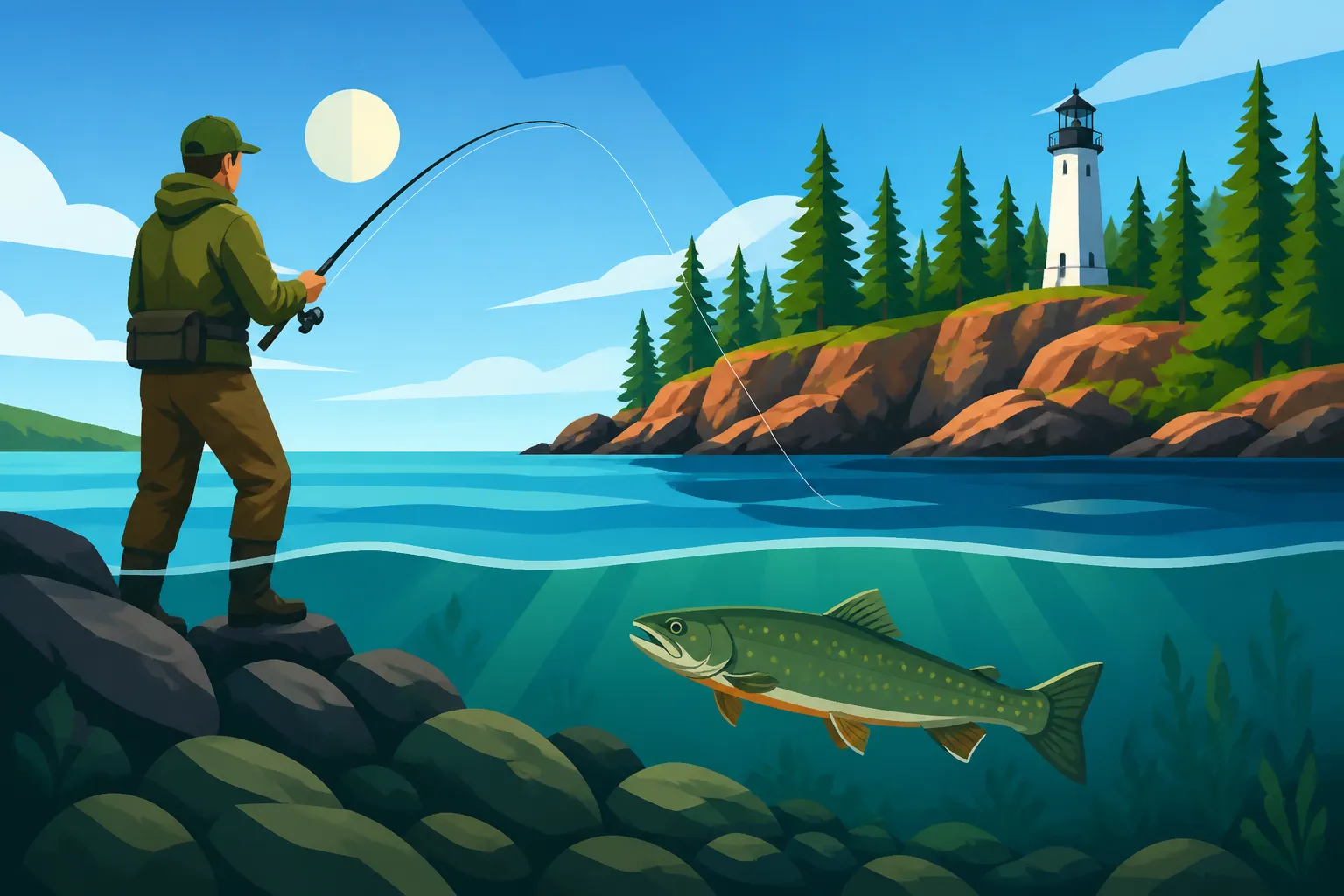
Best Fishing Spots on the Keweenaw Peninsula
The Keweenaw Peninsula, jutting proudly into Lake Superior, is a rugged, wild expanse that calls to anglers seeking both solitude and exceptional fishing. However, with its countless inland lakes, winding rivers, and vast stretches of Great Lakes shoreline, knowing where to cast your line can feel overwhelming. This comprehensive guide is here to unravel the mystery, leading you to the Keweenaw’s best fishing spots for a truly memorable experience.
The Untamed Allure of Keweenaw Fishing
There’s something truly special about fishing on the Keweenaw. It’s not just about the fish; it’s about the raw, untamed beauty of the landscape, the fresh scent of pine, and the vast, often quiet waters that stretch out before you. Anglers here often feel a sense of discovery, whether they’re chasing trophy lake trout in Superior or stealthily stalking brook trout in a secluded stream. The peninsula offers a diverse fishery, thanks to its unique geography and the pristine quality of its waters. But with such diversity comes the challenge of choice. Knowing the seasonal nuances and preferred habitats of different species is key to success in this stunning corner of Michigan. Remember, before you even consider heading out, you'll need to understand the rules. A great resource to start with is our Michigan Fishing License Guide for Residents and Nonresidents to ensure you're fully compliant with all state requirements.
Diverse Habitats and Target Species
The Keweenaw is a mosaic of different fishing environments, each with its own charm and target species. You've got the immense, cold depths of Lake Superior, home to formidable lake trout, salmon, and even some hefty whitefish. Then there are the dozens of inland lakes, ranging from small, clear ponds perfect for panfish and bass, to larger, deeper bodies of water with walleye and northern pike. And let's not forget the intricate network of rivers and streams that tumble down from the peninsula's spine, offering phenomenal opportunities for brook trout and migrating steelhead. This variety means that no matter your preferred fishing style or target species, the Keweenaw likely has a spot that will capture your angling heart. It’s worth checking out our Michigan's Great Lakes Fishing Guide for an even deeper dive into what you can expect when fishing the big water.
Seasonal Fishing Opportunities
Fishing on the Keweenaw is a year-round affair, each season bringing its own unique opportunities and challenges. Spring sees the ice melt, opening up inland lakes for panfish and early season pike, while the rivers swell with migrating steelhead and eager brook trout. Summer is prime time for Great Lakes salmon and lake trout, with warm weather making for comfortable days on the water, but don't overlook the bass and walleye action in the larger inland lakes. Fall brings a spectacular display of color and some of the best fishing of the year, as salmon and steelhead begin their runs up the rivers. And for the truly hardy, winter offers fantastic ice fishing on many of the peninsula's lakes, where walleye, perch, and pike are the main targets. For a more detailed breakdown, you might want to consult our Michigan Fishing Seasons Explained.
Prime Inland Lake Fishing on the Keweenaw
While the vastness of Lake Superior often grabs the headlines, the Keweenaw’s inland lakes are true treasures, offering more sheltered waters and fantastic fishing for a variety of species. These lakes are often more accessible for smaller boats, kayaks, and shore anglers, providing a different kind of angling experience. Each lake has its own personality, and understanding a few key characteristics can dramatically improve your chances of success.
Lac La Belle: A Walleye and Pike Haven
Tucked away on the eastern side of the Keweenaw, Lac La Belle is a fantastic spot that truly embodies the term "hidden gem." This lake is connected to Lake Superior by a channel, allowing for some fish migration, but it largely functions as a superb inland fishery. It's particularly renowned for its healthy populations of walleye and northern pike, making it a favorite among local anglers.
For walleye, the early morning and late evening hours are often the most productive. Trolling with crankbaits or drifting with live bait like shiners or nightcrawlers along the drop-offs and weed lines can yield excellent results. Pay attention to structure, especially underwater humps or old submerged timber, as walleye love to ambush prey from these locations. Pike, on the other hand, are often found lurking in the shallower, weedy bays. Large spinnerbaits, spoons, or even big jerkbaits cast into these areas can provoke aggressive strikes. Don't be surprised if you hook into a true 'gator' here; Lac La Belle has a reputation for producing some substantial pike. The access to the lake is good, with several public boat launches making it easy to get your craft in the water. Plus, there’s often good shore access near the channel and some of the smaller inlets. If you're serious about targeting these toothy critters, our Michigan Northern Pike Fishing in Michigan guide has some great tips.
Portage Lake: Connecting Communities and Anglers
Portage Lake isn't just a scenic waterway that divides the Keweenaw from the mainland and connects Houghton and Hancock; it's also a fantastic fishery in its own right. This long, deep lake offers a diverse range of species, from smallmouth bass and walleye to northern pike and even some trout that venture in from connected waterways. Its sheer size means there’s always a new spot to explore, whether you’re fishing near urban docks or venturing into more secluded bays.
Smallmouth bass are particularly abundant in Portage Lake, especially around rocky points, submerged structures, and bridge pilings. Casting tube jigs, Ned rigs, or small crankbaits can be incredibly effective, especially during the warmer months. For walleye, similar tactics to Lac La Belle apply, focusing on deeper contours and humps. The lake's connection to the larger system means you might even encounter the occasional lake trout or brown trout, particularly in the deeper, colder sections or near the connections to Lake Superior. The abundance of public boat launches, marinas, and shore access points makes Portage Lake incredibly angler-friendly. You can literally walk from your car in Houghton and cast a line into productive water. If you're planning a multi-day trip, platforms like FishingBooker can assist in finding local accommodations or even charter services for a guided experience on this sprawling lake.
Lake Superior: The Ultimate Great Lakes Challenge
For many, the Keweenaw's true fishing draw is the mighty Lake Superior itself. Its vast, cold, and often unpredictable waters hold some of Michigan's most sought-after game fish, primarily impressive lake trout and various salmon species. Fishing Superior can be a challenging endeavor, requiring proper gear and a healthy respect for the lake's power, but the rewards can be truly spectacular.
Copper Harbor: Gateway to Deepwater Trophies
Copper Harbor, nestled at the very tip of the Keweenaw, is arguably the most iconic port for accessing Lake Superior's deepwater treasures. The dramatic cliffs and clear, deep waters here are prime habitat for large lake trout and coho salmon, particularly during the summer months. Anglers here often employ trolling techniques, using downriggers to get their lures down to the depths where these fish lurk.
Lake trout can be found anywhere from 60 to 200 feet deep, often suspended over deep structures. Spoons in various colors, especially those mimicking baitfish like ciscoes, are popular choices. Coho salmon tend to be found higher in the water column, often feeding closer to the surface in the early mornings or late evenings. When you're out there, always keep an eye on the weather; Superior can change from glass-calm to dangerously rough in a hurry. If you're new to Great Lakes trolling, or simply want to maximize your chances, booking a charter through a service like FishingBooker can be an excellent investment, providing you with experienced guides and specialized equipment. They’ll know the nuances of the local currents and fish movements.
Bete Grise Bay: Sheltered Waters and Diverse Catches
On the eastern side of the Keweenaw, just south of the main tip, Bete Grise Bay offers a slightly more sheltered option for Great Lakes fishing compared to the open waters around Copper Harbor. While still part of Lake Superior, the bay's configuration can provide a bit of a break from the biggest waves, making it a more comfortable option on windier days. This area is known for good numbers of lake trout, but you can also find salmon, especially coho, and occasionally brown trout closer to shore.
Fishing in Bete Grise often involves trolling with spoons or stickbaits, adapting your depth to the species you're targeting. Early in the season, you might find fish closer to the surface, while mid-summer often requires getting your lures down deeper. The bay also has several points and drop-offs that can hold fish. Shore anglers might find some success casting spoons or heavy spinners from the beaches and rocky outcrops, particularly during periods of higher water or when baitfish are concentrated near shore. Always consult the Michigan Great Lakes Fishing Regulations Guide to be fully aware of specific rules for Lake Superior, including limits and seasons.
River and Stream Fishing for Trout and Steelhead
Beyond the sprawling lakes, the Keweenaw Peninsula is veined with countless rivers and streams that flow into Lake Superior or feed into the larger inland lakes. These waterways offer fantastic opportunities for fly fishing and light tackle angling, primarily targeting brook trout and, seasonally, steelhead. The experience here is often more intimate and requires a different set of skills than lake fishing.
Gratiot River: Classic Brook Trout Water
The Gratiot River, located on the northern side of the peninsula, is a prime example of a classic Keweenaw brook trout stream. It’s relatively small, often clear, and meanders through forested lands, making for a picturesque angling experience. Brook trout here, while not always massive, are incredibly beautiful and aggressive, especially when presented with a well-placed fly or spinner.
Access to the Gratiot River can be found at various points along its length, often requiring a bit of walking to reach prime pockets. When fishing for brookies, stealth is key. These fish are easily spooked. Light spinning gear with small spinners (like Mepps or Panther Martin) or ultra-light fly rods (3-5 weight) with dry flies, nymphs, or small streamers are ideal. Look for deeper pools, undercut banks, and swift riffles where trout tend to hold. Always practice catch and release, especially for the larger, wilder brook trout, to help preserve this precious fishery. Our Michigan Trout Species Explained article can give you more insights into these beautiful fish.
Other Tributaries and Smaller Streams
While the Gratiot is a well-known spot, many other smaller, unnamed, or less-traveled tributaries spill into Lake Superior across the Keweenaw. These often hold healthy populations of brook trout and, at certain times of the year, can see runs of steelhead. Exploring these smaller waters requires a sense of adventure and a willingness to bushwhack a bit, but the reward of finding an untouched pool teeming with native brookies is truly unparalleled.
When exploring these smaller streams, remember that conditions can vary greatly. Some might be too small or overgrown to fish effectively, while others could be hidden gems. Always respect private property and be mindful of your impact on these delicate ecosystems. For those seeking steelhead, focus on the larger tributaries during the spring and fall runs. Techniques like float fishing with spawn bags, beads, or small jigs can be very effective. Before you head out, checking our How to Fish for Steelhead in Michigan guide can give you a significant advantage. Even if you're exploring on your own, knowing where to find local guides or charter information on platforms like FishingBooker could enhance your chances, especially for the elusive steelhead.
Essential Tips for Keweenaw Anglers
Fishing the Keweenaw Peninsula, whether on the vast expanse of Lake Superior or a quiet inland stream, requires a blend of preparation, patience, and adaptability. The weather can change in an instant, and fish behavior can be dictated by many factors. Here are some crucial tips to help you make the most of your angling adventure.
Understanding Regulations and Licensing
One of the most fundamental aspects of responsible and successful fishing is knowing the rules. Michigan has specific regulations that govern everything from minimum size limits and daily possession limits to seasonal closures and gear restrictions. These can vary not only by species but also by specific bodies of water. For instance, the limits for walleye on Portage Lake might differ slightly from those on an adjacent stream for trout.
Always carry a copy of the current Michigan Fishing Regulations Digest, which you can usually pick up at most bait shops, DNR offices, or download a PDF online. This digest is your bible for understanding what you can and cannot do. Furthermore, ensuring your fishing license is up-to-date is non-negotiable. Whether you're a resident or a nonresident, you'll need a valid license. You can easily purchase one online through the Michigan DNR website, or in person at many local retailers. Don't risk a hefty fine or losing your gear over a simple oversight. Our Michigan Fishing Regulations Every Angler Should Know is a great primer.
Gear Recommendations for Diverse Waters
Given the wide array of fishing environments on the Keweenaw, a versatile tackle box and a few different rod setups can make a big difference. For Lake Superior trolling, you'll need heavier rods, line counters, and downriggers if you're serious about deepwater lake trout. For inland lakes, medium-light to medium power spinning rods are usually sufficient for bass, walleye, and pike. For river and stream trout, ultra-light spinning gear or a fly rod in the 3-5 weight range will be perfect.
Consider bringing a variety of lures and baits. Spoons, crankbaits, jigs, and soft plastics should cover most situations. Live bait like nightcrawlers, minnows, or leeches can also be incredibly effective, especially for walleye and panfish. Don't forget essentials like a net (especially a large one for muskie or big lake trout), pliers, line clippers, and a sturdy tackle box. Layered clothing is also critical, as temperatures can fluctuate wildly, even in summer. If you're considering targeting northern pike, our Best Lures for Muskellunge article (yes, muskie and pike often respond to similar lures!) can give you ideas for larger baits.
| Fishing Spot | Primary Species Target | Best Season(s) | Primary Techniques Recommended | Unique Access/Tips |
|---|---|---|---|---|
| Lac La Belle | Walleye, Northern Pike | Summer, Early Fall, Winter | Trolling, Drifting, Casting Lures | Good boat launches, some shore access near channel; check for weed lines. |
| Portage Lake | Smallmouth Bass, Walleye, Pike | Spring, Summer, Fall | Jigging, Casting Crankbaits/Soft Plastics | Abundant public launches, urban shore access, bridge fishing. |
| Copper Harbor (Superior) | Lake Trout, Coho Salmon | Summer, Early Fall | Deepwater Trolling (downriggers) | Best for larger boats; consider charters for deepwater expertise. |
| Bete Grise Bay (Superior) | Lake Trout, Salmon, Brown Trout | Summer, Fall | Trolling, Shore Casting | More sheltered than open Superior; some beach/rock access for shore anglers. |
| Gratiot River | Brook Trout, Steelhead (seasonal) | Spring, Summer, Fall | Fly Fishing, Ultra-light Spin | Requires walking to access; stealth is crucial; catch & release recommended. |
Navigating and Safety on the Water
Lake Superior, in particular, demands respect. Its vastness, cold temperatures, and potential for sudden, severe weather changes mean that safety should always be your top priority. Always check the marine weather forecast before heading out, and if you're fishing from a boat, ensure it's properly equipped with all required safety gear, including life jackets for everyone on board. A marine radio, GPS, and reliable engine are also vital. Even on inland lakes, conditions can change, so always let someone know your float plan.
If you're hiking into remote stream sections, bring a map, compass or GPS, and be aware of your surroundings. Bear and other wildlife encounters, while rare, are possible in these wild areas. Packing bug spray is also a wise decision, especially during warmer months. Remember, the goal is to enjoy the fishing and return safely with stories, not just fish. If you're not confident venturing out on your own, or simply want to learn the ropes, a local guide found via FishingBooker can provide invaluable local knowledge and ensure a safe, productive trip.
Final Thoughts on Keweenaw Fishing
The Keweenaw Peninsula is a truly remarkable place for anglers, offering a diverse array of fishing experiences set against a backdrop of stunning natural beauty. From the challenging depths of Lake Superior to the tranquil flow of hidden trout streams and the productive waters of its inland lakes, there's something here for every passion and skill level. It's a place where you can chase trophy fish, or simply enjoy the peace and quiet of a day on the water.
Whether you're a seasoned veteran or planning your first trip to this majestic region, remember that preparation and a spirit of adventure are your best assets. Respect the regulations, equip yourself appropriately, and embrace the wild, rugged charm that makes fishing the Keweenaw an unforgettable experience. Hopefully, this guide has armed you with the insights you need to embark on your next great Michigan fishing adventure.
Disclaimer
Please be aware that fishing regulations, conditions, and fish populations can change. Always consult the latest Michigan Department of Natural Resources (DNR) regulations before you head out, and exercise caution when on or near the water. This guide is for informational purposes only and does not constitute professional advice.